Apr 6, 20267 min read
Fantastic free things you can do in Mexico CityOct 22, 2025
7 MIN READ

Writer
Lonely Planet may earn a commission from affiliate links on our site. All recommendations and reviews reflect our own independent opinions.
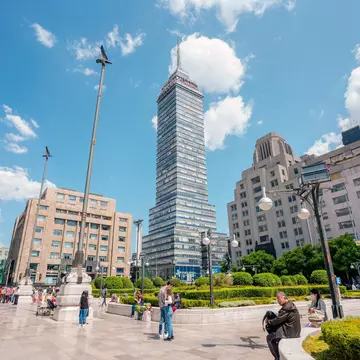
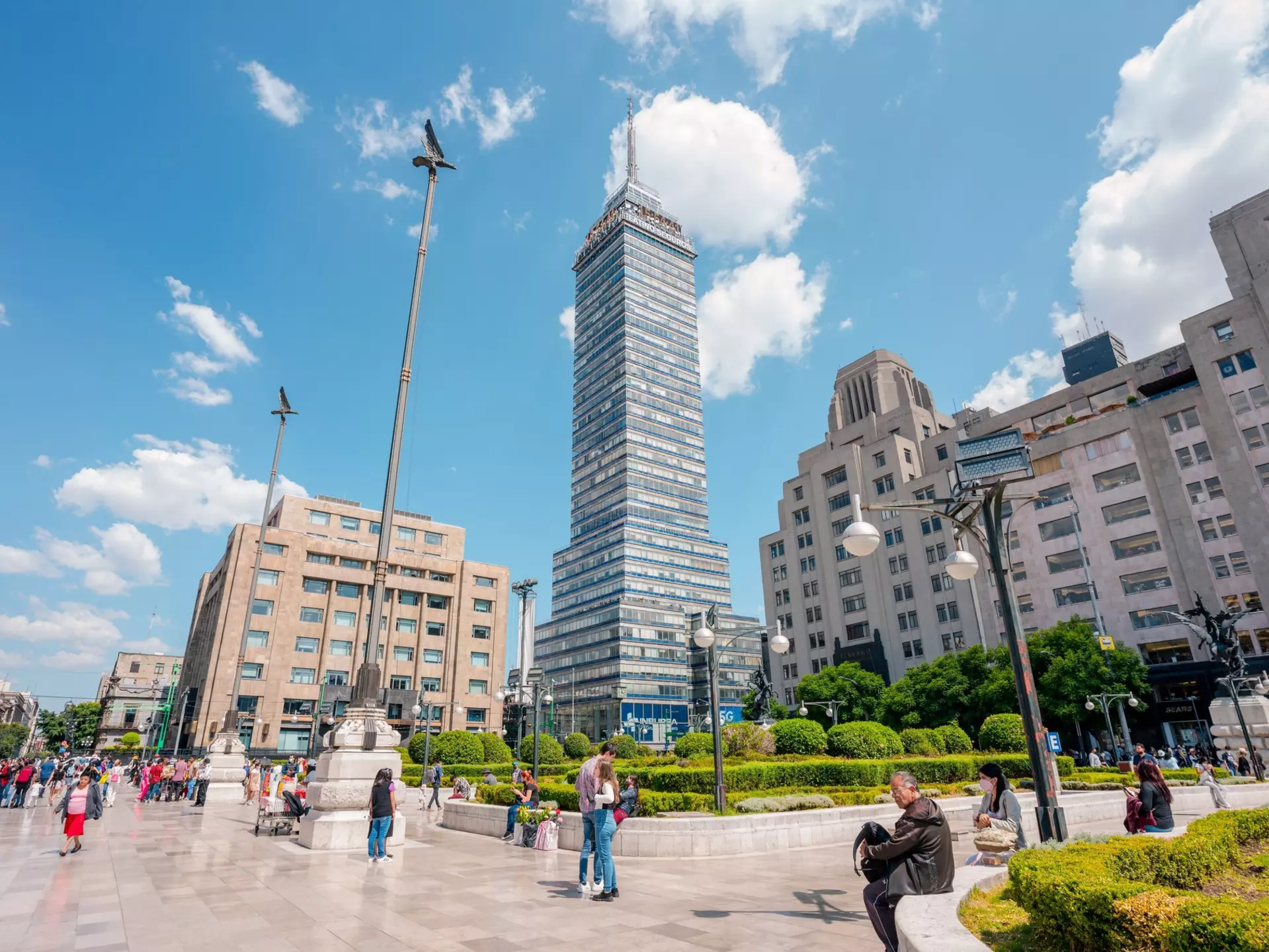
View of the Torre Latinoamericana on a sunny day in Mexico City.
Writer
Once home to a great ancient empire and now a cutting-edge and progressive modern capital, Mexico City has been one of the Americas’ mightiest metropolises since its inception.
In a city so vast and packed with heaving markets, colossal museums and a never-ending amount of neighborhoods, you can easily become overstimulated and overwhelmed.
If you've not yet visited the Mexican capital, these 10 suggestions will kickstart your stay.
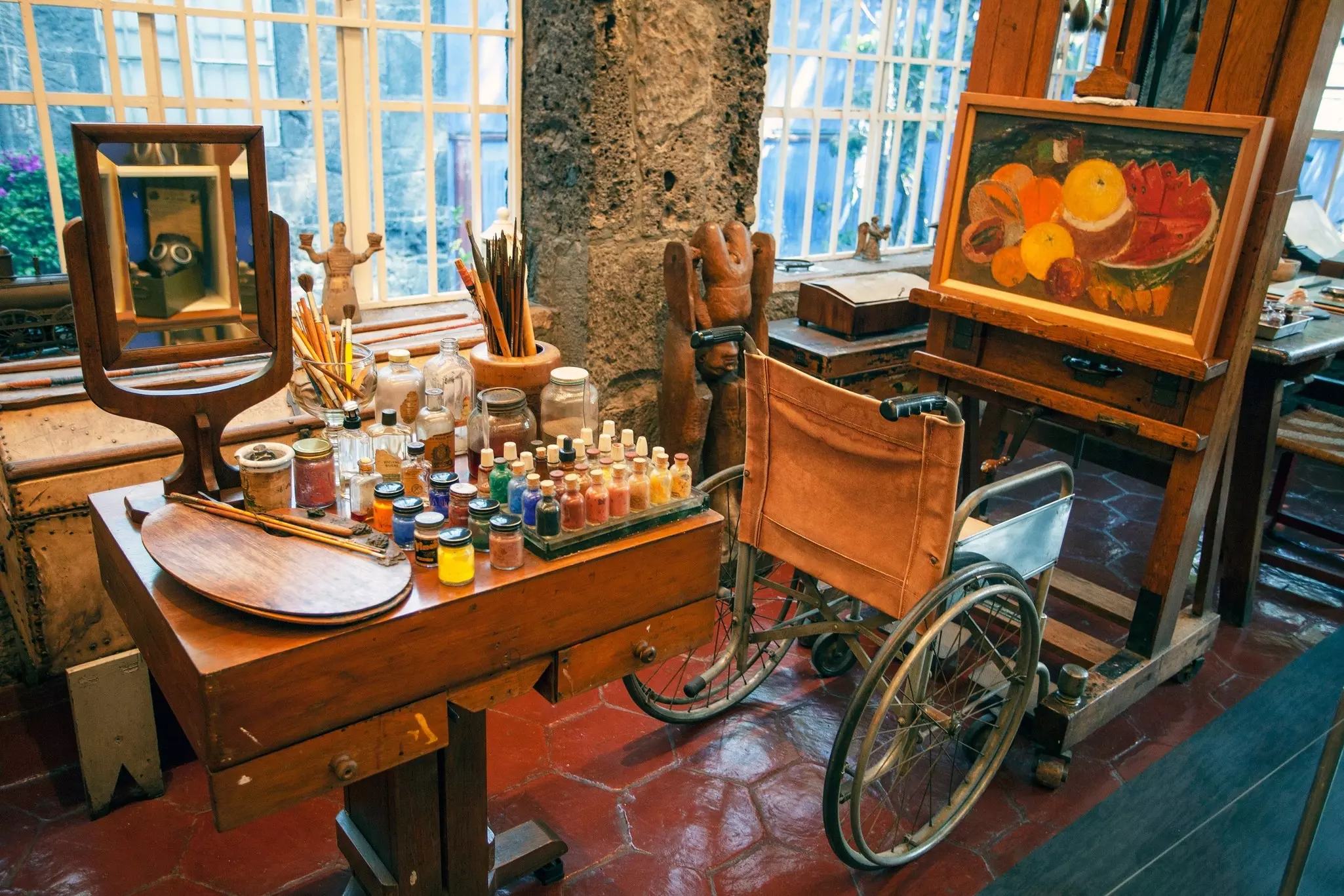
Casa Azul is the home where artist Frida Kahlo was born and lived most of her adult life. Located in the Coyoacán neighborhood, this is an important stop for anyone who wants to be totally immersed in Kahlo's life and legacy.
The cobalt-blue building is a treasure trove of her self-portraits, family photographs and personal artifacts, such as her traditional Mexican wardrobe and the pre-Columbian relics she lovingly collected.
Much of her life was marked by tragedy and suffering, evident from the crutches, medicines and the four-post bed she was confined to for many months following an accident. These elements are what make Casa Azul so poignant.

There are various stadiums where you can attend lucha libre (Mexican wrestling) fight nights, including Arena Coliseo (“the cathedral of lucha libre"), Arena México and Arena Naucalpan to the northwest of the city.
Once you take a seat, grab yourself a giant plastic cup of cheap beer and a bag of potato chips from the sellers who weave in and out of the packed stands.
Watch in amused awe as the masked luchadores (wrestlers) carry out acrobatic flips and kicks. Their sweaty, Lycra-clad bodies dramatically smack onto the canvas to the roar of the crowd — their passion is infectious.
Planning tip: The stadiums’ neighborhoods can be on the dodgy side at night, so make a swift exit once you leave the arena while crowds are still milling around.
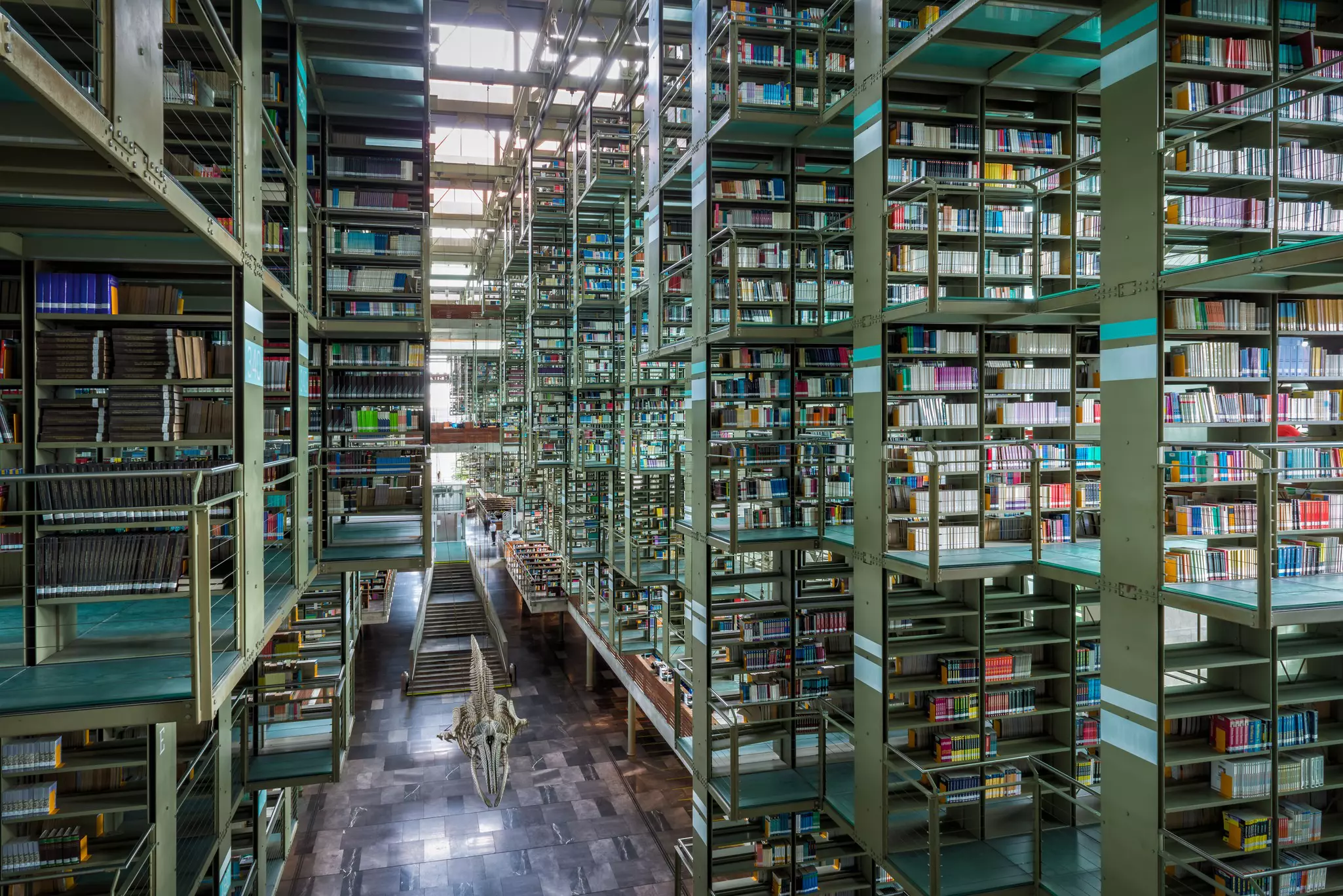
Beyond the books and archives, Mexico’s libraries are architectural marvels in their own right.
Biblioteca Vasconcelos, considered one of the world’s most beautiful libraries, is an industrial yet ethereal goliath of glass walls, towering steel bookshelves and futuristic floating walkways.
The UNAM Central Library is a looming 10-floor tower block completely embellished with colorful stone tiles.
Circle the building’s exterior, which serves as a canvas for an immense mural – each side telling the story of Mexico’s pre-Columbian, colonial, revolutionary past, as well as its contemporary present.

Stay connected abroad with an eSIM
Holafly eSIM provides unlimited mobile data with no hidden fees, giving you peace of mind wherever you travel. Stay connected even after your plan ends with Always On. Use code LONELYPLANET for an exclusive discount.
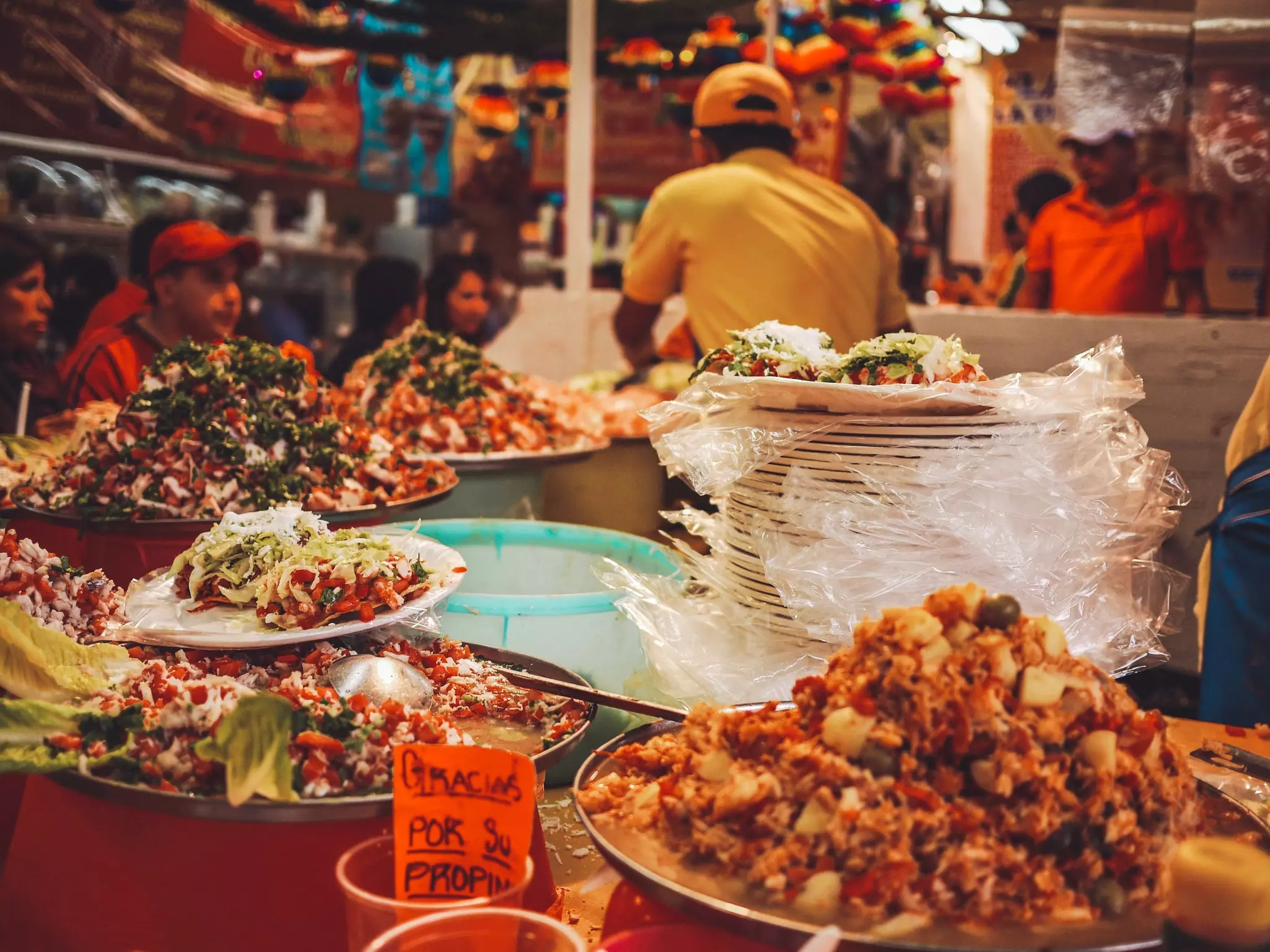
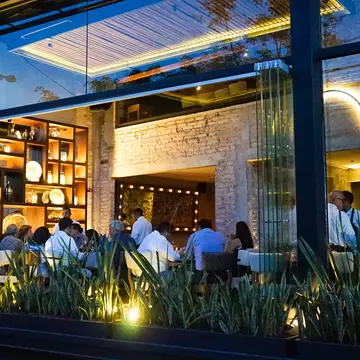
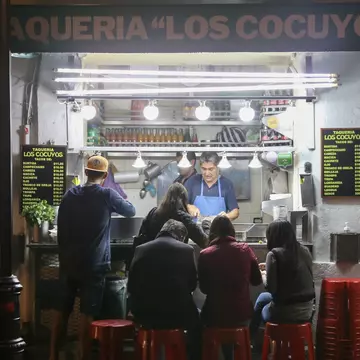
Mexico City is a culinary colossus on the international food and drink scene, so it is easy to get overwhelmed by the seemingly inexhaustible street stands and up-market restaurants.
Likewise, there are so many local delicacies with such unusual names that even a Spanish speaker might struggle to decipher a menu.
Food tours are a great way to give some direction to your gastronomic awakening in the city. Devoured is a Mexican-owned and socially conscious food experience provider, offering themed tours to emerging culinary destinations – such as the Juarez neighborhood – and trips to help you navigate the city’s flea and farmers markets one taco at a time.
Journey to the back left corner of Mercado de Sonora and discover a world of santería and shamanism, where you will find a plethora of herbal concoctions and plants believed to cure all manner of ailments. For adventurous travelers, ask around about getting a limpia (spiritual cleanse).
Beyond lotions and potions, the goods sold here represent the diverse faiths and beliefs practiced in the city.
Catholic crucifixes and Judas effigies, voodoo dolls and cowrie shells used in Afro-Caribbean rituals sit alongside skulls and skeletons connected to Santa Muerte, Mexico’s saint of death.
Planning tip: Mexico does not have a big haggling culture, so pay the suggested price, especially when it comes to religious items. Also, bear in mind that, generally, in the back right section of the market, vendors sell live animals as pets or for sacrificial purposes.
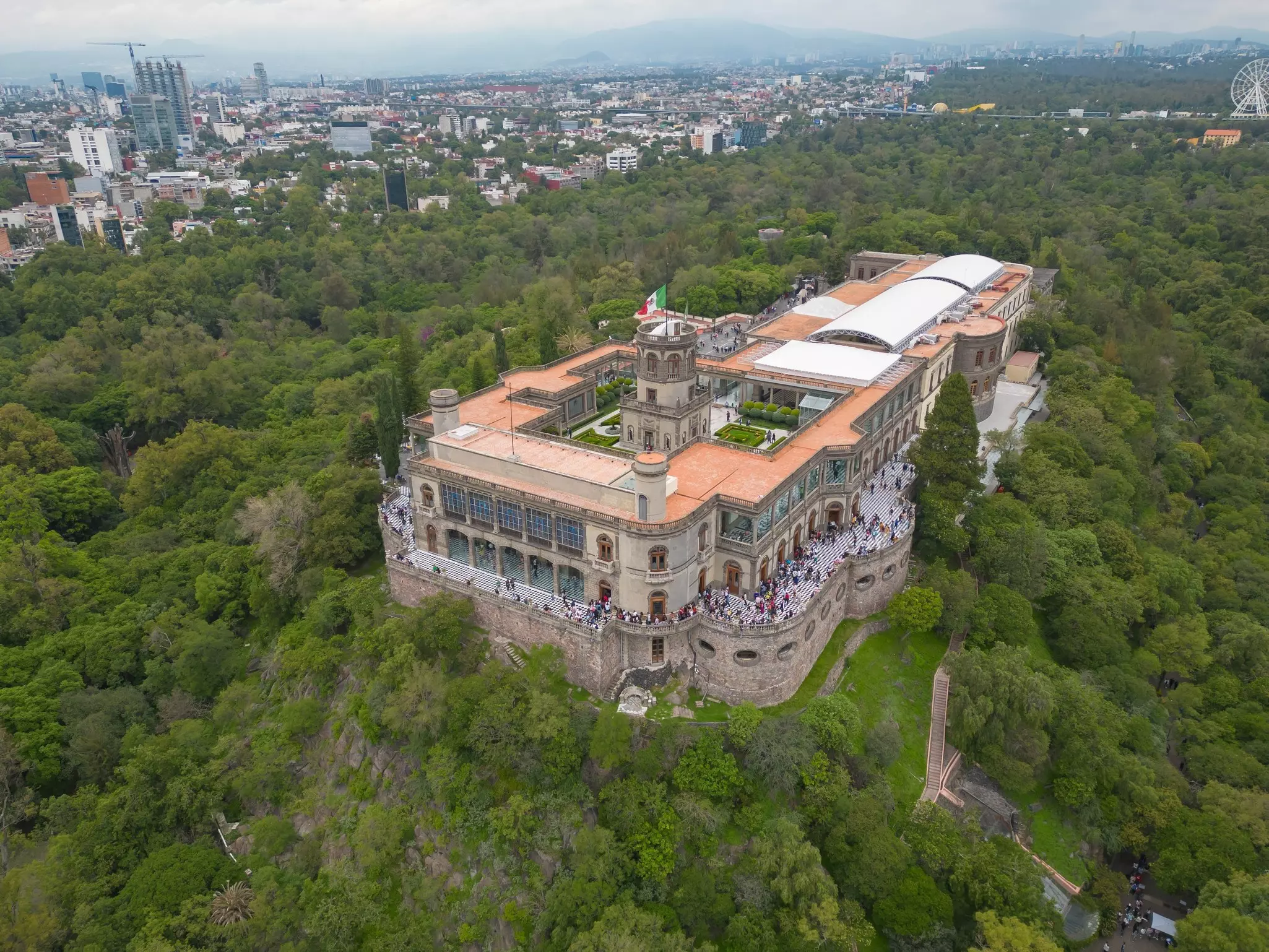
Mexico City is a bastion of global cinema. Many movies, from foreign to domestic and from blockbuster to arthouse, have been shot there. In fact, Baz Luhrmann’s 1996 classic Romeo + Juliet was not filmed in fair Verona but predominantly in Mexico City.
Hike up to the castle perched atop Chapultepec Park’s hill, depicted as the Capulet family’s extravagant mansion.
Iglesia del Purísimo Corazón de María in the Colonia del Valle neighborhood was the church featured in some of the film’s most recognizable scenes. It’s an imposing gothic and art deco-style masterpiece topped by a 10m (32.8ft) Virgin Mary not unlike Rio de Janeiro’s Christ the Redeemer.
And do not forget the James Bond movie Spectre, which highlighted a Day of the Dead Parade set in Mexico City.
Fun fact: the massive outdoor celebration wasn't a thing until after 2016. Día de Los Muertos always existed but was more intimate with celebrations taking place at cemeteries or homes.
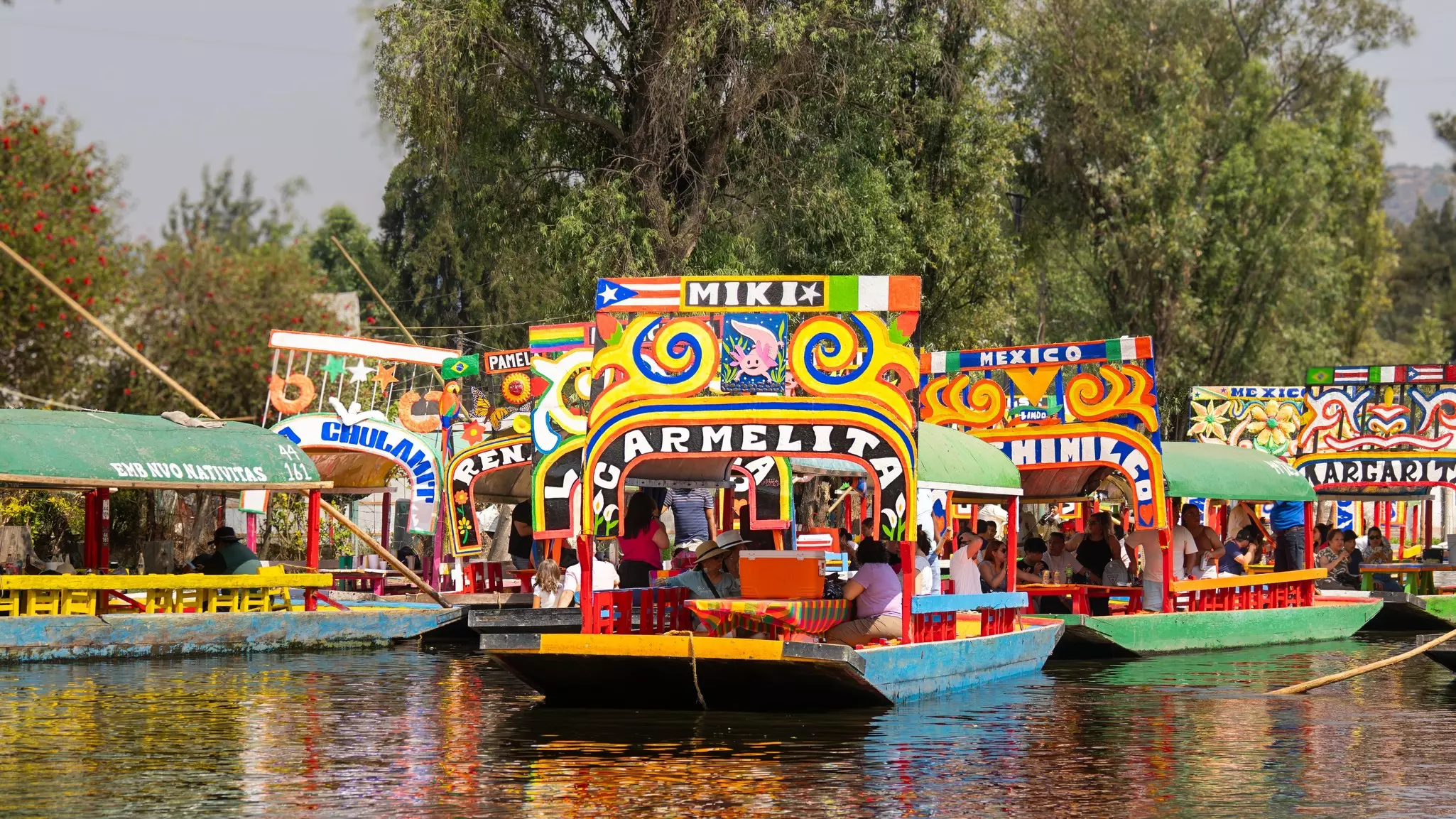
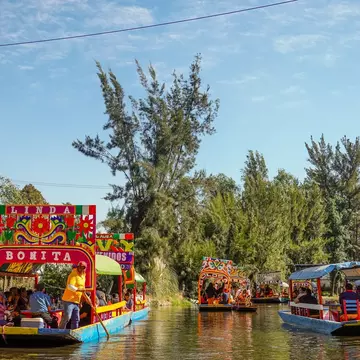
Around 22km (13.6 miles) south of the city is Xochimilco, a former freshwater lake transformed into a vast canal network by the Aztecs from as early as 1150 AD. The area is made up of chinampas, ancient agricultural islands that used to sustainably feed the civilization that later became Mexico City.
However, Xochimilco is most renowned for its weekend boat parties, where thousands of locals and visitors take to the canals in multicolored trajinera rafts to drink pulque (fermented agave wine) and drunkenly dance to mariachis.
Planning tip: Opt for a more sustainable way of appreciating Xochimilco by booking yourself a sunrise tour with Arco Tierra. These trips also include farm-to-table breakfasts prepared with ingredients grown on the remaining active chinampas.
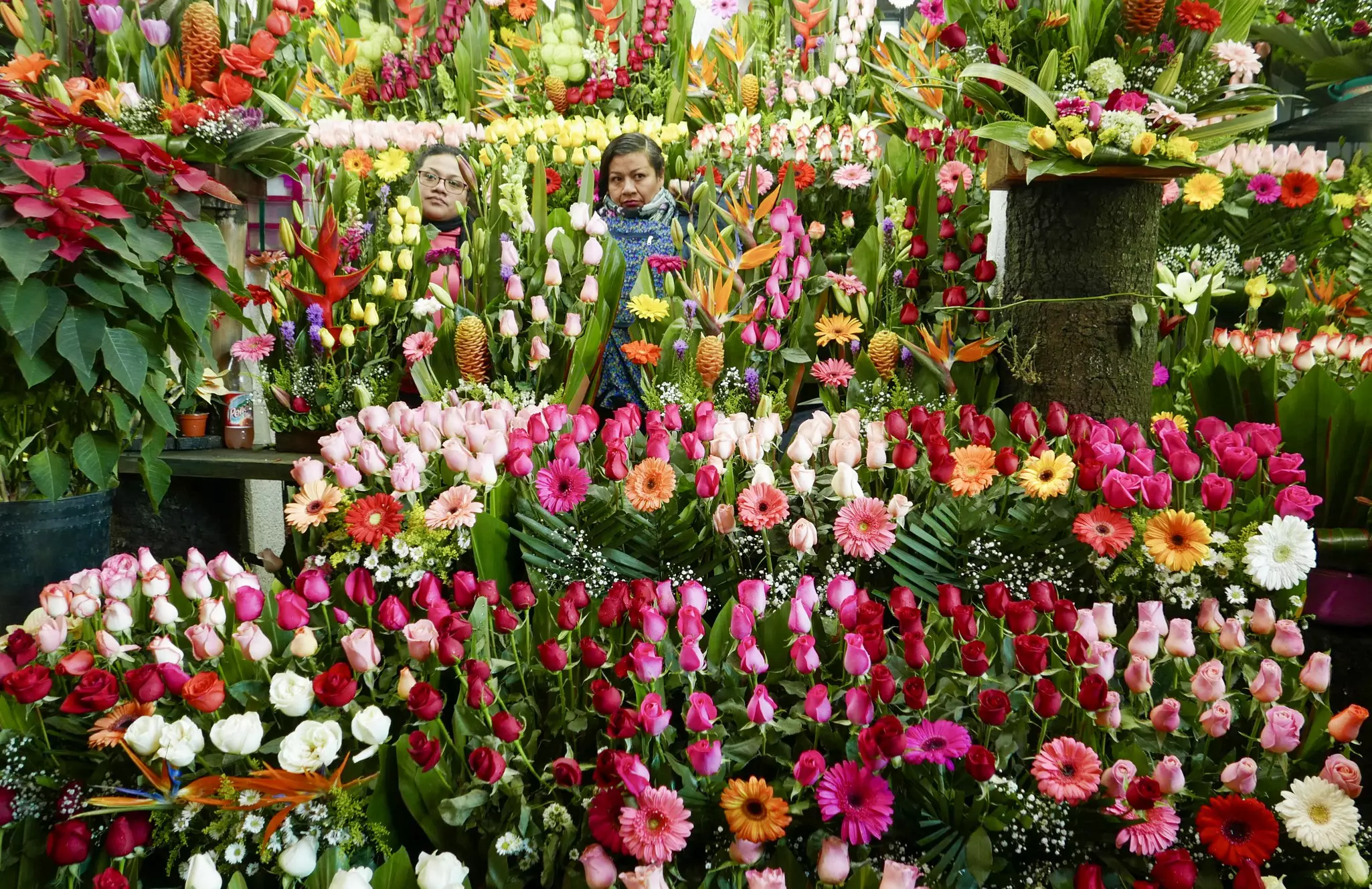
Although this market sells pretty much anything you can imagine, it specializes in all things flora. On entering the city’s biggest flower market, you will be visually bombarded by ginormous bouquets of roses and sunflowers that have been intricately crafted by vendors and artisans.
Expect to find roughly 5000 species with elaborate arrangements for every occasion, from Day of the Dead ofrendas (altars) to wedding bouquets and garish displays spelling out te amo (I love you) in colorful blooms.
Detour: Depart from the flower part of the market and head to Mariscos El Paisa, a gourmet yet laid-back open kitchen serving up an extensive menu of experimental seafood dishes. Try the tacos de pulpo al pastor (marinated octopus tacos) or a caldo de mariscos (seafood stew). You will find it on stands 287 to 292 on the northern edge of the market.
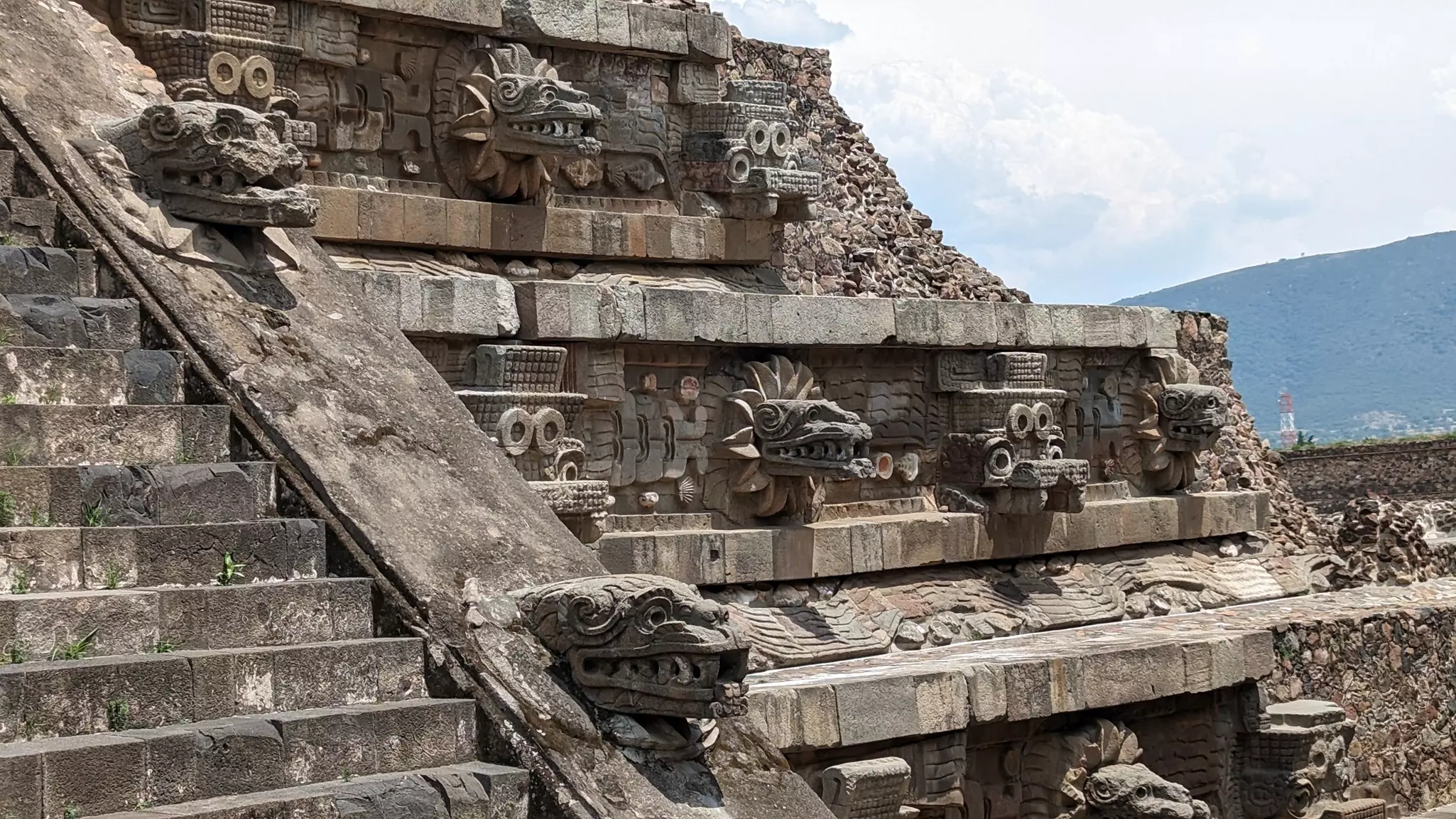
After exploring the ultra-modern Mexico City, step back in time to Teotihuacán, once the largest urban center in the Americas.
This Mesoamerican civilization had mysteriously declined by the 8th century, leaving the abandoned site steeped in anthropological questions yet to be answered.
Wander down the Avenue of the Dead, the main thoroughfare of the ancient city, until you reach the Pyramid of the Sun, the third-largest pyramid in the world, and the Pyramid of the Moon.
As well as on foot, you can also take to the skies in a hot air balloon, getting a bird's-eye view of the pyramids in all their might and mystery.
Planning tip: Go to gate eight at the North Bus Station to purchase a bus ticket that will take you to the site, located around an hour north of the city.
To understand Mexico, you must delve into its pre-Columbian past, and there is no better place than the capital’s Museo Nacional de Antropología.
This site is a must-see, but it is so staggeringly large (600,000 artifacts across 23 rooms) that you could spend days in there, so make a beeline for a specific section or two.
Head to the Aztec Hall to see the Mona Lisa of the museum, the iconic Aztec sunstone, or Olmec Hall’s giant boulder heads.
Planning tip: The museum is free on Sundays and closed on Mondays.
Explore related stories