
Mauritius
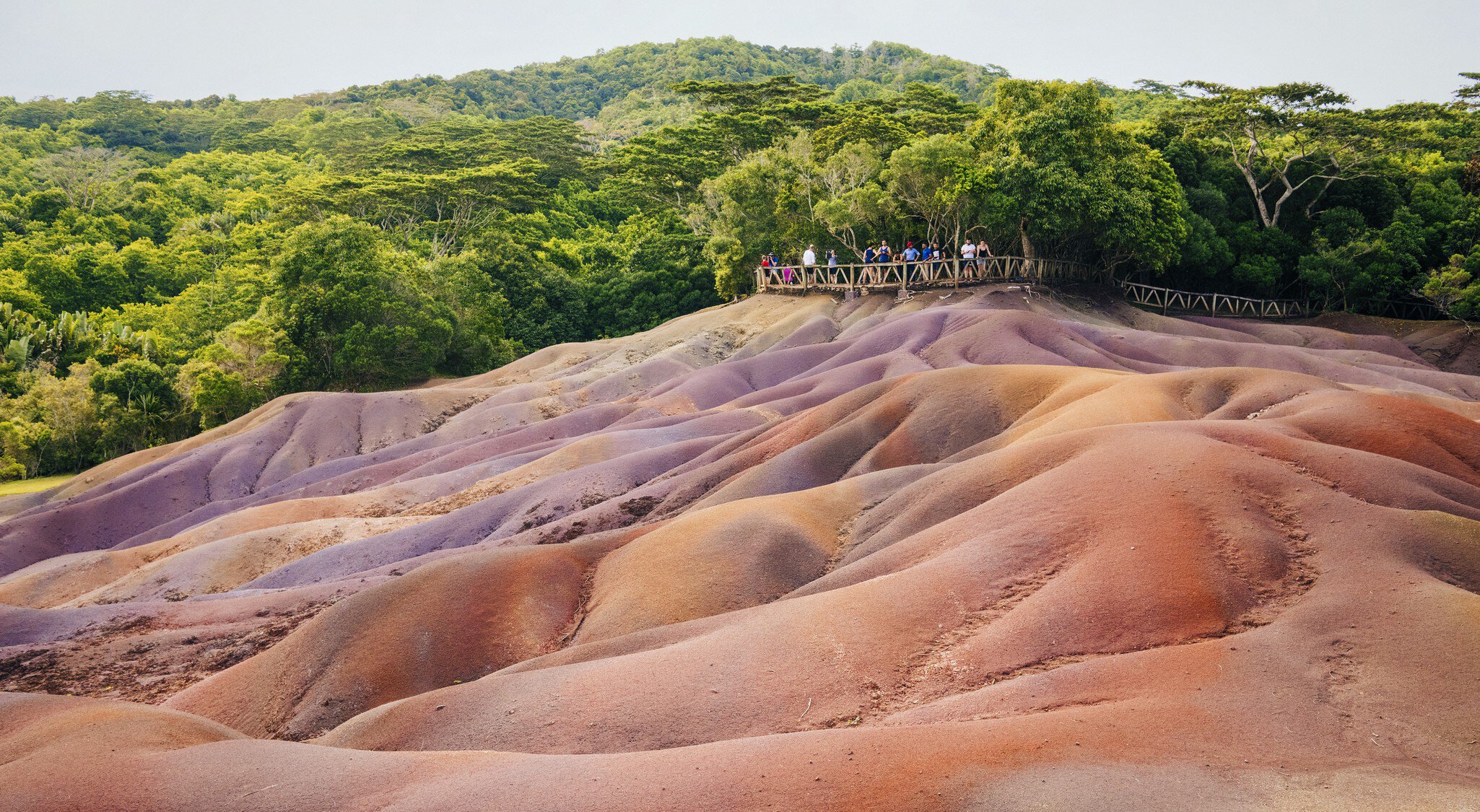
Mark Twain once wrote that ‘Mauritius was made first and then heaven, heaven being copied after Mauritius’. For the most part, it’s true: Mauritius is rightly famed for its sapphire waters, powder-white beaches and luxury resorts. But there’s so much more attraction to Mauritius than the beach, and it's the kind of place that rewards even the smallest attempts at exploration. There’s hiking in the forested and mountainous interior and world-class diving and snorkelling offshore. There are boat trips to near-perfect islets and excursions to botanical gardens and colonial plantation houses. Mauritius is a fabulous culinary destination with great wildlife watching thrown in. And the real Mauritius away from the beach resorts – a hot curry of different cultures and quiet fishing villages – is never far away.
Jonathan Stokes/Lonely Planet
Latest Stories
- Rooksana Hossenally | Jun 5, 20267 of the best beaches in Mauritius
- Anthony Ham | Mar 23, 2026The 15 best things to do in marvelous Mauritius
- Anthony Ham | Jun 3, 2025The best time to visit Mauritius
- Rooksana Hossenally | Dec 19, 2022The 6 best hikes in Mauritius
Book

Top places to visit in Mauritius
Discover the best attractions in Mauritius from must-see sights to unexpected hidden gems.
-
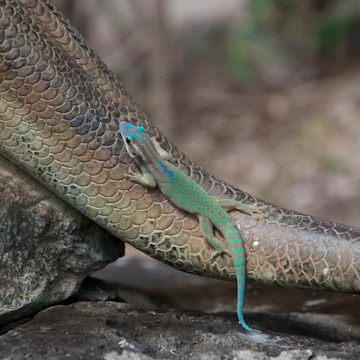 Attraction in MauritiusÎle aux Aigrettes
 -
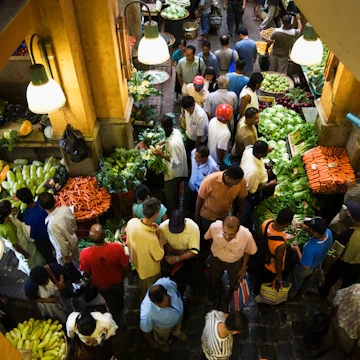 Attraction in Port LouisCentral Market
 -
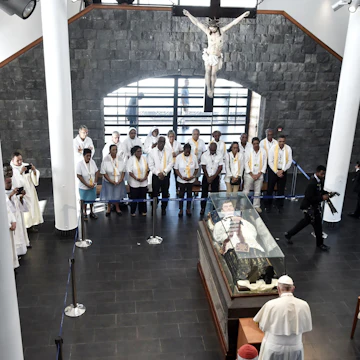 Attraction in Port LouisPère Laval's Shrine
 -
 Attraction in The NorthChâteau Labourdonnais
 - Attraction in Black River Gorges National ParkMacchabée Viewpoint
-
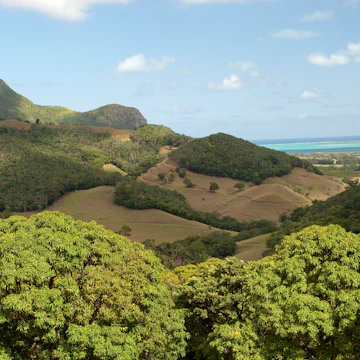 Attraction in MauritiusVallée de Ferney
 - Attraction in MauritiusNational History Museum
- Attraction in RodriguesFrançois Leguat Reserve
Travel Guides
Mauritius travel tips from Lonely Planet experts
Find practical guidance from our team of contributors around the world who bring their decades of first-hand travel experience to your next trip.
Best Things to Do
One of the most beautiful islands in the world, Mauritius has exciting hikes, sizzling cuisine and cultural riches in addition to its famous beaches.
Read full article
Best Time to Visit
According to Mark Twain, Mauritius was the model for heaven, and we tend to agree. Here are the best times to visit.
Read full article
Money and Costs
It’s easy to assume that a holiday to Mauritius comes with a hefty price tag, but you can enjoy this island paradise on a budget. Here are our top tips.
Read full article
Get a book. Get inspired. Get exploring.