Jul 14, 20267 min read
14 Things to Know Before Visiting MaltaSep 23, 2025
10 MIN READ
Writer
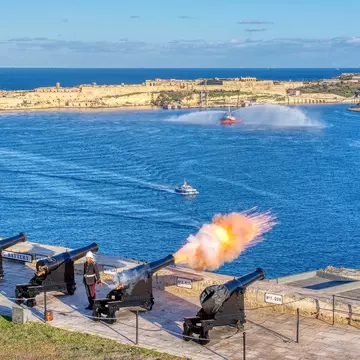
Cannons at Valletta's stone walls. StockPhotoAstur/Getty Images

Writer
Highlights
Writer Brett Atkinson picks 20 things to do across Malta, Gozo and Comino.
Ride an electric buggy through the historic Three Cities, then catch Valletta's noon cannon.
In Gozo, hike the Xlendi Walk, dive the Blue Hole or kayak from Hondoq Bay.
Visit the UNESCO-listed temples of Ħaġar Qim and Mnajdra, or cruise the Blue Grotto.
Lonely Planet may earn a commission from affiliate links on our site. All recommendations and reviews reflect our own independent opinions.
Brett is the writer of the new edition of the Malta & Gozo guidebook (published in February 2025). Here are his recommendations for the top things to do to have a memorable Malta trip.
Covering just 316 sq km (122 sq mi), Malta may be the world’s 10th-smallest country, but it packs in a diverse collection of things to see and do. Whether you come for summer sun or winter warmth, you can dive into centuries of history and soak up stunning Mediterranean scenery.
Getting around is easy by bus, hire car or ferry, so try these recommendations – combining world-famous attractions with a few under-the-radar surprises – to experience the best of this compact island nation at the heart of the Mediterranean.
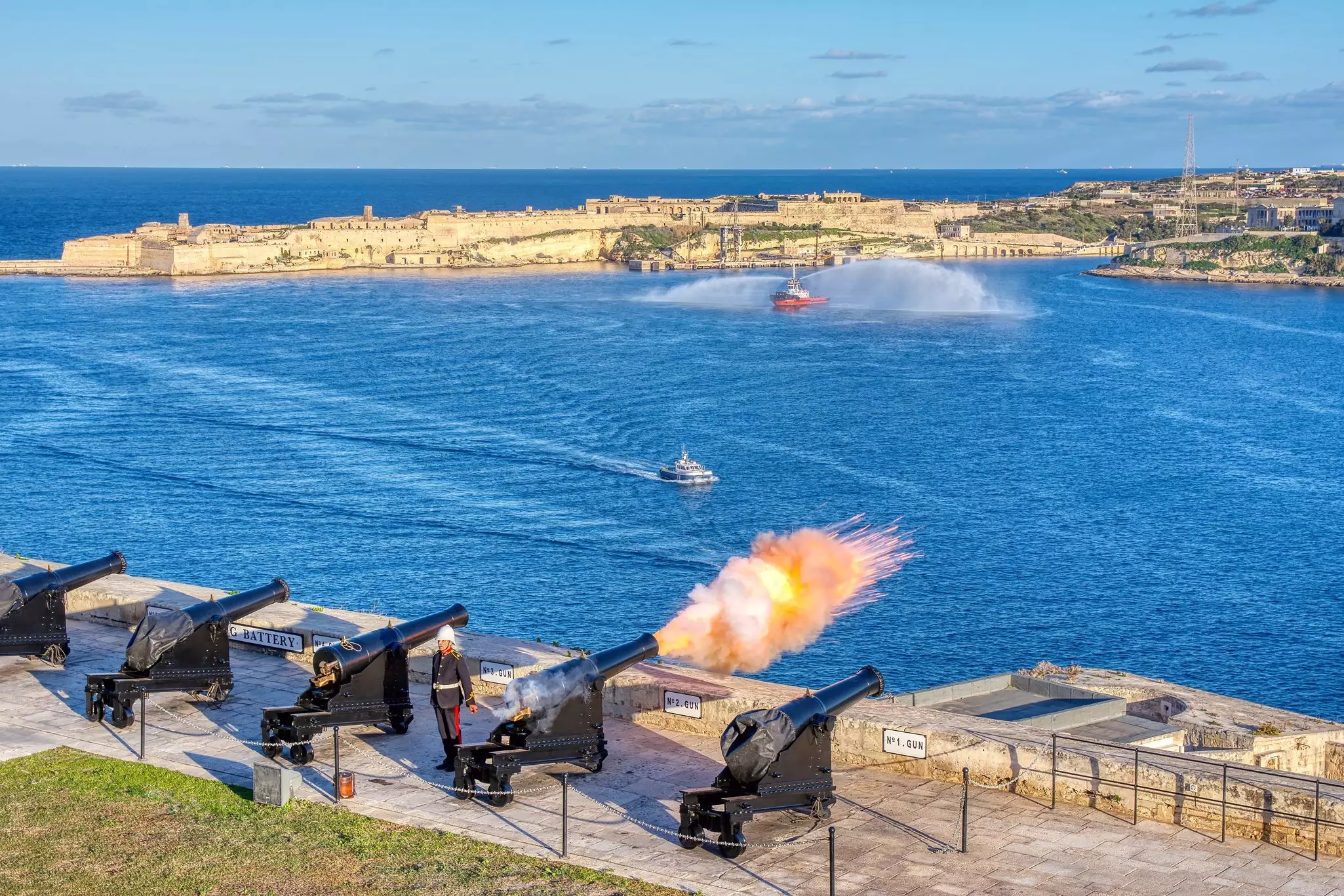
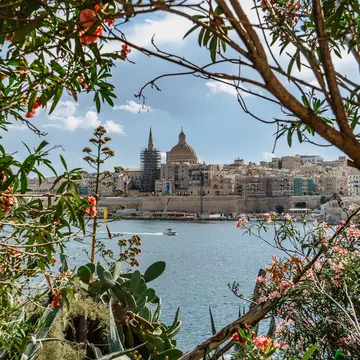
Walking around Valletta, you may be caught off guard by an almighty bang at noon and 4pm. Make your way to the Saluting Battery to see what all the fuss is about, and combine the pomp that surrounds the firing of Valletta's ceremonial cannons – traditionally used to salute visiting naval vessels – with brilliant views across Grand Harbour to Fort St Angelo and the Three Cities.
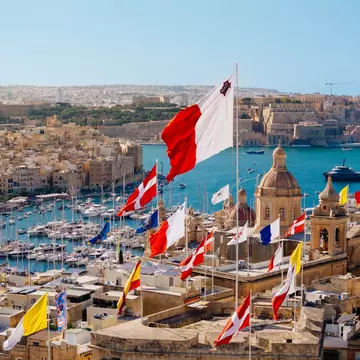
Traveling in an eco-friendly electric buggy from Rolling Geeks, embark on a self-drive journey of discovery around the piazzas, avenues and sleepy backstreets of the historic Three Cities – Vittoriosa, Senglea and Cospicua. Pre-programmed directions are handled by the buggies' onboard GPS, so it's impossible to get lost on a journey taking in museums, churches and gardens.
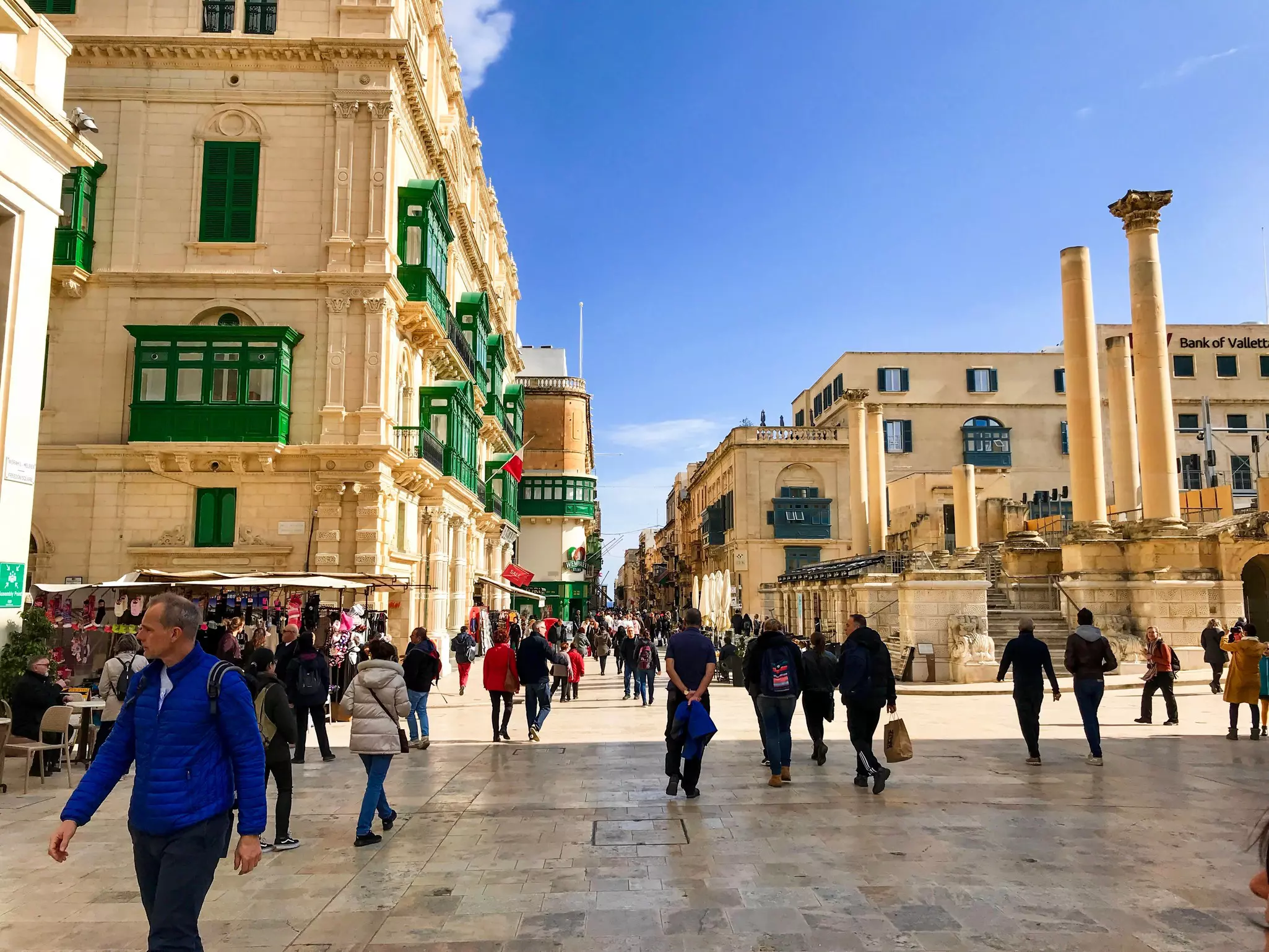
Inspired by Valletta's stint as a European Capital of Culture in 2018, several of the city's heritage buildings now showcase interesting contemporary art. Start by investigating the thought-provoking installations and sculptures at Valletta Contemporary. Malta International Contemporary Art Space (MICAS) opened in late 2024 and presents the works of international and Malta-based artists in a restored fort in the historic Floriana precinct.
Planning tip: For a bonus infusion of art, including painting, film, dance and performances, check out the schedule at Spazju Kreattiv, housed in Valletta’s historic St James Cavalier.
If you're renting a car, a compact Japanese or Korean model is probably best for negotiating Malta's winding and often narrow roads, but that won't stop you from feeling envious of the stellar array of automotive excellence at the Malta Classic Car Collection in Qawra in St Paul's Bay. Look out for the blue vintage Bugatti sports car out front and you'll know you're in the right place. On sunny Sundays, proud owners of Malta’s lovingly restored classic cars – including British-made Fords and Vauxhalls from the 1960s and 1970s – take their much-loved vehicles for a spin around the island; a good place to see them is along the beachfront at Mellieħa Bay in northern Malta.
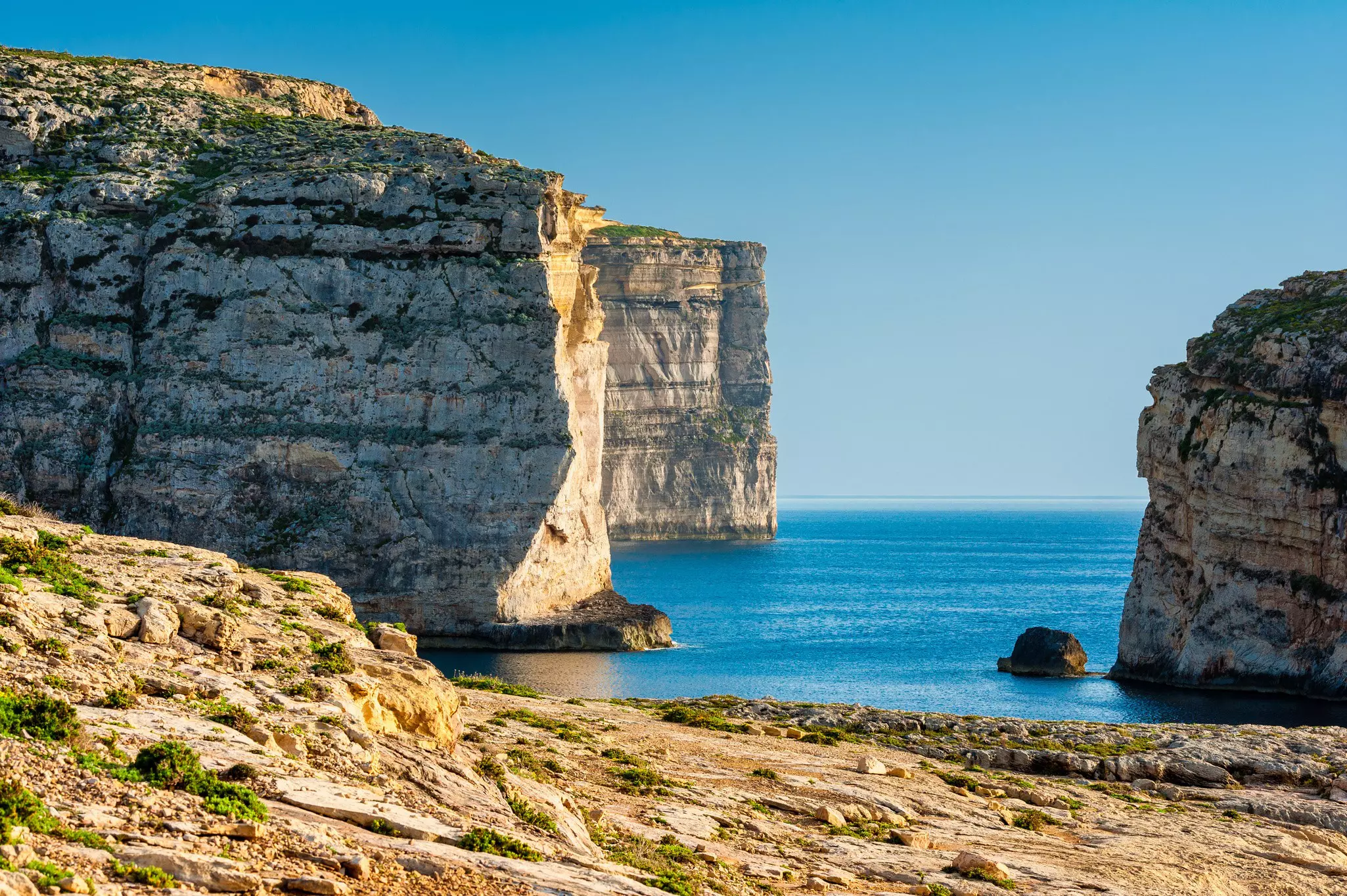
For a taste of Gozo's rugged Mediterranean scenery, tackle the Xlendi Walk, meandering for 12km (7.5 miles) from Mġarr Harbour to the rocky bays around Xlendi. En route, you'll pass the improbably narrow cove at Mġarr ix-Xini, coastal watchtowers built by the Knights of St John in the 17th century, and a vertiginous stairway leading to the compact Carolina Cave. Buses run to Xlendi from both Mġarr and Victoria, Gozo's historic capital.
Planning tip: Gozo is becoming an increasingly popular destination for hiking; the Visit Gozo website has information on nine other exciting trails crisscrossing this small, less crowded island.
Concealed 40m (131ft) below Valletta's Upper Barraka Gardens, the Lascaris War Rooms housed the Allies’ top-secret command HQ during WWII and were a vital part of the island's defenses during the 18-month Siege of Malta from 1940 to 1942. Fascinating guided tours explore map rooms and communications centers restored as they were during the war.
Detour: Broaden your understanding of Malta’s experience of WWII by exploring the nearby War H. Q. Tunnels, a historic subterranean labyrinth where anti-aircraft defenses and the role of the Royal Air Force were closely coordinated.
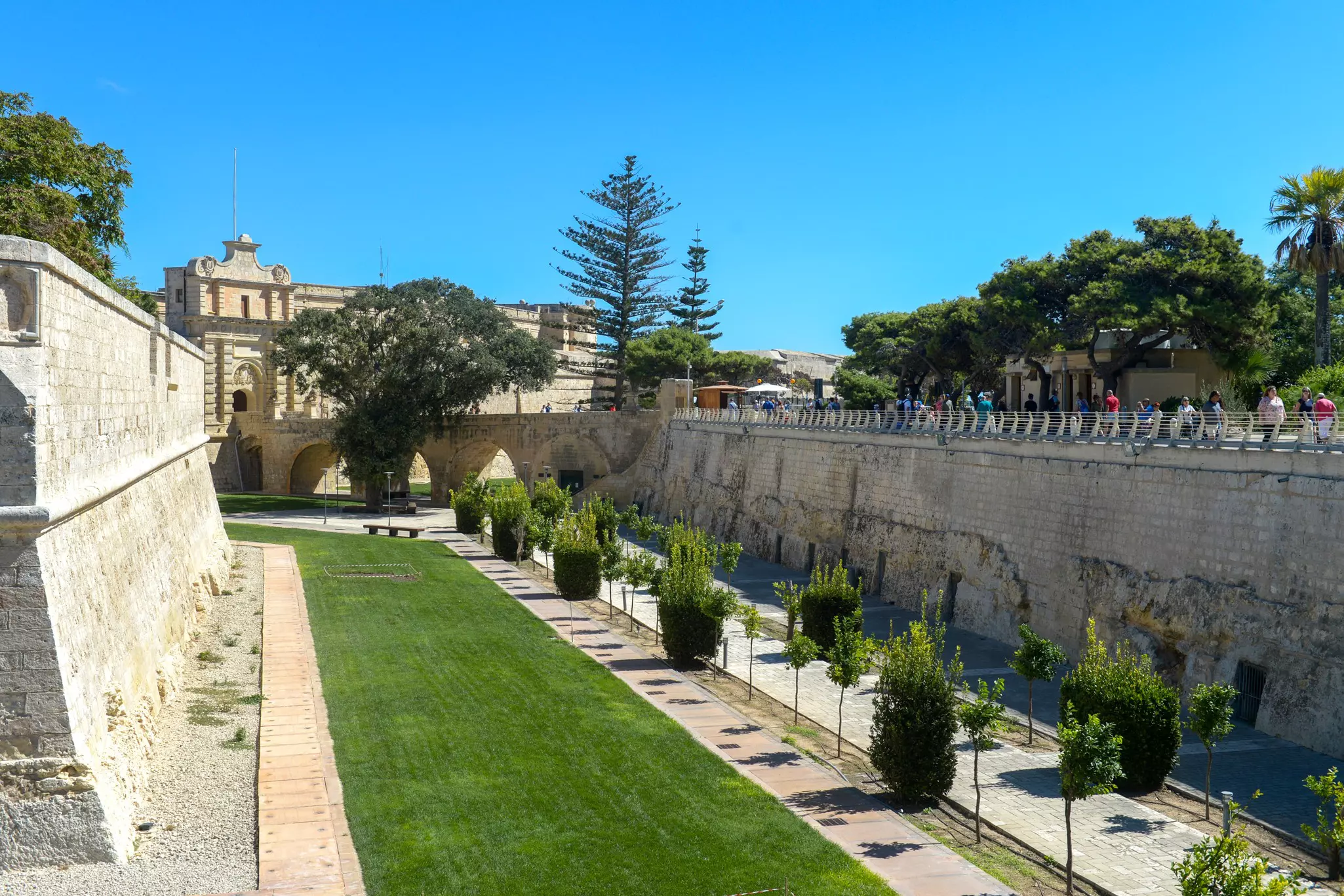
Created as part of the walled city's defensive bastion, Mdina's historic il-Foss (or Ditch Gardens) has been transformed by a 21st-century makeover into a very pleasant place for a picnic and stroll. Overgrown tangles of ivy have been replaced by olive trees and a citrus grove, and the space is used for occasional festivals and concerts.
For a lively night out, make a beeline for Valletta's Bridge Bar, especially on a Friday night, when music fans spill out onto the city's honey-colored steps to enjoy live jazz. Colorful cushions make this a comfortable spot for an impromptu concert, and the chilled-out tunes usually kick off around 8: 30pm and run through until midnight; book ahead for a spot outside.
Detour: Another reliable option for live jazz is Valletta’s long-established Offbeat Music Bar.
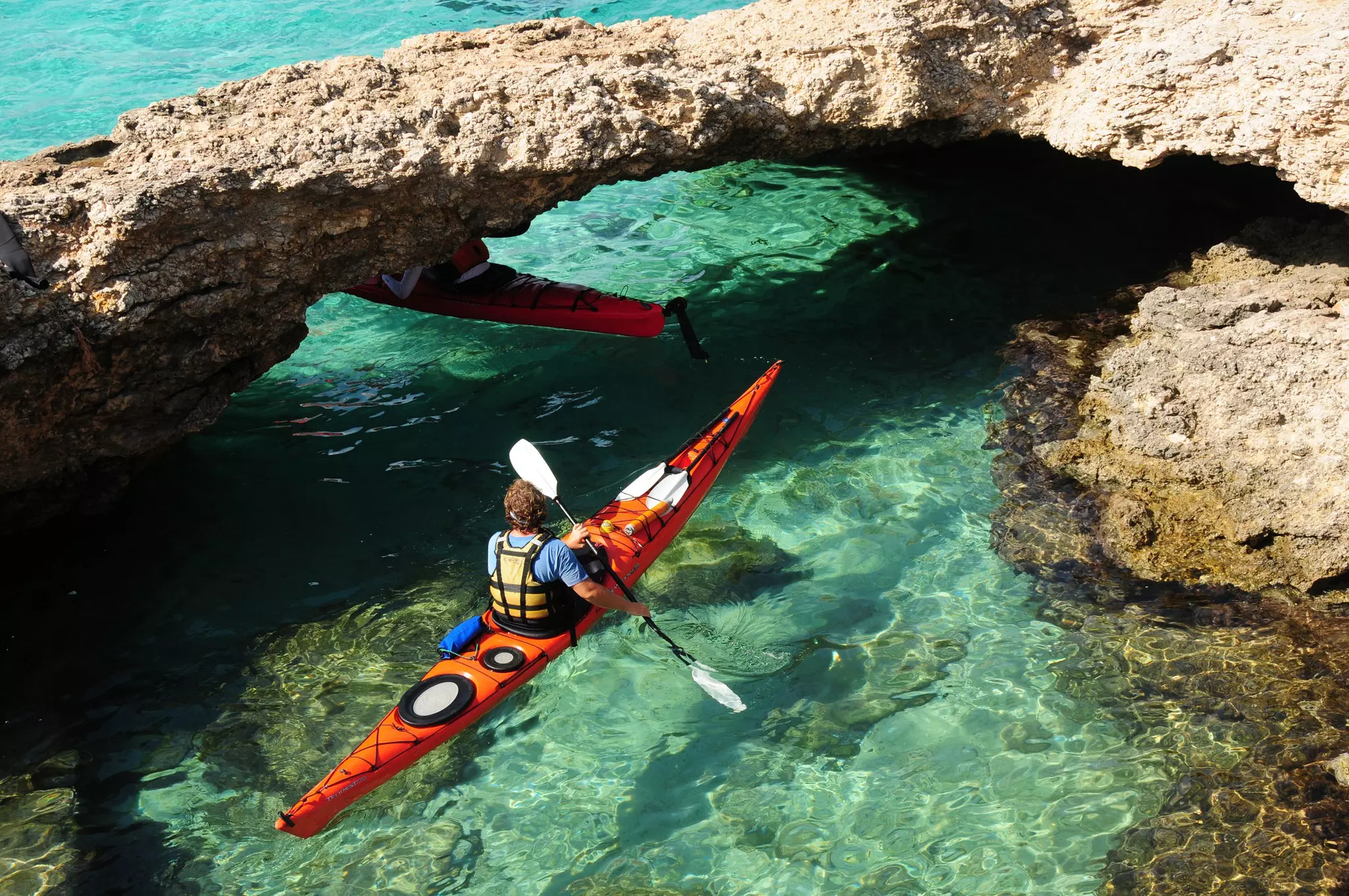
With hidden sea caves and coastal rock formations eroded into idiosyncratic shapes by wind and sea, Gozo is an excellent destination for sea kayaking. Gozo Adventures runs half- and full-day kayaking trips that kick off at Hondoq Bay on the island's south coast before crossing the Gozo Channel to Comino.
Detour: Another top kayaking destination is Gozo's sheltered Inland Sea.
Escape the crowds swimming and relaxing at Comino’s wildly popular Blue Lagoon by exploring the island on the hiking trails coursing through its rugged interior. Historic structures include the beautiful Church of Our Lady’s Return from Egypt, built by the Knights of St John in 1618. Nearby Santa Marija Bay is always a quieter swimming spot than the busy Blue Lagoon. The sea caves of southeast Comino are best viewed from the island’s elevated cliff-top walking paths.
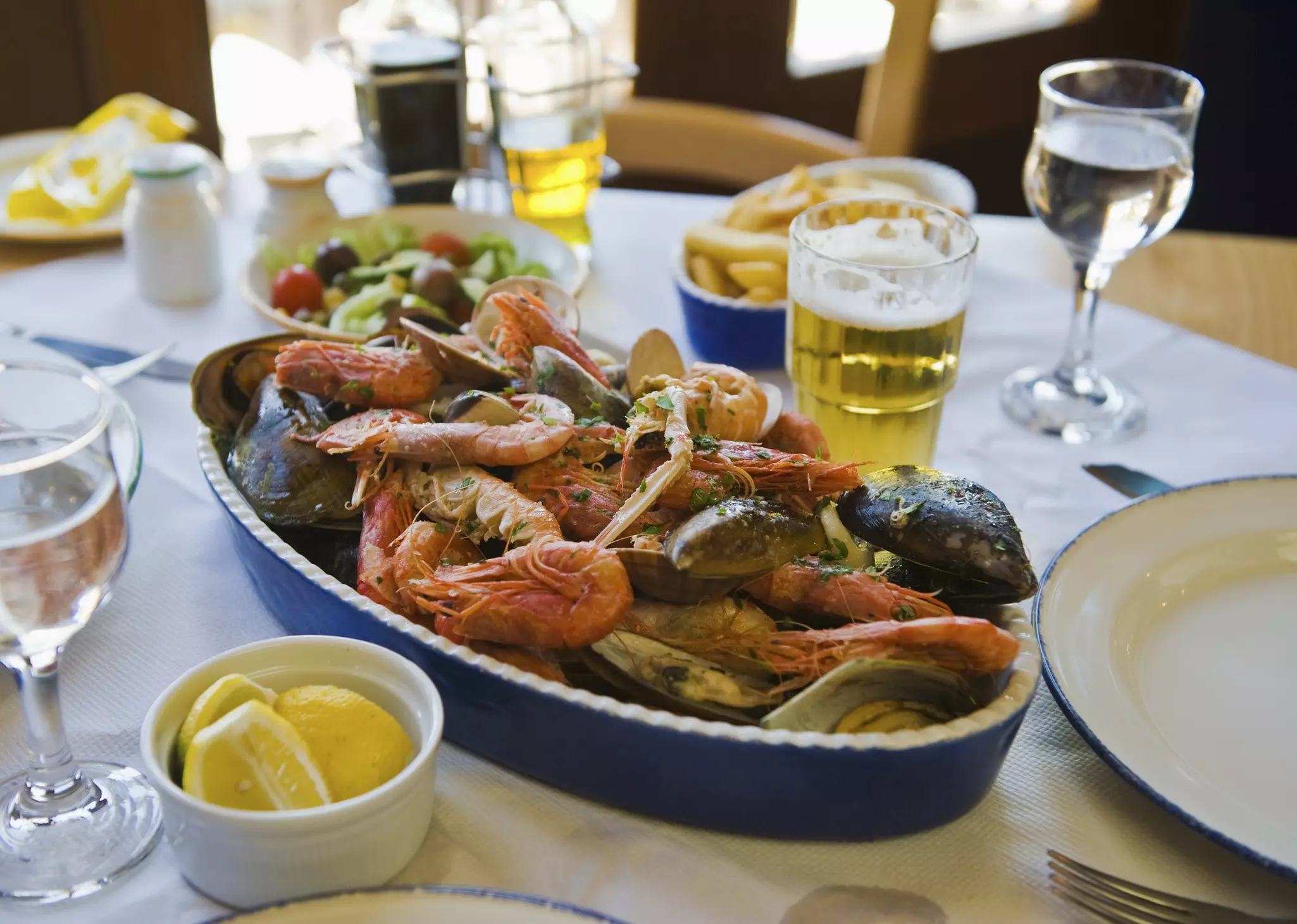
Gourmands can sample the best of Maltese cuisine at the relaxed and informal bistros opening in towns and villages outside of Valletta and St Julian’s. Dining highlights of Dingli village include Diar il-Bniet, where authentic dishes are crafted with ingredients from the owners' farm, while the rooftop terrace of Yana’s in Rabat combines cocktails and craft beer with an innovative menu reimagining Maltese classics (try the rabbit cannelloni).
Gozo's famed Azure Window sea arch crumbled into the sea during a storm in March 2017, but the surrounding Dwejra Bay coastline is still wildly spectacular. Boat trips exploring the nearby Inland Sea also take in views of the underwater arch beneath the gin-clear Mediterranean waters. You can also dive into the nearby Blue Hole, a 25m (82ft) deep underwater limestone chimney with local dive operators such as Dwejra Divers.
Translating to "Cave of Darkness, " Għar Dalam is a 145m-long (475ft) cavern hollowed out of Lower Coralline Limestone, the oldest exposed rock in the Maltese islands. Ancient fossils, some up to 500,000 years old, have been discovered in the cave, including the bones and teeth of dwarf elephants, hippopotamuses and prehistoric micro-mammals. It's a fascinating snapshot of Malta's ancient past.
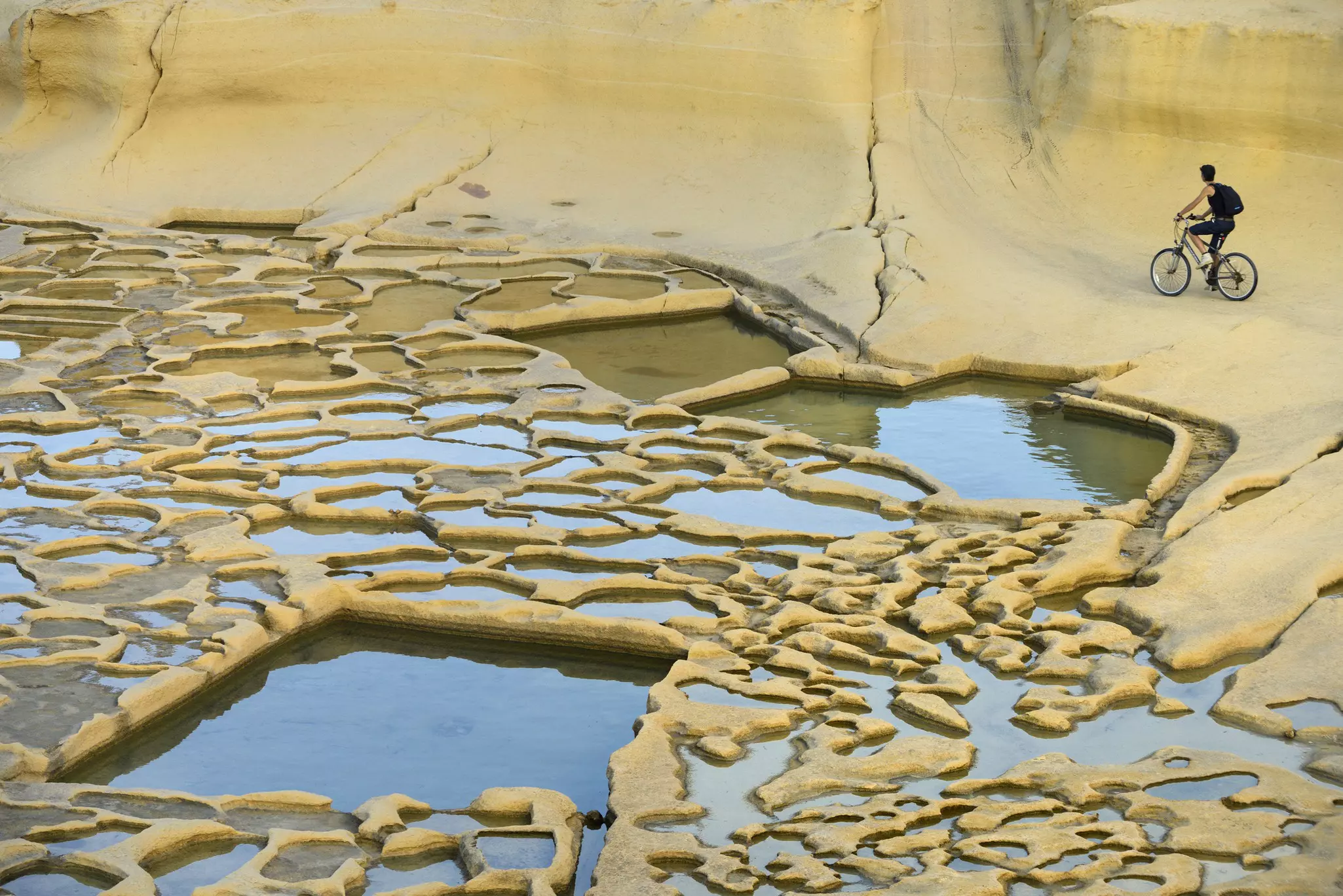
Negotiate quiet coastal roads and unsealed tracks on Gozo's northern coast to reach the often-windswept site of the Marsalforn salt pans. Cut into the coastal limestone by hand, the salt pans date from Roman times, and are still used to harvest salt between May and September.
Planning tip: Rent a mountain bike at On 2 Wheels in nearby Marsalforn to make the 2km (1.25-mile) journey west to the salt pans.
Five different aquatic zones – each representing a different aspect of the waters surrounding Malta – are represented at the country's rewarding national aquarium. Specialist exhibitions focus on Valletta's Grand Harbour and Gozo's coastline, and more than 250 marine species are displayed in 50 tanks. A highlight is a 12m (40ft) walk-through underwater tunnel that kids will love.
To delve into Malta's more recent history, take a self-guided audio tour of central Malta’s Parish Church of Santa Maria, also known as the Rotunda or the Mosta Dome. You'll learn all about the story of one of the world’s biggest unsupported domes, and its lucky escape in WWII when a German bomb crashed through the roof during a service but fortuitously failed to explode. Adjacent to the church, recently reopened WWII bomb shelters detail the wartime hardships local parishioners endured.
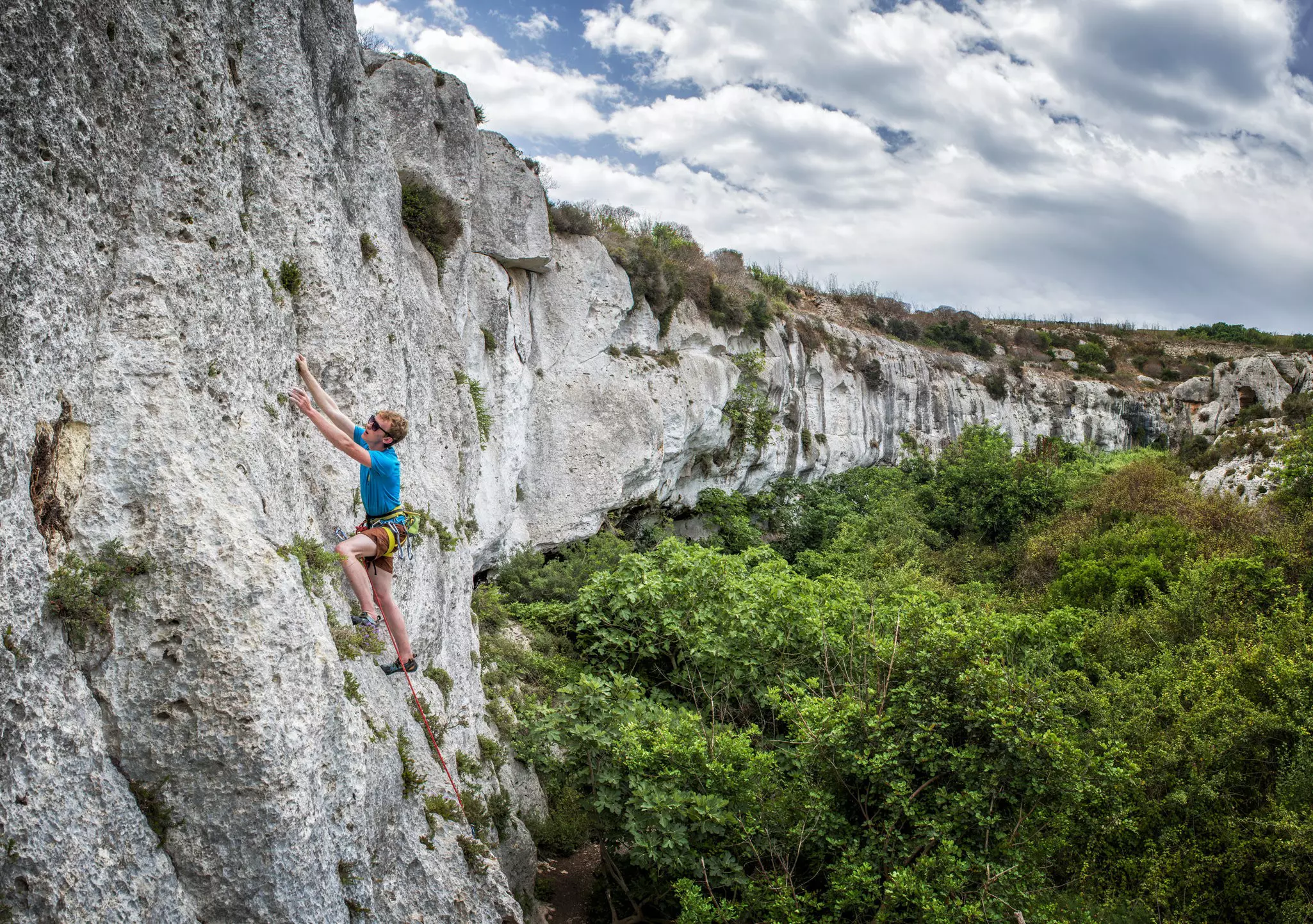
Gozo's rocky and serrated coastline is one of Europe's best spots for rock climbing. Many of the island's 300-plus bolted sport climbing routes are located on the southern coast, especially around the Munxar-Xlendi Valley, and further east at spectacular Mġarr ix-Xini. It's a good place to learn to climb, especially on courses with Gozo Adventures; they also arrange abseiling, kayaking and mountain biking.
Hook up with Gozo Segway Tours – either on a Segway or an e-bike – to explore the calm backroads of Malta's smaller and less-populous neighbor. One of the most memorable trips is the overland journey from the Marsalforn salt pans to the rocky and narrow coastal bay of Wied l-Ghasri, and then on to the immense Basilica of Ta'Pinu near the village Għarb.
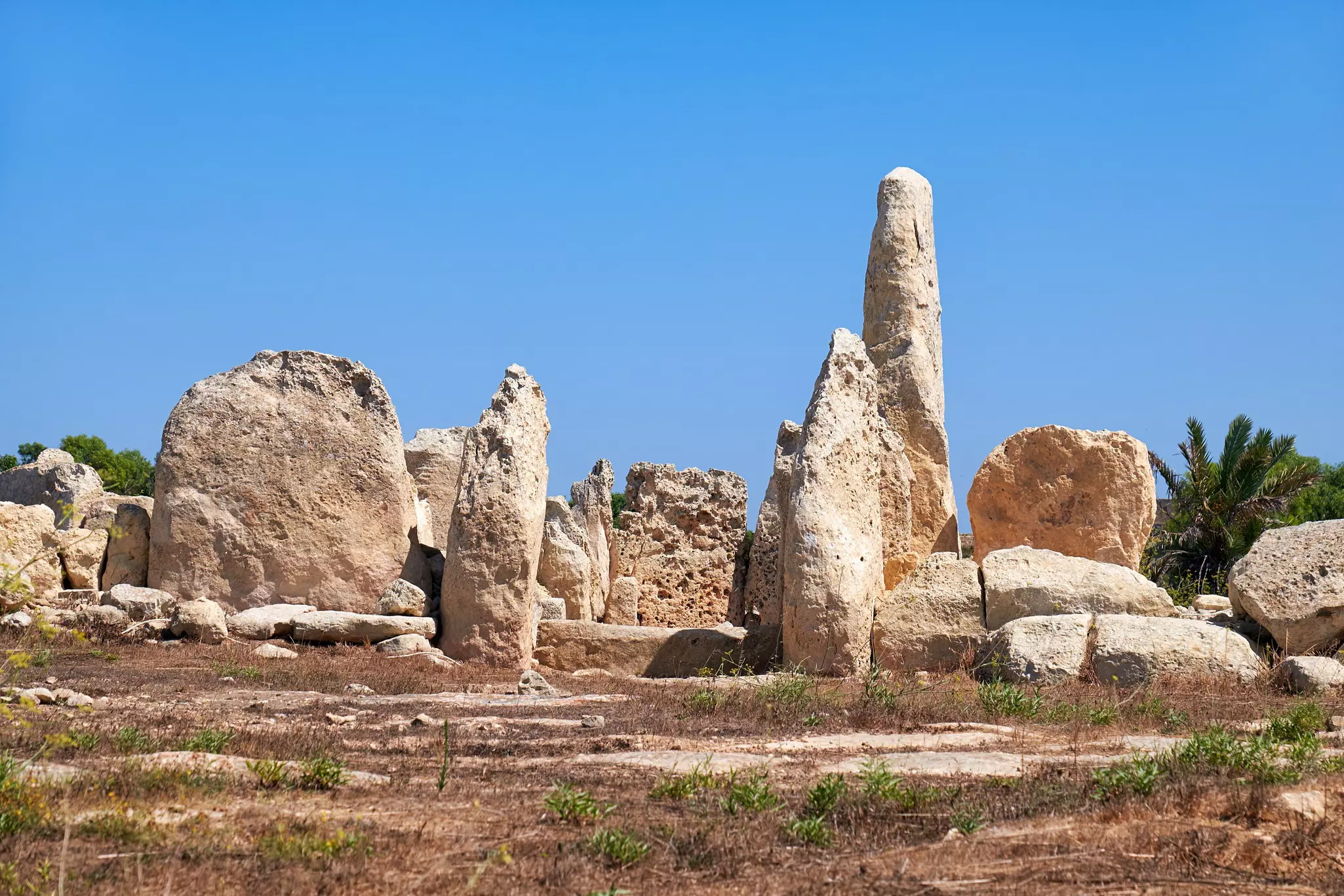
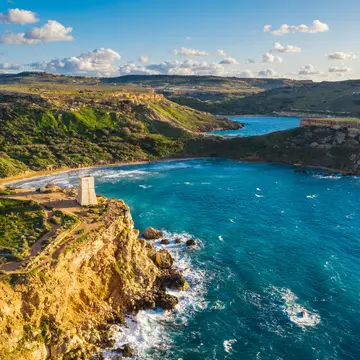
The UNESCO-listed megalithic temples of Ħaġar Qim and Mnajdra are the best preserved and most compelling of Malta’s prehistoric sites. The mysterious boulder-built structures sit in a spectacular location, framed by wild, cactus-spiked coastal scenery with a backdrop of an intensely blue Mediterranean. Built between 3100 and 2200 BCE, the temples have been associated with fertility rituals and animal sacrifice, and the buildings are said to have been angled geometrically in relation to the sun.
Planning tip: This is also a lovely stretch of coast for walking, with trails along the sea cliffs offering views of the tiny island speck of Filfla.
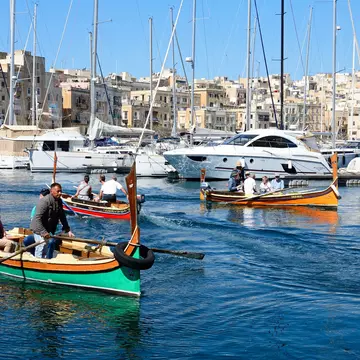
Not merely a Blue Grotto, this is a string of seven coastal caverns sculpted by sea and weather. Names include the Honeymoon or Temple Cavern, but loveliest is the Reflection Cave where light reflects on the interior and turns the walls of the cave uncannily blue. A natural sea arch is also a spectacular highlight. Boats depart regularly on 30-minute cruises from nearby Wied iż-Żurrieq. Traditional, brightly painted luzzu take visitors on the tours, which makes the trip all the prettier, with the primary-colored crafts bobbing through the grottoes.
Planning tip: Book at the Blue Grotto Boat Services kiosk at the harbor entrance. It’s cash-only, but there’s an ATM at the Step In restaurant. The Blue Grotto is a popular diving, snorkeling and rock-climbing site. Local operators include Paradise Diving.
Explore related stories