Nov 1, 202510 min read
12 of the Best Things to Do in LithuaniaNov 1, 2025
10 MIN READ
Writer
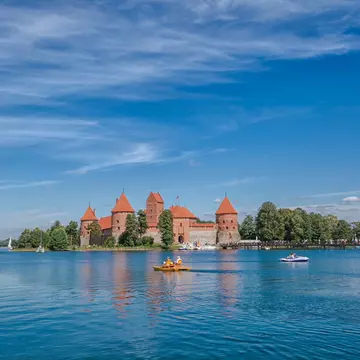
Trakai Castle on Lake Galvė near Vilnius, Lithuania. Thorsten Frisch/500px

Writer
Highlights
Writer Anna Kaminski picks 12 Lithuania experiences, from dune hikes to nuclear tourism.
Cycle pine-clad Curonian Spit or lose yourself at the storied Hill of Crosses.
Tour Vilnius's intact Old Town and head to Kaunas for its well-preserved art deco buildings.
Forage for mushrooms in Dzūkija's woodlands, or descend into a nuclear bunker in Žemaitija.
Lonely Planet may earn a commission from affiliate links on our site. All recommendations and reviews reflect our own independent opinions.
Lithuania is the unsung star of the Baltics. With a wealth of baroque and art deco architecture, sobering relics of a Soviet past, a thriving, ever-evolving dining scene and ample natural attractions, there are plenty of incredible experience for all kinds of traveler.
Its rich history goes back millennia and – in spite of its ever-changing borders over the years, including by its forcible incorporation into the USSR – Lithuania has always managed to hold true to its language, culture and national character. Even today, traditional villages, where crops are still gathered by hand and artisans practice crafts honed over centuries, thrive alongside cosmopolitan cities. Lithuania’s dense forests attract numerous foragers, while the Baltic Sea draws sun worshippers to the amber-speckled coast.
Turn your trip into an unforgettable one with these top things to do in Lithuania.
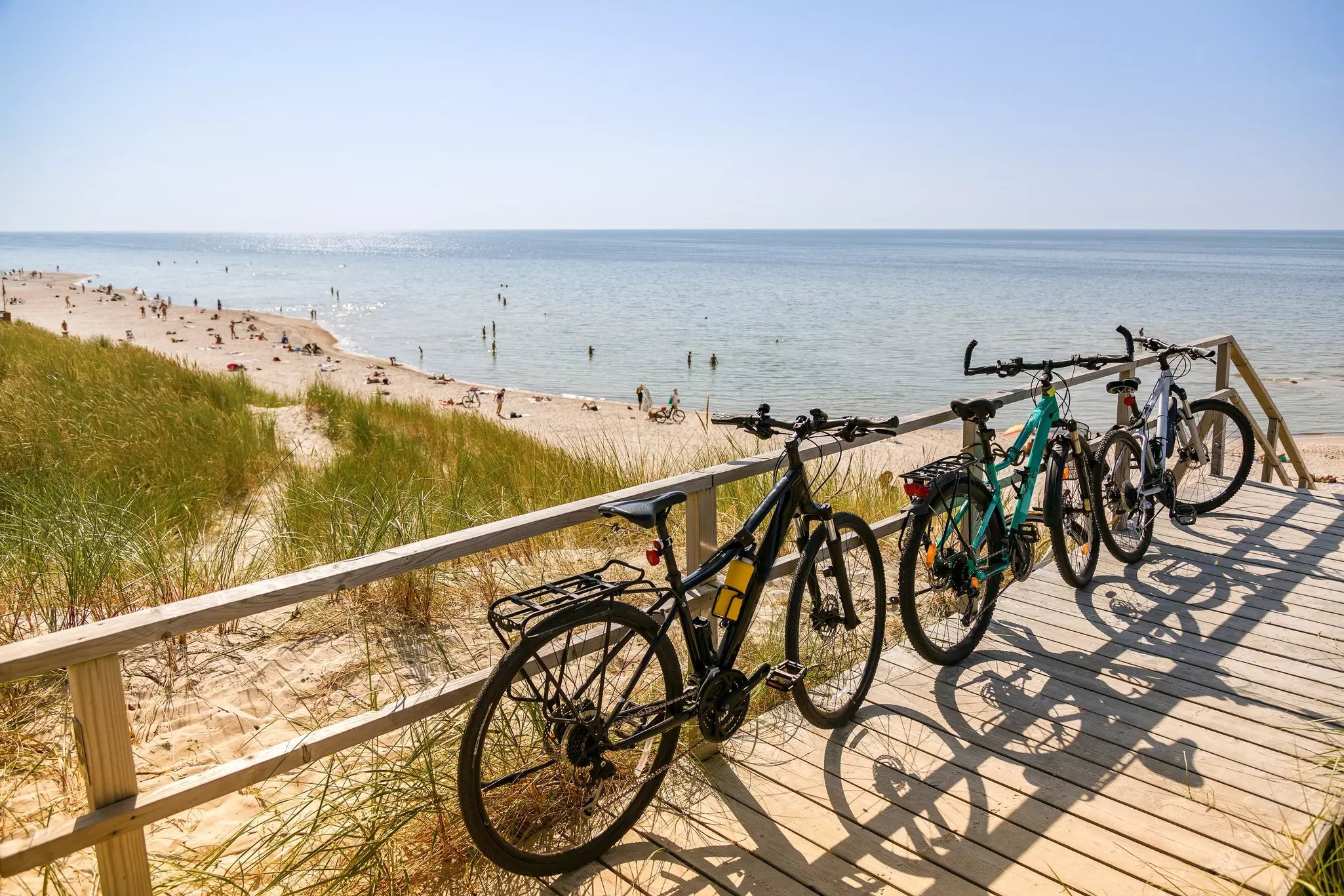
Cloaked in pine forest and bumpy with giant sand dunes that have given it the nickname “Sahara of Lithuania, ” Curonian Spit – a sliver of land barely more than 1km across – juts out into the Baltic Sea. Its four fishing villages of Nida, Juodkrantė, Pervalka and Preila make for restful stays, with the cycling trails between Nida and Juodkrantė being a great way to take in the highlights. Don’t miss the giant Parnidis Dune or the state-of-the-art Mizgiris Amber Museum in Nida. Climb Vecekrugas Dune (67m) en route to Preila, and Nagliu Dune near Pervalka for fantastic views of the so-called Dead Dunes, cooling off with refreshing dips in the Baltic Sea as you go. Finally, swing by Witches’ Hill in Juodkrantė to commune with wood carvings of devils, witches and other mythological figures along a woodland sculpture trail.
Practical tip: Rent a bicycle from one of several outlets in Nida or Juodkrantė. Local buses connecting the villages have bicycle racks. A wonderful alternative way to explore the spit is by walking the long-distance Baltic Coastal Trail, which spans its coastline.
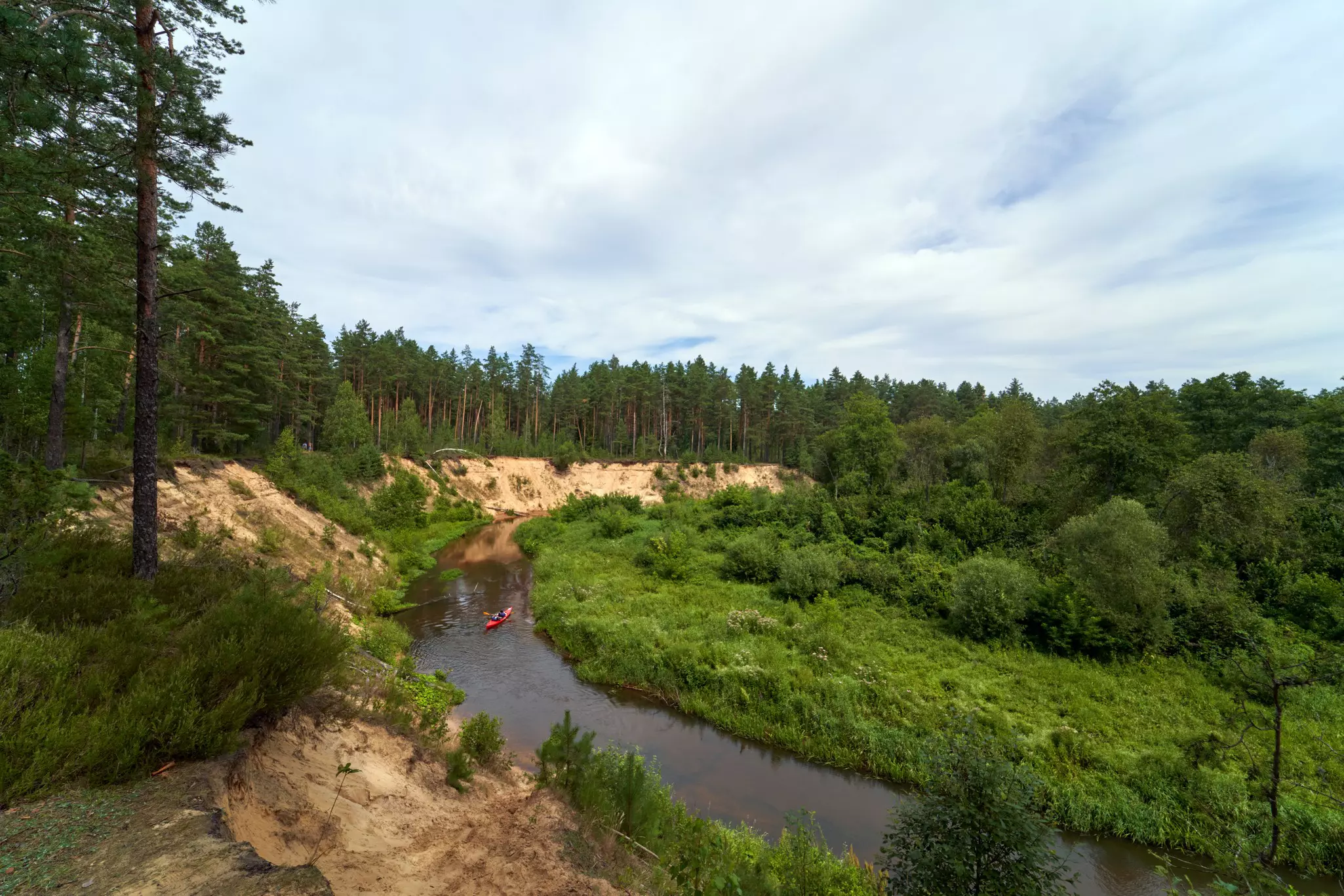
Rural tradition runs strong through the very south of the country. In the villages amid Dzūkija’s woodlands, locals still harvest their crops with scythes, weave their own wool and linen, and practice elaborate wood carving and basket weaving. To delve into this traditional way of life, check in for a farm stay in Merkinė, Marcinkonys or other villages. Explore Dzūkija either by walking or cycling the designated hiking trails in the national park, and interacting with pottery masters along the 12km-long Secrets of the Black Clay trail that connects Merkinė to other villages that practice this ancient ceramic art.
Planning tip: Join locals in foraging for mushrooms between August and November, and attend the mushroom festival in Varėna in September.
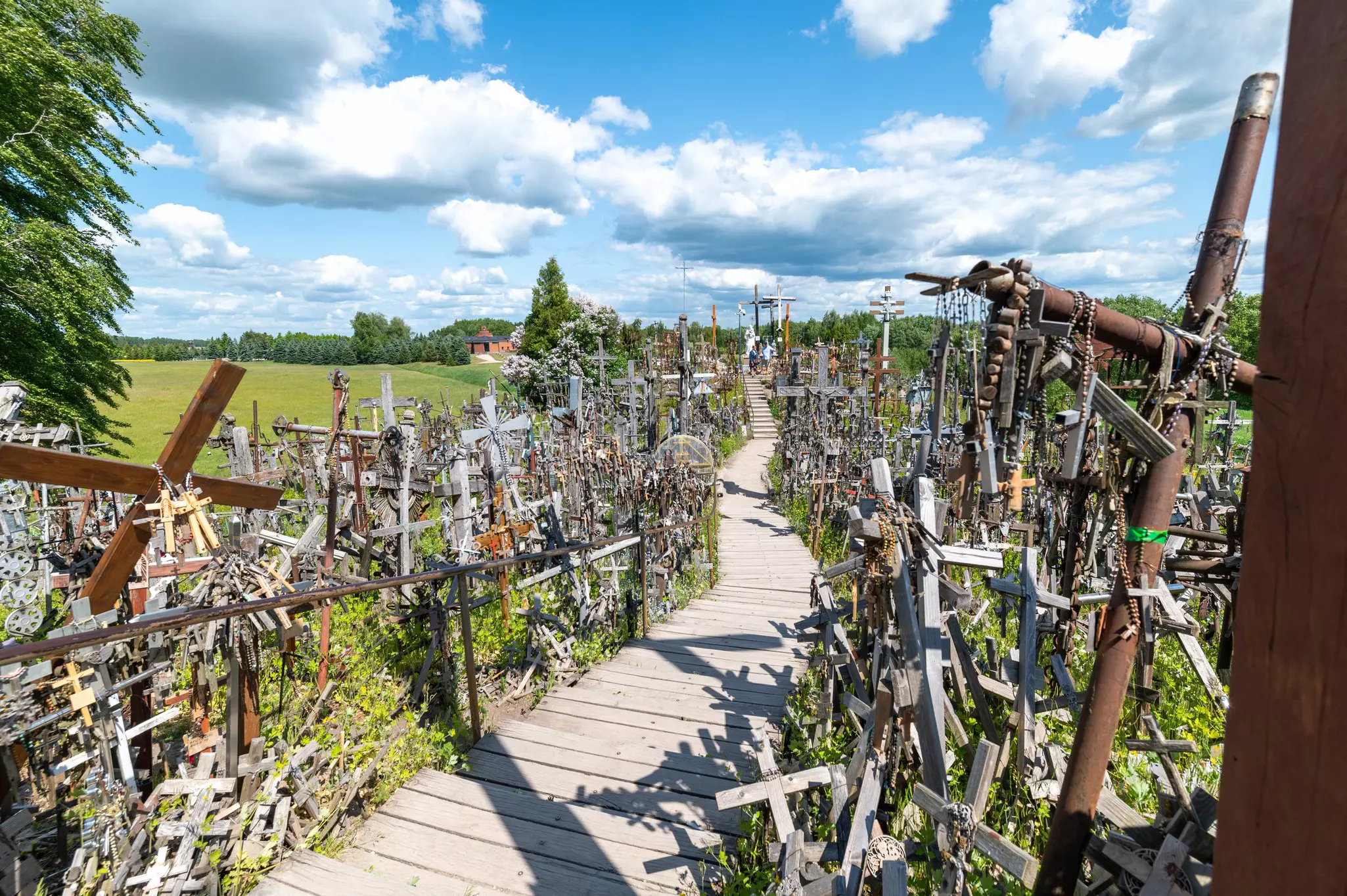
A mesmerizing sight greets you 10km north of Šiauliai: the Hill of Crosses is a small hill covered in thousands of crosses of various styles and scales. Rosary beads adorn some; others are fine examples of ironwork, or carved wooden folk-art masterpieces, mingling with Lithuanian koplytstulpis (wooden sculptures of a figure topped with a little roof) and magnificent sculptures of the Sorrowful Christ (Rūpintojėlis). Crosses have been placed here since the 14th century – and began reappearing as symbols of hope and defiance in Soviet times, when planting a cross was an arrestable offense. Today, the devout come from all over Lithuania and beyond.
Lonely planet’s trusted travel insurance provider
Travel with confidence. Protect your trip and your wallet.
We don’t represent World Nomads, we receive a fee from quotes using this link. This is not a recommendation to buy travel insurance.
Planning tip: Come here early in the morning for some quiet contemplation, and take your time wandering past the rows of crosses and around the hill’s base, drinking in the details. You may spot a memorial to 9/11 victims, recent tributes to those killed by COVID, blue-and-yellow ribbons in memory of civilians who have perished in Russia’s war on Ukraine and a cross fashioned from bicycle gears.
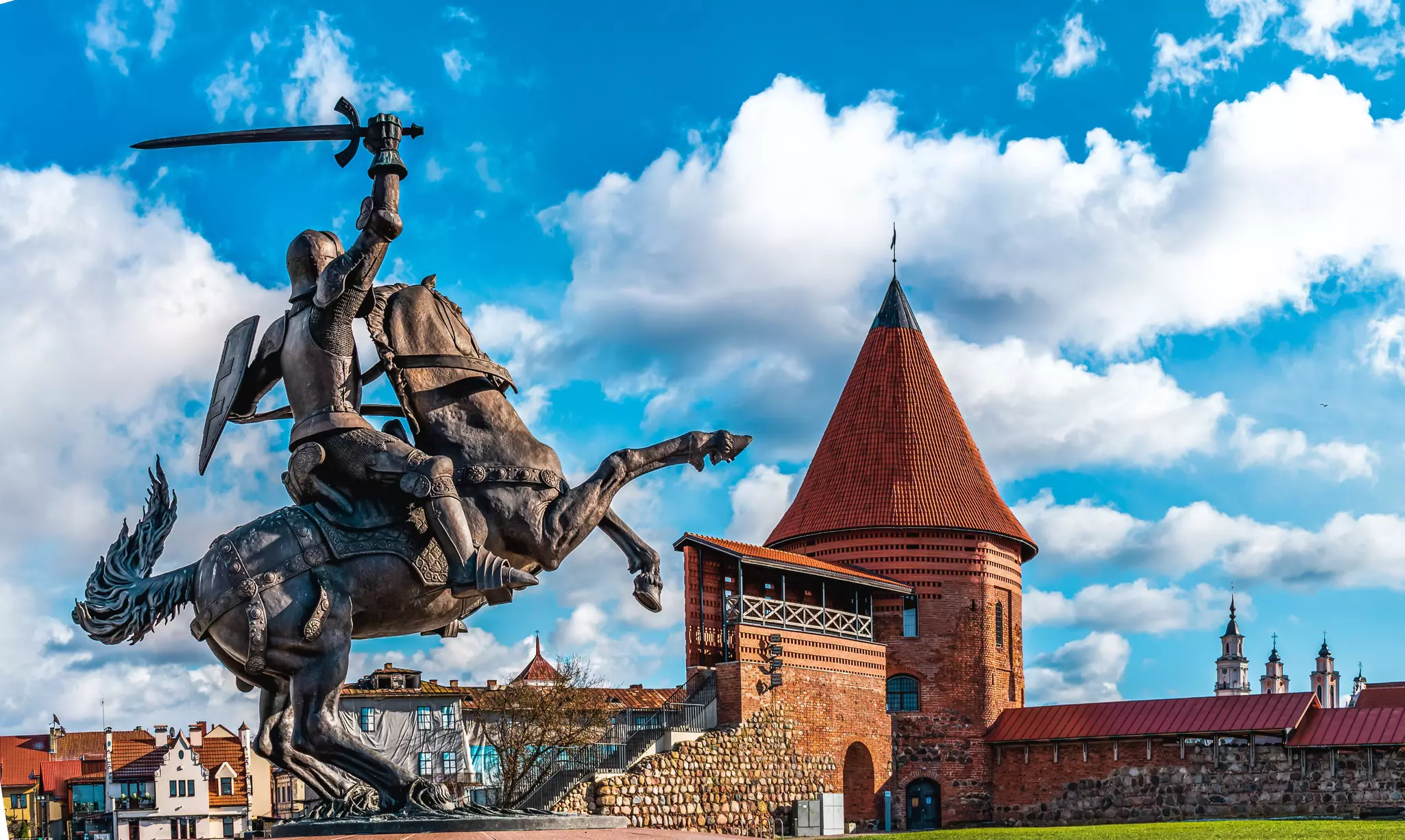
During its two-decade stint as the country’s capital (when Vilnius was captured by Poland), Kaunas, Lithuania’s second city, embodied inter-war optimism – a mood captured through a wealth of well-preserved art deco buildings from the era. To fully appreciate Kaunas, first take in its cobbled Old Town and its medieval castle, before taking the tree-lined Laisvės alėja to New Town, with its museums and fabulous 20th-century architecture, such as the Resurrection Church (1933) and the still-functioning Romuva Cinema (1940). Immersive visits to the Art Deco Museum and the Amsterdam School Museum are unmissable. These intimate tours take you round apartments that still boast their original period furnishings, where you’ll sip sparkling wine while listening to the life stories of their former owners.
Practical tip: Visits to the private Art Deco Museum and Amsterdam School of Architecture museums must be booked in advance – and are worth planning your entire visit to Kanaus around.
The pine-fringed riverside spa town of Druskininkai has been famous since the 18th century for the allegedly healing properties of the salty mineral water gushing from its springs. You can drink this healing elixir at the Health Resort Druskininkai, soak in it at the Grand Spa Lietuva, Spa Vilnius and Mineral Spa Draugyste, or stay in one of the spa-hotels and partake in treatments ranging from mud baths and salt-room sessions to deep-tissue massage and oxygen therapy.
Detour: Commune with Lenin and Stalin statues and other salvaged communist monuments and memorabilia at Grūto Parkas, 8km east of Druskininkai.
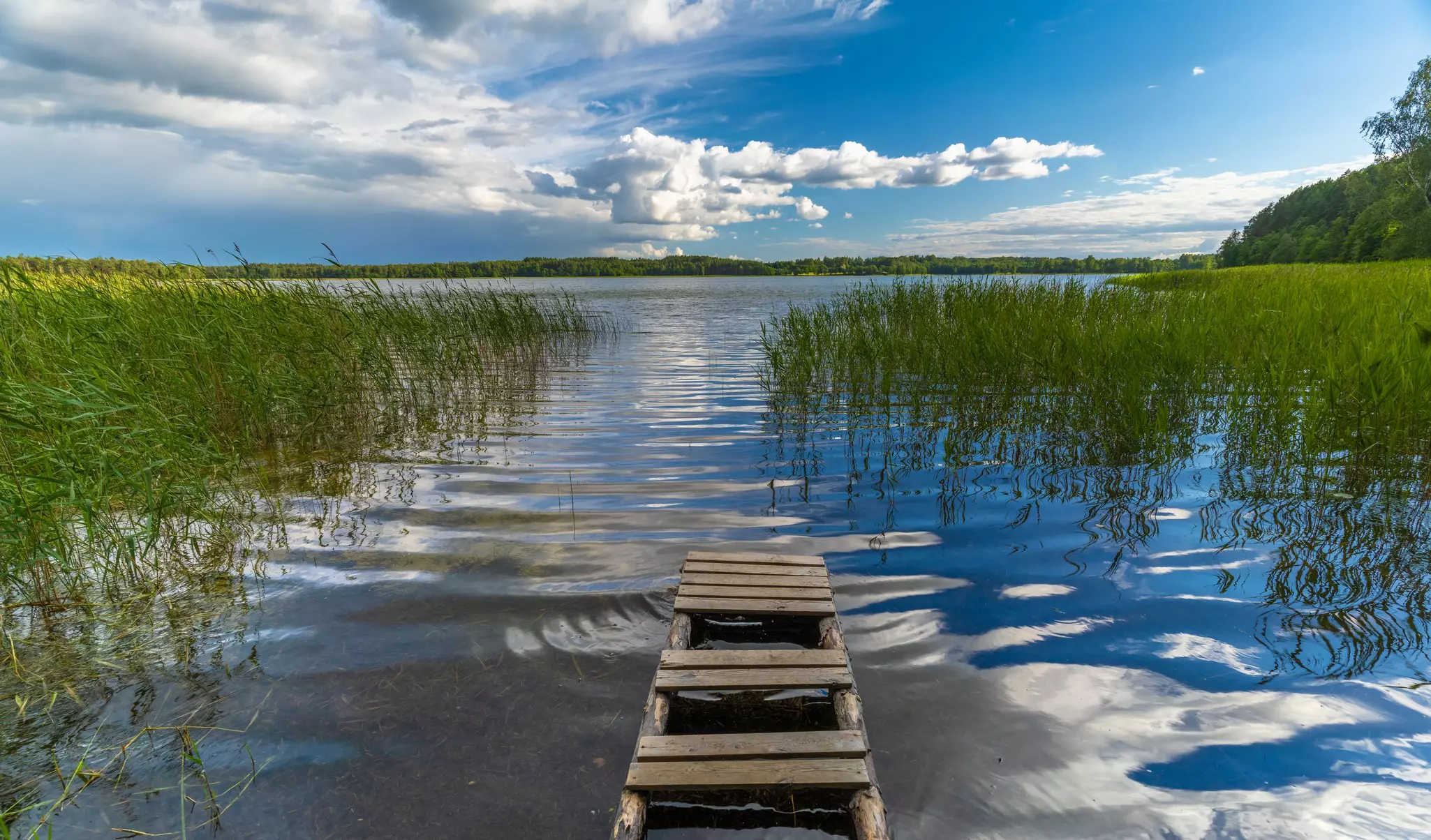
Cloaked with pine and spruce forest and dotted with dozens of lakes, Lithuania’s oldest protected area is where city dwellers head every summer. You can join them in hiking or pedaling along the myriad woodland trails, summiting Ladakalnis Hill (a sacred pagan site in centuries past), foraging for bilberries and wild strawberries, swimming wild in the lakes, and canoeing or paddleboarding. In addition to outdoor pleasures, you can explore the ethnographic heritage of the tiny villages, from the Ancient Beekeeping Museum near Stripeikiai to Ginučiai’s still-working 19th-century watermill.
Practical tip: The town of Ignalina has the biggest range of accommodations and dining, while Palūšė is the main water-sports center. LitWild offers active, tailor-made guided tours of the national park.
Northern Lithuania has been the land of barley-malt beer for over 1000 years, with villagers brewing unpasteurized, unfiltered kaimiškas alus (village beer) using locally grown hops. During Soviet times, the farmhouse brewing tradition was all but wiped out – but is now happily seeing a resurgence, particularly in and around Biržai, where ale-makers have resurrected ancient recipes. Rinkuškiai Brewery offers walk-through tours of the brewing facilities, where you get to witness the process from malting, milling and mashing up through to fermentation and bottling. The visit also includes a tasting of six types of unfiltered beer, from the black ale and porter to the pale ale, plus the smoky house gira (kvass).
Planning tip: Try to find yourself in Biržai during the exuberant 2-day fiesta in August, when all of the town’s breweries offer their wares on the street.
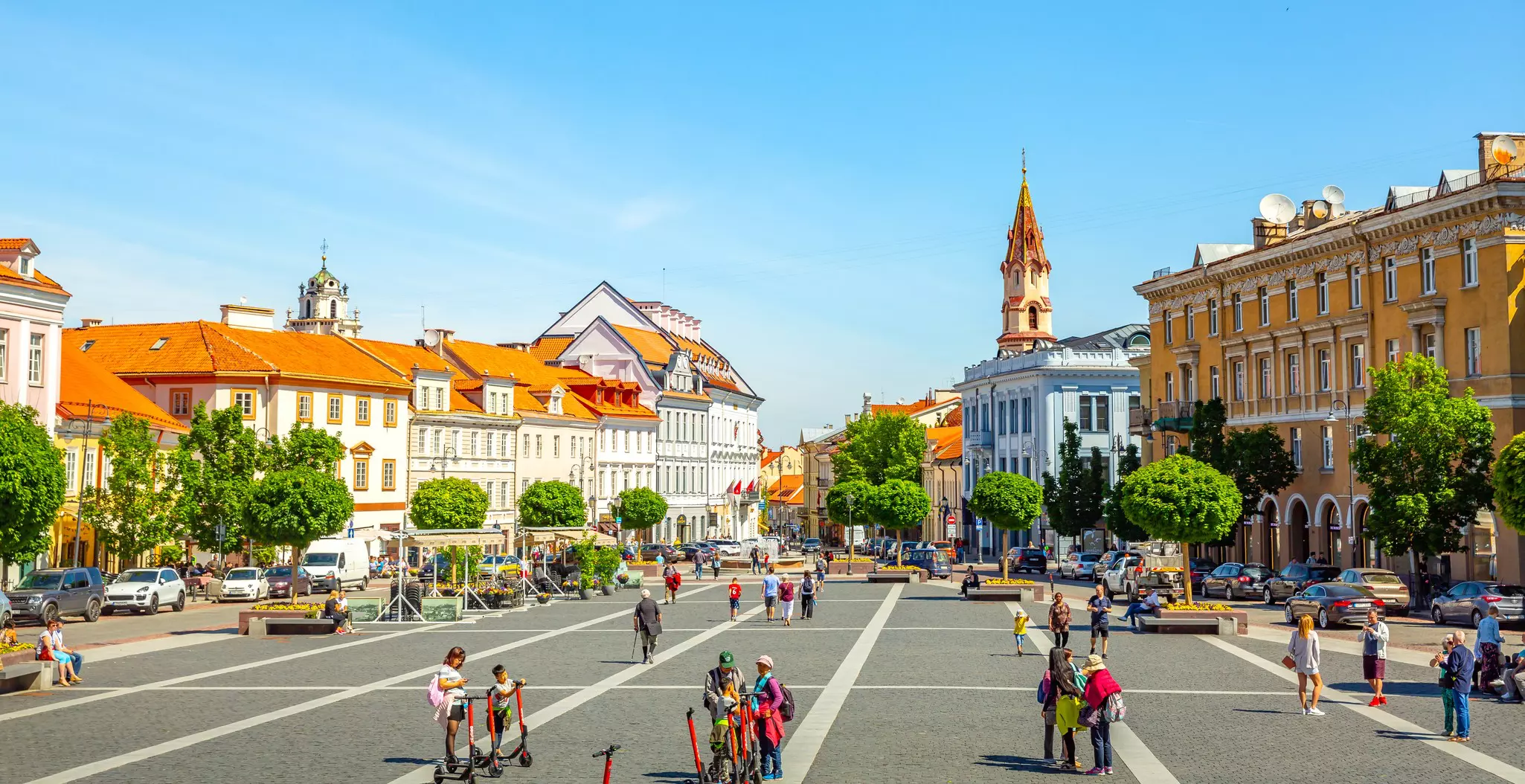
Trying to decide how to spend your time in Vilnius, Lithuania’s capital city, is a conundrum. You can’t go wrong with a stroll through the marvelously intact Old Town, where locals actually live, and where cobbled streets are lined with exceptional baroque, Gothic and Renaissance buildings. Take in its centuries-old university, Cathedral Square with its leaning bell tower and the views from Gediminas Hill. Then check out the offbeat, renegade-artists’ “republic” of Užupis, admire contemporary art at MO Museum, peruse the sobering Holocaust Museum and the Museum of Occupations and Freedom Fights, and see the scene at Lukiškės 2.0, a former Soviet prison turned funky arts venue.
Detour: Take a day trip by bus or train to scenic Trakai, home of Lithuania’s most impressive castle, which sits on an island in Lake Galvė. Paddle around it in rented watercraft and sample kybinai (meat-filled pastries) – the signature dish of the local Karaite ethnic minority – at lakeside restaurants.
Where the Nemunas River spills into the Curonian Lagoon south of the port of Klaipėda, the land dissolves into a wetland delta that teems with birdlife: 270 out of the 294 bird species found in Lithuania, to be precise. The conditions here make bird-watching almost absurdly easy. Storks stare down at you from their nests on top of electricity poles as you travel south to Ventės Cape, which extends far into the lagoon. Near the tip of the cape, stop by the Ventės Ragas Ornithological Station, a bird-ringing station on the path of a busy bird-migration route that stretches from the Arctic to East Africa, to see cranes, tits, finches, geese and other migratory birds passing overhead in early fall and in spring.
Practical tip: Bring birding binoculars to spot great crested grebes and white-winged black terns paddling on the lagoon.
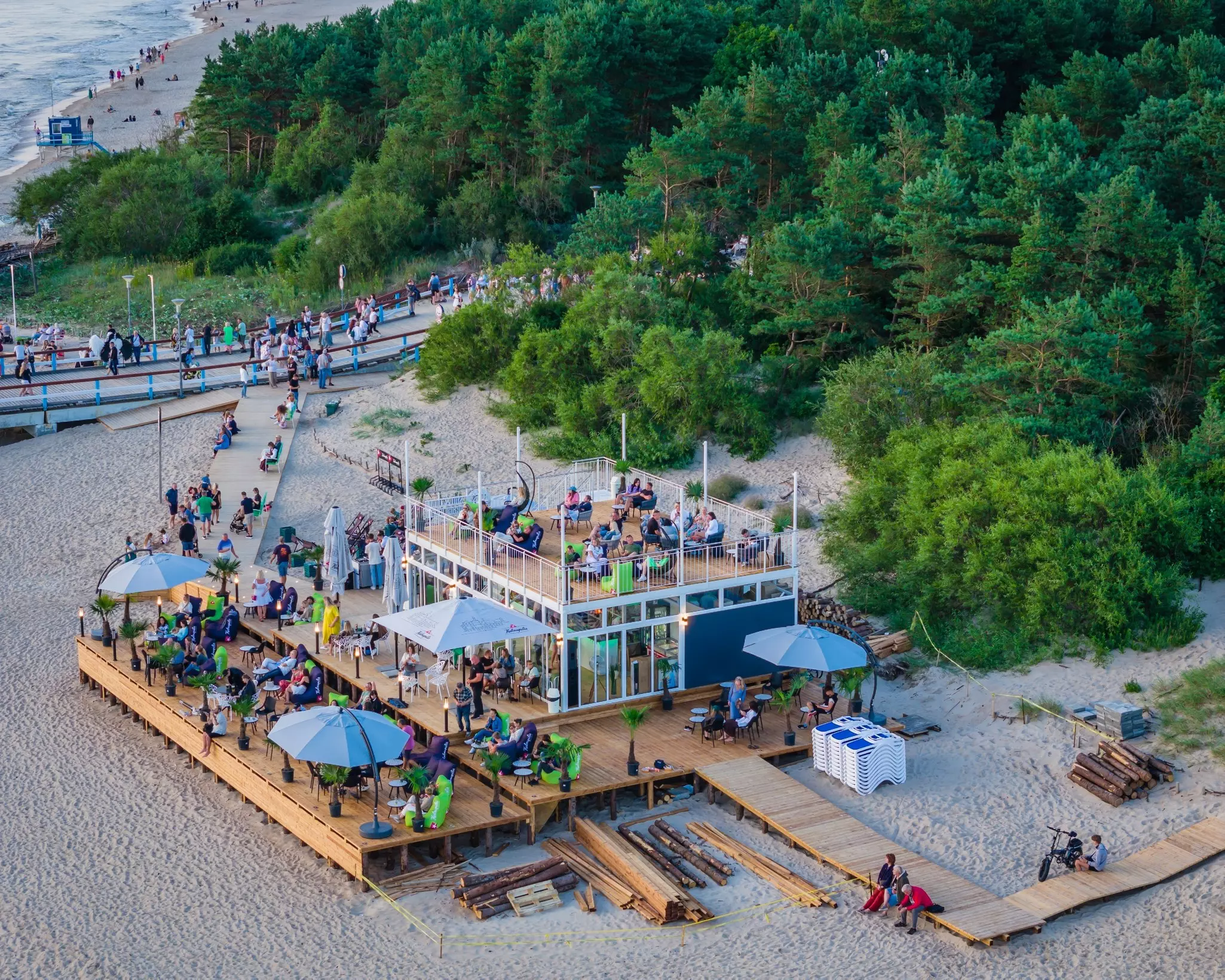
One of Lithuania’s most popular seaside resorts since Soviet times, Palanga is a pounding party spot in summer. While pedestrianized Basanavičiaus gatvė becomes abuzz with arcade machines, merry-go-rounds, electric cars, buskers and late-night bars playing thumping music, much of tree-lined Palanga is incredibly tranquil. Take the coastal path through pine forest, detouring to the beach for sunbathing and swimming. Another highlight is the Amber Museum in the vast Botanical Park, with over 15,000 examples of Baltic gold on show inside a neoclassical palace. Expect everything from ancient insects trapped in a golden tomb to striking, contemporary jewelry by present-day amber masters.
Deep in the heart of the densely forested and lake-speckled Žemaitija National Park, the only Soviet nuclear missile base in the region once housed four medium-range ballistic SS-4 missiles, armed with two-megaton-power thermonuclear warheads – enough firepower to flatten all of Europe. Descend into one of the underground bunkers, explore the reconstructed headquarters of the bunker commander, interact with the multimedia displays, and marvel at how close the world came to nuclear Armageddon.
Practical tip: To explore the rest of the national park, rent a bicycle in Plateliai, the region’s main town. While you’re there, swing by Plateliai Manor to check out an incredible collection of traditional Shrove Tuesday masks.
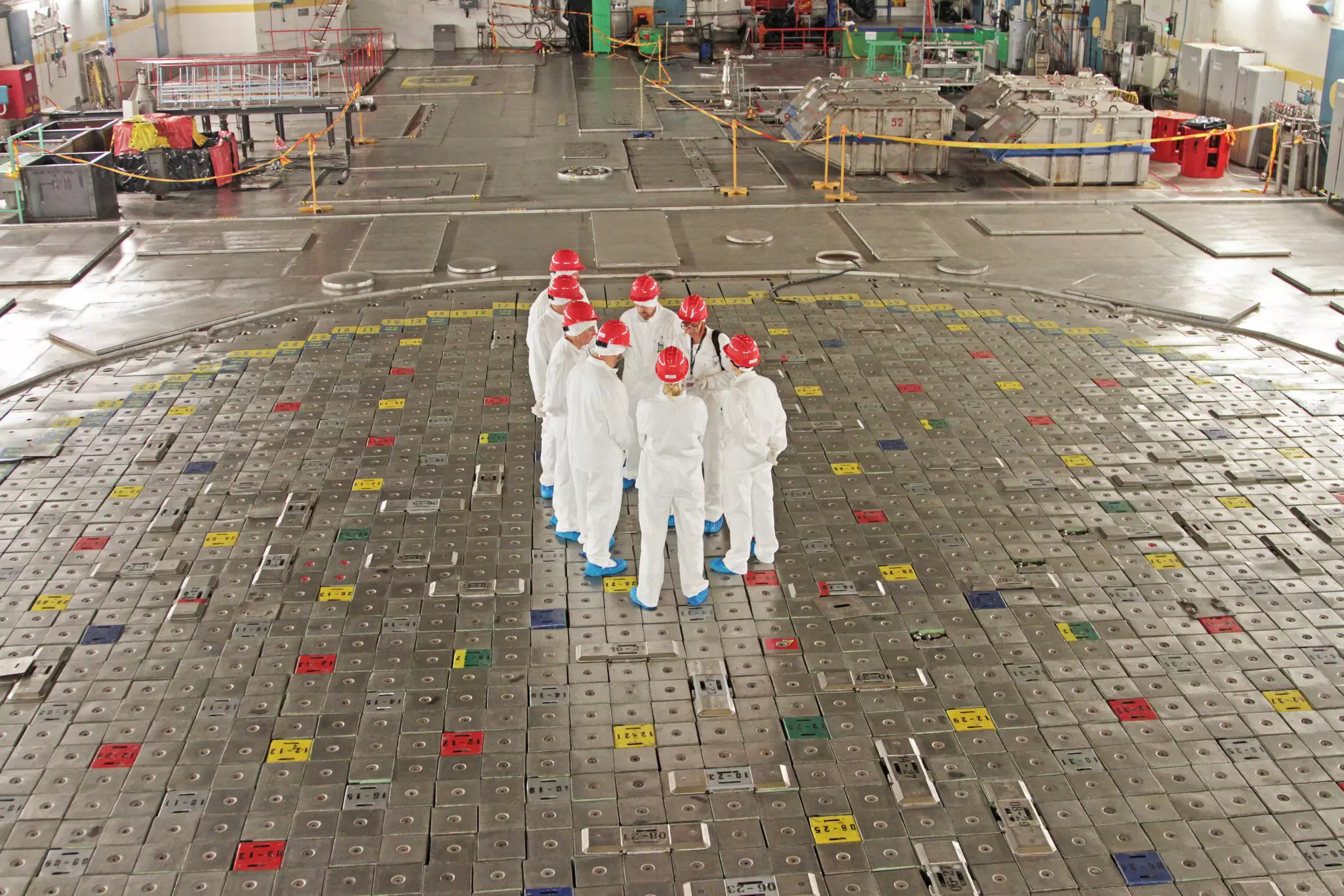
If you’ve seen the 2019 HBO miniseries Chernobyl, then you’ll recognize parts of the Ignalina Nuclear Power Plant (INPP) in Visaginas. While it’s currently an epicenter of “nuclear tourism, ” the plant has been decommissioned due to the similarity of its design to that of the ill-fated nuclear power station in Chernobyl, Ukraine, and its reactors are in the process of being dismantled. You must register for an expedition in advance online and there are limited spots available. Keep an eye on the website for when places will be released. If you are lucky enough to get a spot, expect an in-depth, 3-hour guided tour of the facility, including the turbine hall, the RBMK reactor hall and unit control room.
Detour: The LitWild team will bring you into a simulator INPP control room near Visaginas, where the plant staff used to receive training on how to handle emergencies.
Book your Lithuania trip with Lonely Planet Journeys
See Lithuania how it's meant to be seen
Planned by local experts and tailored to you, Lonely Planet Journeys handles the logistics so you can just enjoy the trip. Tell us what you want and we'll build your Lithuania itinerary from scratch, or browse our bookable trips to get inspired.


Explore related stories