Jul 29, 20268 min read
All You Need to Know About the World Nomad Games in KyrgyzstanNov 12, 2025
8 MIN READ
Writer
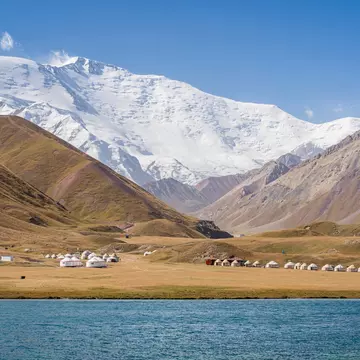
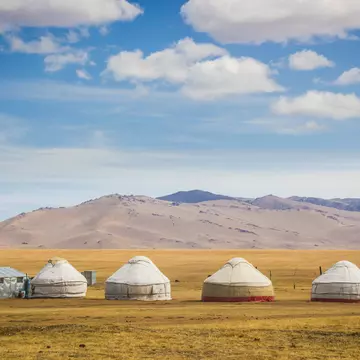
Yurts by Son-Köl, Kyrgystan. Petr Kratochvila/Shutterstock

Writer
Highlights
Kyrgyzstan-based writer Stephen Lioy rounds up 16 culinary, cultural and outdoor experiences.
Saddle up for Tian Shan horseback routes and sleep under Son-Köl's vast starscape.
Brave frigid Sary-Chelek for a cold plunge or join the summer crowd at Issyk-Köl.
Stop at Tash Rabat's stone caravanserai or climb the Karakhanid minaret at Burana Tower.
Lonely Planet may earn a commission from affiliate links on our site. All recommendations and reviews reflect our own independent opinions.
Kyrgyzstan evokes the spirit of Silk Road exploration as you follow ancient caravan routes on horseback over high mountain passes, visit holy sites that have drawn pilgrims for thousands of years or rest on the shores of an alpine lake that stretches nearly to the horizon. Fuel your Central Asian dream adventure – cultural, culinary or outdoorsy – with these top experiences in Kyrgyzstan.
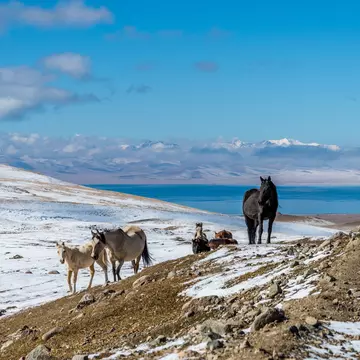
Perched atop a high plateau just over 3000m above sea level, Lake Son-Köl presents a postcard image of how first-time visitors imagine Kyrgyzstan will look. A ring of Tian Shan peaks surrounds the 28km-long lake, an important flyway stopover for geese, gulls and cranes. In the summer pastures between the lake’s shore and hills, shepherds graze herds of horses, sheep and cows on some of the country’s most prized grassland. Many community-based tourism organizations open yurts to travelers for overnights on the lake shore – perfect accommodations to catch an indescribably vast starscape after dark.
Planning tip: Son-Köl is accessible by car, horseback or hiking routes. Some of the best journeys combine riding or hiking in with a car transfer back down.
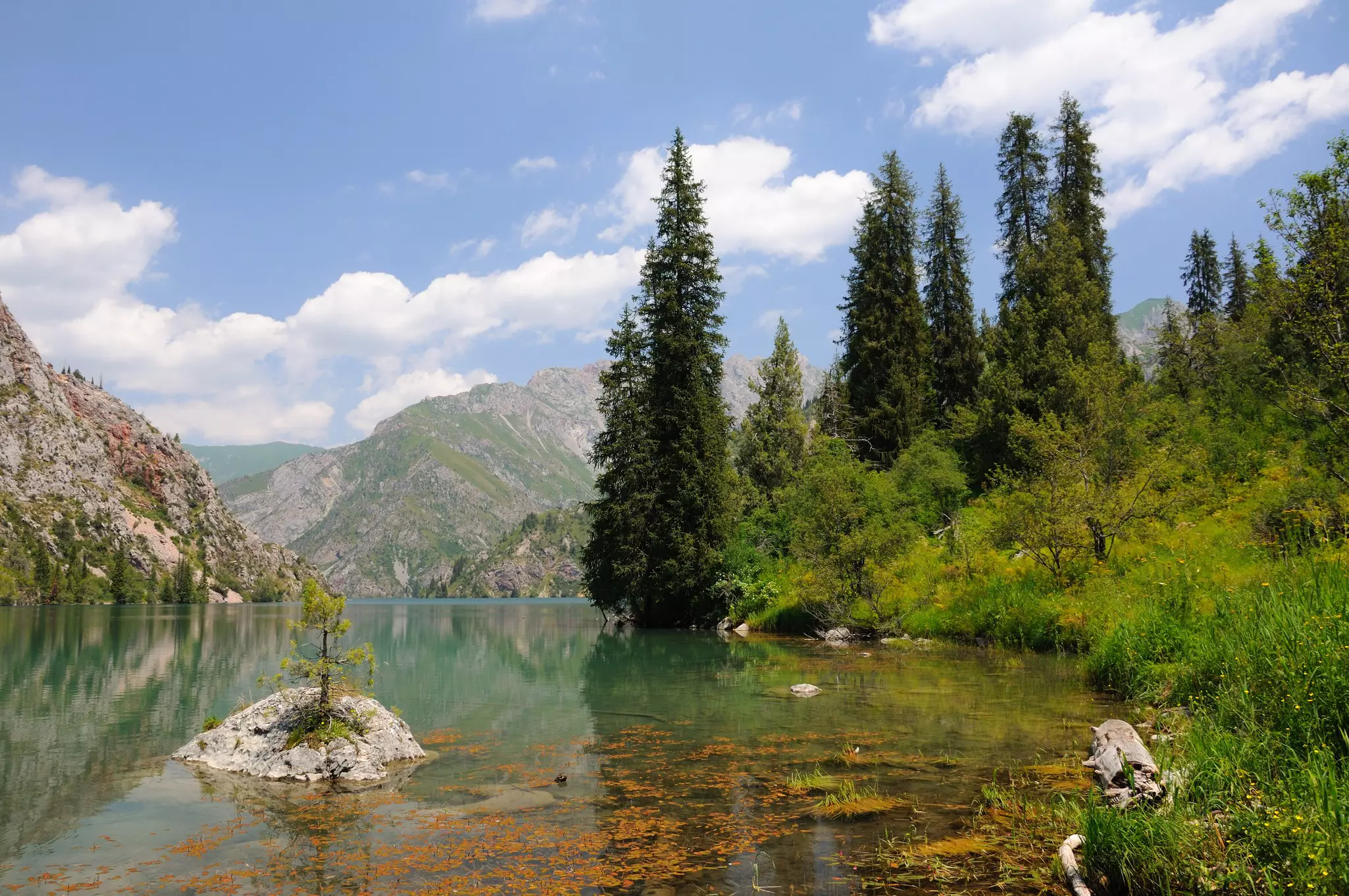
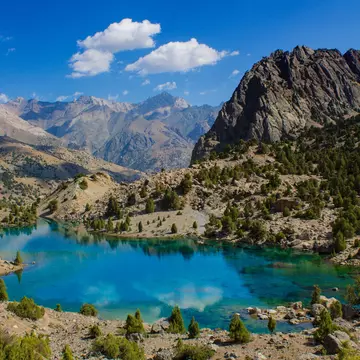
A winding dirt road leads around the string of six glacial lakes in the Sary-Chelek Biosphere Reserve, a rolling hilly landscape that reveals a picturesque panorama at the final turn. Backed by rugged cliffs from which waterfalls pour and skinny trees desperately cling, Sary-Chelek is a favorite destination for Jalalabad locals, but it is visited by a comparative few foreign tourists. Join them for a splash – frigid even in the middle of summer – or head up for a looping 11km walk along the smaller lakes with big views back toward the reserve’s namesake.
Kyrgyzstan’s 500,000-line epic Manas, the Guinness record holder for the world's longest poem, is based on tales of a historic Kyrgyz khanate ruler whose 14th-century tomb stands in the country’s Talas province. At the resting place of the great warrior, hear stories of the exploits that founded a nation.
Central Asia’s Chinese-origin Muslim ethnic group is famed across the region for incredible cuisine. Members of Kyrgyzstan’s largest Dungan community, in and around the city of Karakol, host family dinners that include a crash course in cooking the city’s most popular Dungan dish, ashlyanfu. Prepared from handmade laghman noodles, sliced starch jelly and a spicy, savory, pungent bouillon of meat and vegetables with vinegar, this iconic Central Asian dish is widely agreed to be better in Karakol than anywhere else in the country.
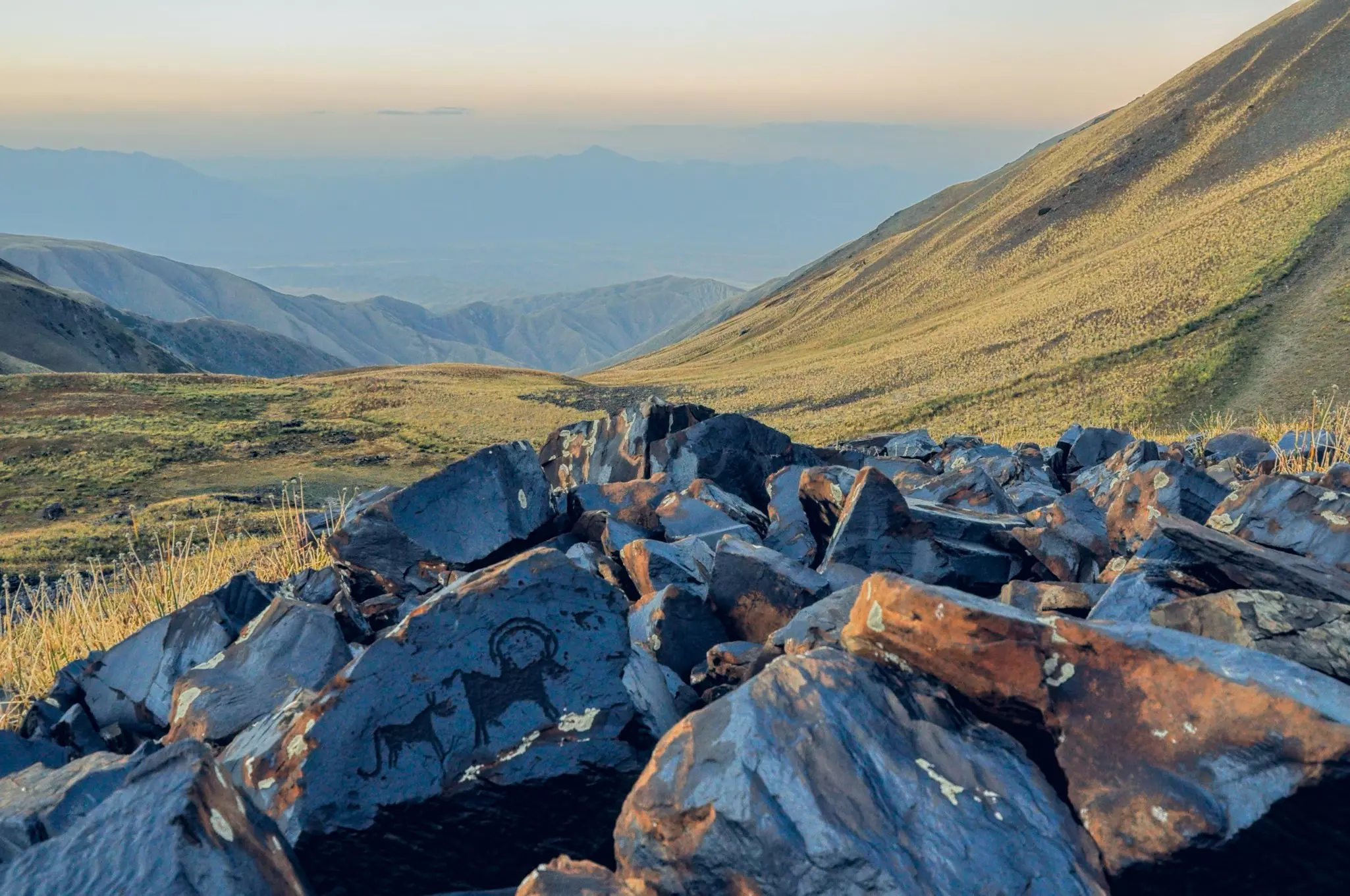
More than 90,000 tiny tales play out across the Saimaluu Tash valley, where individual petroglyphs were carved into over 10,000 rocks since at least the 3rd millennia BCE. Histories of humanity, hunting, war and worship were recorded on the valley’s rocks for thousands of years as successive generations of shamans and supplicants made their way to this remote valley near the modern town of Kazarman – in the process creating one of Central Asia’s most significant cultural sites.
Planning tip: The site is accessible for roughly 6 weeks each year – typically around August – when snowmelt leaves the stones visible.
Soviet-era artifacts blend with modern-day political cultural discourse at a derelict winery on the outskirts of Bishkek in Kuntuu village. The Tolon Museum of Modern Art, founded as a passion project by businessman and film producer Tolondu Toichubaev, invites visitors to engage with the history and culture of Kyrgyzstan and Central Asia with over 2000 works and a regularly changing residency program hosting artists from across the wider post-Soviet world.
Plov, a rice dish made with meat meat and fried vegetables, is called ash in Kyrgyz. In Uzbek, it’s osh, and in Osh it’s ash or osh. Confused? A plov cooking class in Osh (the city, not the dish) will sort you out, from bargaining at the market to measuring just the right amount of sheep fat or timing the rice perfectly. You will likely grow familiar with – and fond of – this Central Asian staple while traveling in the region, so what better souvenir could there be than taking a recipe home with you?
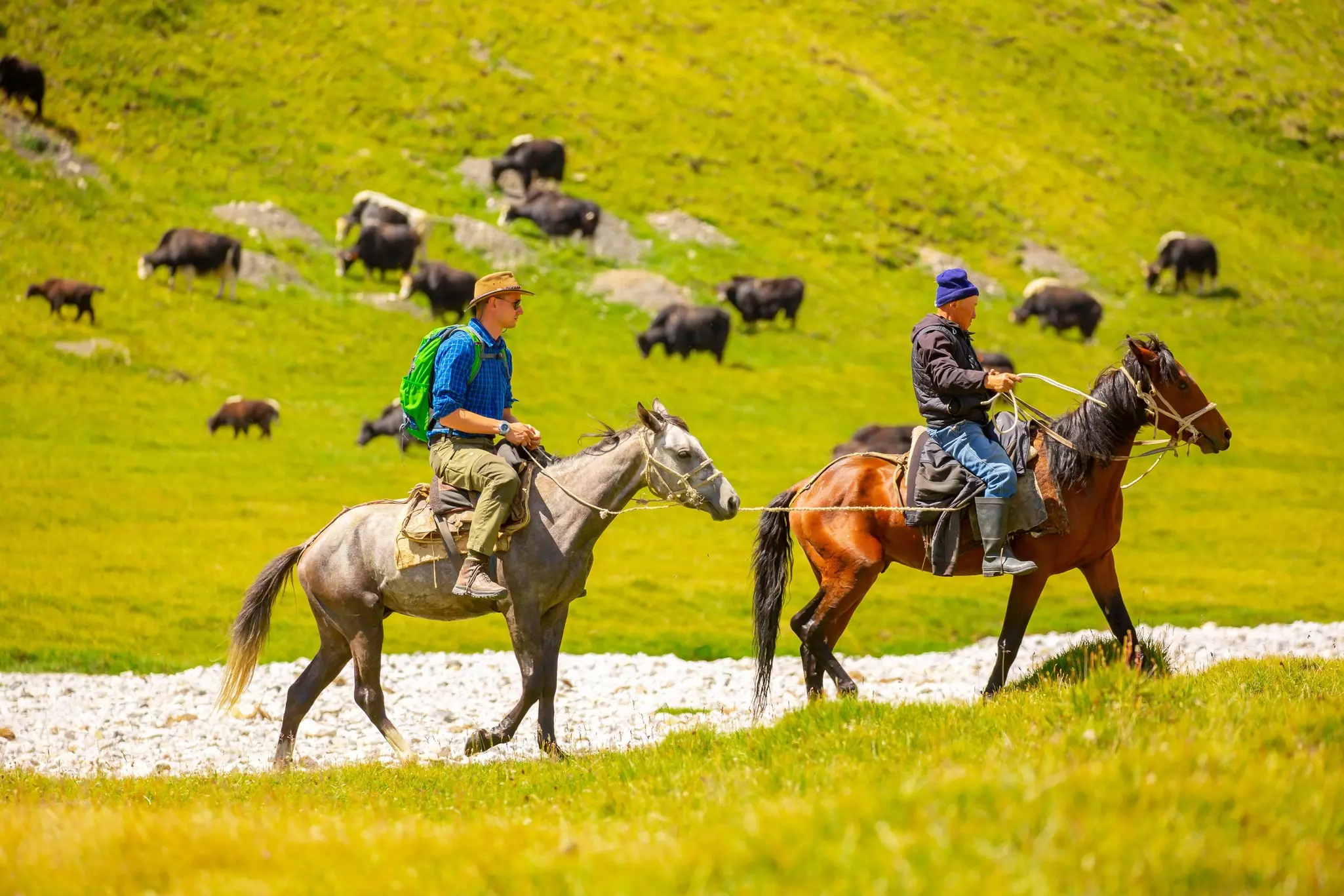
The Kyrgyz say, "ат адамдын канаты" ("Horses are men’s wings"). Saddle up and ride off into the sunset in the Tian Shan mountains for a taste of Kyrgzstan’s nomadic lifestyle. Whether it's a 1-day trip across the ridge from Kyzart to Son-Köl or a multiweek adventure through the remotest corners of the country, nothing hearkens back to tradition as much as a long day in the saddle through the Kyrgyz mountains.
Planning tip: Short trips can be arranged on the spot in tourist hubs like Kochkor, Kyzart, Sary-Mogol and Karakol; for longer journeys, reach out to a tour operator in advance.
While nomads may not have kept their mountain camps up through the long snowy months, winter tourism is booming in Kyrgyzstan, and a handful of yurt camps welcome visitors in all seasons. Head out on snowshoes in Kok Jaiyk, go on horseback into the desolate snowy beauty of Son-Köl or strap on your freeride skis in Jyrgalan, Ak Tash, Jalpak Tash or Boz Uchuk.
Planning tip: Winter yurt camps, especially those that cater to freeride skiers, often book up a year in advance. Make plans early.
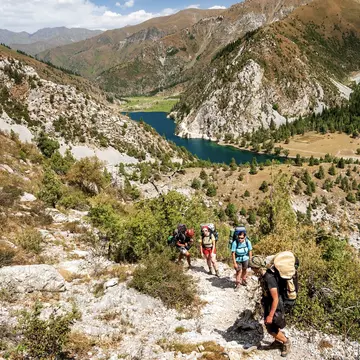
Covering seven passes in 100km over 7 days, past alpine lakes, bursting waterfalls and towering peaks, the Ak-Suu Transverse – stretching from the ecotourism hub of Jyrgalan to the famous red rocks of Jeti-Ögüz – is one of the top hikes in a country full of excellent treks. Enjoy one of the region’s best mountain vistas above Ala-Köl Lake, soak weary limbs in the hot springs at Altyn Arashan and choose between wild camping or staying in yurt camps en route.
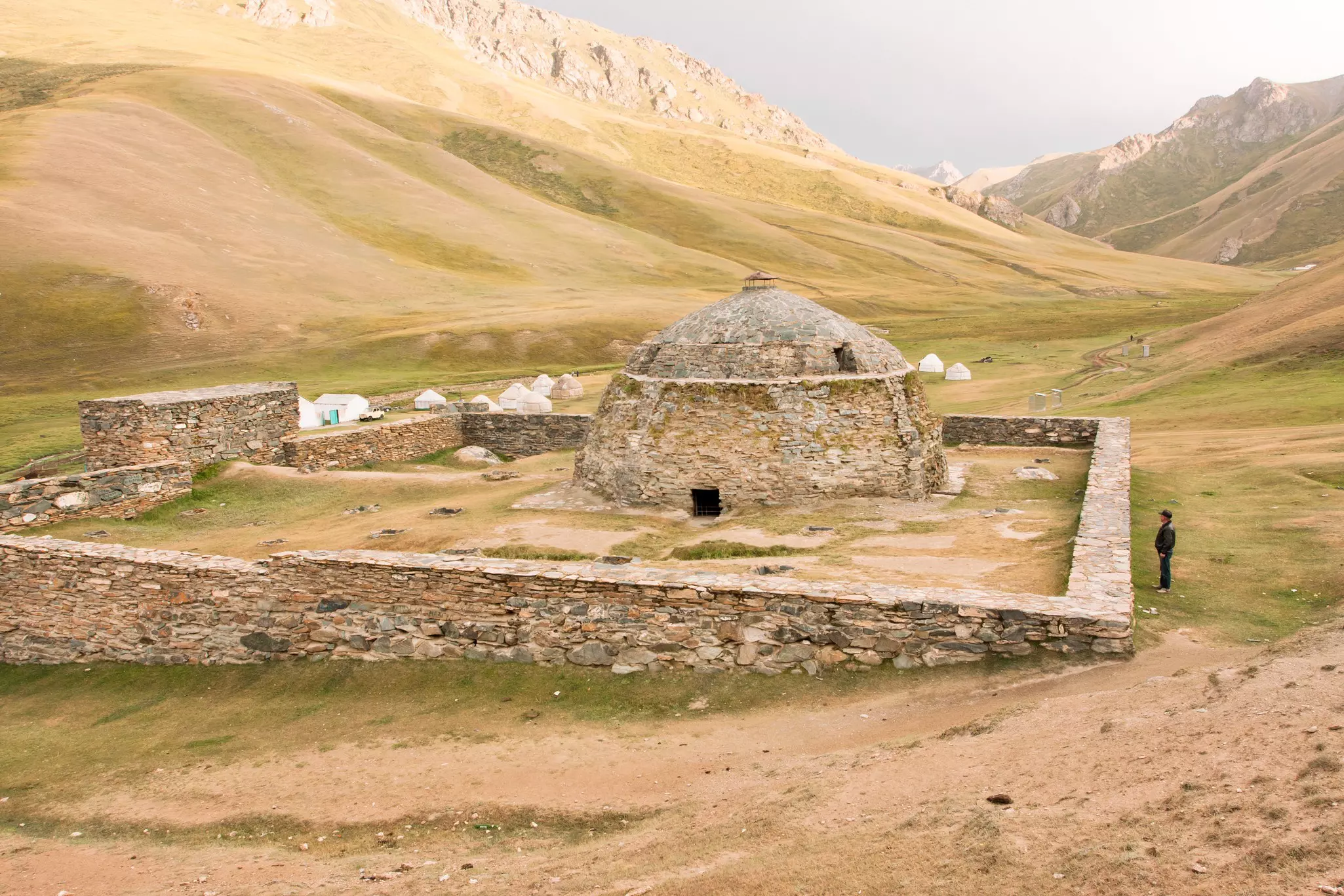
The echoes of commerce and caravans still ring within the 15th-century stone walls of Tash Rabat. Although the clinking of coins and bleating of camels have been replaced by the sounds of selfies and souvenir vendors, the caravanserai (travelers inn) continues to stand guard over a dramatic valley deep in the mountains of Naryn. Most visitors stay in yurt camps just outside the walls – a modern take on the ancient caravan stopping points – with many opting to stay 2 nights to hike or ride to the nearby Tash Rabat pass.
Before Babur went to India to found the Mughal dynasty, legend says he spent time in meditation on the slopes of Sulaiman Too, which is surrounded today by the modern city of Osh – often referred to as Kyrgyzstan’s southern capital. Locals and visitors continue to climb the rocky staircase to leave offerings at the mosque that Babur built and take in views that stretch beyond the city toward the ridges of the Alay range.
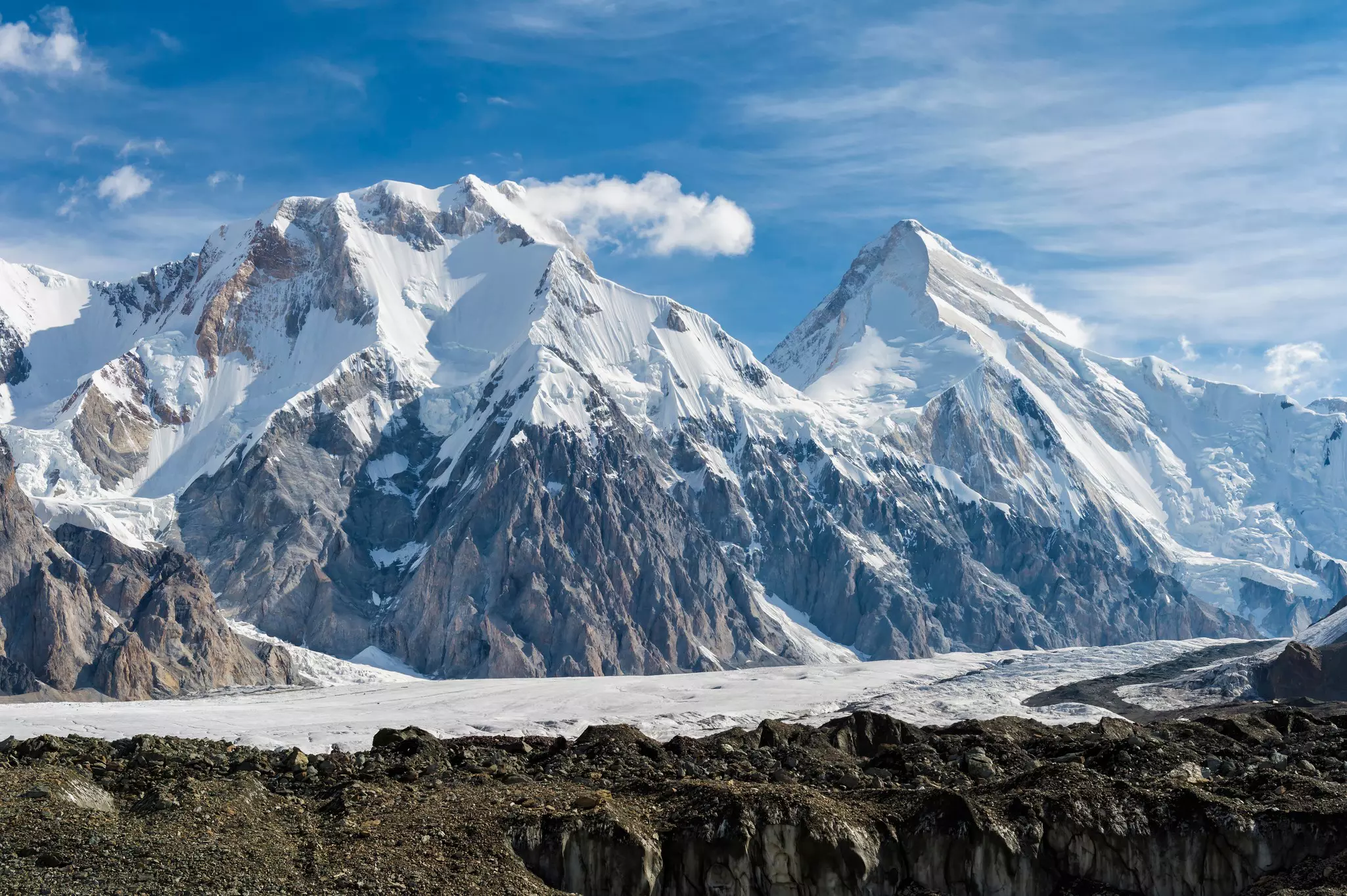
Enter a world of ice in the Enilchek Valley, site of the world’s fifth-longest nonpolar glacier. Hikers climb the valley over 6 days – with the option of staying in semipermanent tent camps – regularly dipping onto and across the glacier on a trail that changes each season as the glacier moves.
While mountain climbers use the Inylchek base camp to strike out for the summits of Jengish Chokusu and Khan Tengri, both technically challenging peaks above 7000m, more casual hikers can transfer by helicopter from here back to the Karkyra valley near Karakol.
Detour: With an extra day or 2 to spare, climb up to the At Jailoo pasture for an acclimatization hike to a handful of alpine ponds and a stunning scene of glacier-studded peaks that rivals views anywhere on the main hike.
Two 12th-century minarets on opposite ends of Kyrgyzstan mark the remnants of the Karakhanid empire. At its peak, the empire stretched roughly from modern Azerbaijan to China. Climb the steep, dark staircases of the Uzgen (Özgön) minaret or Burana Tower, and look out over empty fields that were once the seat of empire – a poignant reminder that all empires eventually fade.
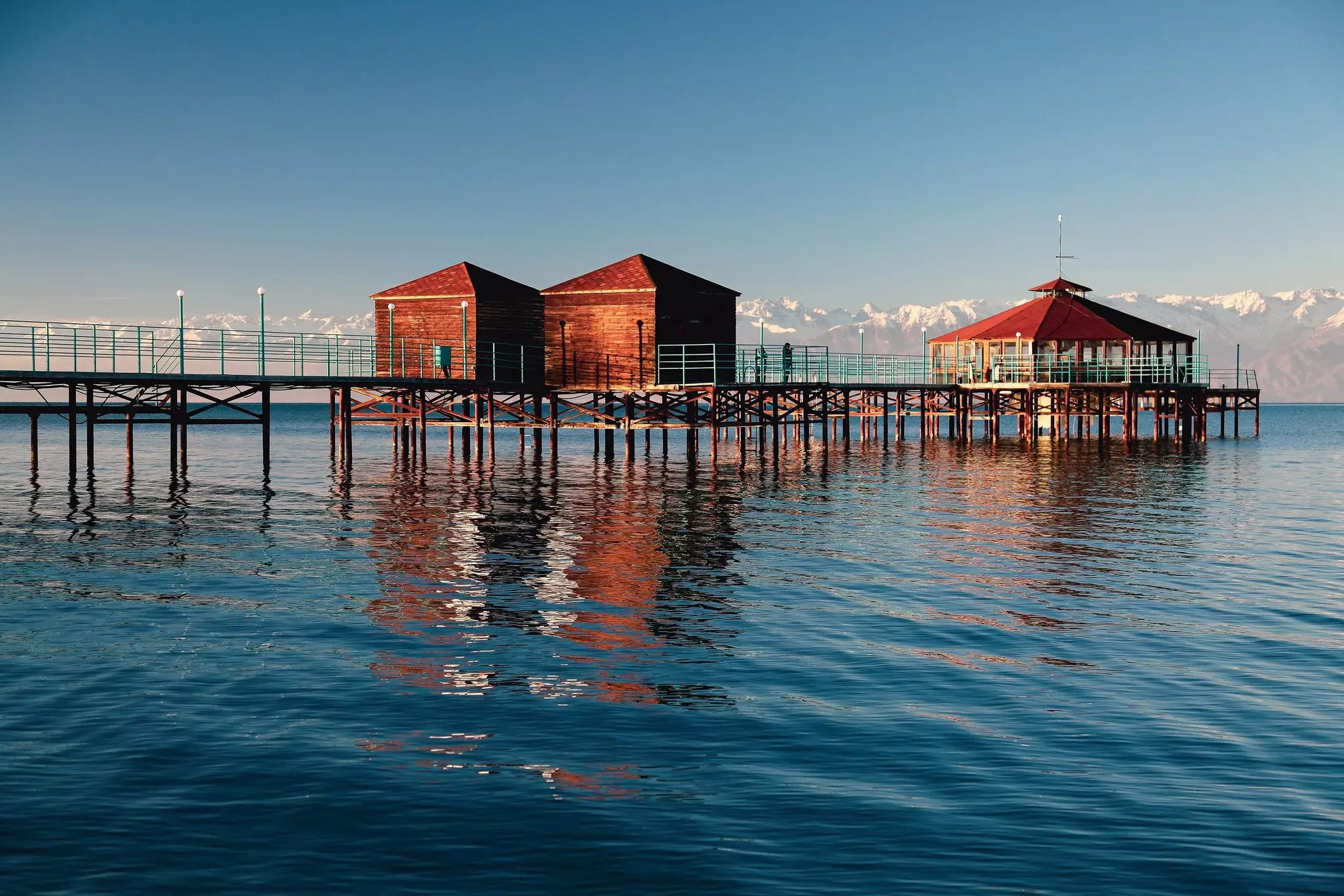
Follow local traffic to Lake Issyk-Köl in July and August, when schools are out and anybody who can manage escapes the Bishkek heat for the shores of Kyrgyzstan’s largest lake. Beach resorts on the north side are popular (Cholpon-Ata and Bosteri among the party crowd; Tamchy and Sary-Oi among families), while yurt camps and smaller hotels on the lake’s south see more laid-back vibes at the cost of longer travel times from Bishkek.
In the mountains of southern Kyrgyzstan’s Batken, a region popular among climbers but rarely visited by mainstream tourists, a 9-day hike loops around 100km of the south’s best scenery in an area that locals have dubbed Asian Patagonia. Starting from the village of Ozgorush, this walk is for those who think they’ve already seen the best landscape Kyrgyzstan has to offer.
Planning tip: Traveling this close to the border with Tajikistan requires a border permit issued by Kyrgyz authorities. While it’s possible to do this independently, the process is long and painstaking, and most tourists will be better off paying a tour operator 1300–2600 som to take care of permits on their behalf.
Explore related stories