Getting around
Boat
There has been speculation for years that ferry transport will start again on Lake Victoria, but for the foreseeable future, the only regular services operating are motorised canoes to Mfangano Island from Mbita Point, near Homa Bay. An occasional ferry service also runs between Kisumu and Homa Bay.
Dhow
Sailing on a traditional Swahili dhow along the East African coast is one of Kenya’s most memorable experiences. And, unlike on Lake Victoria, a good number of traditional routes are very much still in use. Dhows are commonly used to get around the islands in the Lamu archipelago and the mangrove islands south of Mombasa.
For the most part, these trips operate more like dhow safaris than public transport. Although some trips are luxurious, the trips out of Lamu are more basic. When night comes you simply bed down wherever there is space. Seafood is freshly caught and cooked on board on charcoal burners, or else barbecued on the beach on the surrounding islands.
Most of the smaller boats rely on the wind to get around, so it’s quite common to end up becalmed until the wind picks up again. The more commercial boats, however, have been fitted with outboard motors so that progress can be made even when there’s no wind. Larger dhows are all motorised and some of them don’t even have sails.
Hitching
Hitchhiking is never entirely safe in any country, and we don’t recommend it. Travellers who hitch should understand that they are taking a small but potentially serious risk; it’s safer to travel in pairs and let someone know where you are planning to go. Also, beware of drunken drivers.
Although it’s risky, many locals have no choice but to hitch, so people will know what you’re doing if you try to flag down cars. The traditional thumb signal will probably be understood, but locals use a palm-downwards wave to get cars to stop. Many Kenyan drivers expect a contribution towards petrol or some kind of gift from foreign passengers, so make it clear from the outset if you are expecting a free ride.
If you’re hoping to hitch into the national parks, dream on! Your chances of coming across tourists with a spare seat who don’t mind taking a freeloading stranger along on their expensive safari are slimmer than a starving stick insect, and quite frankly it seems pretty rude to ask. You’ll get further asking around for travel companions in Nairobi or any of the gateway towns.
On the other side of the wheel, foreign drivers will be approached all the time by Kenyan hitchers demanding free rides, and giving a lift to a carload of Maasai is certainly a memorable cultural experience.
Bus & tram
Bus
Kenya has an extensive network of long- and short-haul bus routes, with particularly good coverage of the areas around Nairobi, the coast and the western regions. Services thin out the further away from the capital you get, particularly in the north, and there are still plenty of places where you’ll be reliant on matatus.
Buses are operated by a variety of private and state-owned companies that offer varying levels of comfort, convenience and roadworthiness. They’re considerably cheaper than taking the train or flying, and as a rule services are frequent, fast and often quite comfortable. However, many travellers are put off taking buses altogether by the diabolical state of Kenyan roads.
In general, if you travel during daylight hours, buses are a fairly safe way to get around and you’ll certainly be safer in a bus than in a matatu, simply due to its size. The best coaches are saved for long-haul and international routes and offer DVD movies, drinks, toilets and reclining airline-style seats. On the shorter local routes, however, you may find yourself on something resembling a battered school bus.
Whatever kind of conveyance you find yourself in, don’t sit at the back (you’ll be thrown around like a rag doll on Kenyan roads), or right at the front (you’ll be the first to die in a head-on collision, plus you’ll be able to see the oncoming traffic, which is usually a terrifying experience). You should also be aware that a Kenyan bus trip is not always the most restful experience – unlike matatus, hawkers can actually board most services to thrust their wares in your face, and it’s not unknown for roving preachers, herbalists and just about anyone else to spend entire journeys shouting the odds for the benefit of their fellow passengers. On certain coastal buses you’ll even hear the regular Muslim call to prayer broadcast over the loud speaker.
Kenya Bus Services (KBS), the government bus line, runs the local buses in Nairobi and also offers long-haul services to most major towns around the country. Its buses tend to be slower than those of the private companies, but are probably safer for this reason. Of the private companies, Akamba has the most comprehensive network, and has a good, but not perfect, safety record. Easy Coach is another private firm quickly establishing a solid reputation for efficiency and comfort.
There are a few security considerations to think about when taking a bus in Kenya. Some routes, most notably the roads from Malindi to Lamu and Isiolo to Marsabit, have been prone to attacks by shiftas (bandits) in the past – check things out locally before you travel. Another possible risk is drugged food and drink: if you want to reach your destination with all your belongings, politely refuse any offers of drinks or snacks from strangers.
The following are the main bus companies operating in Kenya:
Akamba (020-340430) Eldoret, Kakamega, Kericho, Kisii, Kisumu, Kitale, Machakos, Mombasa, Nairobi, Namanga.
Busways (020-227650) Kilifi, Kisumu, Malindi, Mombasa, Nairobi.
Coastline Safaris (020-217592) Kakamega, Kisumu, Mombasa, Nairobi, Nakuru, Voi.
Easy Coach (020-210711) Eldoret, Kakamega, Kisumu, Kitale, Nairobi.
Eldoret Express (020-6766886) Busia, Eldoret, Kakamega, Kisii, Kisumu, Kitale, Malaba, Nairobi.
Falcon Kilifi, Lamu, Malindi, Mombasa, Nairobi.
Kenya Bus Services (KBS; 020-229707, booking office 020-341250) Busia, Eldoret, Kakamega, Kisii, Kisumu, Kitale, Malaba, Mombasa, Nairobi.
Mombasa Metropolitan Bus Services (Metro Mombasa; 041-2496008) Kilifi, Kwale, Malindi, Mombasa, Mtwapa.
Costs
Kenyan buses are pretty economical, with fares starting around KSh100 for an hour-long journey between nearby towns. At the other end of the scale, you’ll seldom pay more than KSh500 for a standard journey, but so-called ‘executive’ services on the overnight Nairobi–Mombasa route can command prices of up to KSh1500, almost as much as the equivalent international services.
Reservations
Most bus companies have offices or ticket agents at important stops along their routes, where you can book a seat. For short trips between towns reservations aren’t generally necessary, but for popular longer routes, especially the Nairobi–Kisumu, Nairobi–Mombasa and Mombasa–Lamu routes, buying your ticket at least a day in advance is highly recommended.
Car & motorcycle
Many travellers bring their own vehicles into Kenya as part of overland trips and, expense notwithstanding, it’s a great way to see the country at your own pace. Otherwise, there are numerous car-hire companies that can rent you anything from a small hatchback to Toyota Landcruiser 4WDs, although hire rates are some of the highest in the world.
A few expats have off-road (trail) motorcycles, but they aren’t seen as a serious means of transport, which is a blessing considering the lethal nature of the roads.
Automobile Associations
Automobile Association of Kenya (020-723195; Hurlingham shopping centre, Nairobi).
Bribes
Police will stop you everywhere you travel in Kenya, and will more likely than not ask you for a small ‘donation.’ To prevent being taken advantage of, always ask for an official receipt – this goes a long way in stopping corruption. Also, always ask for their police number and check it against their ID card as there are plenty of con artists running about. If you’re ever asked to go to court, always say yes as you just might call their bluff and save yourself a bit of cash.
Driving Licence
An international driving licence is not necessary in Kenya, but can be useful. If you have a British photo card licence, be sure to bring the counterfoil, as the date you passed your driving test – something car-hire companies here may want to know – isn’t printed on the card itself.
Fuel & Spare Parts
Fuel prices are on the rise the world over, and Kenya certainly isn’t an exception. Rates are generally lower outside the capital, but can creep up to frighteningly high prices in remote areas, where petrol stations are often scarce and you may end up buying supplies out of barrels from roadside vendors.
Anyone who is planning to bring their own vehicle with them needs to check in advance what spare parts are likely to be available. Even if it’s an older model, local suppliers in Kenya are very unlikely to have every little part you might need. Belt breakages are probably the most common disaster you can expect, so bring several spares. Also note that you can be fined by the police for not having a fire triangle and an extinguisher.
Hire
Hiring a vehicle to tour Kenya (or at least the national parks) is an expensive way of seeing the country, but it does give you freedom of movement and is sometimes the only way of getting to the more remote parts of the country. However, unless you’re sharing with a sufficient number of people, it’s likely to cost more than you’d pay for an organised camping safari with all meals.
Unless you’re just planning on travelling on the main routes between towns, you’ll need a 4WD vehicle. None of the car-hire companies will let you drive 2WD vehicles on dirt roads, including those in the national parks, and if you ignore this proscription and have an accident you will be personally liable for any damage to the vehicle.
A minimum age of between 23 and 25 years usually applies for hirers. Some companies prefer a licence with no endorsements or criminal convictions, and most require you to have been driving for at least two years. You will also need acceptable ID such as a passport.
It’s generally true to say that the more you pay for a vehicle, the better condition it will be in. The larger companies are usually in a better financial position to keep their fleet in good order. Whoever you hire from, be sure to check the brakes, the tyres (including the spare), the windscreen wipers and the lights before you set off.
The other factor to consider is what the company will do for you (if anything) if you have a serious breakdown. The major hire companies may deliver a replacement vehicle and make arrangements for recovery of the other vehicle at their expense, but with most companies you’ll have to get the vehicle fixed and back on the road yourself, and then try to claim a refund.
Costs
Starting rates for hire almost always sound very reasonable, but once you factor in mileage and the various types of insurance you’ll be lucky to pay less than KSh7500 per day for a saloon car, or KSh10,000 per day for a small 4WD. As elsewhere in the world, rates come down rapidly if you take the car for more than a few days.
Vehicles are usually hired with either an allowance of 100km to 200km per day (in which case you’ll pay an extra fee for every kilometre over), or with unlimited kilometres, which is often the best way to go. Rates are usually quoted without insurance, and you’ll be given the option of paying around KSh1000 to KSh2000 per day for insurance against collision damage and theft. It would be financial suicide to hire a car in Kenya without both kinds of insurance. Otherwise you’ll be responsible for the full value of the vehicle if it’s damaged or stolen.
Even if you have collision and theft insurance, you’ll still be liable for an excess of KSh2500 to KSh150,000 (depending on the company) if something happens to the vehicle; always check this before signing. You can usually reduce the excess to zero by paying another KSh1000 to KSh2000 per day for an Excess Loss Waiver. Note that tyres, damaged windscreens and loss of the tool kit are always the hirer’s responsibility.
As a final sting in the tail, you’ll be charged 16% value added tax (VAT) on top of the total cost of hiring the vehicle. Any repairs that you end up paying for will also have VAT on top. And a final warning: always return the vehicle with a full tank of petrol; if you don’t, the company will charge you twice the going rate to fill up.
Deposits
There’s a wide variation in the deposit required on hired vehicles. It can be as much as the total estimated hire charges plus whatever the excess is on the collision damage waiver. You can cover this with cash, signed travellers cheques (returnable) or credit card.
Drop-Off Rates
If you want to hire a vehicle in one place and drop it off in another there will be additional charges. These vary depending on the vehicle, the company and the pick-up and drop-off locations. In most cases, count on paying KSh10,000 between Nairobi and Mombasa and about KSh5000 between Mombasa and Malindi.
Driver Rates
While hiring a ‘chauffeur’ may sound like a luxury, it can actually be a very good idea in Kenya for both financial and safety reasons. Most companies will provide a driver for a few thousand shillings per day – the big advantage of this is that the car is then covered by the company’s own insurance, so you don’t have to pay any of the various waivers and will not be liable for any excess in the case of an accident (though tyres, windows etc remain your responsibility).
In addition, having someone in the car who speaks Swahili, knows the roads and is used to Kenyan driving conditions can be absolutely priceless, especially in remote areas. Most drivers will also look after the car at night so you don’t have to worry about it, and they’ll often go massively out of their way to help you fulfil your travel plans. On the other hand, it will leave one less seat free in the car, reducing the number of people you can have sharing the cost in the first place.
Driving to Tanzania & Uganda
Only the bigger (and more expensive) companies cater for this, and there are large additional charges. With Budget, Hertz or Avis, expect to pay a few hundred dollars for them to sort out all the documentation, insurance, permits etc.
Hire Agencies
At the top end of the market are some international companies. Most have airport and town offices in Nairobi and Mombasa.
Central Rent-a-Car, which comes highly recommended by readers, is probably the best of the local firms, with a well-maintained fleet of fairly new vehicles and a good back-up service. Adventure Upgrade Safaris also has a good fleet of lean-and-mean 4WDs for tackling the worst of Kenya’s roads.
Most safari companies will also hire out their vehicles, though you’ll have few of the guarantees that you would with proper hire companies listed here. One notable exception is Let’s Go Travel, which organises reliable car hire at favourable rates through partner firms.
On the coast, it is possible to hire motorcycles, scooters and quads at Diani Beach and Bamburi Beach. Fredlink Tours rents out 350cc trail bikes and Yamaha scooters, and also arranges motorcycle safaris.
The following are local and international hire companies:
Adventure Upgrade Safaris (020-228725; www.adventureupgradesafaris.co.ke)
Avis (020-316061; www.avis.com)
Budget (020-223581; www.budget.com)
Central Rent-a-Car (020-2222888; www.carhirekenya.com)
Fredlink Tours (040-3202647; www.motorbike-safari.com; Diani Plaza, Diani Beach)
Hertz (020-248777; www.hertz.com)
Let’s Go Travel (020-340331; www.letsgosafari.com)
Insurance
Driving in Kenya without insurance would be a mind-numbingly idiotic thing to do. It’s best to arrange cover before you leave. Liability insurance is not always available in advance for Kenya; you may be required to purchase some at certain borders if you enter overland, otherwise you will effectively be travelling uninsured. Car-hire agencies in Kenya always offer some kind of insurance.
Parking
In small towns and villages parking is usually free, but there’s a pay-parking system in Nairobi, Mombasa and other main towns. Attendants issue one-day parking permits for around KSh100, valid anywhere in town. If you don’t get a permit you’re liable to be wheel-clamped, and getting your vehicle back will cost you a few thousands shillings. With that said, it’s always worth staying in a hotel with secure parking if possible.
Purchase
It’s certainly possible to buy a car when you’re in Kenya – just look at public noticeboards in expat-rich areas such as the Nairobi suburbs and the coast resorts. However, the practicalities of registering, taxing and keeping your vehicle generally road-legal are quite another matter, and certainly require a fair bit of ground research if you seriously intend to keep the car running for a decent length of time. Also keep in mind that buying or selling a vehicle will give you a bitter taste of Kenyan bureaucracy at its finest, so be sure that you have plenty of time, a mountain of patience and perhaps a bit of luck.
Road Conditions
Road conditions vary widely in Kenya, from flat smooth highways to dirt tracks and steep rocky pathways. Many roads are severely eroded at the edges, reducing the carriageway to a single lane, which is usually occupied by whichever vehicle is bigger in any given situation. The roads in the north and east of the country are particularly poor. The main Mombasa–Nairobi–Malaba road (A104) is badly worn due to the constant flow of traffic.
Roads in national parks are all made of murram (dirt) and have eroded into bone-shaking corrugations through overuse by safari vehicles. Keep your speed down, slowly increasing until you find a suitable speed (when the rattling stops), and be careful when driving after rain. Although some dirt roads can be negotiated in a 2WD vehicle, you’re much safer in a 4WD.
Road Hazards
The biggest hazard on Kenyan roads is simply the other vehicles on them, and driving defensively is essential. Ironically, the most dangerous roads in Kenya are probably the well-maintained ones, which allow drivers to go fast enough to do really serious damage in a crash. On the worse roads, potholes are a dual problem: driving into them can damage your vehicle or cause you to lose control, and sudden avoidance manoeuvres from other vehicles are a constant threat.
On all roads, be very careful of pedestrians and cyclists – you don’t want to contribute any more to the death toll on Kenya’s roads. Animals are another major hazard in rural areas, be it monkeys, herds of goats and cattle or lone chickens with a death wish.
Acacia thorns are a common problem if you’re driving in remote areas, as they’ll pierce even the toughest tyres. The slightest breakdown can leave you stranded for hours in the bush, so always carry drinking water, emergency food and, if possible, spare fuel.
Certain routes have a reputation for banditry, particularly the Garsen–Garissa–Thika road, which is still essentially off limits to travellers, and the dirt track from Amboseli National Park to Tsavo West National Park, where you’re usually required to join a convoy. The roads from Isiolo to Marsabit and Moyale and from Malindi to Lamu have improved considerably security-wise in the last few years, but you’re still advised to seek local advice before using any of these routes.
Road Rules
You’ll need your wits about you if you’re going to tackle driving in Kenya. Driving practices here are some of the worst in the world and all are carried out at breakneck speed. Indicators, lights, horns and hand signals can mean anything from ‘I’m about to overtake’ to ‘Hello mzungu (white person)!’ or ‘Let’s play chicken with that elephant’, and should never be taken at face value.
Kenyans habitually drive on the wrong side of the road whenever they see a pothole, an animal or simply a break in the traffic – flashing your lights at the vehicle hurtling towards you should be enough to persuade the driver to get back into their own lane. Never drive at night unless you absolutely have to, as few cars have adequate headlights and the roads are full of pedestrians and cyclists. Drunk driving is also very common, among expats as much as locals.
Note that foreign-registered vehicles with a seating capacity of more than six people are not allowed into Kenyan national parks and reserves; Jeeps should be fine, but VW Kombis and other camper vans may have problems.
Train
The Uganda Railway was once the main trade artery in East Africa, but these days the network has dwindled to two main routes, Nairobi–Kisumu and Nairobi–Mombasa. At the time of research, however, only the Nairobi–Mombasa train was running, and there remain a few question marks over the comfort and reliability of this route. Indeed, with a night service of around 13 hours, the Nairobi–Mombasa train is much slower and less frequent than going by air or road.
There are three classes on Kenyan trains, but only 1st and 2nd class can be recommended. Fares are US$65/54 in 1st/2nd class including bed and breakfast. Note that passengers are divided up by gender.
First class consists of two-berth compartments with a washbasin, wardrobe, drinking water and a drinks service. Second class consists of plainer, four-berth compartments with a washbasin and drinking water. No compartment can be locked from the outside, so remember not to leave any valuables lying around if you leave it for any reason. You might want to padlock your rucksack to something during dinner and breakfast. Always lock your compartment from the inside before you go to sleep. Third class is seats only and security can be a real problem.
Passengers in 1st class on the Mombasa line are treated to a meal typically consisting of stews, curries or roast chicken served with rice and vegetables. Tea and coffee is included; sodas (soft drinks), bottled water and alcoholic drinks are not, so ask the price before accepting that KSh1500 bottle of wine. Cold beer is available at all times in the dining car and can be delivered to your compartment.
There are booking offices in Nairobi and Mombasa, and it’s recommended that you show up in person rather than trying to call. You must book in advance for 1st and 2nd class, otherwise there’ll probably be no berths available. Two to three days is usually sufficient, but remember that these services run just three times weekly in either direction. Note that compartment and berth numbers are posted up about 30 minutes prior to departure.
Local transport
Boat
The only local boat service in regular use is the Likoni ferry between the mainland and Mombasa island, which runs throughout the day and night and is free for foot passengers (vehicles pay a small toll).
Boda-boda
Boda-bodas (bicycle taxis) are common in areas where standard taxis are harder to find, and also operate in smaller towns and cities such as Kisumu. There is a particular proliferation on the coast, where the bicycle boys also double as touts, guides and drug dealers in tourist areas. A short ride should cost around 20 or so shillings.
Bus
Nairobi is the only city with an effective municipal bus service, run by KBS. Routes cover the suburbs and outlying areas during daylight hours and generally cost no more than KSh40. Metro Shuttle and private City Hopper services also run to areas such as Kenyatta Airport and Karen. Due to traffic density, safety is rarely a serious concern.
Matatu
Local matatus are the main means of getting around for local people, and any reasonably sized city or town will have plenty of services covering every major road and suburb. Fares start at around KSh10 and may reach KSh50 for longer routes in Nairobi. As with buses, roads are usually busy enough for a slight shunt to be the most likely accident, though of course congestion never stops drivers jockeying for position like it’s the Kenya Derby.
Minibus transport is not unique to Kenya, but the matatu has raised it into a cultural phenomenon, and most Kenyans use them regularly for both local and intercity journeys. The vehicles themselves can be anything from dilapidated Peugeot 504 pick-ups with a cab on the back to big 20-seater minibuses. The most common are white Nissan minibuses (many local people prefer the name ‘Nissans’ to matatus).
In the bad old days matatus were notorious for dangerous driving, overcrowding and general shady business, but anyone revisiting Kenya will be stunned at the difference. In 2003 then Transport Minister John Michuki banned all matatus from the roads until they complied with a new set of laws, ensuring amazingly speedy results. Matatus must now be fitted with seatbelts and 80km/h speed governors, conductors and drivers must wear clearly identifiable red shirts, route numbers must be clearly displayed and a 14-person capacity applies to vehicles which used to cram in as many as 30 people. Frequent police checks have also been brought in to enforce the rules.
The changes are immediately noticeable and represent an improvement of sorts, but it hasn’t taken operators long to find loopholes: most drivers have worked out how to gain extra speed on downhill stretches, conductors memorise the locations of police checkpoints and will scramble extra bodies in and out between them, and passengers seem quite happy only to buckle up when approaching a roadblock. Many drivers still also chew miraa (leafy shoots chewed as a stimulant) to stay awake beyond what is a reasonable or safe time.
Apart from in the remote northern areas, where you’ll rely on occasional buses or paid lifts on trucks, you can almost always find a matatu going to the next town or further afield, so long as it’s not too late in the day. Simply ask around among the drivers at the local matatu stand or ‘stage’. Matatus leave when full and the fares are fixed. It’s unlikely you will be charged more money than other passengers.
Wherever you go, remember that most matatu crashes are head-on collisions – under no circumstances should you sit in the ‘death seat’ next to the matatu driver. Play it safe and sit in the middle seats away from the window.
Shared Taxi (Peugeot)
Shared Peugeot taxis are a good alternative to matatus, though they’re not subject to the same speed and safety regulations. The vehicles are usually Peugeot 505 station wagons (hence the local name) that take seven to nine passengers and leave when full.
Peugeots take less time to reach their destinations than matatus as they fill quicker and go from point to point without stopping, and so are slightly more expensive. Many companies have offices around the Accra, Cross and River Rds area in Nairobi, and serve destinations mostly in the north and west of the country.
Taxi
Even the smallest Kenyan towns generally have at least one banged-up old taxi for easy access to outlying areas or even remoter villages, and you’ll find cabs on virtually every corner in the larger cities, especially in Nairobi and Mombasa, where taking a taxi at night is virtually mandatory. Fares are invariably negotiable and start around KSh200 to KSh300 for short journeys. Most people pick up cabs from taxi ranks on the street, but some companies will take phone bookings and most hotels can order you a ride. Since few taxis in Kenya actually have functioning meters (or drivers who adhere to them), it’s advisable that you agree on the fare prior to setting out. This will inevitably save you the time and trouble of arguing with your cabbie over the fare.
Tuk-Tuk
They are an incongruous sight outside Southeast Asia, but several Kenyan towns and cities have these distinctive motorised minitaxis. The highest concentration is in Malindi, but they’re also in Nairobi, Mombasa, Machakos and Diani Beach; Watamu has a handful of less sophisticated motorised rickshaws. Fares are negotiable, but should be at least KSh100 less than the equivalent taxi rate for a short journey (you wouldn’t want to take them on a long one!).
Air
Airlines in Kenya
Including the national carrier, Kenya Airways, four main domestic operators of varying sizes run scheduled flights within Kenya. Destinations served are predominantly around the coast and the popular national parks, where the highest density of tourist activity takes place.
With all these airlines, be sure to book well in advance (this is essential during the tourist high season). You should also remember to reconfirm your return flights 72 hours before departure, especially those that connect with an international flight. Otherwise, you may find that your seat has been reallocated.
The following airlines fly domestically:
Airkenya (020-605745; www.airkenya.com) Amboseli, Kiwayu, Lamu, Lewa Downs, Masai Mara, Malindi, Meru, Nanyuki, Samburu.
Kenya Airways (020-3274100; www.kenya-airways.com) Kisumu, Lamu, Malindi, Mombasa.
Mombasa Air Safari (041-433061; www.mombasaairsafari.com) Amboseli, Ukunda, Lamu, Masai Mara, Malindi, Mombasa, Tsavo.
Safarilink (020-600777; www.safarilink-kenya.com) Amboseli, Chyulu Hills, Kiwayu, Lamu, Lewa Downs, Masai Mara, Naivasha, Nanyuki, Samburu, Tsavo West.
Charter Airlines
Chartering a small plane saves you time and is the only realistic way to get to some parts of Kenya. However, it’s an expensive affair, and may only be worth considering if you can get a group together.
There are dozens of charter companies operating out of Nairobi’s Wilson Airport – Excel Aviation (020-601764), Z-Boskovic Air Charters (020-501210) and Blue Bird Aviation (020-602338) are worth a look.
A couple of small charter-type airlines run occasional scheduled flights from Diani Beach, Lamu, Mombasa and Eldoret.
Bicycle
Loads of Kenyans get around by bicycle, and while it can be tough for those who are not used to the roads or the climate, plenty of hardy visiting cyclists do tour the country every year. But whatever you do, if you intend to cycle here, do as the locals do and get off the road whenever you hear a car coming. No matter how experienced you are, it would be tantamount to suicide to attempt the road from Nairobi to Mombasa on a bicycle.
Cycling is easier in rural areas, and you’ll usually receive a warm welcome in any villages you pass through. Many local people operate boda-bodas, so repair shops are becoming increasingly common along the roadside. Be wary of cycling on dirt roads as punctures from thorn trees are a major problem.
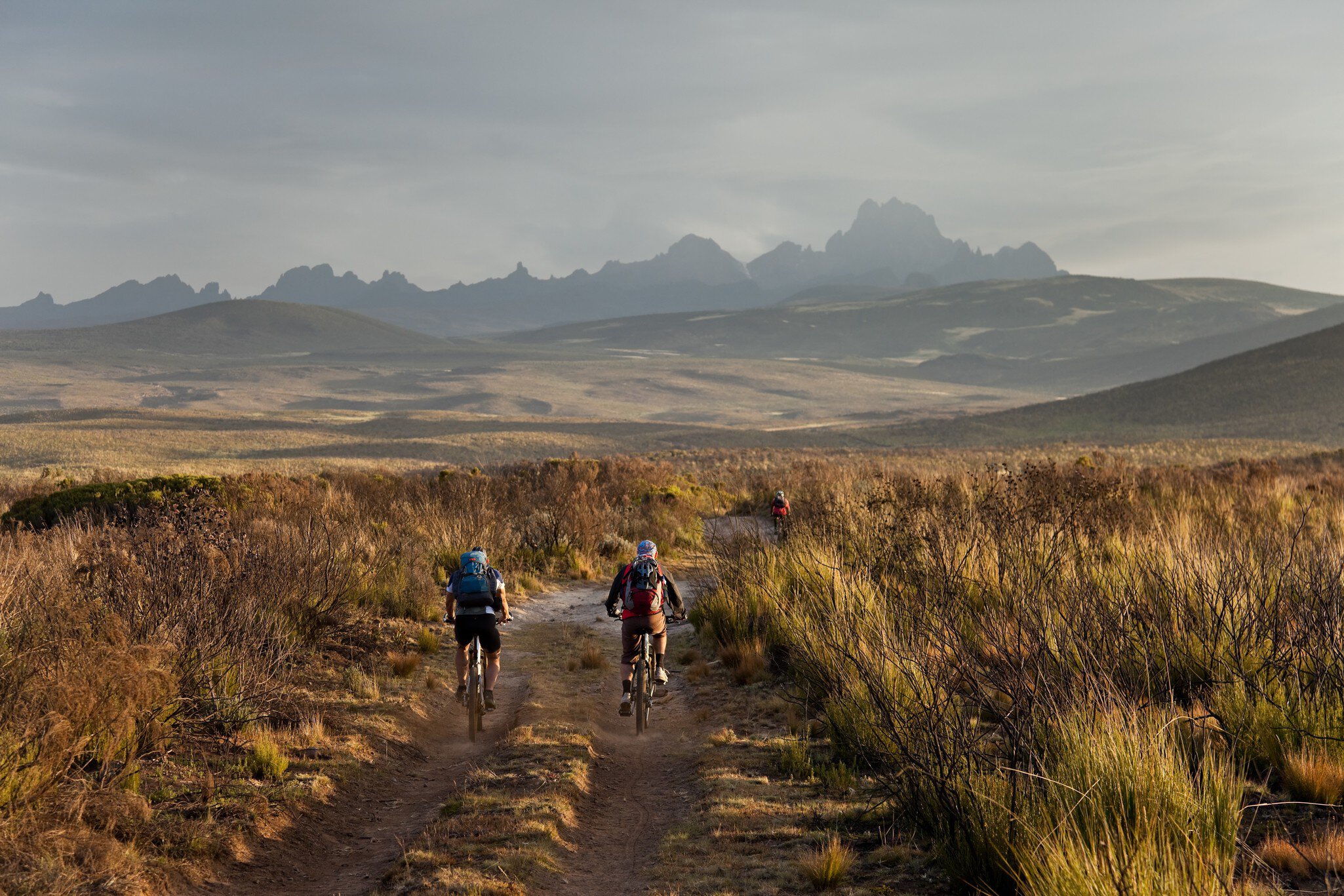
The hills of Kenya are not particularly steep but can be long and hard. You can expect to cover around 80km per day in the hills of the western highlands, somewhat more where the country is flatter. Hell’s Gate National Park, near Naivasha, is particularly popular for mountain biking.
It’s possible to hire road and mountain bikes in an increasing number of places, usually for less than KSh500 per day. Few places require a deposit, unless their machines are particularly new or sophisticated.
Kenya
Things to do
- All things to do (382)
- Activities (27)
- Entertainment (57)
- Restaurants (94)
- Shopping (53)
- Sights (59)
- Tours (92)