Kenya
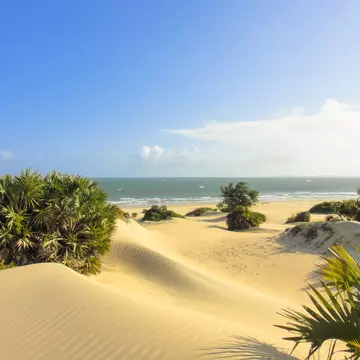
Vast savannas peppered with immense herds of wildlife, snow-capped equatorial mountains, traditional peoples who bring soul and color to the earth - welcome to Kenya.
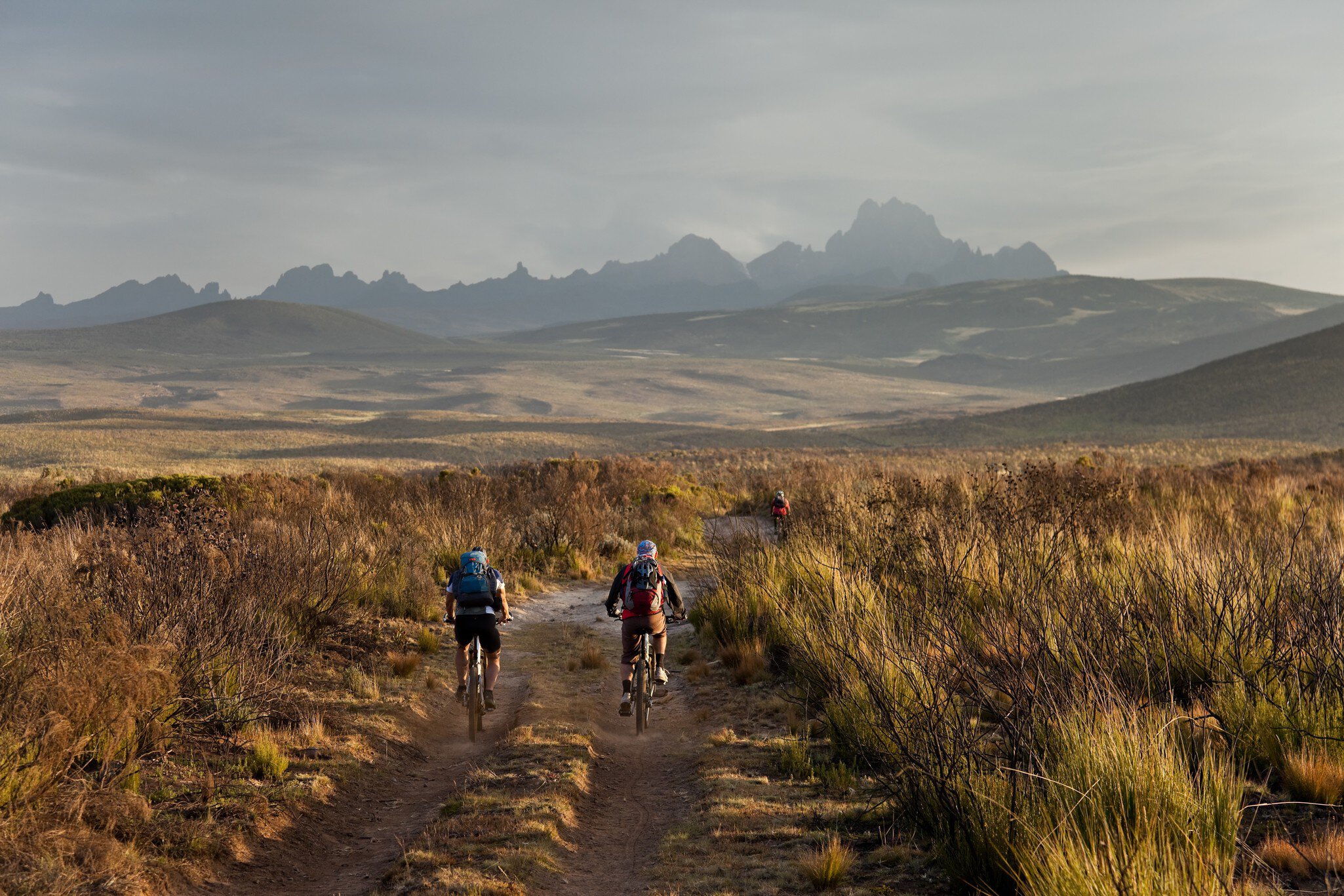
Saro17/Getty Images
Latest Stories
- Anthony Ham | Sep 17, 2026A Guide to East African Coffee Culture
- Meera Dattani | Jul 13, 202616 Things to Know Before Traveling to Kenya
- Lonely Planet Editors | Jun 28, 2026A Guide to Tsavo National Park, Kenya
- Jennifer Korn | Apr 15, 20266 of the Best Hostels in Tanzania and Kenya for a Budget-Friendly Safari
Book

Trusted Partner
Dreaming of Kenya? Protect your trip
Travel with confidence. Protect your trip and your wallet.
We don’t represent World Nomads, we receive a fee from quotes using this link. This is not a recommendation to buy travel insurance.
Top places to visit in Kenya
Discover the best attractions in Kenya from must-see sights to unexpected hidden gems.
-
 Attraction in KenyaNgong Hills Racecourse
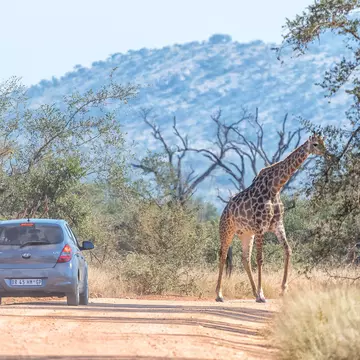
 - Attraction in KenyaAmboseli National Park
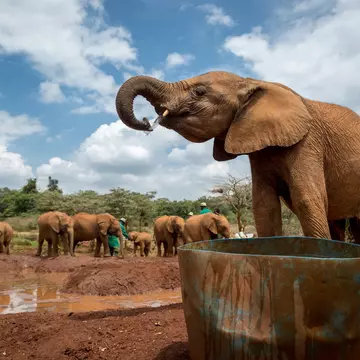
- Attraction in NairobiDavid Sheldrick Wildlife Trust
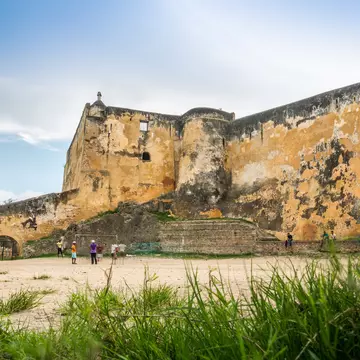
- Attraction in MombasaFort Jesus
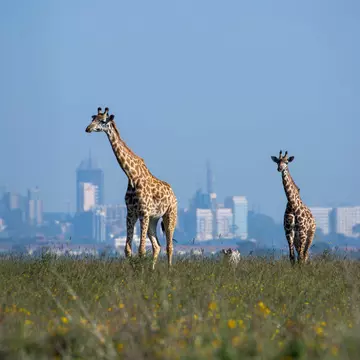
- Attraction in NairobiGiraffe Centre
- Attraction in NairobiKaren Blixen's House & Museum
- Attraction in KenyaKisite Marine National Park
- Attraction in KenyaLamu Museum


Travel Guides
Kenya travel tips from Lonely Planet experts
Find practical guidance from our team of contributors around the world who bring their decades of first-hand travel experience to your next trip.
Best Things to Do
As the birthplace of safari, Kenya is deservedly on many travel wish lists. Full of wonderful experiences, here are 10 we don't think you should miss.
Read full article
Best Time to Visit
From the Great Migration and the best diving conditions to vibrant festivals across Kenya, our guide will help you pick the perfect time for your visit.
Read full article
Things to Know
What do you need to know before visiting Kenya? Is Nairobi safe? Do I need a visa? From passport requirements to cultural etiquette, we have the answers.
Read full article
Transportation
Travel from the cities to the coast and national parks with this guide to getting around in Kenya.
Read full article
Best Road Trips
Whether you want a weekend road trip from Nairobi or a scenic self-drive in the north, we've got the best road trips in Kenya for you.
Read full article
Money and Costs
You don't have to break the bank to explore the incredible landscapes in Kenya – you just need our top tips to squeeze every penny out of your budget.
Read full article
Traveling with Kids
Kenya is a wonderfully warm and welcoming destination for kids. From wildlife safaris to Maasai culture, a wealth of great experiences awaits your family.
Read full article
Best Places to Visit
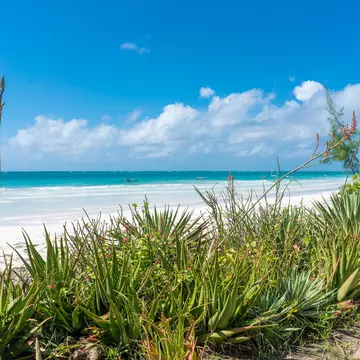
Kenya may be synonymous with safari, but this guide takes travelers to forested mountains, vibrant cities and pristine beaches – and on safari too.
Read full article
Get a book. Get inspired. Get exploring.
Kenya and beyond
- destinationNairobi
-
 destinationMasai Mara
 - destinationLamu Island
- destinationDiani Beach
- destinationMombasa
- destinationMalindi
- destinationLake Naivasha
- destinationTsavo West National Park