Jun 8, 20267 min read
The best time to visit KyotoNov 25, 2025
10 MIN READ
Writer
Lonely Planet may earn a commission from affiliate links on our site. All recommendations and reviews reflect our own independent opinions.
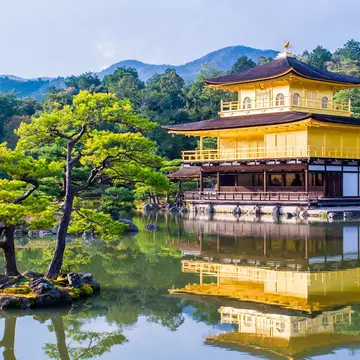
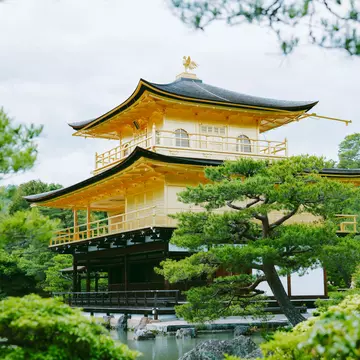
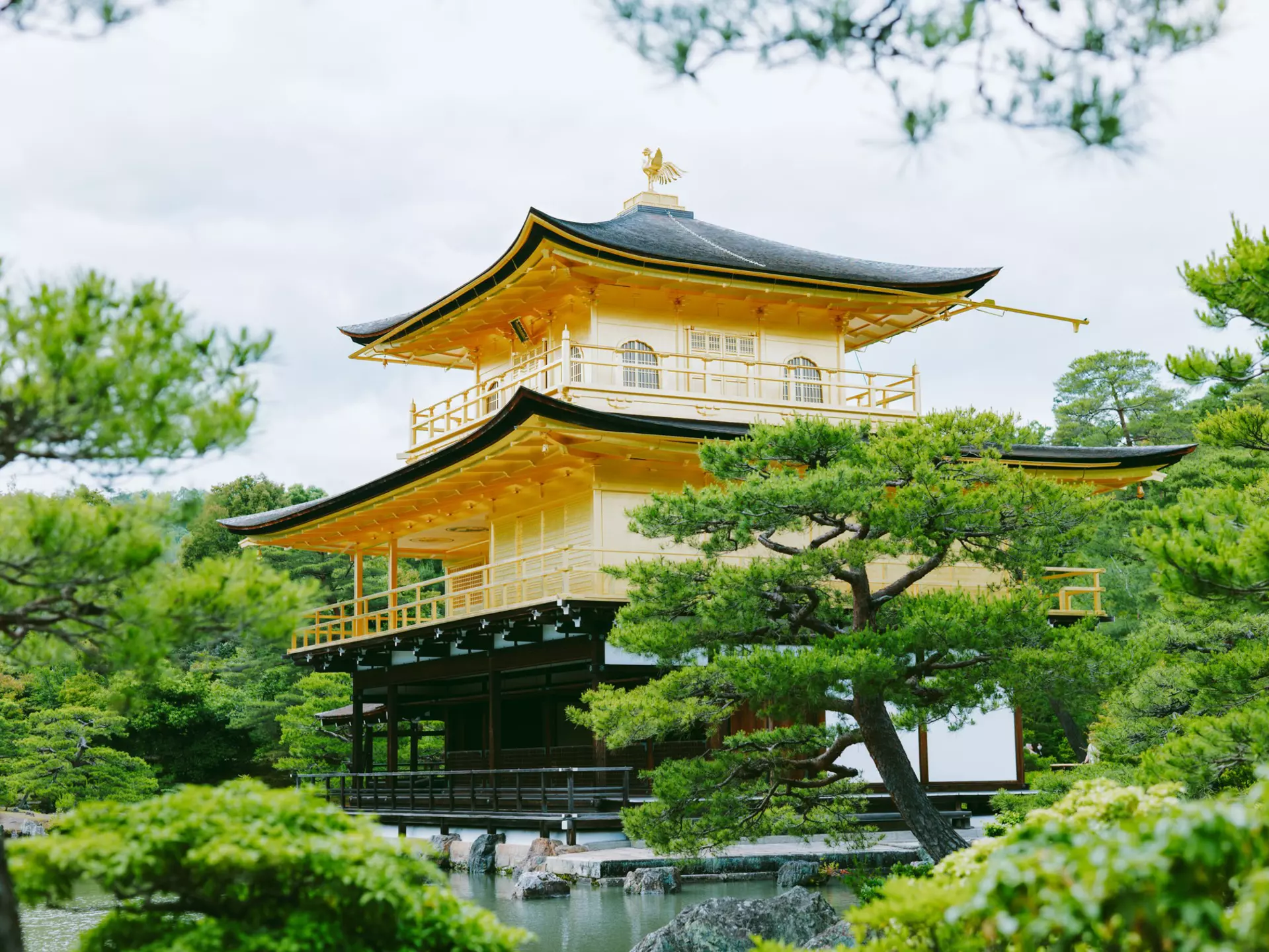
Beautiful Kyoto offers tons of things to do and see, begin at Kinkaku-ji. Rintaro Kanemoto for Lonely Planet
Writer
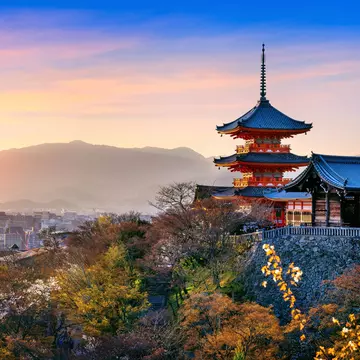
Kyoto is on the travel list for most first-time visitors to Japan for good reason. With its lineup of over 2000 temples and shrines, lush gardens, and traditional teahouses, this former capital is one of Japan’s major historical hubs – as well as one of its most flat-out beautiful places (enjoy a sunset on the hill in Kiyomizu-dera to see what we mean).
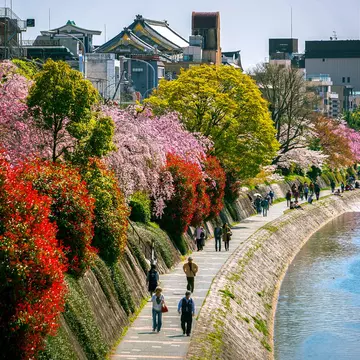
It can be easy to get lost in the tangle of streets here. And that’s a wonderful thing – for Kyoto is one of those cities where you can just pick a walking direction and see what you find. You may stumble upon a small, picture-perfect shrine in the middle of a commercial street, a sakura-lined canal, or a well-appointed park filled with locals. Nonetheless, it often pays to prioritize.
Make the most of your time in Kyoto with our carefully selected guide of the city’s top sights and experiences.
Kinkaku-ji is a Kyoto favorite. Nicknamed the Golden Pavilion thanks to its its gold-leaf-covered upper tiers, this temple is a magnificent sight at any time of year. One-way foot traffic flows fairly consistently, though crowds do tend to bunch directly in front of the temple, where visitors tend to pause to grab a showstopping photo of the temple reflected in the pond. Who can blame them?
Planning tip: Consider visiting on a weekday to avoid the rush.
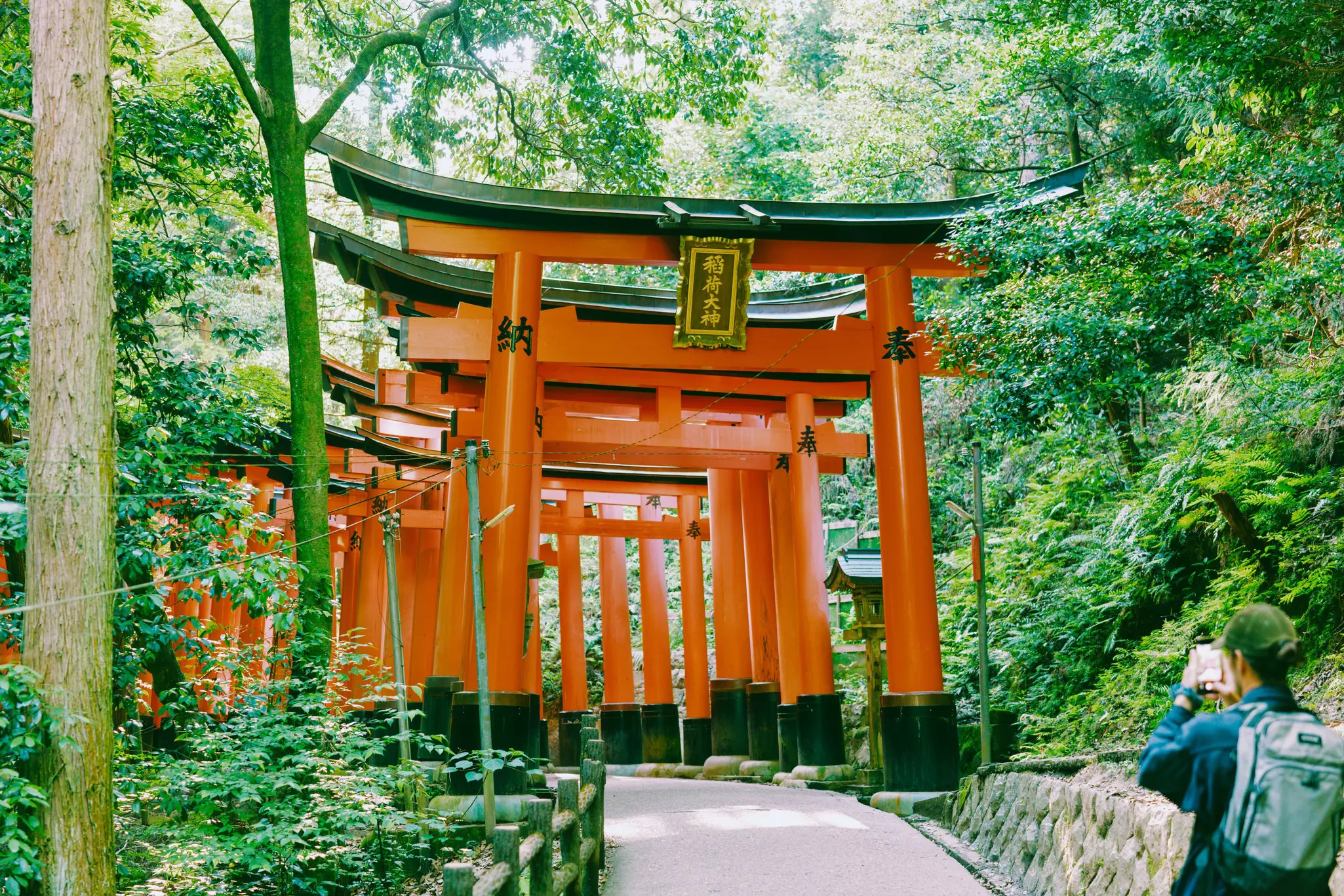
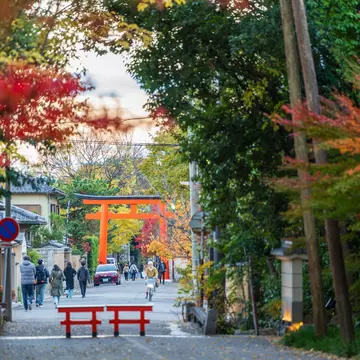
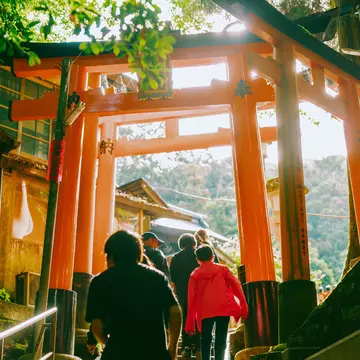
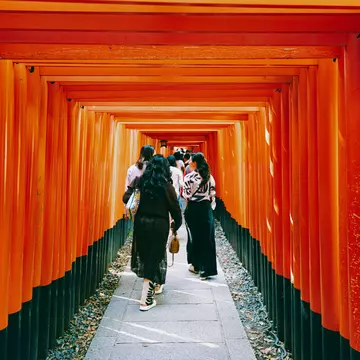
There’s a reason that Fushimi Inari-Taisha ranks high on every visitor’s list: the 10,000 vibrant orange torii (gates) snaking up the hill create the ultimate photo op. The practice of donating a gate to the temple has been in place since the Edo period – and carries on today, as businesses celebrate their successes with an act of gratitude.
Start at the lower level to admire the skulk of fox statues: they’re the manifestation of the Shintō god Inari, the protector of rice, tea, agriculture and industry. The full loop takes 2 to 3 hours to complete – and it’s worth taking the time to do the full climb to avoid the throng of visitors that usually populate the lower levels.
Local tip: It’s worth considering a sunrise visit, when the local monks are making their way up the hill to work and the resident cat population is out to play.
Located in eastern Kyoto, Kiyomizu-dera literally towers over the city with the help of 139 stilts. During the Edo period, seekers would jump from the temple’s platform to the ground, 13m below, in order to make their wishes come true. Today, you can instead find your fortune at the sacred Otowa Waterfall.
Located on the temple’s lower level, the stream is divided into three sections, delivering longevity, academic success or luck in love depending on which one you drink from. Note that taking sips from more than one stream is considered greedy.
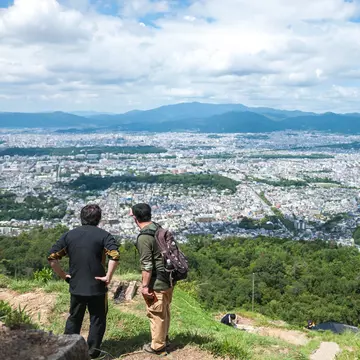
Planning tip: You don’t need any luck to enjoy the temple’s panoramic views over the city, which are enhanced by spring sakura (cherry blossom) season, autumn foliage and stunning sunsets.
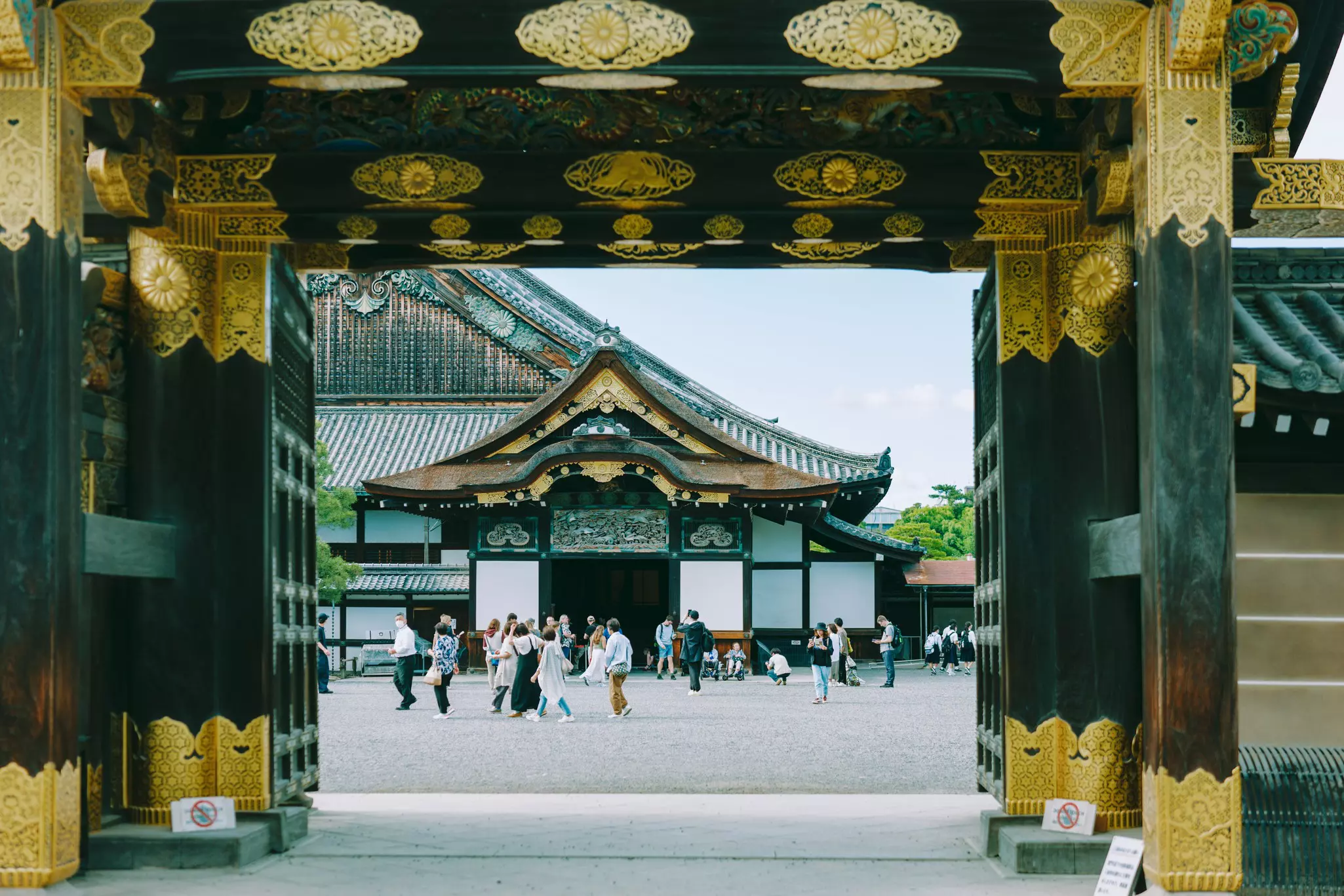
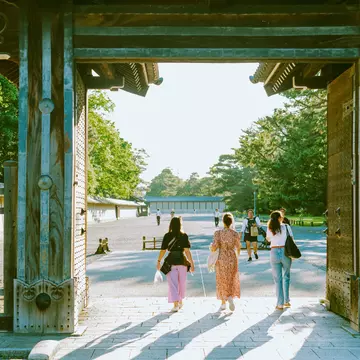
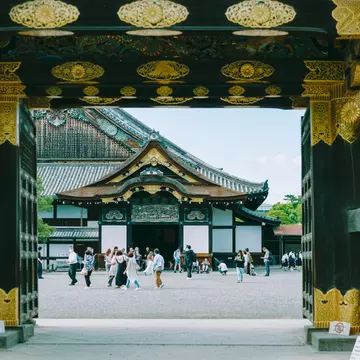
Enter through Nijō-jō’s large eastern battlements and into a complex from another time. The castle was the former home of Tokugawa shoguns, and its lavishly appointed gardens and opulent chambers filled with detailed murals and intricate carvings speak to the warlord collective’s extreme wealth.
Keep an eye out for the painted lions. And be sure to experience the sensation of walking barefoot across the “nightingale floors,” which chirp like the birds they’re named after – a built-in sonic defense against intruders.

Stay connected abroad with an eSIM
Holafly eSIM provides unlimited mobile data with no hidden fees, giving you peace of mind wherever you travel. Stay connected even after your plan ends with Always On. Use code LONELYPLANET for an exclusive discount.
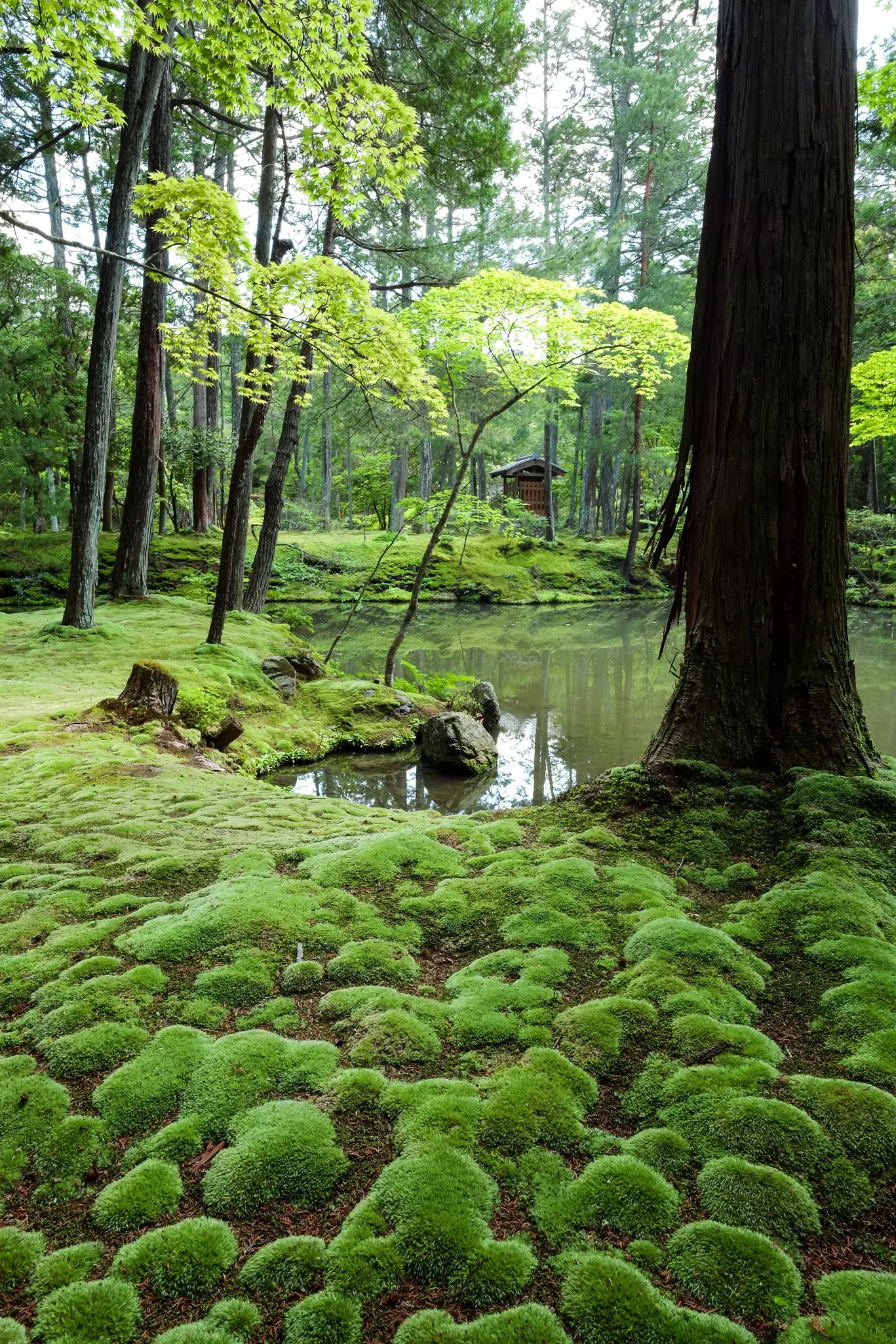
Koke-dera (the nickname for Saiho-ji) is so stunning that the temple inspired Moss Garden, a track on David Bowie’s 1977 album Heroes. Once inside, guests are asked to participate in an act of devotion, usually copying a series of Buddhist sutras. Consider it an appetizer for the main course: a half-hour stroll through the scenic garden blanketed in 120 different kinds of moss.
Planning tip: Walking in Ziggy Stardust’s footsteps takes some advance planning. In order to preserve Koke-dera’s tranquility, visitors must register at least one day in advance – although up to two months ahead of your trip is advisable due to capacity restraints.
Kyoto’s food scene often gets short shrift thanks to neighboring Osaka (often called “the nation’s kitchen”). Yet Kyoto has been teasing out different types of Japan’s famous noodle soup since the first ramen street stall was set up in 1961.
Kyoto Gogyo is known for its high-end burnt ramen (the broth is cooked at extremely high temperatures to create a smoky char), as well as the fiery and entertaining show while you eat (try to get a seat at the bar). Vegan Ramen UZU Kyoto’s mushroom-based ramen is served in a darkened dining room, lit by TeamLab’s Reversed Indiscretion, a mesmerizing piece of digital art that creates calligraphy-like swoops across the walls and table. Engine Ramen has become a favorite thanks to its ability to make any item on the menu vegan or gluten-free. Just be sure to line up early, as the restaurant regularly fills up after it opens for dinner at 4pm.
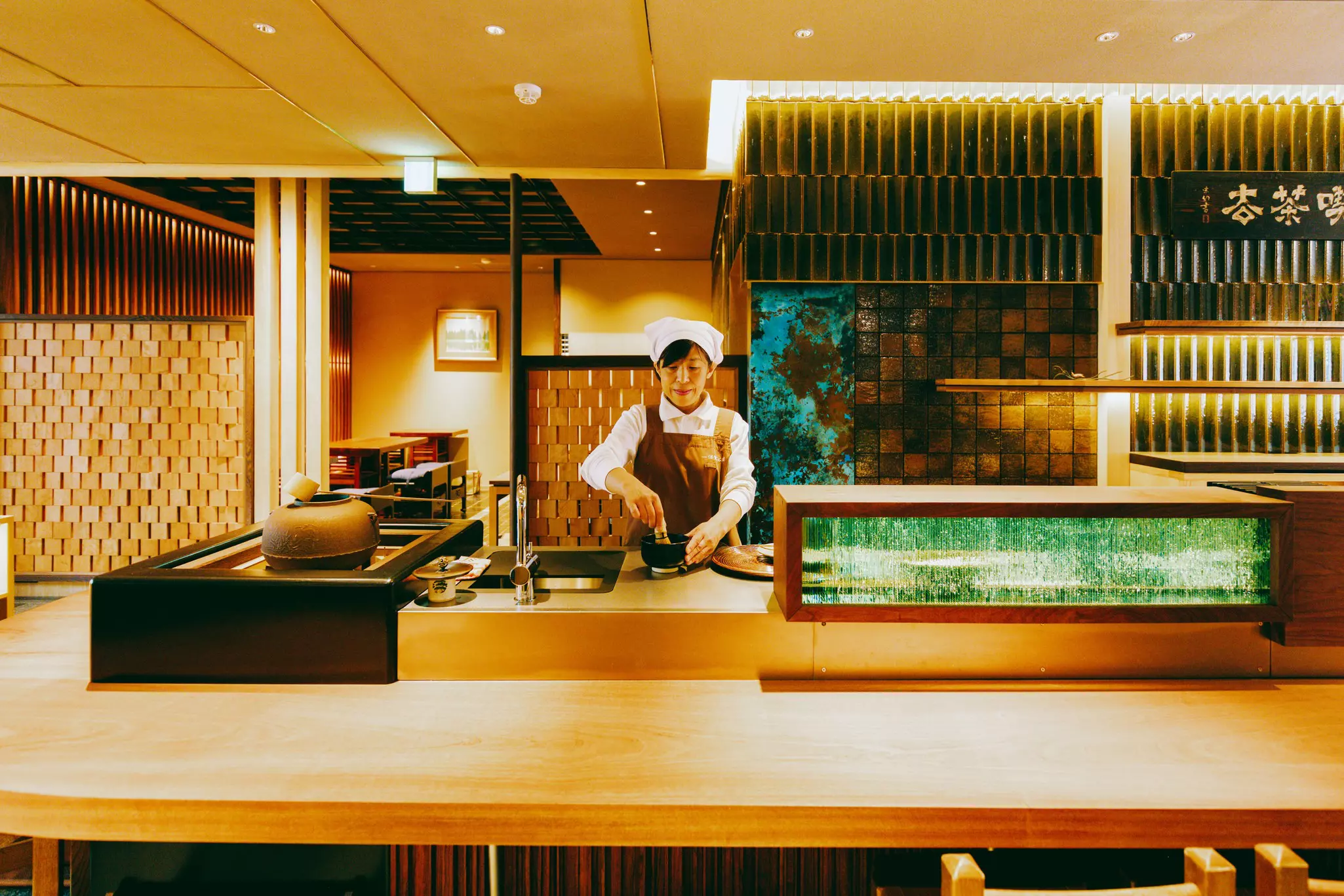
Matcha (powdered green tea) was first consumed by Chinese Buddhist monks, who believed the highly caffeinated beverage assisted in their quest for nirvana. When the religion spread to Japan, matcha came in tow – particularly in the southern region of Kyoto Prefecture, which today has an 800-year-strong tradition of cultivation.
To learn more about the beverage, start with a traditional tea ceremony at Camellia – an experience that will not only walk you through the elaborate steps of preparation but also explain the historical and practical reason behind each movement.
For a more modern take, stop by Maccha House. Their flagship store on Shijō Kawaramachi serves a number of unique twists on the beverage, including a brown-sugar matcha latte and the signature Uji Matcha Tiramisu. Tea shops like Ippōdō and Marukyu Koyamaen (located in Kyoto Isetan department store, adjacent to Kyoto Station) can help you bring the vibe home with you.
Local tip: While you’re sipping matcha, be sure to grab some wagashi, a delicate red-bean-and-sugar pastry that pairs perfectly with matcha’s earthy essence.
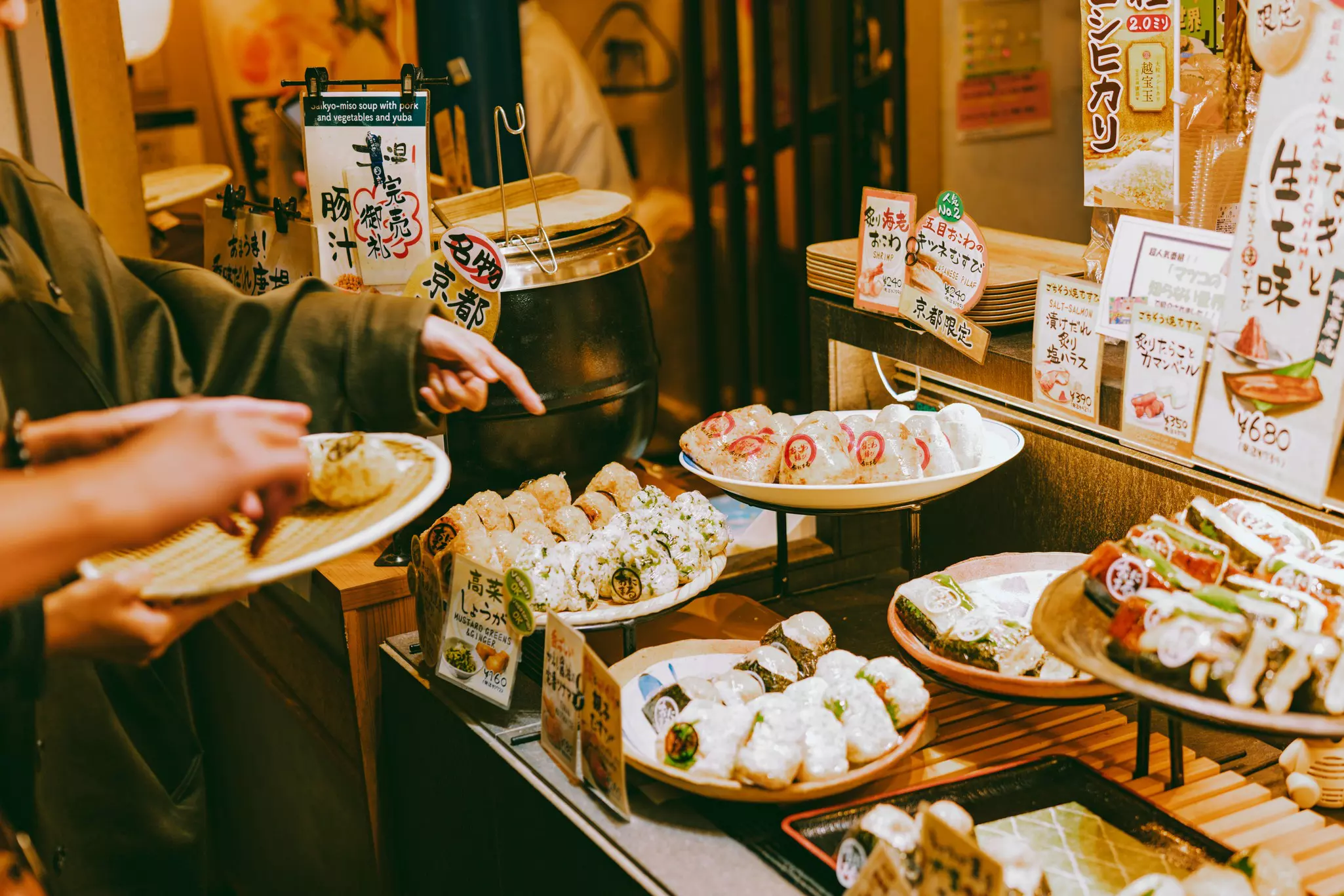
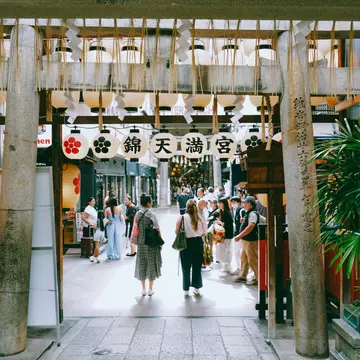
Since variety is the spice of life, Nishiki Market is your place. Also known as “Kyoto’s Kitchen,” this five-block collection of over 100 restaurants and shops is the perfect spot for snacking on local specialties. (It doesn’t hurt that many stalls give out free samples.)
Feeling brave? Try the shockingly photogenic tako tamago (a baby octopus with an egg in its head) or beef sushi. Other crowd pleasers include soy-milk donuts, rice crackers, and dashimaki, a Japanese rolled omelet that some stalls serve as tempura.
Planning tip: Most shops at the market are open between 9am and 6pm, though this can vary.
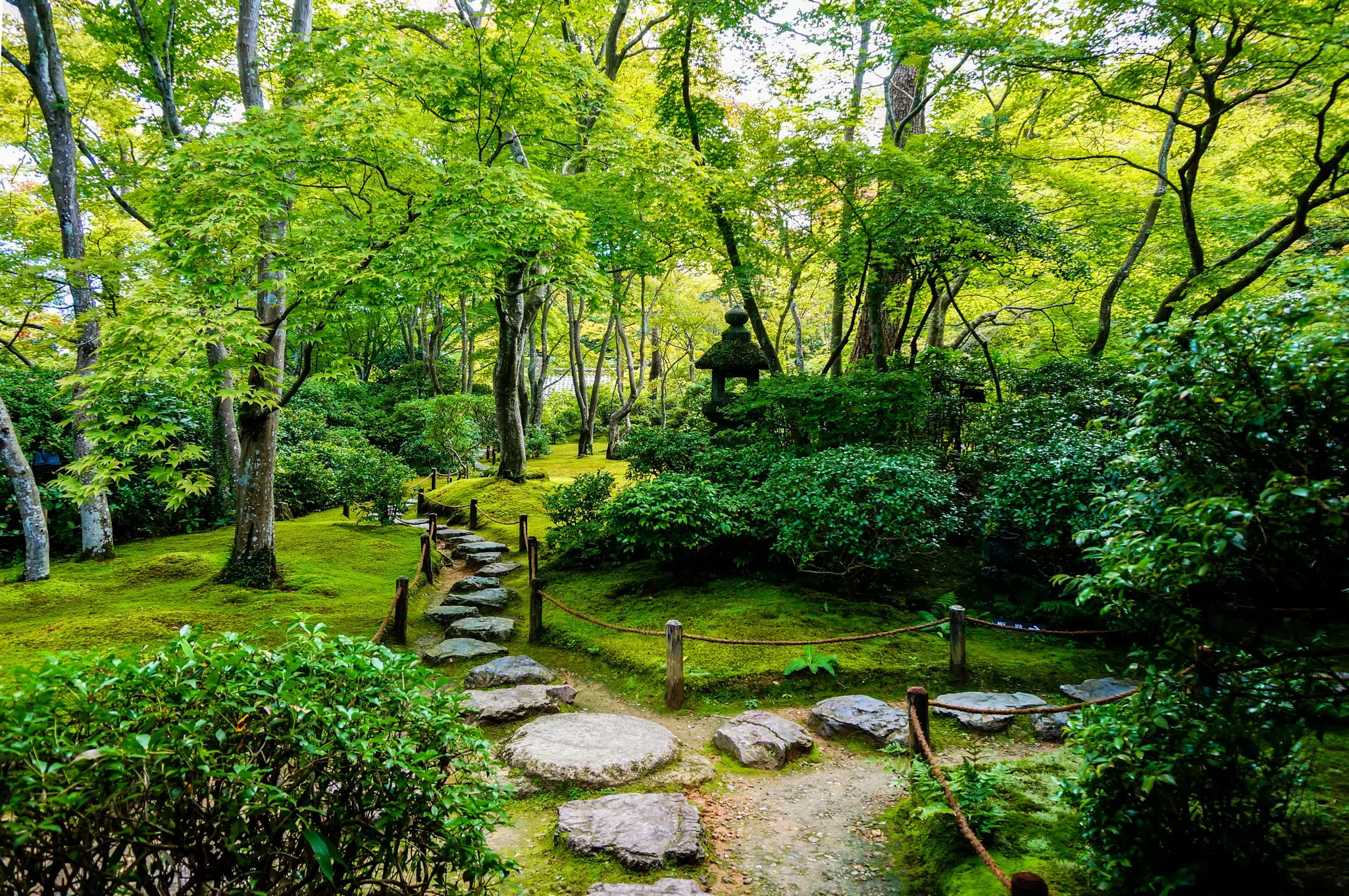
Despite its proximity to Arashiyama Bamboo Grove, many tourists miss Ōkōchi Sansō. The former home of 1920s samurai film actor Denjirō Ōkōchi, this is the perfect place to escape the Kyoto crowds. Work up a thirst with a wander through the immaculate hillside gardens, which offer panoramic views of the city from the top. Then retreat to the on-site teahouse for a proper break with a side of complimentary matcha and Japanese sweets.
From bentō boxes to washi (handmade paper) and porcelain, Kyoto is a great place to pick up souvenirs. You could easily spend the day (or several days) browsing tourist-favorite department stores Takashimaya and Daimaru Kyoto.
To bring home a piece of history, consider a stop at Vintage Kimono AN Gion, a cozy storefront crammed with vintage kimonos. Not only will you find the historical robes at extremely reasonable prices – the store also sells obi belts and damaged kimonos for those looking to repurpose the silk.
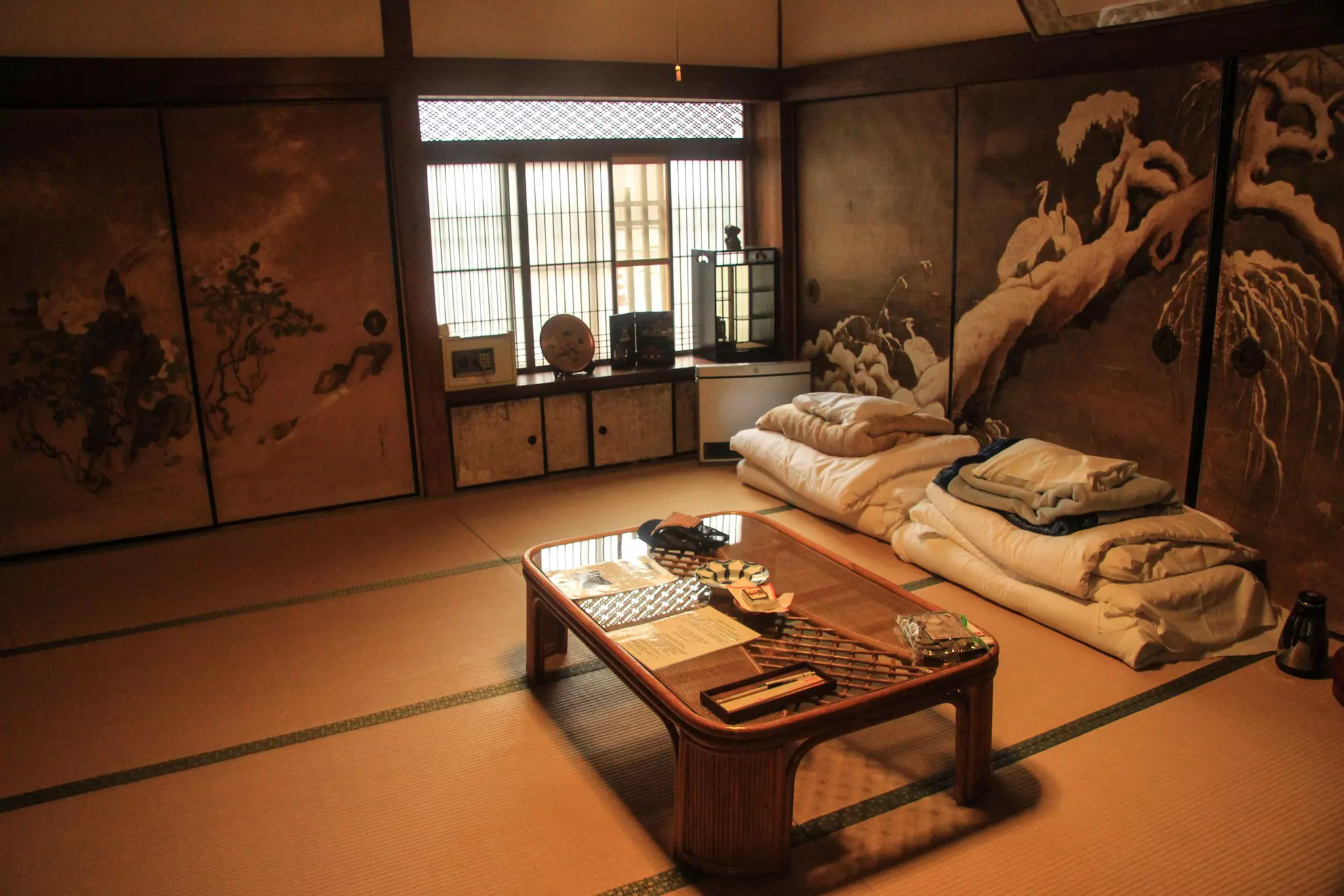
Since Kyoto is one of Japan’s great historical centers, there’s no better way to experience the region’s essence than by staying in a ryokan. These traditional inns are generally smaller than their Western counterparts and outfitted with woven tatami mats, futons that get rolled out every night and all matter of meaningful art. The intimate setting allows owners to provide guests with more personalized attention in addition to the kind of lavish meals you’re unlikely to find elsewhere.
Local tip: For the ultimate indulgence, consider a night in the Tawaraya Ryokan, where David Bowie and Iman stayed during their honeymoon. This historic ryokan is 300 years old and in its 12th generation of family ownership. It’s one of the most exclusive hotels in the world.
More than just a bath (although it certainly is that), the traditional hot springs called onsen offer a great way to connect with nature and friends while participating in an act of self-care (provided, that is, you’re comfortable with group nudity). At these traditional wellness centers, you can carefully wash yourself from head to toe before slipping into hot water with a mineral content that locals claim can cure a host of ailments.
Local tip: If you want to soak within the city limits, head to Fu-fu-no-yu, a facility with stunning rock-lined pools inches from the Katsura River.
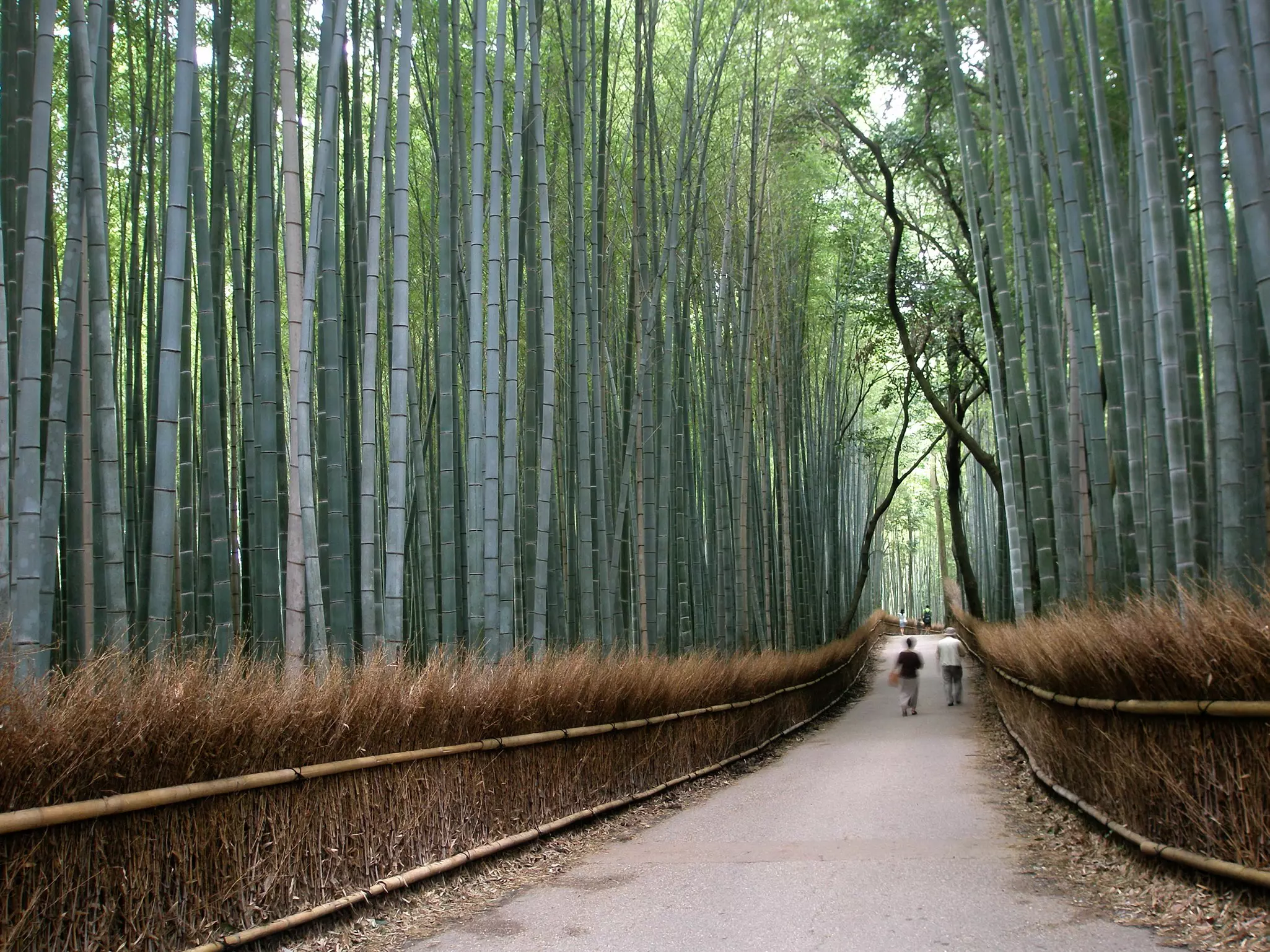
The sound of bamboo in the wind is part of Japan’s national heritage. And the Arashiyama Bamboo Grove, located in the western Kyoto district of Arashiyama, is one of the most famous places in the world to hear it. Just keep in mind that the 140m walk, though scenic, isn’t as quiet as you might have been led to believe, thanks to its popularity. If you’re in the market for the ultimate selfie, or just a more restful experience, visit at sunrise.
Detour: Not an early riser? Opt to visit Shōden-ji, a temple in northern Kyoto with an abundant bamboo groove that’s often overlooked by tourists.
Ōsawa Pond is a 15-minute walk from JR Saga-Arashiyama Station – yet feels plucked from an entirely different era. The human-made pond is the oldest known surviving Japanese garden, and a peaceful refuge in which to enjoy fall colors, spring sakura season and beautiful lotus flowers in summer. Be sure to visit Daikaku-ji next door, a sprawling Shingon Buddhist temple with architecture so untouched by time it’s often used as a filming location for historical dramas.
Planning tip: You can get a ticket to visit just the pond (open from 9am to 5pm), or a combined ticket for admission to Daikaku-ji temple.
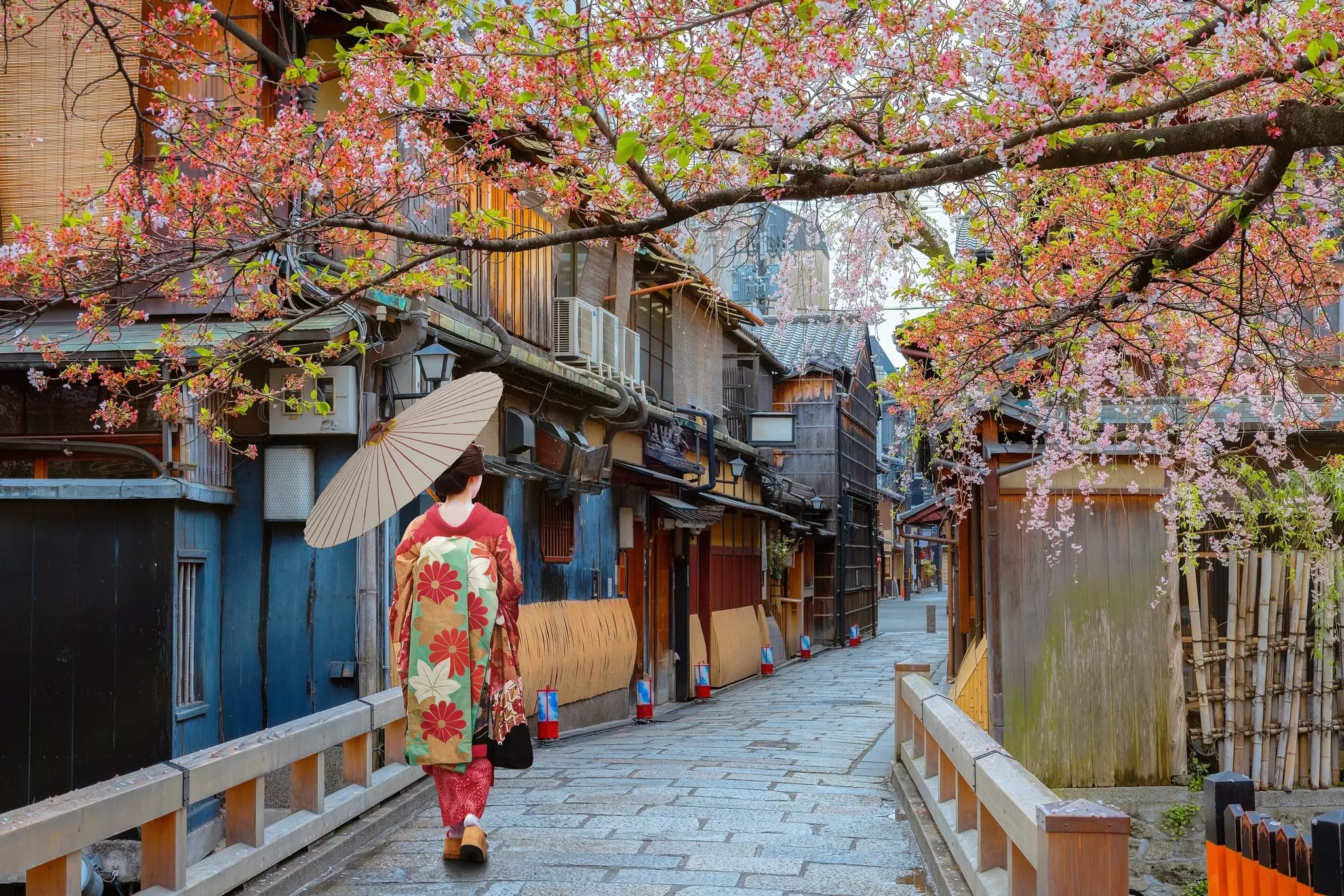
Geisha – or geiko as they’re called in Kyoto – are icons of the city. These skilled hostesses and entertainers are usually employed at dinners and other high-end events at venues along the lantern-lined streets of the Gion neighborhood. Like the geiko themselves, the district is a living tribute to the Edo era, its narrow wooden storefronts, teahouses and stores dedicated to traditional handicrafts creating the perfect escape from the modern era.
Local tip: Unfortunately, fines for touching and for taking photographs of geiko without permission have not deterred unruly tourists from bringing the modern era to the traditional lifestyle of Gion. Do your bit by keeping a respectful distance.
Explore related stories