The 15 best things to do in Venice
Apr 25, 2026
13 MIN READ

Writer
Highlights
Writer Julia Buckley picks 15 Venice experiences, from Piazza San Marco to Torcello.
Visit the Palazzo Ducale and Piazza San Marco, then sail the Grand Canal by vaporetto.
Art lovers should head to the Accademia and Scuola Grande di San Rocco for Tintoretto.
Head to Murano for glass, Burano's candy-colored cottages and Torcello's Byzantine mosaics.
The Grand Canal in Venice, Italy. Cristi Croitoru/Shutterstock

Writer
Highlights
Writer Julia Buckley picks 15 Venice experiences, from Piazza San Marco to Torcello.
Visit the Palazzo Ducale and Piazza San Marco, then sail the Grand Canal by vaporetto.
Art lovers should head to the Accademia and Scuola Grande di San Rocco for Tintoretto.
Head to Murano for glass, Burano's candy-colored cottages and Torcello's Byzantine mosaics.
Lonely Planet may earn a commission from affiliate links on our site. All recommendations and reviews reflect our own independent opinions.
Visitors flock to Venice year-round, and who can blame them? The city's 118 islands float on a fairy-tale lagoon, linked by 400 bridges, and each one of them is crammed with dazzling palazzi (mansions) and heart-stopping art.
All the famous stereotypes are true – to an extent. Venice is spectacular and just like the photos, but thanks to mass tourism, its world-famous sights are overcrowded and in precarious health (even during the quieter months).
It is worth remembering that if you step just one or two blocks away from the fray, you’ll find empty streets and local voices in the neighborhoods beyond even the busiest areas. Spend more time here – 5 days is a decent starter – and you’ll discover that the true beauty of Venice isn’t its blockbuster sights, as magnificent as they are, but within the quieter spaces, where life goes on as it has for centuries. Once you glimpse that life, you’ll want to protect it.
To help counter the overtourism that is exploiting the city, stay overnight in a hotel or B&B, not a short-term apartment rental, since those hollow out housing stock. (You'll also avoid the access fee for day-trippers.) Choose to eat in family-owned restaurants, and buy souvenirs from Venice’s artisans, who ply centuries-old trades. Then not only are you helping the city stay alive but you’re also ensuring a more individual trip.
La Serenissima done well is unforgettable, and these top things to do in Venice will lead the way.
1. Linger in the iconic Piazza San Marco
For many people, this waterfront square is Venice: the rolling domes of the basilica, the centuries-old cafes beneath the stately porticoes, the vast Campanile (bell tower) throwing its shadow around the square, high tide occasionally sloshing around your feet. There’s so much to see around Piazza San Marco that you could easily spend a day here.
Start in the Basilica di San Marco, the Byzantine basilica that glitters with golden mosaics inside. Then move on to the Campanile, where elevators whisk you up 98.6m for enticing views of Venice and the lagoon. Spare a few hours for the Museo Correr, at the opposite end of the square from the basilica, which tells the story of the city through objects. Need a break at any point? Stop for a coffee or a spritz at Quadri, our favorite of the 18th-century cafes in the square.
Planning tip: Keen to better understand the icons of Venice that surround Piazza San Marco? Family-run Libreria La Toletta in Dorsoduro is Venice’s best bookshop, with literally hundreds of volumes about the city. For kids, try Ponte dei Sogni in Castello, whose beautiful picture books recount the history of the city.
2. Enter the seat of power at the Palazzo Ducale
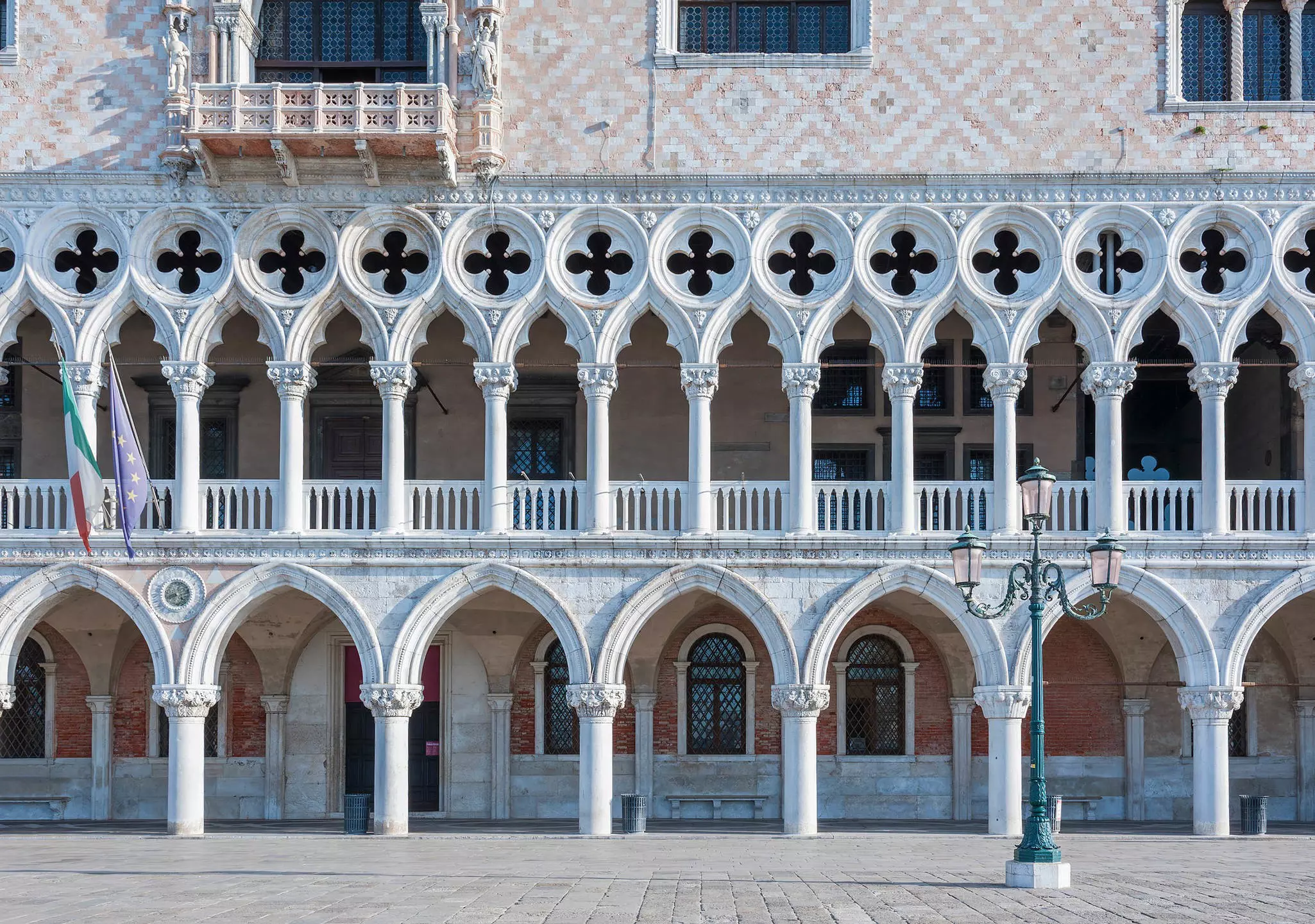
If you visit only one museum in Venice, you need to make it the vast Palazzo Ducale, the Republic of Venice’s seat of power for around 900 years. With its pink-and-white facade squaring off against the lagoon, it has art, architecture and a whole load of atmosphere.
Every single room is plastered with works by some of the greatest artists of all time – you shouldn’t expect to take it all in. But it’s worth saving more time for the rooms and their art than speeding across the famous Bridge of Sighs and through the grim prisons, although the latter is great for kids.
Planning tip: Lines can get long here, especially before 11am. Skip the wait and book a fast-track ticket in advance through operators like Italy Travels.
3. Sail down the Grand Canal
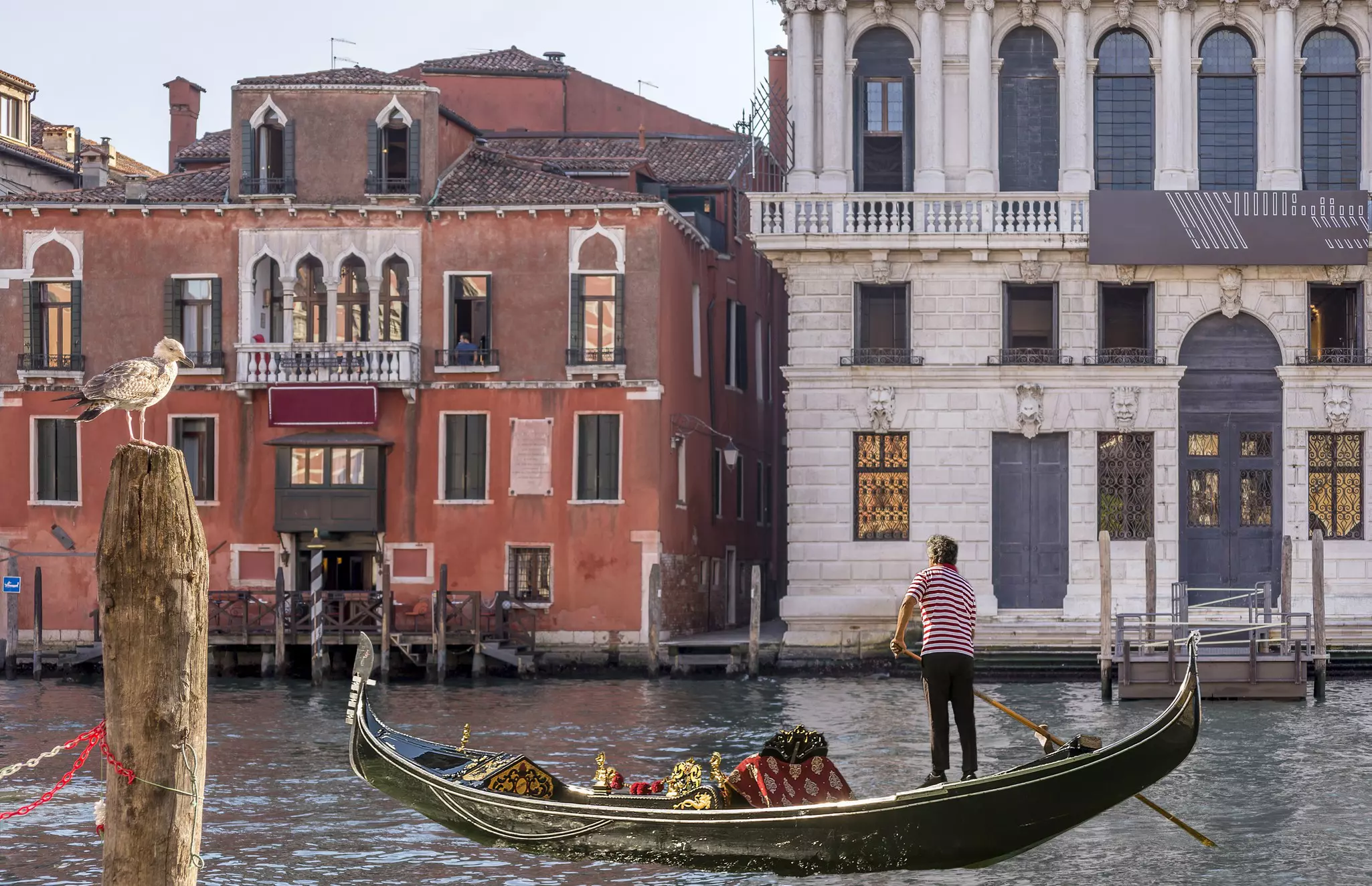
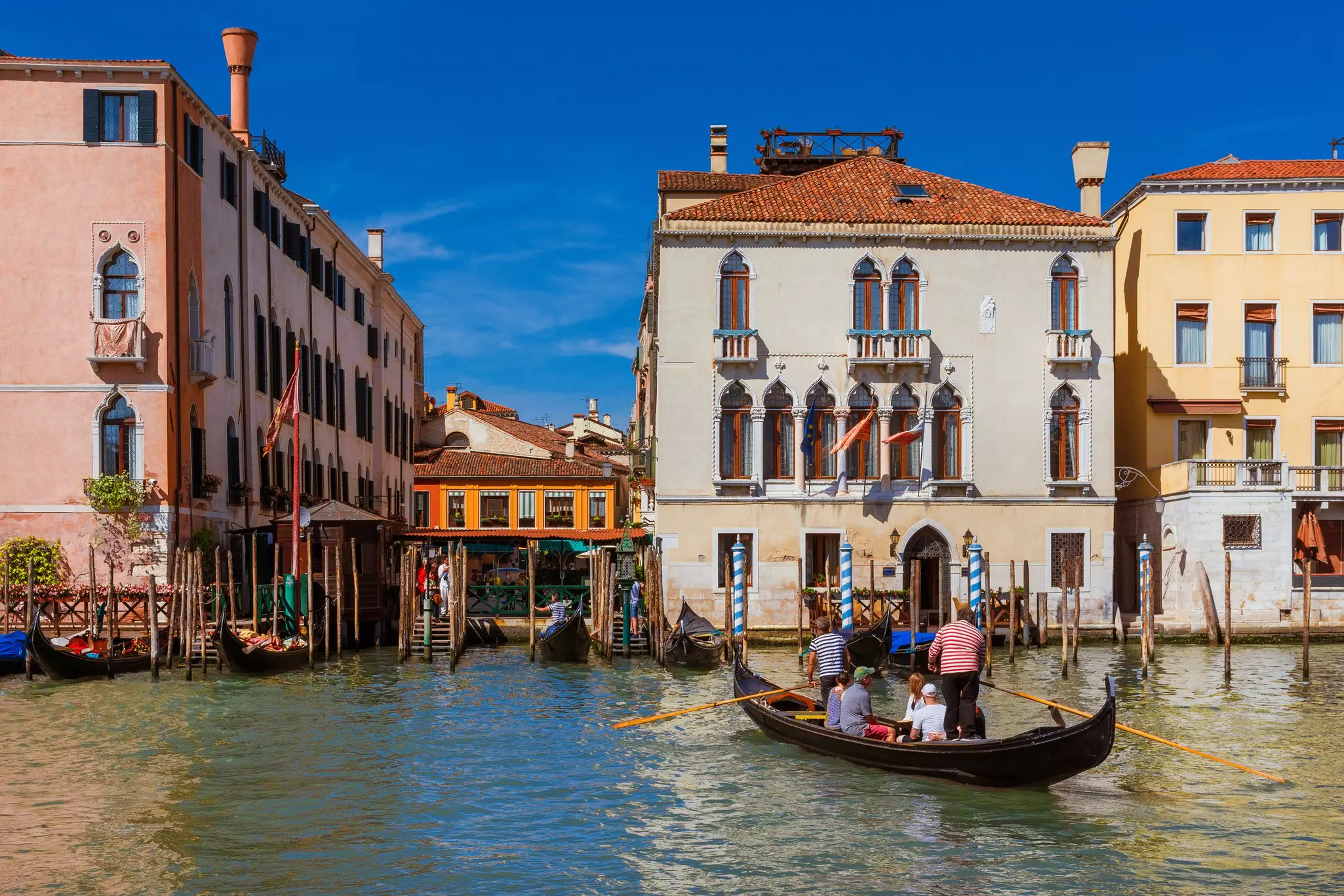
Venice may be ideal for wandering, but its majestic palazzi were built to be admired from the water. Take the vaporetto 1 (a passenger ferry) that plies the Grand Canal and experience one of the world’s greatest public transportation routes.
You’ll find beauty every way you turn but heading south don’t miss these highlights: the Fondaco dei Turchi (once the headquarters for Arab and Muslim merchants, now the city’s natural history museum); Ca’ d’Oro, with its spectacular carved and marble-clad facade; Ca’ Foscari, the city’s beautiful university; and the bombastic octagonal Salute church, right before the Grand Canal meets the lagoon.
Local tip: Get off at Salute, and walk down to Punta della Dogana for the best lagoon views, and then up along the Zattere waterfront. From here, you can pick up vaporetto 2, which takes you to Piazza San Marco from the other side.

Lonely planet’s trusted travel insurance provider
Travel with confidence. Protect your trip and your wallet.
We don’t represent World Nomads, we receive a fee from quotes using this link. This is not a recommendation to buy travel insurance.
4. Shop at Rialto Market
Everyone who visits Venice wants to see the Rialto Bridge, the flouncy white crossing over the Grand Canal made of gleaming Istrian stone. Yet what the bridge leads to is arguably just as interesting. There’s been a market on the western side of the bridge for over 1000 years, and while it’s not the trading hub of centuries past, there’s still a lively fish market and a fruit and veg area too.
If you’re looking at the stalls, do remember to buy something, and don’t get in the way of other shoppers – this is still a real market, even if many tourists treat it as an Instagram backdrop. Stop for a drink beside the Grand Canal on Campo Erbaria – Bancogiro is always a good bet for cicchetti (small snacks) – then lose yourselves in the surrounding alleyways, still full of food stores.
Planning tip: For a behind-the-scenes look at this most touristy of areas, take a local tour with a guide who focuses on Rialto.
5. Be immersed in world-class art at the Accademia
In Dorsoduro, sitting quietly at the end of the famous wooden Accademia Bridge, is one of Italy’s finest art museums, the Gallerie dell’Accademia. A meandering itinerary takes you past works that once hung from the city’s church walls, chronicling Venetian art in the process. It starts with Paolo Veneziano; carries through to Carpaccio, Mantegna and Bellini; and then explodes into the finest works of Tintoretto, Titian and Veronese.
Detour: Near the Accademia are a few of Venice’s best artisans. At Cornici Trevisanello, the Trevisanello family has been making picture frames for the likes of Picasso for decades; they also make jewellike smaller frames that are perfect souvenirs. Near Ca’ Foscari is bookbinder Paolo Olbi, who creates beautiful stationery with hand-printed Venetian and Byzantine motifs. Further toward Rialto, in Campiello dei Meloni, Paolo Pelosin makes everything from stationery to earrings with exquisite marbled paper at Il Pavone.
6. Eat cicchetti in a bacaro
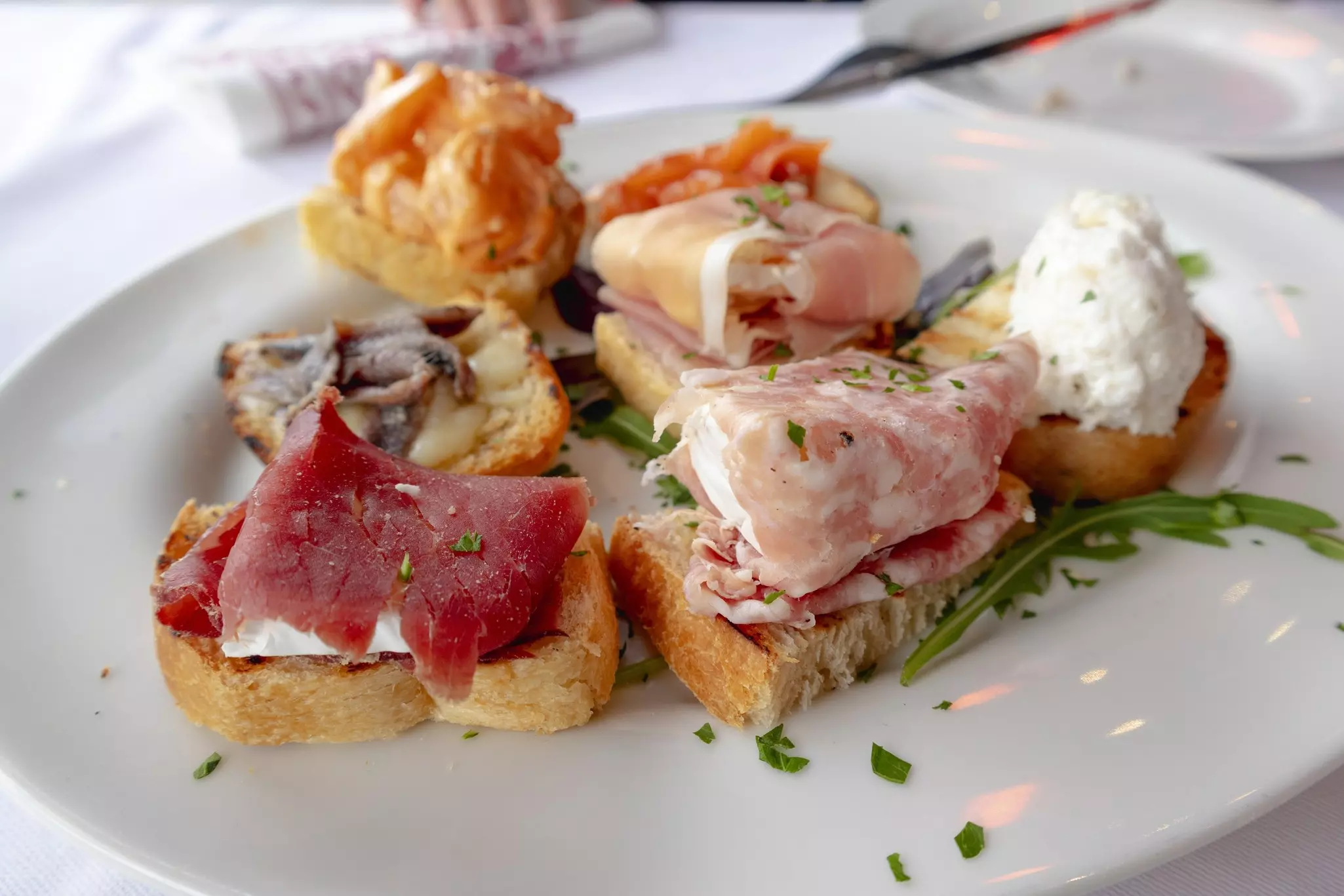
Three essential words for your Venetian stay: ombra, cicchetti and bacaro. Ombra, which translates to "shadow," is the local name given to a small glass of wine served in a bacaro, a traditional wine bar or tavern. It may be only a small glass but don’t forget to follow it with cicchetti, the finger-food-style bar snacks that are rather like Spanish tapas. You’ll find bacari all over town; when you spot one that looks good, make sure you stop.
Local tip: These days, most cicchetti are slices of baguette bread topped with anything from cheese to fish, but look out for old-style ones like a hard-boiled egg with anchovies, or sarde in saor (sardines in a sweet-sour marinade with pine nuts and raisins).
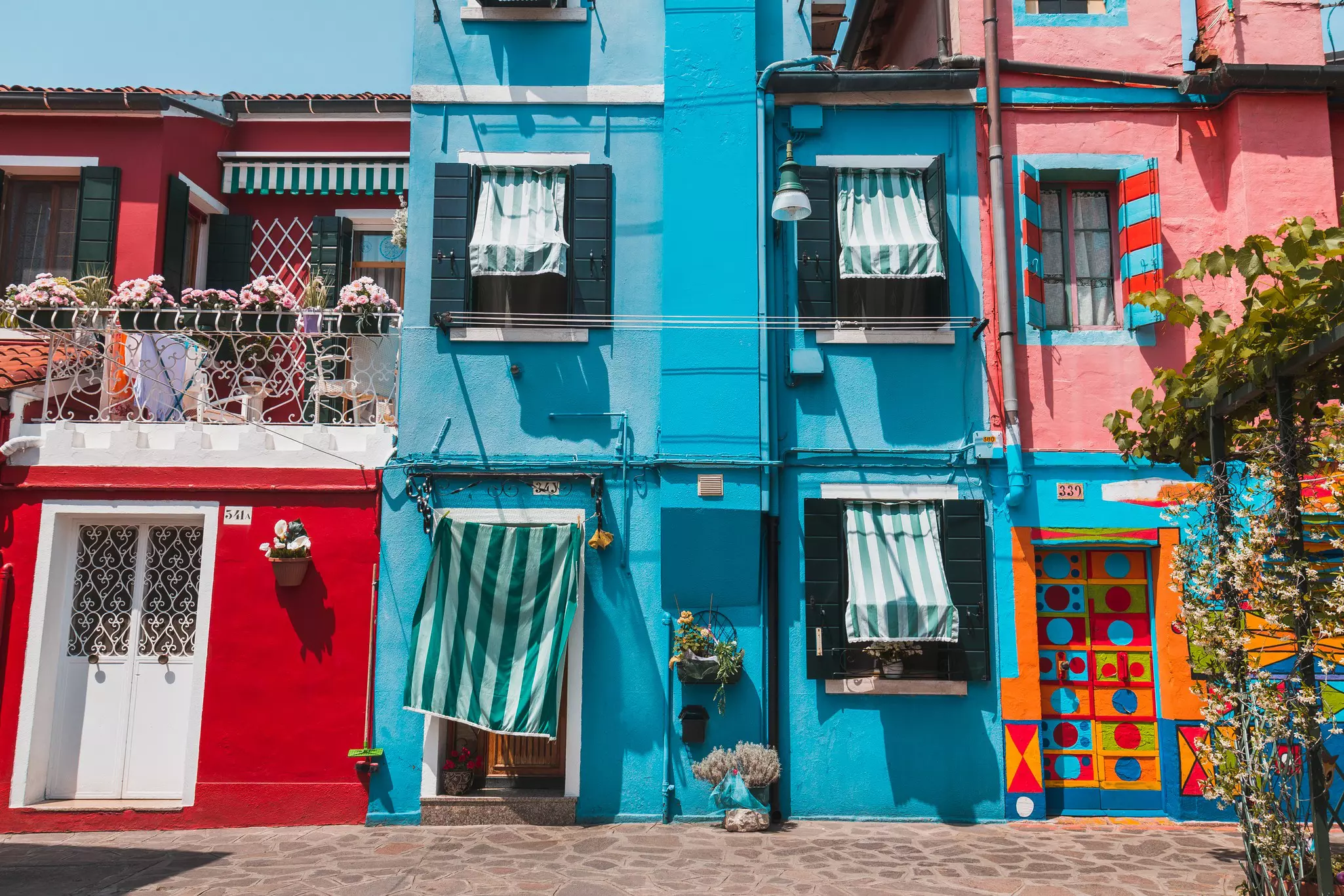
7. Seek out local traditions in Burano
Most visitors flock to Burano to photograph its gorgeous candy-colored cottages. Fair enough – but to do only that is to miss out on one of the most special places in the lagoon. A fishing community since medieval times, Burano sits in relative isolation in the north lagoon – a 45-minute vaporetto ride (or 4-hour paddle) from Venice – and has kept its culture intact.
Or rather it had until mass tourism hit. Today, the island is assailed by crowds who come, photograph and hop on the boat back to town without spending a cent. Practice more sustainable tourism by spending some time on Burano and visiting the Museo del Merletto, which teaches you about the local lace-making tradition.
Local tip: Stop for lunch at the family-run Trattoria al Gatto Nero. Try the risotto di gò (goby fish risotto).
8. Explore Jewish history in the Ghetto neighborhood
The sinister word "ghetto" comes from the Venetian getto, meaning "foundry" – a clue to the past of Venice's Ghetto, which was abandoned and undesirable when the Jewish community was forcibly settled here in 1516. Originally one tiny island, the area was expanded twice by the 17th century, with residents gated in every night and living in eight-story "skyscrapers."
Despite the appalling conditions, the Jewish community flourished, building no fewer than five synagogues that were as lavish as Venice’s churches. Guided tours of the area get you access to some of them, including the atmospheric Scola Levantina, with scarlet-swaddled walls and a dark carved ceiling, redesigned by 17th-century starchitect Baldassare Longhena. Learn more about the area's history at the Jewish Museum.
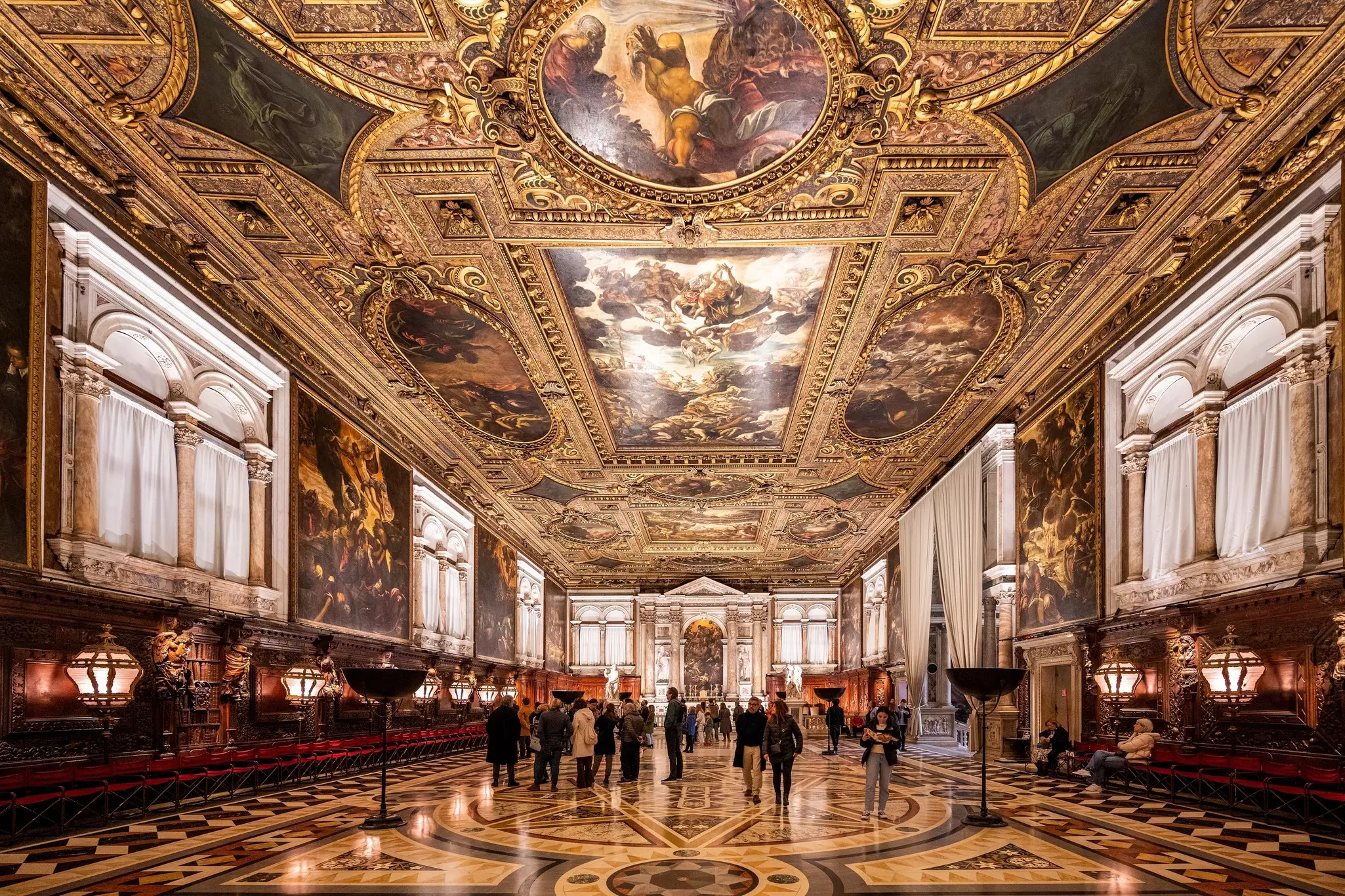
9. Gaze upon the artworks in Scuola Grande di San Rocco
Forget Titian and Tiepolo – for many, Tintoretto is Venice’s greatest artist of all time. His finest paintings fill two floors of the vast Scuola Grande di San Rocco, one of Venice’s many scuole (groups that did charity work in the community), including the ceilings, which Tintoretto decorated to celebrate the end of a 1576 plague that wiped out a third of the city.
There are more than 60 paintings of swirling biblical scenes (Tintoretto revolutionized the depiction of movement and amped up the use of rich color), including on the roof of the main hall. This is Venice’s answer to the Sistine Chapel.
Planning tip: Many visitors see the Scuola and forget about the nearby church of San Rocco, which has yet more Tintoretto artworks inside.
10. Take in the modern Querini Stampalia museum
The Fondazione Querini Stampalia is a fascinating space in a 16th-century palazzo, combining a museum, gallery, library archive, and modernist wing and garden designed by 20th-century architect Carlo Scarpa. The main gallery has works by Palma il Vecchio, Canaletto and Bellini, whose Presentation at the Temple is one of the city’s finest artworks.
It’s also a brilliant example of a modern museum: the information panels contextualize the art and teach about Venetian life, from the poor conditions for house staff to arranged marriages and the banning of homosexuality.
Detour: In the square outside is the church of Santa Maria Formosa, one of the few true Renaissance buildings in Venice.
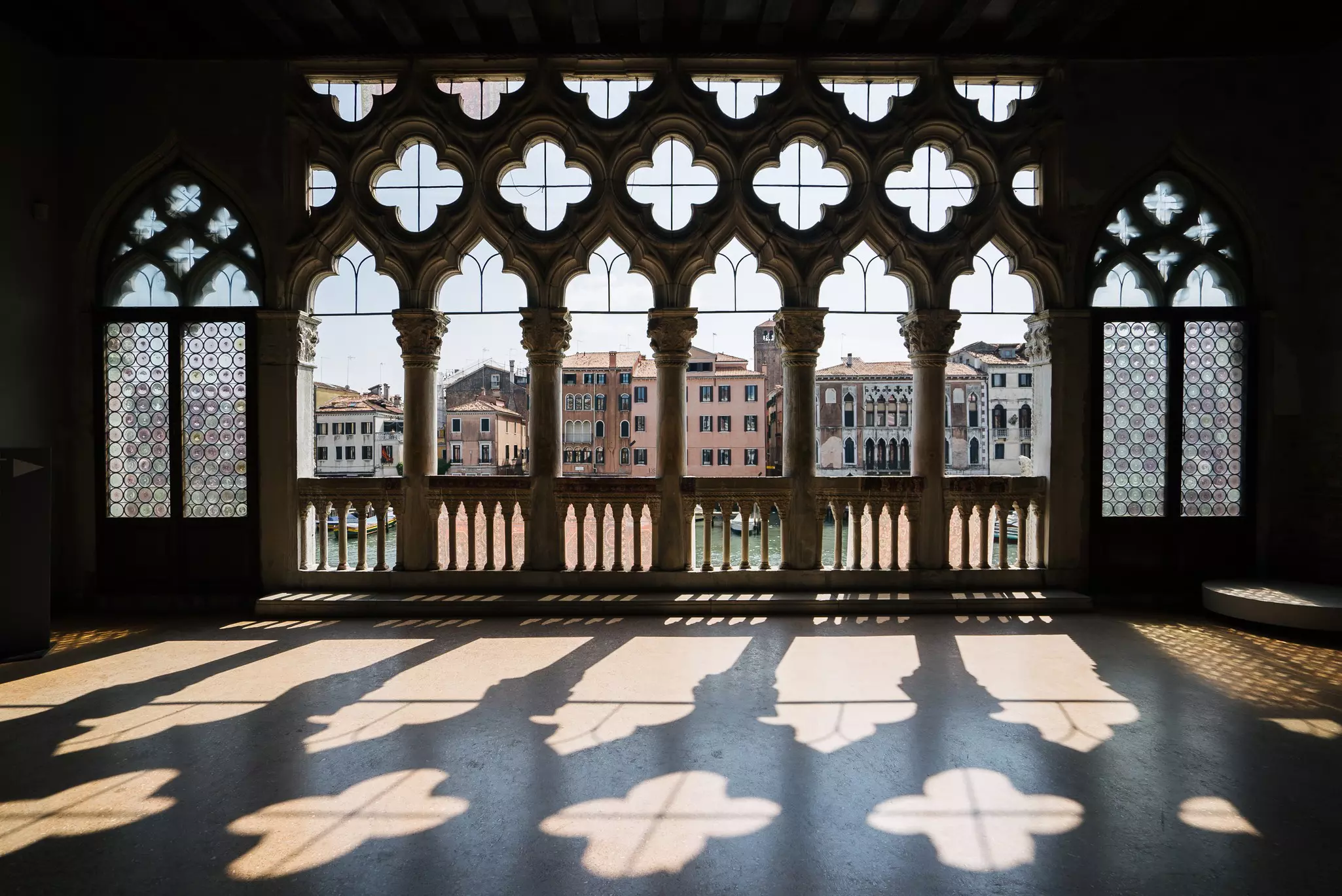
11. View the Grand Canal from Ca’ d’Oro
Nobody loved Venice like Baron Giorgio Franchetti. In 1894, he bought the 15th-century Ca’ d’Oro, a Gothic palazzo on the Grand Canal that had been so lavish it was named the "Golden House."
It had fallen into disrepair by the time he bought it, and Franchetti dedicated his life to bringing the house back to its former glory, by rebuilding, repairing and filling it with sublime art. His ashes are buried in the courtyard. The views of the Grand Canal and Rialto market are spectacular from its balconies.
Planning tip: Ca' d'Oro is undergoing a major restoration, but the gallery will remain open at times, depending on the stage of construction. The best way to arrive is by traghetto, a large gondola-style boat that shuttles across the Grand Canal. The Santa Sofia stop is right by Ca’ d’Oro and connects with the Rialto Market.
12. Explore the city's finest churches
It’s no secret that some of Venice’s best art lies in its churches. But in a city that, as legend says, has a church for every day of the year, how do you know where to start? Buying a Chorus pass is the way forward. Eighteen of Venice’s loveliest churches belong to this group – some are €3.50 to enter, but a pass for all of them, valid for one year, is €15.
They’re dotted all around the city, so as you wander, you can pop in for an art fix. All are worth seeing, but the standouts are Santa Maria dei Miracoli (a marble-clad Renaissance jewel) and San Sebastiano (frescoed and painted almost entirely by Veronese).
Planning tip: Some of the churches have limited opening hours. When you get your pass, ask for the map – it also lists opening hours.
13. Get to know glass on Murano
Floating in the lagoon, a 10-minute vaporetto ride north of Cannaregio, elegant Murano is a mini Venice, with opulent waterfront palazzi, knockout churches and even its own Grand Canal. It is best known for its glass blowers, as it has been for centuries. Start at the Museo del Vetro, the island’s glass museum, where you’ll learn that the art of glassmaking was perfected in the Middle East before Venice’s medieval trade links with Syria allowed it to copy the techniques and take them to new heights.
A small, easily digestible museum, it’ll give you the background you need to appreciate the often tacky-looking glass ornaments in the shops. Ready to buy? We like Lucevetro, where Cecilia Cenedese designs products and gets island artisans to craft them for her, while Wave Murano Glass offers furnace tours and even lessons.
Detour: You may be here for glass, but don’t miss Murano’s churches. The Basilica dei Santi Maria e Donato has a knockout 12th-century marble mosaic floor, while the church of San Pietro Martire has works by Bellini, Tintoretto and Veronese.
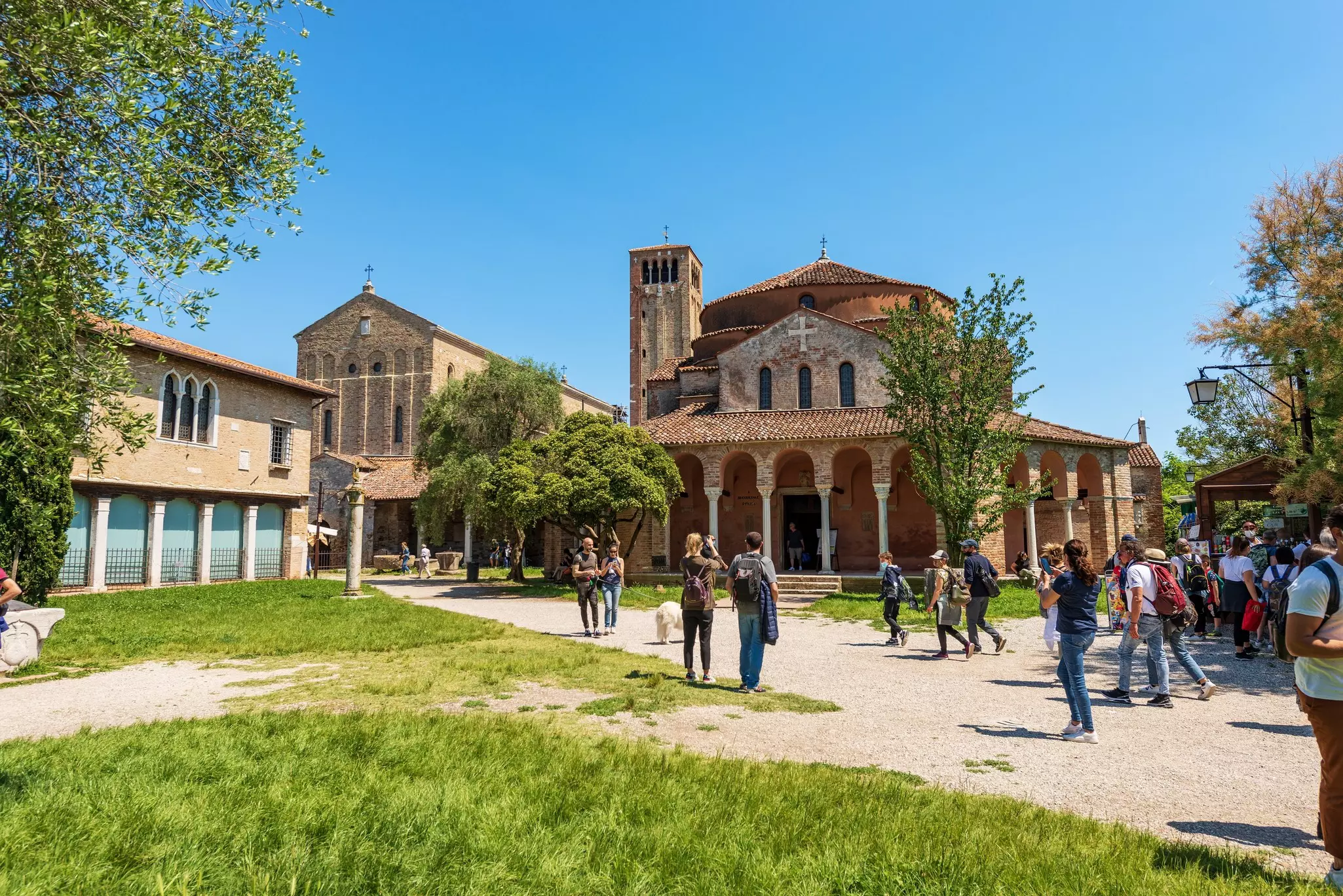
14. See Venice’s birthplace on Torcello
This island, just across the water from Burano, is where Venice began. The first island of the lagoon to be settled, and then a bustling early medieval boomtown, today's Torcello is a haunting place of around a dozen inhabitants, with one big draw: the Basilica di Santa Maria Assunta, the vast church that dominated the north lagoon for centuries and is still visible from the airport. Its interior sparkles with Byzantine-style mosaics from the 11th century, and it’s pure magic.
Planning tip: Visit Torcello before Burano. If you do it the other way around, you’ll be trying to board a packed vaporetto back to Venice.
15. Pay your respects to Tintoretto
Peaceful Cannaregio is worth a stroll for its tranquil canals lined with grand palazzi and for the church of Madonna dell’Orto. This big barn of a place was Tintoretto’s neighborhood church – he’s buried here, along with his artist children Domenico and Marietta – and its walls are covered with his paintings, as well as works by Titian, Palma il Giovane and Cima da Conegliano.
Detour: A short walk away is the church of Sant’Alvise, part of the Chorus association and famous for its spectacular trompe l’oeil ceiling.