Rome
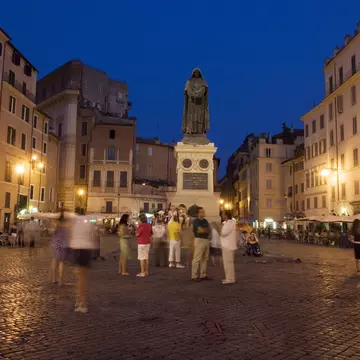
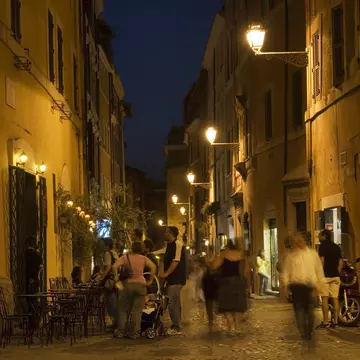
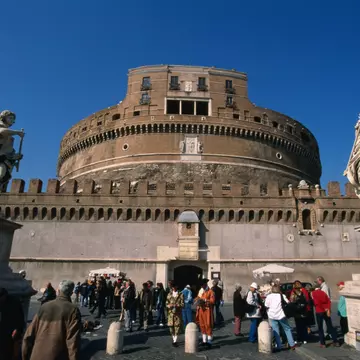
A heady mix of haunting ruins, awe-inspiring art and vibrant street life, Italy's hot-blooded capital is one of the world's most romantic and charismatic cities.
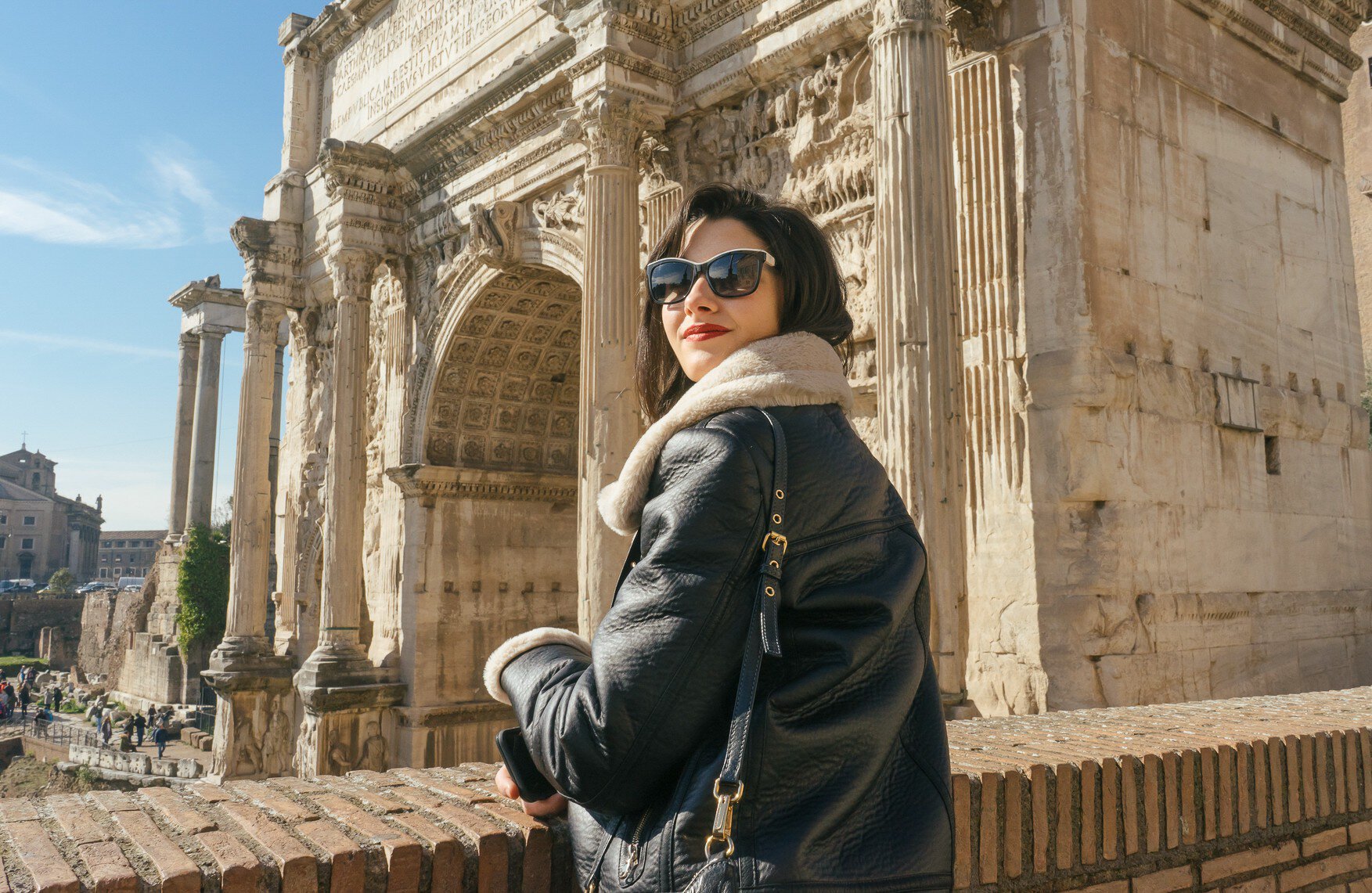
Luis Velasco / Stocksy United
Latest Stories
- Federica Bocco | Aug 12, 202624 of the Best Free Things to do in Rome
- Duncan Garwood | Jul 17, 2026How to explore the Appian Way, Rome's ancient highway
- Brekke Fletcher | Jun 30, 20261 day in Rome: the ultimate 24-hour trip
- Duncan Garwood | Jan 29, 2026The best things to do in Rome with kids
Book
Trip 


Trusted Partner
Stay connected in Rome
Holafly eSIM provides unlimited mobile data with no hidden fees, giving you peace of mind wherever you travel. Stay connected even after your plan ends with Always On. Use code LONELYPLANET for an exclusive discount.
Lonely Planet may earn a commission from affiliate links on our site. All recommendations and reviews reflect our own independent opinions.
Book your Italy trip with Lonely Planet Journeys
See Italy how it's meant to be seen
Planned by local experts and tailored to you, Lonely Planet Journeys handles the logistics so you can just enjoy the trip. Tell us what you want and we'll build your Italy itinerary from scratch, or browse our bookable trips to get inspired.


Travel Guides
Rome travel tips from Lonely Planet experts
Find practical guidance from our team of contributors around the world who bring their decades of first-hand travel experience to your next trip.
Best Things to Do
It's nearly impossible to log all Rome has to offer in a single trip. Let this list be your starting point to enjoying every inch of the city.
Read full article
Best Time to Visit
From finding good weather and cool festivals to avoiding the crowds at St Peter's Basilica, here are the top times to visit Rome.
Read full article
Things to Know
Rome is a sensory overload in the best way but that can also make it overwhelming for first-time visitors. Here's what you need to know before you go.
Read full article
Transportation
Discover Rome with ease using this comprehensive guide to transportation and tickets.
Read full article
Free Things to Do
Visiting the Eternal City on a budget? From admiring St Peter's Basilica to walking the Via Appia Antica, here are the best free experiences in Rome.
Read full article
Best Neighborhoods
A trip to Rome is as much about lapping up the dolce vita as gorging on art and culture. Here's a look at the city's top neighborhoods.
Read full article
Money and Costs
There’s no need for the Eternal City to leave you eternally broke. The city offers myriad ways to enjoy your time while saving money.
Read full article
Traveling with Kids
From the Colosseum to the catacombs, and sprawling parks to virtual time travel, Rome promises a memorable trip for the whole family.
Read full article
5 Shops
Discover architectural jewelry, local design, vintage finds, and tiny treasures in Rome's independent shops and markets.
Read full article
Get a book. Get inspired. Get exploring.


in partnership with getyourguide
Book popular activities in Rome
Lonely Planet may earn a commission from affiliate links on our site. All recommendations and reviews reflect our own independent opinions.
Rome and beyond
- destinationCentro Storico
-
 destinationTridente, Trevi & the Quirinale
 - destinationMonti, Esquilino & San Lorenzo
- destinationTrastevere & Gianicolo
- destinationVatican City, Borgo & Prati
- destinationSan Giovanni & Testaccio