

Advertisement
Latest Stories
- Kathy Donaghy|May 26, 2026What to eat and drink in Ireland
- Lonely Planet Editors|Apr 28, 2026Ireland's 7 national parks: experience the best of the outdoors
- AnneMarie McCarthy|Apr 22, 20269 dos and don’ts when traveling in Ireland
- Vic O'Sullivan|Apr 15, 2026The best ways to get around Ireland
Book
Trip 


Trusted Partner
Dreaming of Ireland? Protect your trip
Travel with confidence. Protect your trip and your wallet.
We don’t represent World Nomads, we receive a fee from quotes using this link. This is not a recommendation to buy travel insurance.
Take your Ireland trip with Lonely Planet Journeys
Pick one of our ready-to-book trips or fully customize your own with help from our local experts.
bookable trip
12 Days in Ireland: Dublin, Kinsale, Cork, and Tipperary
12 days / 11 nights
highlights
- 1 Viewing the illuminated Book of Kells in Trinity College Dublin’s Old Library
- 2 Partaking in a traditional afternoon tea inside Waterford’s famous crystal factory
- 3 Foraging for wild seaweed with an expert guide on the Ring of Kerry
from $5,700
per person


Explore more trips
Explore more trips
-
 Ireland
Ireland
Top places to visit in Ireland
Discover the best attractions in Ireland from must-see sights to unexpected hidden gems.
-
 Attraction in County KerryBlue Pool, Glengarriff
 -
 Attraction in County KerryKillarney National Park
 -
-
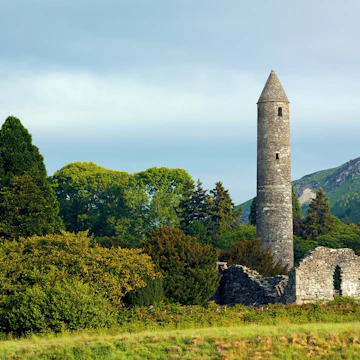 Attraction in GlendaloughGlendalough Monastic Site
 - Attraction in County MayoDun Briste
- Attraction in County MayoLackan Strand
-
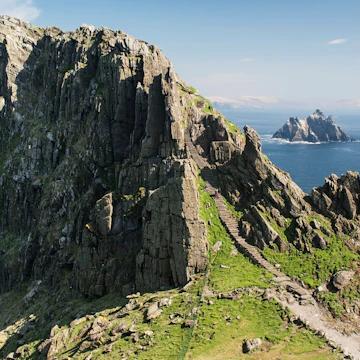 Attraction in Skellig RingSkellig Michael
 - Attraction in County MayoSt Mary's Well
Advertisement
Travel Guides
Ireland travel tips from Lonely Planet experts
Find practical guidance from our team of contributors around the world who bring their decades of first-hand travel experience to your next trip.
Best Things to Do
Curious travelers will find plenty to keep them busy on the Emerald Isle. Here's our hit list of the best things to do in Ireland.
Read full article
Best Time to Visit
From summer sun and fabulous festivals to off-season bargains and crowd-free attractions, here's everything you need to know about when to visit Ireland.
Read full article
Things to Know
Traveling to Ireland? From pub etiquette to public transport to what to pack, here are a few things to know before you set off.
Read full article
Transportation
Here’s our full guide to getting around ireland by car, train, bus, boat and more,
Read full article
Visa Requirements
Who wouldn't jump at the chance to visit the Emerald Isle? Here’s how to check if you need a visa before setting off on your Irish adventure.
Read full article
Best Road Trips
What’s the best way to get the best of the natural beauty and famous charm of Ireland? Hit the (rural) road on these top road trips.
Read full article
Money and Costs
There are plenty of ways to make your money go further during your visit to Ireland. Read on for our local expert tips.
Read full article
Traveling with Kids
Ireland is packed with natural attractions, outdoor adventures and cultural sites perfect for a family trip.
Read full article
Best Places to Visit
These 11 beautiful destinations in Ireland help ensure a memorable visit that suits every season and mood, making the most of the small European island.
Read full article
Advertisement
Get a book. Get inspired. Get exploring.


in partnership with getyourguide
Book popular activities in Ireland
Ireland and beyond
-
 destinationDublin
 -
 destinationTemple Bar
 -
 destinationCounty Cork
 -
 destinationCounties Mayo & Sligo
 -
 destinationCounty Donegal
 -
 destinationCounty Kerry
 -
 destinationCounty Galway
 -
 destinationCounty Clare
Advertisement