Aug 26, 20268 min read
Best Places to Eat in Dublin in 2026Nov 30, 2025
10 MIN READ

Writer
Highlights
Writer Fionn Davenport picks 12 Dublin experiences, from pubs to ancient books.
Visit a traditional pub, then walk Trinity College's cobbled quadrangles.
History seekers should tour the Guinness Storehouse and the grim cells of Kilmainham Gaol.
For a quieter find, Marsh's Library near St Patrick's Cathedral rewards curious visitors.
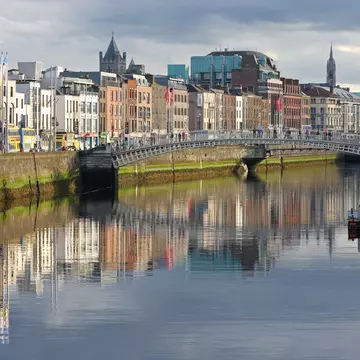
O'Connell Bridge. Kris Dublin/Shutterstock

Writer
Highlights
Writer Fionn Davenport picks 12 Dublin experiences, from pubs to ancient books.
Visit a traditional pub, then walk Trinity College's cobbled quadrangles.
History seekers should tour the Guinness Storehouse and the grim cells of Kilmainham Gaol.
For a quieter find, Marsh's Library near St Patrick's Cathedral rewards curious visitors.
Lonely Planet may earn a commission from affiliate links on our site. All recommendations and reviews reflect our own independent opinions.
While Dublin might not be the prettiest place you ever see, Ireland's capital and largest city can keep you interested for a lifetime. You'll find a collection of museums as fine as in any European capital, and one of the world’s most beautiful university campuses. You'll also taste incredible food and enjoy authentic pubs (including the world's greatest beer, brewed here for the last 300 years), which have spawned imitators from Miami to Mongolia. Plus the showstopper Georgian bits are a clear nod to sophisticated elegance.
You'll also encounter whiskey and old prisons, ancient books and beautiful monuments. In Dublin, you’ll absolutely find something that will tickle your fancy.
Whether it’s your first visit to Dublin or your 20th, this is a city that keeps on giving. The area is easy to get around without a car, and you'll find a selection of budget-friendly options to help you keep enjoying your stay. Here are a few ideas to get you started.
In all likelihood, you don’t need us to tell you that the pub is a quintessential Dublin experience, but here we are. It’s where you’ll meet Dubliners at their convivial, easy-going best and get a sense of what makes this city tick. There are few Dublin institutions so fawned over and written about as the traditional pub – probably because so many of the city’s best-known writers were regulars in them.
In Ulysses, Leopold Bloom muses that a "good puzzle would be to cross Dublin without passing a pub, " to which the only logical answer is that it can be done by going into every one you see. Given that there are around 800 spread about the city, it’s probably not the wisest thing to do if liver function is important to you, but you can select a few that will make your Dublin stay all the more memorable. One of my favorites is Mulligan's of Poolbeg Street, which was also a favorite of Leopold Bloom’s creator, James Joyce.
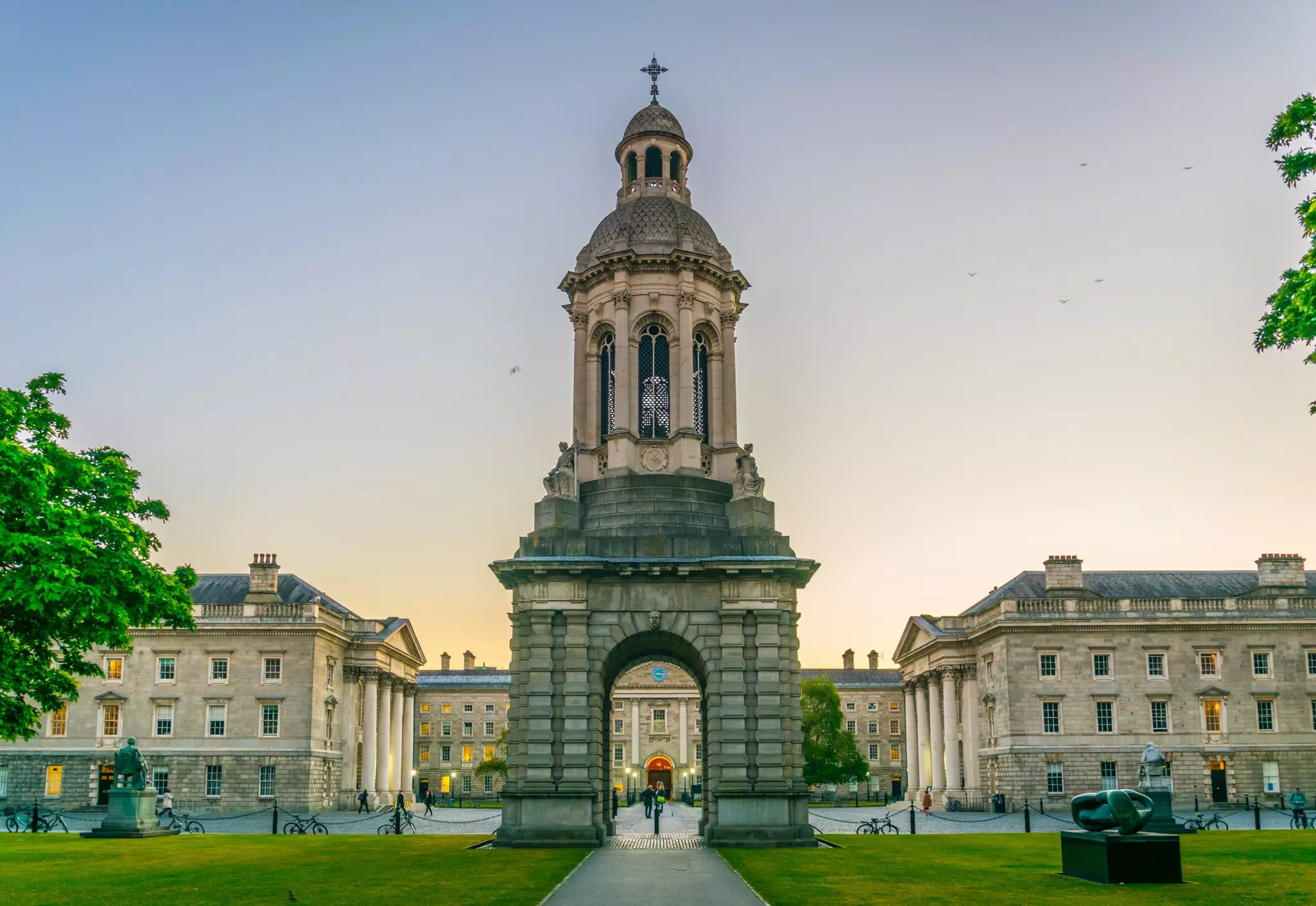
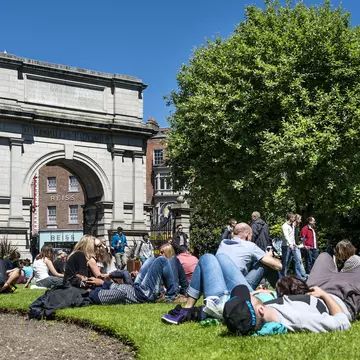
Since its founding in 1592, Trinity College has become one of the world’s most famous universities. It's the alma mater of Swift, Wilde and Beckett, and it's where you'll find the most beautiful library in the country. It's also the home of the world’s most famous illuminated Gospel, the Book of Kells. The library’s 200,000 books have been removed as part of a landmark restoration project, but the consolation prize is an enhanced digital experience that tells the story of the Book of Kells in dramatic, impressive detail. Trinity’s 16 hectares are an oasis of aesthetic elegance, its cobbled quadrangles lined with handsome neoclassical buildings that lend an air of magisterial calm to the campus, evident as soon as you walk through front arch.
Local tip: If you’re visiting during the summer – outside of term time – you can stay in student accommodation for a fraction of the cost of a hotel on the other side of the walls.
Hanging on the walls of a magnificent Georgian pile is the city’s finest collection of modern and contemporary art, which runs from Impressionist masterpieces (Degas, Monet, Manet and more) to Irish artists such as Dorothy Cross and Sean Scully as well as stained-glass windows by Harry Clarke. The Dublin City Gallery (aka the Hugh Lane, after its founder) also boasts the Dublin-born Francis Bacon’s actual London studio (the venue's most-visited space), brought over piece by piece and painstakingly reassembled in all its glorious mess. You can't step inside, but you can observe exactly how the artist lived and worked, down to the minute details.

Stay connected abroad with an eSIM
Holafly eSIM provides unlimited mobile data with no hidden fees, giving you peace of mind wherever you travel. Stay connected even after your plan ends with Always On. Use code LONELYPLANET for an exclusive discount.
Lonely Planet may earn a commission from affiliate links on our site. All recommendations and reviews reflect our own independent opinions.
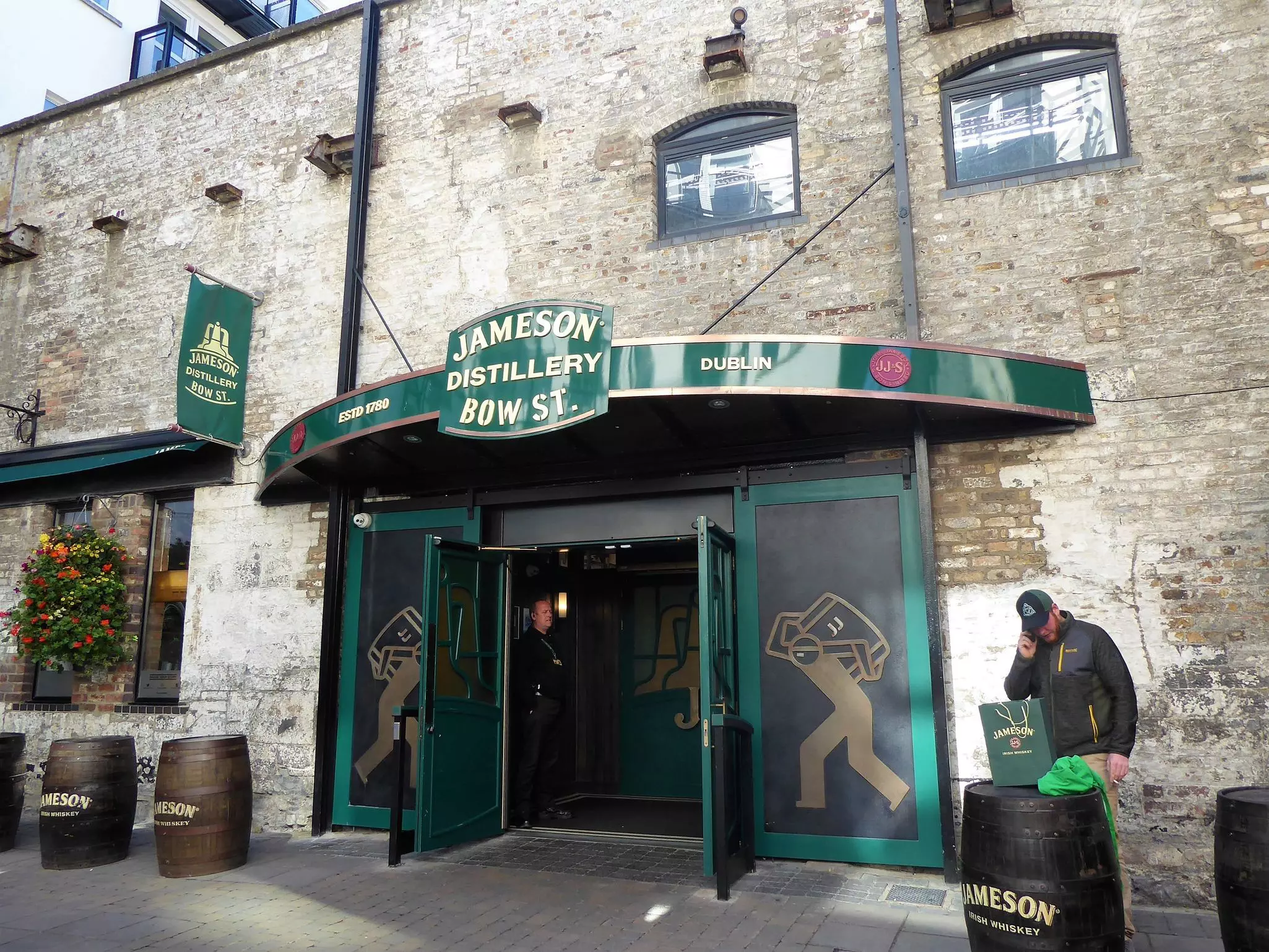
Did you know that Dublin was once the epicenter of the global whiskey industry? While the industry went kaput throughout the 20th century, it’s slowly making a major resurgence, especially in the Liberties, once known as the Golden Triangle for the number of distilleries in operation there. Today, there are four: Teeling Distillery, the first new producer in the city for 125 years; Pearse Lyons Distillery, in an old church; the Dublin Liberties Distillery in a 400-year-old former mill and tannery; and the return of Roe & Co, which was once the world’s largest producer of whiskey, inside the old Guinness Power Station. On the other side of the Liffey, the old Jameson Distillery is now one of the city’s most popular attractions, while if you want to do some pretty serious tastings, there’s the Irish Whiskey Museum near Trinity College.
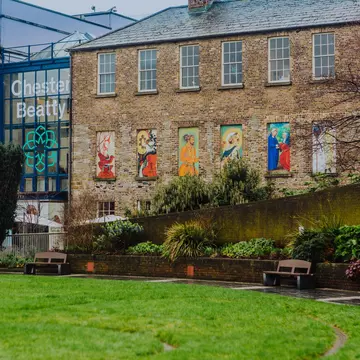
Alfred Chester Beatty was a mining magnate with exceedingly good taste, and the fruit of his aesthetic sensibility is gathered in this remarkable museum. Books, manuscripts and scrolls were his love, and his collection includes the world's second-oldest biblical fragment and a collection of Qurans from the 9th to the 19th centuries that is considered among the best examples of illuminated Islamic texts in the world. Other treasures include ancient Egyptian texts on papyrus, intricately designed little medicine boxes and perhaps the finest selection of Chinese jade books on the planet. Keep an eye on the calendar of events – it regularly runs qigong workshops on the rooftop garden, as well as sound baths and meditation sessions.
You didn’t think we’d ignore the world’s most famous brewery and the city's number one tourist attraction, did you? Guinness is more than a beer, and you’ll get a pretty good sense of how much more it is during a visit to the seven-story Guinness Storehouse. Along the way, you’ll learn how the beer is made (with a couple of add-on, hands-on experiences to deepen your knowledge), the role of the company in Dublin’s fortunes and how it became the global brand it is today. The top floor is an atrium bar, where you put the theory to the test and drink a pint; just below it is an excellent spot for lunch.
Local tip: The Guinness in the atrium bar is excellent, but the best Guinness comes with atmosphere, which you'll find in a traditional bar (see above).
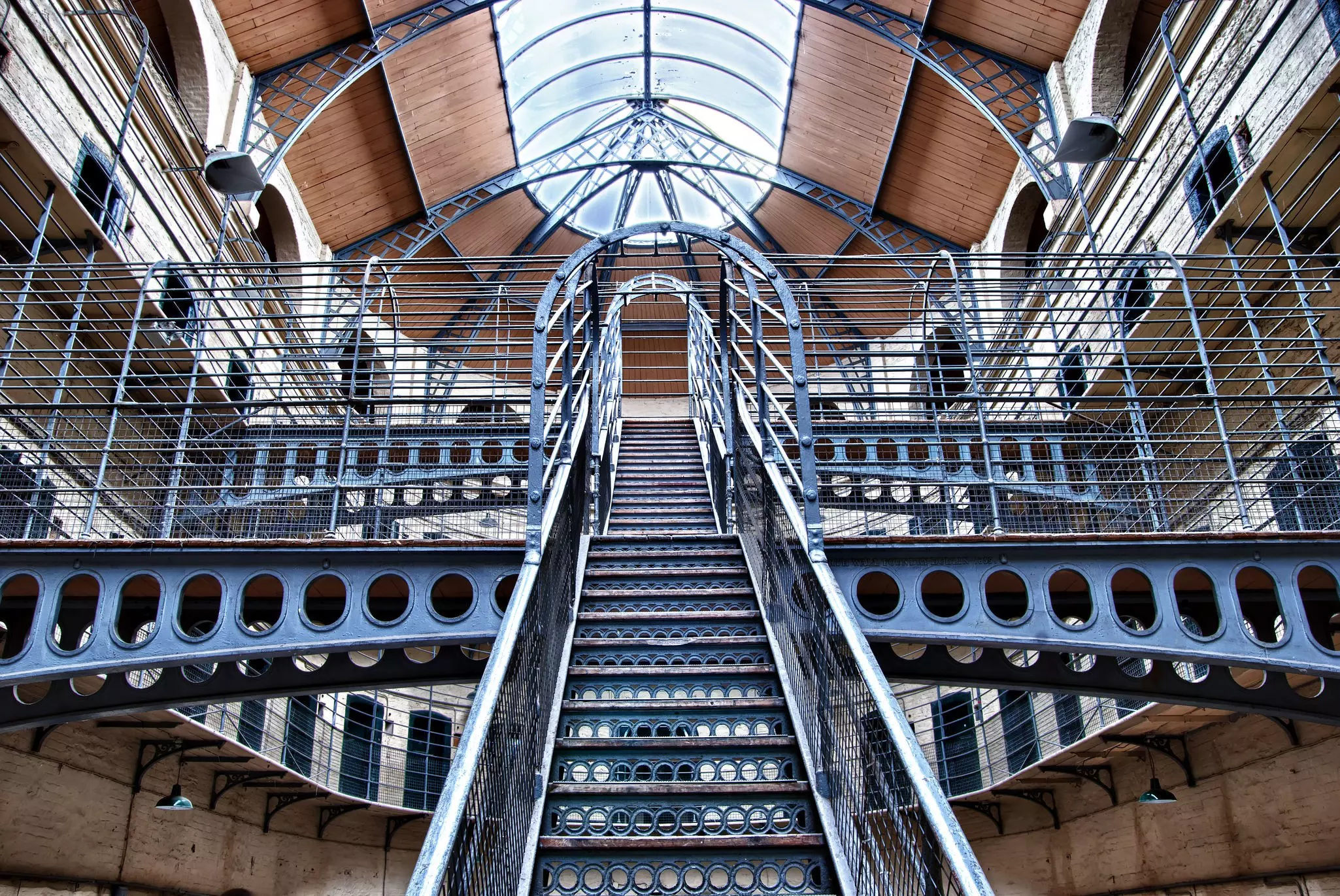
Ireland’s struggle for independence was a bloody and tempestuous journey, and this forbidding prison on the western edge of the city played a role in it for nearly 150 years, as the forced temporary home of many a rebel and revolutionary. Unoccupied since 1924, Kilmainham Gaol is now a museum with an enthralling exhibit on the history of Irish nationalism. The guided tour of its grim cells and corridors is highly memorable, and it finishes in the yard where the leaders of the failed 1916 Easter Rising were executed.
Planning tip: Book your tickets online to avoid being disappointed by sold-out tours; also best to book for an early morning tour as you’ll be waiting for less time.
With a collection donated entirely by the general public, the award-winning Little Museum of Dublin on St Stephen’s Green is a surprising blockbuster. The memorabilia is quirky enough – it includes a lectern used by JFK during his visit in 1963 and the fateful letter given to the Irish delegation during the negotiations that ended Ireland’s War of Independence in 1921 (and whose inherent contradictions led indirectly to the Civil War the next year) – and it’s a brilliant way of getting a potted history of the city.
Planning tip: The museum runs great tours beyond its walls, including a daily walking tour of St Stephen's Green, as well as a themed weekly tour telling the story of Ireland's influential women.
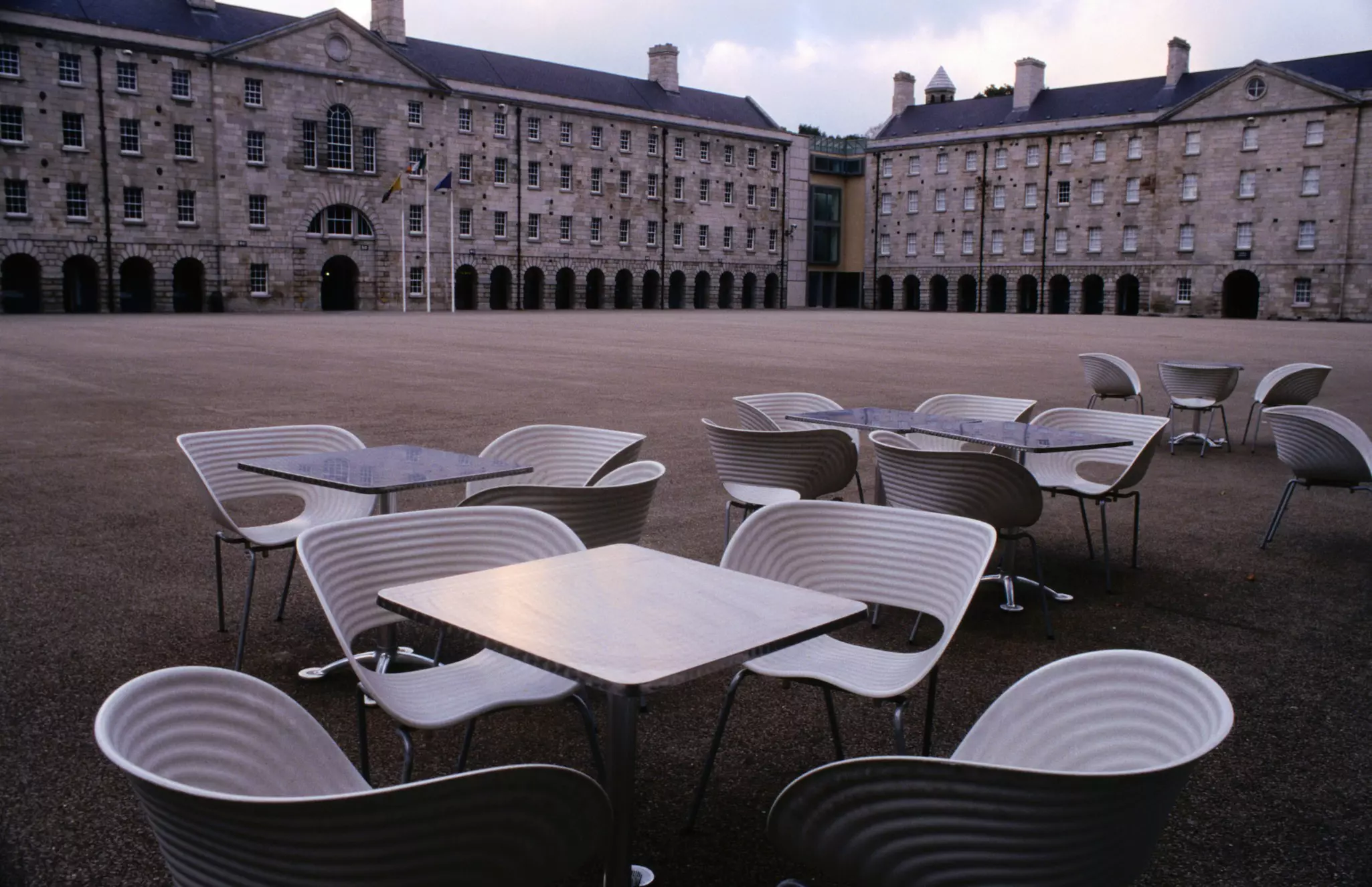
Ireland’s most important cultural institution is the National Museum of Ireland, which has four branches nationwide – three of which are in Dublin. The National Museum of Ireland – Archaeology on Kildare Street is the most significant, with an extraordinary collection of Celtic and early Christian gold as well as the macabre bog bodies – four Iron Age figures in various states of preservation. On the other side of the Liffey, just off the quays, is the Decorative Arts & History branch, housed in beautiful 18th century barracks. On Merrion Square is the Museum of Natural History, affectionately known as the Dead Zoo.
The choice of restaurants in Dublin has never been better. Every cuisine and every trend – from doughnuts on the run to kale with everything – is catered to, as the city seeks to satisfy the discerning taste buds of its diners. From Neapolitan-style pizza at Sano to Michelin-starred feasts at Chapter One, you’ll find something for every mood and budget. One of the more popular trends in 2024 was for KFC – no, not that kind, but Korean Fried Chicken – with a bunch of authentic spots opening up all over town.
Planning tip: It can be pretty tough to get a table at the trendiest spots in town, so book well in advance – two weeks if possible, but months if you’re looking for a Michelin-starred meal.
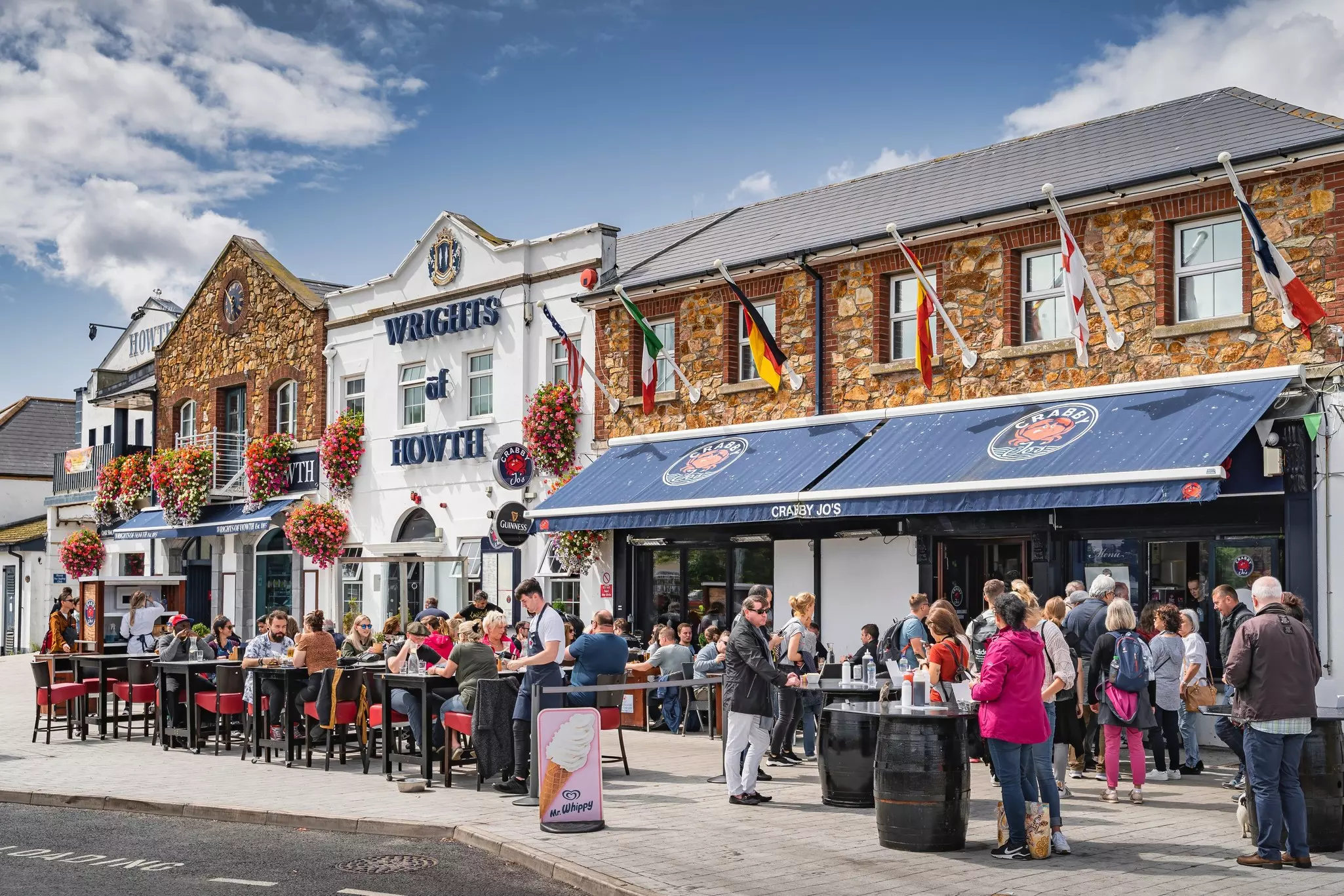
Dublin is on the sea, and some of the city’s loveliest neighborhoods are standalone villages such as the fishing village of Howth, at the end of the DART train line to the north. The village itself is gorgeous, built around a busy pier and packed with restaurants serving the freshest of fresh catch, but the real treat is the Howth Cliff Path Walk, a 6km (3.7 mile) loop that takes you over the headland for gorgeous views over the grassy slopes to the sea. If you want to do a proper hike, there are longer routes that lead to the Baily Lighthouse and back over rough, mountainous terrain.
Local tip: On weekends and bank holidays, the Howth Market sells a huge selection of organic produce and baked goods as well as handicrafts.
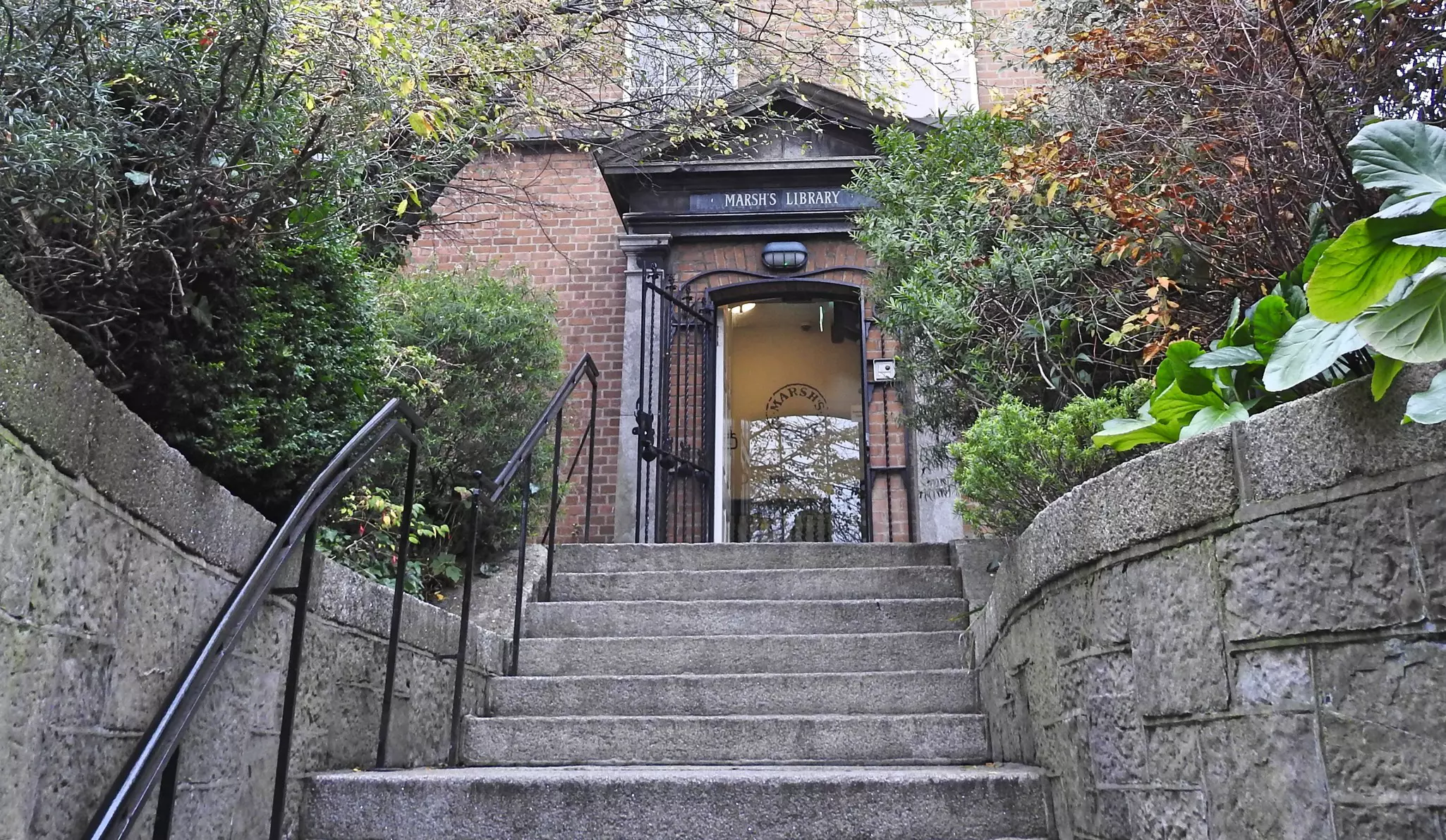
OK, so theBook of Kells Experience and the Old Library are way more famous, and way more visited, but that makes Marsh’s Librar y – on a side street by St Patrick’s Cathedral, all the more worthwhile. The magnificently preserved scholars' library founded by Archbishop Narcissus Marsh in 1707 has barely changed a jot since then: Atop its ancient stairs are beautiful dark-oak bookcases filled with 25,000 books from the 16th century to the early 18th century, as well as maps, manuscripts (including one in Latin dating from 1400) and a collection of incunabula (books printed before 1500).
Local tip: When you walk from the first hall into the second, strike up a conversation with the resident librarians. They can tell you their personal theories (or experiences) of the resident ghost and show you the spines of the books bearing bullet holes from the 1916 Easter Rising.
Explore related stories