
Advertisement
Agra
The magical allure of the Taj Mahal draws tourists to Agra like moths to a wondrous flame. And despite the hype, it’s every bit as good as you’ve heard. But the Taj is not a stand-alone attraction. The legacy of the Mughal empire has left a magnificent fort and a liberal sprinkling of fascinating tombs and mausoleums, and there’s also fun to be had in the bustling chowks (marketplaces).

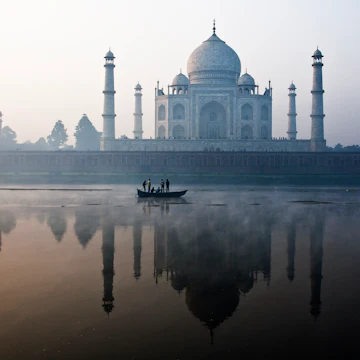
The story behind this image involves me spending some time with my ageing father doing what we both like doing best… exploring the local town. On a cold January morning, we headed down to the banks of the Yamuna to catch a ferry. We had made arrangements with a local boatman the previous evening to be there for a sunrise shot..The current of the Yamuna proved to be too strong for Manoj, our boatman, as he struggled to get me to a vantage point that would have gotten me to the dead centre in front of the Taj. What I got out of camera was a less than perfect image that was slightly askew..This image has been reconstructed in Photoshop, to establish the symmetry of this monument reflected in the turbid waters of the Yamuna in the foreground..In 2013, I began reworking a lot of my older images. I had taken this one in early 2011. The original version was done in HDR – which I have personally started stepping away from in an attempt to get more right when shooting the image. This exercise has shown me how my own workflow has developed over the years, and how much my appreciation for subtle processing techniques has developed. The workflow that I employed to achieve this is available here.


Trusted Partner
Dreaming of Agra? Protect your trip
Travel with confidence. Protect your trip and your wallet.
We don’t represent World Nomads, we receive a fee from quotes using this link. This is not a recommendation to buy travel insurance.
Take your India trip with Lonely Planet Journeys
Pick one of our ready-to-book trips or fully customize your own with help from our local experts.
bookable trip
15 Days in Rajasthan: Best of Northwest India
highlights
- 1 Standing before Agra's world-famous Taj Mahal in morning twilight before the crowds descend
- 2 Visiting historic landmarks, from the Hawa Mahal to Govind Ji Temple, in Jaipur's "Pink City"
- 3 Taking a sunset cruise through Udaipur's Lake Pichola
from $4,759
per person


Top places to visit in Agra
Discover the best attractions in Agra from must-see sights to unexpected hidden gems.
-
-
-
 Attraction in AgraItimad-ud-Daulah
 - Attraction in AgraKhas Mahal
- Attraction in AgraJehangir's Palace
-
 Attraction in AgraMehtab Bagh
 - Attraction in AgraSamadhi Swamiji Maharaj Bagh
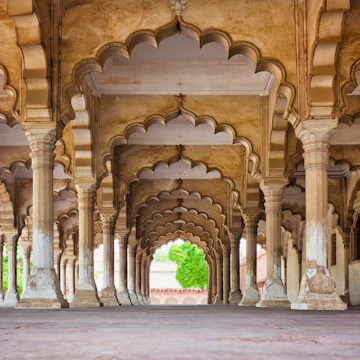
- Attraction in AgraDiwan-i-Am
Advertisement
Advertisement
Get a book. Get inspired. Get exploring.


in partnership with getyourguide
Book popular activities in Agra
Advertisement