Aug 7, 20258 min read
10 Best Things to Do in JaipurAug 7, 2025
8 MIN READ

Writer
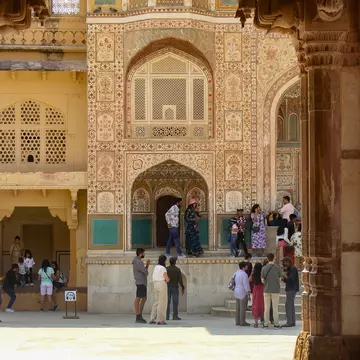
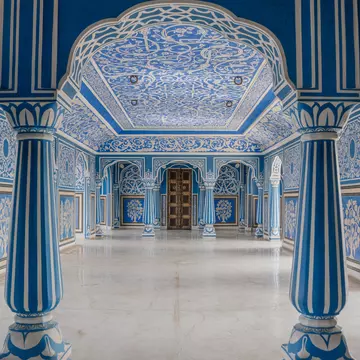
Interior painting inside City Palace. Isra Suvachart/Shutterstock

Writer
Highlights
Writer Prachi Joshi picks 10 things to do in Jaipur, India's Pink City.
Head to the City Palace, then Amber Fort for its gleaming Sheesh Mahal.
Dig into a Rajasthani thali at Suvarna Mahal, then sip cocktails at Bar Palladio.
For wildlife, head to Jhalana Leopard Park; for shopping, stroll the Old City's bazaars.
Lonely Planet may earn a commission from affiliate links on our site. All recommendations and reviews reflect our own independent opinions.
Jaipur abounds with beautiful palaces, majestic forts and idyllic lakes. The capital of India's largest state, it is surrounded by the lush green mountains of the Aravalli Range. Also known as the Pink City, Jaipur was founded in 1727 by Maharaja Sawai Jai Singh II and is one of the earliest planned cities in modern India. It was awarded UNESCO World Heritage status in 2019.
Many of the city's top attractions are in the Old City, whose historic walls and gates are all painted pink, as are all the buildings inside. What’s with the pink? In 1876, the ruler Maharaja Sawai Ram Singh II had the city painted a delicate pink hue to welcome Queen Victoria’s husband, Prince Albert. By law, the Old City’s buildings and walls must still be painted pink.
Of course, the urban sprawl of Jaipur has extended beyond the Old City, and the modern neighborhoods buzz with trendy boutiques, cool cafes and fancy restaurants.
Here are the top things to do in Jaipur that you can't afford to miss.
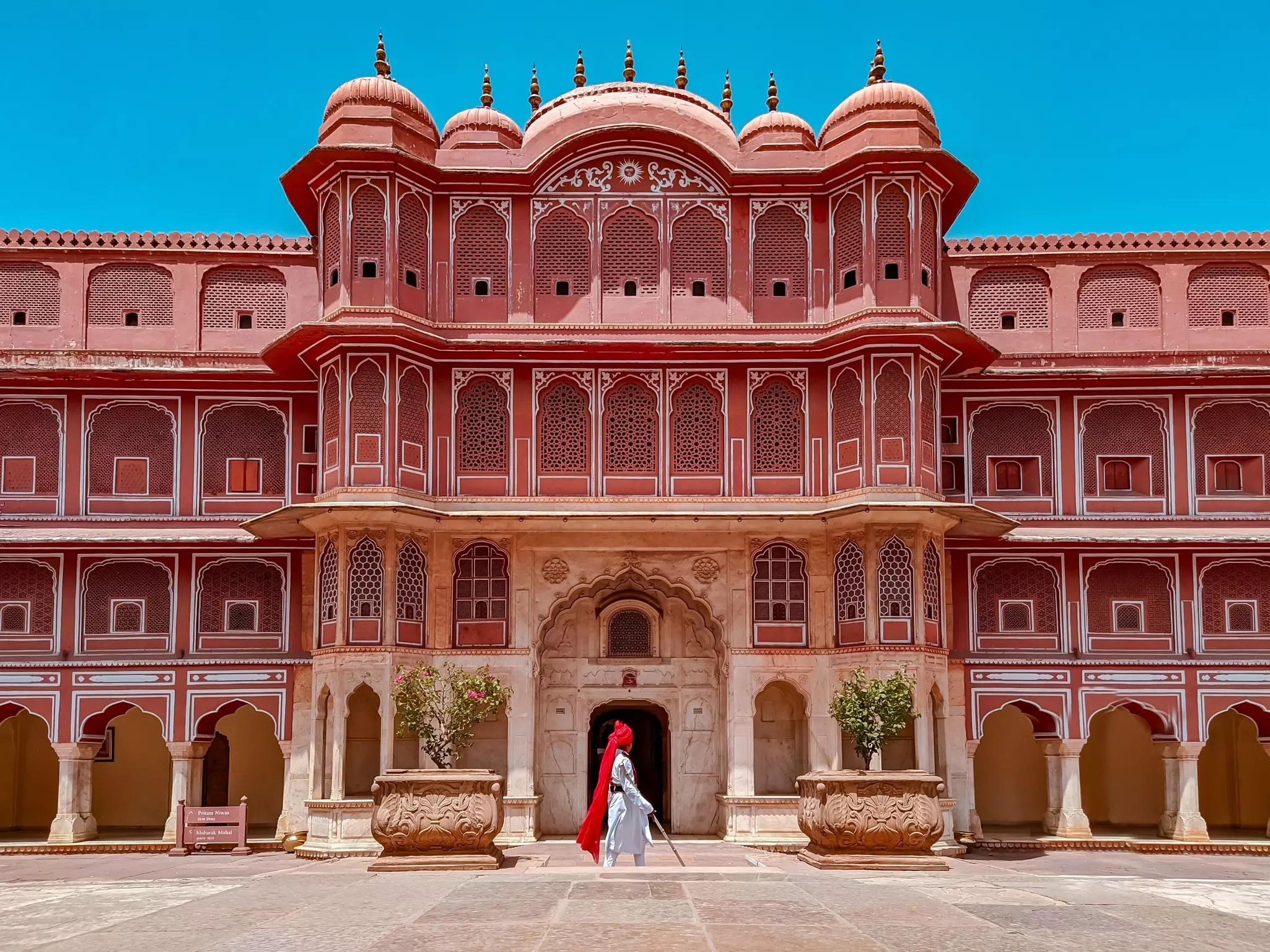
The opulent 18th-century City Palace is the perfect place to start your visit to Jaipur. Built by Maharaja Sawai Jai Singh II as part of his new capital, the palace remains the residence of the erstwhile royal family, though several areas are open to visitors. A standard ticket grants entry to the museum galleries and the palace courtyards – Pritam Niwas Chowk is the most attractive, with colorful painted doorways representing the four seasons.
To access Chandra Mahal – the royal residence – and other restricted areas of the palace, you'll need to purchase a separate ticket. After your visit, enjoy a meal at Baradari Restaurant, which serves both Indian and international dishes. The two on-site boutiques – Palace Atelier and The PDKF Store – offer beautifully designed (if pricey) souvenirs and accessories.
Detour: Jaipur’s most iconic landmark, Hawa Mahal, is just around the corner from the palace. Built in 1799 as part of the zenana (women’s quarters), this red-and-pink sandstone facade features nearly a thousand latticed windows, which allowed royal women to observe the street below without being seen. Crowds can't be avoided here, so come at sunrise or sunset to see it in the best light. For a great view, head across the street to Wind View Cafe, located on the rooftop opposite the monument.
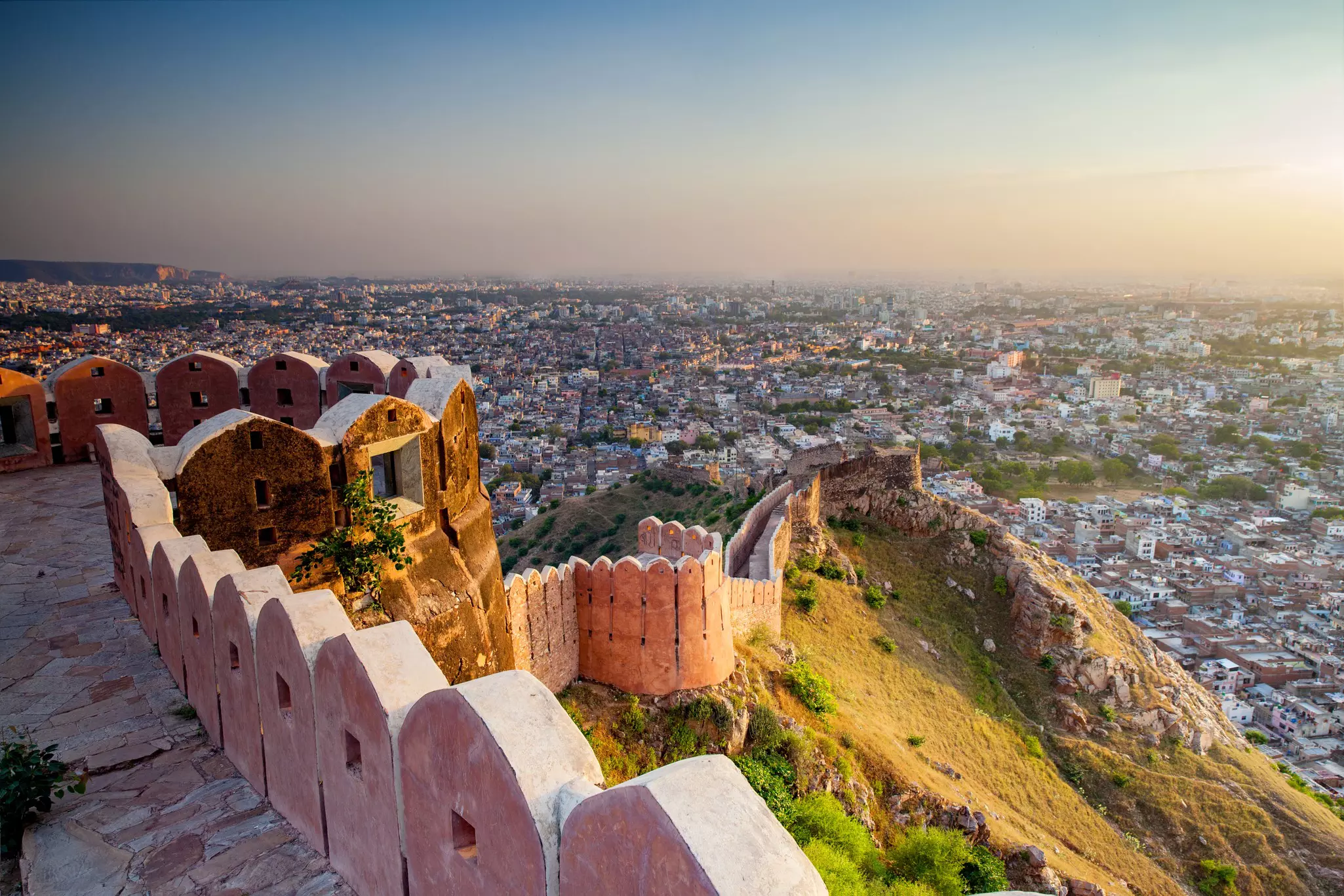
As you drive from Jaipur toward Amer village (8km/5 miles), the golden-hued Amber Fort rises over Maota Lake. Set aside at least two hours to explore this sprawling complex and see all the palaces, halls and gardens; don’t miss the Sheesh Mahal with its gleaming mirror mosaics. On a nearby hilltop stands Jaigarh, a fortress built to protect Amber. It is one of the best-preserved 17th-century military structures and contains the world's largest cannon on wheels. Further afield, Nahargarh contains a palace complex, sculpture park and a wax museum; visit just before sunset for spectacular views over Jaipur.
Local tip: For an unforgettable view, nothing beats a hot-air balloon. SkyWaltz is an authorized operator that offers two routes – one above Amber Palace and surrounding villages, and the other over the less touristy area around Samode Palace and village. Flights run from September to April, and the launch points change depending on wind direction and speed.

Jaipur is a shopper’s paradise, known for block-printed clothes and home accessories, blue pottery, silver jewelry and gemstones. The bazaars of the Old City are each dedicated to a specific craft: Johari Bazaar for jewelry, Tripolia Bazaar for pottery, sculptures and accessories, Bapu Bazaar for textiles and leather juttis (traditional footwear), and Maniharon ka Rasta for lacquer bangles. Note that many shops are closed on Sundays.
Planning tip: Exploring the markets on your own is fun, but a guided shopping tour with a local operator like Virasat Experiences can add depth to your visit. Tours run daily and begin at Hawa Mahal.
Maharaja Sawai Jai Singh II was a renowned mathematician and astronomer who built observatories across India, including one right next to the City Palace. At Jantar Mantar, you’ll find more than a dozen astronomical instruments designed to track the sun’s path, planetary orbits, lunar and solar eclipses, and zodiac constellations. The site also features the world’s largest sundial, which stands 90 feet tall.
Get a first-hand look at hand block printing at the Anokhi Museum of Hand Printing in Amber village. Explore the exhibitions, watch block carvers and printers at work, or try the craft yourself. Demonstrations run throughout the day, with a break for lunch. (Note: the museum is closed on Mondays.) In the city center, Nila House is a non-profit hub for the preservation and promotion of traditional Indian crafts. Interact with local artisans and weavers and watch them at work, view ongoing exhibitions and shop for products designed and made in-house.
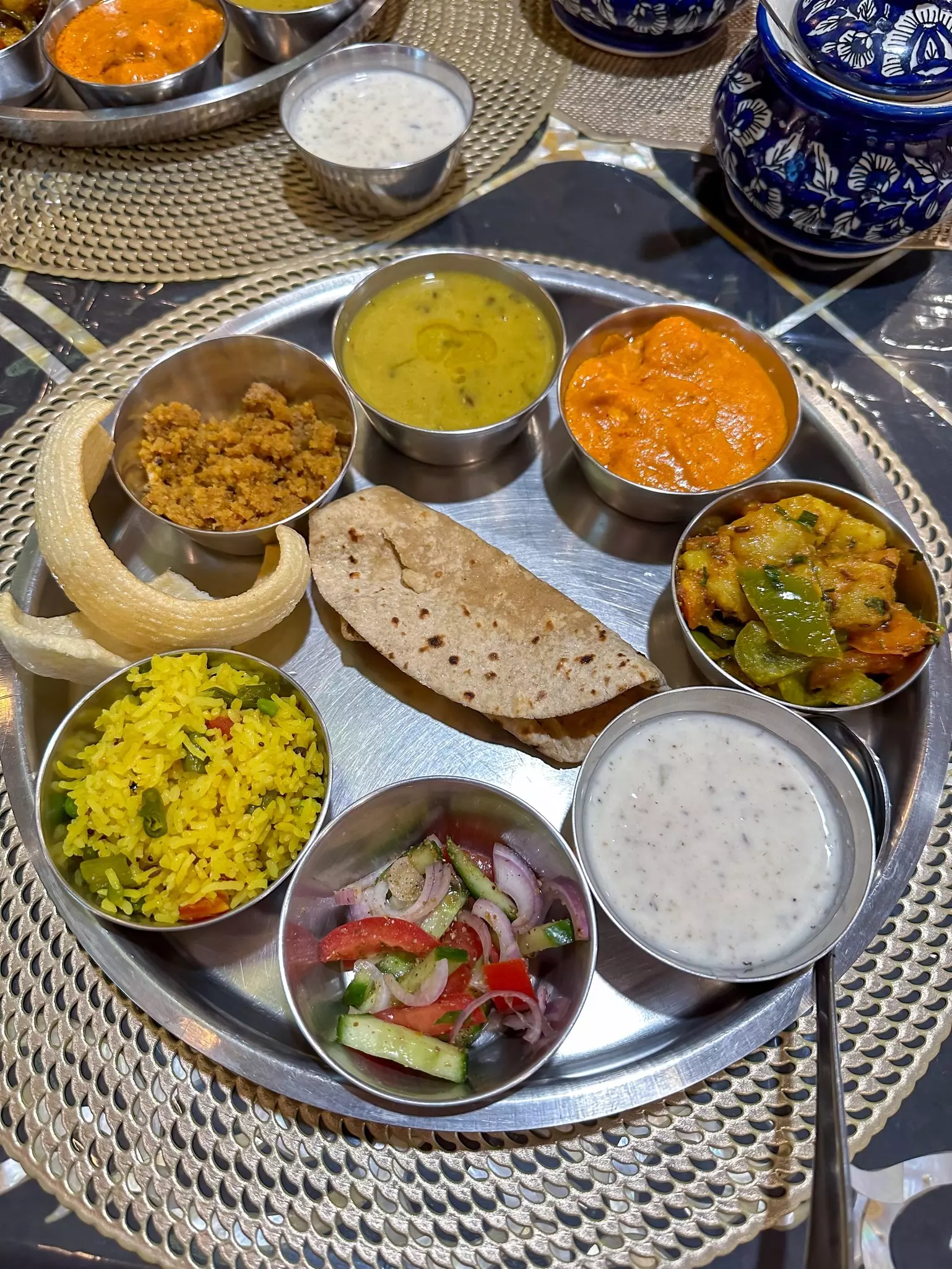
One of the best ways to experience Rajasthan’s culinary diversity is with a traditional thali. These platters often include dishes like ker sangri (a tangy mix of desert berries and beans), gatte ki sabzi (chickpea dumplings in yogurt gravy), dal-baati-churma (spiced lentils, crispy dough balls, and sweetened crushed wheat), and laal maas (a fiery goat curry).
Some of the best thalis in town can be found at Suvarna Mahal (Rambagh Palace), Samode Haveli and LMB (Laxmi Misthan Bhandar). After a meal at LMB, stop by their shop for Jaipur’s famous sweets: ghewar (a disc-shaped dessert soaked in sugar syrup) and fini (a flaky, fried treat made from rice flour).
No trip to Jaipur is complete without joining the crowds at Rawat Misthan Bhandar (multiple outlets) for their crunchy, spicy pyaaz kachori (deep-fried flatbread filled with spiced onion and potato). To drink, grab a thick lassi (sweetened yogurt drink) at Lassiwala on MI Road—look for the sign reading “Kishan Lal Govind Narain Agarwal” to find the original among many imitators.
Detour: It may be a bit touristy, but the mock village of Chokhi Dhani (20km/12.4 miles from Jaipur) offers an immersive introduction to Rajasthani culture, food and traditions. Watch reenactments of the historic Haldighati battle, enjoy traditional music and dance performances like Kalbeliya, Ghoomar and Chari, and sample Rajasthani cuisine at one of the many on-site dining venues.
Cocktail culture has taken hold in Jaipur, with some of India's best bars calling the city home. Start at The Johri, a gorgeously designed hotel in Johari Bazaar, where you can sip a negroni with clarified watermelon in a pink-hued setting, paired with bites from the chaat menu.
Next, head to Bar Palladio at Narain Niwas Palace Hotel for classic cocktails and Italian small plates served in striking electric-blue interiors. Rooftop lounge Paro, just off MI Rd, mixes cocktails with Indian flavors – grab an outdoor table for views of the iconic Panch Batti. End the night at Native Cocktail Room, a speakeasy-style bar known for its signature drinks and mix of Indian and global fare.
Local tip: Jaipur’s coffee scene is equally impressive, with cafes sourcing Indian specialty beans straight from the farm. Try Half Light Coffee Roasters, Roastery Coffee House or Curious Life Coffee Roasters, all located in Jaipur’s C Scheme neighborhood.
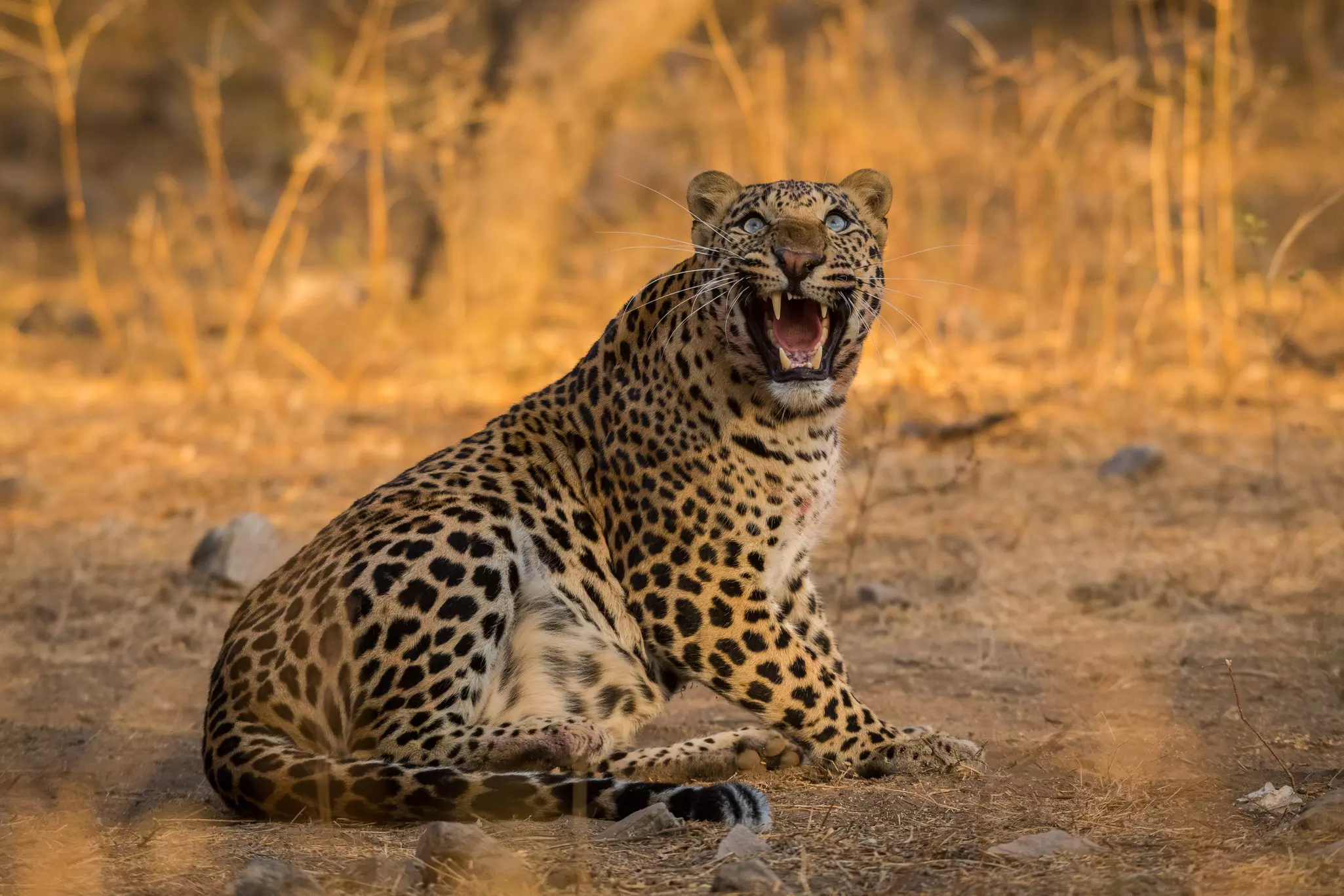
Barely 11km (6.8 miles) from the city center, Jhalana Leopard Park is India’s first leopard reserve and makes for a rewarding half-day escape. Spread across 23 sq km (8.8 sq miles), this former royal hunting ground still features a 19th-century lodge perched on a hillock within the forest. The park is open year-round, with safaris running in the mornings and early afternoons.
Detour: For more wildlife encounters, head to Ranthambore National Park (175km/109 miles from Jaipur) for a chance to see Bengal tigers in their natural habitat. Safaris operate in the mornings and early afternoons, though the park is closed from July to September during monsoon season.
Looking for a Bollywood flick? Head to Rajmandir, one of the few single-screen movie theaters still standing. Opened in 1976, the flamboyant pink art deco cinema is popular with locals and tourists and still runs sold-out screenings. Tickets are inexpensive and movies are usually without subtitles, but the appeal of cinema is universal.
Jewelry lovers shouldn't miss the Amrapali Museum, home to more than 4000 pieces ranging from 19th-century heirlooms to contemporary designs. About 800 are on display, but ask to view the visual storage cases for a peek at even more dazzling treasures.
Also worth a visit is the Museum of Meenakari Heritage, which showcases the intricate art of meenakari—the colorful, enamel-based jewelry-making technique that Jaipur is known for.
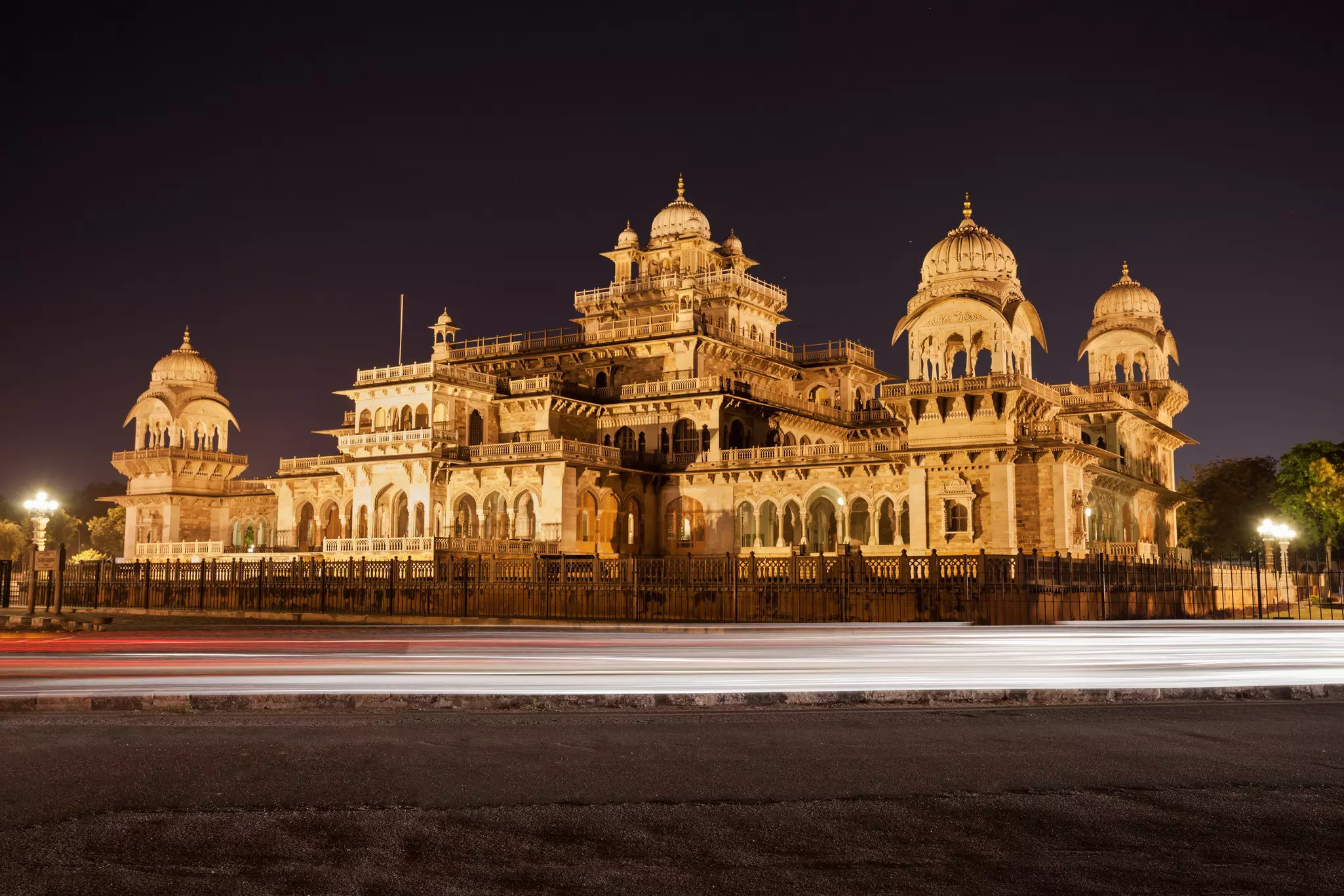
Detour: Among Jaipur’s many museums, the stately Albert Hall Museum stands out. Its star attraction is an Egyptian mummy in a sarcophagus, but the real draw is the setting: a grand Indo-Saracenic building housing everything from miniature paintings and sculpture to jewelry, pottery, and exquisite Persian carpets.
Explore related stories