
Advertisement
Hungary

Why visit Hungary
Stunning architecture, vital folk art, thermal spas and Europe's most exciting capital after dark are Hungary's major drawing cards.
Lonely planet’s trusted travel insurance provider
Dreaming of Hungary? Protect your trip
Travel with confidence. Protect your trip and your wallet.
We don’t represent World Nomads, we receive a fee from quotes using this link. This is not a recommendation to buy travel insurance.
Top places to visit in Hungary
Discover the best attractions in Hungary from must-see sights to unexpected hidden gems.
-
 Attraction in BudapestMemento Park
 -
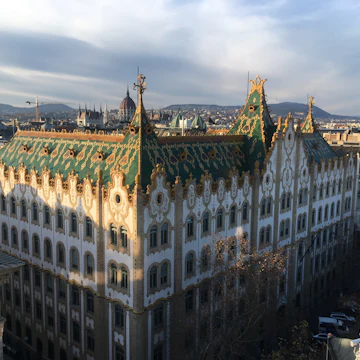 Attraction in BudapestRoyal Postal Savings Bank
 -
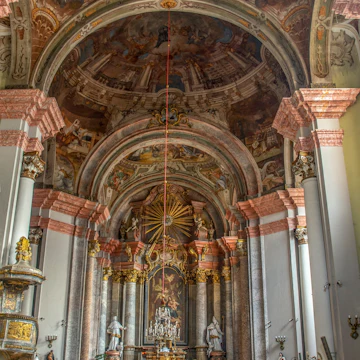 Attraction in EgerMinorite Church of St Anthony of Padua
 -
 Attraction in BudapestGyörgy Ráth Museum
 -
 Attraction in BudapestHungarian National Museum
 -
 Attraction in BudapestLiberty Monument
 -
 Attraction in BudapestHungarian State Opera House
 - Attraction in EgerEger Castle
Advertisement
Travel Guides
Hungary travel tips from Lonely Planet experts
Find practical guidance from our team of contributors around the world who bring their decades of first-hand travel experience to your next trip.
Best Places to Visit
Hungary has many attractions worth exploring.
Read full article
Advertisement
Get a book. Get inspired. Get exploring.

in partnership with getyourguide
Book popular activities in Hungary
Hungary and beyond
-
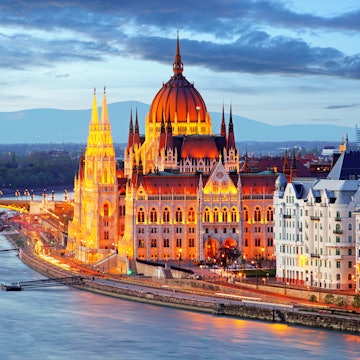 destinationBudapest
 -
 destinationCastle District
 -
 destinationÓbuda & Buda Hills
 -
 destinationLake Balaton & Southern Transdanubia
 -
 destinationPécs
 -
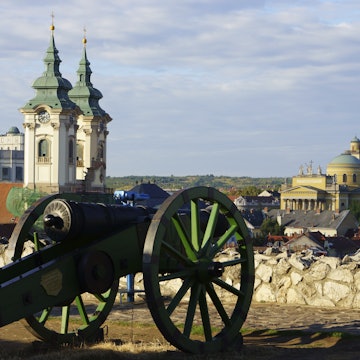 destinationEger
 -
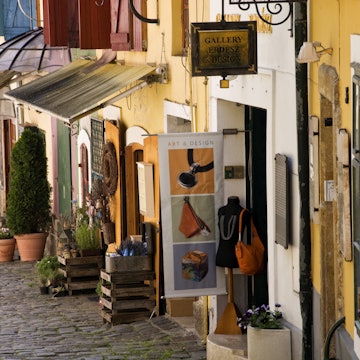 destinationSzentendre
 -
 destinationEsztergom
Advertisement