Dec 10, 202510 min read
The 10 Best Beaches in Guatemala Oct 15, 2025
9 MIN READ
Writer
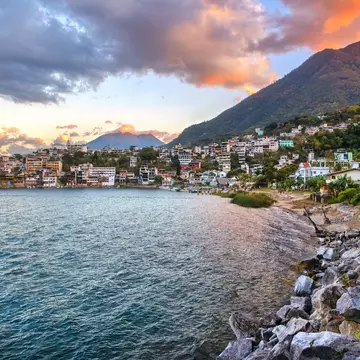
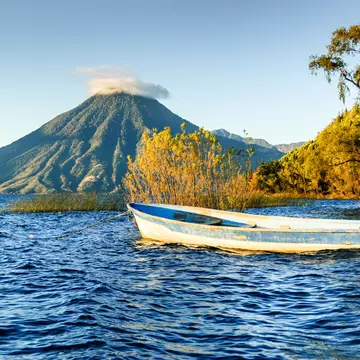
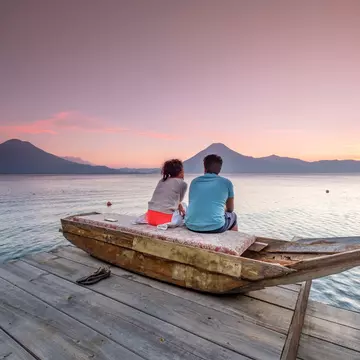
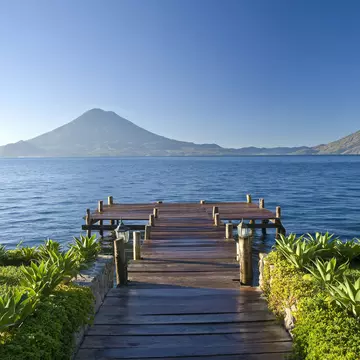
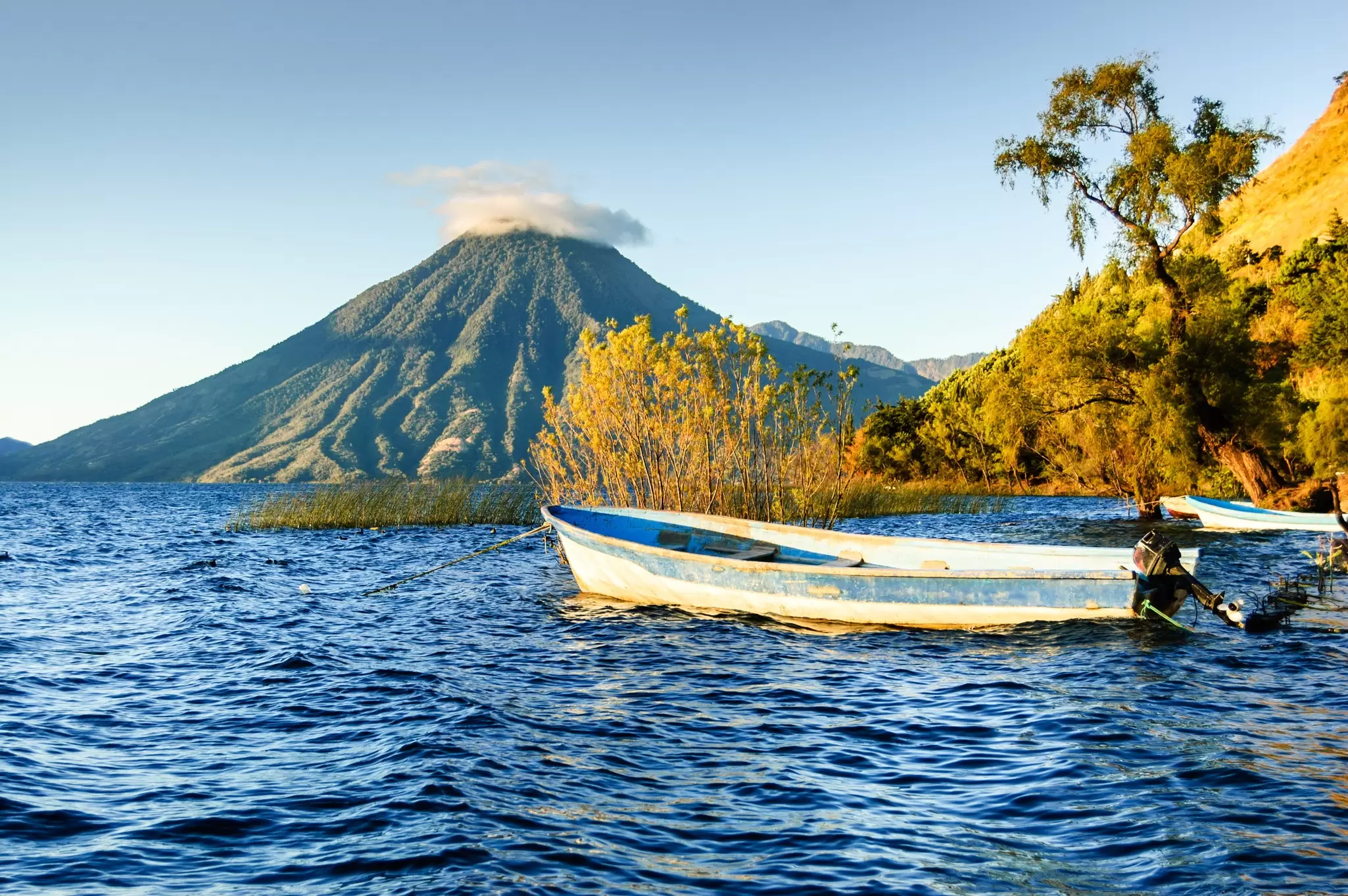
Volcán San Pedro and Lago de Atitlán. loca4motion/Getty Images
Writer
Highlights
Writer Ray Bartlett picks 13 Guatemala adventures, from jungle ruins to Pacific surf.
Catch the sunrise at Tikal, then hike Acatenango for views of Fuego erupting.
Birders should seek the Biotopo del Quetzal; swimmers won't forget Semuc Champey's azure pools.
Ease into Garifuna life in Livingston or sip cocktails on a Flores rooftop at sunset.
Lonely Planet may earn a commission from affiliate links on our site. All recommendations and reviews reflect our own independent opinions.
Guatemala deserves your attention. More than just great selfies, marvelous museums, fiery volcanoes and lazy beaches, Guatemala's top attractions encourage travelers to forge their own connections with the land and the people.
Walk through ancient history brought alive by guides who share the same lineage as those who lived in these temples. Find birds that are as revered today as they were centuries – even millennia – ago. Participate in ceremonies that have remained unchanged since Maya times.
When you embark on these top things to do in the Land of Eternal Spring, you’re as much a participant as an onlooker.
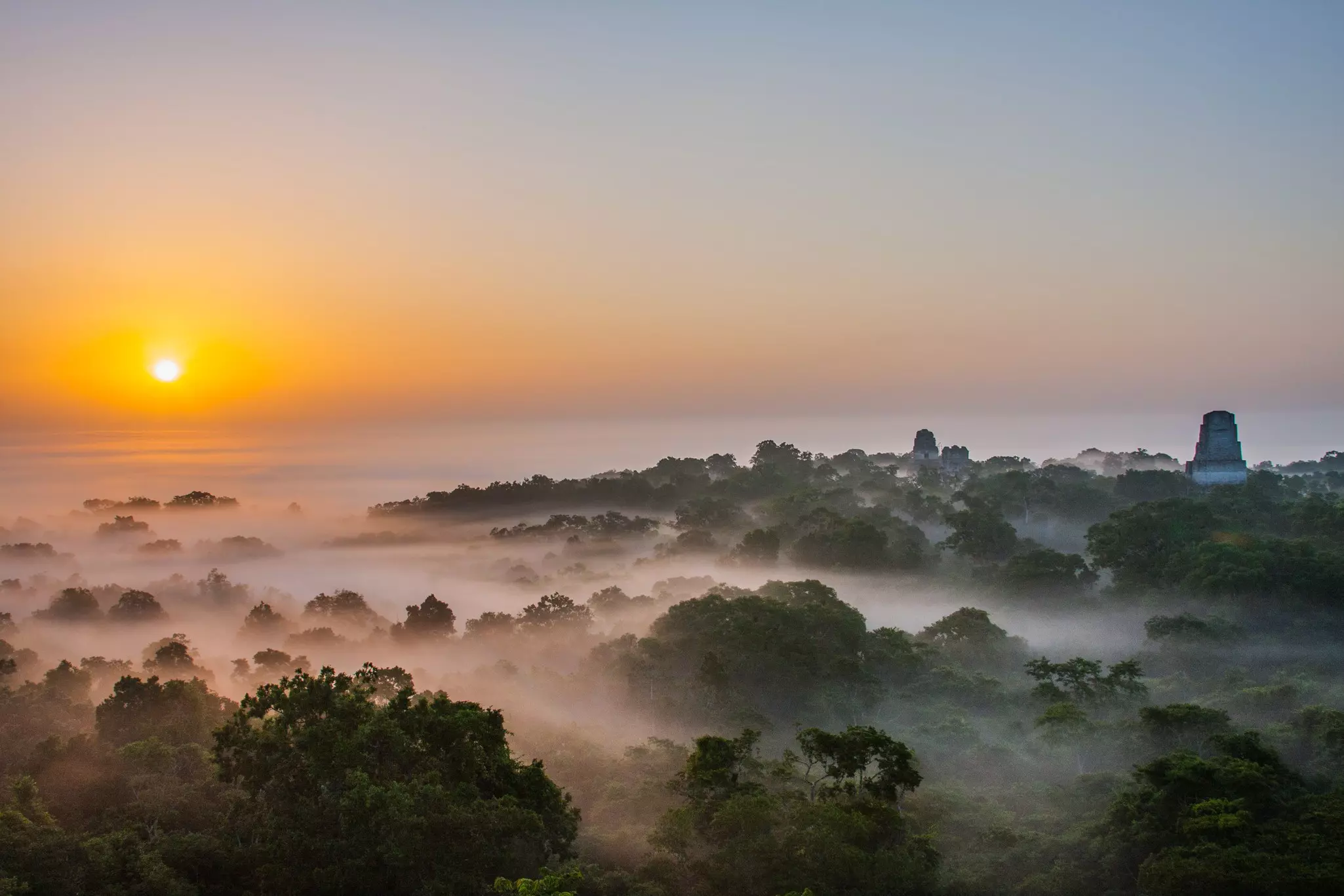
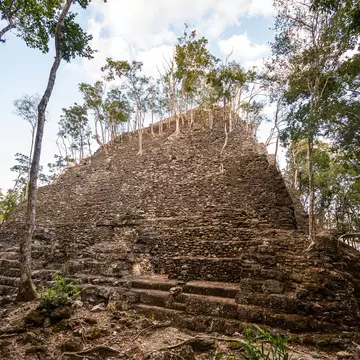
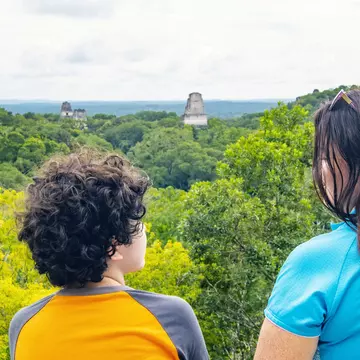
This incredible ruin is a must-see any time of day, any time of year, but there’s something otherworldly about walking through the darkness, feeling the presence of these massive structures as you approach with only flashlights, ascending the stairways and sitting quietly at the top, waiting – as the Maya did – for the sun to rise.
Whether it comes as a thin gray light behind clouds or as a brilliant deity is up to the weather gods: it’s always spectacular. And arriving that early lets you wander the rest of the site before it gets too hot and before the bus tours come.
Planning tip: Does Tikal look vaguely familiar? If you’re a Star Wars fan, you’ll recognize the view as the rebel base on Yavin 4 toward the end of A New Hope.
This premium hike isn’t for amateurs, but it will reward hard-core hikers with some of Guatemala’s most iconic volcanic views. Done either as a one-day or overnight trip, the hike begins with a steep climb that gets steeper.
Acatenango's summit, at 3976m, is the third highest in Central America. But as hard as this trek is, the views from the top are unparalleled: you’ll be just a hop, skip and jump away from Volcán de Fuego, which burps fire continuously throughout the day and night.
While the hike is doable in a day, unless you're a superhero, you’ll be hurting for weeks afterward. It’s best to opt for the overnight option on this one.
Planning tip: You may be offered a trek across the saddle to Fuego itself. I don’t recommend this, as it takes you well within the death zone should a larger eruption occur. The spectacle of the active volcano gets better at night but is best viewed from afar.
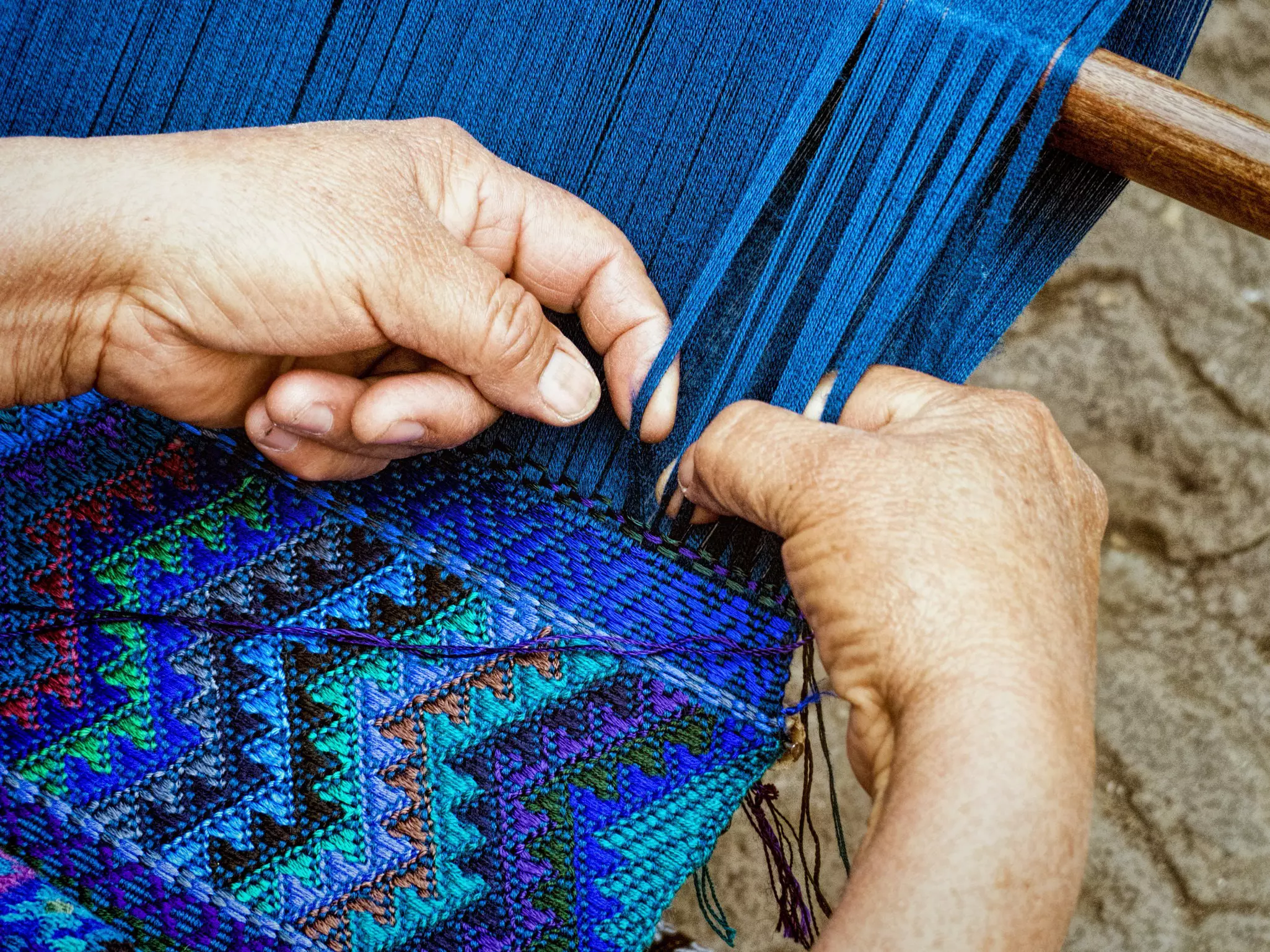
Guatemala’s famed textiles are beautifully intricate, with distinctive colorful designs that are part of a tradition spanning millennia.
Take a class at a women’s weaving collective like Atitlán Women Weavers in San Pedro de la Laguna, on a peninsula at the base of the volcano of the same name.
You’ll learn about the different forms of natural dyes (such as bark or even bugs), choose your thread colors, then sit down and make a scarf all your own.
Planning tip: If you don’t plan on investing hours in learning to weave, you can pick up great souvenirs and support a worthy cause by getting a few things in the weavers’ gift shops.
Festivals brighten up the Guatemalan calendar, and the annual Dance of the Venado is one you won’t want to miss.
Held on January 1, this festival fills the streets of Quetzaltenango, also called Xela, with elaborately costumed dancers (often dressed as monkeys or deer) whose faces are obscured by masks.
If you’re lucky, you’ll get serenaded by one of the dancers, who will shake and twirl in front of you, often accompanying the performance with maracas. Fireworks and floats with marching bands complete the procession.
Detour: Head from Xela to nearby Cerro Quemado to see an active mountain where offerings and incantations are impossible to ignore.
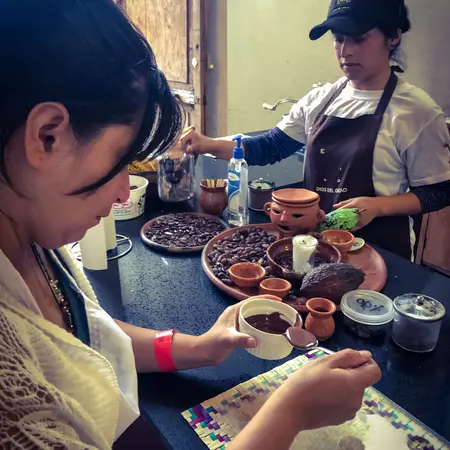
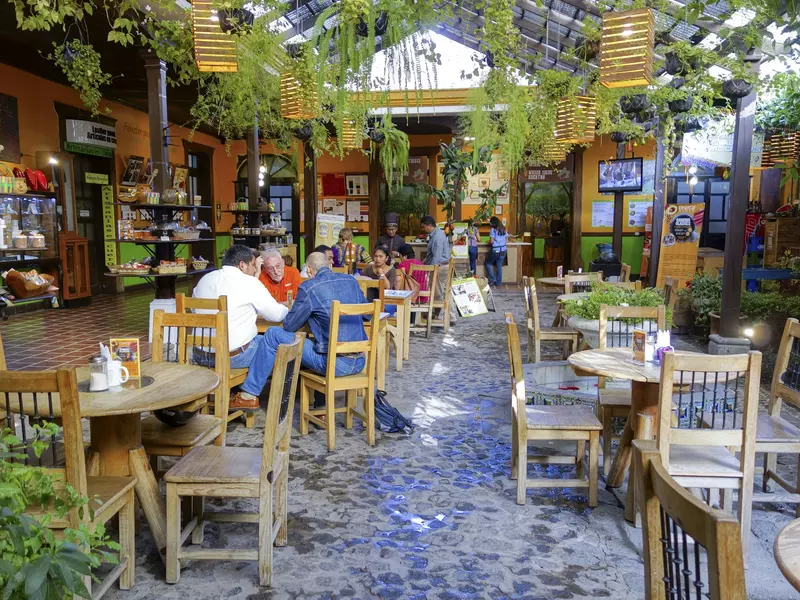
Chocolate is so much more than a guilty pleasure. Once associated with Maya royalty, it was called the food of the gods.
At the ChocoMuseo in Antigua you can unravel the mysteries of chocolate during a 2-hour workshop, tasting your way through as you learn everything there is to know about this treat; you'll even leave with a few of your very own bars.
Planning tip: Reserve your spot ahead of time; classes are held in both English and Spanish several times each day.
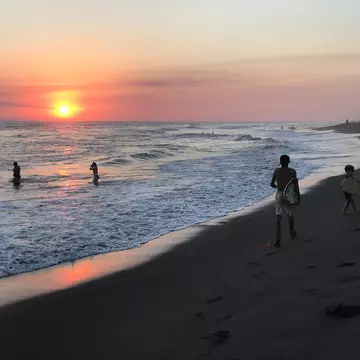
If you're in the mood for some Pacific swell, head west to El Paredón, a tiny town on the coast southwest of Guatemala City, tucked between the shoreline and sugarcane fields.
Some of Guatemala’s best breaks are here, and the shiny black sand (it gets hot!) makes for beautiful sunbathing.
Rent a board, grab some surf wax and paddle out into some great waves. Depending on the conditions, the waves might be suitable for beginners or should be tried by experts only, so check first at the local surf shops before you head in.
Regardless, expect a great beach day and bring sunscreen.
Detour: If you don’t mind being far away from the nearest soy chai latte, Champerico, due north, is where locals head for sun and surf.
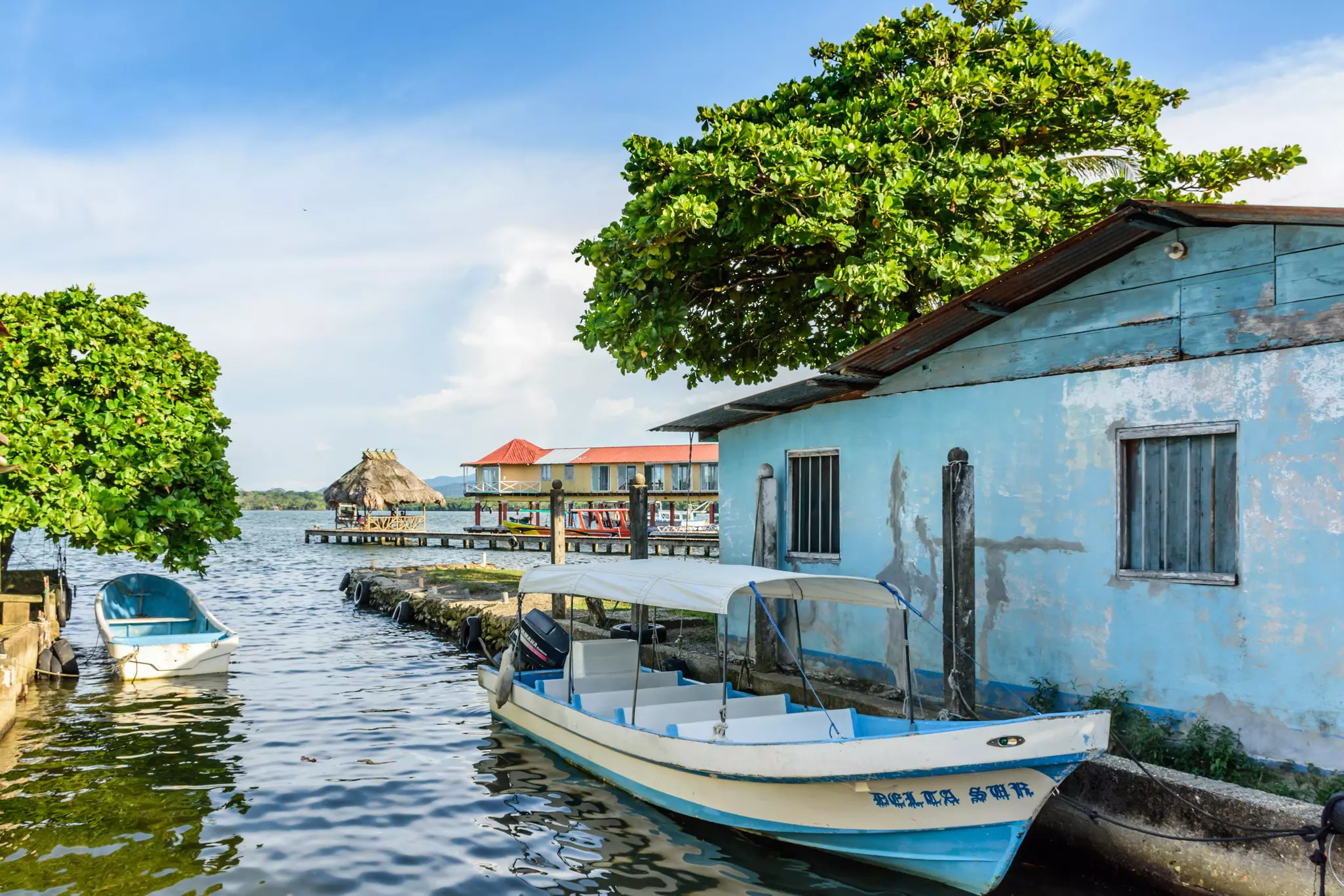
Visit the coastal town of Livingston to get a taste of Caribbean life. Here, the pace slows down and cares melt away. The indelible Garifuna culture is found in everything from the food to the dancing.
Originally living on St Vincent, the people were forced to immigrate to Roatán, Honduras, and ultimately spread to other countries like Guatemala and Belize; with many communities settling along the Caribbean Sea.
Experience the difference on a walking tour around Livingston, or attend an event with Dibasei, one of several Garifuna cultural centers. You can listen to music, learn Garifuna dancing, try on traditional Garifuna clothes and sample traditional foods.
Detour: Rio Dulce is the gateway to Livingston and well worthy of its own time, especially if you take a boat tour of El Golfete, the massive lagoon that lies between the two. Hot springs, lily pads and manatees await.
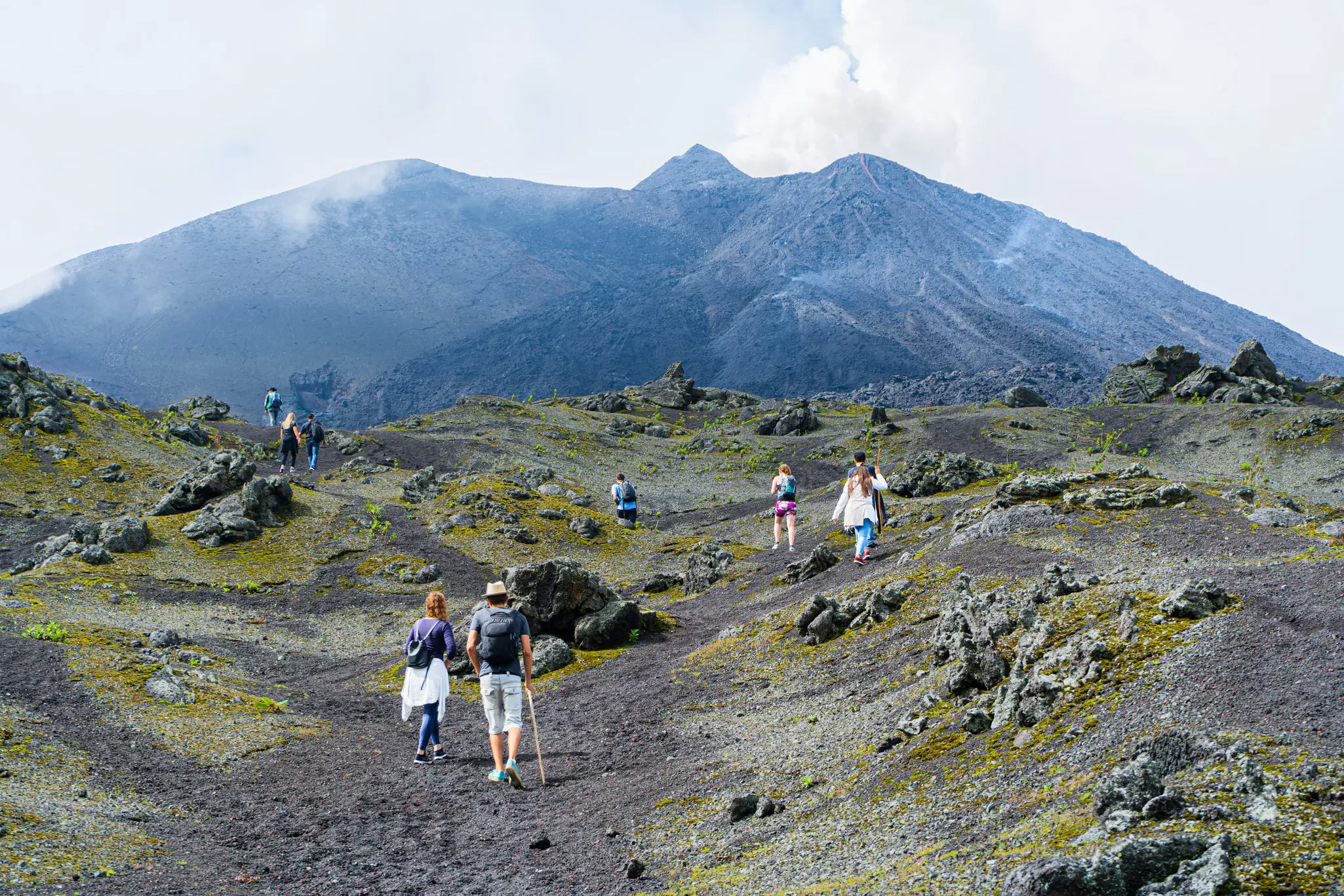
Fuego’s fire isn't the only way to get up close and personal with some hot lava.
Volcán Pacaya, about an hour from Antigua, began erupting again in early 2021, and while much of the lava flow has cooled, there are still pockets warm enough to roast marshmallows or make pizza. (Your guide will provide the marshmallows and roasting sticks; you’ll purchase the pizza on your own.) Some volcanoes have all the fun.
Not into hiking? Mules are available for riding if you so desire.
Planning tip: Don’t mess around on fresh lava – it is as sharp as glass. Don sturdy hiking boots and walk with extreme care. One fall will be like hitting a giant cheese grater.
Flores, the tiny island near the south shore of Lago Petén Itzá, may seem as peaceful and serene as it gets, but it was where the great Maya civilization fell. The Spanish captured the last Maya leader and rowed across the lake in a galleon (a large multi-deck ship).
Hop a skiff and visit the Tayasal ruin (another Maya city) on the northern shore, climb a lookout to see beautiful panoramic views, or laze around at Jorge’s Rope Swing, sunbathing and splashing and swinging into the water.
When dusk begins to fall, order a cocktail at a rooftop bar and watch the sunset. For those who like the nightlife, several clubs get loud and wild after dark, especially on Fridays and Saturdays.
Detour: If you fancy being more off the grid, check out El Remate, a tranquil village at the eastern edge of the lake on the way to Tikal.
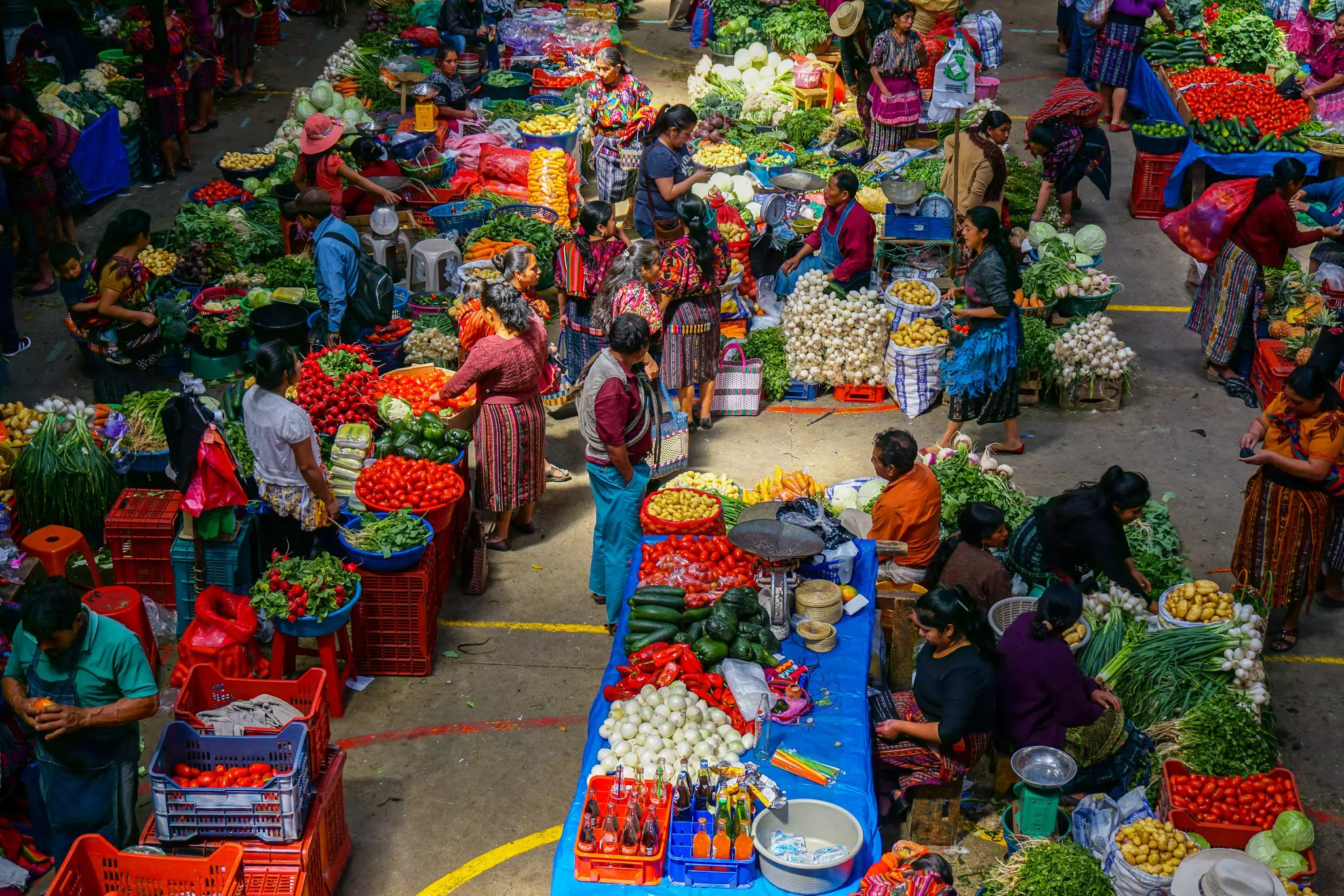
This feast of color, noise, commotion, scents, smells and people at the market in Chichicastenango will amaze you. Everything’s here: beans, coffee, vegetables, meats, poultry, hot meals, clothes, musical instruments and, of course, trinkets and souvenirs.
The market is open twice a week, on Thursdays and Sundays. If you are not keen on navigating yourself, you can join a market tour out of Antigua, Panajachel, Flores or Guatemala City.
Planning tip: A bit of bargaining is fine but always be friendly, respectful and polite. Many vendors make a meager living; if you feel you’re being overcharged, it’s entirely your option to look elsewhere.
Clubbing is a longtime pastime in Guatemala City, and Friday and Saturday are the nights to dance.
There’s always been dancing in Zona 1, but the past decade has seen other districts eclipse it as the top party spot. Zona 10 is now known as the Zona Viva, with dance floors, lounges and clubs that stay open way past many people’s bedtimes.
For quieter fun, seek out TrovaJazz in Zona 4. At this sit-down spot with tables and waiters, the city’s best musicians play to a full house of rapt listeners.
Detour: Antigua’s nightlife is more subdued but also vibrant, especially on Fridays and Saturdays.
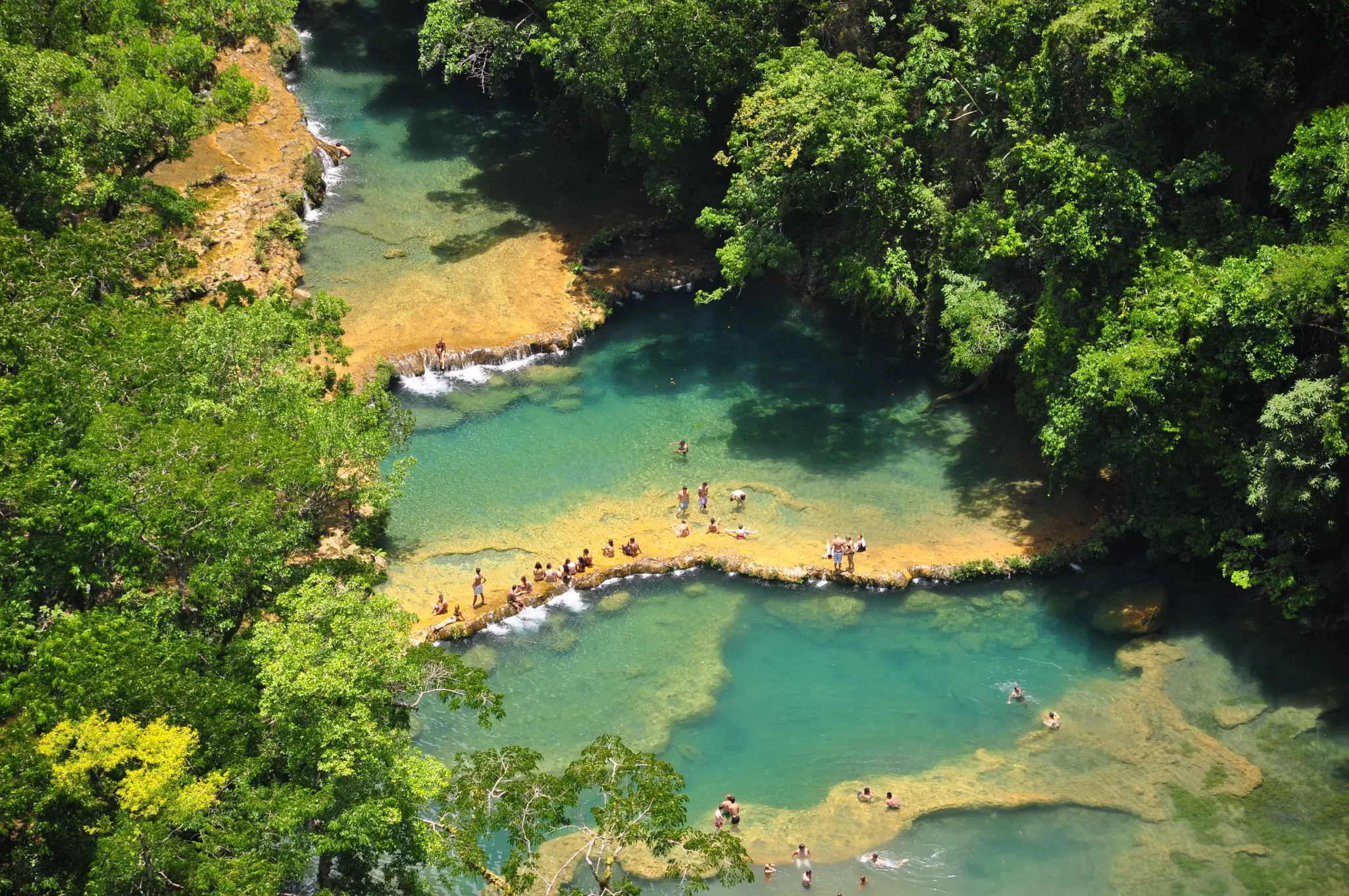
Nothing will prepare you for a visit to the magical Semuc Champey, a bizarre geological formation that allows tranquil azure pools to exist in limestone pockets that span a rushing river beneath them.
You can climb a steep path to a lookout, then strip down to a swimsuit and leap from a swing for a dip; or you can roll up your pants legs and wade around in the warm water.
Even reaching Semuc Champey is fun: a wild 4WD ride up and down roads that seem at times too steep to be passable.
Detour: It’s possible to go spelunking nearby. Be prepared to get really wet and really muddy but have a really good time.
Birders and non-birders alike can appreciate what it means to see a resplendent quetzal, one of the world’s most gaudy, spectacular and (dare I say) resplendent birds.
When in their breeding plumage (March to June), the male birds are a bright iridescent green with a red belly, and have long plumes on their tails that glitter and glint as they fly. Seeing one is a stunning sight.
Once common throughout Central America, the quetzal (Guatemala’s national bird) is now found in only a few places, and the aptly named Biotopo del Quetzal is one.
Stay at the humble Ranchitos de Quetzal for great birding tips and sunrise awakenings if one of the guides spots one. Quetzals are also seen in the volcano slopes south of Santiago Atitlán.
Planning tip: Quetzals are easiest to spot when they’re feeding off the fruits of the Aguacatillo tree. Depending on the location, this can be late in the year or early. Check with your guide and plan on returning if you don’t get lucky the first time.
Book your Guatemala trip with Lonely Planet Journeys
See Guatemala how it's meant to be seen
Accommodations, activities and ground transportation all taken care of, so you can focus on the fun part. Tell us what your dream trip to Guatemala looks like, and our local experts will build it from scratch. Or start with one of our itineraries and make it your own.

Explore related stories