Jun 17, 20264 min read
The Best Beaches in GeorgiaJul 22, 2025
10 MIN READ

Writer
Nothing but outdoor adventures and tasty cuisine await on a trip to Georgia. Marcus E Jones/Shutterstock

Writer
Lonely Planet may earn a commission from affiliate links on our site. All recommendations and reviews reflect our own independent opinions.
There’s something about Georgia’s green landscapes that beckon adventure seekers, its world-class dining scene that lures foodies and its quiet beaches that attract families.
Here’s our guide to the best things to do in the Peach State.
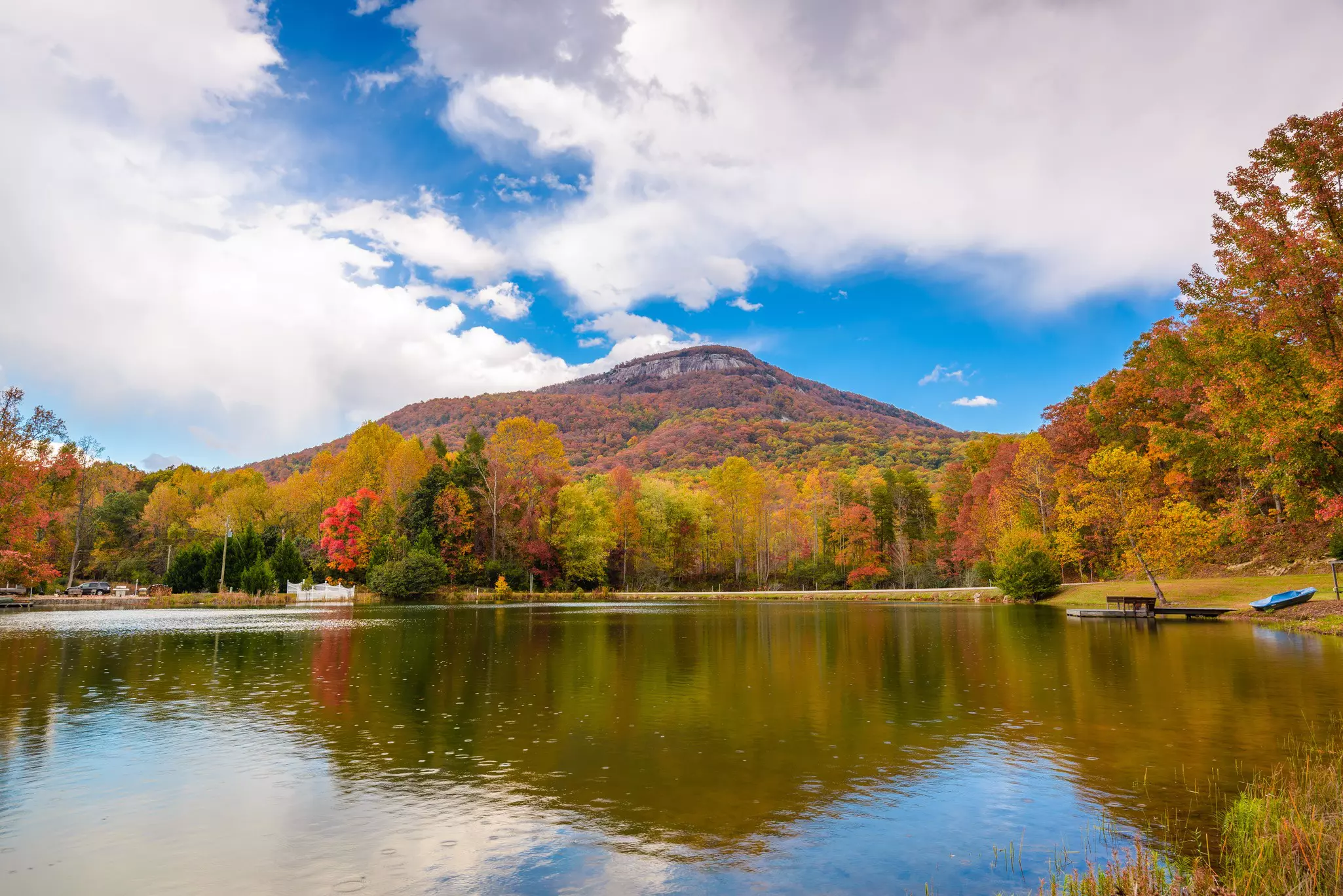
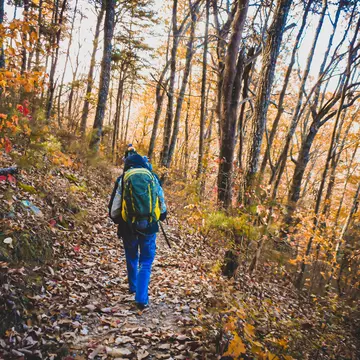
Splashes of color carpet Georgia’s mountains in the fall. Hikers can gaze at scenic views, cool off under the spray of a waterfall or encounter deer, rabbits and foxes.
Top choices for chasing waterfalls are the trails at Amicalola, Panther Creek, Tallulah Gorge, Anna Ruby and Hemlock and Cherokee Falls in Cloudland Canyon.
If sweeping vistas are what you’re seeking, hiking Yonah Mountain, Fort Mountain, Blood Mountain, Brasstown Bald and Springer Mountain will take your breath away – in more ways than one. Establish a base in Elijay, Dawsonville or Helen to take advantage of full-day hiking excursions in these state parks.
The Arkaquah Trail to the top of Brasstown Bald in the Chattahoochee National Forest can be a knee-breaker. The summit gives you a 360-degree view of Georgia, North Carolina, South Carolina and Tennessee.
Meanwhile, Springer Mountain is just the initial ascent to the Appalachian Trail, starting at Amicalola.
Georgia’s Muscadine grapes plump up along the tumbling hillsides of North Georgia, where Habersham Winery – just a half-mile from Helen – showcases its sweetest picks daily.
Fruity blends are a specialty, with hints of blackberry, peach, honeysuckle and citrus.
Spend a leisurely afternoon on the veranda, sipping a variety of blends alongside savory crackers and cheeses available for purchase in its farmhouse-style tasting room.
Football reigns supreme in the South. Join University of Georgia Bulldogs fans as they spend a Saturday in the fall parked outside Sanford Stadium, grilling, drinking and waiting for the game to start.
Get into the action by setting up camp at UGA’s Herty Field, Legion Field or on the South Campus’s Myers Quad. Or, park at the Tate Center lot where school pride is swarming, and you can cheer the team on as they enter the stadium two hours and 15 minutes before the game, a ritual known by UGA buffs as the “Dawg Walk.”
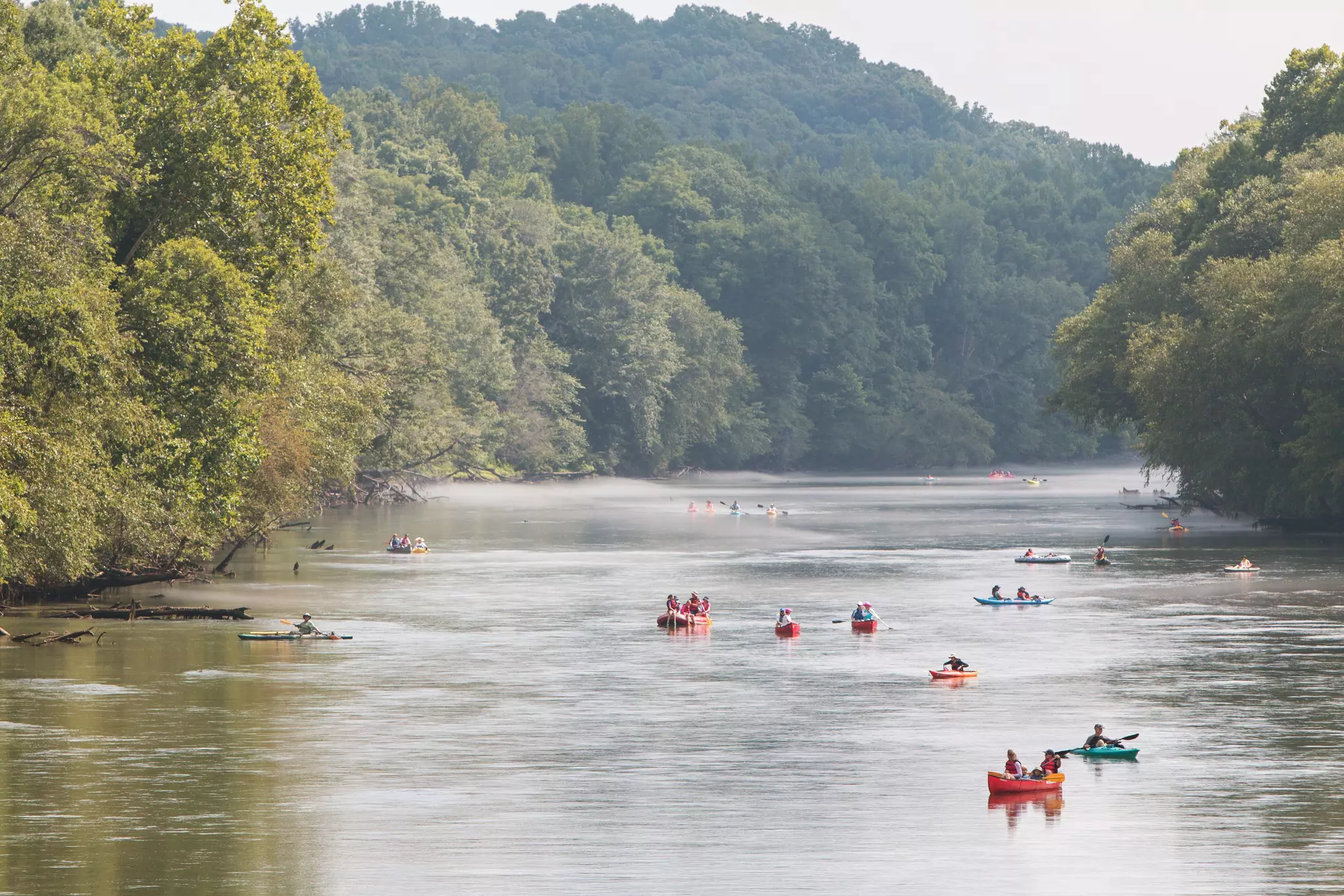
Snaking through the northeast alpine town of Helen is Georgia’s longest fresh waterway, the Chattahoochee River. Spend a day relaxing on the river which is popular for tubing – referred to by locals as “shooting the hooch” – in the warmer months.
Flowing from its nearby source in the Blue Ridge Mountains, the water here remains cool, offering a refreshing reprieve from the stifling peak of Georgia’s summer.
Tube, kayak and paddleboard rentals are available at Cool River Tubing outposts along the river from Memorial Day weekend to Labor Day weekend. Tubers can drift downstream for a couple of hours through the mountain scenery and spot fish and snakes in the water.
After tubing, enjoy a pretzel and a frothy beverage on the patio of the Bavarian-themed Hofbrauhaus Restaurant and Pub overlooking the river.
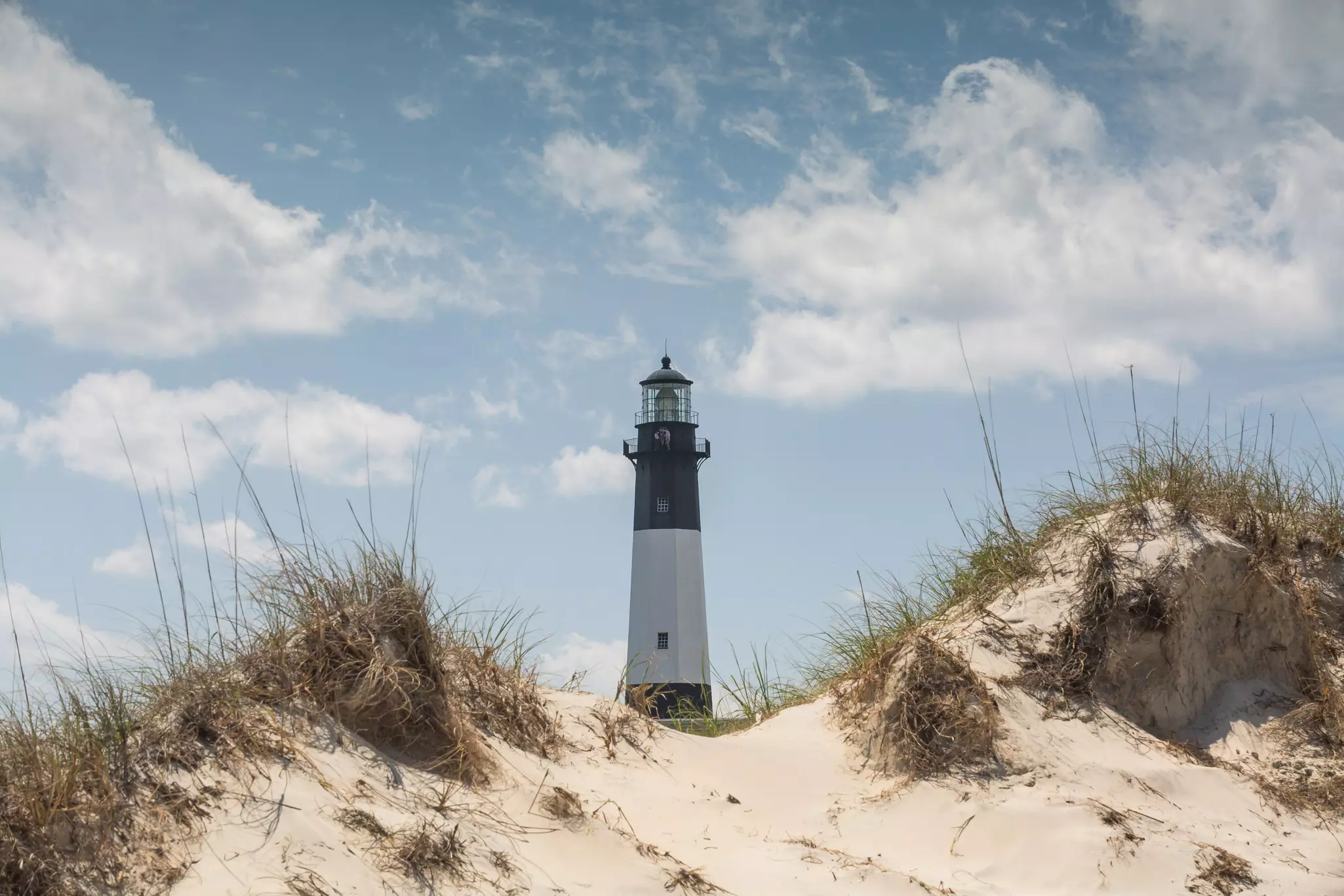
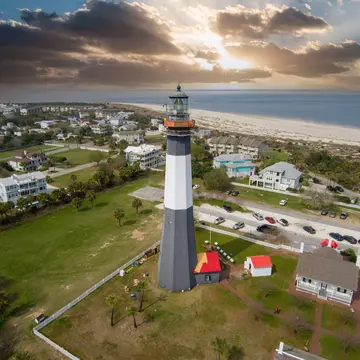
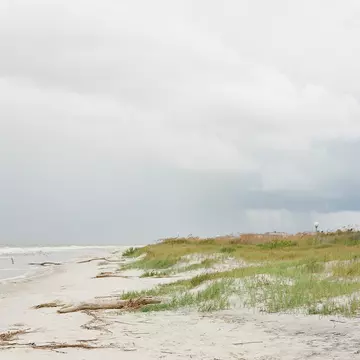
Georgia doesn’t have many recreational beaches, but the few it has draw crowds. Tybee Island in Savannah is no exception.
For families with children or young adults seeking a lively beach excursion, Tybee offers a more energetic vibe compared to the quieter shores of the Golden Isles.
Also, you can take a self-guided tour of Tybee's iconic lighthouse and see panoramic views of the island from its observation deck. Tickets include admission to the nearby cottage and museum.
Thanks to generous tax incentives offered by the state for film production, Georgia is now a hub for cinema and television production. Switch on any major action film or popular streaming series from recent years (think: Walking Dead, Marvel’s Avengers, Hunger Games or Stranger Things), and there’s a high chance that at least a scene or two – if not the entire thing – was filmed in Georgia.
For locals, it’s not uncommon to brush up against celebrities in some of the state’s ritzier locales, but visitors can step into their shoes by touring the major filming sites of productions such as Captain America: Civil War, Spiderman: Homecoming and WandaVision. Or respond to a casting call to serve as an extra on set.
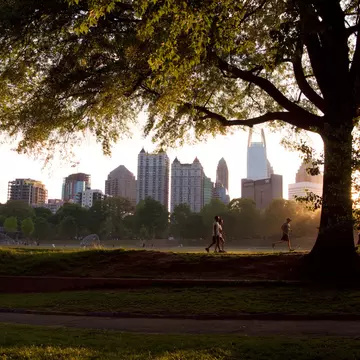
Soccer fields, buzzing bike paths, expansive dog parks and quiet duck ponds make up the 200-plus acres of Piedmont Park in Atlanta. The Greenswards lawn near Legacy Fountain, the Meadow and Oak Hill offer ideal spots to unfold a blanket and picnic on a clear day.
Try the Clara Meer Gazebo to share a packed lunch by the duck pond, rain or shine. From this tranquil location, you can also gaze at the reflection of the city’s skyline.
Stroll over to the dog park or to the Charles Allen Drive entrance of the park to grab a light, frozen sweet treat at the King of Pops cart.

One of the most unique features of the state’s capital is a looping multiuse pathway that connects numerous recreational areas of the city. The Beltline is an urban redevelopment project that’s used by locals for leisurely weekend strolls or to simply avoid traffic gridlocks; for visitors, it provides an immersive view into Atlanta’s quirky neighborhoods.
Visitors can shop, sip and dine at the mom-and-pop businesses that line the path, and even appreciate the works of local artists, from graffiti murals painted under overpasses or stainless steel statement sculptures.
The spurs of the Beltline follow along a former railroad corridor, but rather than tracking along one edge of the city, the beltline is planned to mark a 22-mile perimeter around the heart of Atlanta.
Shared bike and scooter stations are peppered along the path for visitors to rent mobility devices for roughly 25-40 cents per minute.
Some of the city’s bustling shopping areas (Ponce City Market, Krog Street Market, Edgewood Retail District), cafes (Inman Perk, Just Add Honey Tea Company), breweries (New Realm, Monday Night Brewing) and restaurants (Ladybird Grove, Kevin Rathbun’s Steakhouse, TWO Urban Licks) sit along the path, giving visitors a front-row seat to the best the city has to offer.
The Moorish backdrop of Atlanta’s Fox Theater is an ideal setting for a romantic date night or special event celebration. Lavish tapestries and intricately gilded balconies are reminiscent of Islamic design. And the soaring ceiling makes you feel like you're seated under a starry night sky.
A range of performing artists – from comedians to singers, bands and classical dancers – are booked here. Grab a beverage at the nearby Publik Draft House, where the menu sometimes features special drinks inspired by the acts at the theater.
Experience nightlife like Atlanta’s most influential socialites by spending an evening at one of the most upscale restaurants in town. The Garden Room offers a luxurious drinking and dining experience. Draped in chandeliers, mirrors, flowers and foliage from floor to ceiling, this opulent venue is a popular spot to get the night started with a stiff cocktail.
Immerse yourself in the fizzy “Send Noods” cocktail, a vodka-based drink with lemon, butterfly pea flower and an effervescent rainbow glitter bomb.
Or try the ancho-infused “Hot Mess” for an added kick. The food here is served in smaller portions, so try the sumptuous lobster rolls or velvety foam-topped black truffle pillows to pair with the potent drinks.
Snap a selfie in front of the ivy-covered wall outside and make your friends back home jealous.

The milk-white sands of the islets in this manmade reservoir less than an hour north of Atlanta make for a serene escape from the city, particularly in the summer months.
Visitors can rent a pontoon, paddleboard or jet ski to enjoy the open water, or relax carefree along the shore. Overnight accommodations are available at Lanier Islands Legacy Lodge or Legacy Villas.
For a more ebullient experience, try the Margaritaville resort and waterpark at Lanier Islands. It’s a lively establishment where one can sip a frosty beverage, groove to upbeat jams or even take to the skies with flyboarding.
A town once stood where Lake Lanier now resides. Though large items like churches, trees and graves were removed, other things like an old race track, the foundations of homes and other stone structures remain submerged, according to the US Army Corps of Engineers.
During the mid-20th century, the movers and shakers of the Civil Rights effort galvanized protestors at churches and community halls around the state, paving the way for Georgia to gain recognition as the seat of Civil Rights activity.
The rich history of events and lesser-known personalities spring to life at the National Center for Civil and Human Rights Museum in downtown Atlanta. Visitors can also pay respects to Dr. Martin Luther King Jr. at his birthplace in Old Fourth Ward or his gravesite near Ebenezer Baptist Church, where his remains are entombed in a marble crypt.
Less than a 10-minute drive east of Savannah’s Historic District you’ll find one of the most peaceful, quiet, green escapes tucked away next to the Wilmington River. A massive graveyard might not seem like the kind of place you want to spend your day, but one visit to Bonaventure Cemetery is bound to change your mind.
No visit to Savannah is complete without a stroll through this serene and beautiful outdoor setting. Take a picnic (plus some sunscreen and insect repellant in the summer months) and find a shady spot to enjoy among the larger-than-life oak trees decked out in Spanish moss. The soundtrack here is straight out of a meditation playlist, but even better because the birds chirping and the bugs buzzing are the real deal.
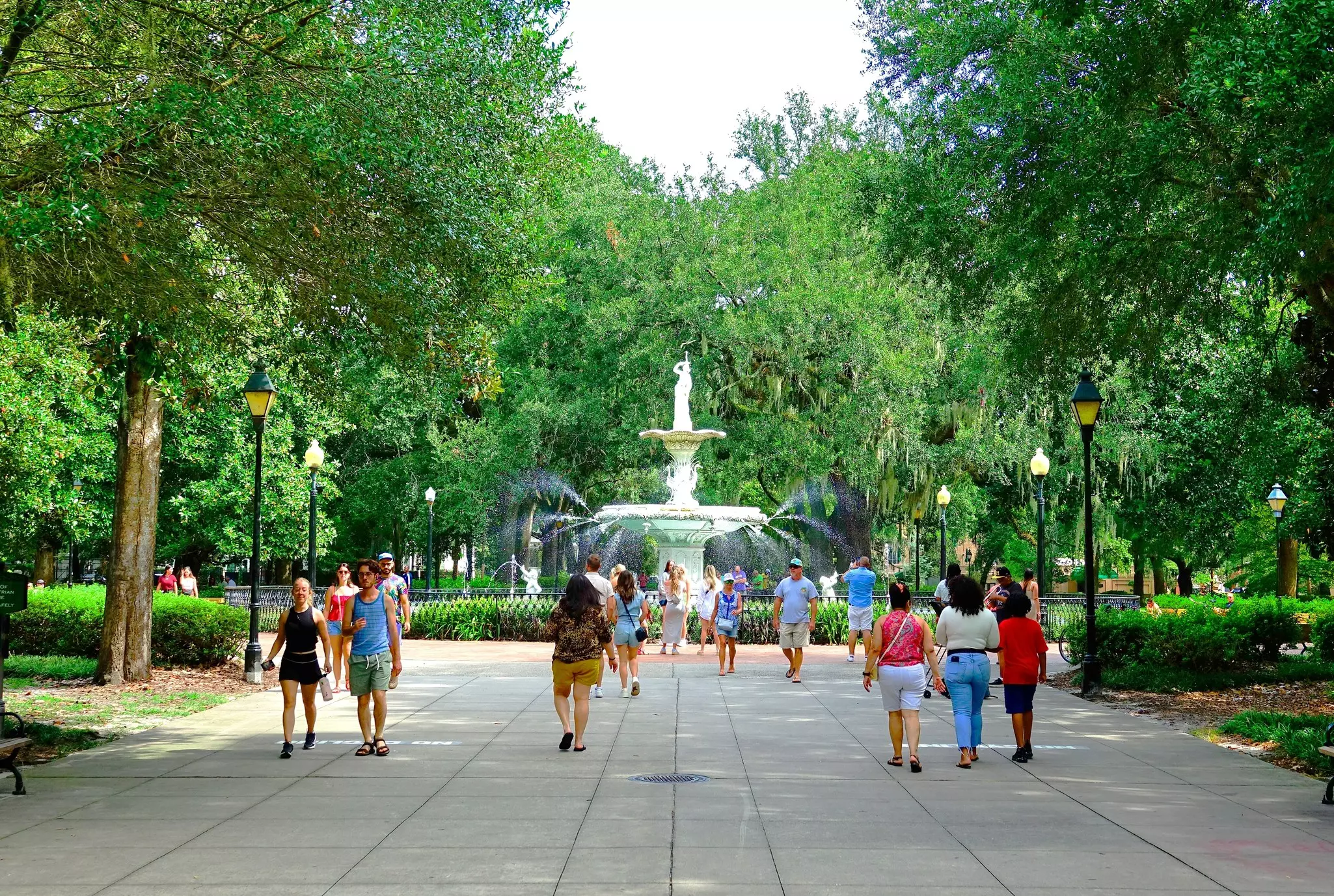
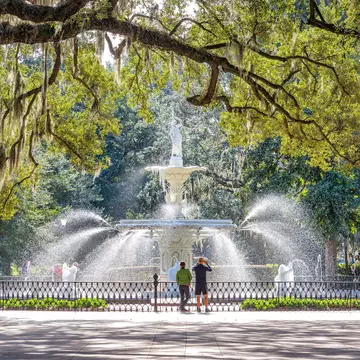
The 33-acre Forsyth Park, Savannah’s largest, was named after Georgia’s 33rd governor John Forsyth and is home to the most famous fountain in the city. Inspired by the Parisian Place de la Concorde, the Forsyth Fountain was installed in 1858 and today, it’s the focal point of every picture-perfect image from weddings to the classic Instagram selfie.
Plan your visit for one of the live music events or the weekly Farmers Market. Or check out the basketball and tennis courts to the south of the park. It’s the perfect place to spend a warm, sunny (or even a gloomy, overcast) day in Savannah. The park is free to visit, too.
Atlanta's modern High Museum was the first to exhibit art from Paris' Louvre and is a destination as much for its architecture as its world-class exhibits.
The multilevel building houses a permanent collection of eye-catching late-19th-century furniture, early American modern canvases from the likes of George Morris and Albert Gallatin, and postwar work from Mark Rothko. You can easily lose yourself (and a day) in this excellent art museum.
The permanent collection at the High holds more than 18,000 different pieces. They fall into seven different categories: photography; decorative arts and design; African art; European art; American art; modern and contemporary art; and folk and self-taught art.
Explore related stories