London
Instantly recognizable icons like Big Ben and St. Paul's Cathedral welcome you to history-laden London, the UK's multicultural capital that's a tireless innovator of art and culture.
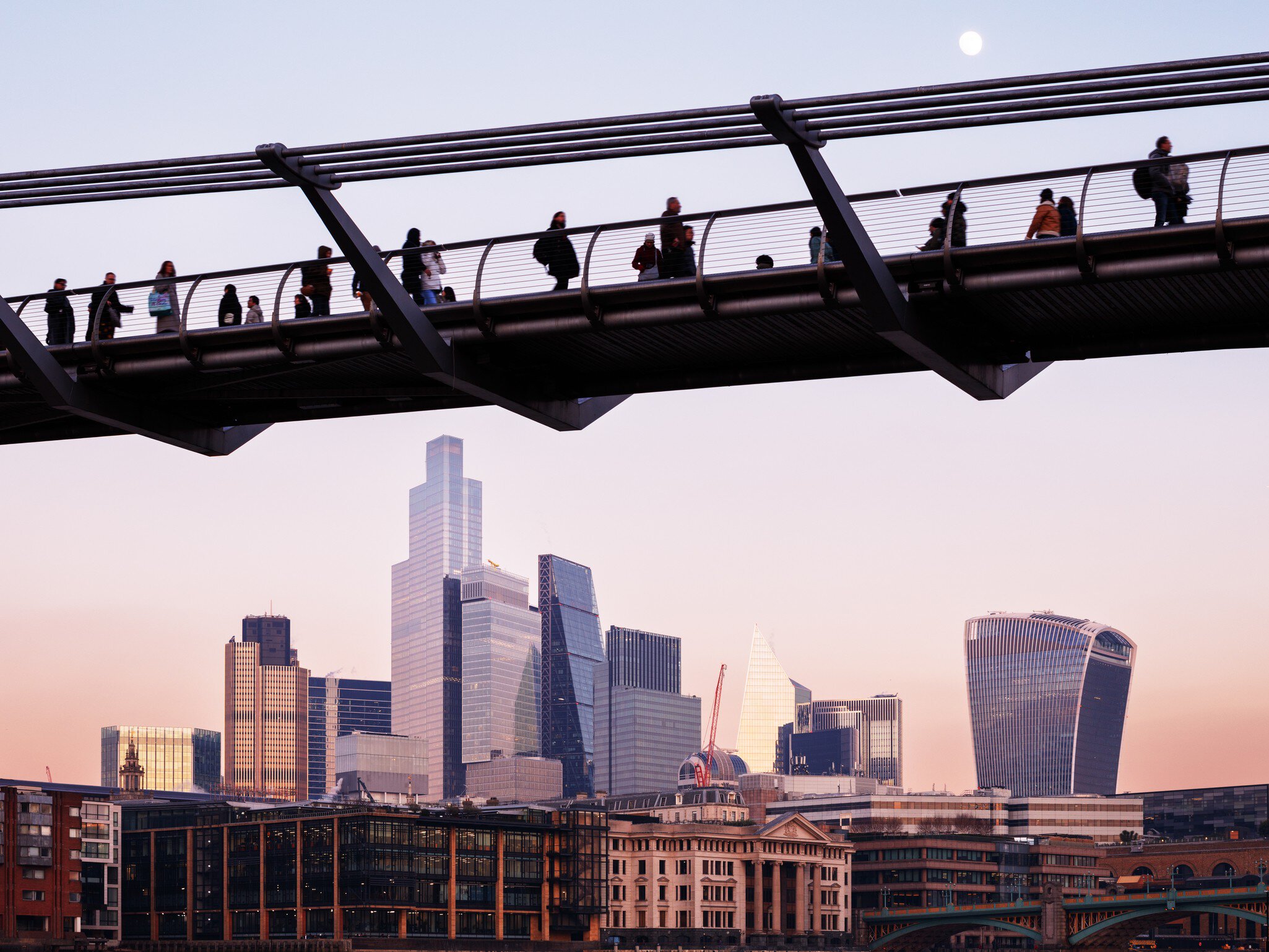
shomos uddin/Getty Images
Latest Stories
- Claire Naylor | Oct 8, 202612 Best Christmas Markets in London
- Tharik Hussain | Oct 2, 2026The Top 16 Things to Do in London
- Lonely Planet Editors | Sep 23, 202620 Spectacular London Views (and How to Find Them)
- Tasmin Waby | Aug 26, 2026Taking the Train from London to Paris (What You Need to Know)
Book
Trip 
12 days / 11 nights
12 Days Southwest England: Bansky's Bristol, Cornwall, and Coastal Britain
App


Trusted Partner
Dreaming of London? Protect your trip
Travel with confidence. Protect your trip and your wallet.
We don’t represent World Nomads, we receive a fee from quotes using this link. This is not a recommendation to buy travel insurance.
Book your England trip with Lonely Planet Journeys
See England how it's meant to be seen
Planned by local experts and tailored to you, Lonely Planet Journeys handles the logistics so you can just enjoy the trip. Tell us what you want and we'll build your England itinerary from scratch, or browse our bookable trips to get inspired.


Top places to visit in London
Discover the best attractions in London from must-see sights to unexpected hidden gems.
- Attraction in North LondonCamden Market
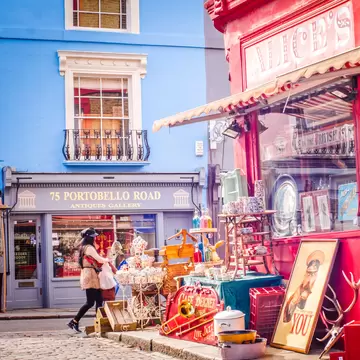
- Attraction in Notting Hill & West LondonPortobello Road Market
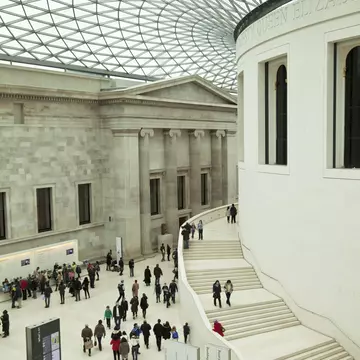
- Attraction in The West EndBritish Museum
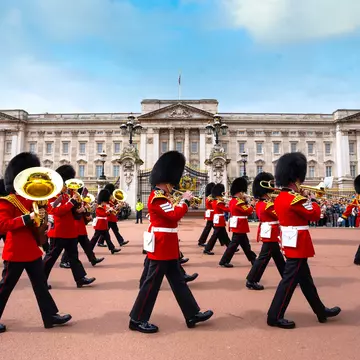
- Attraction in The West EndBuckingham Palace
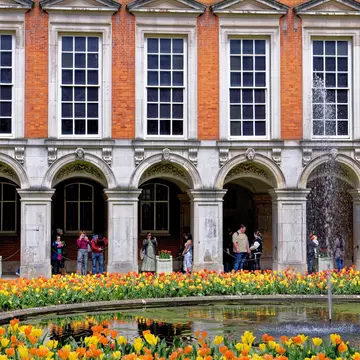
- Attraction in Richmond, Kew & Hampton CourtHampton Court Palace
- Attraction in Richmond, Kew & Hampton CourtLondon Wetland Centre
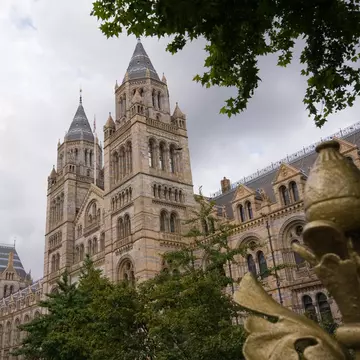
- Attraction in Kensington & Hyde ParkNatural History Museum
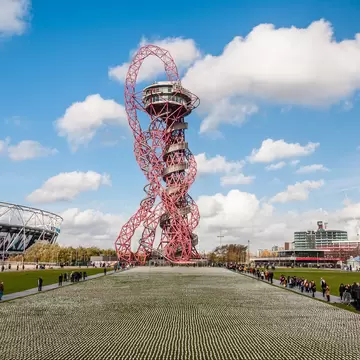
- Attraction in LondonQueen Elizabeth Olympic Park

Travel Guides
London travel tips from Lonely Planet experts
Find practical guidance from our team of contributors around the world who bring their decades of first-hand travel experience to your next trip.
Best Things to Do
With an artsy street market, colorful pastel-hued streets and a giant celebration of Caribbean culture in summer, a visit to Notting Hill is a must.
Read full article
Best Time to Visit
The long days of summer make it a peak season for London visitors but there is plenty to do all the year. Here's how to choose when you should visit.
Read full article
Things to Know
Get ready for a visit to London with essential tips on what to bring, taking the Tube, planning your itinerary and local manners.
Read full article
Transportation
London has a huge public transportation system, but is not the most intuitive city to navigate. Here's what you need to know about getting around London.
Read full article
Free Things to Do
London is an expensive place to visit, but there are lots of great things to do that are completely free.
Read full article
Best Neighborhoods
You might think you already know London. Here are 16 things you may not have already known about Britain's capital city.
Read full article
Day Trips
Beaches, cathedrals, pony-filled forests, Harry Potter–esque buildings and more: you can see a whole lot of England on these top day trips from London.
Read full article
Money and Costs
Plan a London trip on a budget with these public transit hacks, tips on affordable hotels, low-cost food recs and key money-saving advice.
Read full article
Traveling with Kids
London is a huge city that can be tiring for tiny travelers. Here's how to make the most of a family visit without running out of steam.
Read full article
5 Shops
The shopping options in London can be overwhelming. So we’ve narrowed our list to five of the city’s best independent shops.
Read full article
Spending Diaries
I traveled to London to see Paul Mescal on stage. It was the perfect excuse for a long weekend getaway.
Read full article
LGBTIQ+ Travel
Whether you’re after club nights, holistic spaces, or the latest literature from queer authors, London is an iconic destination for LGBTIQ+ travelers.
Read full article
Get a book. Get inspired. Get exploring.


in partnership with getyourguide
Book popular activities in London
Lonely Planet may earn a commission from affiliate links on our site. All recommendations and reviews reflect our own independent opinions.
London and beyond
- destinationThe West End
- destinationNorth London
- destinationClerkenwell, Shoreditch & Spitalfields
- destinationKensington & Hyde Park
- destinationRichmond, Kew & Hampton Court
-
 destinationNotting Hill & West London