May 1, 202611 min read
A guide to Shoreditch, London's coolest neighborhood Feb 19, 2026
16 MIN READ

Writer
Writer
Fast-paced, fabulous and fun, London is packed with world-class things to see and experience. You probably already have a checklist of London sights to visit, but don't forget to pause and soak up the vibe of a city that has been at the forefront of world culture for at least two millennia.
Whether you're a first-time visitor or coming back for more, London serves up so many options that it can be hard to know where to start. It's easy to fill days or even weeks taking advantage of free entry at the city's top art galleries and museums, learning about the rich and complex history, and seeing live bands and captivating West End shows.
If you have the time – and budget – almost anything is possible in London. To help you whittle down the options, here are the top things to do in London.
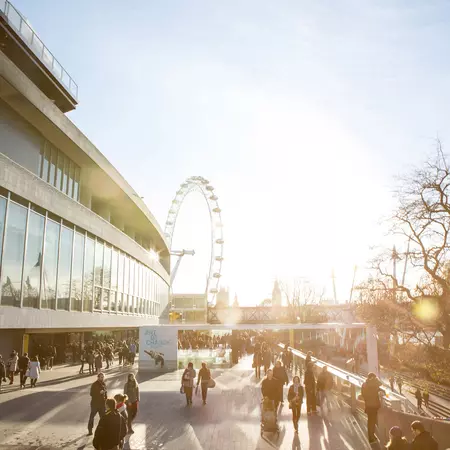

A great way to get your bearings and take in a slew of sights at the same time is to take a west-to-east walk along the Thames, through the cultural quarter known as the South Bank. Getting off the Tube at Westminster will deposit you right by Big Ben, the legendary bell atop the clocktower of the Houses of Parliament. From there, cross Westminster Bridge for stellar views back toward the seat of British democracy.
Once on the Queen's Walk, as this pathway is known, stroll east with the river to your left. Although it’s inescapably touristy, a rotation on the London Eye is a must for any first-time visitor to the capital. This futuristic Ferris wheel takes 30 minutes to complete a full turn, reaching 135m (443ft) at its highest point, and providing spectacular views of iconic landmarks from its glass capsules. Book tickets in advance to avoid the lines.
The Southbank Centre offers up a roll call of top-draw icons and entertainment; it's a great place to go if you're traveling with kids, with lots of free activities and events in summer.
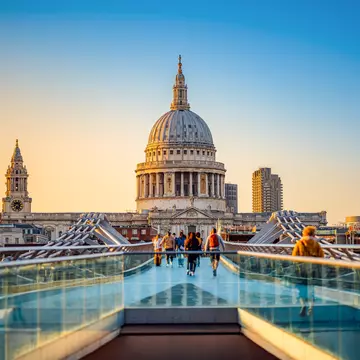
Once you leave the Brutalist concrete architecture of the Southbank Centre behind, you'll find other eclectic London sights, including Shakespeare’s Globe Theatre, the Tate Modern art gallery (with views across the river to St Paul’s Cathedral), and the Shard, Britain's tallest building. As you walk, look across the river towards the City of London, and try to pick out its curiously nicknamed skyscrapers – such as the Gherkin, the Cheesegrater and the Walkie-Talkie. When hunger calls, take a snack break at legendary Borough Market close to London Bridge, where there are pubs, restaurants, dairies, bakers and more than 100 gourmet food stalls.
Local tip: Ice-cream sellers on Westminster Bridge are known for overcharging tourists and upsetting cyclists, perhaps resist the urge to buy anything here.
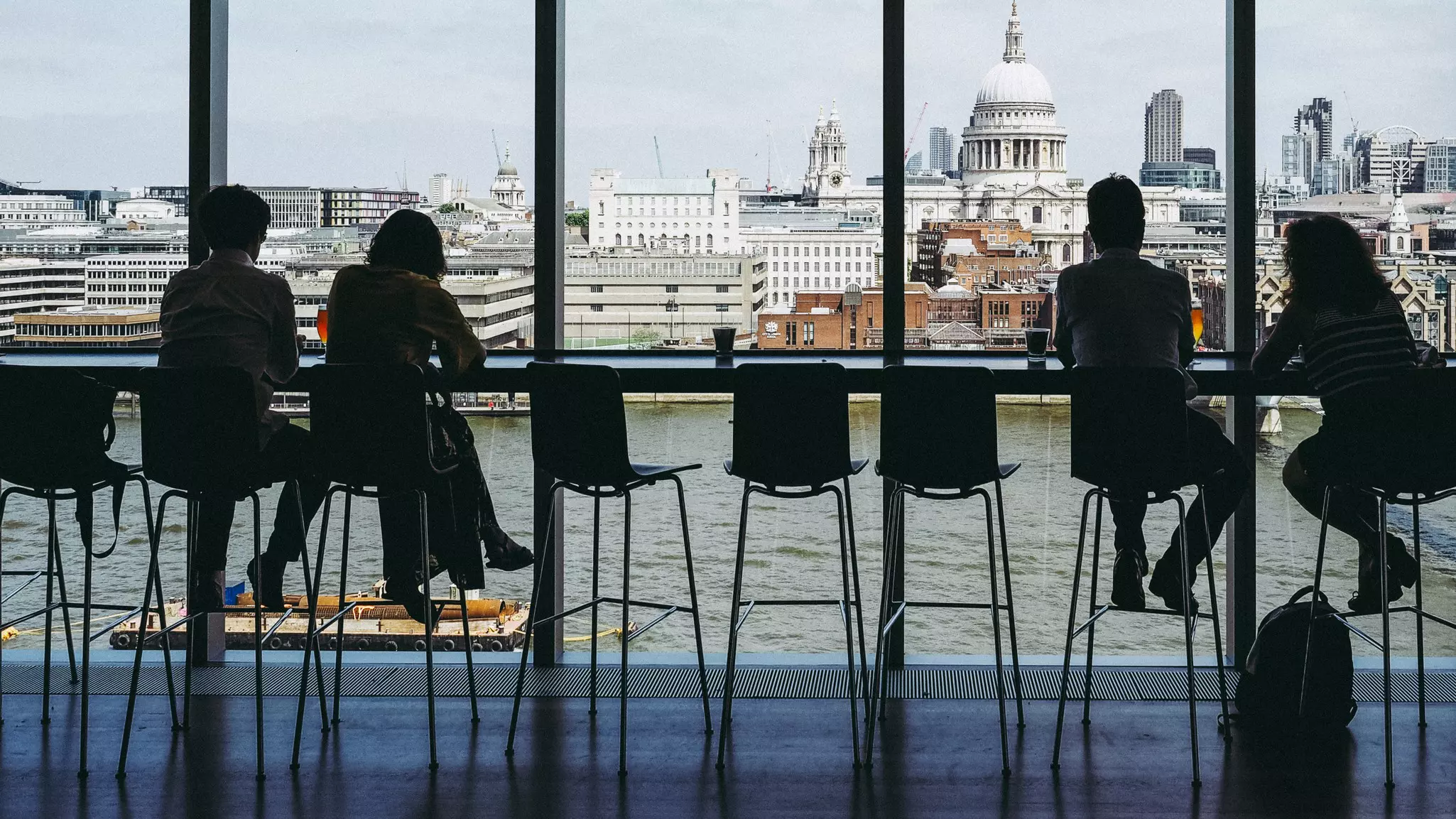
A vast shrine to modern and contemporary art, the much-loved Tate Modern enjoys a triumphant position right on the River Thames. Housed in the former Bankside Power Station, the gallery is a vigorous statement of modernity, architectural renewal and accessibility. Entry is via Holland St where you'll experience the vast Turbine Hall, which used to house the power station’s electricity generators, and is now home to large-scale art installations. Upstairs exhibition spaces are pushing the conceptual envelope, too, with interesting temporary shows, installations and performance art.
On Level 10, the viewing platform atop the Blavatnik Building, was the subject of some controversy regarding privacy because it was possible to look directly into the adjacent apartment buildings from the south side. The views from the north are better. There are also great views from the coffee shop and bar in the main Tate Modern building.
Local tip: If the tide is out, try mudlarking on the Thames – an evocative term for looking for historic junk on the exposed mud at low tide – right in front of the gallery.

A world of English eccentricity enclosed within the sturdy walls of an imposing 11th-century fortress, the Tower of London is the perfect place to start a visit to London. As well as taking visitors on a remarkable architectural and historical journey, the castle is home to the world's largest diamond (the controversial Cullinan diamond, part of the famous Crown Jewels), as well as a dazzling array of armor and weaponry. A palpable sense of history and heritage will greet you at every turn.
Planning tip: It’s well worth getting to the Tower early – you'll need at least half a day to explore the sprawling chambers, courtyards and jail cells, and hear about its gruesome history. Arrive as the doors are unlocked and head straight to the Crown Jewels to avoid a long wait in line. To learn more about the Tower's back story, join a Yeoman Warder’s tour for a fascinating and personal introduction to the life and grisly times of this fortress-palace.

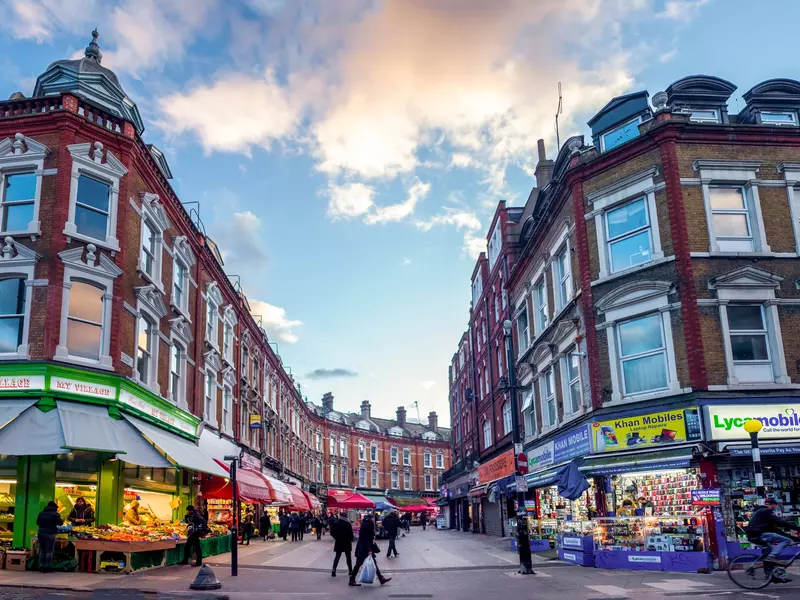
London’s Black history is rich and fascinating and stretches back across centuries. All over London, you'll sense a growing enthusiasm for acknowledging, owning and celebrating this once-overlooked part of the capital's story. Begin your journey by joining one of the 16 walking tours in central London run by Black History Walks, then head down to the Docklands to learn about the capital’s involvement in the transatlantic slave trade at the Museum of London Docklands before meandering south to marvel at the vast Black archives at Brixton’s Black Cultural Archives. Next, indulge in some delicious Caribbean cuisine and take in many of the city’s best Black artists at 198 Contemporary Arts and Learning.
Planning tip: Notting Hill Carnival, held over the August Bank Holiday weekend, is a colossal street party celebrating Black, Caribbean and African cultures. Join the dancing, parties and parades that fill the neighborhoods around Ladbroke Grove. The official website publishes routes and events in advance.

Lonely planet’s trusted travel insurance provider
Travel with confidence. Protect your trip and your wallet.
We don’t represent World Nomads, we receive a fee from quotes using this link. This is not a recommendation to buy travel insurance.

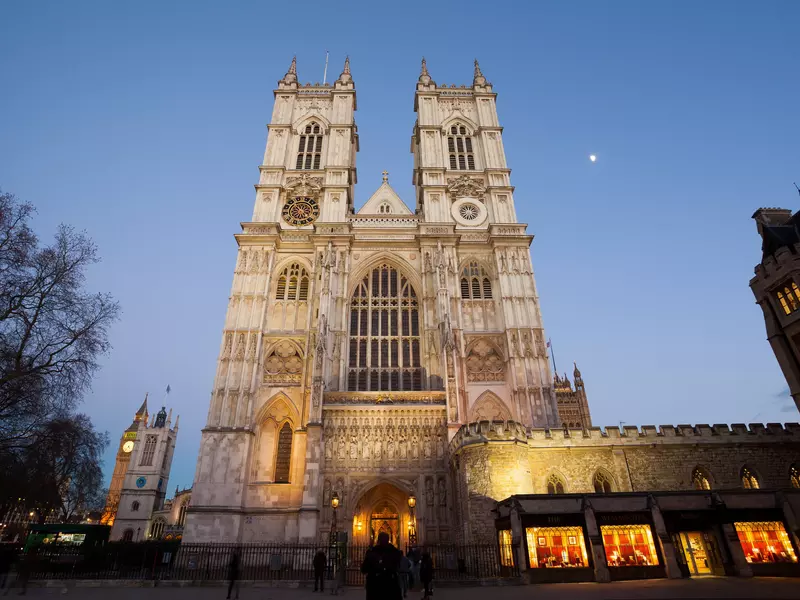
Westminster Abbey has been the heart of the country’s royal and religious life for centuries. This Gothic wonder was founded more than a thousand years ago and today it displays a mix of architectural styles, with the bulk of its structure dating back to the 13th century. As a result, almost every nook and cranny has a story attached to it.
London's great abbey has served as the venue for many showstopper funerals and weddings – 30 monarchs are buried here, and 16 royal weddings have been hosted here, the most recent being that of Prince William and Catherine Middleton in 2011. Among the highlights, you will find the oldest door in the UK, the collection of memorials to great poets and writers known as Poets’ Corner, the Coronation Chair, 14th-century cloisters, a 900-year-old garden, royal tombs and much, much more.
Planning tip: Be warned that in summer the crowds are almost as solid as the abbey’s unshakeable stonework, so aim to join the line first thing in the morning.
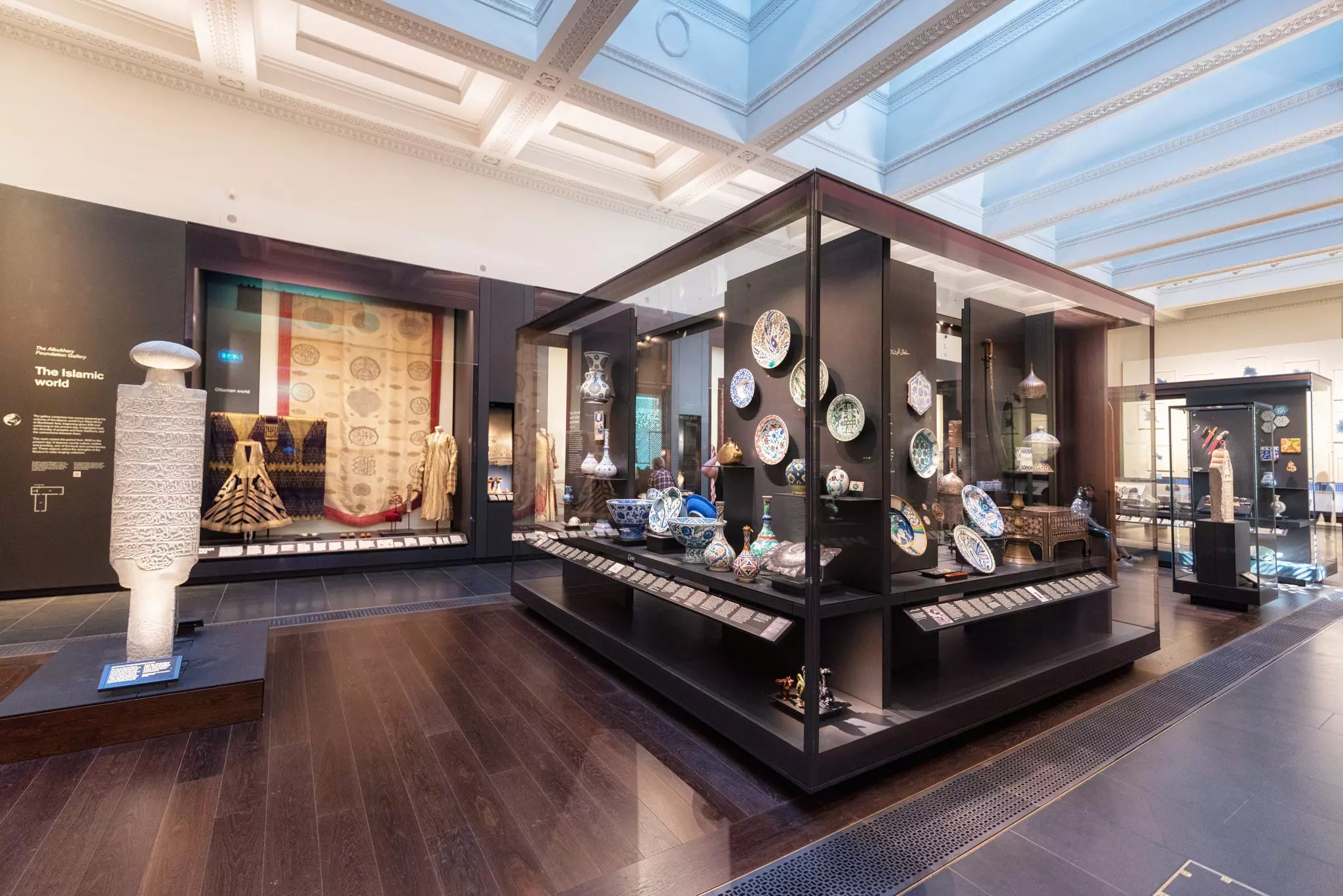
London was once the capital of an empire that ruled over more than half the world’s Muslims, so it should come as no surprise that the city is home to a wide range of Muslim communities and rich in Islamic heritage. Start with the amazing Islamic collections in the Victoria & Albert Museum’s Jameel Gallery or the British Museum’s Albukhary Gallery – between them, these former imperial institutes hold over 115,000 Islamic items.
To learn where Arabic was taught in 17th century London, take an eye-opening Muslim History Tour, then treat yourself to some of the capital’s most delicious Muslim cuisine. Try a fiery curry along East London’s Brick Lane (or great Punjabi-style kebabs nearby at Tayyabs), head north to Green Lanes for London’s most authentic Anatolian dishes, or go west along Edgware Rd for varied Middle Eastern cuisine.
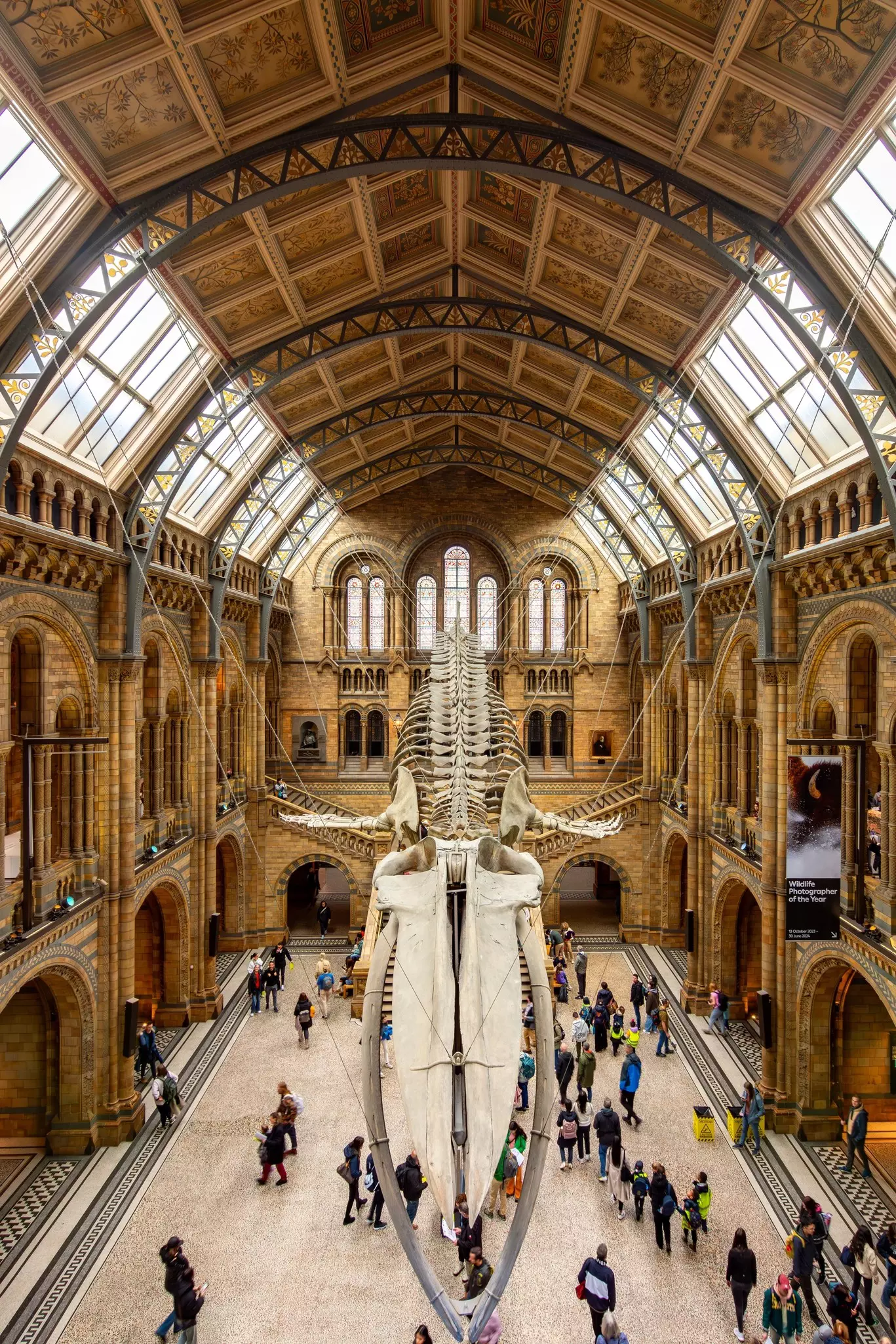
A trio of world-class museums lie within yards of each other in the well-to-do neighborhood of South Kensington, their grand edifices proving an equal draw to the glories within. With seven floors of interactive, educational and eye-opening exhibits, the spellbinding collection of models, machines and inventions at the Science Museum mesmerizes adults and children in equal measure.
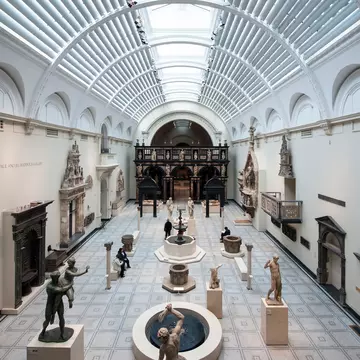
You could spend days in the huge Victoria & Albert Museum, which houses the world’s leading collection of decorative art objects, and still be astounded at its variety and depth. With its animatronic Tyrannosaurus rex, riveting displays about planet Earth, the research-oriented Darwin Centre and architecture straight out of a Gothic fairy tale, the Natural History Museum is an astonishing melding of science and imagination. Start in the iconic Hintze Hall, where the skeleton of a blue whale dives down from the ceiling.
Planning tip: To see a more unusual side to the museums, and mingle with some Londoners, check in advance to see if any “Lates” are running; the museums periodically open their doors into the evening for special events with music and food. There are even occasional sleepover events called Dino Snores at the Natural History Museum.
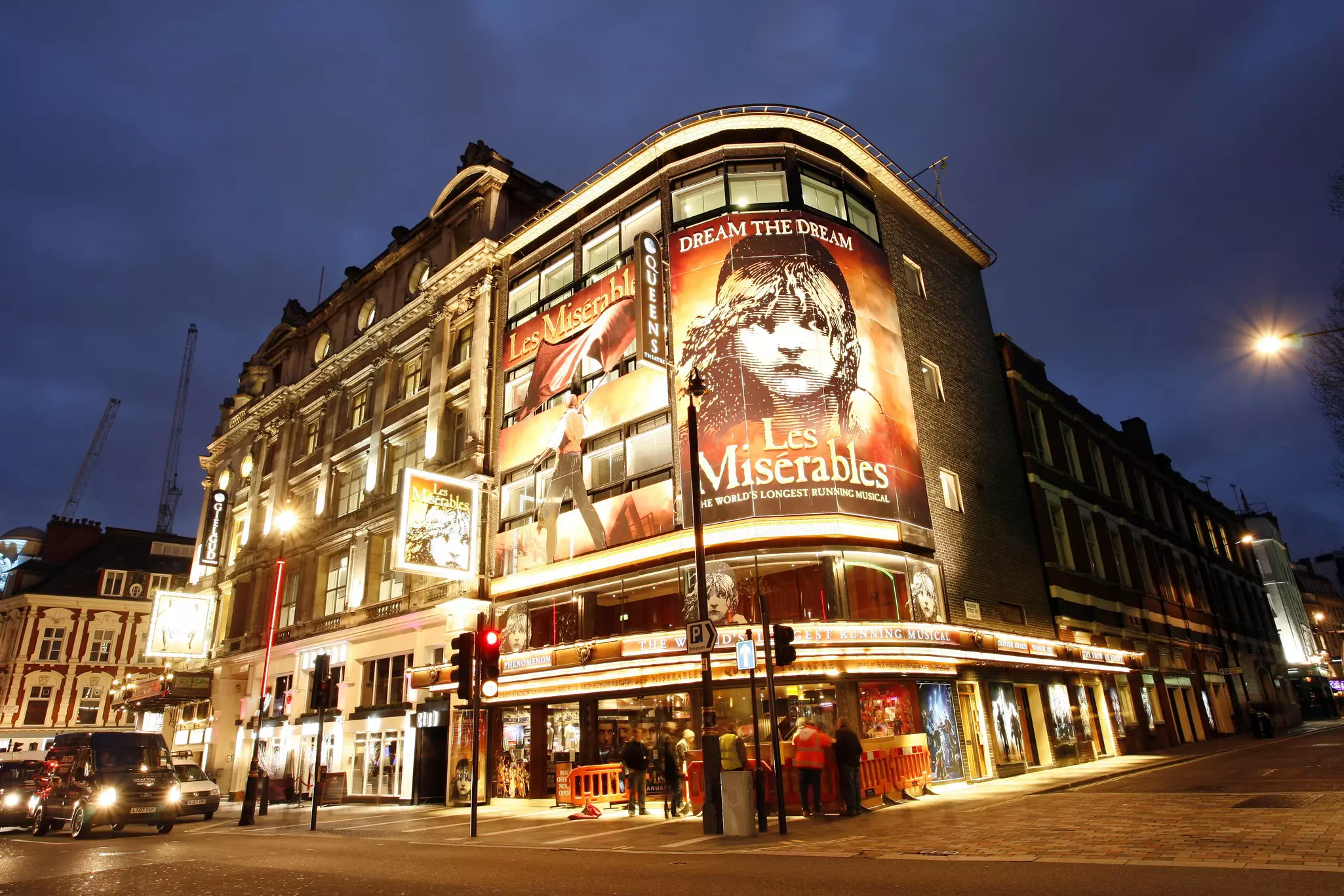
London is one of the best places in the world to catch a show, so take the opportunity while visiting the capital. For the most famous faces and well-known productions, head to the West End. This area is synonymous with musicals; look out for classics like Les Misérables or Mamma Mia!, family favorites such as Matilda, the Lion King or Wicked, and offbeat hits such as the Book of Mormon (definitely not family viewing!).
If musicals are not your thing, get onto TodayTix and see what else is playing. Be sure to check out the edgy, small-cast shows at independent theaters such as the Donmar Warehouse and Soho Theatre, to catch up-and-coming talent for not much more than the price of a couple of pints of beer.
Detour: If Shakespeare is more your thing, attend an Elizabethan-style performance at Shakespeare's Globe between April and October. You'll need to book ahead for a standing ticket as one of the all-weather "groundlings" who watch from the open-air yard in front of the stage (or you can pay extra for a seat in the gallery). Despite being the brainchild of American actor, Sam Wanamaker, the facsimile theater is a triumph of authenticity, right down to the nail-less construction, English-oak beams, original joinery and thatched roof (the sprinklers are a modern touch).
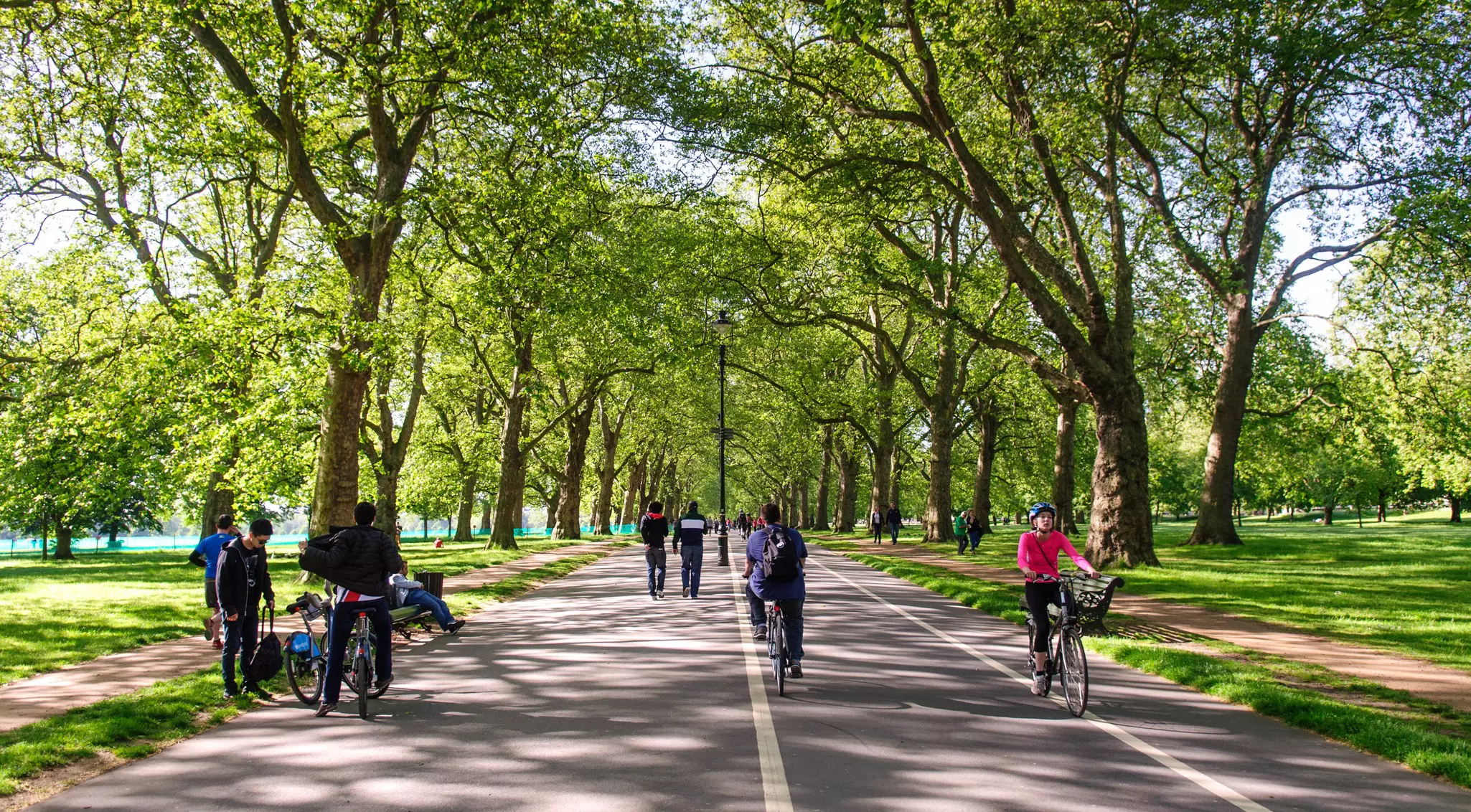
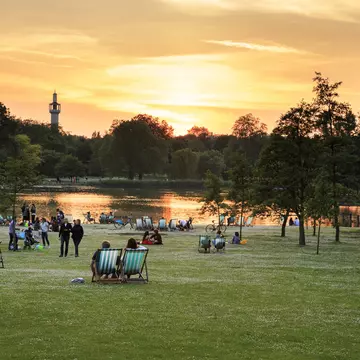
London’s impressive array of urban parks is second to none and the city's eight Royal Parks are the place to see locals at ease and in their element. Hyde Park alone covers 142 hectares; throw in Kensington Gardens, and you have even more space to roam. Here, you'll find everything you could want from a London park: a central setting, a royal palace, deck chairs, boating lakes, open-air concerts, art galleries, towering centuries-old trees, a tasteful granite memorial to Princess Diana, and a magnificently overblown memorial to Prince Albert facing the iconic Royal Albert Hall.
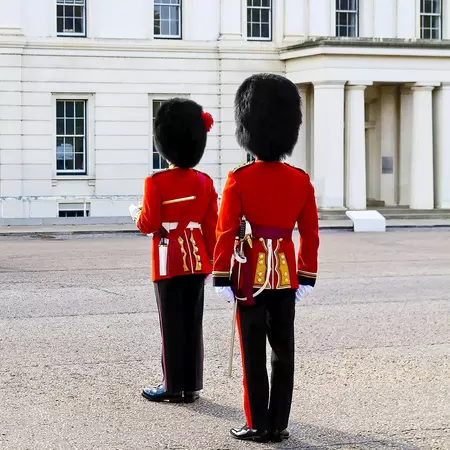

The simplest way to see a bit of sovereign ceremony is to watch the Changing of the Guard, a generations-old ritual in which soldiers in iconic bearskin hats swap shifts outside Buckingham Palace. Arrive early for a good view; the show starts at 11am, and it’s best to arrive by 10:15am (unless you happen to be very tall). If you hanker after more, you can tour the palace itself from July through September (the State Rooms are open for guided tours in the winter and spring, and for 10 weeks every summer).
Built in 1703 for the Duke of Buckingham and then purchased by King George III, Buckingham Palace has been the Royal Family’s official London lodging since 1837, when Queen Victoria abandoned the old royal residence at St James's Palace. On a tour, visitors can get a peek at the State Rooms – a mere 19 of the palace's 775 rooms – and wander through the stunning gardens.

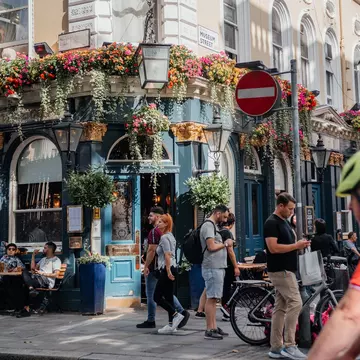
London minus its pubs would be like Paris sans cafés. Pub culture is a part of London's DNA, and the pub is the best place to see local people in their hop-scented element. Some London pubs – such as the character-filled, centuries-old Lamb & Flag and Ye Olde Cheshire Cheese – have been fixtures on the social scene for centuries, and a pub pint is the cornerstone of a good night out across the capital. They're also favorite stops for long, family-friendly weekend lunches; gastropubs dot London’s culinary cosmos, many rivaling the best restaurants.
Local tip: If you have to choose one place in London for an evening out, make it Soho, a densely packed warren of after-dark delights. For centuries a bohemian quarter, Soho was once a seedy red-light district, but these days, it's better known as the hub for London’s LGBTIQ+ community. For an old-school pint or four, drop into the French House, Bar Termini, the Yard or the White Horse.
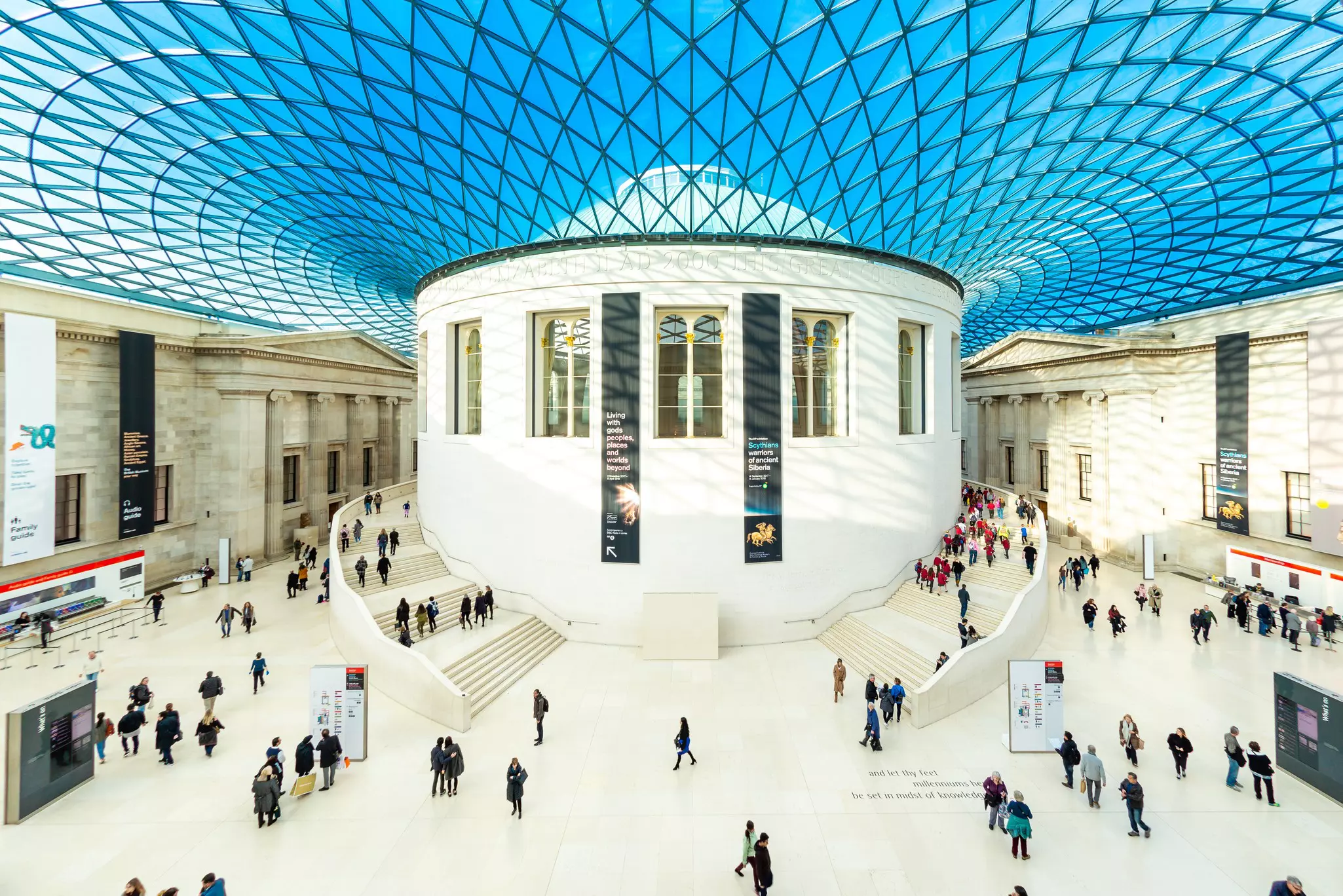
With almost six million visitors trooping through its doors annually, the British Museum in Bloomsbury is Britain’s most-visited attraction. It is crammed with such an array of treasures (many of which, controversially, were obtained from other countries by force or political sleight of hand) that you could probably spend your whole trip navigating the vast and hallowed collection of artifacts, art and age-old antiquity, and still not be done.
In fact, the collection was once even bigger, but some objects have been returned to their home countries (and others, unbelievably, were stolen by a light-fingered curator). Free eye-opener tours allow you to focus on specific parts of the vast collection, or you can take in the highlights by wandering through the Great Court, with its stunning glass-and-steel roof designed by Norman Foster, and checking out the closest exhibition halls. Don’t leave before you’ve seen the Rosetta Stone, the key to deciphering hieroglyphics, and the fascinatingly macabre Egyptian mummies (including mummified calves, birds and cats).
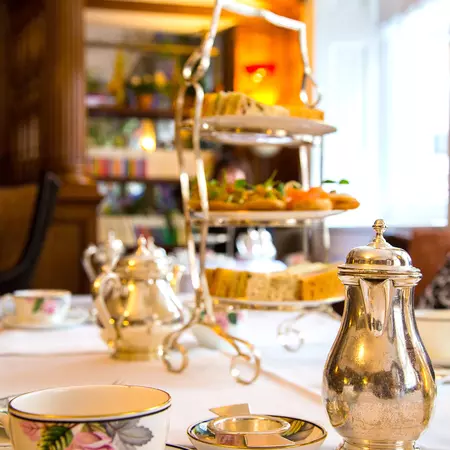

The quintessentially English indulgence of whiling away an afternoon eating dainty sandwiches and cakes and drinking tea may give you the feeling you're being observed by Lady Whistledown herself. Venues serving afternoon tea abound, and despite looking like sets from a Bridgerton party, these establishments are perfectly welcoming to all sorts of travelers. There's no need to dress to the nines; smart casual attire is fine (in other words, no trainers, joggers or sweatshirts).
For the classic experience, head to Claridge’s or the Ritz, or in the summer try the terrace at the Goring or the stately Orangery at Kensington Palace. It's called afternoon tea, but you can have your tea at almost any time of the day. Pre-booking is highly recommended as slots can book out, especially on weekends and in the peak season.
Planning tip: Make sure you arrive suitably hungry. The spread might not look much in the pictures, but all those plates of delicate treats really do add up to a mini feast.
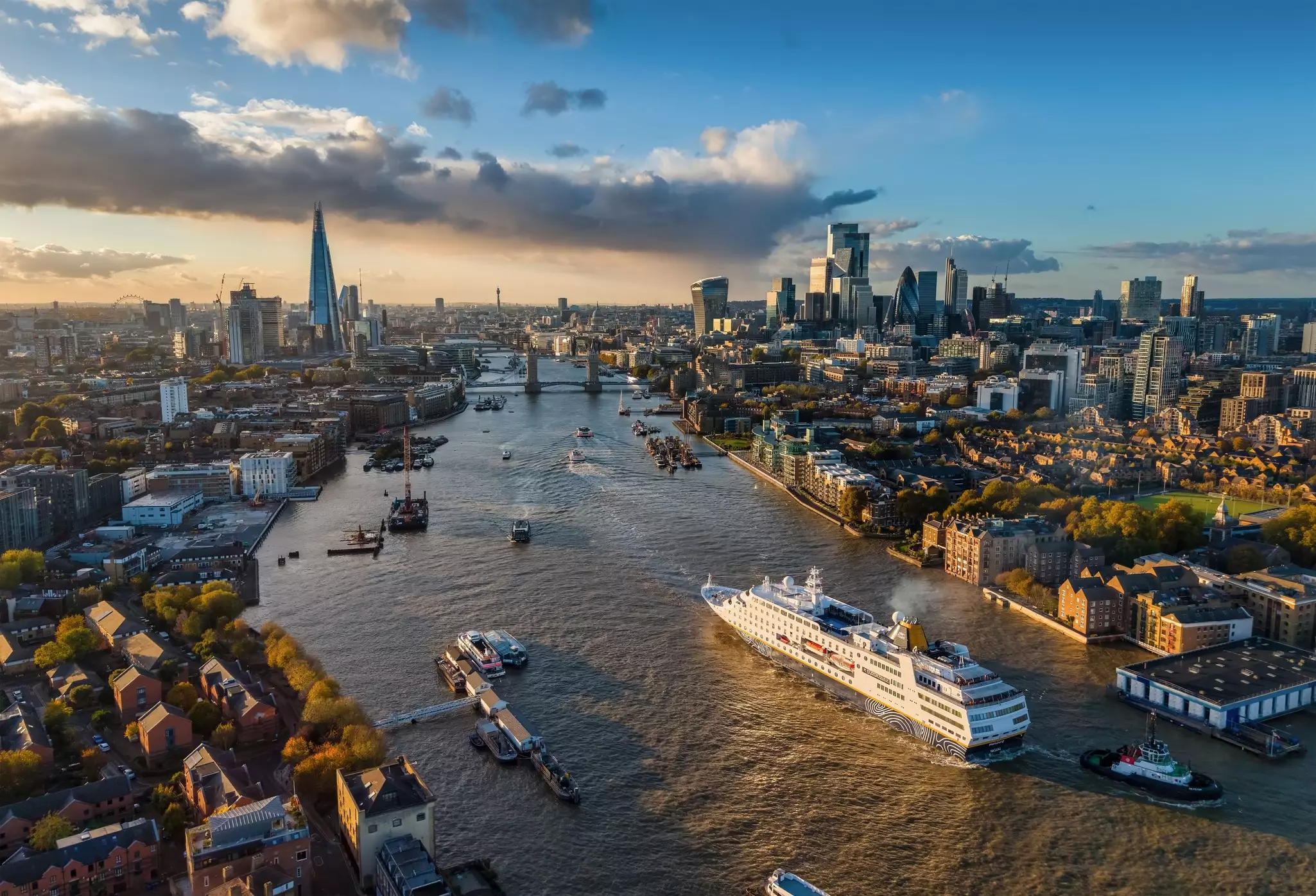
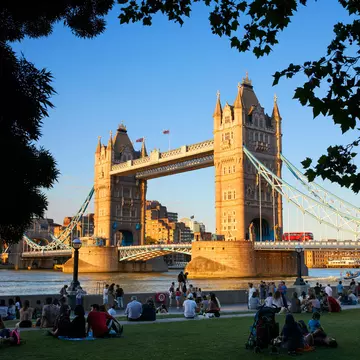
No journey to the South Bank is truly complete without experiencing the sights and sounds from the River Thames. A number of different operators offer tours and commuter services. Choose your vessel wisely and you could be gently cruising by Tate Modern on a sightseeing tour with insightful narratives into London's past and present, or racing along on a high-speed thrill ride under Tower Bridge in a Thames Rocket. Thames Clippers (or Uber Boat) is the commuter service that runs every 20 minutes.
Planning tip: The main piers serving the South Bank are London Eye, Bankside and London Bridge. Check on the Uber app to see when the next departure is, book your seat and pay for it through the app, or pay with contactless or an Oyster card when you board. Buying a ticket at the pier is possible too, but it's the more expensive option. City Cruises offers various themed boat trips such as dinner with live jazz and an Elvis Tribute cruise. The 24-hour pass grants you the freedom to hop-on hop-off its regular services.
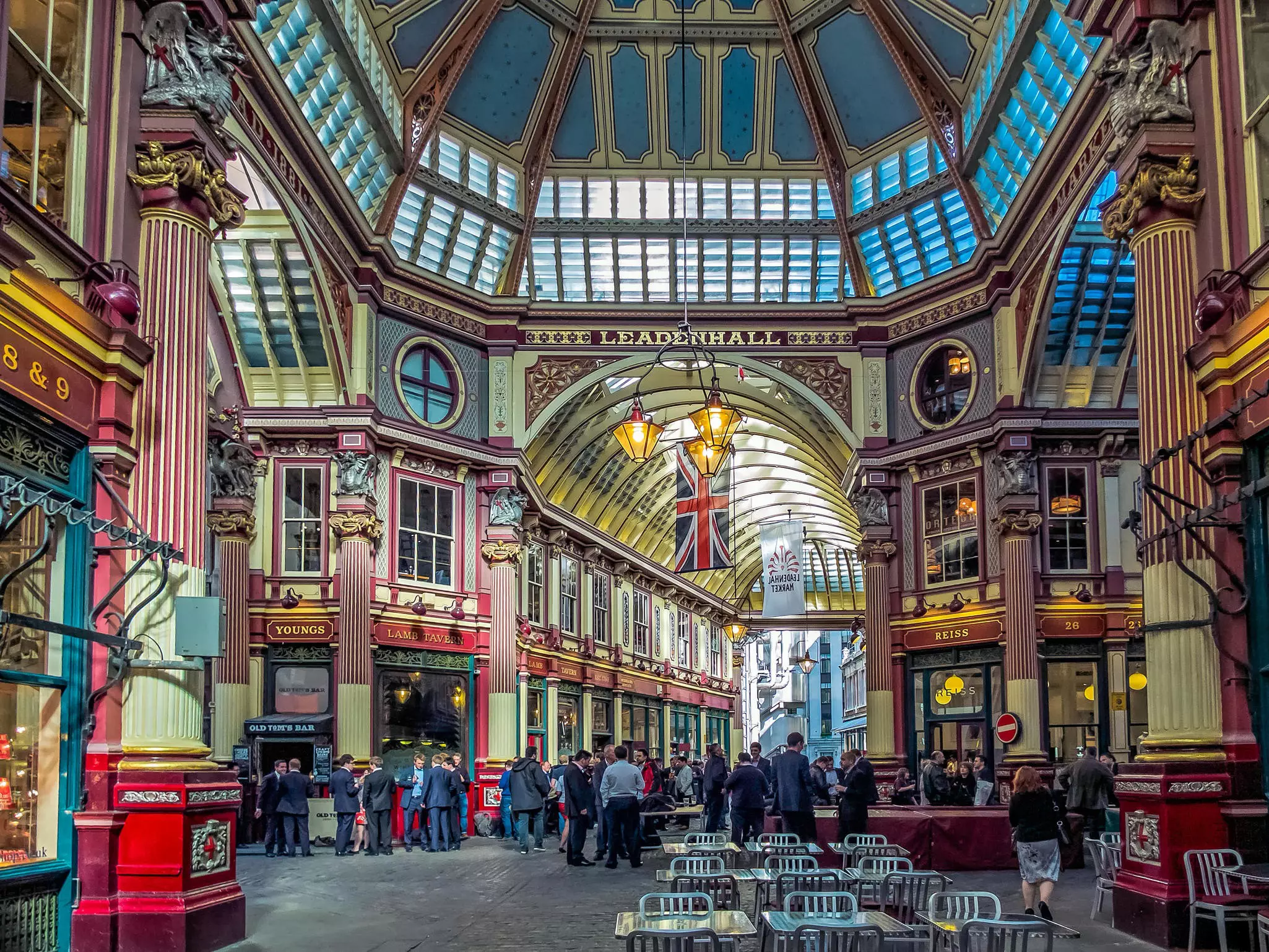
The ancient Romans had their forum on this site, but the Leadenhall Market you see today dates from the 14th century. It now sits inside a spectacular Victorian covered shopping arcade, with cobblestones underfoot and 19th-century ironwork linking its shops, restaurants and pubs. This impressive aesthetic has made the market quite the celebrity, appearing in a host of blockbuster movies; it was Diagon Alley in Harry Potter and the Philosopher’s Stone, and the optician’s shop with a blue door was used as the entrance to the Leaky Cauldron in Harry Potter and the Goblet of Fire. It’s even appeared in a Bollywood movie and the popular Mario Kart gaming series.
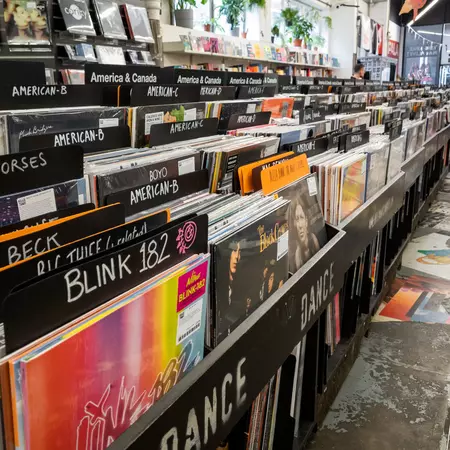

Where the cool kids shop, East London is easily the capital’s hottest place to shop for vintage gear, boasting some of the best stores, as well as a host of hidden spots to which only the locals generally venture. Give yourself at least a day to wander in search of some of these retro gems.
The best vintage markets are Brick Lane Market on Sundays and Spitalfields Market on most weekdays. Here, you’ll find a number of stalls with excellent bargains on worn leather jackets, vintage jeans and old school trainers. Close to the markets, a host of vintage stores can be found. Around Brick Lane, these include big hitters such as Beyond Retro (which also has a Dalston branch), Rokit and Vintage Paradise, though many are increasingly becoming more "refined" and, as a result, prices have been steadily increasing over the years. That said, some stores, such as Vintage Basement, still have a literal bargain basement with deals to be had.
Explore related stories