
Advertisement
El Salvador
El Salvador is a travel powerhouse in a tiny package. This underrated destination appeals to those looking to get off the beaten path of Central American travel and dive into a multifaceted country with a taste for adventure. Here you'll find world-class surfing on empty, dark-sand beaches; coffee plantations clinging to the sides of volcanoes; pretty flower-filled villages with buildings splashed by murals; and sublime national parks. There are few crowds outside the capital, San Salvador – a town with its fair share of swagger – so you'll have plenty of space to take in all the beauty El Salvador has to offer.

© Shutterstock / Kikerodry
Latest Stories
- Amelia Mularz|Nov 19, 202522 essential travel tips for El Salvador
- Katya Bleszynska|Nov 14, 2025The 11 top things to do in El Salvador
- Katya Bleszynska|Nov 13, 2025When is the best time to visit El Salvador?
- Katya Bleszynska|Nov 11, 2025A guide to El Salvador
Book

Take your El Salvador trip with Lonely Planet Journeys
Time to book that trip to El Salvador
Lonely Planet Journeys takes you there with fully customizable trips to top destinations – all crafted by our local experts.
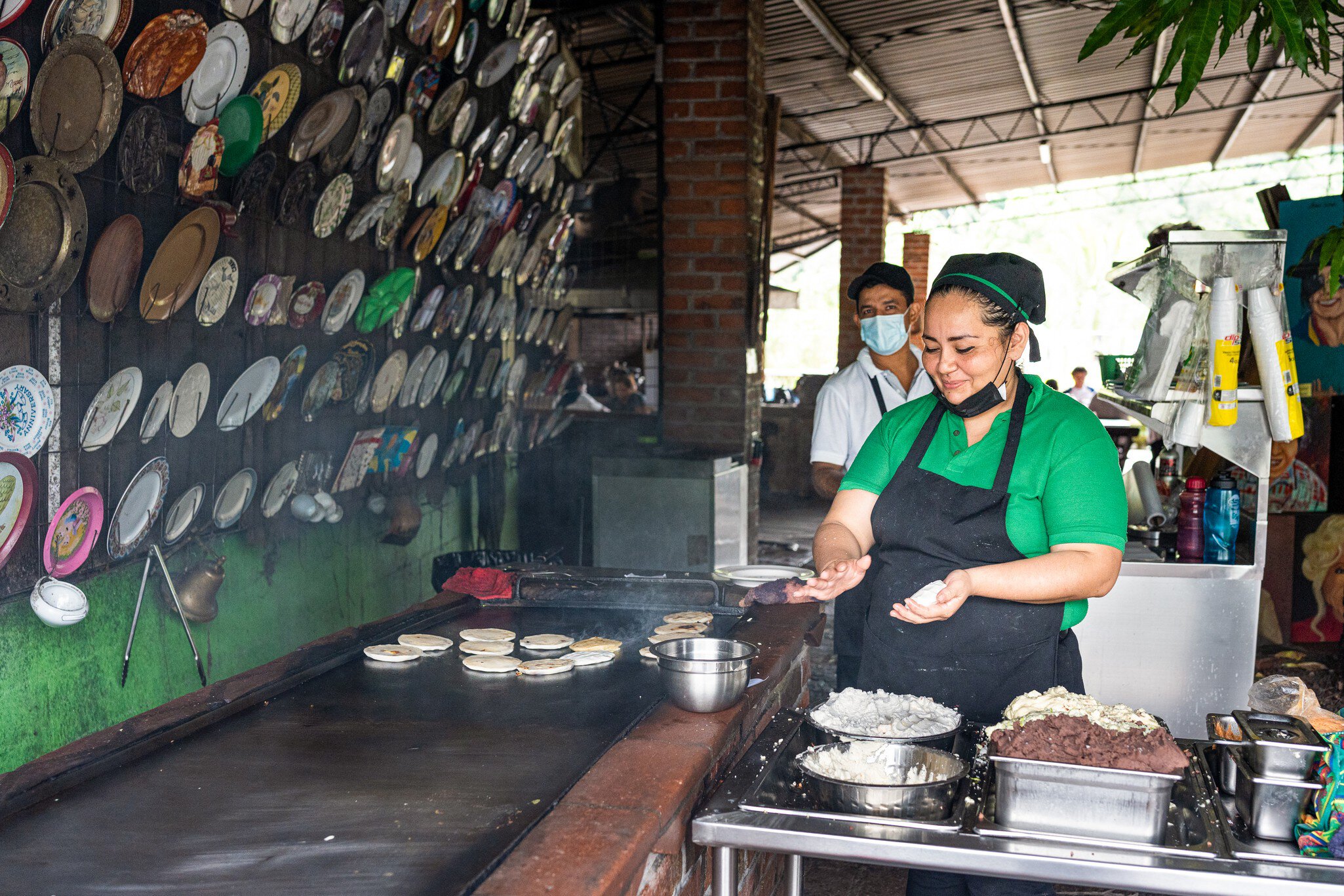

Top places to visit in El Salvador
Discover the best attractions in El Salvador from must-see sights to unexpected hidden gems.
-
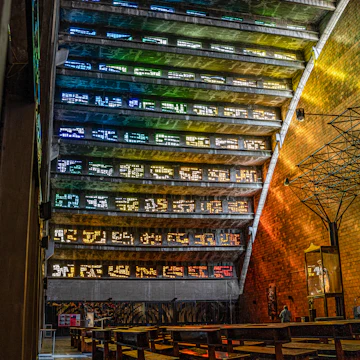 Attraction in San SalvadorIglesia El Rosario
 -
 Attraction in San SalvadorMuseo de la Palabra y La Imagen
 - Attraction in San SalvadorMuseo de Arte de El Salvador
- Attraction in El SalvadorCascadas Los Tercios
- Attraction in San SalvadorPalacio Nacional
- Attraction in San SalvadorJardín Botánico La Laguna
- Attraction in San SalvadorCentro Monseñor Romero
-
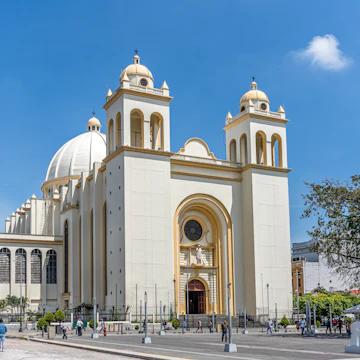 Attraction in San SalvadorCatedral Metropolitana
Advertisement
Travel Guides
El Salvador travel tips from Lonely Planet experts
Find practical guidance from our team of contributors around the world who bring their decades of first-hand travel experience to your next trip.
Best Things to Do
Santa Ana sits pretty, surrounded by coffee plantations and volcanoes to the west of San Salvador. Try these top things to do in El Salvador’s second city.
Read full article
Best Time to Visit
El Salvador is often overlooked, but it offers riches to those who explore its beaches, volcanoes and vibrant cities. Here are the best times to visit.
Read full article
Things to Know
El Salvador has caught the eye of curious travelers. Here’s all you need to know before setting off to explore its beaches, volcanoes and more.
Read full article
Transportation
El Salvador is Central America’s smallest country, but there's plenty to see and do. Explore more easily with this guide to getting around in El Salvador.
Read full article
Best Places to Visit
El Salvador is the wildcard of Central America, but this small nation offers an abundance of cultural and natural riches. Here are the best places to visit.
Read full article
Advertisement
in partnership with getyourguide
Book popular activities in El Salvador
El Salvador and beyond
-
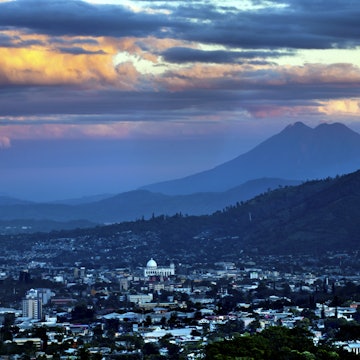 destinationSan Salvador
Advertisement