Dec 23, 202514 min read
The 12 best things to do in Alexandria, EgyptNov 5, 2025
12 MIN READ

Writer
Writer
Alexandria offers a mix of historic charm and contemporary style. Established in 1749, this city was a bustling seaport for over 40 years before nearby Washington, DC, emerged as the nation's capital.
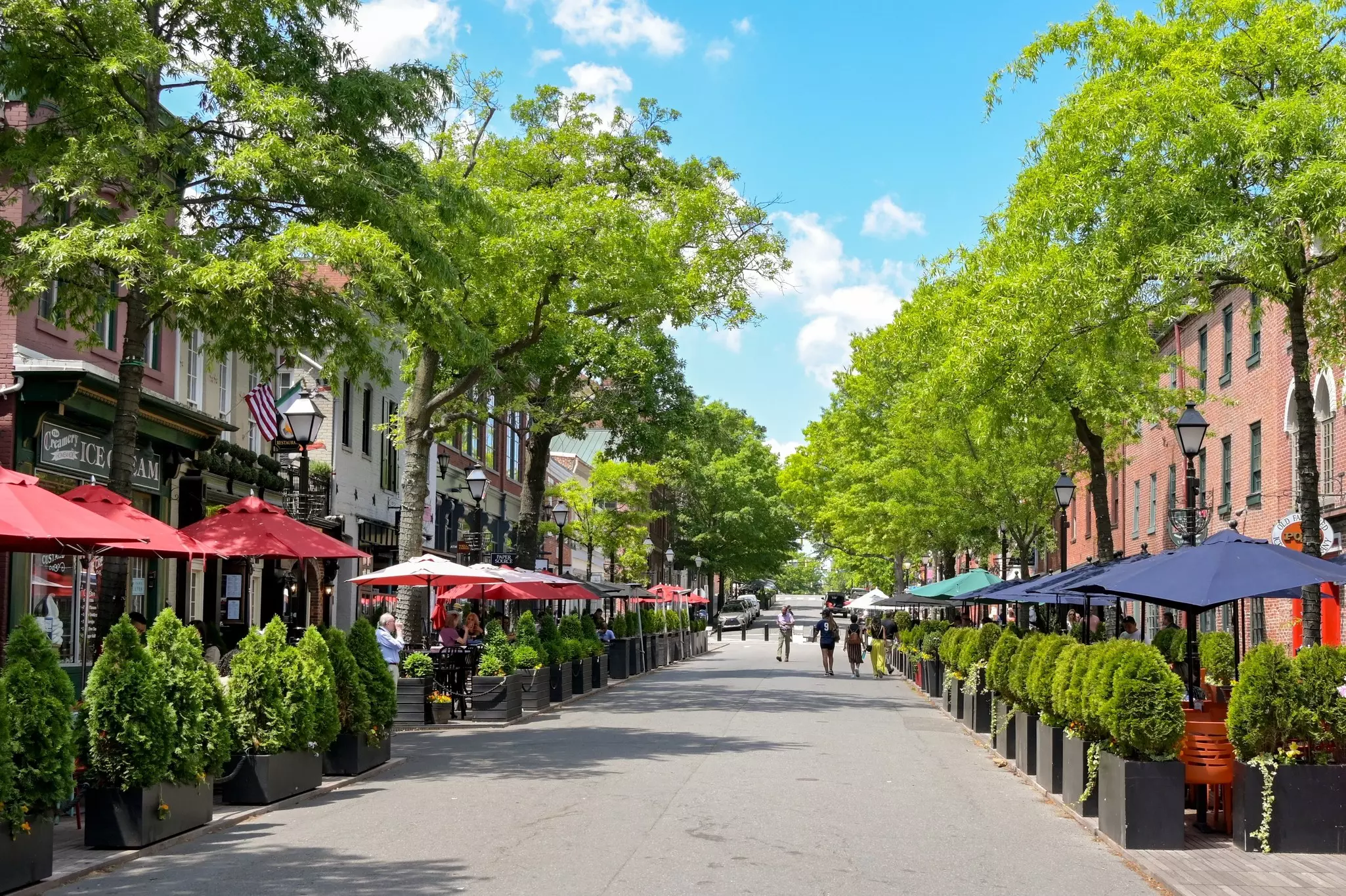
More than 200 of Alexandria's original buildings have been preserved, making for a historic vibe most notably in Old Town, a tree-shaded, redbrick-sidewalk neighborhood that's made for strolling. A string of historic (but not boring!) museums interprets the city's fascinating past.
History aside, Alexandria also has more than its share of modern urban pleasures, including notable restaurants, fashionable boutiques, view-filled parks and a stupendous Potomac River waterfront.
So how do you best experience this fascinating old-and-new city? By getting to these 17 best things to see and do in Alexandria, of course.
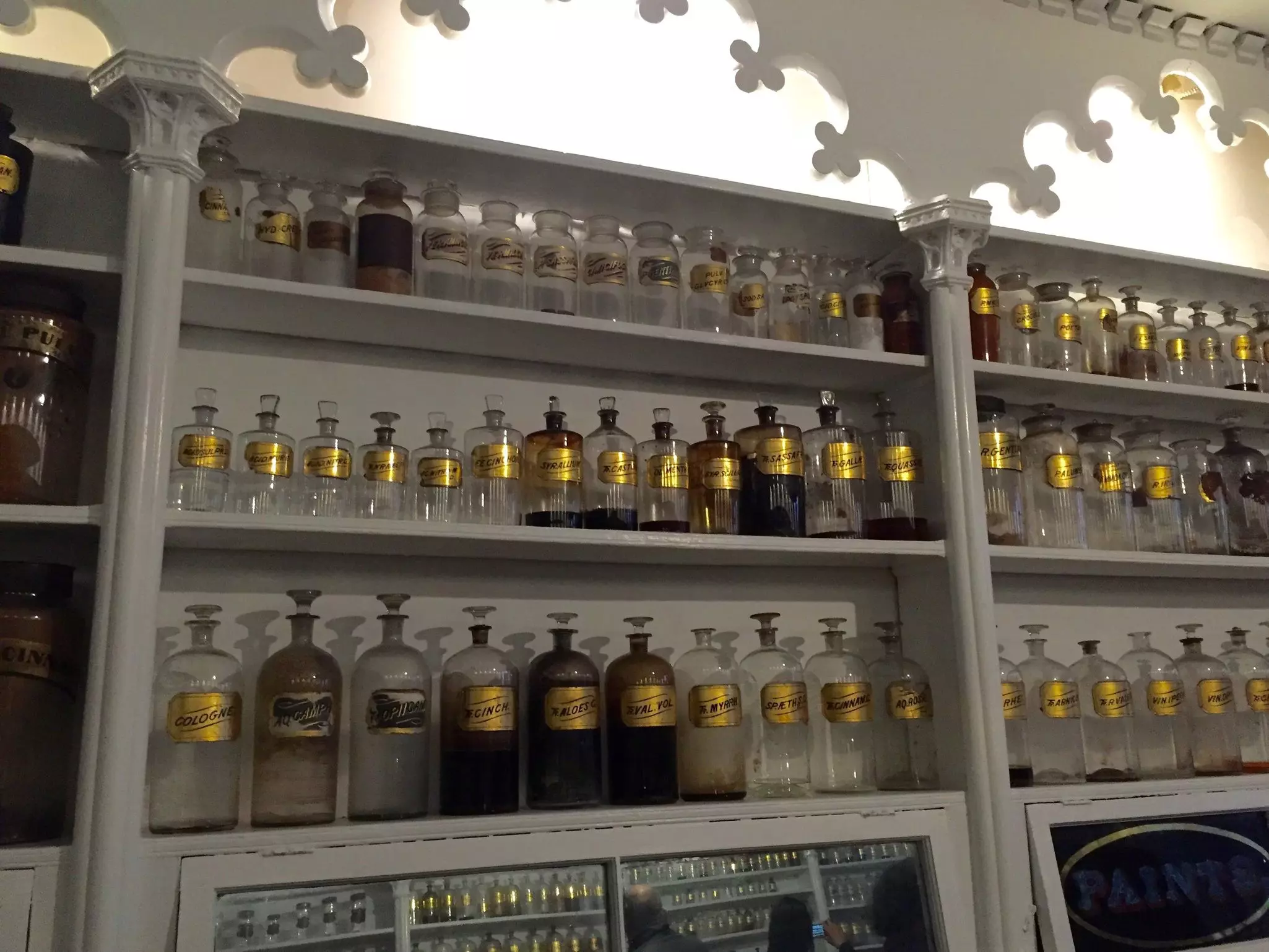
Rows of hand-blown medicine bottles line the walls of this ancient apothecary (pharmacy), just as George Washington and Thomas Jefferson would have seen them back in the late 1700s. In one case, you'll spot a copy of Martha Washington's order for "a quart bottle of his [Edward Stabler's] best castor oil" for intestinal discomfort (she died of fever weeks later). But the really cool room in this longest-running business in Alexandria (1792–1933) is upstairs, where a dark, mysterious mixing room has bins filled with Unicorn Root, Dragon's Blood and other unworldly ingredients.
Planning tip: Harry Potter's birthday is celebrated here annually on July 31.
More than 165 local artists work in the highly coveted studios at this three-floor art center, established in 1974 at the base of King Street. Many of their artworks – exquisitely made pottery, paintings, textiles, glassworks, jewelry and more – are for sale, though it's fun just to browse and watch the artists create. Special events are held year-round, including juried shows, art sales and artist talks.
The building was once an actual former torpedo factory, which operated between 1918 and 1923. A couple of torpedoes sprinkled throughout the center prove it, including a bright-green Mark XIV on display in the main hall.
Local tip: In the same building is the Alexandria Archaeology Museum, on the third floor, which presents the recent discovery of four 18th-century ships along the city's waterfront, among other archaeological revelations.
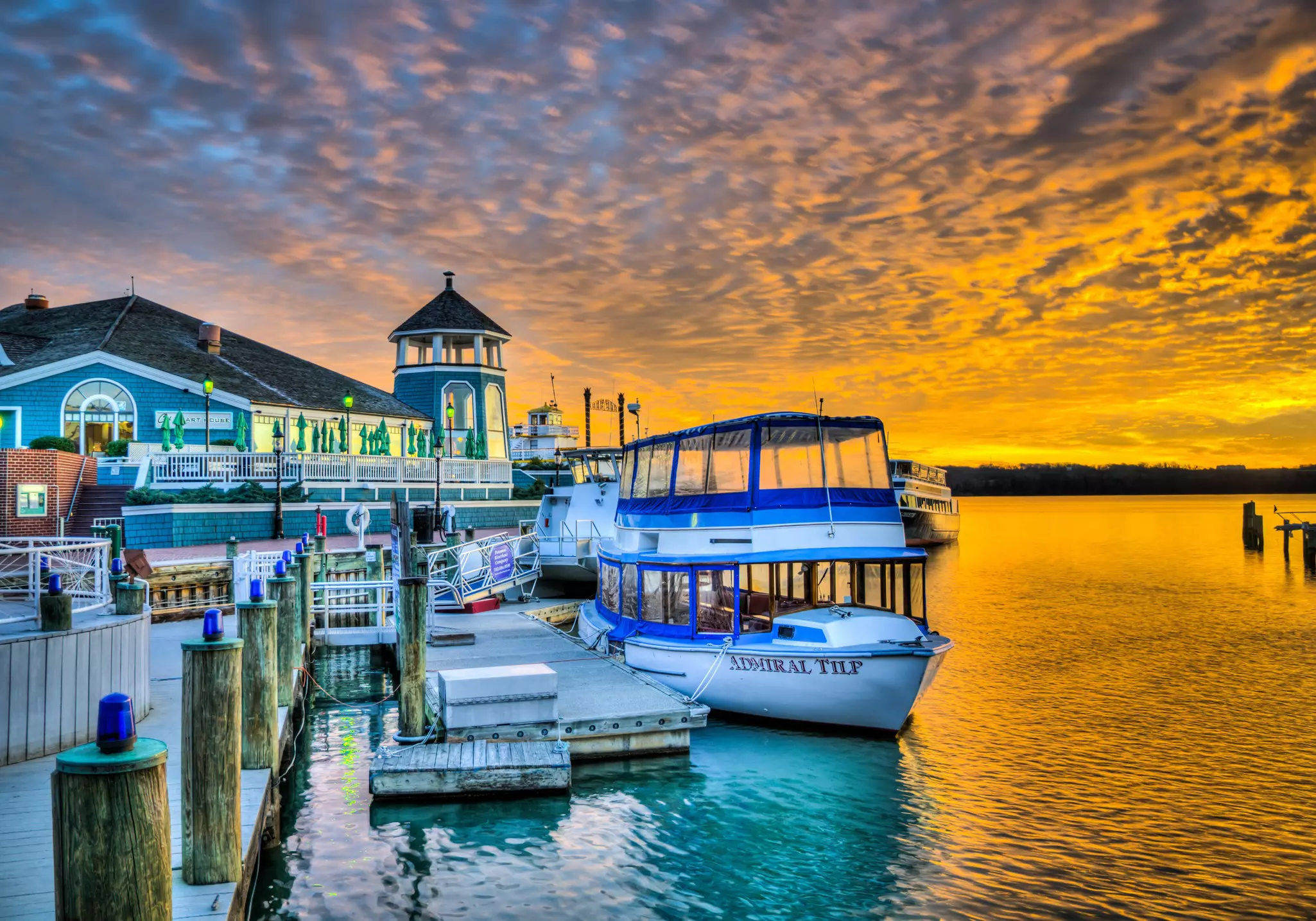
Alexandria sits right on the Potomac River – the major reason for its success early on as a bustling seaport – and a recent upgrade has made even better use of its view-blessed waterfront area. Visitors have long been able to enjoy the green expanses of Oronoco Bay and Founder's Parks, the sailboat-filled marina and the riverfront area behind the Torpedo Factory, filled with restaurants, cruise landings and street performers. Yet now the pathways wander farther southward, and offer even more benches, alfresco restaurants and public art along the way.
Detour: Hop aboard a sunset cruise, taking in DC's nearby monuments; find a perch at a waterfront bar or dining spot (BARCA Pier and Wine Bar, Ada's on the River and Vola's Dockside Grill are all great choices); or simply stroll along the river in this most lovely of urban park settings.
George Washington and his family sat in pews 59 and 60 at this English Georgian country-style church on Washington Street, paying quite the hefty sum for the privilege. Built in 1773 by James Wren, the church looks almost exactly as it did back then, with its Palladian chancel window and cut-glass chandelier. During the Revolutionary War, the sermons here became political, favoring independence. Many early Alexandria residents are buried beneath crumbling, moss-covered tombstones in the surrounding churchyard, including city founder Lord Mayor William Ramsay and his wife. The church remains an active parish, with docents offering guided tours.
George Washington, Thomas Jefferson and other colonial-era luminaries discussed the merits of democracy over many an ale at Gadsby's Tavern in the heart of Alexandria's Old Town. The circa-1789 tavern and its adjacent rooming house have been meticulously preserved as a museum that offers self-guided and guided tours. Next door, Gadsby's Tavern Restaurant serves a menu of Early Americana fare in an 18th-century-inspired ambiance, complete with colonially garbed waitstaff. Traditional favorites include peanut soup, vegetable pastry and meatloaf à la Daube, as well as Washington's favorite: half a duck grilled with scalloped potatoes, corn pudding and rhotekraut (sweet and sour red cabbage), topped off with a cherry orange glacé.
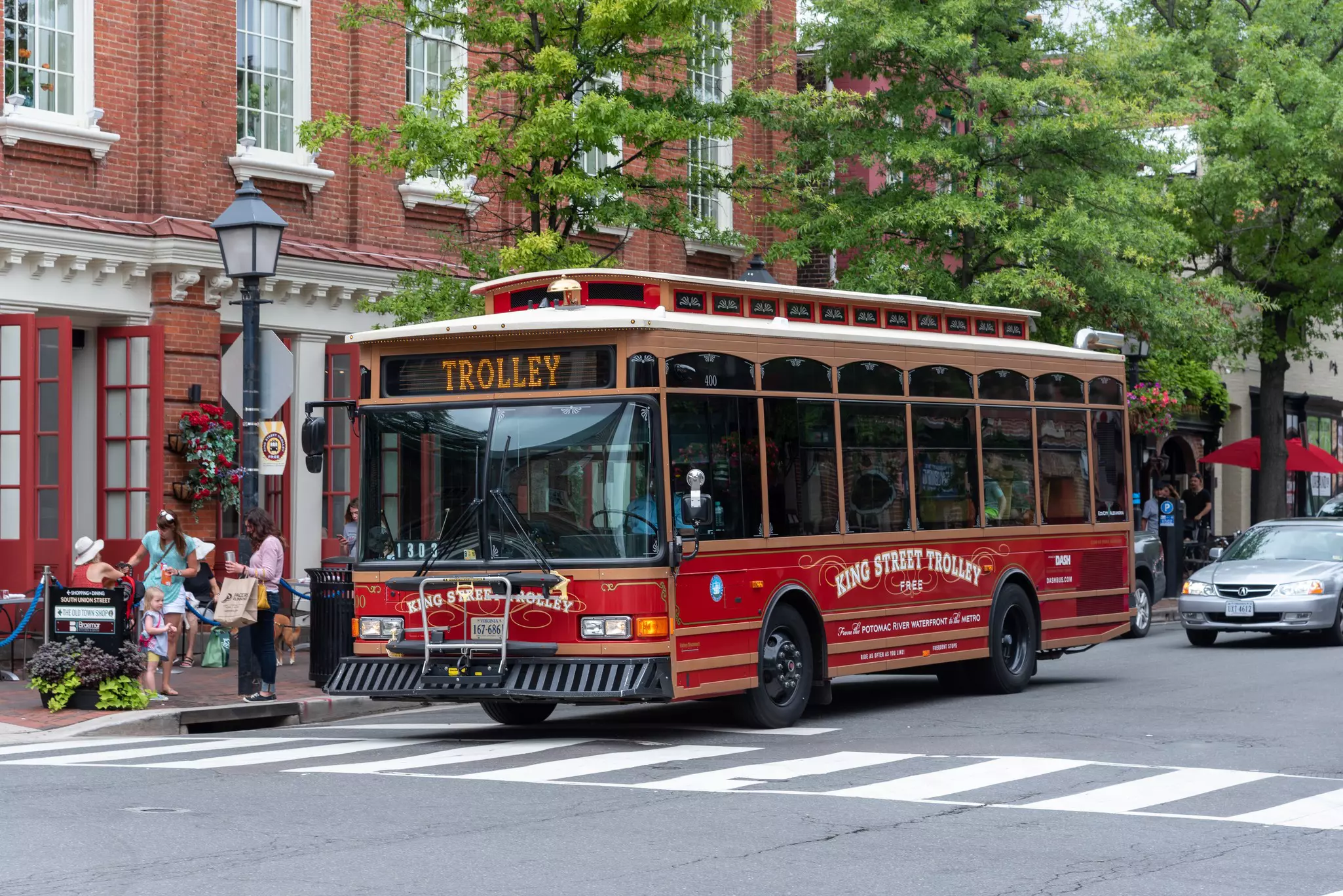
Occupying flower-bedecked, redbrick row houses, hundreds of independent shops and restaurants line historic King Street between the King St–Old Town metro and the Potomac River waterfront. Sauntering along, you can fill your shopping bags with shoes, books, designer fashions, high-end consignment, antiques, art, jewelry and home goods. Restaurants run the gamut from local seafood to Italian to Thai; Il Porto and the Fish Market are institutions. Stroll at your leisure, or hop aboard the King Street Trolley for free to take in the full stretch.
Local tip: At the foot of King Street, the 100 block is closed to traffic, offering a pedestrian-only, European-style hub.
In antebellum times, Alexandria reigned as the nation's second-largest center for the trade in human beings (after New Orleans), and the offices of Franklin and Armfield – the South's most powerful business dealing in the trade of enslaved people – occupied a site on Duke Street. James Birch of the subsequent owners (Price, Birch, and Co.) is the man responsible for kidnapping Solomon Northup and holding him in DC – the story told in 12 Years a Slave. Northup was held in a pen similar to those in the basement of this house, where today, chilling exhibits and screens broadcast the personal stories and provide context to help grapple with this atrocious institution.
Detour: If you'd like to learn about the history of Alexandria, you can pop into The Alexandria History Museum at the Lyceum. It's housed in a lovely 1839 Greek Revival building.
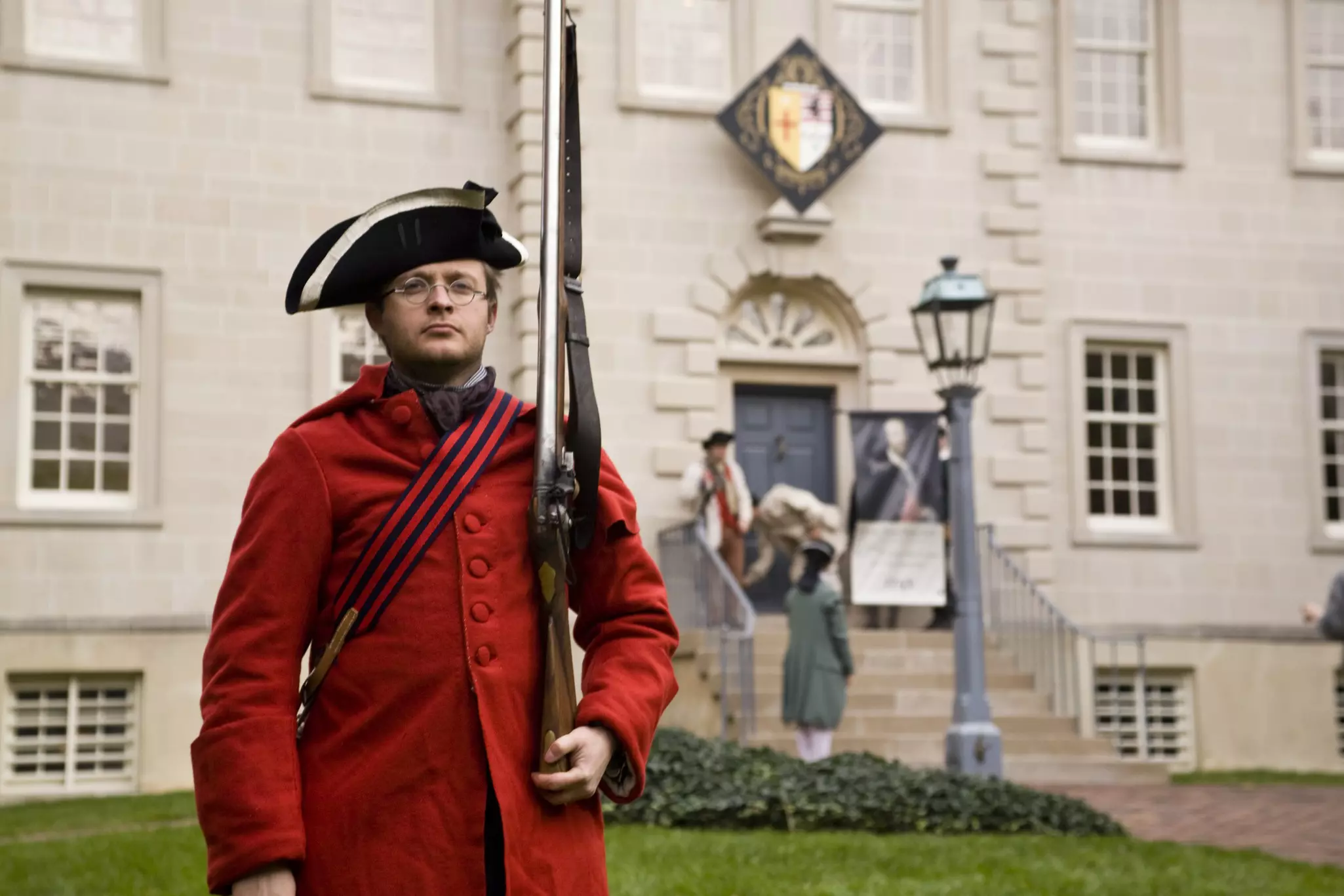
Imagine how grand this elegant Georgian Palladian-style mansion must have appeared when it rose above the log-cabin-filled settlement of Alexandria in 1753. The handiwork of enslaved laborers for merchant and town founder John Carlyle, the finest house around for miles hosted important social and political events.
These days, the house offers a glimpse of elegant 18th-century living, with paintings, historic relics and period furnishings filling the rooms. Out back, gardens feature plants Carlyle would have known, including boxwood parterres and a cutting garden. But it's perhaps the special events, such as the candlelit Christmas tours, that provide the best evocation of refined pre-Revolutionary life in America.
The soaring George Washington Masonic National Memorial can be spotted for miles in all directions, capping a hill at the head of the King Street Mile. The granite tower is dedicated to George Washington, the first of at least 14 presidents to be Freemasons, the secret fraternal society dedicated to pursuing a moral and ethical life.
Dedicated in 1932, the nine-floor structure resembles the lighthouse in ancient Alexandria (Egypt); the first and second floors include a replica lodge room and a small museum. Guided tours are required for the upper floors, where you'll see a collection of Washington's personal effects, such as his family Bible, a replica Ark of the Covenant and a reproduction of King Solomon's throne room. An open-air observation deck at the top takes in magnificent views of Alexandria and beyond.
Planning tip: Check the website to verify that tours are on offer.
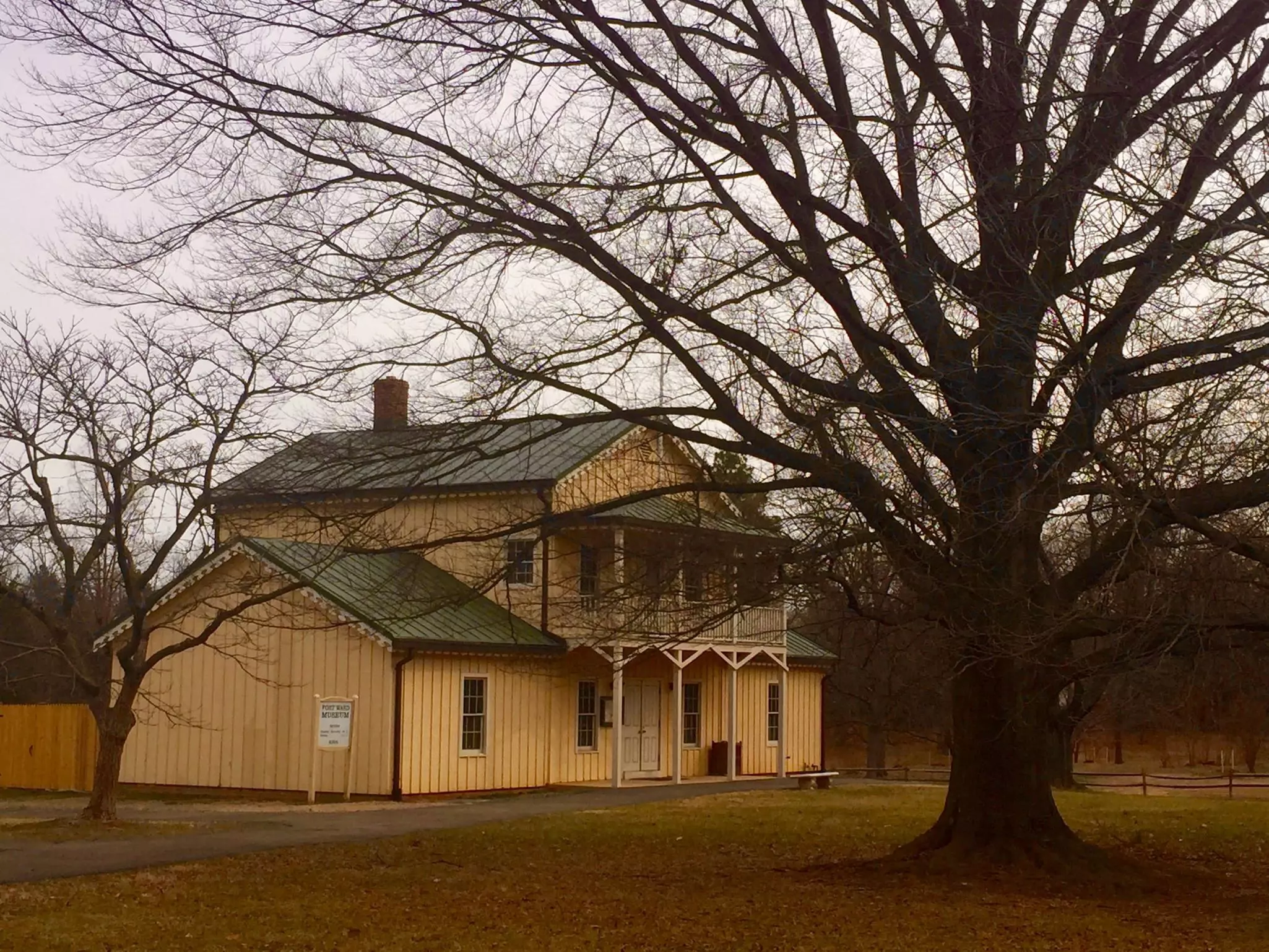
During the Civil War (1861–65), a ring of forts and batteries surrounded Washington, DC, the best-preserved of which is Fort Ward, on the edge of Alexandria. A tree-shaded road meanders past the fort's earthworks, about 90% of which remain; panels offer interpretations of what you're seeing. A small reconstructed headquarters houses a small museum with soldiers' uniforms, medical equipment and other artifacts. After the war, African American families built a neighborhood in the abandoned Fort Ward area, and their story is told, too.
Planning tip: Check the website to see the schedule of frequent re-enactments.
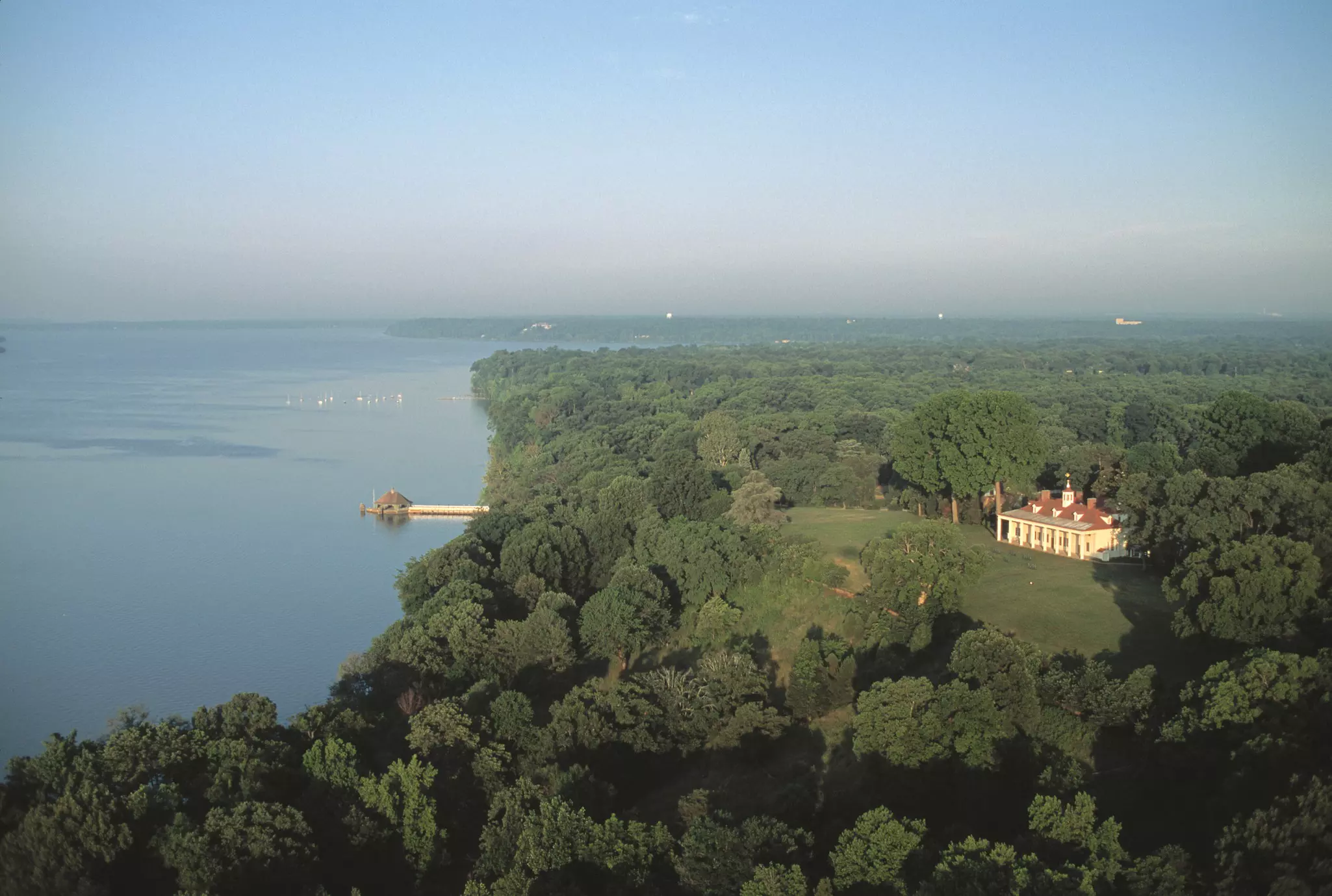
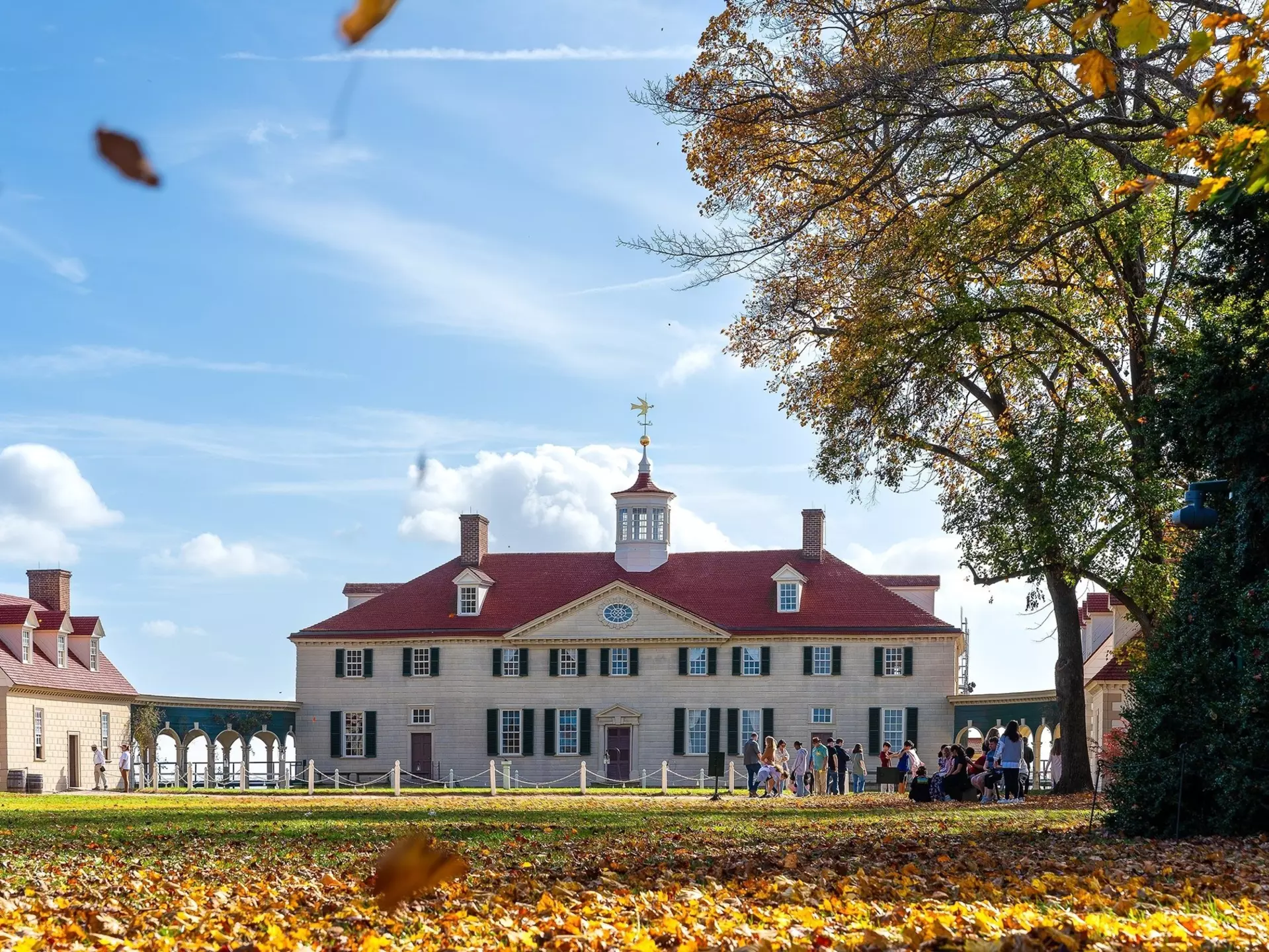
While George Washington traveled widely as a Revolutionary War general and then as president of the new United States, Mount Vernon was always close to his heart. This colonial-era plantation on the Potomac River, about 8 miles south of Old Town, remains nearly exactly as he would have known it.
House tours take in the meticulously preserved rooms filled with original furnishings, including Washington's study, his bedchamber (where he died in 1799) and the grand New Room. Four gardens, farm animals and the restored quarters of enslaved people can be found around the surrounding 500 acres, adding to a better understanding of Washington the farmer. An award-winning educational center offers interactive exhibits, movies and games detailing Washington's life and legacy – and it's here where you'll learn that his dentures were made of rare hippo ivory and the teeth of enslaved people, not wood.
One of the country's last riverine lighthouses rises above the picturesque Jones Point Park, just south of Old Town, harking back to a time when Alexandria's port buzzed with activity. The light operated between 1856 and 1926, using a then-technologically advanced fifth-order Fresnel Lens, so strong it beamed 9 miles away. Since restored, the wooden lighthouse can be visited on pre-arranged tours. If you look closely beneath the light's seawall, you'll find the South Boundary Stone, the nation's first federal monument. Surveyor, naturalist and mathematician Benjamin Banneker laid it in 1791 as he helped set the boundaries of the new capital of Washington, DC.
During the Civil War, African Americans the trade of enslaved people found safety in Alexandria, a Union-occupied southern city. Some found jobs, while others remained destitute in disease-ridden barracks; thousands perished. In 1864, land on the city's southern edge was confiscated to create a cemetery, where 1800 contrabands and freedmen were interred before closing in 1869. A memorial park commemorates the burial site, including the sculpture The Path of Thorns and Roses, symbolizing the freedom struggle.
Gliding on the Potomac's smooth waters, coming eye-to-eye with ducks, great blue herons and beavers, is a unique way to experience Alexandria from a different point of view. A small marina at Belle Haven, just south of Old Town off the George Washington Memorial Parkway, rents kayaks, stand-up paddle boards, canoes and sailboats. You can head north to see Old Town's brick-faced buildings from the water; or south into the bird-filled natural wonder of the tidal Dyke Marsh, one of the largest remnants of freshwater tidal wetlands in the DC metro area. A boardwalk wanders through Dyke Marsh, if you prefer to explore from the shore.
Detour: Follow the George Washington Memorial Parkway south to Mount Vernon.
George Washington sold his Mount Vernon produce at the Old Town's farmers market, which has been held continuously on the same site for 250 years. The market remains the place to go for fresh fruit, vegetables, baked goods, cheeses, cut flowers, soaps, jewelry and art from more than 70 vendors during peak season. You'll find it every Saturday year-round, rain or shine, on sprawling Market Square, in front of Alexandria's historic City Hall on King Street.
Planning tip: If you're here any other day you can get everything from pre-made salads to pizza and specialty chocolates on King Street, not to mention top shelf restaurants to dine in.
Mount Vernon Avenue runs through buzzy Del Ray, near Old Town – but oh-so-far-away. This neighborhood is a laid-back, Main Street USA kind of place to browse eclectic shops and art galleries, sip a cappuccino, eat international food (especially El Salvadorian, Peruvian and Nepalese) and people watch.
The best time to visit is for weekend brunch or an appropriately named " First Thursday," a street party with changing themes on the first Thursday of the month ("aloha," "dog days" and "superheros" are past themes). Here, too, you'll find the legendary Birchmere music hall, a popular place to listen to folk, bluegrass and acoustic folk; Mary Chapin Carpenter, Lyle Lovett, and Emmylou Harris are regulars. Interpretive signs sprinkled throughout the neighborhood detail Del Ray's legacy as a railroad hub.
Overlooking the Potomac River south of Old Town, River Farm' s garden-filled grounds once were part of George Washington's five farms. (He never lived or worked here; instead, he rented the property out.) The manor house's lower floor is open to the public, with a charming parlor and ballroom, plus stunning river views. On the grounds, you'll find an old black walnut tree and several Kentucky coffee trees, descendants of ones Washington grew. The oldest tree is the Osage orange – the country's largest, and possibly a gift from Thomas Jefferson to the Washington family; you'll find it in the shade garden north of the main house. The headquarters of the American Horticultural Society, this is a favorite spot for locals to picnic, paint, bird-watch and wander a gorgeous riverfront landscape.
Explore related stories