
Advertisement
Ecuador
Postcard-pretty town centers, waves splashing white-sand beaches, Kichwa villages, Amazonian rainforest and the breathtaking Andes: a dazzling array of wonders is squeezed into compact Ecuador.

Getty Images/iStockphoto
Latest Stories
- Mayra Peralta|Oct 22, 2025Top 10 things to do in Ecuador
- Nori Jemil|Oct 22, 2025The 6 best hikes in Ecuador
- Chamidae Ford|Nov 25, 2024Copy My Trip: Exploring Ecuador and the Galápagos with Elsewhere
- Mayra Peralta|Jun 16, 20245 of the best road trips in Ecuador
Book
Trip 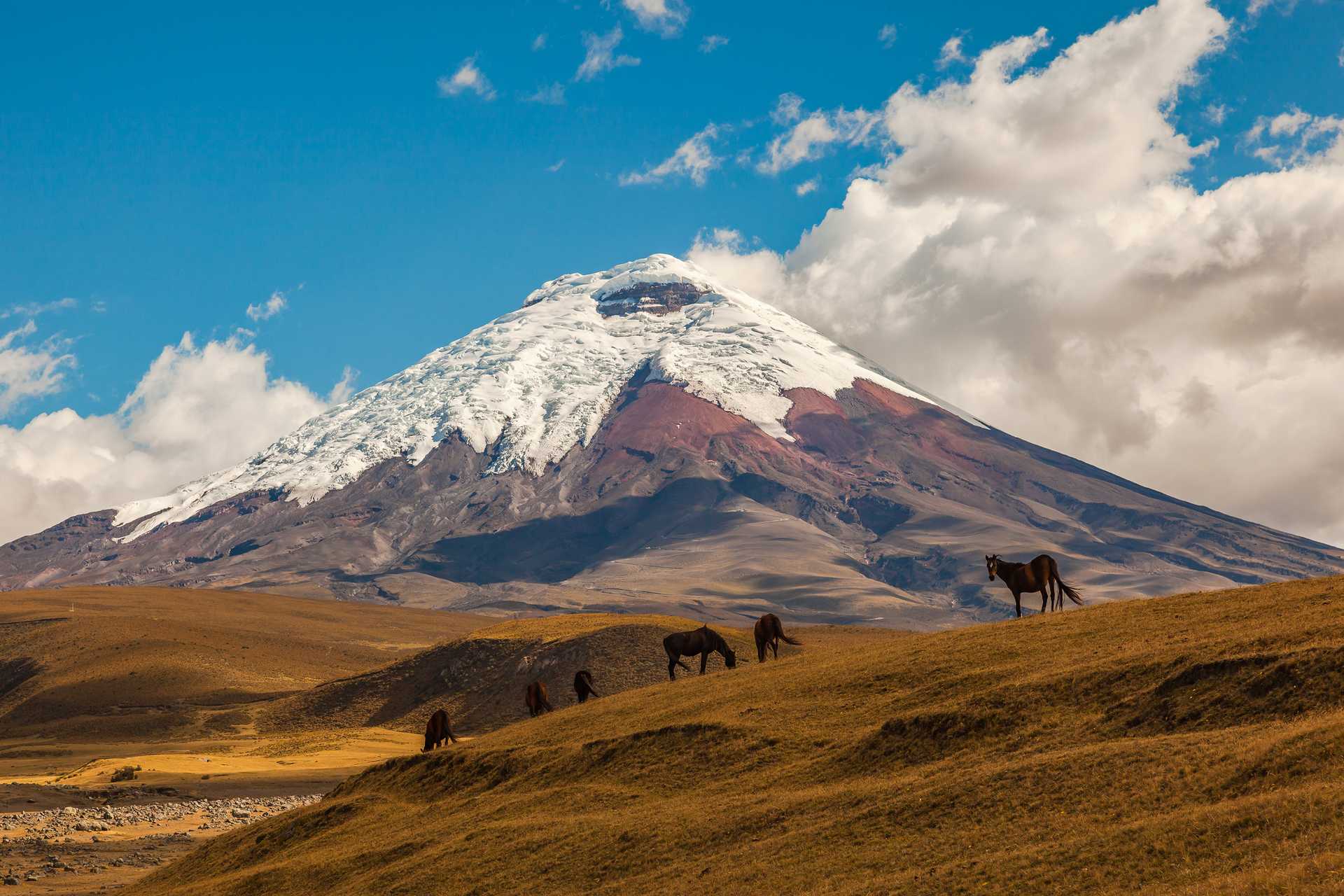
10 days / 9 nights
Amazon Adventures, Cotopaxi Cowboys, and Quito Culture: Ecuador in 10 Days

Take your Ecuador trip with Lonely Planet Journeys
Pick one of our ready-to-book trips or fully customize your own with help from our local experts.
bookable trip
Amazon Adventures, Cotopaxi Cowboys, and Quito Culture: Ecuador in 10 Days
highlights
- 1 Straddling the Middle of the World at the world’s equatorial border of zero degrees
- 2 Riding a horse in the style of a traditional Cotopaxi Chagra
- 3 Hiking at the base of volcanoes in Cotopaxi National Park
from $3,400
per person


Top places to visit in Ecuador
Discover the best attractions in Ecuador from must-see sights to unexpected hidden gems.
-
 Attraction in The Galápagos IslandsDarwin Lake
 -
 Attraction in South CoastLa Chocolatera
 -
 Attraction in The Galápagos IslandsVolcán Wolf
 -
-
 Attraction in Puerto AyoraCharles Darwin Research Station
 -
 Attraction in The Galápagos IslandsPuerto Egas
 - Attraction in The Galápagos IslandsVolcán Alcedo
- Attraction in Puerto AyoraTortuga Bay
Advertisement
Travel Guides
Ecuador travel tips from Lonely Planet experts
Find practical guidance from our team of contributors around the world who bring their decades of first-hand travel experience to your next trip.
Best Things to Do
Snorkel with sea lions, taste some of the best cacao on earth and experience colonial art. Here are the top 10 ways to enjoy your trip to Ecuador.
Read full article
Best Time to Visit
Choose the right time for your visit to Ecuador with this seasonal guide.
Read full article
Things to Know
These insider tips on health, safety and etiquette will help you make the most out of your trip to Ecuador.
Read full article
Transportation
Start planning your trip now with our expert advice on how to travel around Ecuador safely and efficiently.
Read full article
Visa Requirements
Don't miss out on the magnificent attractions Ecuador has to offer because of a little paperwork. Here's everything you need to know about visas.
Read full article
Best Road Trips
From the Pacific Coast to the Avenue of Volcanoes, these are the top scenic drives in Ecuador.
Read full article
Money and Costs
It may be more expensive than its South American neighbors but that doesn't mean you can't visit Ecuador on a budget. Here's what you need to know.
Read full article
Traveling with Kids
From exploring Unesco World Heritage sites to discovering endemic wildlife, here’s our list of things to do with kids in Ecuador.
Read full article
Best Places to Visit
Ecuador is home to the Galápagos, the Andes, the Amazon and a stunning coastline. Here are the best places to visit.
Read full article
Advertisement
Get a book. Get inspired. Get exploring.
in partnership with getyourguide
Book popular activities in Ecuador
Ecuador and beyond
-
 destinationCentral Highlands
 -
 destinationSouth Coast
 -
 destinationThe Oriente
 -
 destinationThe Galápagos Islands
 -
 destinationQuito
 -
 destinationNorth Coast & Lowlands
 -
 destinationCuenca
 -
 destinationGuayaquil
Advertisement