Jun 5, 20267 min read
11 ways to experience Prague on a budgetMay 13, 2026
7 MIN READ
Writer
Lonely Planet may earn a commission from affiliate links on our site. All recommendations and reviews reflect our own independent opinions.
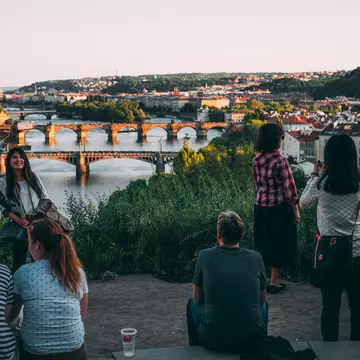
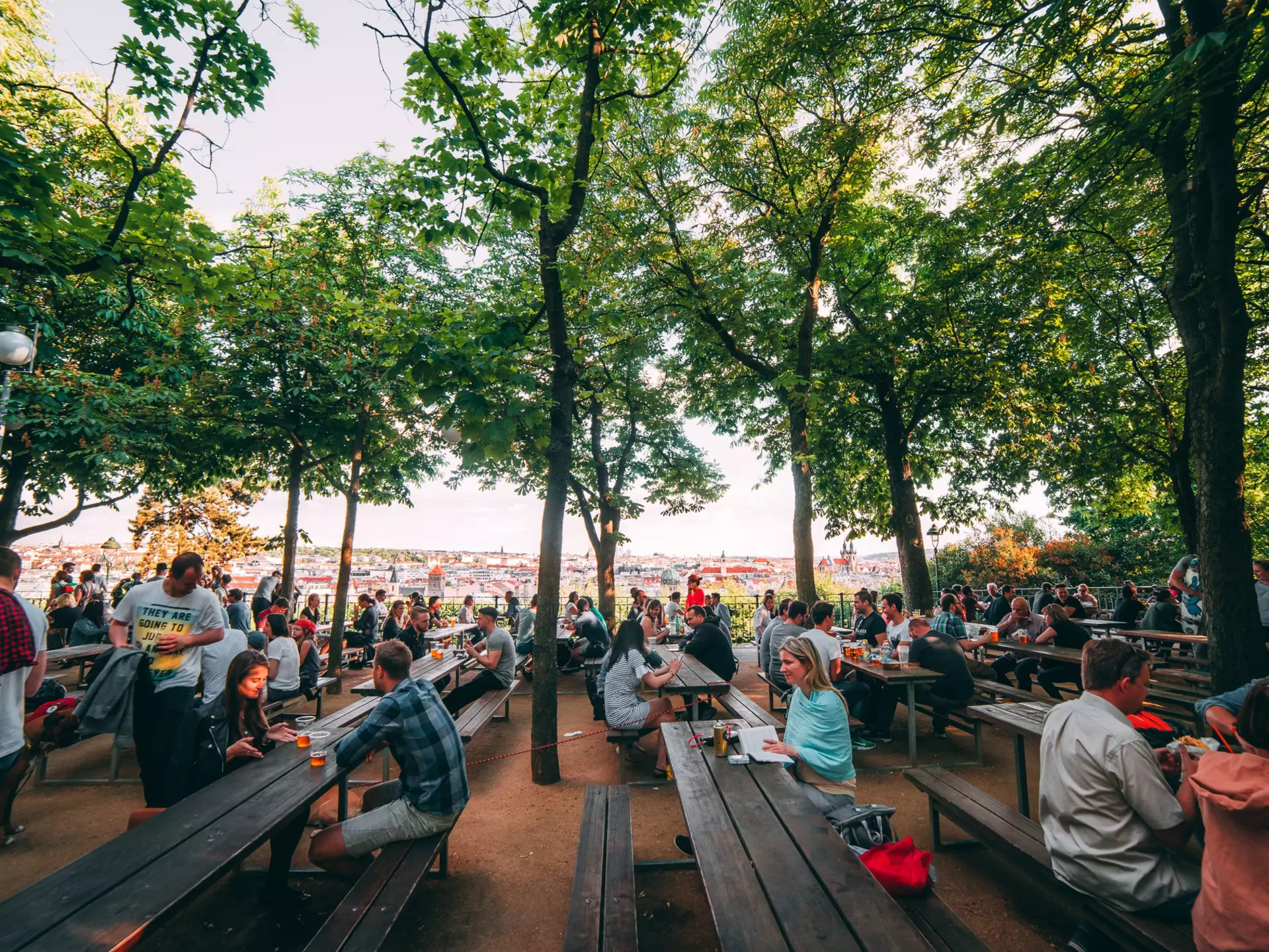
Letná Park in Prague, Czechia. Petr Pavlica/Shutterstock
Writer
Most people start their visit to Czechia in Prague, the cradle of Czech culture and one of Europe’s most intriguing capitals. The ups and downs of centuries past, of empires, wars, plagues and prosperity, are etched into the city’s soul like the lines that are carved onto the facades of its Gothic towers and Renaissance palaces.
Part of the city’s enduring appeal stems from its storybook mystique: the dramatic way the floodlit twin towers of the Týn Church rise behind Old Town Square (Staroměstské náměstí, or Staromák for short) like something from a fairy tale or the play of shadows on the back streets of Old Town (Staré Město) after dark. Alongside its famous architecture and incredible castle, Prague is a vibrant city with beer gardens, modern as well as traditional cafes, and a foodie scene.
Start planning your visit to Prague with this guide to the very best things to do.
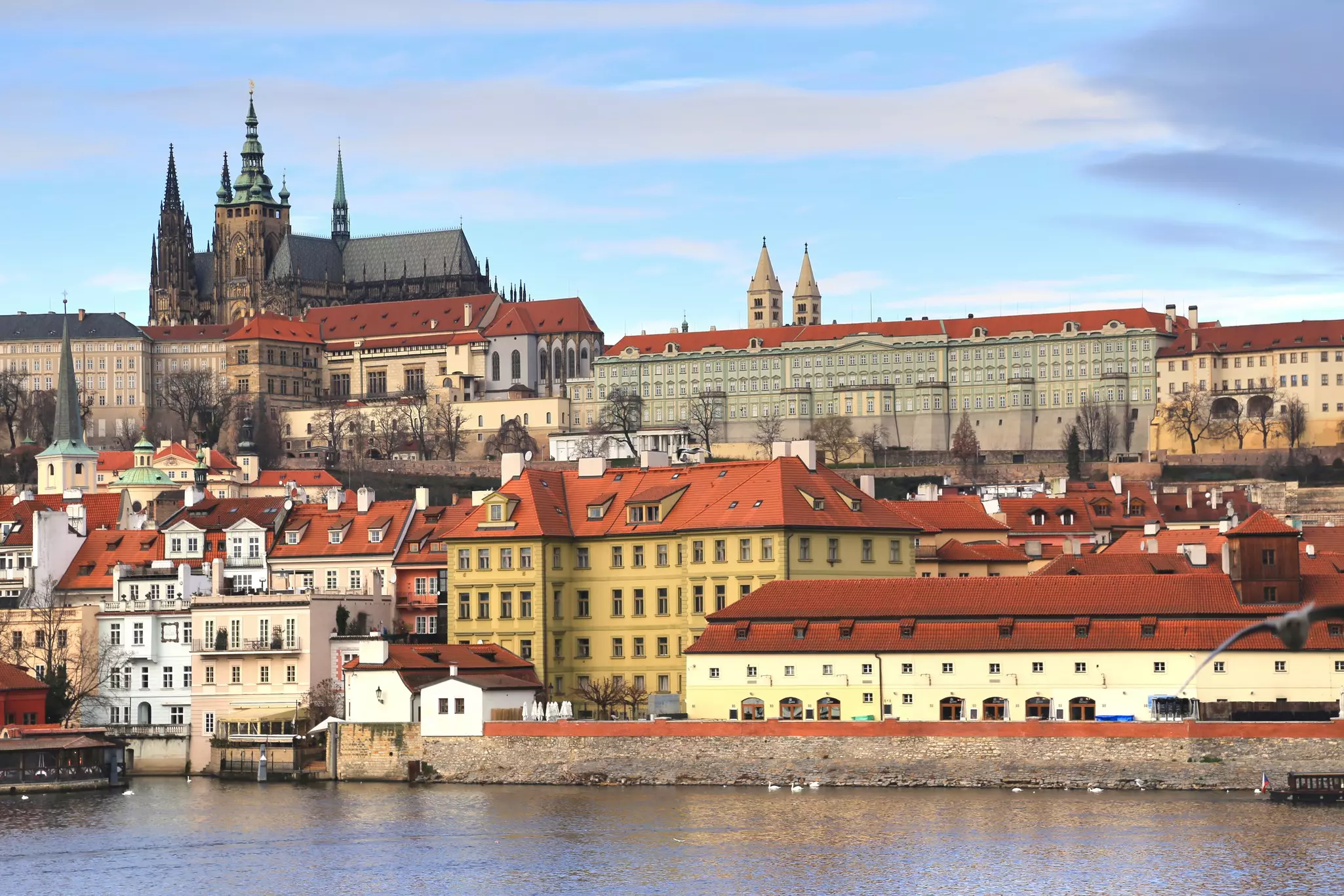
More than 1000 years of history lives within the walls of Prague’s hilltop castle, a complex of churches, towers, halls and palaces that is almost like a small city in its own right. This UNESCO World Heritage site is the cultural and historical heart of the country – both a repository for national treasures and the backdrop for many significant events, including the coronations of the kings of Bohemia and the election of Václav Havel as president in 1989. The jewel in the crown, St Vitus Cathedral, is a magnificent example of Gothic architecture.
Planning tip: Make time to wander the charming (if touristy) Golden Lane. This antique path is lined by small, colorful houses, originally constructed as residences for the castle guards. Later it accommodated local goldsmiths, hence the name.
Prague is a haven for specialty coffee lovers. Slow drip, nitro brew, Chemex – all the bases are covered. The popular Vinohrady district contains the highest concentration of contemporary cafes, though it’s easy to find good coffee all over the city.
Or experience the charm of Prague’s more traditional coffeehouses. Grand Cafe Orient is located in a stunning cubist building near Old Town Square, while Café Imperial references early 20th-century elegance.
Planning tip: Want some live music with your brew? Head to Kavárna Slavia, where a pianist plays every evening from 5pm.
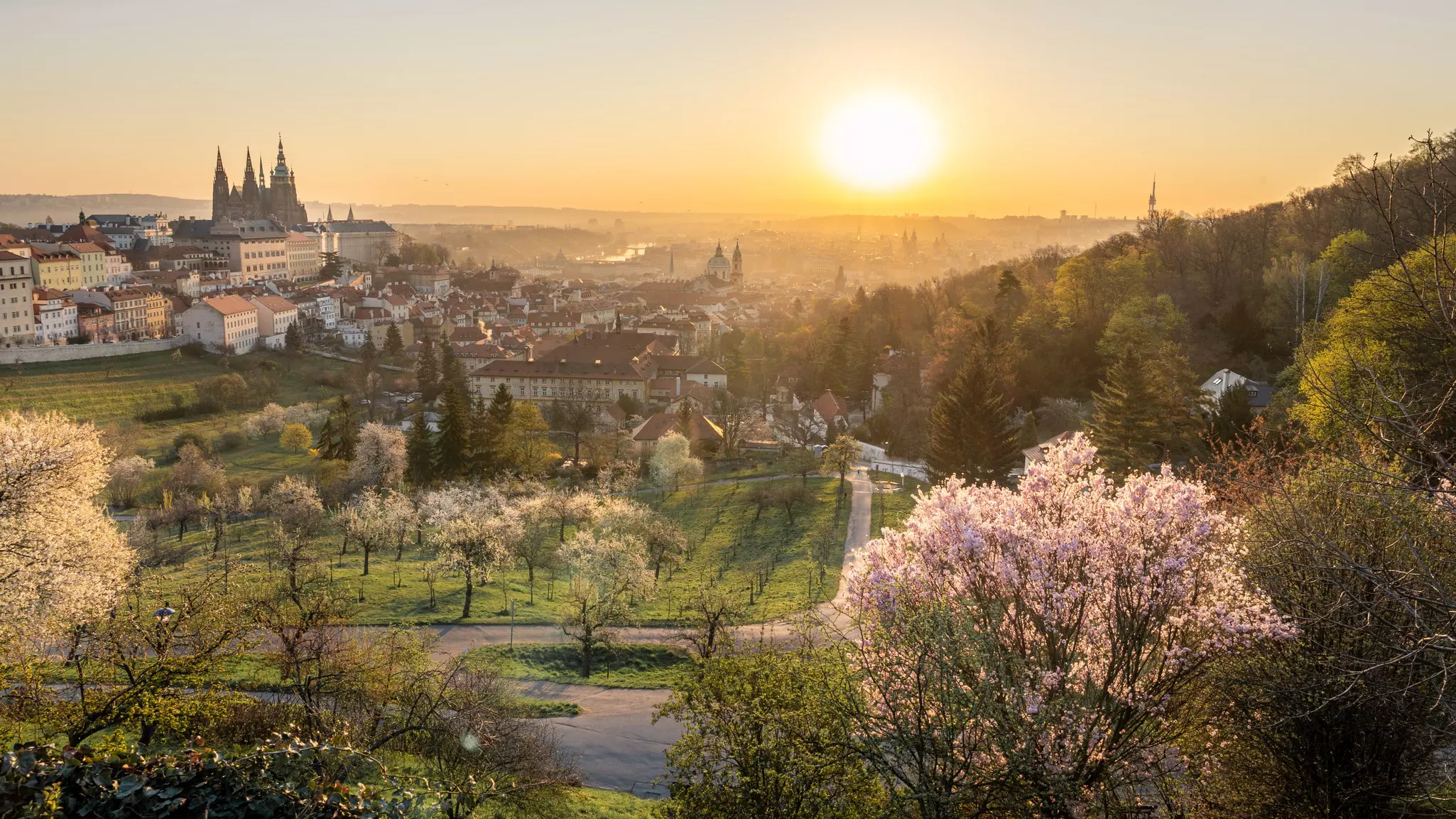
An Eiffel Tower look-alike, the Petřín observation tower stands atop Petřín hill. If you fancy a workout, you’ll enjoy the walk up, stopping at plenty of spots to admire beautiful city views. The softer option is to ride a small funicular to the top. As it’s part of the Prague transportation system, you can use the same tickets for the funicular as you do for the trams and metro.
Planning tip: Once you’ve reached the top of the hill, climbing the actual Petřín tower can be quite vertigo inducing. If you’re up for the challenge, you’ll be rewarded by marvelous views.
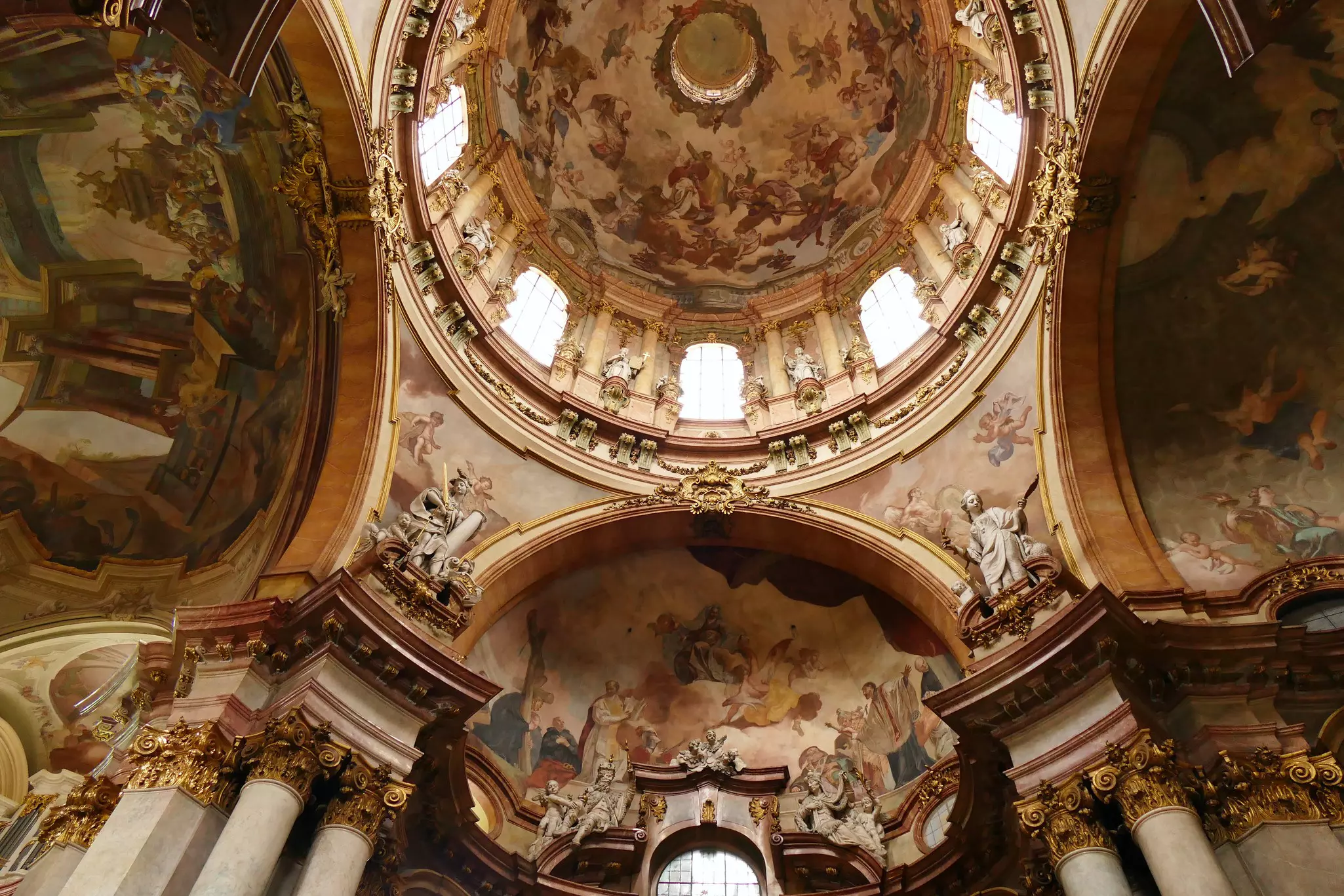
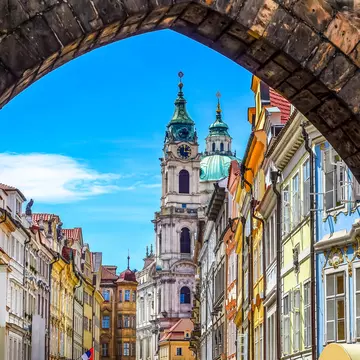
Baroque structures abound in Prague, especially in the Lesser Quarter area. St Nicholas Church is a fine example: with rich frescoes decorating its walls and its large green dome, this cathedral represents one of the grandest baroque displays in Central Europe.
The era of cubism may have been short-lived, but Prague found a special affinity for the style. The angled lines of Prague cubism can be studied at the House of the Black Madonna in Old Town, which houses a small Museum of Czech Cubism, as well as the cubist-inflected Grand Cafe Orient.
Planning tip: Head over to the National Gallery’s Trade Fair Palace in Holešovice to see how Czech painters applied cubist techniques to canvas.
By hearty, we mean Czech classics such as svíčková (sirloin beef and bread dumplings generously topped with a creamy sauce), vepřo knedlo zelo (roasted pork with sauerkraut and bread dumplings), fried cheese and a few widely adopted staples from neighboring countries, like goulash and schnitzel.
You can enjoy such traditional fare at a local chain of pubs called Lokál, whose dishes are prepared so well that they’d please even the most finicky Czech elders. Wash it all down with a crisp beer to aid your digestion, like a Pilsner Urquell, a Prague-brewed Staropramen or a malty dark Velkopopovický Kozel.
Local tip: Smaller breweries have taken Prague by storm. A local favorite, the Dva Kohouti mini-brewery is located in the formerly industrial neighborhood of Karlín.
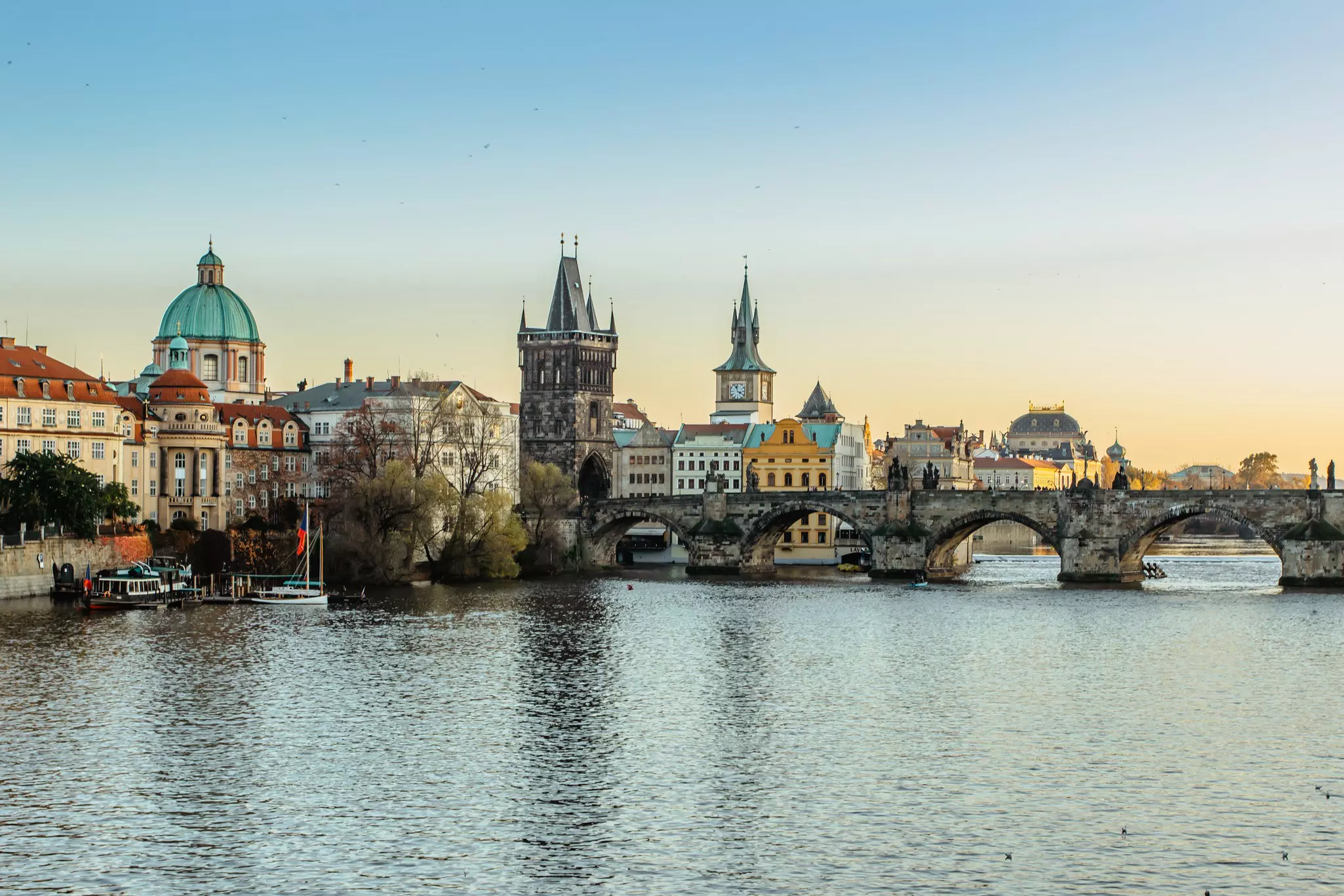
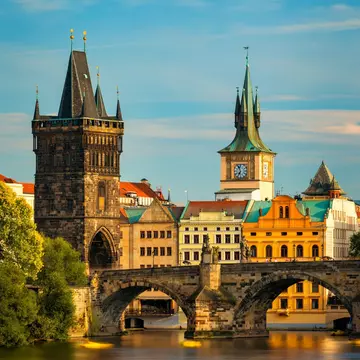
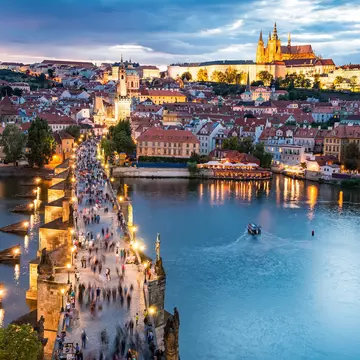
Whether you visit alone in the early-morning mist or shoulder your way through the afternoon throngs, crossing the Charles Bridge is a quintessential Prague experience. Constructed in 1357, the picturesque span at the foot of Prague Castle connects the medieval Old Town and the Lesser Quarter. Climbing the bridge tower on the Old Town side provides a bird’s-eye view of this intricate bridge, with the castle above.
Local tip: Legend says that eggs were used to create the mortar for its construction and have held its 16 arches together for 600-plus years.
Icons of the Prague skyline, the two neo-Gothic spires of the Basilica of Sts Peter and Paul are perched atop Vyšehrad hill. The historic fort of Vyšehrad was built during the 10th century and became the seat of the first Czech ruler, King Vratislav II of the Přemyslid dynasty, a century later.
A walk through the adjacent grandiose cemetery takes you past the final resting place of many famous Czechs, such as the composers Bedřich Smetana and Antonín Dvořák, as well as the renowned writers Karel Čapek and Jan Neruda.
Planning tip: From Prague's center, take metro line C (red line) south to Vyšehrad station, then walk west to the Tábor Gate, the entryway to the complex. If you want to stretch your legs, walk uphill along Vratislavova from the Výtoň tram stop near the Vltava River. Once you are within the fortress, distances are short, the sights are signposted, and everything is easily walkable.
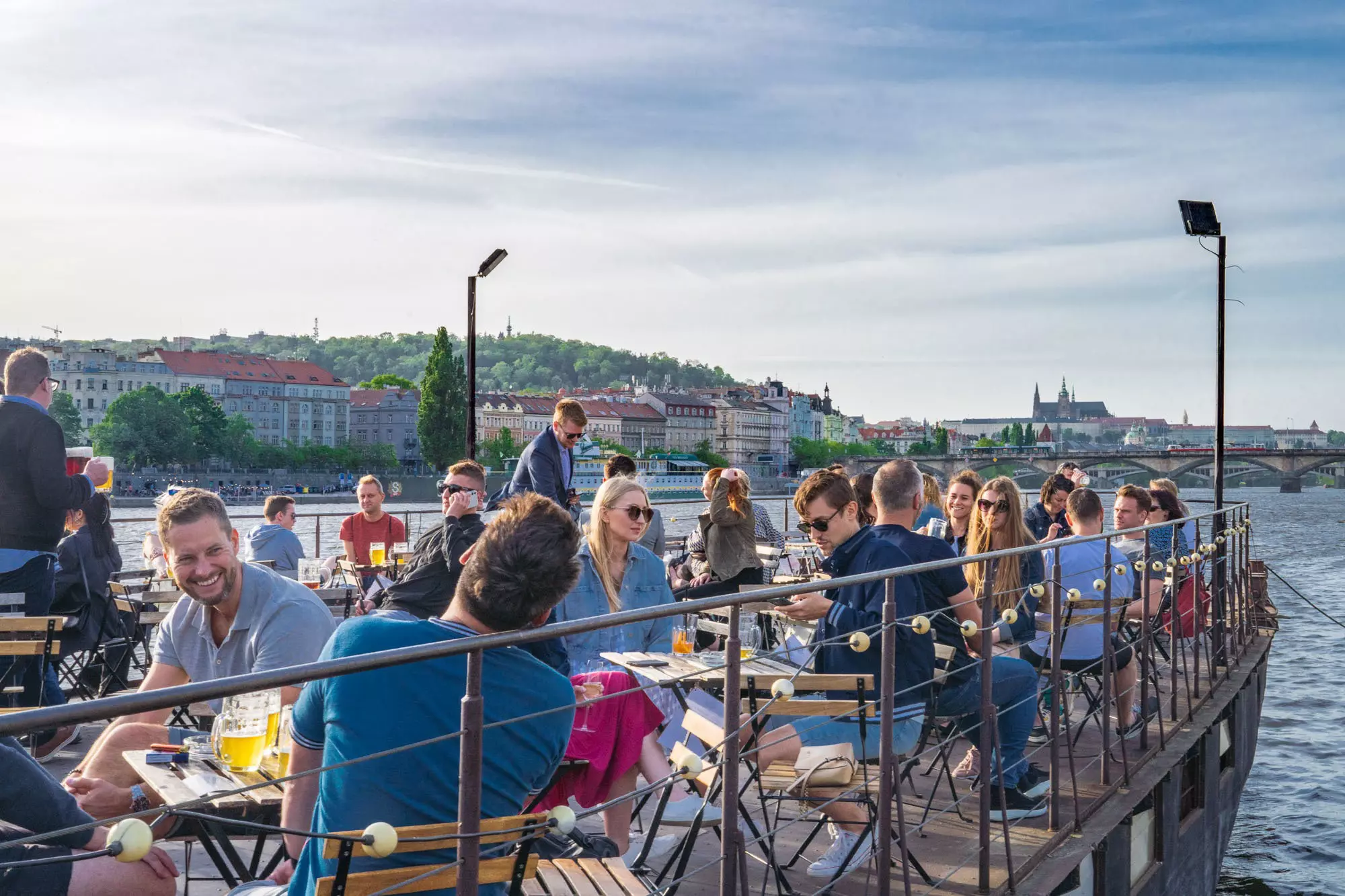
On sunny afternoons, you’ll find many Czechs relaxing in the Náplavka riverbank area. Both day and night, it’s lined with barges selling refreshments, from classic sausages to beer and cocktails. At sunset, it’s an especially gorgeous spot to settle in. If you want to do it in the Czech style, take a bottle of wine, a couple of friends and a blanket to sit on. Dangle your feet over the water and watch the swans and ducks float by.
Planning tip: Visit on Saturdays for a farmers market, with organic produce, fresh baked goods and live music.
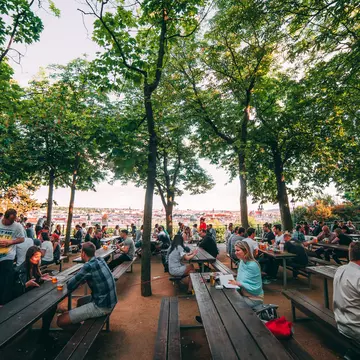
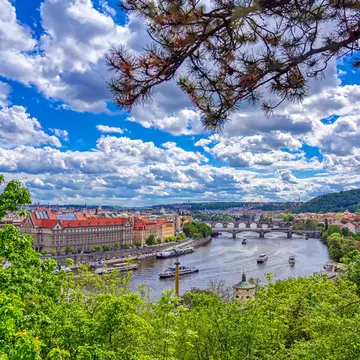
Prague is home to many green spaces, with plenty of shaded resting areas. Beer gardens are also a big draw, especially in the heat of summer. Hilly parks such as the one in Letná or Riegrovy Sady offer views over the city.
If you crave a wilder escape, Prague has some fantastic hiking just a stone’s throw away from the city center. One of the most popular getaways for locals is the Prokopské údolí valley, featuring winding trails through forests and meadows. Divoká Šárka is another great area, with creeks and marshes to explore.
Planning tip: Spring truly is a glorious season in Prague and around the country. April in particular is an eye-catching month to walk around the historic streets and squares. That’s when the first trees start to bud, and Czechia’s parks and gardens explode in riotous pinks and yellows.
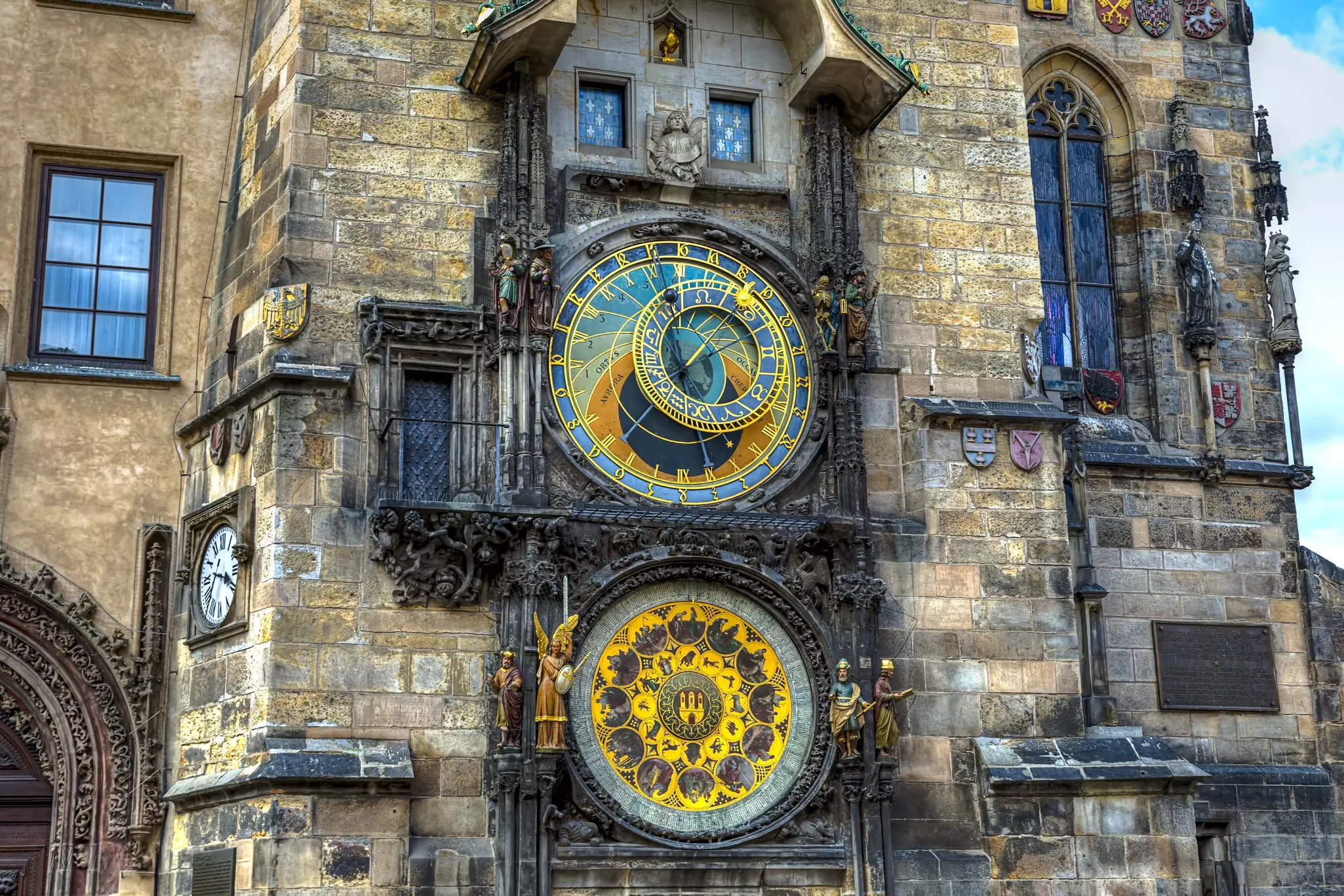
A mechanical masterpiece that dates to the Middle Ages, the Astronomical Clock is the world’s oldest functioning one. At the top of every hour, 12 mechanical apostles parade between small doorways above the face of the clock. Crowds of visitors start to gather hourly to watch as the playful spectacle unfolds.
Planning tip: Pickpockets are known to take advantage of your focus on the clock, so be mindful of your belongings during the hourly display.
Explore related stories