Sep 30, 202616 min read
Cruising in CroatiaAug 6, 2025
7 MIN READ

Writer
The stunning capital of Hvar island has a great nightlife scene. Plam Petrov/Shutterstock

Writer
Highlights
Writer Mary Novakovich picks 15 Croatian experiences from national parks to baroque towns.
Walk Dubrovnik's medieval ramparts or hike Plitvice's dreamy waterfall-laced lakes.
For history, head to Split's Diocletian's Palace; for wine, try Pelješac's plavac mali.
Try Zagreb's coffee-fueled špica ritual or brave Biokovo's glass Skywalk above the Adriatic.
Lonely Planet may earn a commission from affiliate links on our site. All recommendations and reviews reflect our own independent opinions.
While you absolutely shouldn’t miss the dazzling Adriatic islands or glittering Dubrovnik and Split, Croatia also offers sophisticated culture in Zagreb, baroque beauty in Varaždin and stunning places throughout the country that promise both spectacular views and hair-raising adventures.
To begin piecing together an itinerary with hiking trails, beach days and delicious food between road-tripping and island-hopping, check out our list of the top activities in Croatia.
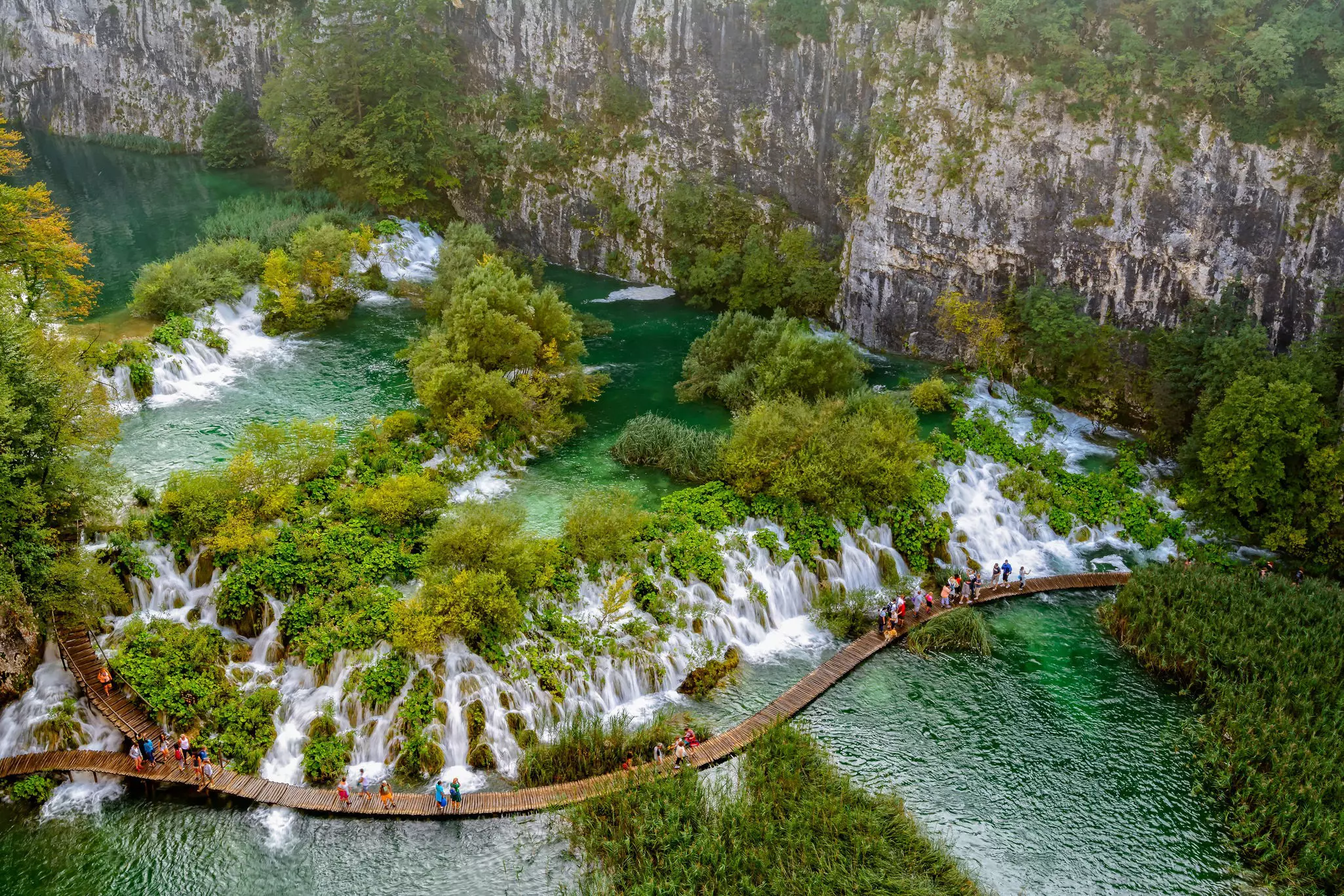
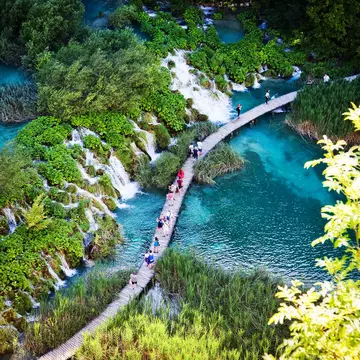
Sixteen lakes and countless waterfalls make walking through Plitvice Lakes National Park a dreamy experience. This is the largest of Croatia's national parks, and its forests are home to bears, wolves and rare birds. Over centuries, this travertine landscape has created a vivid world of shallow lakes and waterways shaded by beech forests, with every shade of blue and green reflected in its mesmerizingly clear waters. Follow the footpaths – many of them on raised wooden walkways – until you reach Kozjak Lake, where an electric boat takes you across the glasslike water.
It’s not often that you see a Roman palace become such a fundamental part of a city. Not only is Diocletian's Palace a UNESCO World Heritage Site, but around 3,000 people still live inside. The structure that the Roman emperor Diocletian built for himself in Split in the 2nd century CE soon fell into ruin and, by the Middle Ages, had become colonized by apartments and shops. Today, it’s the place to stop for a coffee as you admire the millennia-old, graceful columns and arches.
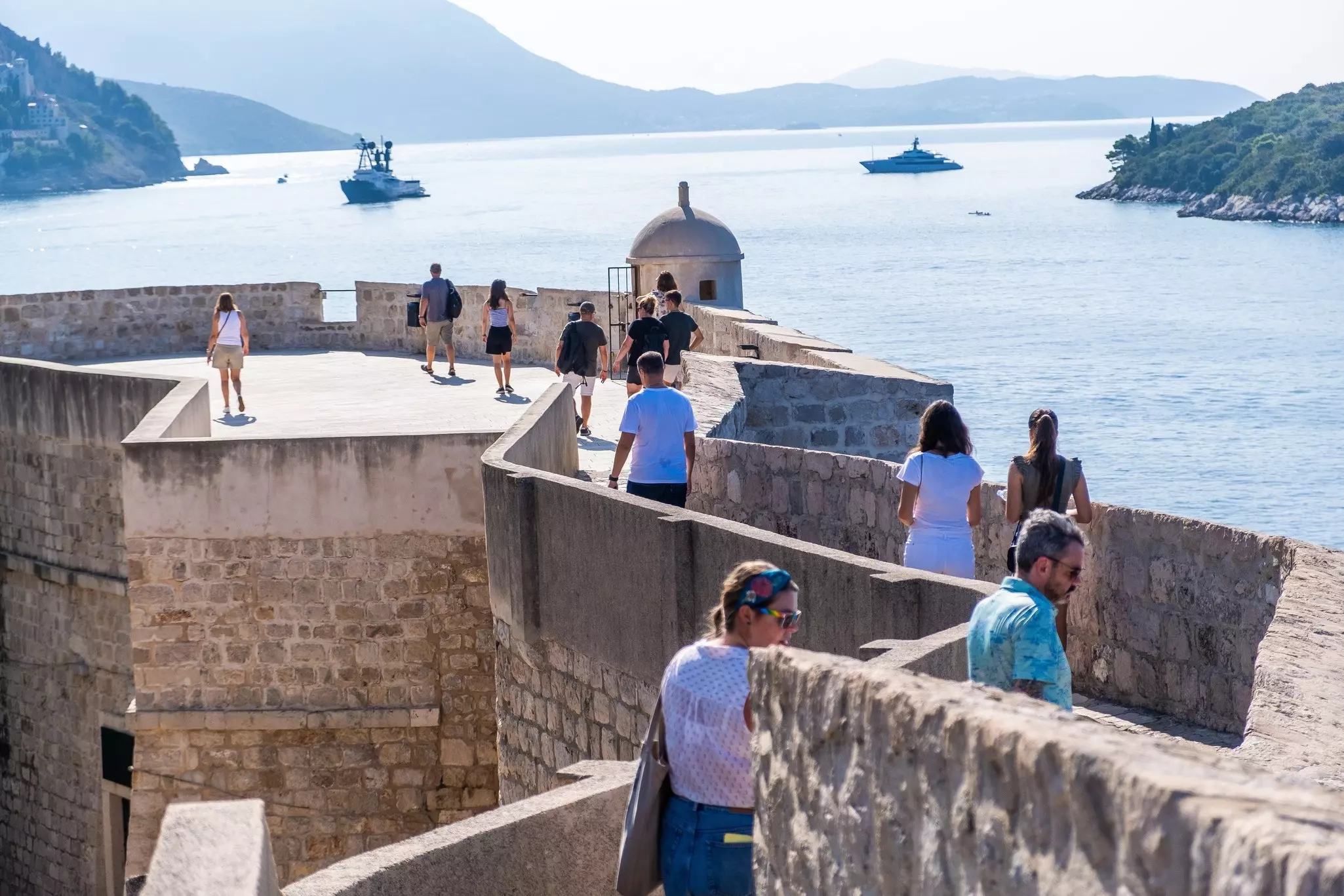
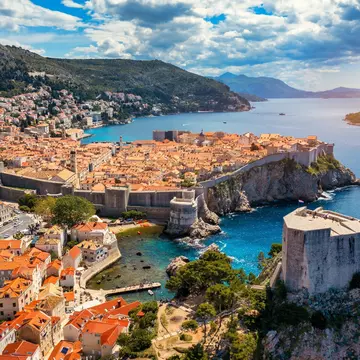
These magnificent medieval and Renaissance ramparts curve around Dubrovnik’s old town for nearly 2km (1.2 miles), leading you up and down stone steps and past hulking forts and defensive towers. Set aside at least 90 minutes to amble along the walls, taking in glorious views of the Adriatic, Lokrum island and the town’s sea of terracotta rooftops while peeking into the gardens and terraces of the houses below.
Planning tip: Avoid the crowds by turning up first thing in the morning or late in the afternoon.
Spreading across northeastern Croatia by the Serbian border, the vast wetlands of Kopački Rit Nature Park offer some of the most serene landscapes in the country. For a wonderfully soothing experience, hop on one of the boats that gently float through this peaceful reserve where the Danube and Drava rivers meet – the birdlife is quite extraordinary.
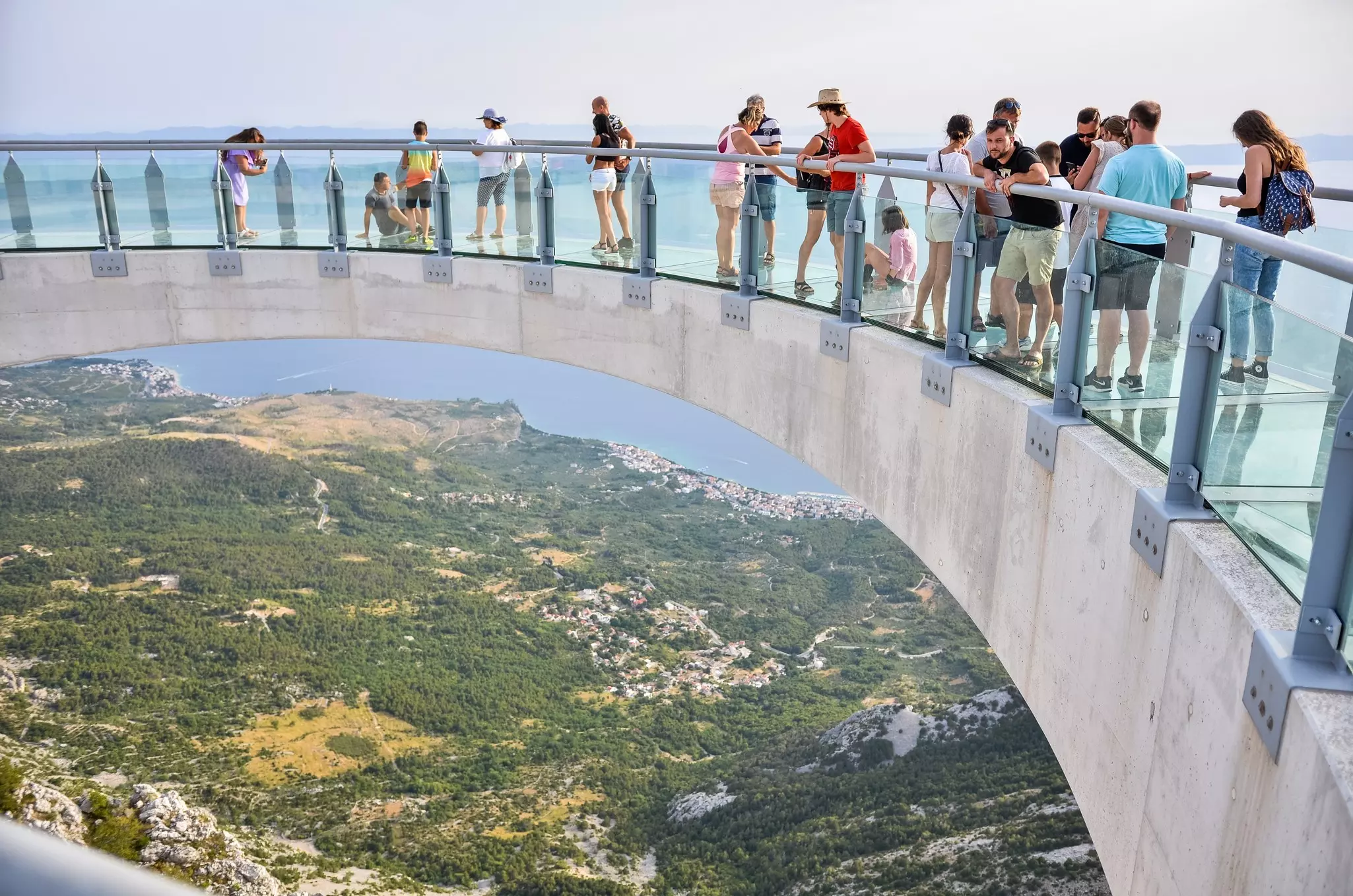
You’ll soon discover if you have a head for heights when you step on the horseshoe-shaped glass platform that hovers 1228m (4029ft) over Biokovo Nature Park. Surrounded by the stark, barren beauty of the Dinaric Range, the Skywalk gives you superlative views of the Adriatic, with islands in the distance and mountains looming behind.
Planning tip: If you’re feeling fit, you can hike for three hours from the park's entrance.
Often visited as a day trip from Dubrovnik or Korčula, lusciously green Mljet is worth a more leisurely exploration, especially its national park. Taking up nearly a third of the island, the park is dominated by two saltwater lakes fringed with pine-shaded trails, offering plenty of places to stop for a swim. Hike to the top of Montokuc, at 256m (840ft), for sublime views while breathing in the scent of Aleppo pines.
Detour: Don’t miss taking the little ferry to St Mary’s Island to roam around its church and monastery.
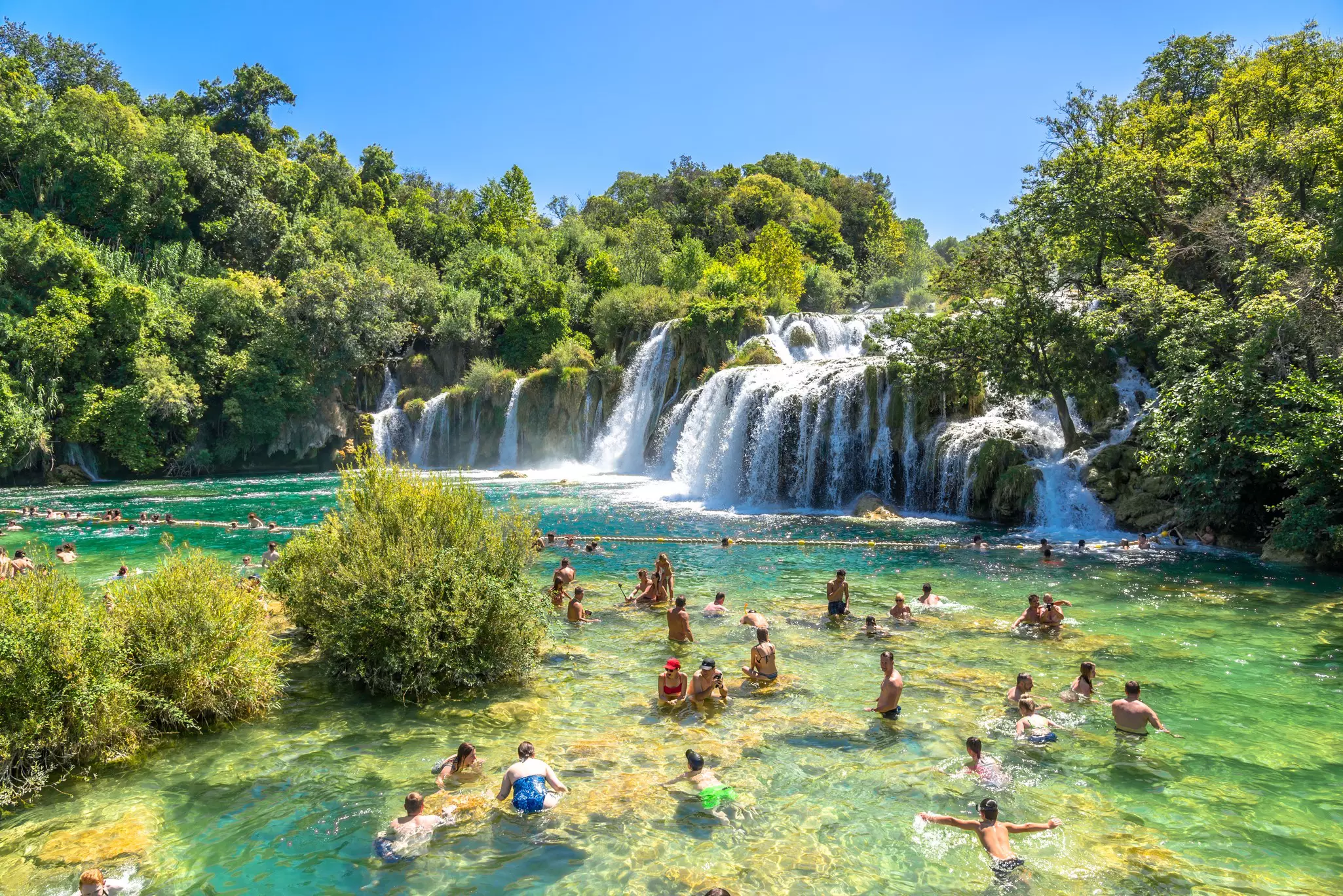
Not to be outdone by Plitvice, the waterfalls and forests of Krka National Park are just as impressive. Start in the village of Skradin, where you’ll pick up the boat service that runs along the Krka River, passing one spectacular waterfall after another. Stop at Skradinski Buk to see one of the most majestic cascades as it tumbles down limestone rocks. Carry on toward the island of Visovac and its enchanting Franciscan monastery.
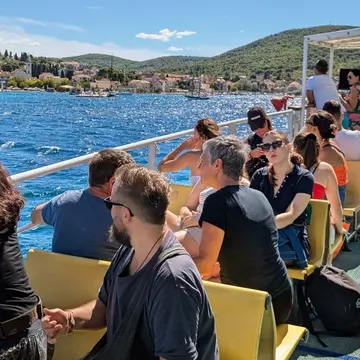
A 10-minute boat ride from Dubrovnik’s Old Port takes you to a totally different world. Little Lokrum squeezes in a Benedictine monastery, a Napoleonic fort, a botanical garden, a couple of bars and a restaurant, a saltwater lagoon (nicknamed the Dead Sea), and several rocky beaches.
Planning tip: Pick up some picnic snacks from the bakery by the pier and prepare to spend a few hours exploring – or just lazing about.
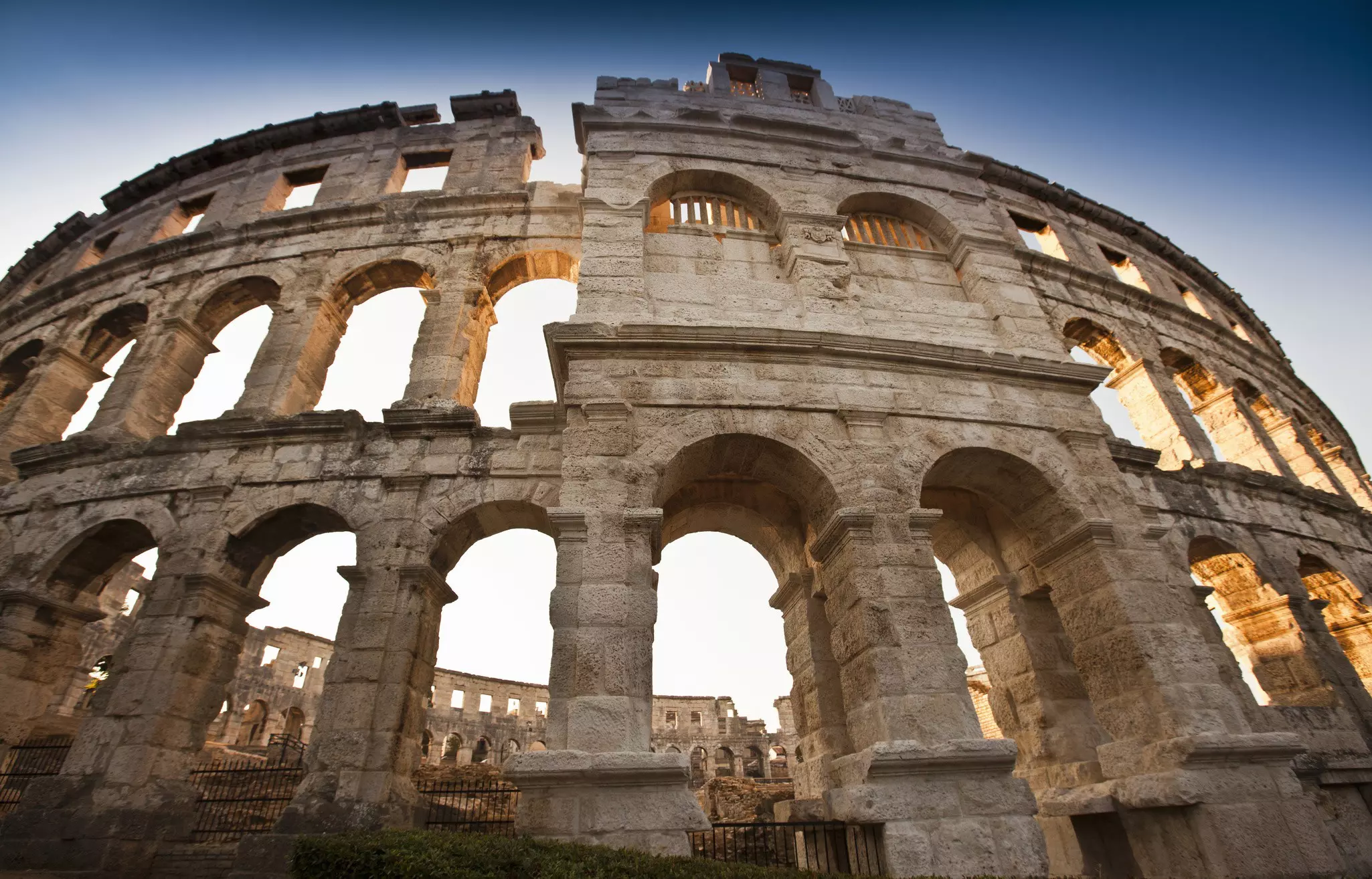
Built around the end of the 1st century BCE, Pula’s enormous Roman amphitheater – the sixth largest surviving one in the world – is remarkably well-preserved. Instead of gladiators and caged animals, in the lower chambers you’ll find displays harking back to Istria’s Roman-era wine-making tradition. It’s one of Croatia’s most atmospheric concert venues, particularly during the annual summertime Pula Film Festival.
Planning tip: If your visit falls between June and September, check out the Spectacvla Antiqva, an evening event held at least once a week featuring gladiator fights and Roman-style clothing, hairstyles, food and drinks.
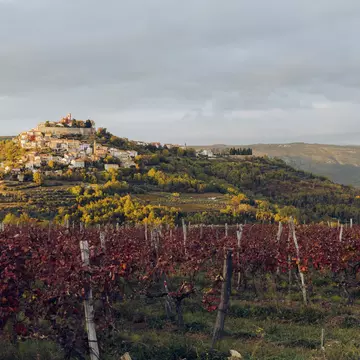
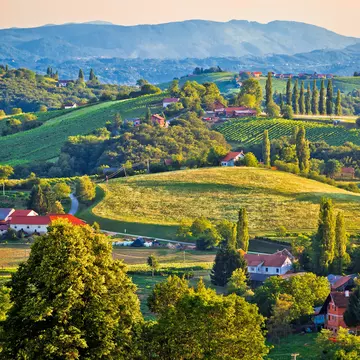
Drive along Pelješac, the finger-shaped peninsula that veers away from the Adriatic coast north of Dubrovnik, and you’ll soon be surrounded by scrubby hillsides covered in vineyards. Look for signs inviting you to taste some seriously good wines made by boutique wineries throughout the area. Red is king here, notably wines from the robust plavac mali grape and Dingač region.
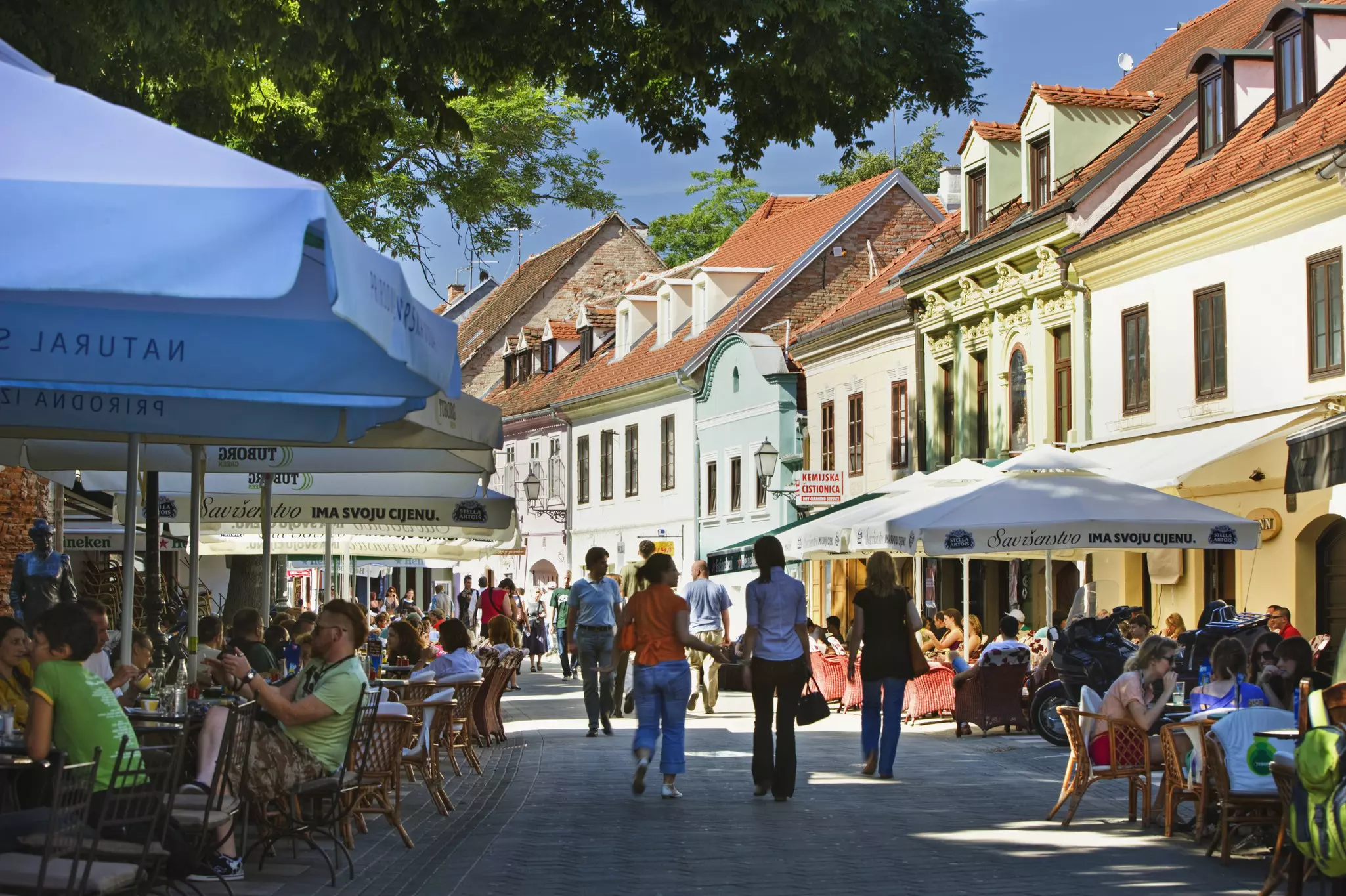
Coffee is the lifeblood of Croatia, and it goes hand in hand with sharing some good gossip, rather than burying your head in a laptop. Ground zero for this Croatian cultural mainstay is Zagreb, where the cafes buzz with the sound of friends chattering.
Planning tip: If you turn up on a Saturday between 10am and 2pm, you can watch the ritual known as špica, when everyone dresses up to the nines just to go from cafe to cafe around Trg Bana Jelačića, the main square.
With all of Croatia's dramatic karst landscapes, it’s no surprise that superb rafting opportunities beckon. North of Zadar, the Zrmanja River slices through the limestone to create deep canyons that guarantee an exhilarating experience. Where the Zrmanja meets the Krupa River, there’s even more drama in store, complete with waterfalls and rapids.
Zadar’s history is particularly rich, with Roman, Byzantine and Renaissance traces all happily layered together in this beautiful port city, the oldest in Croatia. But the modern world blends in seamlessly when you walk along the seafront and hear the haunting sound of the Sea Organ, an art installation created by Nikola Bašić in which underwater pipes are “played” by the tide. Just next to it is Sun Salutation, a huge circle of glittering panels that light up at night.
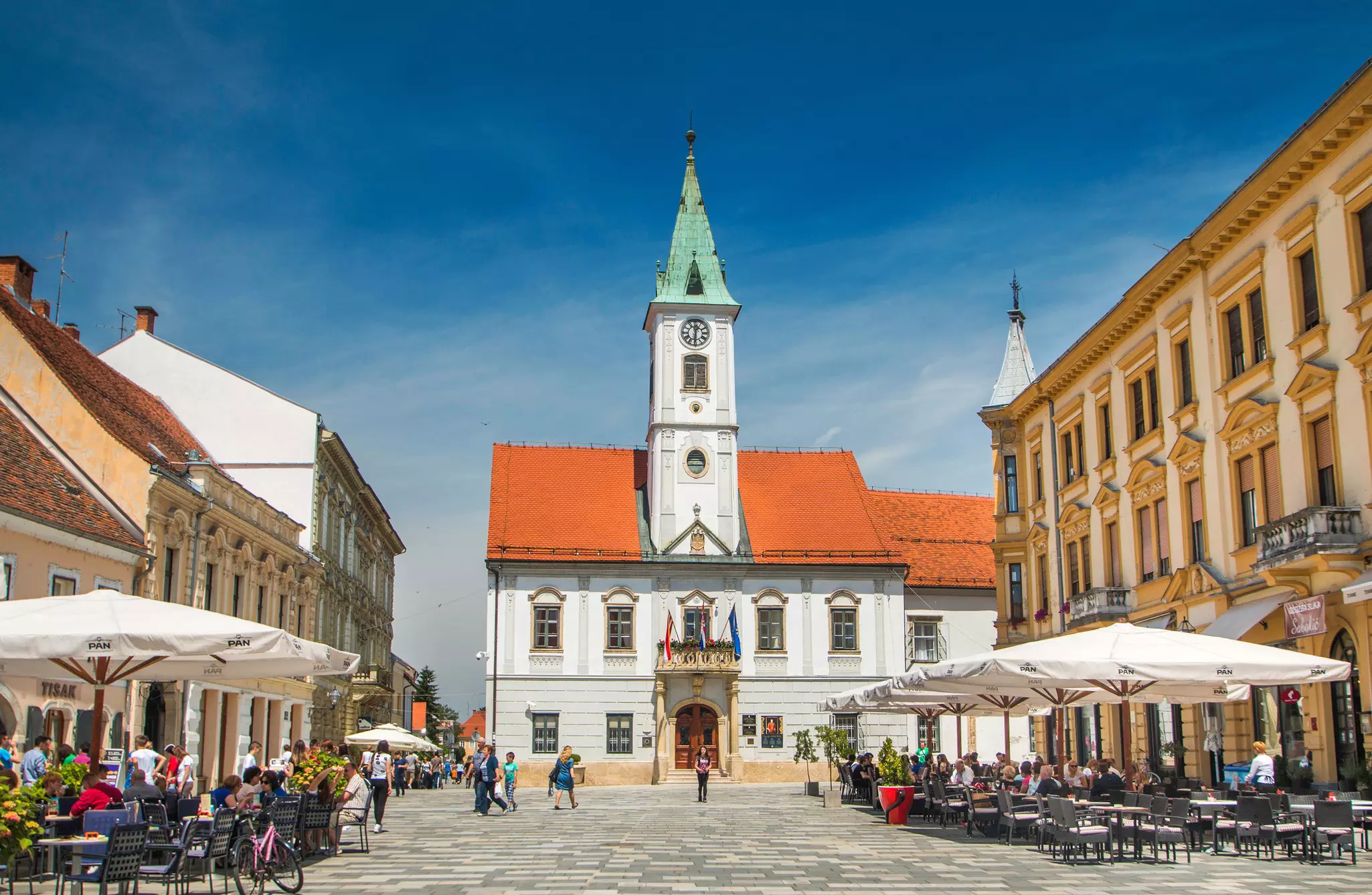
Briefly the capital of Croatia in the 18th century, Varaždin epitomizes elegance. It’s a riot of rococo and baroque buildings, with beautifully tended gardens and a pedestrianized center that invites relaxed, sauntering strolls. It’s fitting that every September the city is the setting for two weeks of baroque concerts, adding an apt touch of refinement to a truly dignified place.
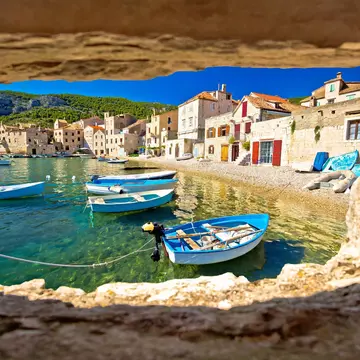
Chic Hvar Town, a place of glossy marble streets and glossier cocktail bars, has a few more aces up its sleeve. For one of the best views along the Adriatic, follow the zigzagging path to the citadel – Fortica – which has been standing sentry above the town since the Venetians built it in the 13th century, then strengthened it 300 years later. The view from the top is worth the climb, and the medieval castle is lit up romantically at night.
Detour: While you're here, hire a boat and explore the crystal clear waters and secret nooks of the Pakleni Islands.
Book your Croatia trip with Lonely Planet Journeys
See Croatia how it's meant to be seen
Planned by local experts and tailored to you, Lonely Planet Journeys handles the logistics so you can just enjoy the trip. Tell us what you want and we'll build your Croatia itinerary from scratch, or browse our bookable trips to get inspired.

Explore related stories