

Advertisement
Latest Stories
- James Smart|Mar 27, 2026The best time to visit Croatia
- Isabel Putinja|Mar 27, 2026The best beaches in Croatia
- Isabel Putinja|Mar 25, 2026The best places to visit in Croatia
- Harmony Difo|Mar 13, 2026Croatia’s top national parks
Book
Trip 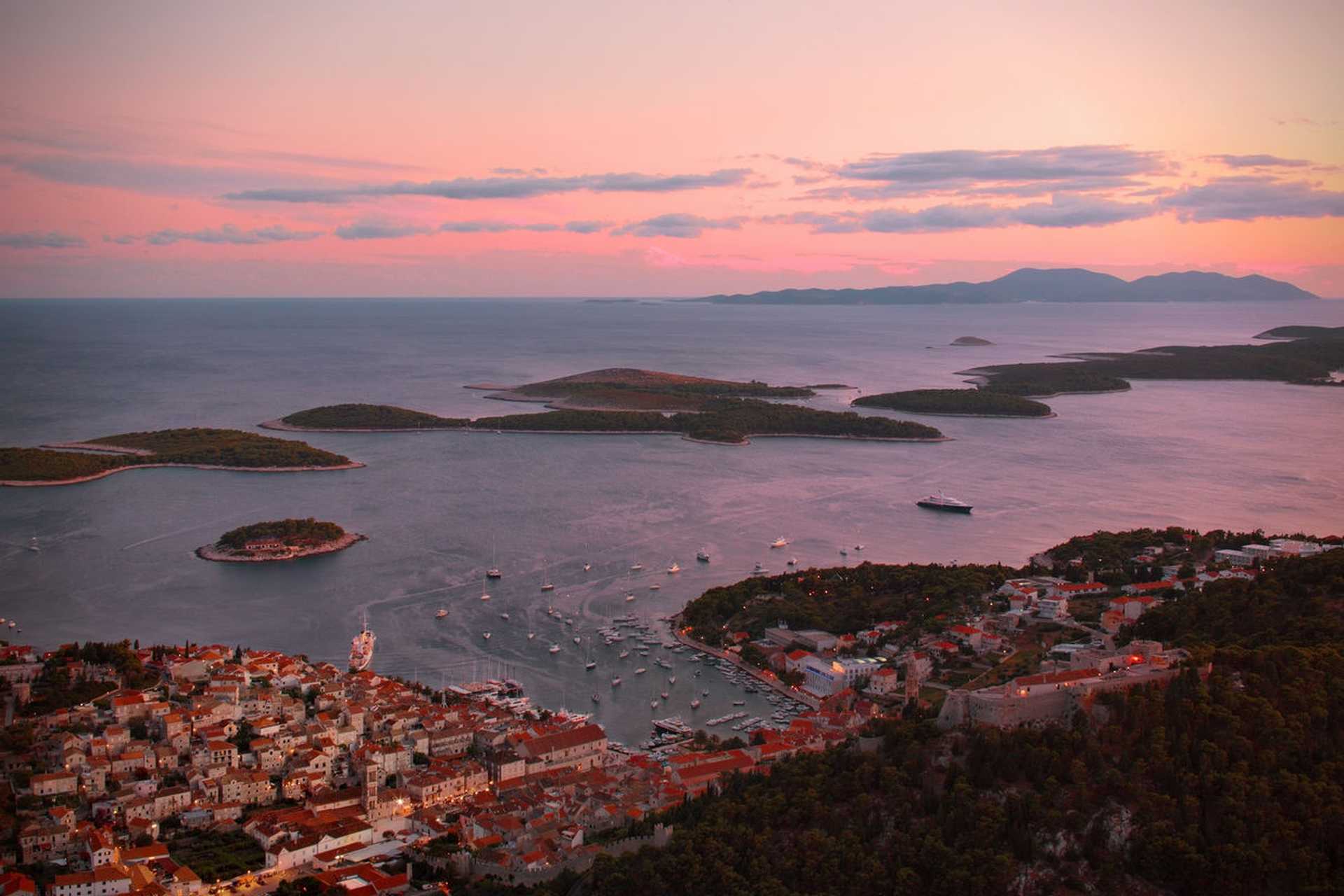

Trusted Partner
Stay connected in Croatia
Holafly eSIM provides unlimited mobile data with no hidden fees, giving you peace of mind wherever you travel. Stay connected even after your plan ends with Always On. Use code LONELYPLANET for an exclusive discount.
Take your Croatia trip with Lonely Planet Journeys
Pick one of our ready-to-book trips or fully customize your own with help from our local experts.
bookable trip
The Dalmatian Coast, Croatia: A Luxury Escape
Lonely Planet Journeys takes you there with fully customizable trips to top destinations – all crafted by our local experts.


Top places to visit in Croatia
Discover the best attractions in Croatia from must-see sights to unexpected hidden gems.
-
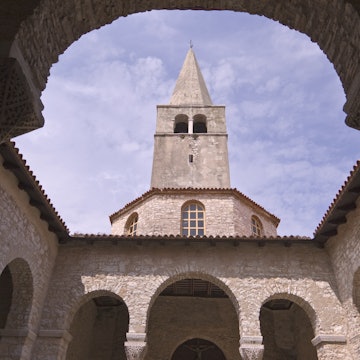 Attraction in PorečEuphrasian Basilica
 -
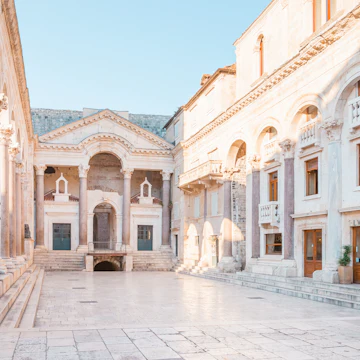 Attraction in SplitDiocletian’s Palace
 -
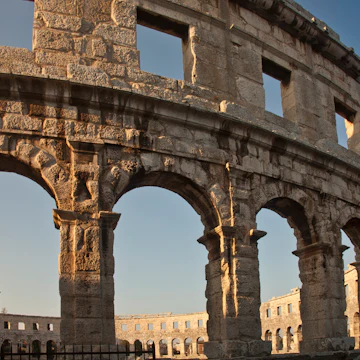 Attraction in PulaRoman Amphitheatre
 -
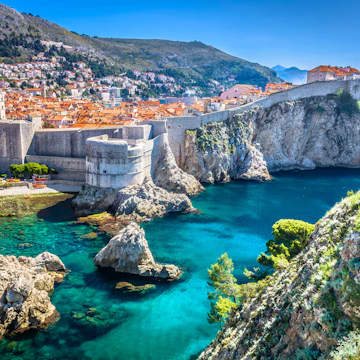 Attraction in DubrovnikCity Walls & Forts
 -
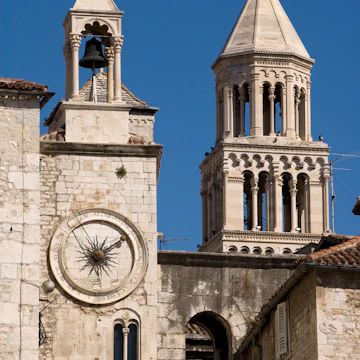 Attraction in SplitCathedral of St Domnius
 -
 Attraction in Northern DalmatiaObonjan Island
 -
 Attraction in SplitArchaeological Museum
 -
Advertisement
Travel Guides
Croatia travel tips from Lonely Planet experts
Find practical guidance from our team of contributors around the world who bring their decades of first-hand travel experience to your next trip.
Best Things to Do
Ancient fortresses, national parks, superior wines, charming towns and white water thrills top this list of Croatia's best experiences.
Read full article
Best Time to Visit
Swimming in summer, hiking in fall, festivalgoing in winter and much more: here’s all you do in Croatia throughout the year.
Read full article
Things to Know
Plan the perfect trip to Croatia with these insider tips on health, safety and etiquette.
Read full article
Transportation
Getting around Croatia is generally a breeze. Here's everything you need to know – from public transportation to ferries and trams to car rentals.
Read full article
Visa Requirements
Travel to Croatia is easy. Even if you don't need a visa, you may need to a waiver to visit. Read on for information on visiting or working in Croatia.
Read full article
Best Road Trips
With its stunning Adriatic coastline that reveals one beauty spot after another, Croatia was made for road-tripping. Here are seven of the best drives.
Read full article
Money and Costs
Take the bus. Visit off season. Eat up at local bakeries. We’ve rounded up these and more tips for making your euro go further on your next Croatia trip.
Read full article
Traveling with Kids
From the tiniest tots to the tallest teens, Croatia has lots of attractions that delight the whole family. Here's how to plan your trip with the kids in tow.
Read full article
Best Places to Visit
Explore Croatia's best coastal towns, castles, islands, national parks and cultured cities.
Read full article
Advertisement
Get a book. Get inspired. Get exploring.


in partnership with getyourguide
Book popular activities in Croatia
Croatia and beyond
-
 destinationKvarner
 -
 destinationNorthern Dalmatia
 -
 destinationIstria
 -
 destinationSplit
 -
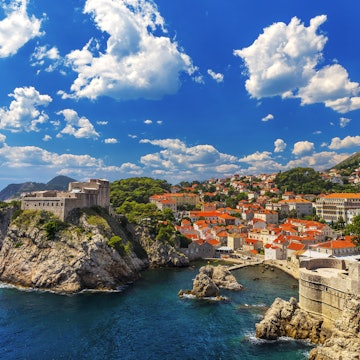 destinationDubrovnik
 -
 destinationZagreb
 -
 destinationZadar
 -
 destinationKrk Island
Advertisement