Sep 20, 202612 min read
Guide to Monteverde’s Cloud Forest, Costa RicaJan 20, 2026
12 MIN READ

Writer
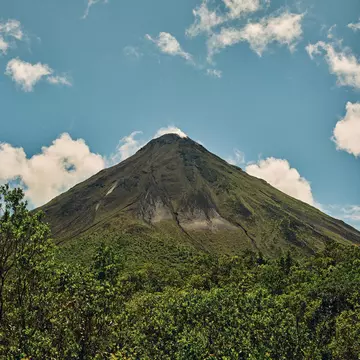
Volcán Poás is an active volcano with a crater lake. Matteo Colombo/Getty Images

Writer
Highlights
Writer Mara Vorhees picks 19 Costa Rica adventures, from zip lines to wildlife.
Zip-line Santa Elena's cloud forest and canyoneer the Río Blanco for waterfalls inside caves.
Head to Carara for scarlet macaws, Tortuguero for sea turtles and Cahuita's trails for sloths.
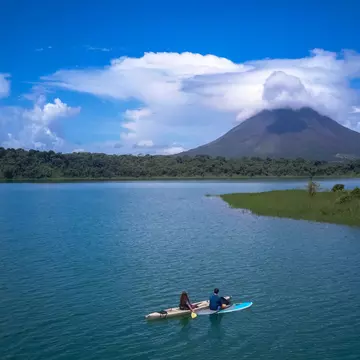
Hike Volcán Arenal's lava flows or watch Rincón de la Vieja's boiling mud pots bubble.
Lonely Planet may earn a commission from affiliate links on our site. All recommendations and reviews reflect our own independent opinions.
Come to Costa Rica to discover magnificent landscapes, have endless outdoor activities and see creatures great and small. This smallish Central American country contains a multitude of adventures, from watersports and mountain hikes to road-tripping to a rainforest and watching birds in a cloud forest.
Known for its beaches and biodiversity, Costa Rica promises a diverse terrain of waterfalls, hot springs and volcanoes. And when you need some respite from all the action, there are tree houses to sleep in, delicious food to relish and vibrant cities to leisurely explore.
If at all possible, give yourself at least a weeklong itinerary in this gem of a nation. With so many incredible attractions, it can be tempting to pack your days, but then you'll miss out on joining in with local life and the relaxed vibe. These are the best things to do in Costa Rica.
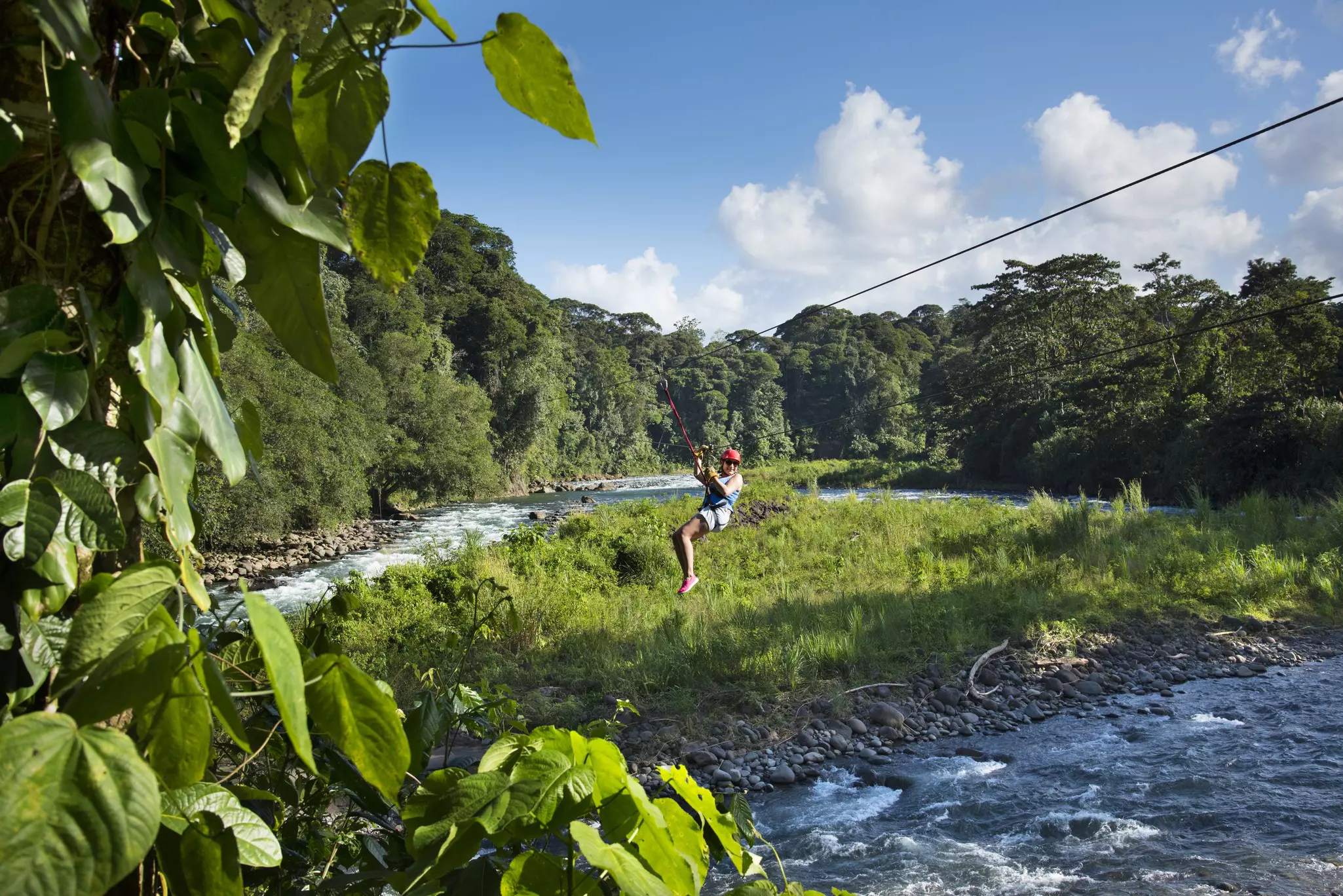
There are zip-lining courses all around the country, some of which will brag about being higher, faster or longer than others. However, a Santa Elena canopy tour is extra special.
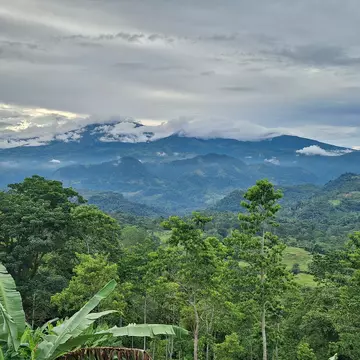
The Costa Rica canopy craze started here, but more importantly, there’s something fantastic about soaring over the treetops with the clouds swirling all around you. Take in the misty magic of the cloud forest, supercharged with an adrenaline rush.
Planning tip: Check your zip line operator's safety procedures before committing. It's also OK to change your mind when you're there.
This outing is more than a hike or a waterfall swim – it’s a canyoneering adventure. That’s the only way to describe this excursion down the Río Blanco in Curubandé de Liberia, which involves swimming, scrambling, spelunking, climbing and cliff jumping.
You’ll see three different waterfalls on the way, including a final celestial blue beauty hidden inside a cave.
Detour: This adventure takes place just outside of Parque Nacional Rincón de la Vieja, a great destination to see volcanic activity (more on that below) and soak in hot springs.
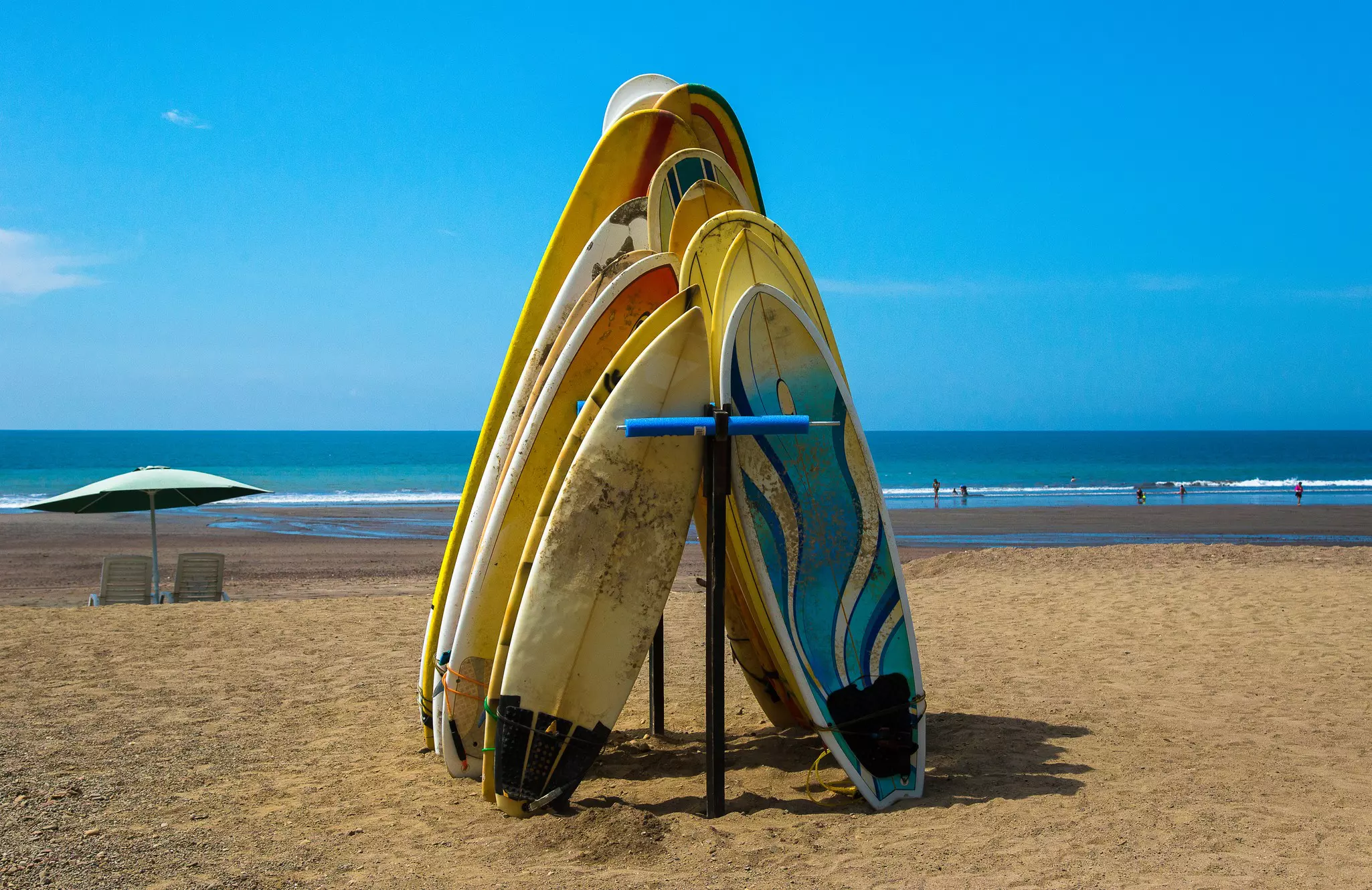
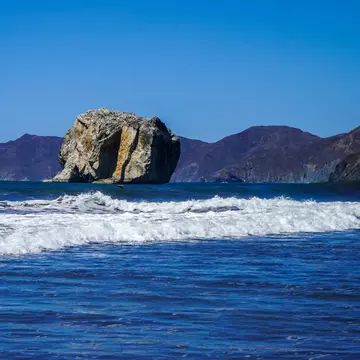
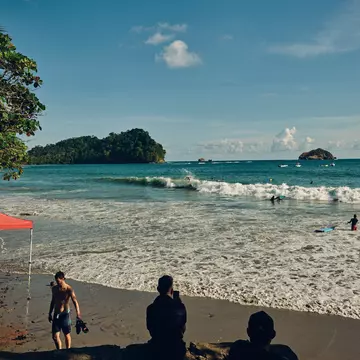
Surfers in the know plan their entire vacation around the wild and wonderful waves on the Costa Rican coastline.
If you're new to the surf scene, this is a fantastic place to find out what it’s all about, thanks to inviting warm waters, tumbling waves and nonstop good vibes.
The most popular surf destinations include Tamarindo, Nosara and Santa Teresa on the Península de Nicoya; and Jacó, Dominical and Pavones on the central and south Pacific.
Note that any given destination has a few surf spots, some of which are better for beginners looking for scenic surf lessons, like Tamarindo and Montezuma.
Meanwhile, other beaches offer more challenging waves, including Santa Teresa and Pavones. They all enjoy a party scene, though Nosara and Santa Teresa are more laid-back.
Planning tip: Find the biggest waves on the Pacific coast from May to October (the dry season is better for beginners). The waves are biggest on the Caribbean side from November to May.
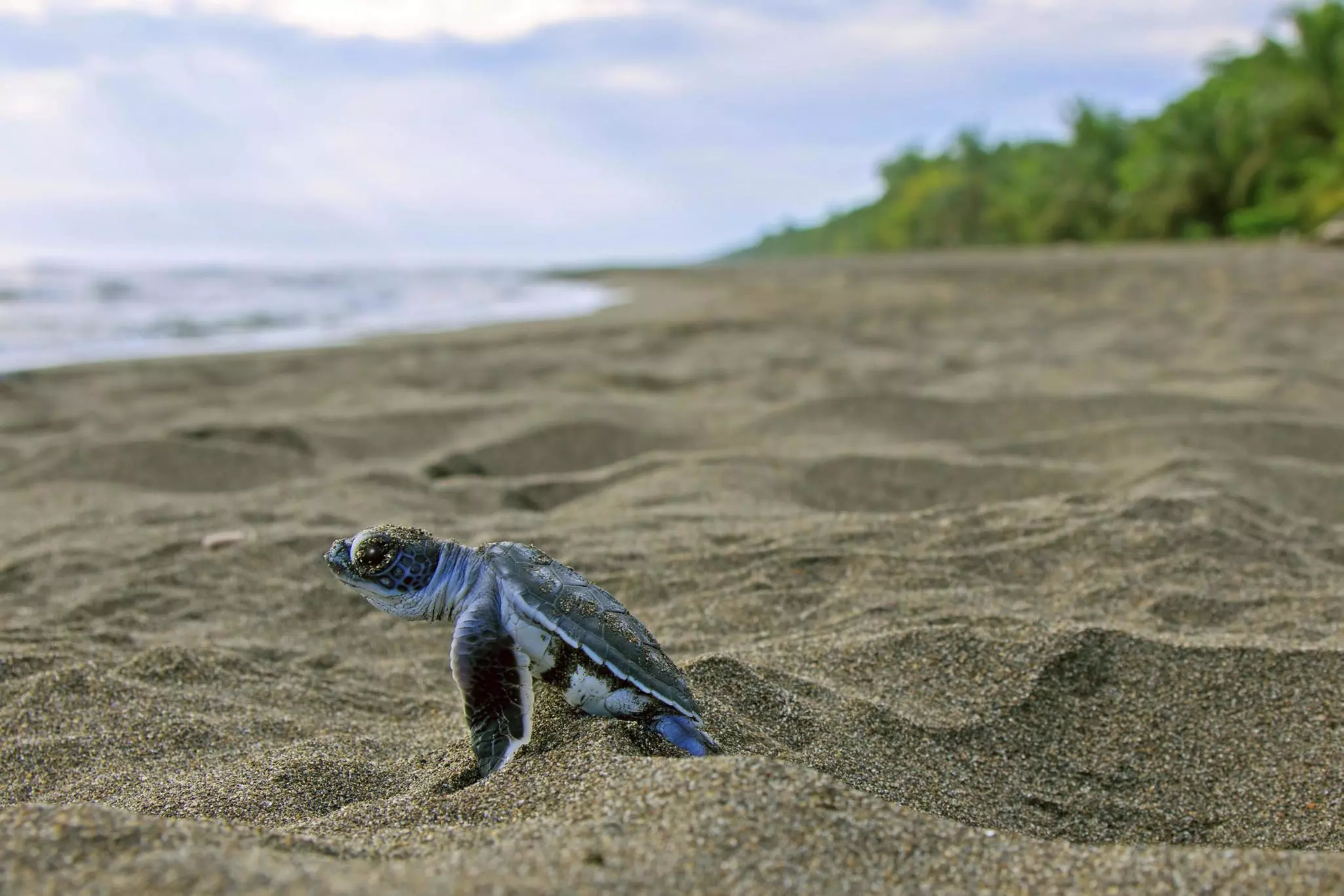
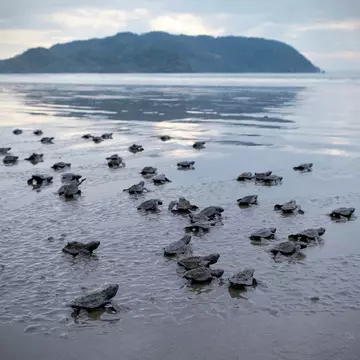
Every few years, female sea turtles perform an ancient ritual, returning to their natal beach to lay their eggs beneath the moonlight before heading back into the welcoming waters of the sea.
Elsewhere on the same beach, tortuguita (little turtle) hatchlings dig out of their nests and scurry to the sea. It’s an incredibly intimate episode to witness (just witness! Don't touch the hatchlings).
Planning tip: The timing varies, depending on the location and turtle species, but you can see this spectacle of nature in Parque Nacional Tortuguero in the north Caribbean and at Playa Grande and Playa Ostional on the Península de Nicoya.
San Lucas is not just a restaurant; it's a dining experience – that is, a six- or nine-course menu that's also a lesson in Costa Rican history and culture.
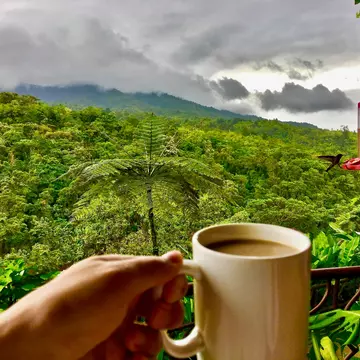
The food presentations are innovative, interesting and excellent overall, but the highlight is the fantastic setting in the sky. Each table occupies a private glass cube atop a mountainside, overlooking the cloud forest and the village of Santa Elena.
Planning tip: San Lucas has seatings at 12:30pm, 5pm (nine courses only) and 8:30pm. If you opt for the 5pm slot, your first course comes with a spectacular sunset.
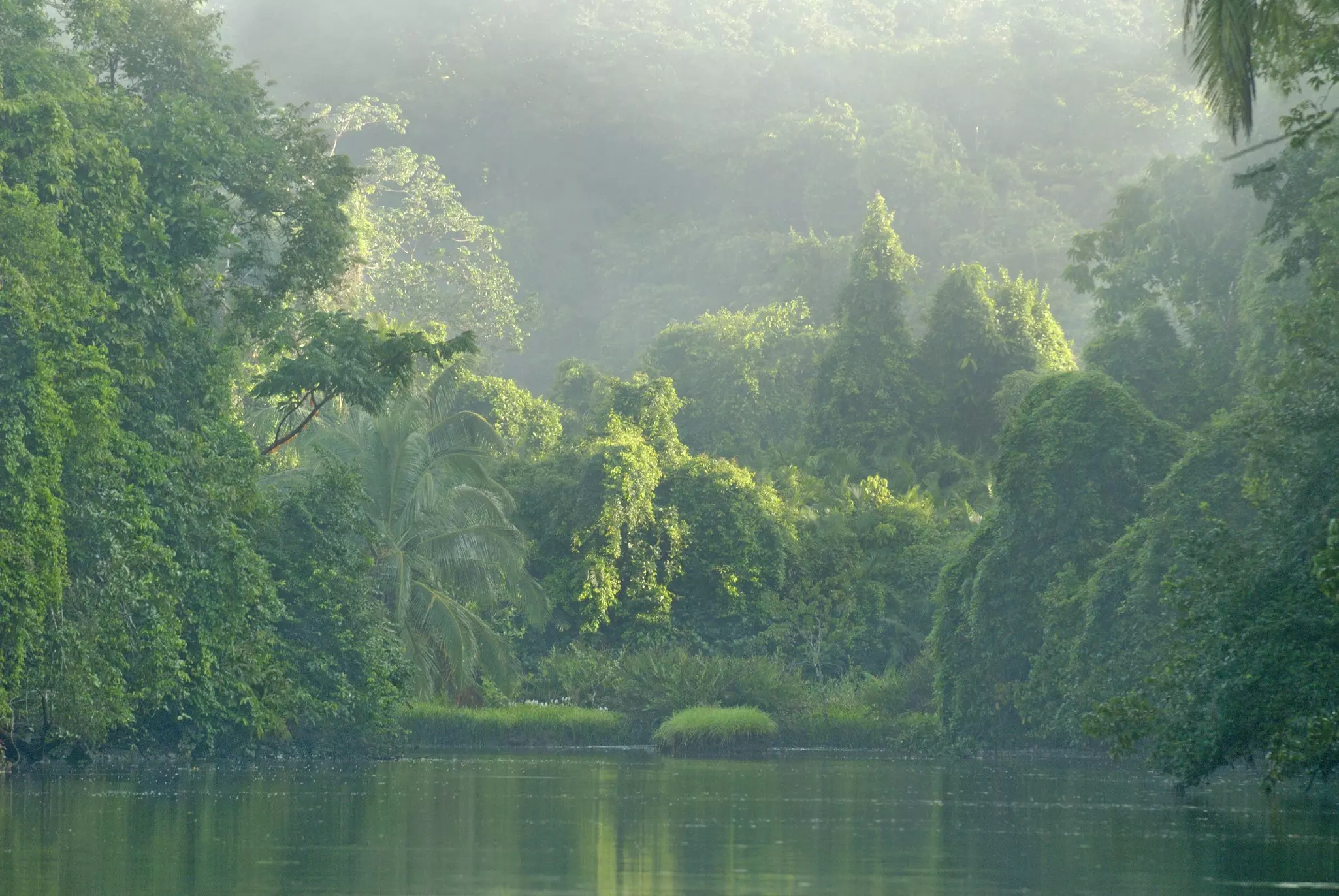
For wildlife watchers, there’s no better place in Costa Rica to meet fauna than the trails around Sirena station in Parque Nacional Corcovado, the last great original tract of tropical rainforest in Pacific Central America.
Visitors have a good chance of seeing animals (some endangered) that are rare in other parts of the country, including peccaries, tapirs, crocodiles and tiny squirrel monkeys.
Planning tips: Easier to reach and rich with life, the regions of Río Celeste and Sarapiquí have many eco-lodges and private reserves that are also fantastic for wildlife watching. The best wildlife activity happens at dawn and dusk, which necessitates an overnight stay in the park.
Lonely planet’s trusted travel insurance provider
Travel with confidence. Protect your trip and your wallet.
We don’t represent World Nomads, we receive a fee from quotes using this link. This is not a recommendation to buy travel insurance.
The mountains of northern and central Costa Rica are lined up in a row of hissing, steaming, sputtering volcanoes, some of which are open for exploration.
Wander among boiling mud pots and steaming fumaroles at Volcán Rincón de la Vieja; hike the lava flows and soak in volcanic-heated pools at Volcán Arenal; peer into the steaming crater at Poás; and leave footprints in the lava fields of Irazú.
Each experience is a little different, but all will leave you awestruck at the earth’s unbridled power.
Planning tip: If you don’t mind rain, you can easily have fun exploring Costa Rica’s volcanoes and the country’s other great national parks year-round. If you prefer clear skies and sunshine, book a winter trip (January to March).
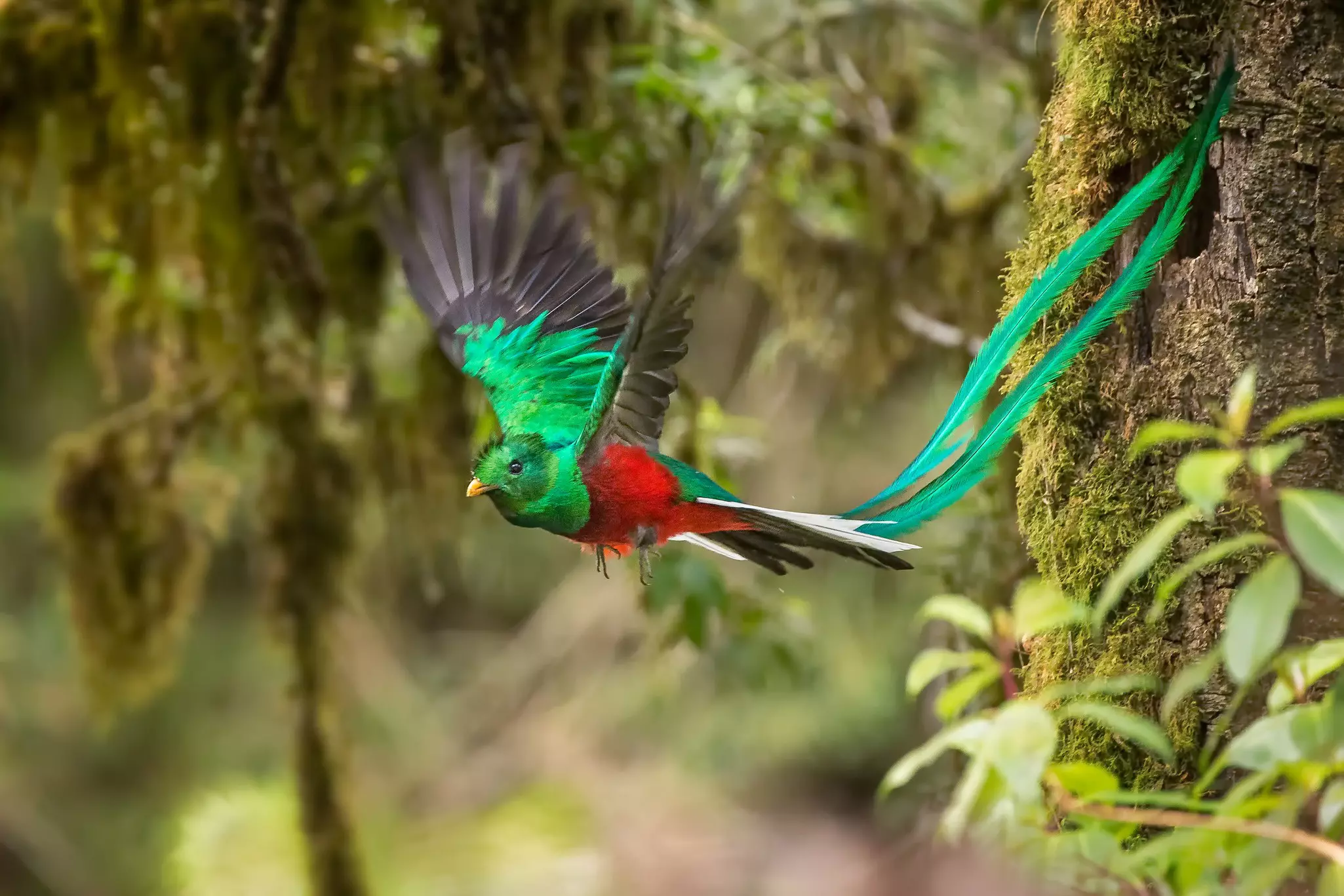
Even if you’re not a bird nerd, it’s easy to geek out about the avian life in Costa Rica. Of course, there are myriad multicolored beauties that you’ll see flitting about pretty much everywhere; then there are a few showstoppers – rare in other parts of the world but relatively easy to see in Costa Rica (if you know where to look).
Most famously, the scarlet macaw has made an incredible comeback along the Pacific coast, with sightings practically guaranteed in Parque Nacional Carara and on the Península de Osa.
The aptly named resplendent quetzal makes seasonal appearances in Monteverde Cloud Forest Reserve (Reserva Biológica Bosque Nuboso Monteverde) and the cloud forests of the Dota region.
And the great green macaw – still critically endangered – is sometimes spotted in Sarapiquí and Boca Tapada. Getting a glimpse of these gorgeous creatures in the wild is an inspiring experience that might just turn you into a bona fide birder.
Along the Costa Ballena on the southern Pacific coast, Playa Ventanas is a small but spectacular palm-backed beach that has a special feature: intriguing caves in the cliffs at its north end.
At low tide, you can investigate the two caves that open onto the beach (taking care to retreat if the water starts to rise).
But if you’re up for a challenge, you can paddle a kayak along the gorgeous coastline and explore the cliffs and sea caves along the way.
Planning tip: The sea caves are only accessible in certain weather conditions, and they are often impassable during the rainy season. Book tours in Uvita.
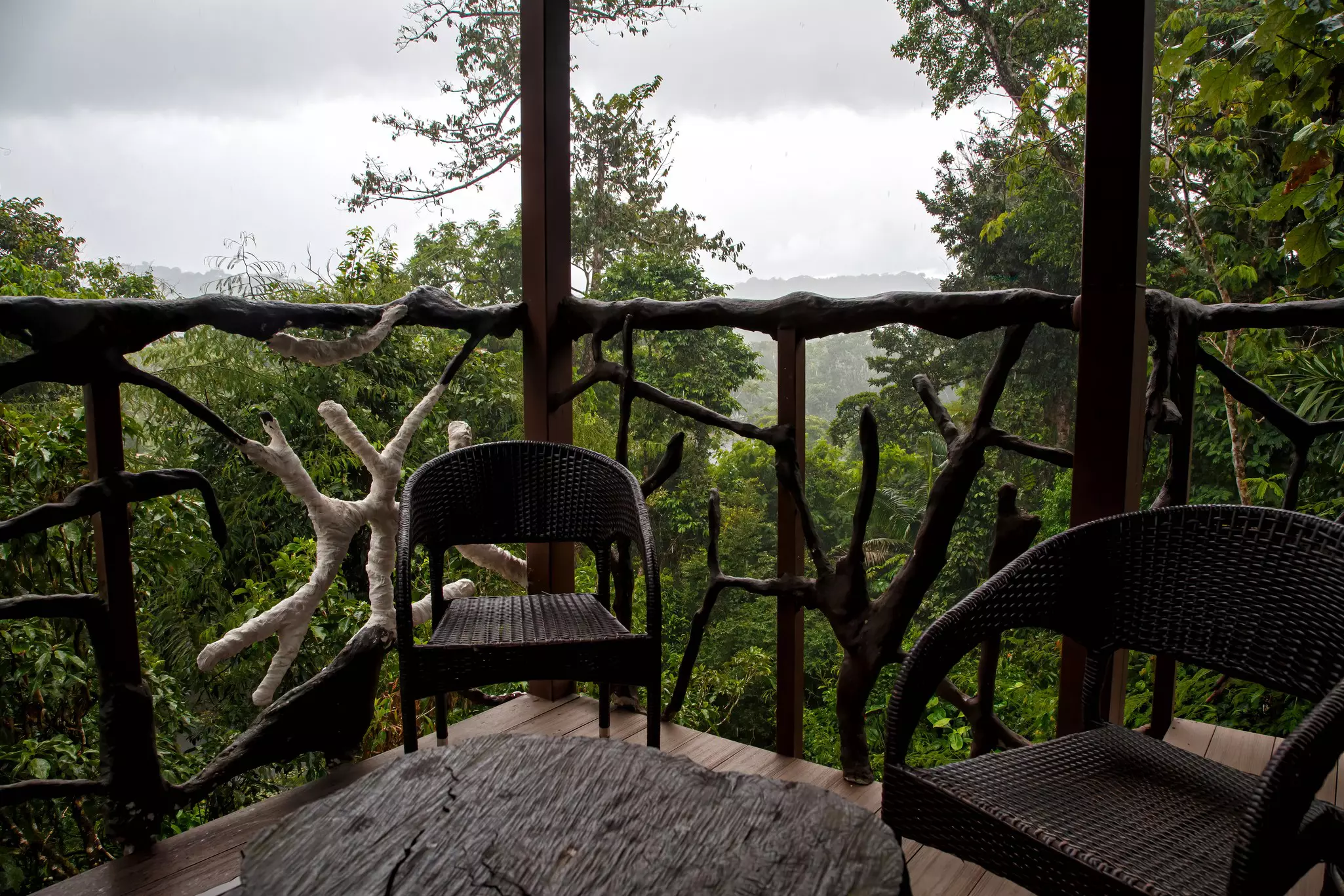
In the wilds of northern Costa Rica, surrounded by lush forestlands, you can indulge your inner child and spend the night in the treetops.
On the edge of its eponymous wildlife refuge, Maquenque Eco Lodge has a collection of fantastic tree houses – each constructed amid the leafy canopy, 12m off the ground and surrounded by trees.
With wide balconies, outdoor showers and screen walls, the tree houses offer complete rainforest immersion with a touch of luxury. It’s a 10-minute walk to the main lodge (or a quick buzz on the walkie-talkie, in case of emergency).
Detour: On your way to or from the hub town of Boca Tapada, eat at the restaurant Centro Familiar Cuyito and try to glimpse a pair of great green macaws nesting in a wild avocado tree on the grounds.
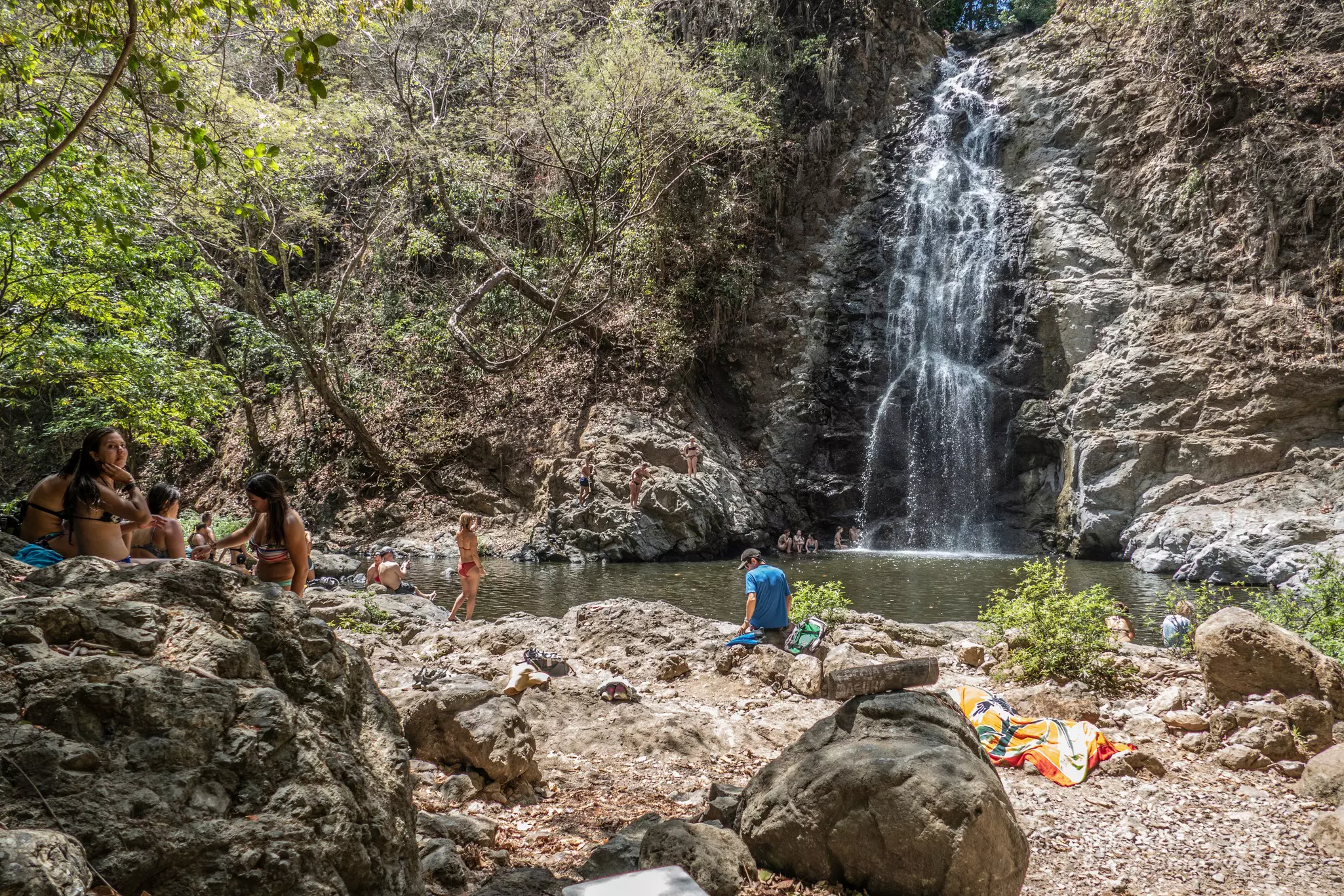
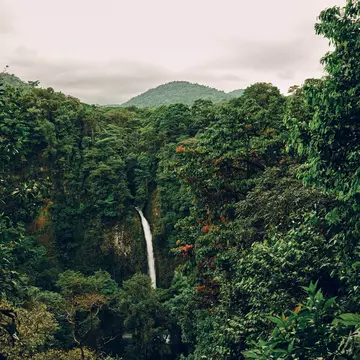
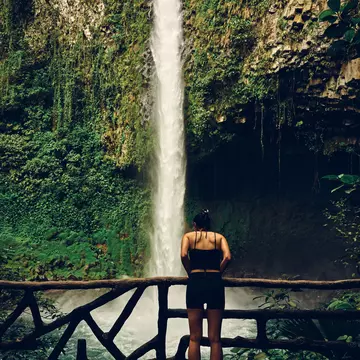
There’s no more exhilarating plunge than one beneath the downpour of a wild waterfall. And Costa Rica has no shortage of glorious cascades – many of which are swimmable.
One fan favorite is Montezuma Waterfalls, on the outskirts of the eponymous village. It requires a rugged hike, but the reward is a triple-tiered catarata, with a thrilling (and chilling) cliff jump from the top.
Detour: If you can’t get enough, El Chorro Waterfall is another highlight in Montezuma. It’s a long hot hike, but the cascade – which falls from a high cliff directly into the ocean – is worth the effort.
Some 70% of the animals in Costa Rica are most active at night. Take a night hike with a nature guide to find out who they are and what they’re doing in the dark.
Night tours are popular in the main rainforest destinations in Costa Rica, including La Fortuna, Sarapiquí, Río Celeste and Parque Nacional Manuel Antonio.
You’re bound to see plenty of bugs, bats, frogs and snakes, but you might also catch a glimpse of a nocturnal mammal, such as a kinkajou or a tree possum.
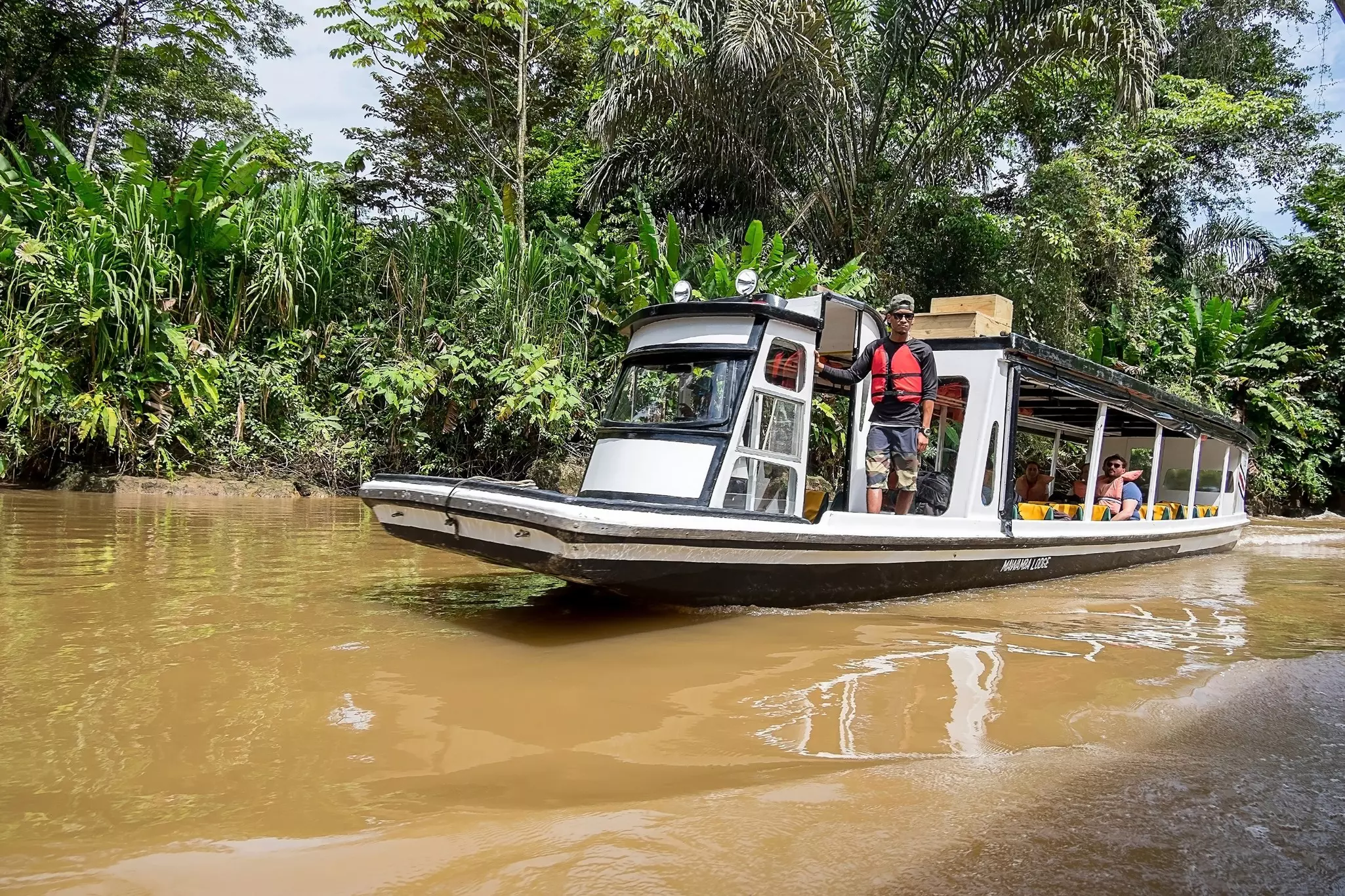
One of the most rewarding ways to see wildlife in Costa Rica is via a cruise through the jungle-fringed canals of Parque Nacional Tortuguero.
From the comfort of your boat, you’re likely to see several species of monkeys, two- and three-toed sloths, green iguanas, striped basilisks, caimans and crocs, not to mention incredible birdlife.
Some aquatic organisms contain luciferin, which reacts with oxygen to produce a sparkly light. This magical glow in the water is called bioluminescence, and it lights up the coves of Ballena Bay, near Tambor on the Península de Nicoya.
Bioluminescent tours depart from Santa Teresa, Montezuma and Tambor itself, giving you a chance to kayak over ethereal, illuminated waters. Remember, swimming in bioluminescent waters can harm the glowing bacteria.
Planning tip: Save some cash by driving yourself to Playa Pochote and booking a bioluminescence tour at Camping Don Trino, where tours are far less expensive than in the larger towns.
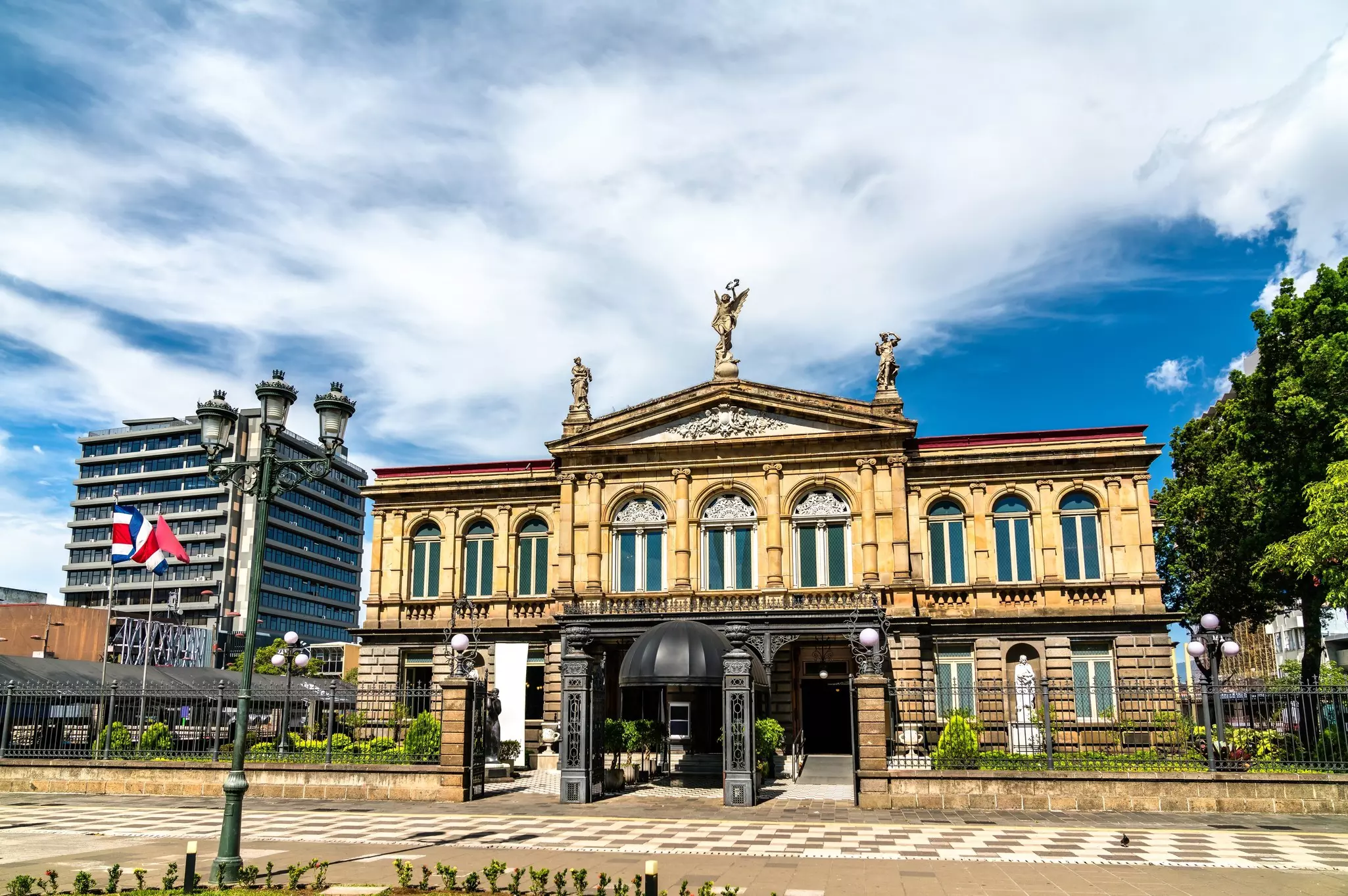
You probably came to Costa Rica for wild animals and outdoor adventure, but if you’re wondering where and how to begin your trip, it’s hard to think of a better starting point than Costa Rica’s capital city.
San José is a cool, creative capital, packed with historic architecture, unique museums and trendy cafes and clubs.
Don’t miss the Museo Nacional de Costa Rica to see where Costa Rica’s constitution was signed into law in 1949, the Museo del Jade for its insightful exhibits about Indigenous cultures and the Teatro Nacional for its artistic representations of Costa Rican culture.
Best of all, Barrio Escalante has the best dining scene in the city, if not the country, so here’s your chance to dig in before heading out to more rustic dishes in the countryside.
Planning tip: The Museo Nacional, Museo del Jade and Museos del Banco Central de Costa Rica are all within walking distance of each other. You can buy a pass that covers admission to all three museums.
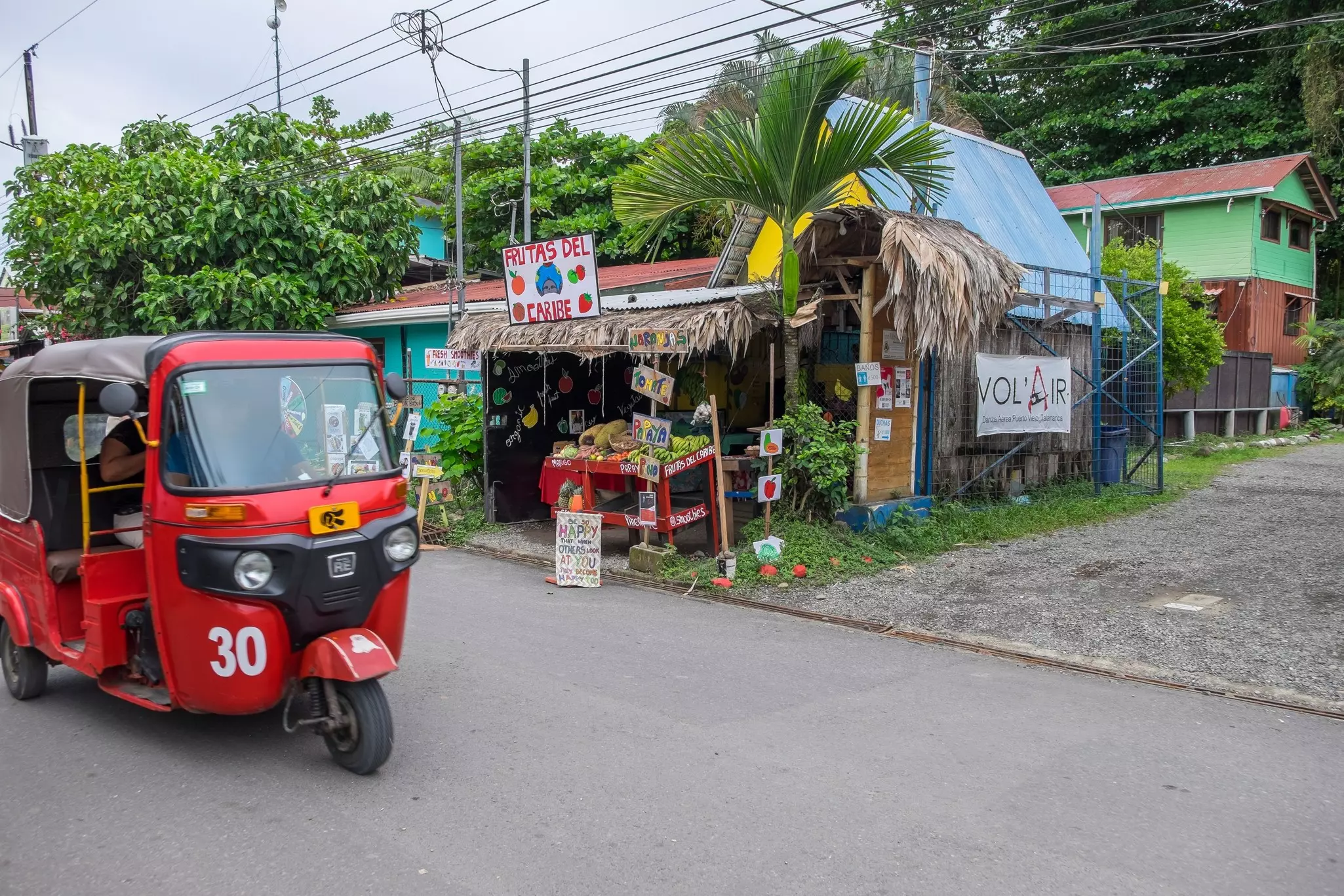
While Costa Rica’s Pacific coast tends to draw more attention and tourists, don't lose sight of the Caribbean coast.
The village of Puerto Viejo de Talamanca (shortened locally to Puerto Viejo) is the perfect spot to learn more about Costa Rica’s Afro-Caribbean and Indigenous cultures.
Here, you’ll encounter colorful homes, lively reggaeton beats, cool bamboo bars and a laid-back atmosphere.
Try to spot sloths, howler monkeys and tropical birds along hiking trails at nearby Cahuita before beach hopping between Playa Cocles, Punta Uva and Playa Negra (known for its black sand).
Learn about the history and heritage of the Indigenous people of Talamanca – the Bribrí, KéköLdi and Cabécar – by taking a tour of one of the reserves.
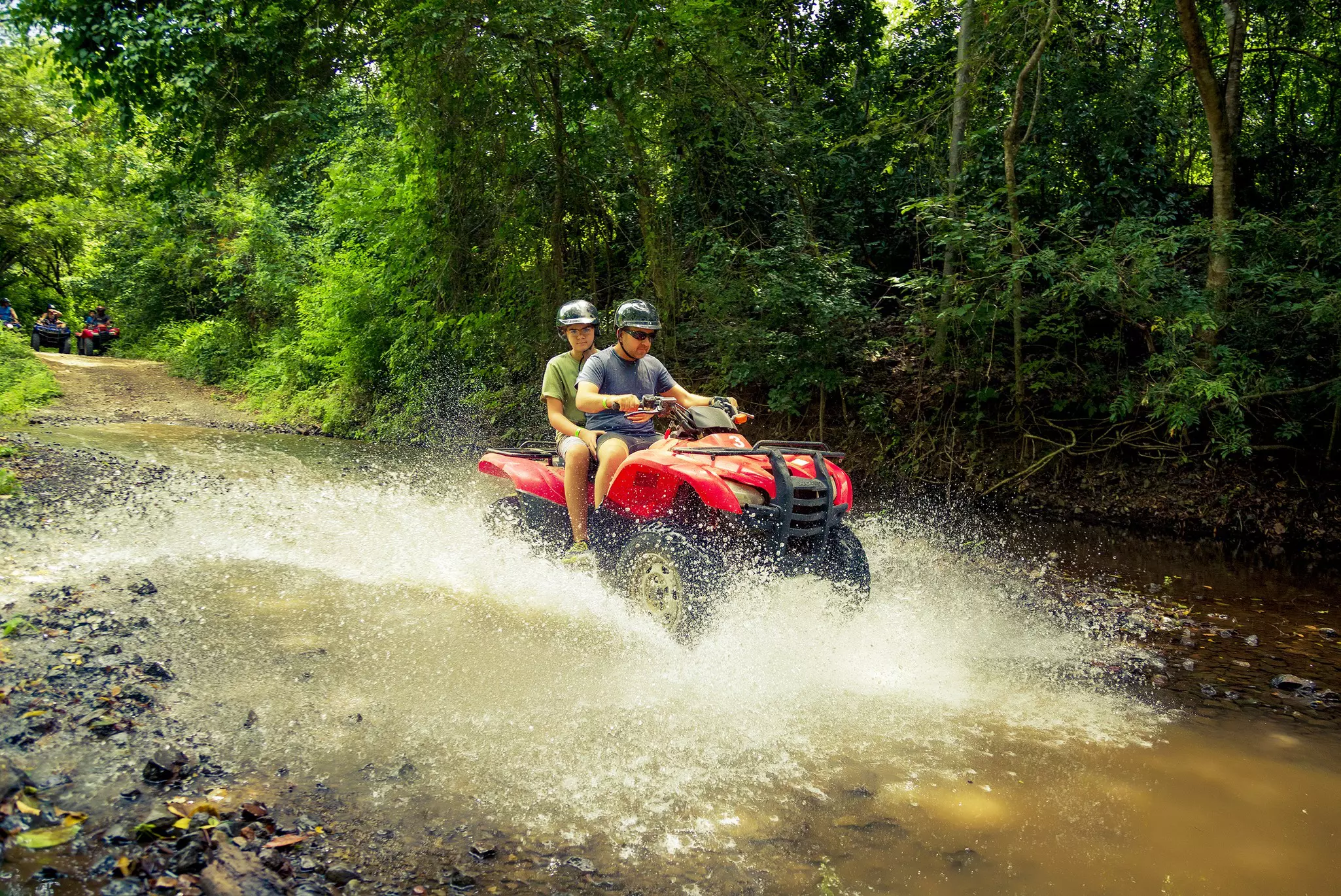
Exploring Costa Rica’s rugged terrain on an ATV is an exhilarating way to see waterfalls, beaches, volcanoes and mountains that would otherwise involve a long and arduous trek.
There are many guided ATV tours available, so you can go off the beaten path but not get lost. Vista Los Sueños Adventure Park, which sits in a scenic corner of the local rainforest, has a whole range of ATV rides through the jungle, as well as zip-lining canopy tours and white water rafting.
Near Costa Rica’s northern border with Nicaragua, Refugio Nacional de Vida Silvestre Caño Negro is a lowland rainforest reserve with over 350 migratory and resident bird species.
Keep an eye out for cormorants, roseate spoonbills and possibly rare jabiru storks, especially during the January to March winter season.
You can also look for pumas, cougars, ocelots and jaguars – just some of the over 160 mammal species that call this magical place home.
Planning tip: If you want to spend even more time in this amazing place, Natural Lodge Caño Negro has wonderfully well-appointed rooms, an on-site restaurant and bar, and a pool.
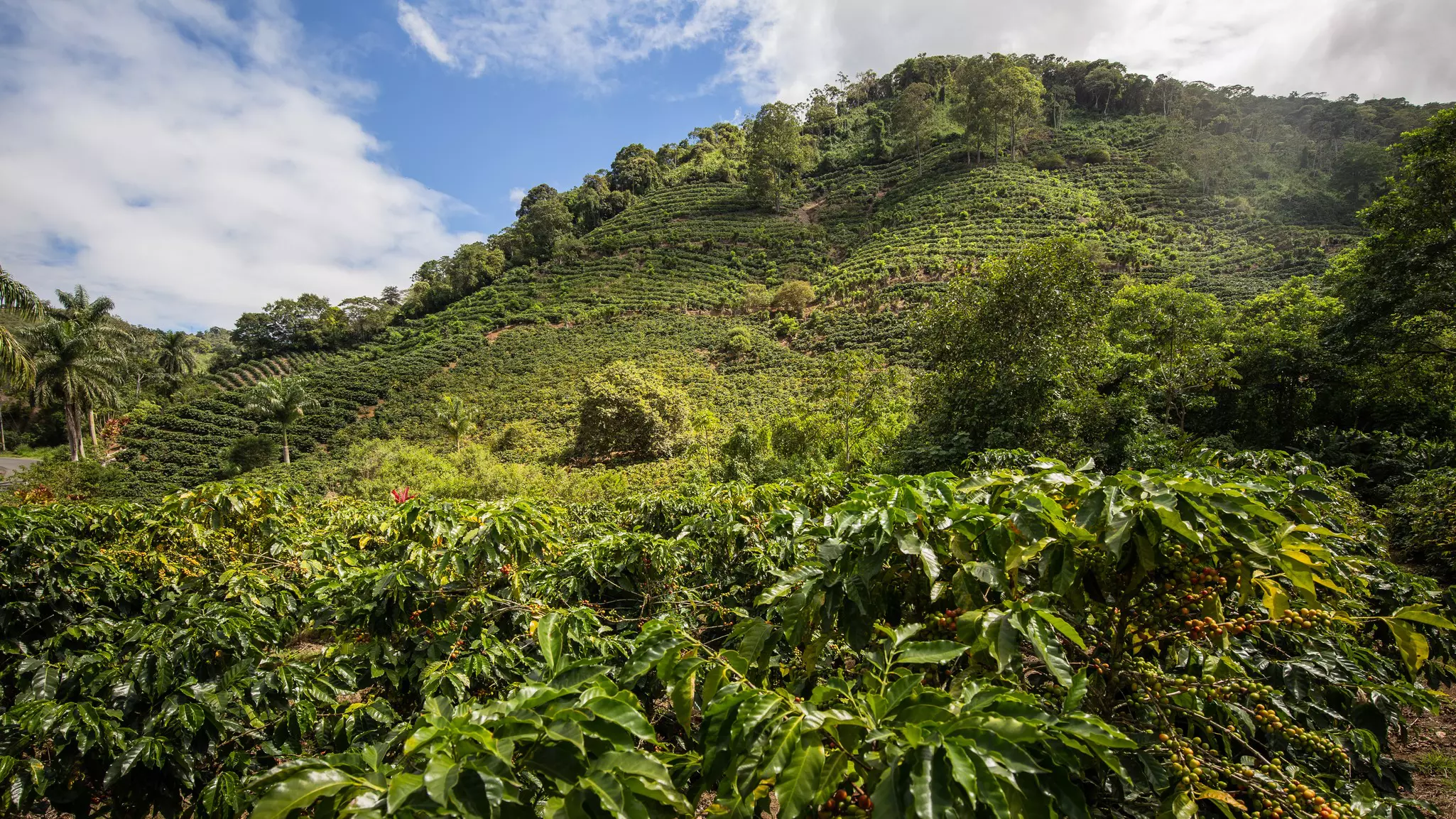
As the name suggests, Costa Rica’s Central Valley sits in the heart of the country, anchored by San José. Not only is this a great place for first-timers to begin exploring but it’s also a hot spot for coffee lovers to discover where their favorite beans are grown.
If you’re already planning a day trip to Parque Nacional Volcán Poás, make a stop at Hacienda Doka to see how raw beans grown in the shadow of an active volcano transform into caffeinated beverages.
Also not far from San José is Café Cristina, a small family coffee farm. Closer to Juan Santamaría International Airport, Britt has a coffee tour that takes you behind the scenes of one of Costa Rica’s premier upmarket coffee brands.
Book your Costa Rica trip with Lonely Planet Journeys
See Costa Rica how it's meant to be seen
Planned by local experts and tailored to you, Lonely Planet Journeys handles the logistics so you can just enjoy the trip. Tell us what you want and we'll build your Costa Rica itinerary from scratch, or browse our bookable trips to get inspired.


Explore related stories