Mar 30, 20268 min read
A guide to San José, California Aug 25, 2025
7 MIN READ

Writer
Berkeley, California
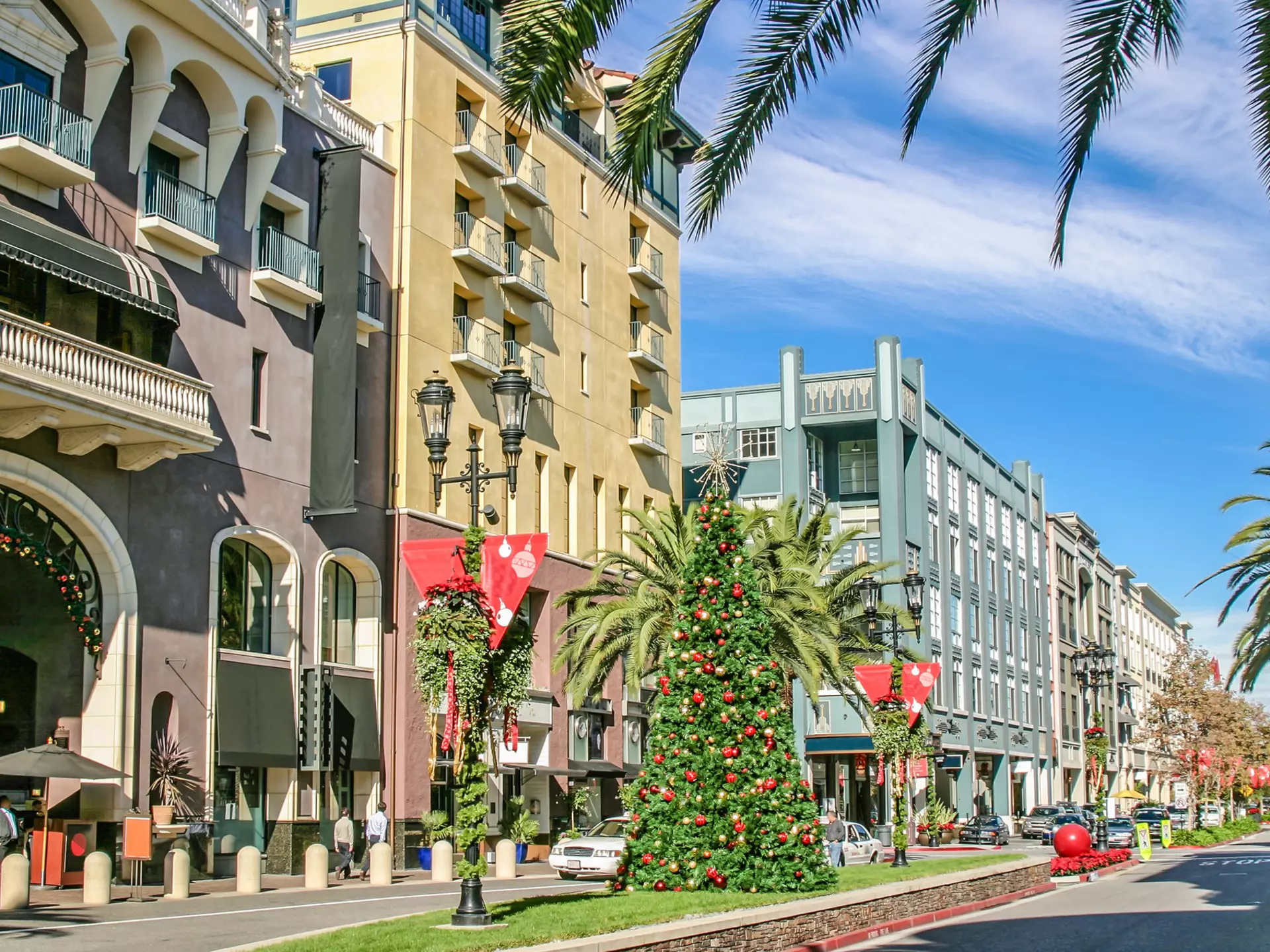
A colorful street full of shops in San Jose, California. mTaira/Shutterstock
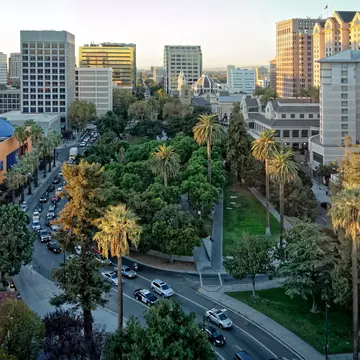
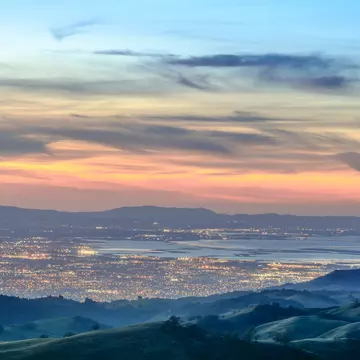
Known as the heart of Silicon Valley, San Jose is a forward-thinking city surrounded by creative innovation on a daily basis. As one of the major hubs in the Bay Area – the city has the third-largest population in California – tech is far from the only attraction on offer, though. It's possible to cram a lot into a long weekend but we'd recommend a leisurely five days to truly enjoy everything San Jose has to offer.
From its lively art scene to themed bars, trendy foodie spots, professional sports teams, kid-friendly attractions and a love for ancient history, these are the top things to do in San Jose.
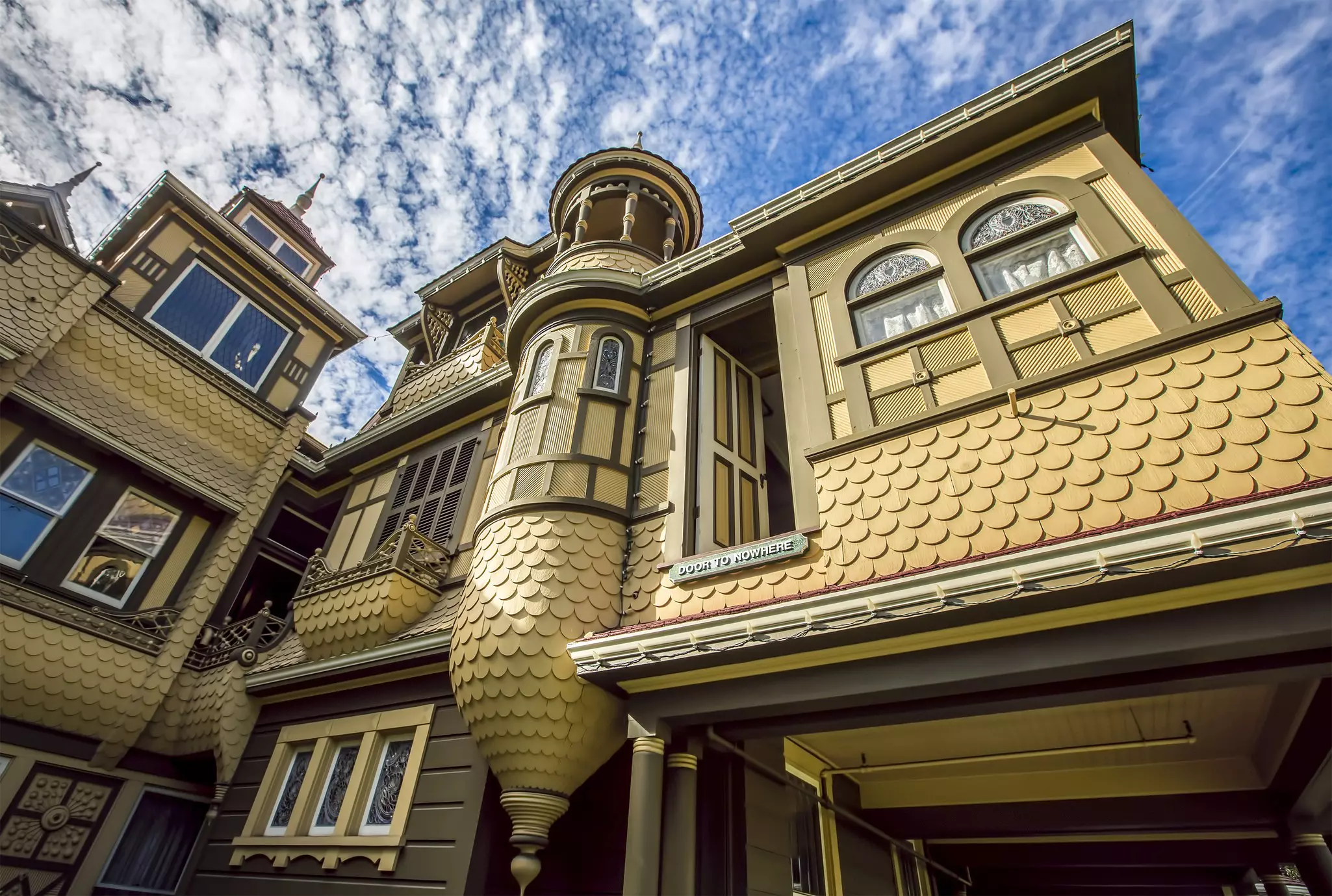
Who doesn’t love a creepy mansion full of ghost stories, mystery and odd design choices? The Winchester Mystery House was once the home of Sarah Winchester, heiress to the Winchester Rifle Company’s massive fortune in the 19th century.
Sarah lived in the house for over 50 years, a period during which the sprawling 160-room mansion received a series of never-ending renovations. A hundred years later and there are still plenty of questions and legends as to why Sarah never stopped incessantly building onto the maze-like manor. Today, you can sign up for a tour of the mansion to discover secret rooms, doors that open to walls and stairways that lead to nowhere to try and unravel the mystery for yourself.
Planning tip: If you're fancy a little extra spookiness during your visit, purchase the Basement Access add-on for your tour and explore the areas of the house with the most reported incidences of paranormal activity.
On sunny weekends (there are a lot of those in San Jose), you’ll find the patios at San Pedro Square Market filled with friends sipping iced coffees and digging into tasty dishes from one of the many food vendors from inside.
With the backdrop of busy downtown San Jose, this is where you can feel the vibrancy of the city, appreciate dog-friendly outdoor dining, and taste test your way through a wide assortment of different cuisines. From craft beer to cocktails and hipster-approved coffee, to cuisines inspired by Peru, Mexico, Japan, Italy, Nepal, Vietnam and the US, you won’t find a more diverse place to eat in the city.
Planning tip: There is live entertainment most weeks at the market but the Jazz Summerfest in early August is a particular local favorite.
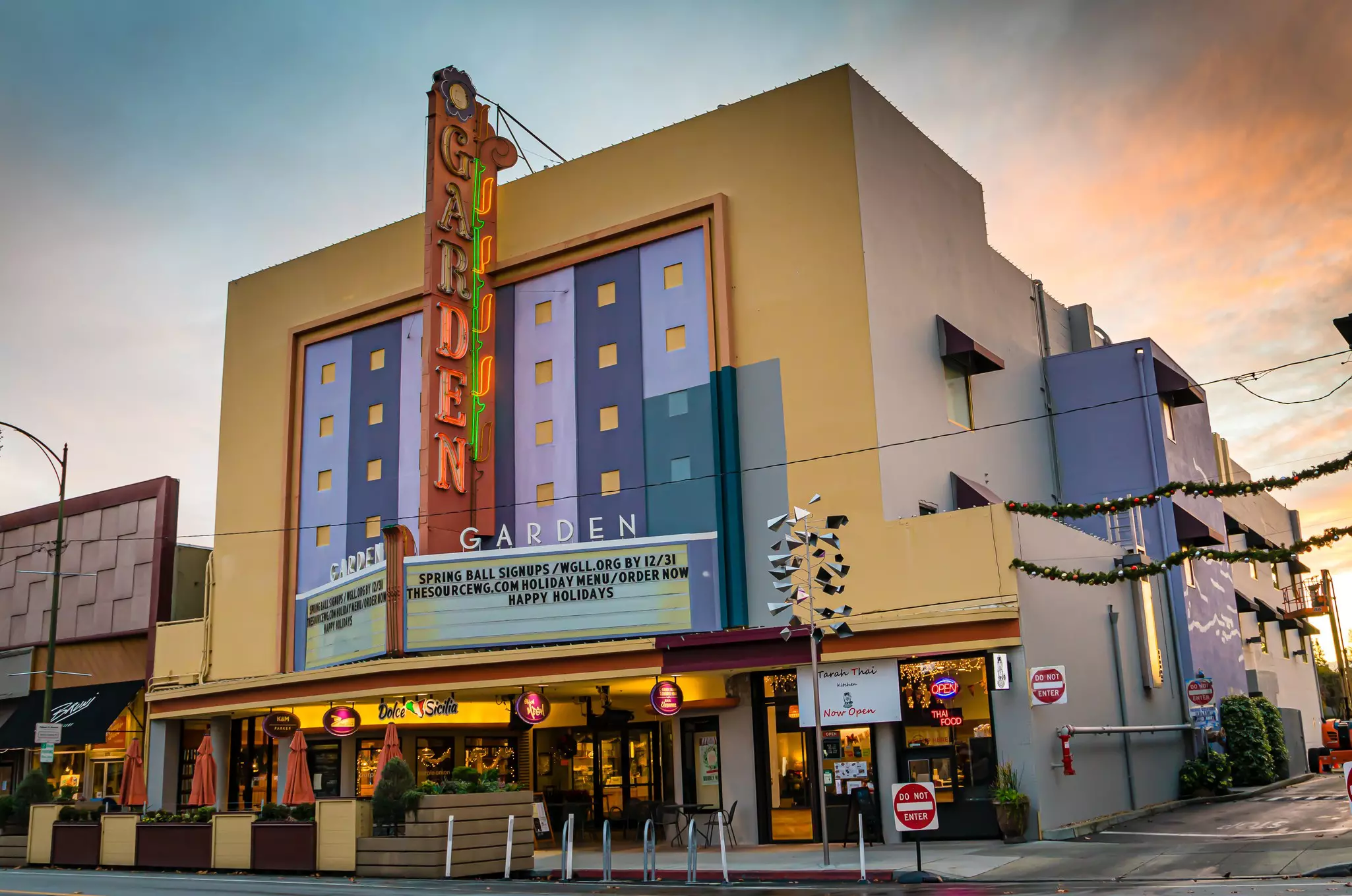
If you want to get to know a more local side to San Jose, head to Willow Glen, where you can grab brunch from a sidewalk cafe, peruse antique stores and admire the Victorian architecture.
Snag a seat at The Table for the neighborhood’s most noteworthy brunch, pick up some delectable chocolates from Powell’s, and explore the local boutiques along Lincoln Avenue to get the full Willow Glen experience. On Saturday mornings, don’t miss the neighborhood’s farmer’s market, where you can rub shoulders with locals while devouring fresh pastries and vegan food.
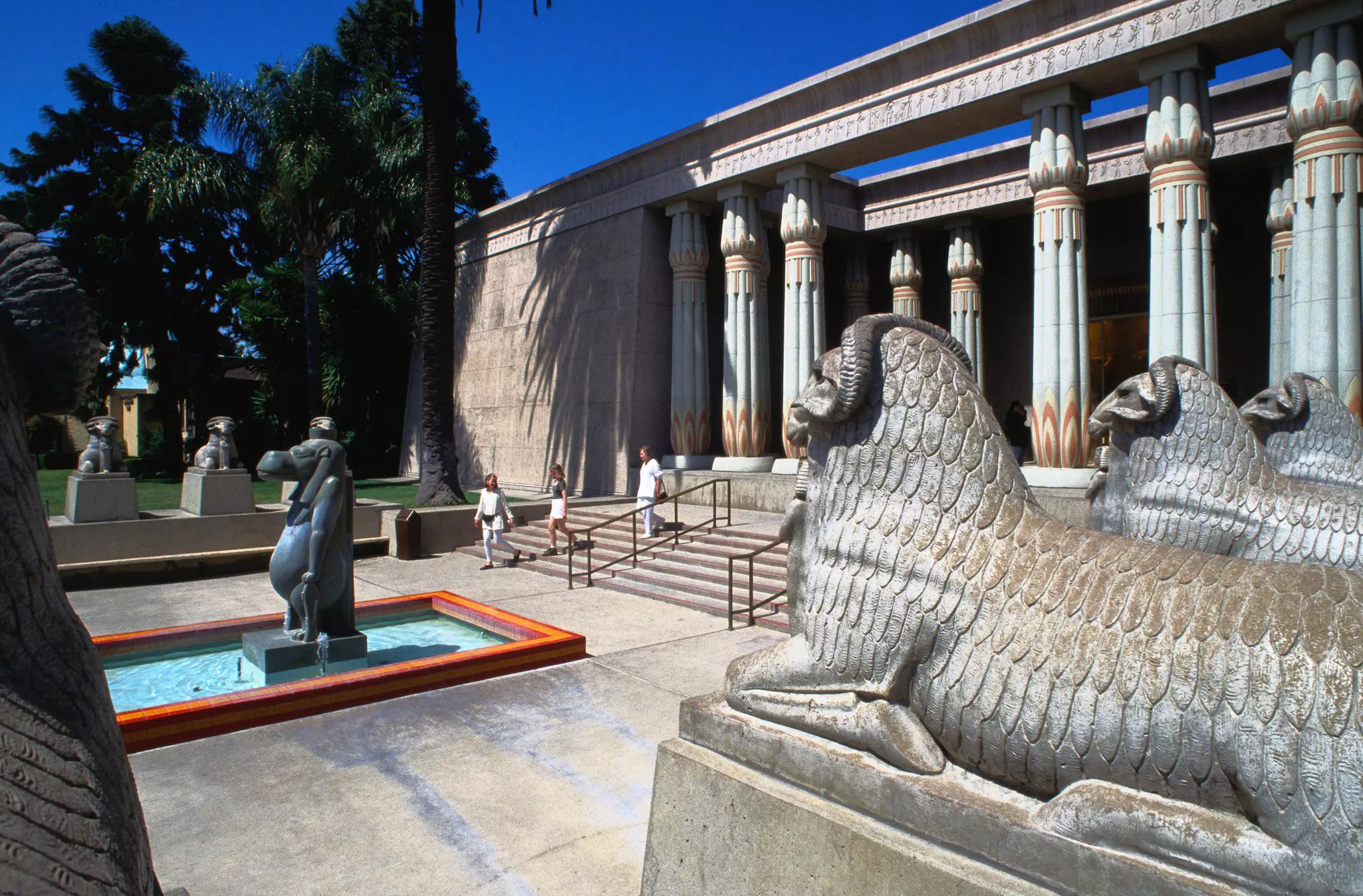
The Rosicrucian Egyptian Museum is one of San Jose’s more unusual attractions, featuring the most extensive collection of Egyptian artifacts in Western North America.
As you approach, you’ll be welcomed by ram-headed sphinxes and Karnak-style architecture in the form of impressive white and blue columns and golden doors.
Inside is just as impressive. You’ll be whisked away to another time, with exhibits that span from mummies and tomb replicas to a look at ancient Egypt’s version of daily life.
Planning tip: The museum runs lots of fun workshops about different subjects that are often included in the admission price. Check the schedule before you arrive to see if anything takes your fancy.
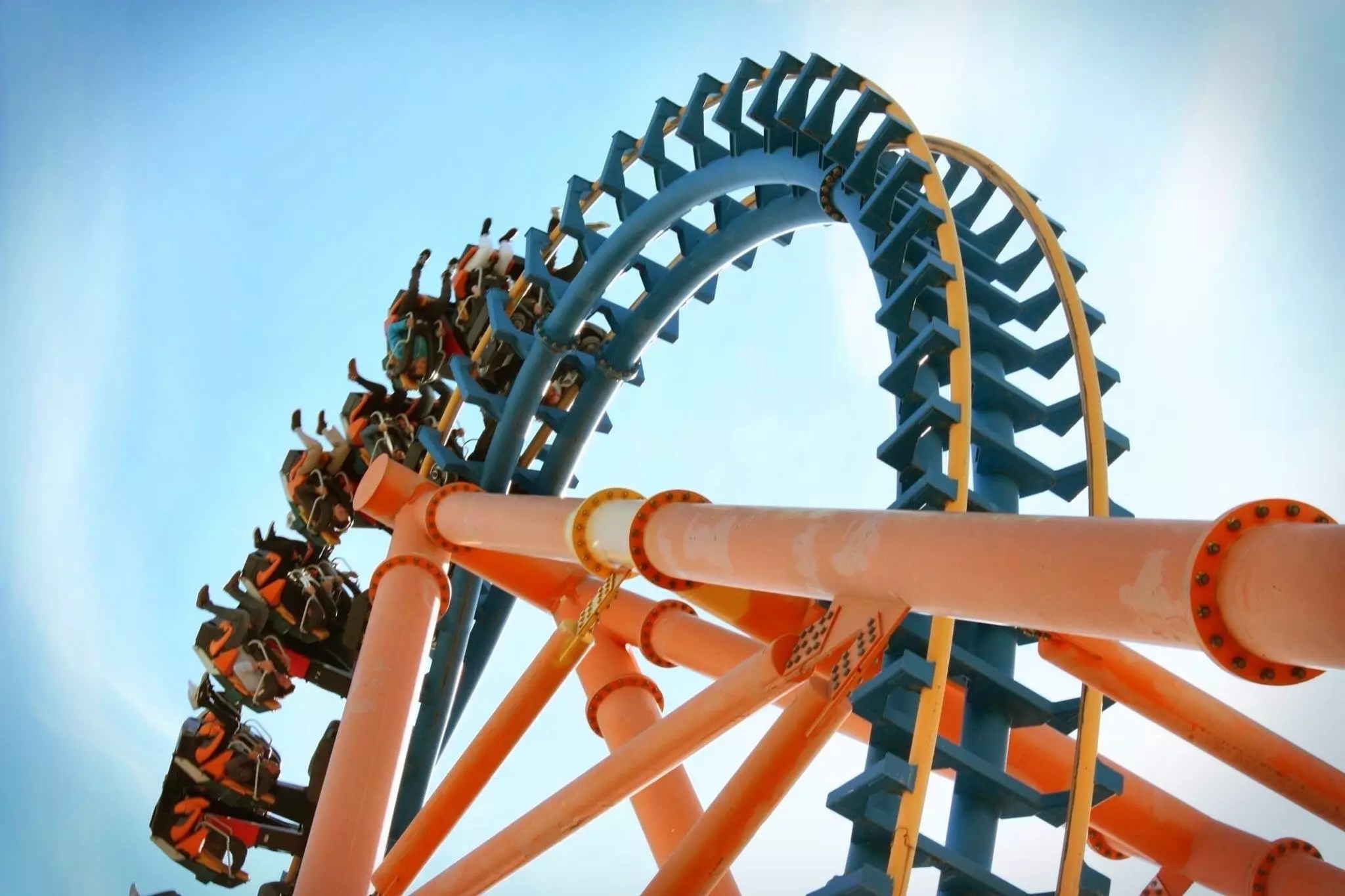
Whether you’re a teenager or an adult, if you love your thrills, there’s no better place to get your adrenaline pumping than at California's Great America. Operating since 1976, California’s Great America is a 112-acre wonderland where you can test your stomach on upside-down rollercoasters, stop to smell the funnel cakes, enjoy live music, and watch fireworks on summer weekends.
Up until the 1980s, SoFA (South First Arts) was San Jose’s red-light district. It has since blossomed into a trendy neighborhood to experience art, cocktail bars and several creative festivals throughout the year.
During the day, enjoy a cup of craft coffee from a knowledgeable barista, explore the Institute of Contemporary Art, visit an art gallery, and discover colorful street murals. After hours, grab tickets for a show at the California Theatre to see Symphony Silicon Valley or the San Jose Opera. Gab a drink at Haberdasher or dance the night away at The Continental Bar. The possibilities are endless as long as you’re up for art, culture and fun.
Planning tip: Once a month, you have the chance to experience South First Fridays, a popular, free art gallery walk that features local artists and live music.
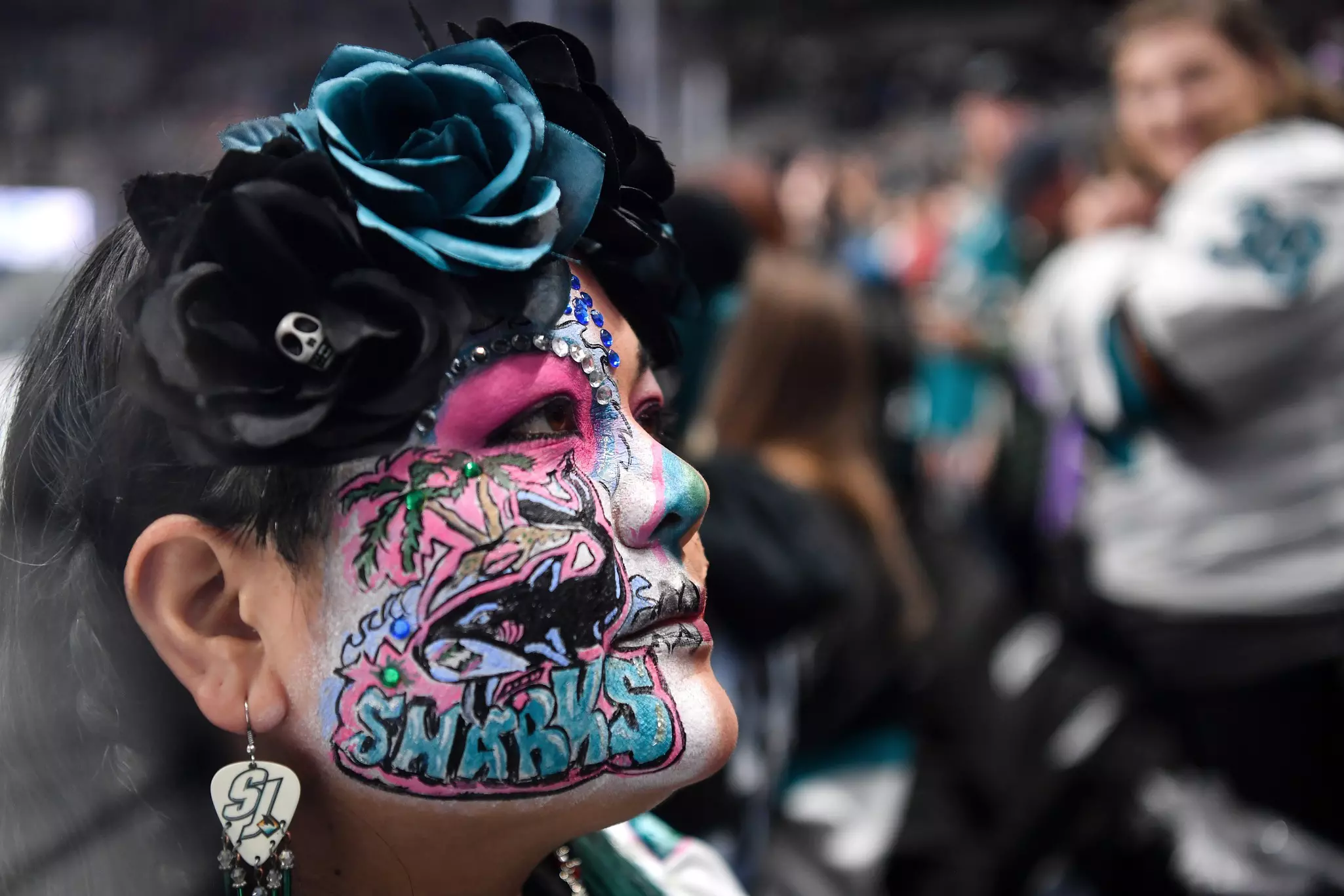
Around town, you’ll probably see at least a few San Jose Sharks bumper stickers on random cars zooming by. However, you won’t truly know how deeply San Joseans love their sports teams until you’re in a raucous crowd of cheering fans at the SAP Center during a Sharks game.
If hockey isn’t your thing, Santa Clara County is home to plenty of other stadiums and parks where professional and minor league sports teams play. Most notably, you can catch a San Francisco 49ers game at Levi’s Stadium (it’s actually much closer to San Jose than San Francisco, which is over an hour away). Or major league soccer fans can catch a San Jose Earthquakes game at PayPal Park.
There’s no better place to learn about how technology and science impact our world than in San Jose and, more specifically, one of the city’s most popular museums, the Tech Interactive.
At this future-focused hub, you’ll be treated to hands-on exhibits that are equally as engrossing for kids as adults. Build a robot, try your hand at designing a virtual roller coaster, or lose yourself in a film at the IMAX Dome Theater.
Planning tip: The museum has lots of scheduled activities that change on a daily basis and they're usually included in your admission ticket. Check out the daily planner for details.
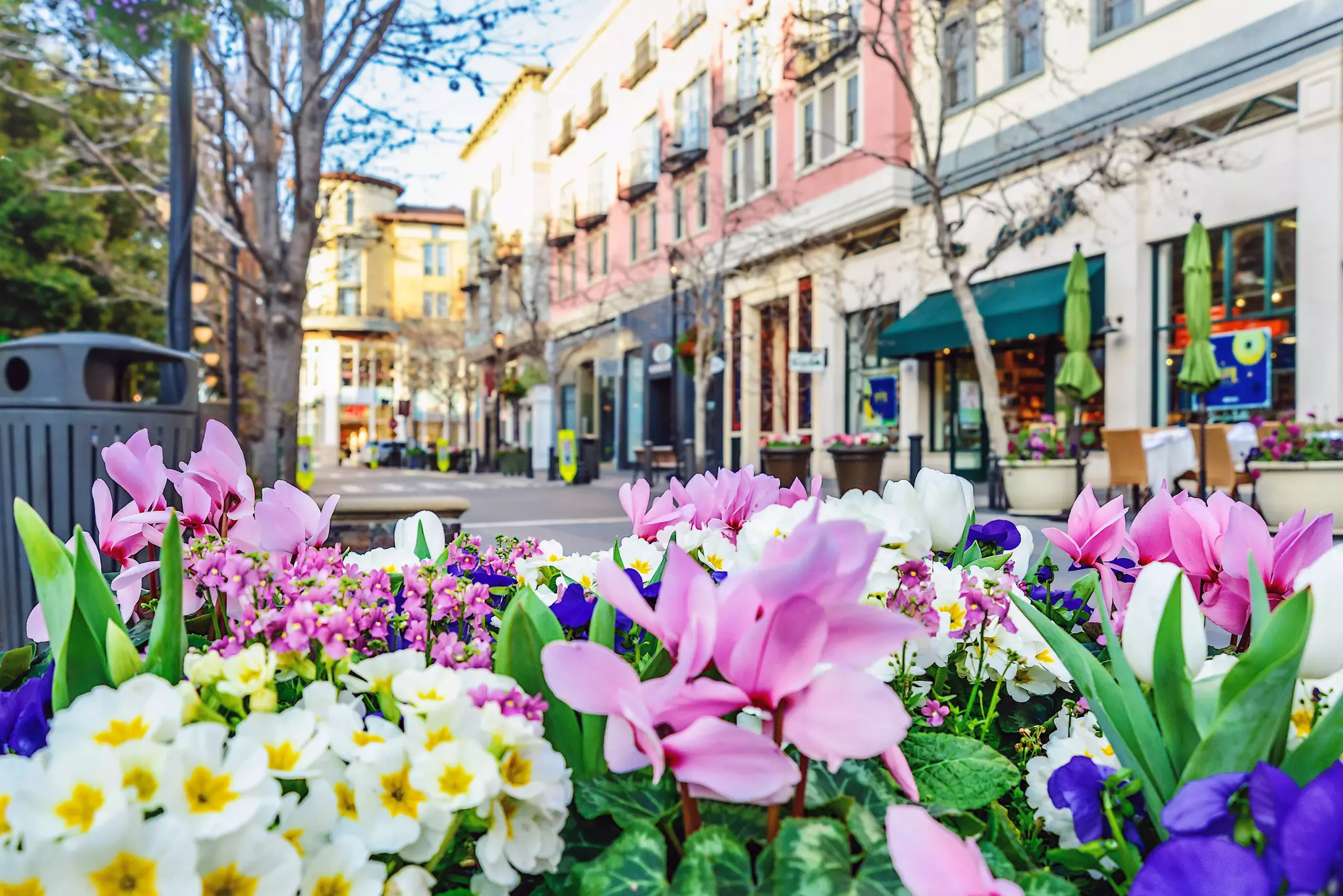
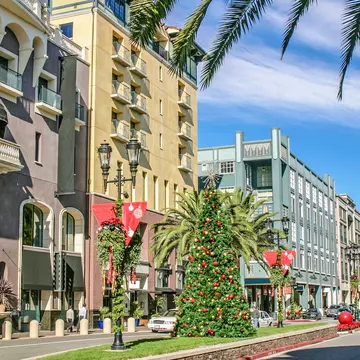
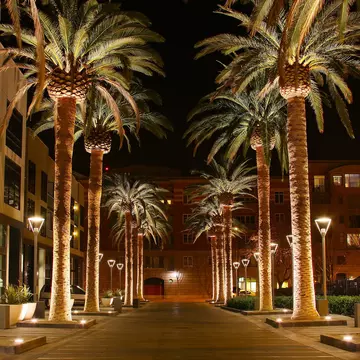
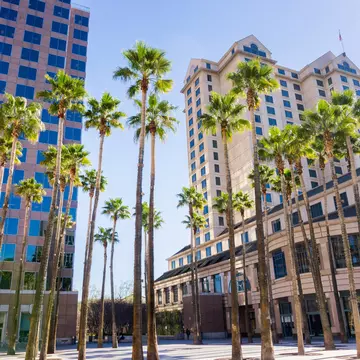
Take your time as you walk down the wide streets of Santana Row, lined with palm trees and Lamborghinis juxtaposed with Tuscan-style architecture, striped awnings and umbrella-covered patios. This is where the rich tech scene of Silicon Valley meets European-inspired architecture for a unique and upscale atmosphere.
This is the bustling go-to hub for shopping, people-watching and catching up with friends over dinner or a drink. And with 50 shops, 20 restaurants, and nine spas and salons, you can rest assured that there’s a little something for everyone.
As the old proverb goes, “one man’s trash is another man’s treasure” and nowhere is that more true than at the extensive San Jose Flea Market, also known as the Berryessa Flea Market. Come here to ride the carousel, shop for fresh produce, enjoy live music and entertainment, grab ready-to-eat food from local vendors, or look through the many antiques and collectibles from another era.
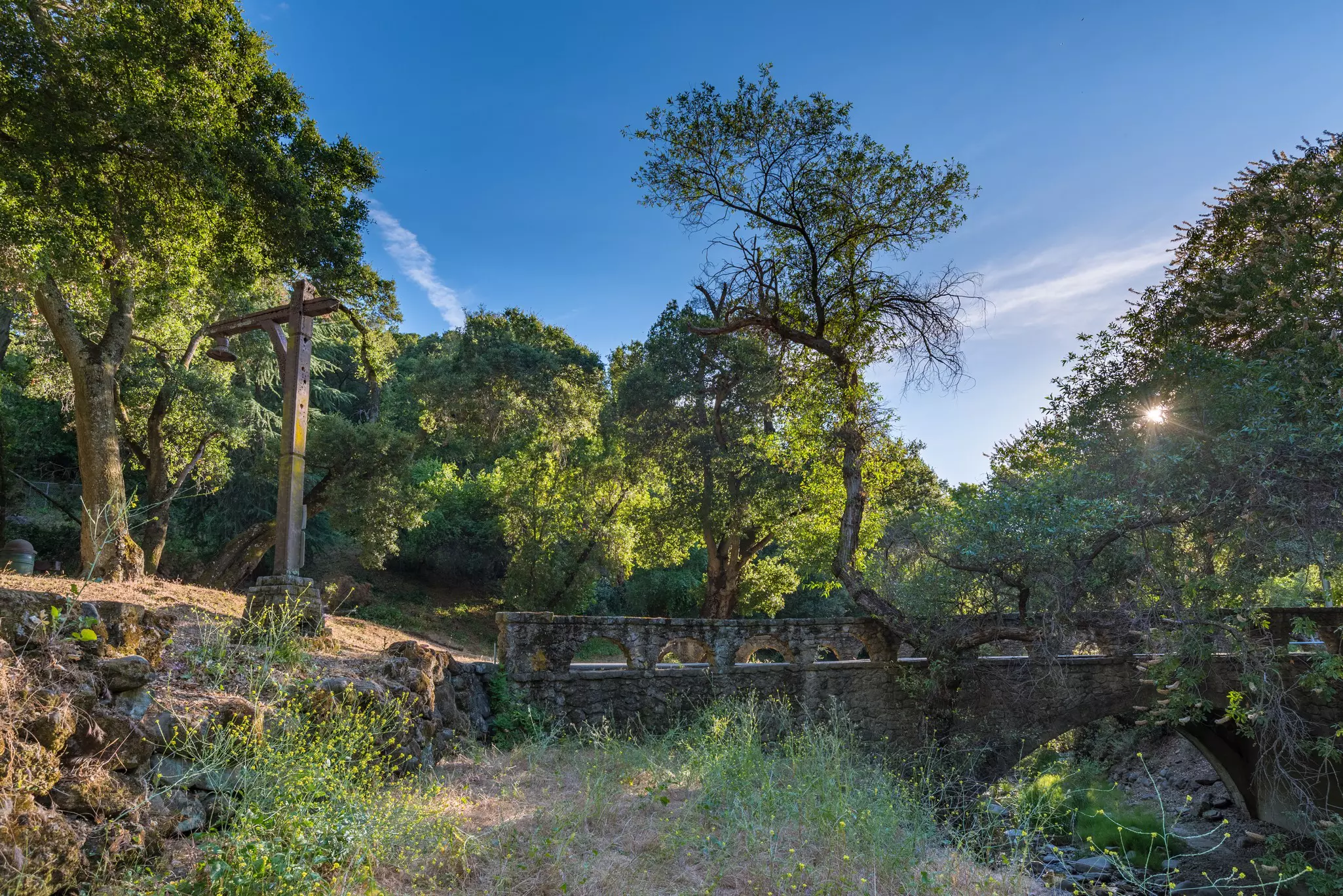
The oldest municipal park in the city, Alum Rock covers more than 720 acres, with rugged landscapes and incredible views of the surrounding city and nearby mountains. When the park opened in the early 20th century, it was home to a natural health spa, complete with mineral springs and a swimming pool, a dance hall and a tea garden. Today, it’s a popular spot for hiking, cycling and horseback riding. An abundance of grills and picnic areas make it a great spot to enjoy a family BBQ. The park is a protected wildlife sanctuary, so dogs are not allowed.
Planning tip: BBQs are forbidden during fire season and the park is sometimes completely closed if conditions are extreme.