ColombiaThings to do

Things to do in Colombia

‹ Prev

of 31

  1. A

    Crepes & Waffles

    This chain of restaurants serves, obviously, crepes and waffles, plus salads and a range of desserts. It's a professional operation with a good philosophy - they only hire single mothers and women in need.

    reviewed

  2. B

    La Puerta Falsa

    This is Bogotá’s most famous snack shop – with displayed multicolored candies beckoning you into the tiny spot that’s been in business since 1816. Grab a sticky breva candy, eggs or tamales for breakfast, or sit with chocolate completo (hot chocolate with cheese, buttered bread and a biscuit; COP$4000).

    reviewed

  3. C

    Jardín Botánico Joaquín Antonio Uribe

    Across from the Universidad de Antioquia is the city's Jardín Botánico. Opened in 1978, the garden has 600 species of trees and plants, a lake, herbarium, auditorium and the Orquideorama where an orchid display is held in March and April. Just across the street is the sleek, all-concrete Parque de los Deseos, a favorite hangout of the area's college students.

    reviewed

  4. D

    Salto de Ángel

    Parque 93’s best location – a raised restaurant with cavernous rooms topped with bamboo poles and huge windows overlooking the park – the ‘Angel Falls’ is often full. It’s probably just as good for its setting and drinks (or an excellent slushy cantaloupe juice, COP$4000) as it is for its typical fare: steaks, salads, sandwiches, fajitas.

    reviewed

  5. E

    Donostia

    This hip restaurant run by five boyhood friends puts a Mediterranean twist on Colombian food - adding spices to lighten up its meals. Meat lovers will enjoy the chuleta de cerdo BBQ (pork ribs grilled with a special recipe native to Mompós). You can hear live music here on Wednesday.

    reviewed

  6. F

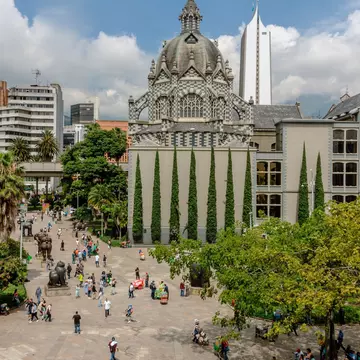
    Palacio de la Cultura Rafael Uribe Uribe

    Palacio de la Cultura Rafael Uribe Uribe, adjacent to the Berrío metro station in an ornate black-and-white building, hosts concerts and events, art expositions, conferences and workshops. Check its website for what’s on.

    reviewed

  7. G

    Restaurante Fulanitos

    Fulanitos is a beautifully arranged, informal place which offers food typical of the Valle del Cauca in southern Colombia. It has excellent views.

    reviewed

  8. Old Town

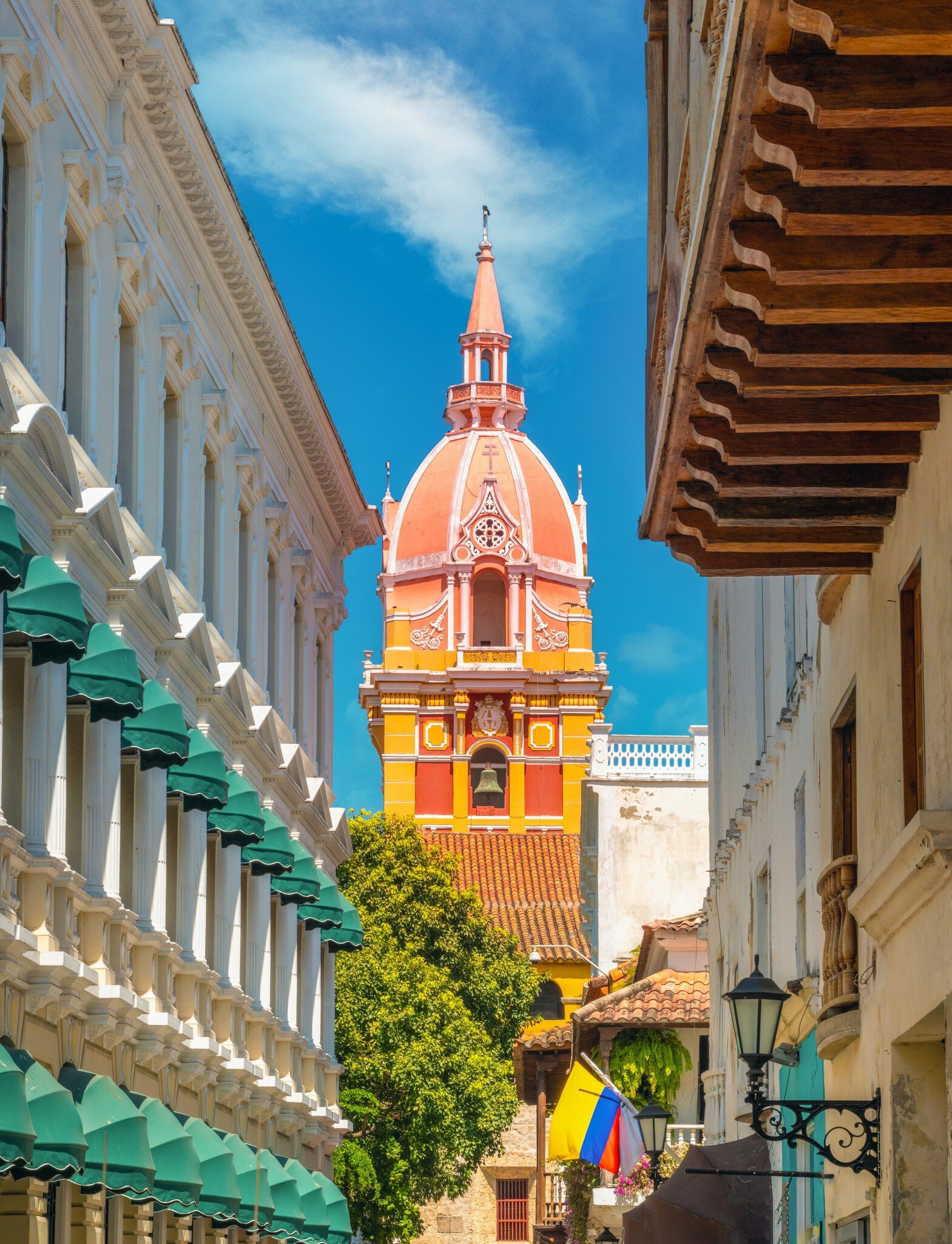
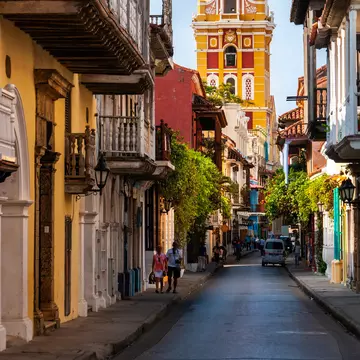
    Without doubt, Cartagena's old city is its principal attraction, particularly the inner walled town, consisting of the historical districts of El Centro and San Diego. It is a real gem of colonial architecture, packed with churches, monasteries, plazas, palaces and mansions with their overhanging balconies and shady patios.

    The old town is surrounded by Las Murallas, the thick walls built to protect it against enemies. Construction began towards the end of the 16th century, after the attack by Francis Drake; until that time Cartagena was almost completely unprotected. The project took two centuries to complete due to repeated damage from both storms and pirate attacks. On…

    reviewed

  9. Mompós

    Minding its own business in the northern Colombian interior, Mompós is another colonial time warp. The atmosphere around here is certainly unique in Colombia - it feels more like the bayous of Mississippi - and is well worth experiencing. Mompós also has a tradition in literature and was the setting for Chronicle of a Death Foretold by Gabriel García Márquez.

    Founded in 1537 on the eastern branch of the Río Magdalena, Mompós became an important port through which all merchandise from Cartagena passed to the interior of the colony. Toward the end of the 19th century, shipping was diverted to the other branch of the Magdalena, ending the town's prosperity and leaving Mo…

    reviewed

  10. Parque El Gallineral

    San Gil’s showpiece is the mystical Parque El Gallineral, a 4-hectare park set on a triangle-shaped island between two arms of the Quebrada Curití and Río Fonce. Nearly all of the 1876 trees are covered with long silvery tendrils of moss called barbas de viejo, or old man’s beard, hanging from branches to form translucent curtains of foliage and filtered sunlight. It’s like a scene set in JRR Tolkien’s Middle Earth. Several paths and covered bridges snake through the urban forest and over the rapids. After your hike, relax with a swim in the large spring-fed pool or sip a cerveza at one of the pricey restaurants and cafes.

    reviewed

  11. Advertisement

  12. H

    Museo Histórico Policia

    The surprisingly worthwhile Museo Histórico Policia not only gets you inside the lovely ex-HQ (built in 1923) of Bogotá’s police force, but gives you 45 minutes or so of contact time with 18-year-old, English-speaking local guides who are serving a one-year compulsory service with the police (interesting tales to be heard). The best parts otherwise follow cocaine-kingpin Pablo Escobar’s demise in 1993 – with a model dummy of his bullet-ridden corpse – or the surreal juxtaposition of a Neanderthal-fight mural before cases and cases of more modern means of killing each other (pistols and rifles).

    reviewed

  13. I

    Plaza de Bolívar

    The usual place to start discovering Bogotá is Plaza de Bolívar, the heart of the original town. In the middle of the square is a bronze statue of Simón Bolívar (cast in 1846), the work of an Italian artist, Pietro Tenerani. This was the first public monument erected in the city.

    In the center, beside the 1846 bronze statue of Bolívar (of course), are flocks of pigeons that dive-bomb anyone within 50m of the square - a hat is a good idea.

    reviewed

  14. Donde Chucho

    Serving the best seafood on the coast, and sitting on prime real estate on the newly renovated Parque Santander. Start with the signature salad (shrimp, octopus, calamari and manta smoked in olive oil) and move on to robaloau gratin (mozzarella and parmesan). Divine. If this place doesn’t fit your budget, go Monday to Thursday between 6pm to 9pm and enjoy cocktails at 2-for-the-price-of-1. Don’t miss it.

    reviewed

  15. J

    La Gorda

    Thanks to a local law that requires major new buildings to include public art, central Medellín can seem like a vast, outdoor art gallery. Besides the Plazoleta de las Escultras, you can see Botero's massive bronze woman's torso known as La Gorda, in front of the Banco de la República in Parque Berrío. There are also three more Botero sculptures in the Parque San Antonio.

    reviewed

  16. Reserva Tanimboca

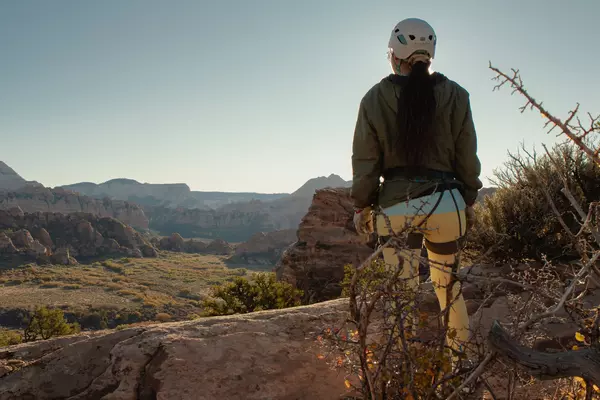
    At Reserva Tanimboca visitors can monkey around atop 35m-high trees, then slide 80m along zip-lines from one tree to another through the beautiful forest canopy (COP$60,000). Other activities include kayaking (COP$20,000) and nocturnal jungle hikes (COP$150,000). Or splurge for an overnight stay in a treehouse (single/double/triple COP$150,000/200,000/300,000).

    reviewed

  17. K

    Il Forno

    Set in the middle of the zona rosa (nightlife zone), this open-air Italian restaurant doesn’t do gimmicks or discounts, just good, solid food at a fair price. It serves pizza and sandwiches, lasagna and ravioli, and even steak. There’s a good range of salads for the herbivores. Desserts are a mere COP$6000. It may not be gourmet, but at this price, who cares?

    reviewed

  18. L

    Café Colombo

    On the top floor of the building also housing the Centro Colombo Americano, this minimalist spot serves up light meals along with stunning views of the city and mountains. Go for the set meal (COP$15,500), which changes weekly, or try the crepes, pasta, steak or trout. Its 10th-floor outdoor terrace is a great spot for cocktails early in the evening.

    reviewed

  19. M

    Museo Nacional

    Museo Nacional, Centro Internacional's principal attraction, is housed in the expansive, Greek cross–shaped building called El Panóptico, designed as a prison by English architect Thomas Reed in 1874. Walking through the (more or less) chronological display of Colombia’s past, you pass iron-bar doors into white-walled halls.

    reviewed

  20. N

    Zoológico de Cali

    The Zoológico de Cali has a good collection of species indigenous to Colombia, including chiguiros (capybaras), oso hormigueros (anteaters), condors, monkeys and a mariposario (butterfly enclosure). It’s 2km southwest of the center in Barrio Santa Teresita and is most easily accessed by taxi.

    reviewed

  21. O

    La Casa de Socorro

    This is a good little spot to try comida costeña, the typical food of the coast. It’s a casual spot with nice design touches like paintings on recycled walking planks, and the menu features staples like robalo (sea bass) smothered in cheese and garlic, along with more adventurous fare such as snail or turtle soup.

    reviewed

  22. Advertisement

  23. Feria de Cali

    The main city event is the Feria de Cali. It lasts from Christmas to New Year's, with parades, masquerades, music, theatre, bullfights and general citywide revelry. Given the city's staunch faith in the beauty of its women, it's no surprise that the beauty pageant also draws in hordes of spectators.

    reviewed

  24. P

    Saloon

    This edgy, arty bar has a student vibe. Foreign DJs sometimes spin here, and every other Friday there’s live music. You can get sandwiches and light salads (COP$10,000 to COP$12,000). It also sometimes hosts art installations. It’s on the second floor of a white building in the heart of Granada.

    reviewed

  25. Centro Cultural Gabriel García Márquez

    Opened in 2008 and a modern addition to La Candelaria, this expansive new complex pays homage to Colombia’s most famous author in name, but its events span the cultural spectrum way past literature. There’s also a giant bookstore (with a few English titles), a hamburger restaurant and cafe.

    reviewed

  26. Jardín Botánico

    Newly refurbished and fabulous, the Jardín Botánico boasts 600 species of trees and plants, a lake, herbarium, auditorium and the Orquideorama, where an orchid display is held in March and April. The gardens are easily accessed from the nearby metro stop Universidad.

    reviewed

  27. Q

    Museo de Antioquia

    In the grand art-deco Palacio Municipal, the Museo de Antioquia is Colombia’s second-oldest museum and one of its finest. The collection includes pre-Columbian, colonial and modern art collections, as well as many works donated by native son Fernando Botero.

    reviewed