Mar 25, 20268 min read
13 things to know for travel to ColombiaFeb 28, 2025
12 MIN READ
Contributors
Contributors

Steph Dyson, Alex Egerton
Colombia has become one of the most sought-after stops on any South American ticket. This is in large part due to its awe-inspiring landscapes – among the best in the region – with Caribbean and Pacific coastlines to the north and west, and the Amazon rainforest in the south.
Adventure travelers will thrill at the scenic options, from rugged mountain trails and wildlife-rich jungles to bountiful coral reefs teeming with tropical fish. Visitors that prefer a little less of literal wildlife can choose from beautiful, modern cities full of music, culture and the warm welcome of the Colombian people.
It's difficult not to fall in love with this country – and even harder to leave. Whether you’re seeking adventure, history, showstopping nature, or a fabulous party, here are the top things to do in Colombia.
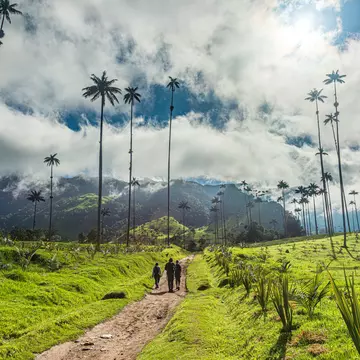
Adjoining the lower reaches of Parque Nacional Natural Los Nevados, one of the best national parks for hiking in Colombia, the Valle de Cocora is one of the country's most breathtakingly beautiful destinations.
A land of lush green farmland divided by rushing mountain rivers, it's home to swathes of lofty Quindío wax palms, which tower over this idyllic rural landscape and can reach the height of a six-story building.
Planning tip: Take a Willys Jeep (an experience in itself) from nearby Salento into the valley, from where a 15km (9-mile) circular hike heads along a pretty river and up into the hills for spectacular views of the palms backed by rolling emerald hills topped with tracts of cloud forest.
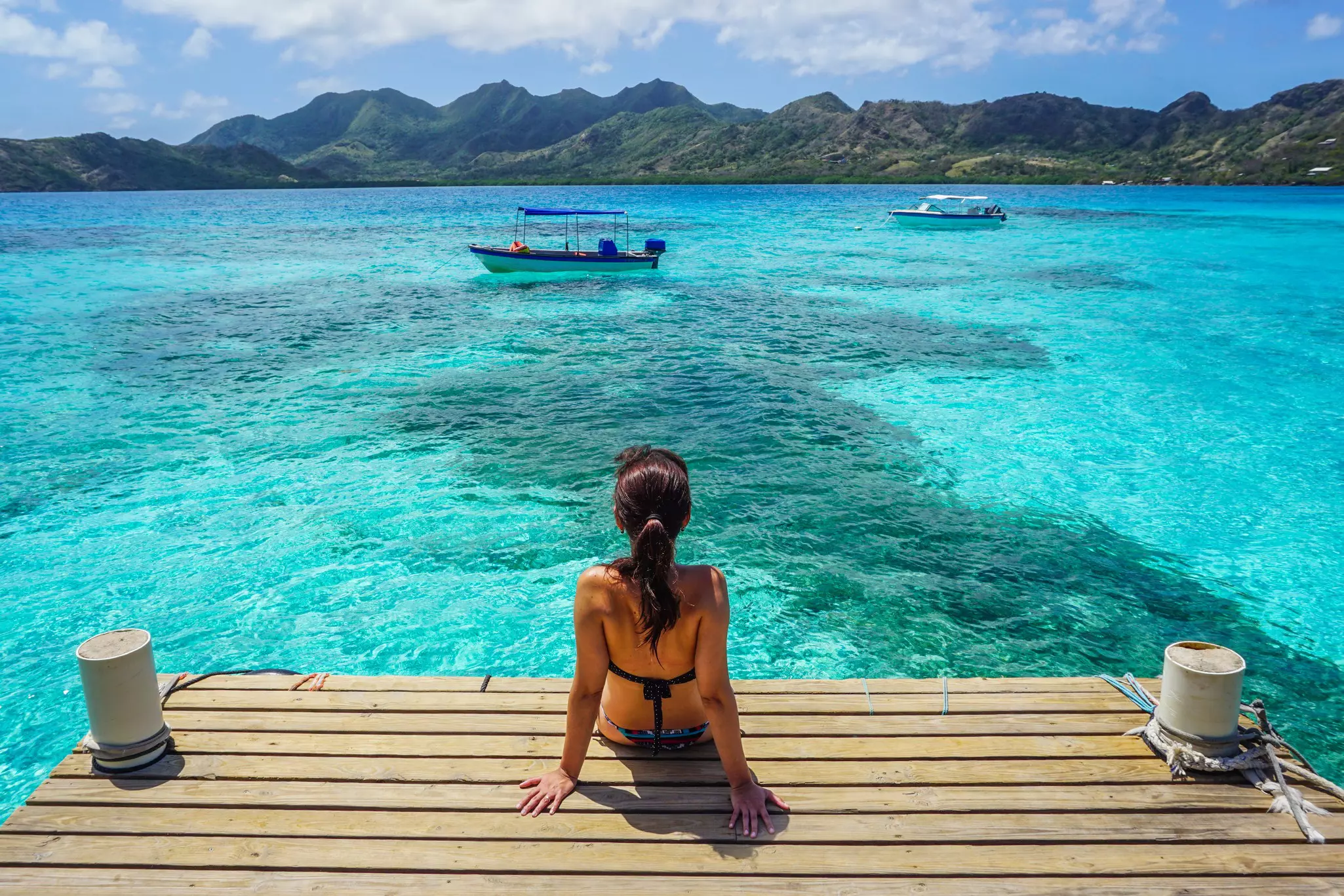
Colombia’s Caribbean coastline feels like paradise – and that description applies even more to emerald-green Providencia, a mellow tropical island that spans just 17 sq km (6.5 sq miles) and lies around 800km (497 miles) north of mainland Colombia.
Providencia was flattened by Category 5 Hurricane Iota in late 2020, which destroyed houses and affected the surrounding reefs, especially those in shallow waters.
Fortunately, life on the island is now getting back to normal and the crystal-clear warm waters remain one of the best places in Colombia for snorkeling or scuba diving.
Lying off the island's northeast coast, the McBean Lagoon National Natural Park is characterized by waters tinted with a glorious patchwork of colors. It’s been dubbed the “Sea of Seven Colors,” and is inhabited by an amazing variety of tropical fish, manta rays, and sea turtles.
Staking its claim as the world capital of salsa, in party-loving Cali the music rings out loud whatever the time of day or night. Here the only dilemma facing DJs is which particular subtype of salsa to play.
Embrace the city’s favorite rhythm and take group or private classes at one of the many fun dance academies, then get your hips moving on a high-energy journey through its legendary salsa bars and clubs.
A good place to start is the friendly and always-packed La Topa Tolondra, while those looking for a fully local experience should check out Zaperoco Bar. Don’t bother looking for a dance floor, it’s perfectly legit to dance between tables.
Planning tip: If visiting during September, don’t miss the Festival Mundial de Salsa, where more than 5,000 superb dancers from around the world compete dressed in brilliant costumes, and big-name acts perform concerts.
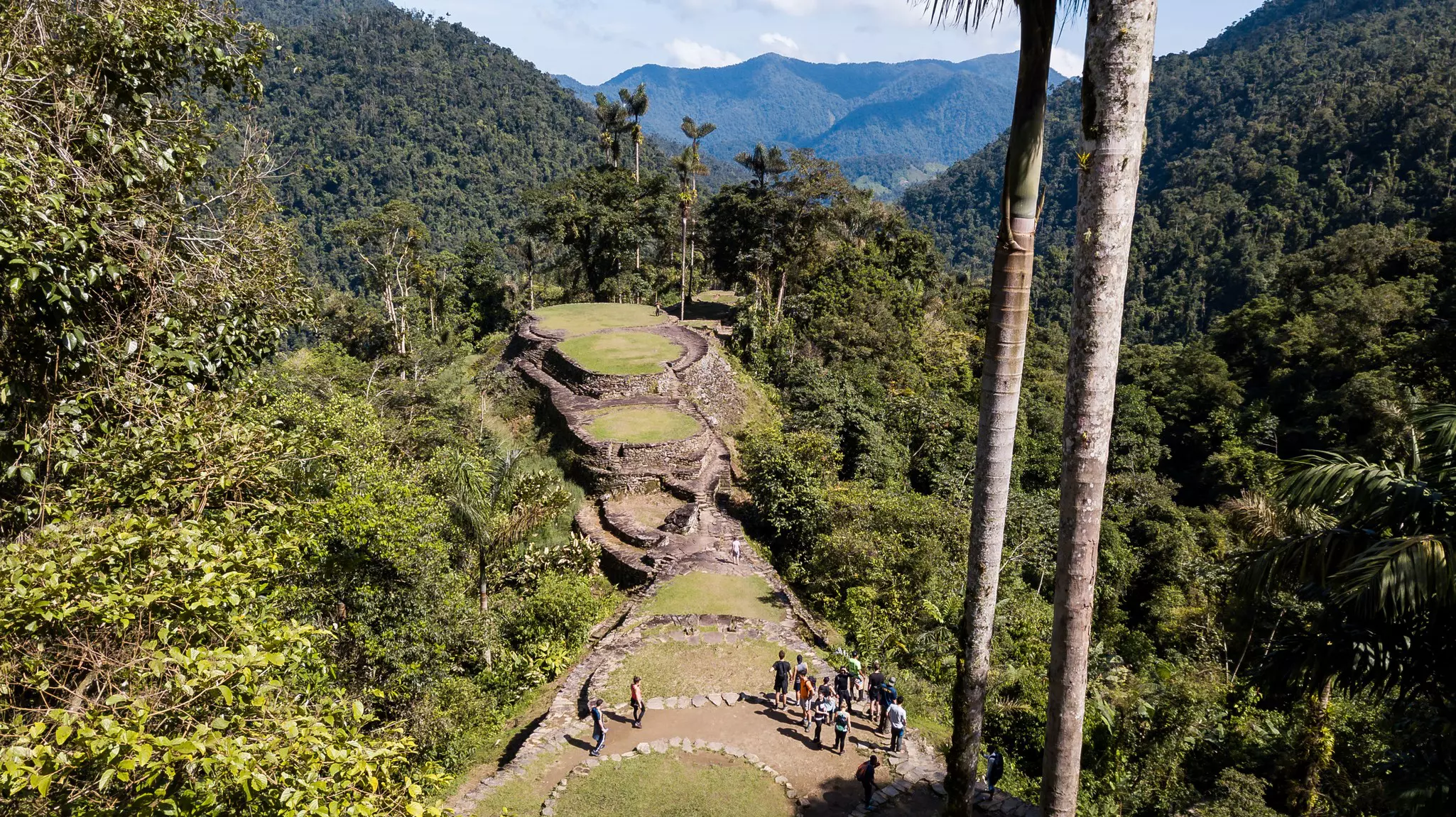
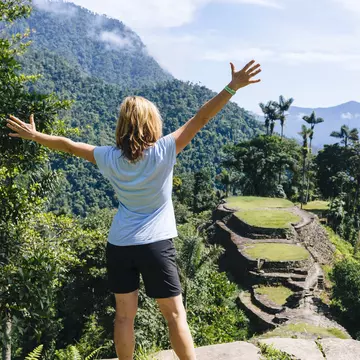
Hiking through lush tropical vegetation for three days before you even catch a glimpse of Colombia’s aptly named Ciudad Perdida (Lost City) is an opportunity to experience the thrill of setting forth into a magnificent lost world.
The muddy, ascending trails and humid temperatures of the jungle mean it’s a challenge to get here, but all the sweat (and tears) will feel worth it when you arrive.
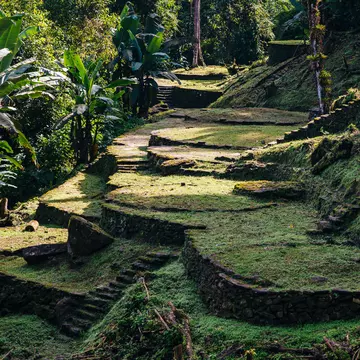
Once a thriving pre-Columbian city, Ciudad Perdida was built atop a ridge in the northern stretches of the Sierra Nevada de Santa Marta by the Tayrona people more than 1,000 years ago.
Today, the houses are gone, but the stone pathways, walls and foundations remain, and with a bit of imagination it's possible to imagine how the mountain kingdom may have looked at its peak.
The site receives very few visitors and it’s no wonder: it's a tough five-day round-trip hike to reach it and one of the most adventurous things to do in Colombia.
Along the way, refreshing swimming holes and striking jungle scenery ensure your efforts are fully rewarded.
Planning tip: You're required to hire an experienced tour guide or join a tour group for this hike through the jungle.
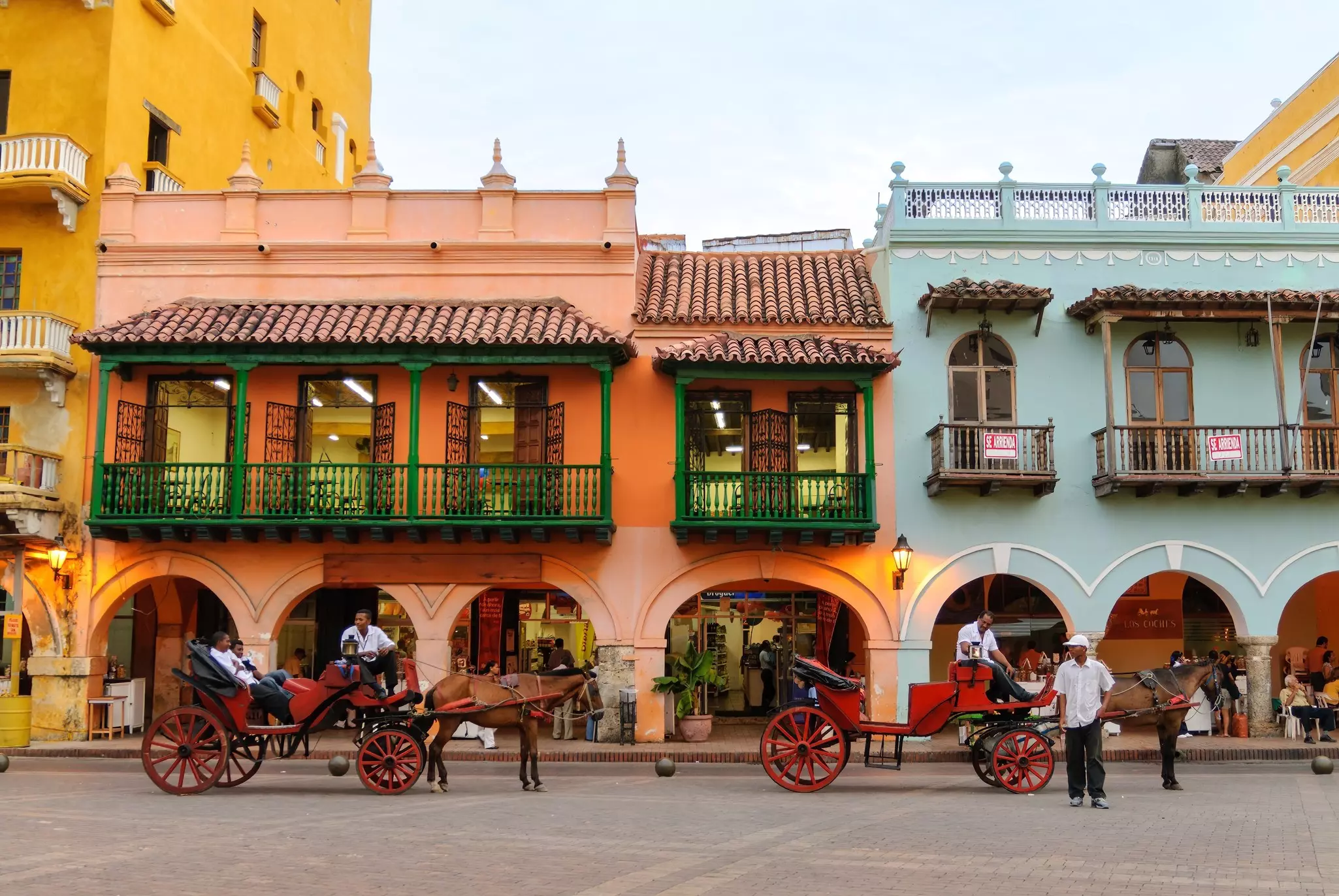
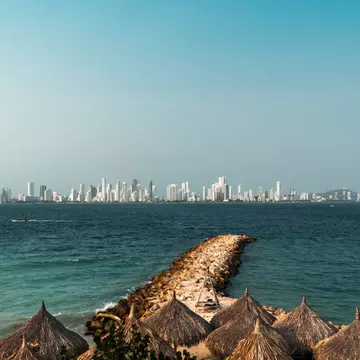
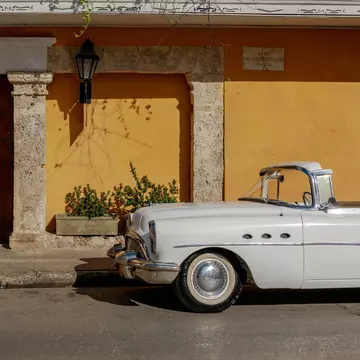
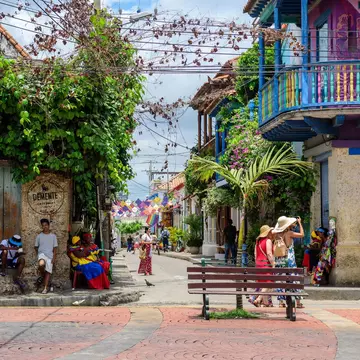
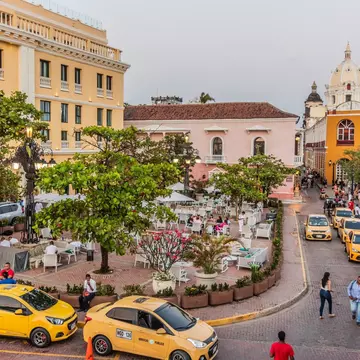
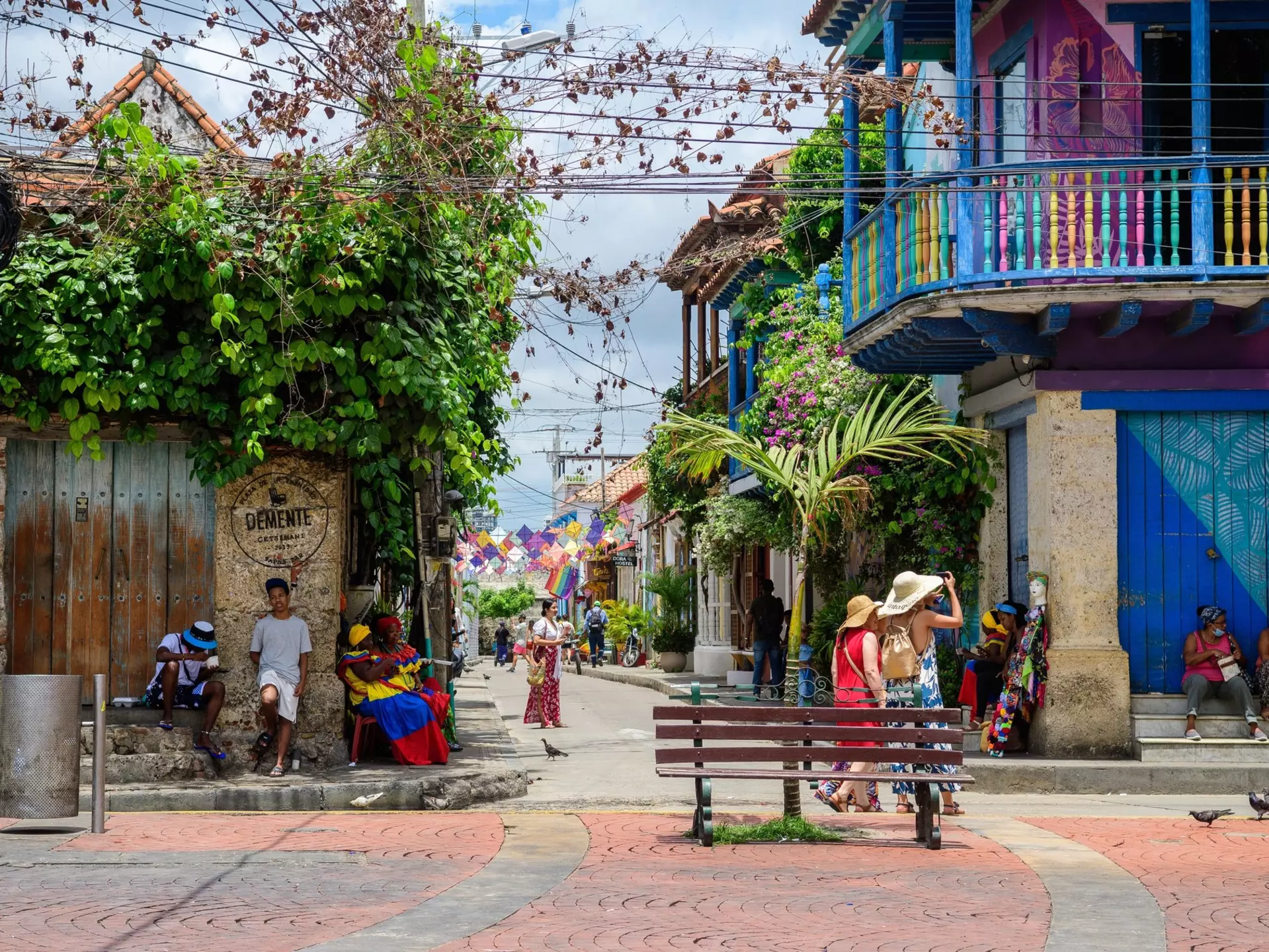
The picturesque walled city of Cartagena feels like a movie set, with its historic plazas, majestic churches, and restored mansions that have been converted into swanky boutique hotels and restaurants serving Caribbean-infused seafood dishes.
But beyond Cartagena’s colonial opulence – built off the back of the trade of enslaved people and Spanish plunder, it’s important to remember – the city has other less-examined origins that played an enormous role in the development of its vibrant culture. At the Museo del Oro Zenú, you’ll see displays of gold artifacts from the Indigenous people who were the original inhabitants of the Cartagena region.
Today, weavers from this community continue to produce the traditional Colombian sombrero vueltiao hat, which can be bought at market stalls around the city. To find a good handmade hat, look for one that can be twisted and folded and springs back into shape.
Planning tip: Meet the artisans themselves and learn about the challenges they face as a culture in modern Colombia on a community-led city tour.
Colombia’s most energetic street party can be found in the pulsating streets of Barranquilla during the city’s annual Carnaval celebrations. Kicking off officially four days before Ash Wednesday every February or March (although smaller verbenas – pre-Carnaval public parties – begin some 10 days beforehand), the festivities are a full-color expression of costeño culture with four packed days of floats, beauty contests, traditional rhythms and – in true Colombian fashion – plenty of dancing.
The Carnaval de Barranquilla is so integral to the identity of the city that the event was declared an Intangible Cultural Heritage by UNESCO in 2008. It ranks among the continent’s liveliest carnival celebrations alongside Rio de Janeiro’s festivities and those held in Oruro in Bolivia. Throw yourself into the dancing, and you may even wind up joining a local dance troupe on their float, which could end up being the most memorable moment of your trip to Colombia.
Once a little supply stop on the Cali to Buenaventura railroad, the Afro-Colombian village of San Cipriano was left isolated when the line all but stopped functioning with the construction of the highway.
Surrounded by thick rainforest miles from the nearest road, the ingenious residents of the town have come up with a solution to their mobility problems: homemade motorized rail carts that zip through the forests at alarming speed.
Board one of the mostly-wooden contraptions and sit back and enjoy the scenery as you hurtle through walls of dense foliage and over rickety bridges into the heart of the jungle to reach the Reserva Forestal San Cipriano, where you can float down a crystal clear river in an inner tube or hike to towering waterfalls. Run by the local community, a visit to the reserve is a refreshingly unpolished adventure that is as much a cultural experience as a natural one.
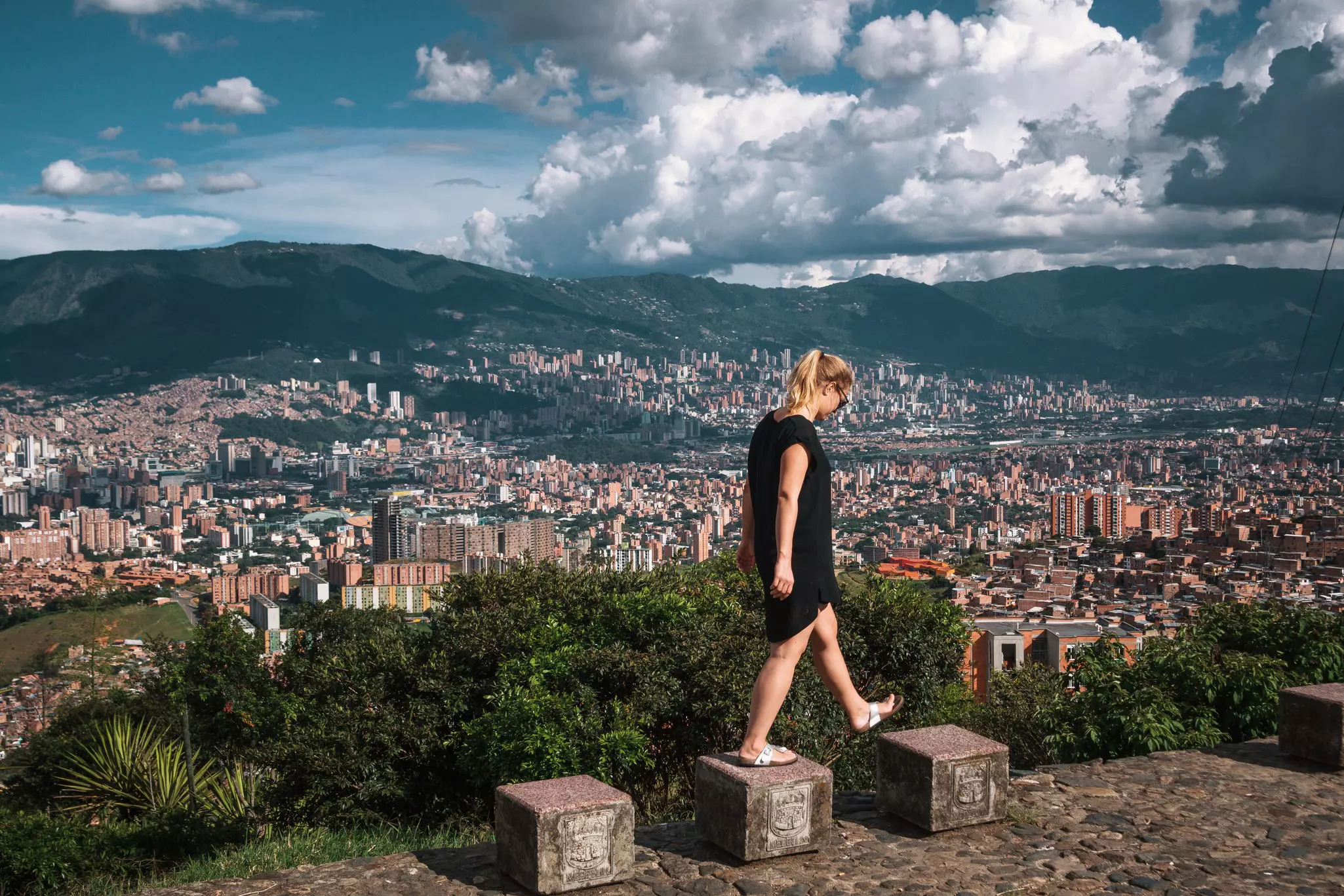
Whether it’s Netflix’s Narcos or reports from the ’90s that have colored your perceptions, prepare to be astounded by the reality of modern Medellín. Having shed the cloak of drug-incited conflict, this is a city transformed, with such modern neighborhoods as Poblado and Laureles showcasing upmarket restaurants and vibrant nightlife.
Planning tip: Take a tips-based walking tour of the center with Real City Tours, whose local paisa guides have lived through the city's metamorphosis and can talk with authority about its rebirth. The tour of the former rubbish dump–turned–thriving neighborhood of Moravia is similarly enlightening.
World-class coffee is one of Colombia’s most important exports, and caffeine addicts will find their home-away-from-home on one of the coffee fincas located in the lush hills in the Zona Cafetera.
Established fincas such as the fourth-generation Hacienda Venecia near Manizales allow you to learn about the production of the bean and try “cupping,” the act of tasting the flavors of freshly made coffee. Another excellent tour can be found at the family-run Hacienda Guayabal near the small town of Chinchiná. But beware: you might struggle to enjoy a cup elsewhere after trying some of the world’s finest coffee beans at their source.
Bogotá is a city that can take a while to work its charms on travelers and is often overlooked based on initial impressions that belie what's beneath the surface. While its gridlocked streets, often slick with rain, might take some time to traverse, the capital of Colombia is a cosmopolitan place packed with dynamic nightlife and a rich range of cultural offerings.
A staple of the city’s cultural scene, the Museo del Oro displays a thousands-strong array of pre-Hispanic gold artifacts. Similarly crucial in the canon of Colombian cultural history is the Museo Botero, a museum dedicated to Colombia’s most famous artist, known worldwide for his humorously engorged figures.
Planning tip: For a taste of more contemporary creations, head to the stylish La Balsa gallery, or take a graffiti walking tour with Bogotá Graffiti Tour, which uses proceeds from tips-based excursions to invest in community projects around the country.
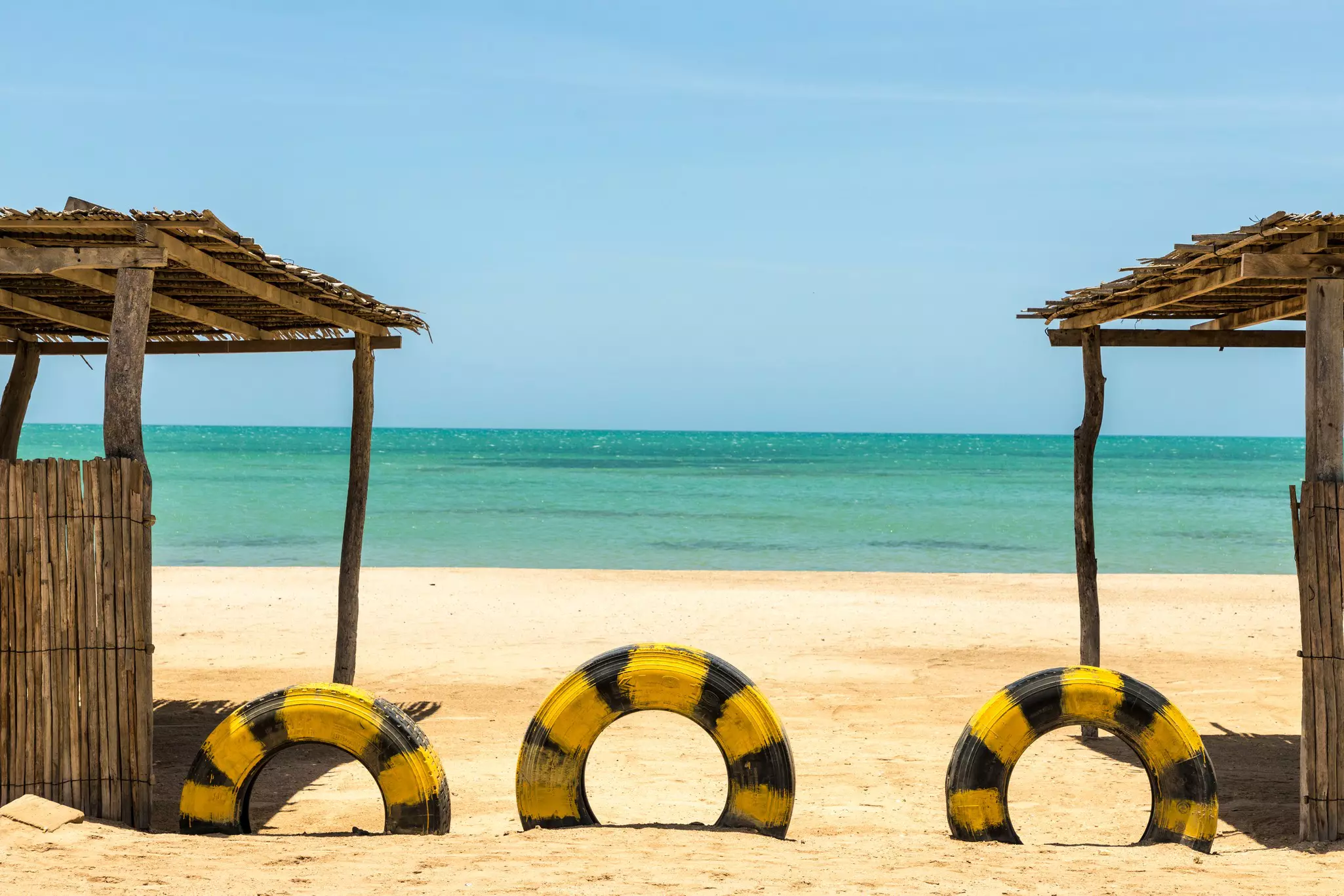
After the lush plantations of the coffee region, La Guajira is an assault on the senses. This arid desert peninsula that spears out into the Caribbean Sea on the northern edge of the South American continent is home to some of the country’s most dramatic terrain.
The main attractions include the glorious ocher dunes of Punta Gallinas and Cabo de la Vela, which have ideal conditions for windsurfing and kitesurfing. Although independent travel is possible, it’s easiest to organize a tour from the regional capital, Riohacha.
One of the most impoverished parts of Colombia, this region is home to the Indigenous Wayúu, a people renowned for their weaving and whose ways of life and access to water are threatened by Latin America’s biggest open mine. Ensure your money goes into local hands by purchasing local handicrafts and using sustainable operators, such as Pura Guajira Travel, who employ Wayúu guides.
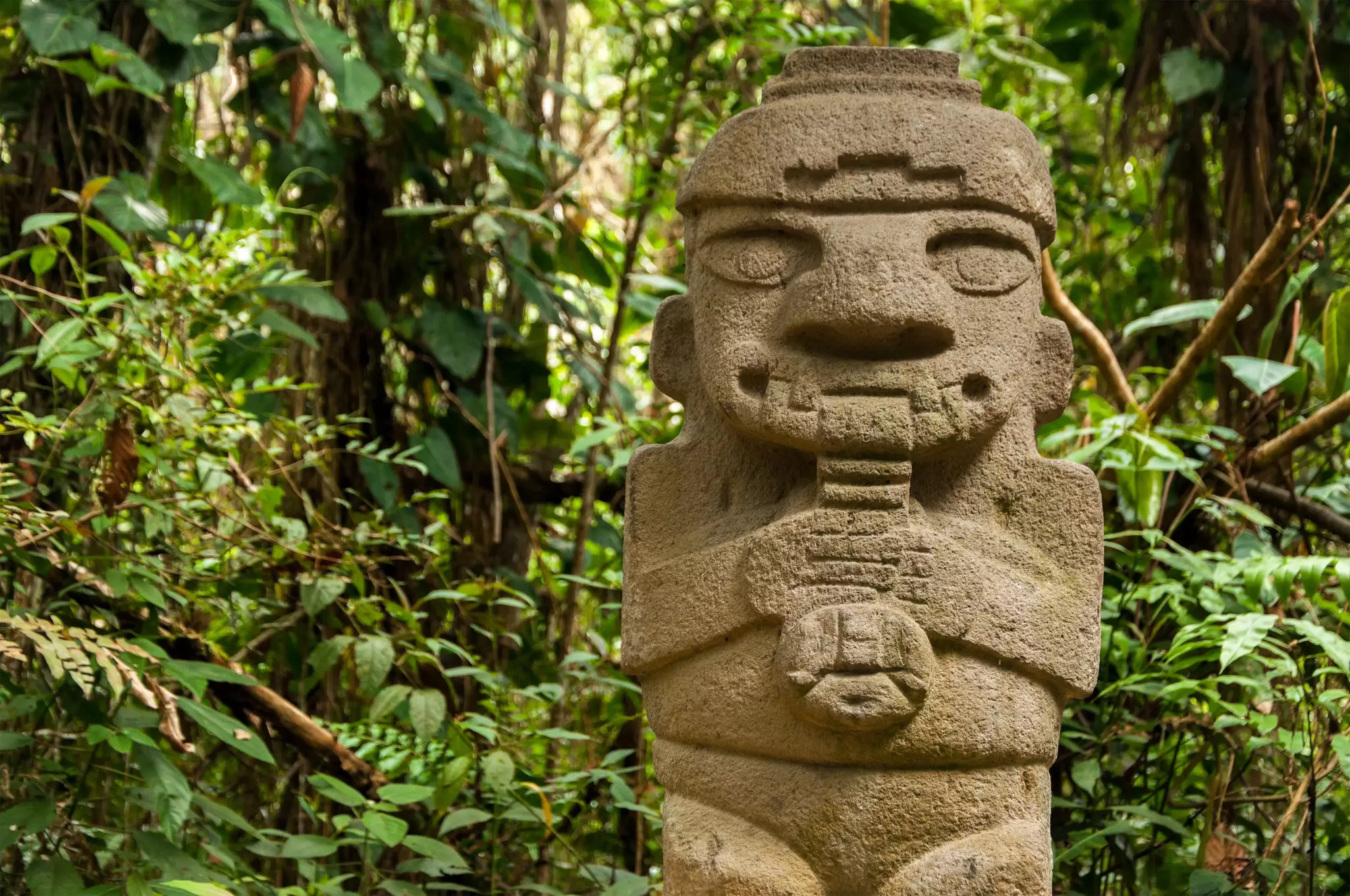
While Chile’s Rapa Nui (Easter Island) is known internationally for its monolithic statues, Parque Arqueológico San Agustín in southwestern Colombia lays claim to the largest clutch of pre-Columbian sculptures in South America. Archaeologists still don’t know much about the culture dating back to between 5 and 400 CE that carved hulking bodies and fanged, animalistic faces from volcanic tuff.
Located around the park, these figures mark the tombs of the culture’s dead. Home to more than 50 burial sites, the archaeological park is an enthralling (if mysterious) insight into a culture for whom death was merely a transition into another life and where funeral rites were a significant ritual.
Not too far away, another mysterious pre-Columbian site is Tierradentro, also worth visiting for archaeology buffs. This vast necropolis is believed to have been built between 600 and 900 CE and contains more than 150 enormous burial chambers whose walls are decorated with remarkably well-preserved complex geometric designs.
Planning tip: Despite being one of the most important archaeological sites in the country, Tierradentro receives few visitors, which adds to the excitement of exploring the impressive mountains of the park on a self-guided hike.
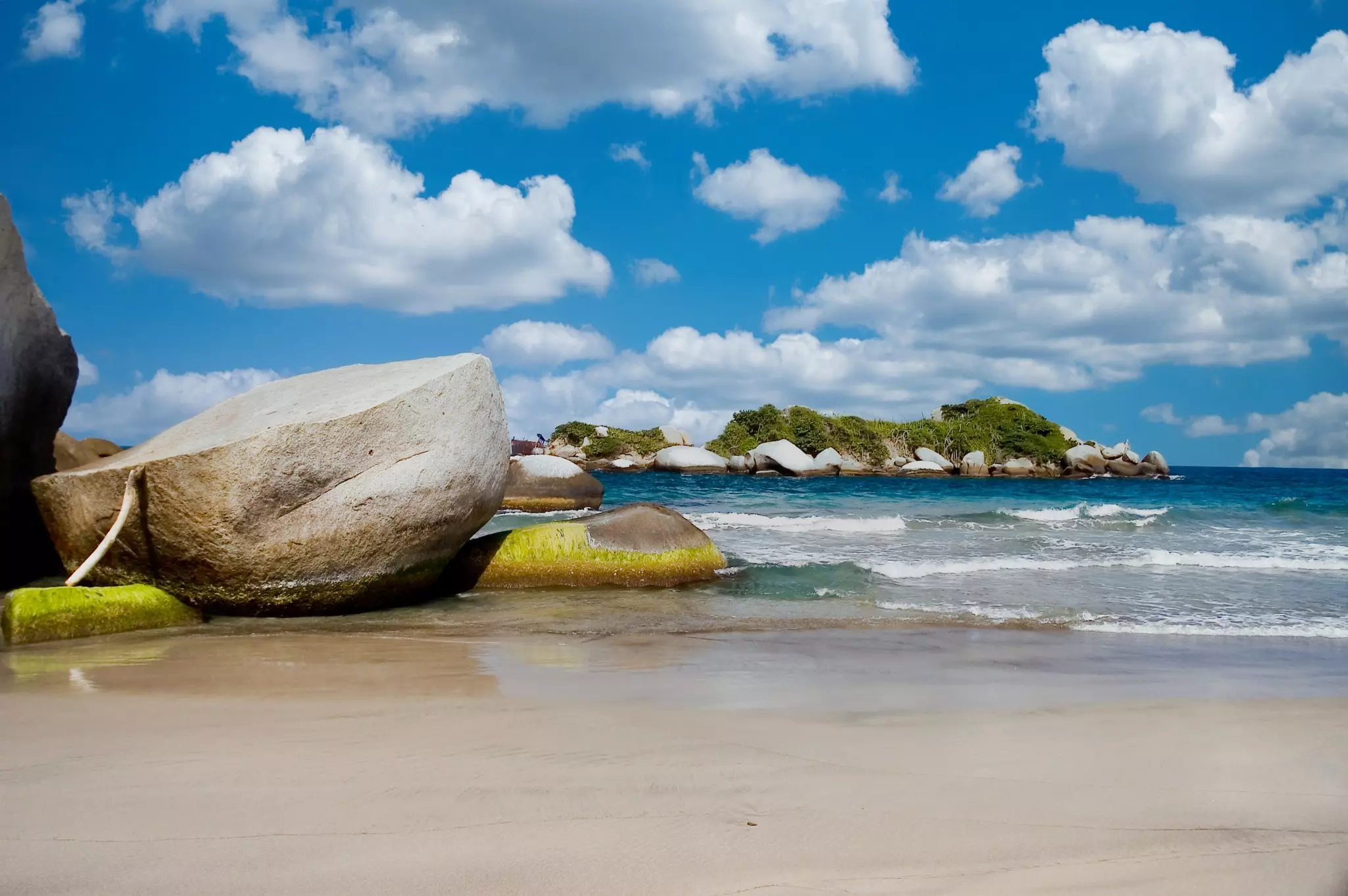
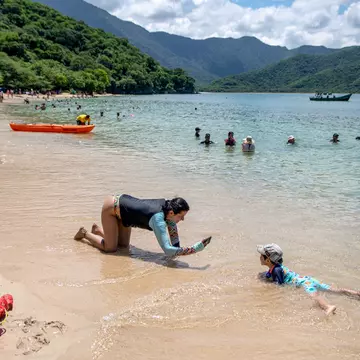
Want to kick back and enjoy Colombia’s wealth of gorgeous beaches? For sunseekers, swimmers and snorkelers alike, Parque Nacional Natural Tayrona on the country’s Caribbean coast is a real paradise, where white-sand beaches are lapped by crystalline waters and enclosed by tropical jungle filled with monkeys, toucans, and wild cats.
More than 30 spectacular beaches are located within this park, although with deceptively strong currents posing a risk to life, just six are safe for swimming.
Planning tip: For a relaxing couple of days, rent a hammock or a rustic thatch roof cabin right by the beach at Cabo San Juan or Cañaveral, from where you can wander to your beach of choice for a day of soaking up the sunshine.
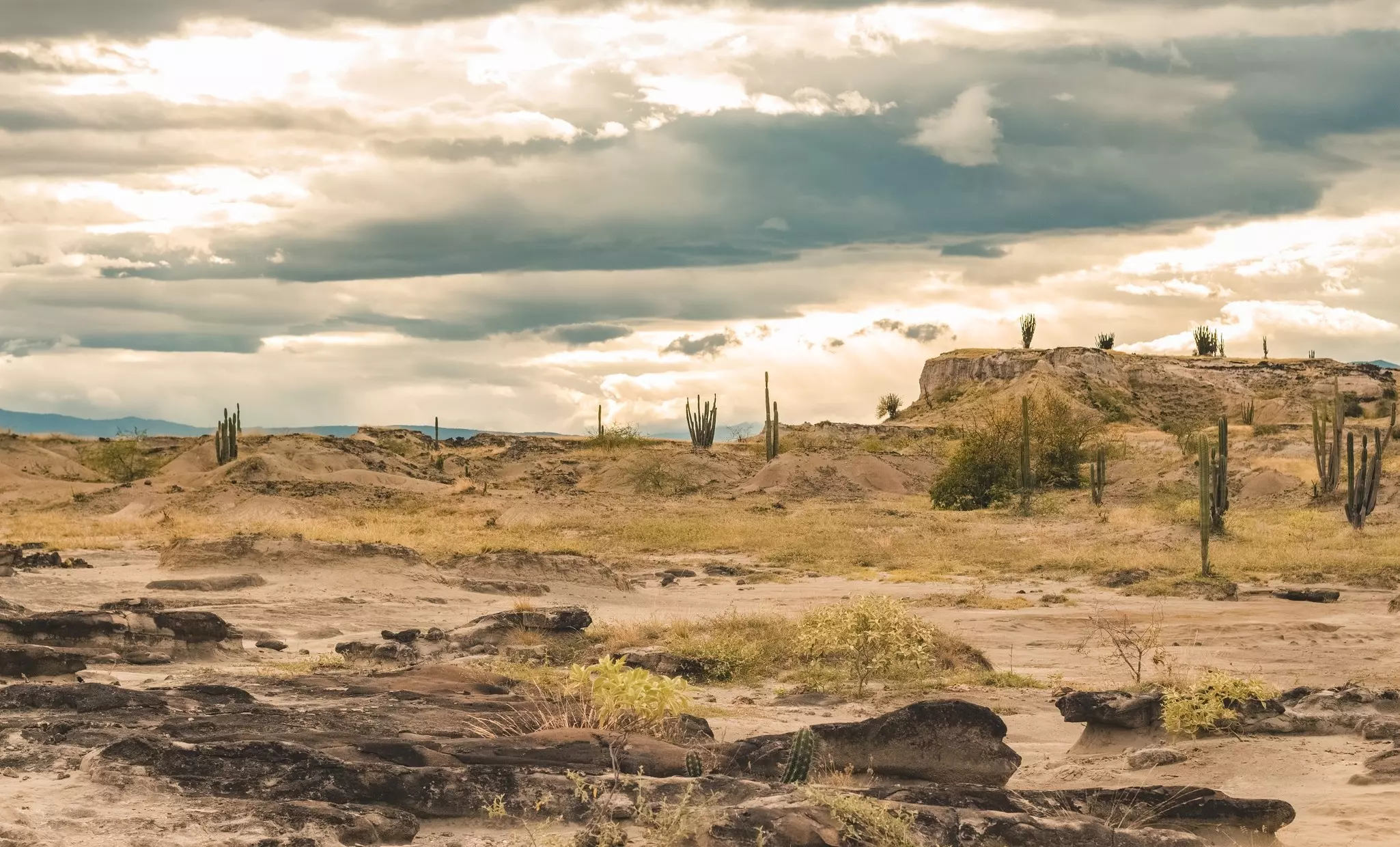
With its Mars-like undulations of red clay, the Tatacoa Desert looks like it could have been transposed from Chile’s Atacama.
It’s actually a dry tropical forest, but what it does share in common with its Chilean neighbor is its global renown as a place for crystal-clear night skies, making it perfect for stargazing. The area’s warm, dry climate is the key to the extraordinary visibility.
Planning tip: For a stargazing tour, visit the Observatorio Astronómico Astrosur, a 20-minute drive from Villavieja and which is the labor of love of a Colombian astronomer who has spent years gazing up from the desert sands and has several quality telescopes. The enthusiastic owner can introduce you to more than 80 different constellations on the clearest of nights.
Explore related stories