
Advertisement
Colombia
An exhilarating cocktail of condensed South America with a shot of Caribbean thrown in, Colombia keeps the magical moments coming thick and fast. In one day it’s possible to travel from glacier-covered Andean peaks to crystalline Caribbean seas, or from immense sand dunes to lush tropical rainforest. And beyond the cinematic panoramas, Colombia travel is also a fascinating mix of old and new, with impressive pre-Hispanic ruins and enchanting colonial towns vying for your attention alongside progressive cities with chic dining and vibrant nightlife. From the timeless streets of Cartagena to trendsetting Medellín, Colombia’s greatest appeal is in its diversity. Make the most of your Columbia trip with our travel inspiration and tips covering top attractions, when to visit and expert advice.

Jhampier Giron M / Shutterstock
Latest Stories
- Steph Dyson|Mar 25, 202613 things to know for travel to Colombia
- Steph Dyson|Mar 25, 202613 of the best places to visit in Colombia
- Steph Dyson|Jan 21, 2026The best time to visit Colombia
- Lonely Planet Editors|Nov 21, 2025Vibrant nightlife and history in Cartagena
Book
Trip 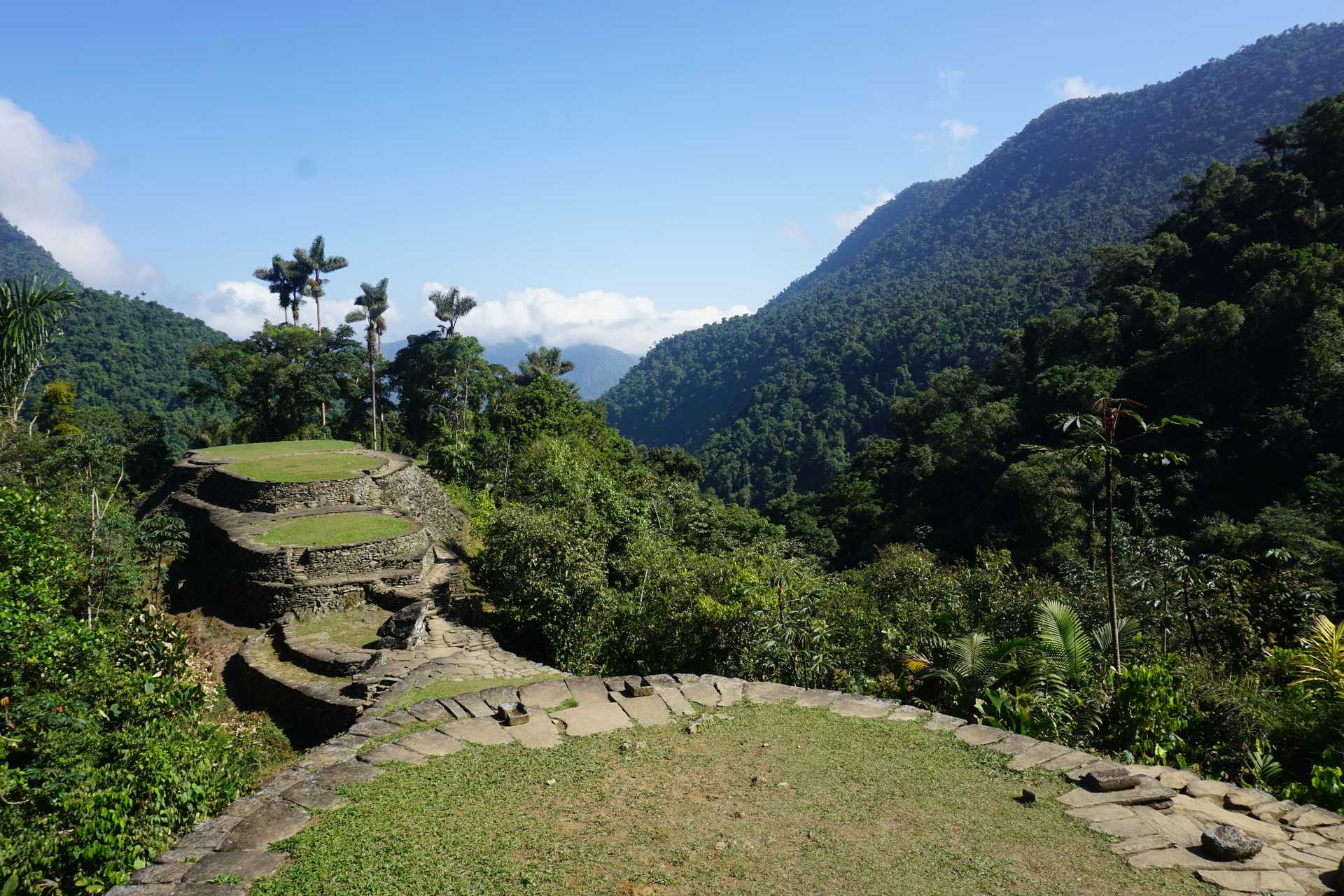

Trusted Partner
Dreaming of Colombia? Protect your trip
Travel with confidence. Protect your trip and your wallet.
We don’t represent World Nomads, we receive a fee from quotes using this link. This is not a recommendation to buy travel insurance.
Top places to visit in Colombia
Discover the best attractions in Colombia from must-see sights to unexpected hidden gems.
-
-
 Attraction in MedellínMuseo Casa de la Memoria
 -
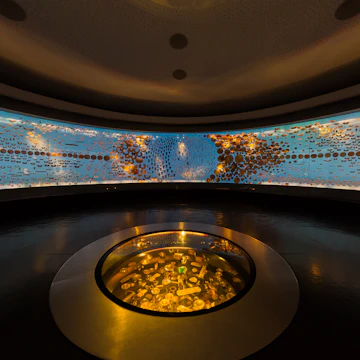 Attraction in BogotáMuseo del Oro
 -
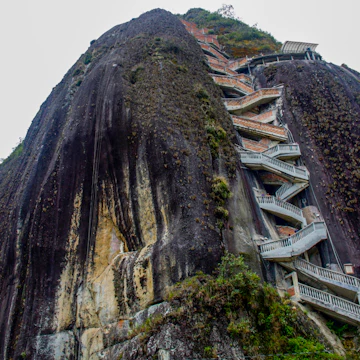 Attraction in GuatapéPiedra del Peñol
 - Attraction in Pacific CoastSantuario de Flora y Fauna Malpelo
- Attraction in ManizalesCatedral de Manizales
-
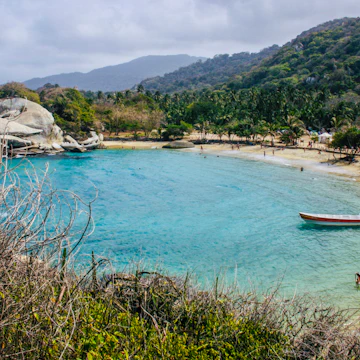 Attraction in Parque Nacional Natural TayronaCabo San Juan del Guía
 - Attraction in CaliMuseo Arqueológico la Merced
Advertisement
Travel Guides
Colombia travel tips from Lonely Planet experts
Find practical guidance from our team of contributors around the world who bring their decades of first-hand travel experience to your next trip.
Best Things to Do
Colombia attracts record numbers of visitors with its incredible landscapes, vibrant cities, and warm welcome. These are top things to do.
Read full article
Best Time to Visit
The climate varies across the country, but each season provides a good reason to visit Colombia. Here is the best time to visit.
Read full article
Things to Know
The biggest danger when visiting Colombia is the urge to never leave its incredible coastline, high-altitude national parks and untamed jungle.
Read full article
Transportation
Colombia's landscape is stunning and impressive but those features can be hard to navigate on the ground. Here's how to get around Colombia.
Read full article
Visa Requirements
With its warm, welcoming atmosphere and jaw-dropping national parks and beaches, Colombia is a joy to visit, Here's what you need to know about visas.
Read full article
Best Road Trips
From incredible mountainous landscapes to stunning uncrowded beaches, Colombia has some once-in-a-lifetime road trips. Here are 5 of the best.
Read full article
Money and Costs
Colombia is one of the best-value destinations in South America. Stretch your cash even further with our top tips on how to visit on a budget.
Read full article
Traveling with Kids
Discover the family-friendly side of Colombia with these age-appropriate destinations and activities for unforgettable vacations with kids.
Read full article
Best Places to Visit
With jungles, beaches and lively cities, Colombia packs quite a punch. Plan your trip around these unmissable places.
Read full article
Get Connected
Wi-fi, mobile networks and eSIMs make data access in Colombia easy – this guide has key tips for staying connected.
Read full article
Advertisement
Get a book. Get inspired. Get exploring.

in partnership with getyourguide
Book popular activities in Colombia
Colombia and beyond
-
 destinationCaribbean Coast
 -
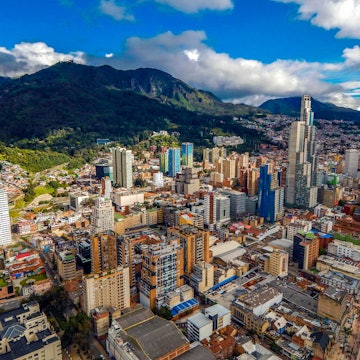 destinationBogotá
 -
 destinationMedellín
 -
 destinationPacific Coast
 -
 destinationAmazon Basin
 -
 destinationSan Andrés & Providencia
 -
 destinationZona Cafetera
 -
 destinationCartagena
Advertisement