May 6, 202612 min read
The 13 best things to do in BogotáMay 6, 2026
12 MIN READ
Writer
Writer
Bogotá is Colombia’s beating heart, where time-tested tradition and contemporary cool collide under the watchful eye of the Andes, where you can start the day with a walk in the nearby cloud forest, spend the afternoon meandering through 18th-century streets, then conclude with dinner at a restaurant that becomes a raucous dance club.
While Bogotá is a busy, sprawling city of intriguing markets, one-of-a-kind museums and 8 million residents, the main sights are located just a short taxi ride or even walk apart – a dream for visitors. Make the most of your visit to Colombia’s capital with our picks of the best things to do in Bogotá.
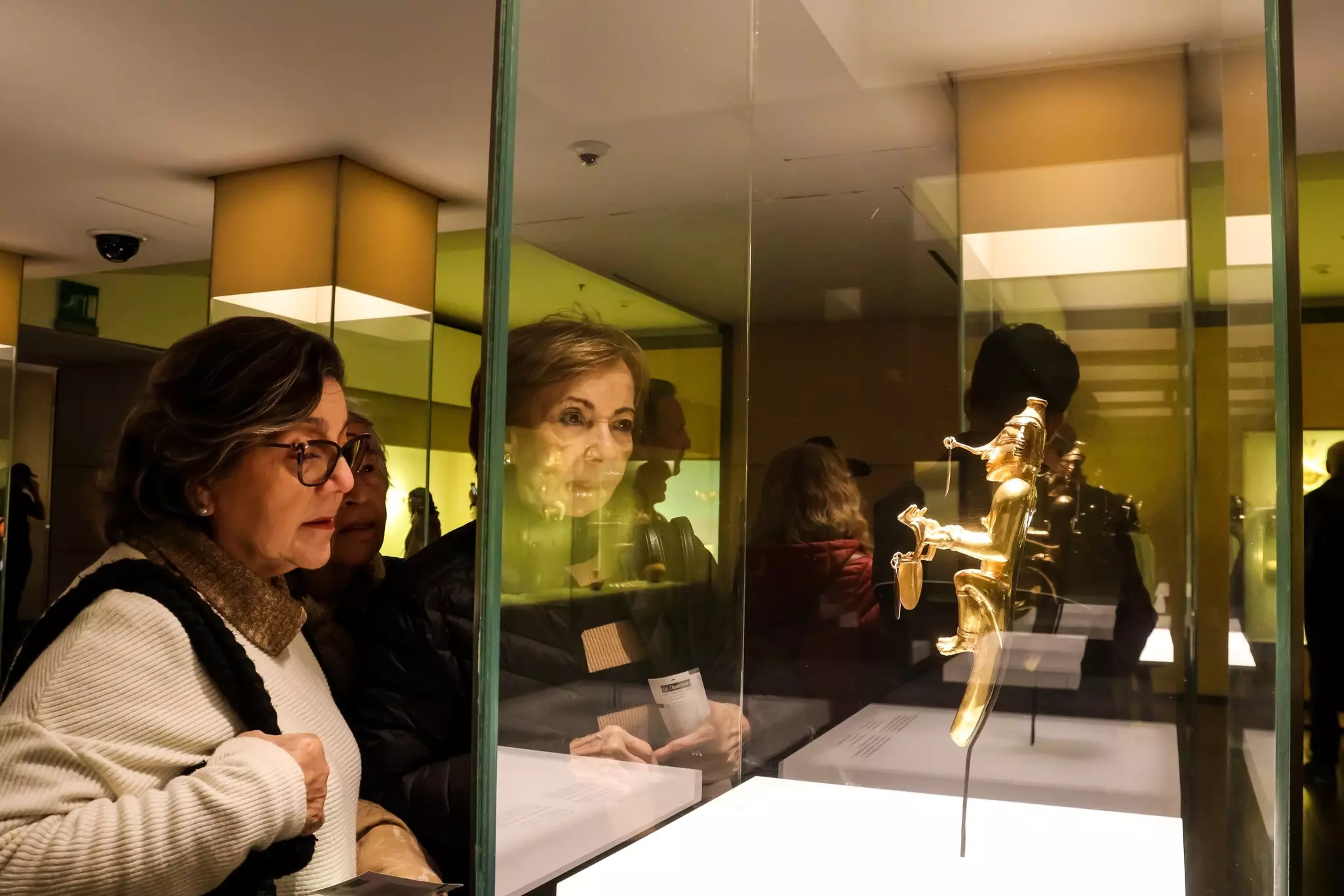
Though Colombia’s Indigenous people didn’t construct massive pyramids like those in Mexico and Peru, they were dazzling artists on a much smaller scale, producing exquisite gold and bronze jewelry. At the Museo del Oro in central Bogotá, hundreds of earrings, nose plates, necklaces, breastplates and small sculptures depicting birds and mammals provide a window into life in the area before the arrival of European colonizers.
The museum is run by Colombia’s Central Bank, which started the collection in 1938 and has since gathered more than 34,000 gold items, making this one of the world’s largest collections of gold artwork. The first item purchased by the museum is on the fourth floor: a poporo (a golden gourd topped by four spheres). Indigenous people would store lime in these gourds, then mix it with coca leaves while chewing on the sacred plant.
Detour: Across Parque Santander from the museum, Iglesia de San Francisco, one of the city’s oldest churches, has a glittering gold retablo (altarpiece) from 1623. Next door, Iglesia de la Orden Tercera's mahogany altar from 1761 is so intricate that it is rumored to have driven its sculptor, Pablo Caballero, to insanity.
Throw back a couple of beers and test your aim as you play tejo, a sport born in rural Colombia that has become increasingly common in Bogotá. It consists of throwing an iron disk at a board that is covered with clay and topped off with small paper triangles packed with gunpowder. Hit one of the triangles in the center of the board...and boom! You get extra points.
While you can find competitive tejo matches, most people do it just for fun. The San Felipe neighborhood has a couple of tejo venues that are easy to get to and popular with locals and visitors, including Tejo La Embajada, which sells craft beers and finger food, and turns into a dance party later in the night. You can reserve a tejo lane on its website.
Detour: Check out the neighborhood’s Parque La Araña, which is lined with cafes, restaurants and art galleries. It’s a 5-minute walk from Tejo La Embajada, at the corner of Calle 75 and Carrera 22.
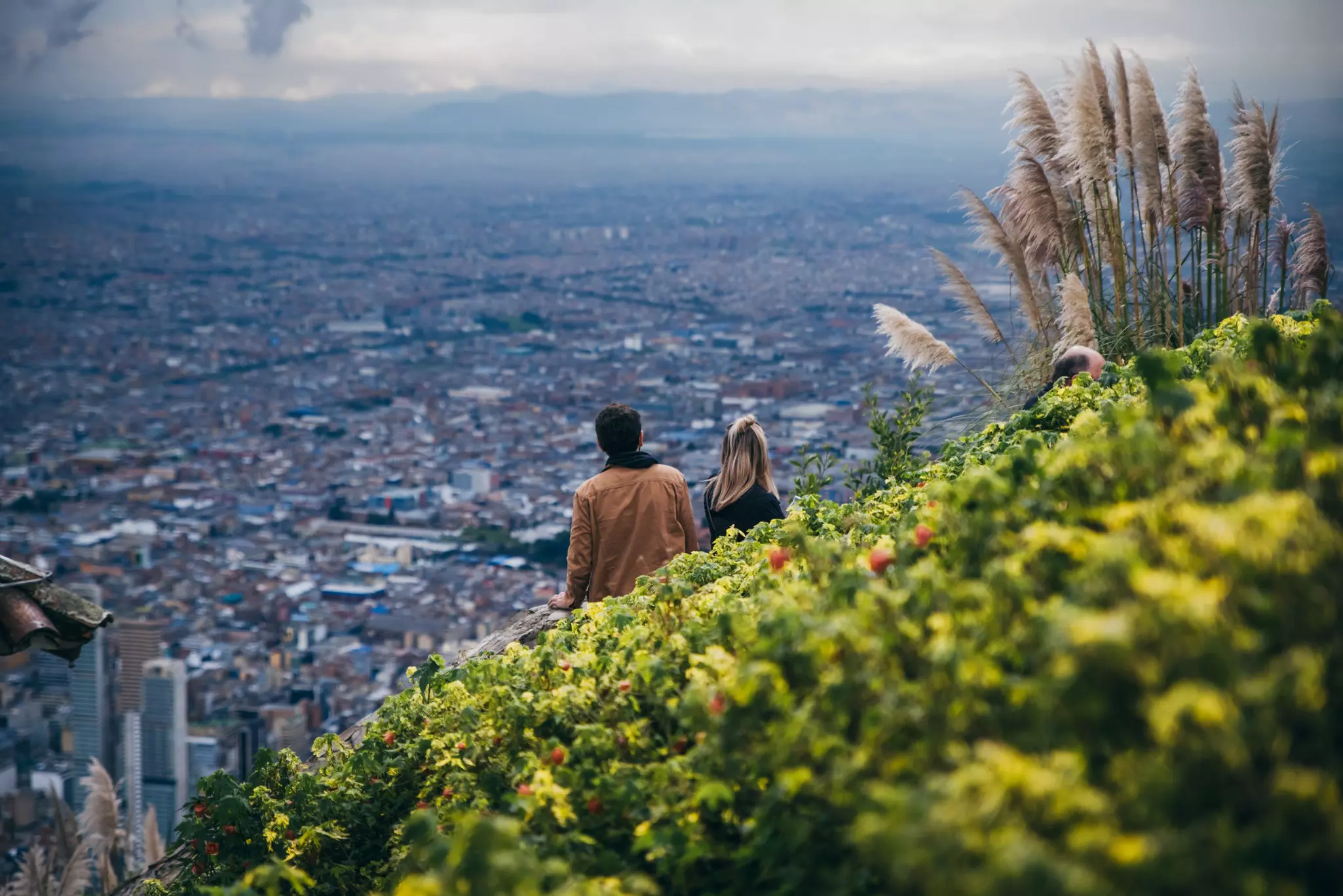
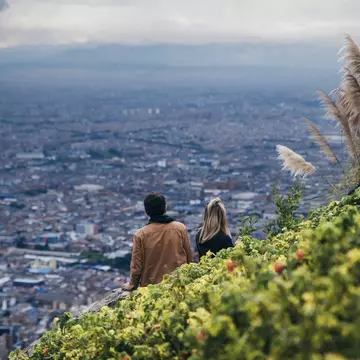
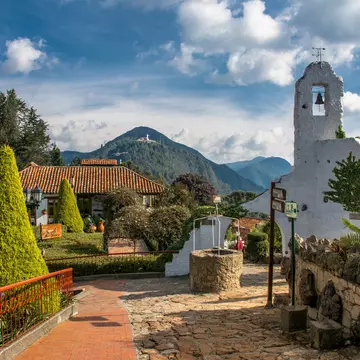
Ascending the green mountain that towers above the city center affords a view of Bogotá’s dizzying sprawl. Yet high above it all, you’ll be able to breathe fresh air from the cloud forest on the slopes and nibble on some local treats.
Most people take a cable car to the top of Monserrate. But if you're up for the challenge, there’s a well-marked trail with hundreds of steps that takes about an hour (and some exertion) to complete. At the top, you can stroll through market stalls selling souvenirs, coca tea, arepas and fruit juices, as well as hearty lunch and breakfast platters.
Several gourmet restaurants offer panoramic views of the city, while a hilltop church is visited by thousands of pilgrims on Sundays (skip the crowds by visiting on a weekday).
Planning tip: Arrive early in the morning to avoid the crowds at the cable car stop. The best times for photos are before 8am, when the sun rises over the mountains behind you as you face the city, or after 5pm, when the sun begins to set over Bogotá.
At Theatron, you can dance to Cher and Abba under a giant disco ball in this former movie theater turned club, then spend the night wandering between 17 other rooms where DJs also spin reggaeton, Latin music, electronica and Gothic trance.
The massive five-story club has long been the top party spot for Bogotá’s LGBTQ+ community, yet it’s also becoming a favorite for straight folks who don’t want to miss out on the fun. There are drag shows on weekends, usually in the room modeled after a Mexican cantina. Theatron can fit up to 6000 people and goes later than most dance clubs in Bogotá.
Planning tip: If Theatron’s size overwhelms you, try two-floor Bar Chiquita, a gay club festooned in disco balls and anthropomorphized creatures like frog ballerinas; expect pop music and drag performances.
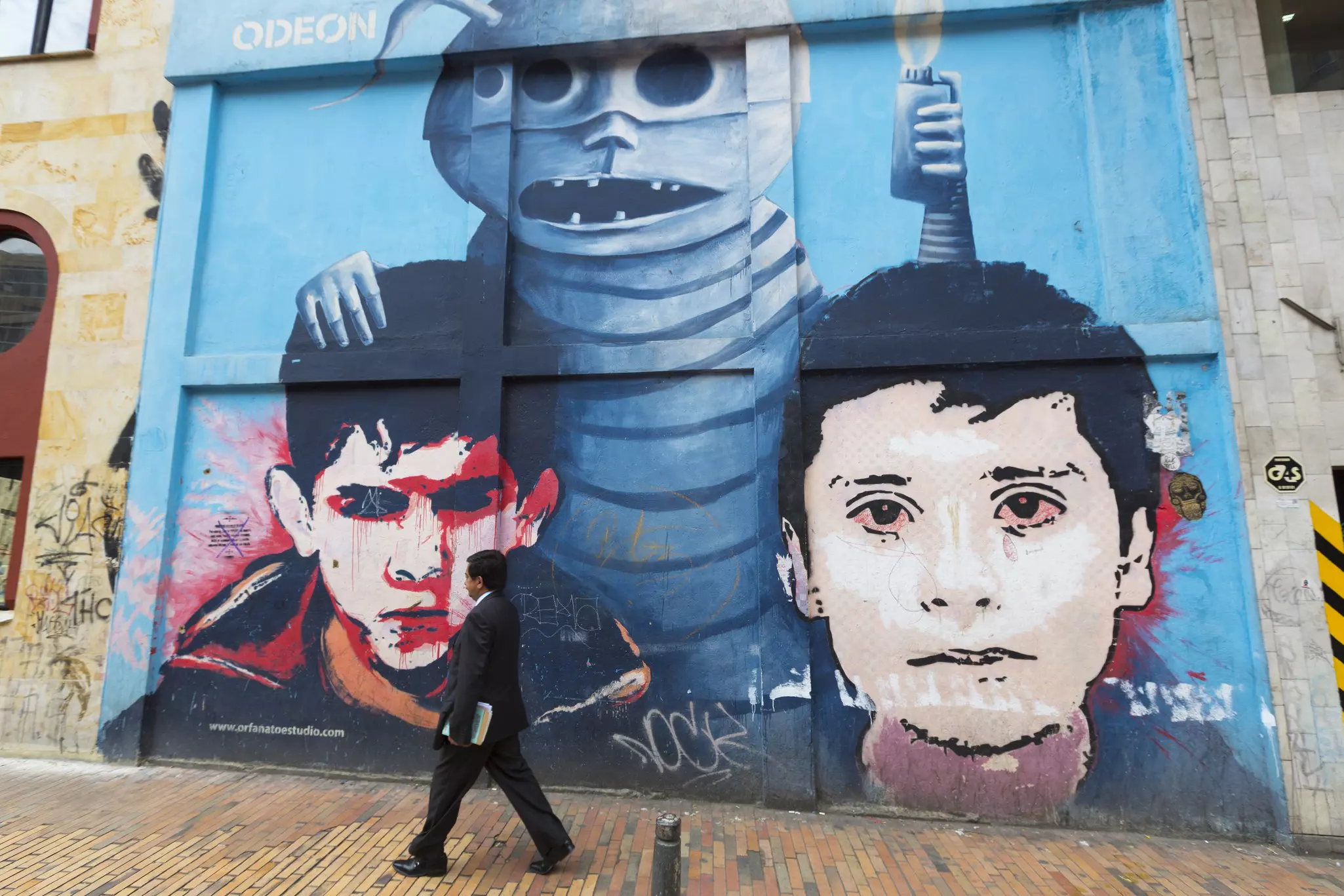
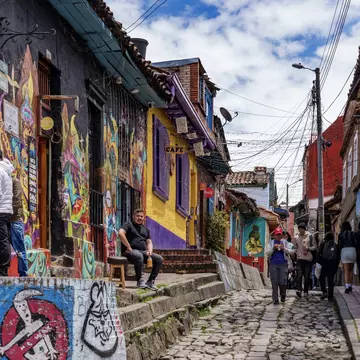
In 2011, a police officer shot a 16-year-old dead as he sprayed a tag under a bridge. This event unleashed large protests that forced the local government to rethink its approach to urban art. Bogotá has since decriminalized street art and now embraces a permissive attitude toward graffiti that has made it easier for artists to decorate the city’s walls. One of the best places to see this eclectic mix of urban art is the historic neighborhood of La Candelaria, where artists themselves offer walking tours of the murals.
Check out Guache’s colorful pieces depicting Indigenous motifs, the anti-capitalist stencils of the Toxicomano collective or Pez’ ubiquitous smiling fish. Some of these murals cover the walls of 18th-century homes that have large windows and clay roof tiles, making for an only-in-Bogotá mix of old and new.
Detour: Distrito Graffiti is a two-block stretch of industrial buildings in the Puente Aranda area that have been painted by international street art celebrities. Guided tours can be booked ahead of time.
If you’re tired of Bogotá’s hustle and bustle, head to the mountains on the eastern edge of the city. You can walk along several trails that cross the cloud forest, which teems with eucalyptus trees, pines, ferns and local bird species.
It’s a prime spot for locals trying to get some exercise in the mornings or a respite from the noise of the city. All of the trails are free of charge, including Quebrada La Vieja, which starts just a 15-minute walk from the financial district on Calle 72 and leads to a viewpoint where you can appreciate the northern half of the city.
Planning tip: Run by Bogotá’s water company, EAAB, the trails are open only in the mornings, and you must book a spot. Try to visit on a weekday, as the weekend slots are in high demand.
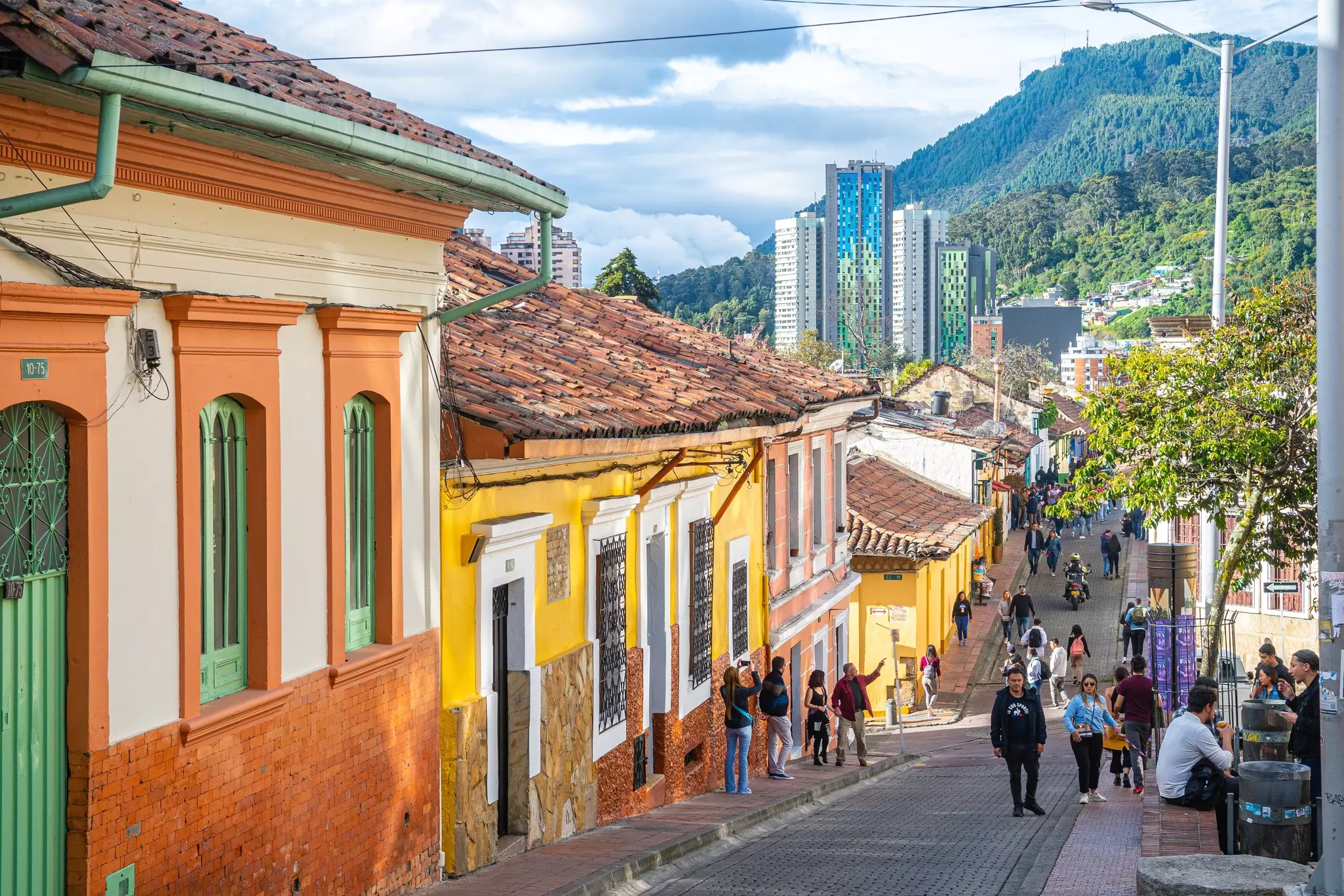
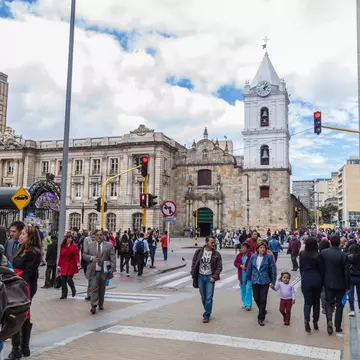
Wandering its narrow streets lined with colorfully painted, clay-tile-roofed homes is the best way to get to know La Candelaria, the city's best-preserved historic neighborhood. Start out at Plaza de Bolívar, where you can see the neoclassical Congress building, the baroque cathedral and the modern Supreme Court building. Then walk toward the mountains along steep Calle 11, along which you’ll find art shops, restaurants selling tamales and hot chocolate, and the circle-shaped Gabriel García Marquez cultural center, where the terrace provides a good view over the neighborhood.
La Candelaria is also home to the Museo Botero and El Chorro de Quevedo, Bogotá’s original public square. Many houses in the neighborhood have been converted into coffee shops and bars frequented by students; on weekends, buskers play live music in the streets.
Detour: For a unique culinary experience, try Prudencia on Carrera 2. The restaurant is located in a former 19th-century home and offers an elaborate tasting menu, featuring meats that are carefully cooked in a firewood oven. But make sure you get there on time – Prudencia opens at noon, and the final seating is at 4pm.
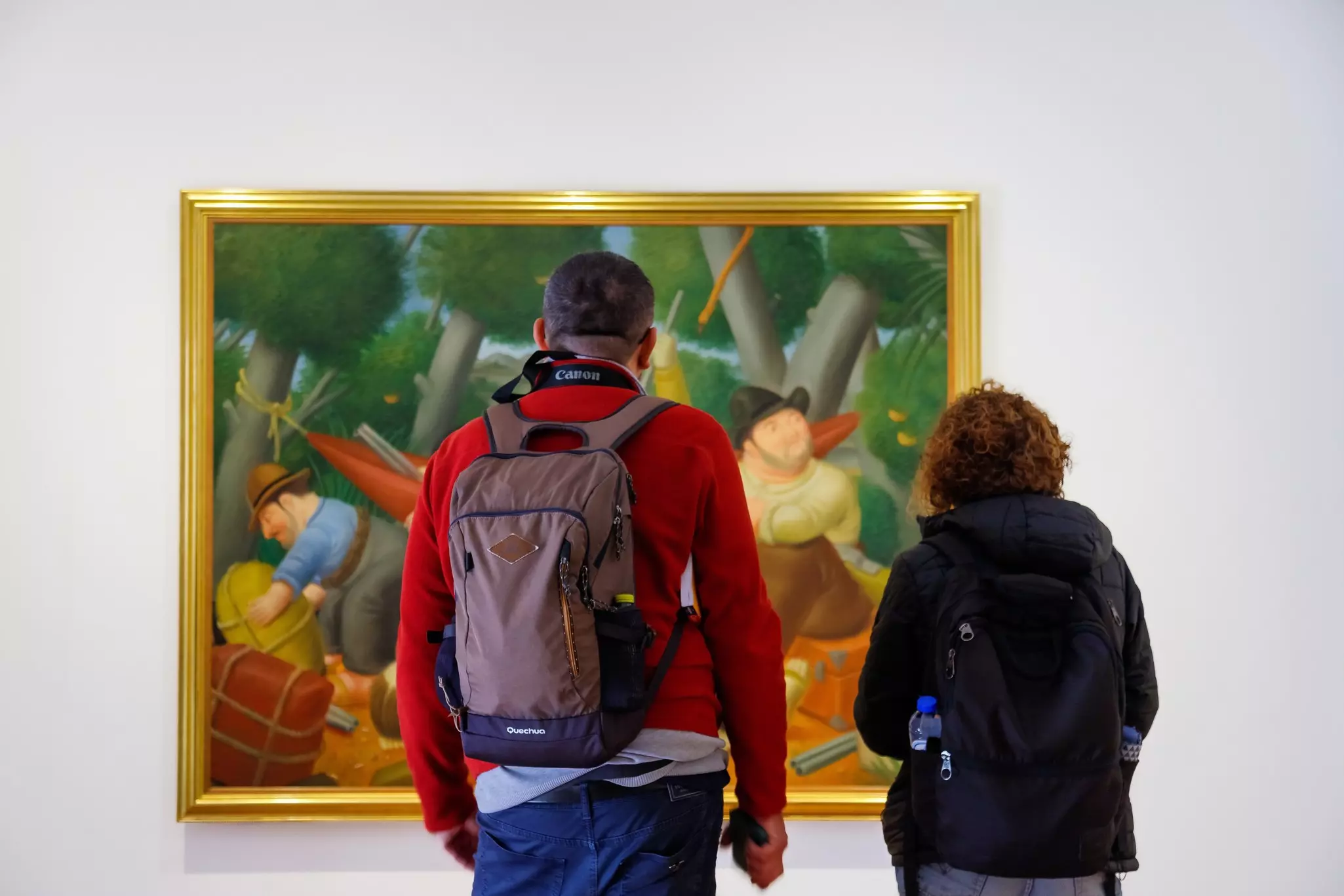
Fernando Botero was not your typical 20th-century artist. While his peers experimented with cubism and abstract forms, Botero celebrated color and voluminous figures with tiny eyes and delicate hands. He even managed to make fruits, trees, birds and musical instruments look large, round and lively.
You can check out some of his most famous paintings and sculptures at the Museo Botero, which is located inside a stately building in La Candelaria. Botero donated more than 120 sculptures and paintings to the Colombian government so that the museum could be built. He also threw in dozens of paintings that he had acquired for his private collection, including works by Picasso, Degas, Renoir and Monet.
Detour: Adjacent to the Museo Botero is museum that contains the Banco de la República’s art collection, including works by 20th-century Colombian artists like Enrique Grau and Alejandro Obregón.
Bogotá’s weather can get chilly, but that doesn’t mean its residents are strangers to tropical rhythms. You can see locals busting their best moves at one of the city’s salsa clubs, where people of all ages and expertise levels dance to tunes by Grupo Niche, Celia Cruz and Hector Lavoe.
In the center of the city, check out El Goce Pagano, where DJs have been spinning old salsa tunes from Cuba, Colombia and beyond for the past three decades. For live acts, stop by Quiebra Canto, a Bogotá musical institution that has hosted local salsa, champeta and tropical pop bands before they hit it big.
In the north of the city, near Parque 93, Galeria Café Libro hosts live bands too. For a smaller, more intimate feel, try Sandunguera, near Plaza Lourdes, which also does lessons early in the evenings.
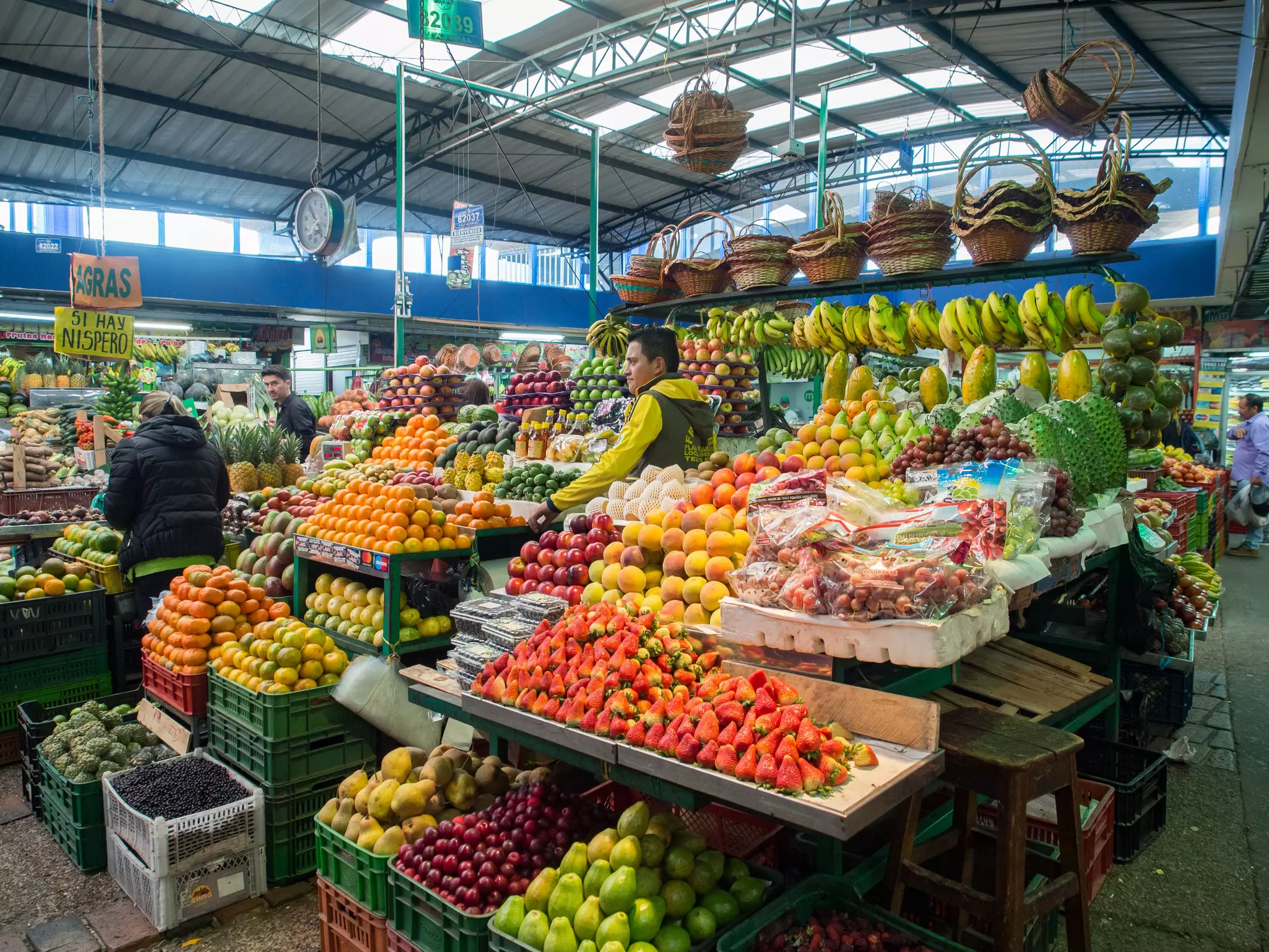
This massive market to the west of the city center receives fresh produce from around the country each day. Walk through its busy corridors and spend a few pesos tasting brightly colored tropical fruits with names like lulo, guanabana and pitahaya. Try the crunchy yet refreshing seeds of the granadilla, or go for the sweet pulp of the mangostino, a fruit that is purple on the outside and white inside.
Thirsty? Hit the juice stands and get a smoothie made with curuba, an acidic fruit from Colombia’s highlands, or try zapote juice from the Caribbean coast.
Breakfast stands at the market also sell local favorites like changua (egg soup) and chicken tamales.
Planning tip: The market gets busy on weekends, when families do their grocery shopping and haggle with the stall owners to lower prices. For a quieter experience, visit on weekdays.
With its lively music, over-the-top decor and hearty plates, Andrés Carne de Res has become the place to go for bogotanos (Bogotá residents) who want to celebrate birthdays, have a loud night out or show off Colombian culture to visitors.
At the chain’s Bogotá location, you can try pizza made from fried plantain, then wash it down with a tangerine vodka cocktail known as the Mandarino. Or go for a locally brewed beer accompanied by portions of pork rinds, sweet corn arepas and chorizos with lime. The three-story restaurant turns into a dance club at night, with DJs belting out Latin pop favorites and rock – all, naturally, en español.
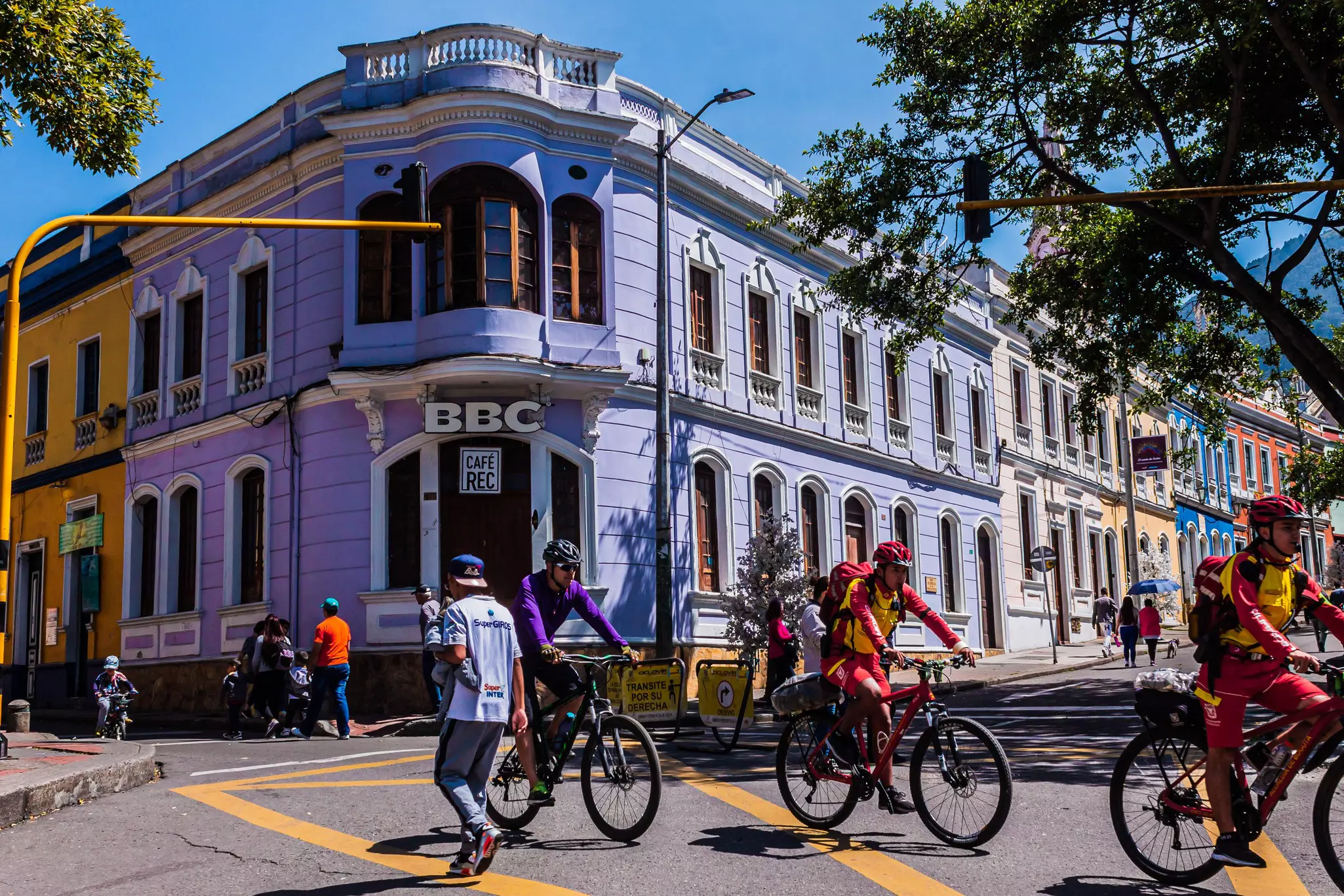
On Sunday mornings, cars are banned from many of Bogotá’s main roads so that they can be enjoyed exclusively by pedestrians and cyclists. This weekly ritual is known as the Ciclovía, and it gives residents a good excuse to exercise and get about the city in a family-friendly atmosphere. Ciclovía also makes it easier to get around Bogotá on two wheels, without darting around traffic. So rent a bike, strap on a helmet and join the crowd to see some of the city’s sights and stop at juice stands along the way.
For the duration of the weekly Ciclovía, cars are banned from more than 100km of roads, including Carrera Septima, which connects the historic center with Usaquén and passes through the neighborhoods of Chapinero and Rosales.
Detour: If you want a physical challenge, head toward the municipality of La Calera and join dozens of amateur riders along a windy mountain road that provides sweeping views of the city. The steep climb to La Calera starts on Carrera Septima with Calle 85. Most cyclists stop at the Los Patios toll booth at km 7, where restaurants and food stands provide a rewarding meal.
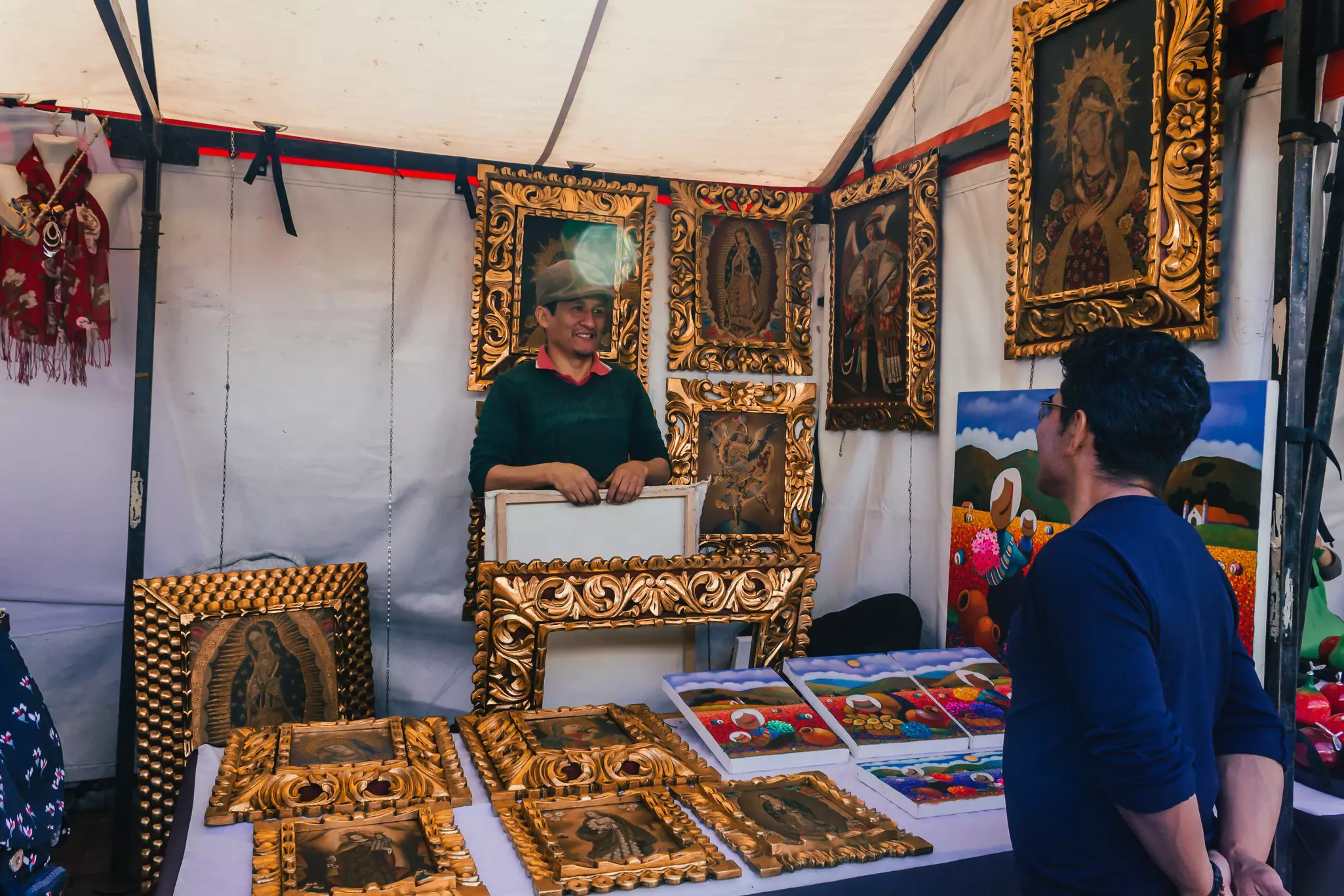
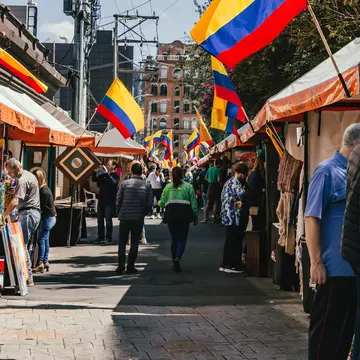
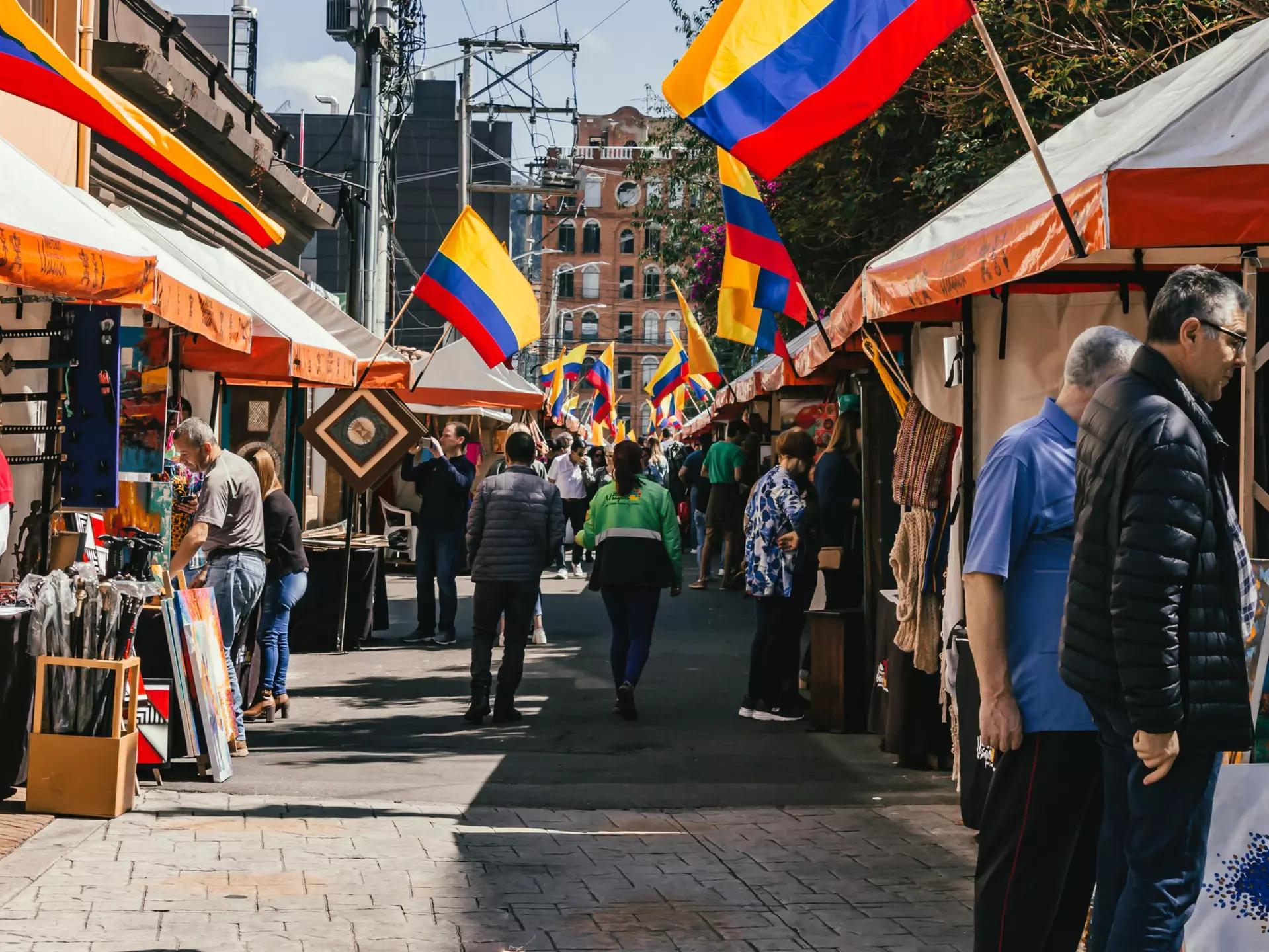
Usaquén buzzes with activity on weekends as dozens of artisans set up small stalls on the neighborhoods narrow streets and sell all manner of goods. At Usaquén’s craft market, you can get gold-plated earrings in the shape of toucans, hand-painted mugs, wooden carvings of hummingbirds and skin-care products made from Amazonian fruits.
There are dozens of restaurants in the neighborhood when you're ready to take a break, as well as a rum bar and a coffee shop that roasts its own grains.
Detour: To see the work of local designers, check out the Ambardae market. You might leave with a hand-stitched sweater or matching pajamas for you and your pets.
Explore related stories