Things to do in China
-
FEATURED
Hike and Bike China
15 days (Beijing)
Hike and bike your way through the vast majestic beauty of China.
Not LP reviewed
from USD$3,220 - All things to do
-
A
Take Out Comedy Club
Consistent stand-up and improv acts (in Cantonese and English) bring in the punters to this basement venue established by Chinese-American stand-up Jami Gong.
reviewed
-
B
Punchline Comedy Club
A veteran on the scene – in fact the only regular comedy venue for many years – the Punchline Comedy Club hosts local and imported acts every third Thursday, Friday and Saturday from 9pm to 11pm. Entry costs around $300.
reviewed
-
C
Forbidden City
Ringed by a 52m-wide moat at the very heart of Běijīng, the fantastically named Forbidden City is China's largest and best-preserved complex of ancient buildings. So called because it was off limits for 500 years, when it was steeped in stultifying ritual and Byzantine regal protocol, the otherworldly palace was the reclusive home to two dynasties of imperial rule until the Republic demoted the last Qing emperor to has-been.
The design of the palace was originally closely based on its grand and now dilapidated forerunner in Nánjīng. Today, the Forbidden City is prosaically known as the Palace Museum (故宫博物馆; Gùgōng Bówùguǎn). In former ages the price for uninvited admissi…
reviewed
-
Tian Tan Buddha
On a hill above the Po Lin Monastery sits the Tian Tan Buddha, a seated representation of Lord Gautama some 23m high (or 26.4m with the lotus), or just under 34m if you include the podium. There are bigger Buddha statues elsewhere – notably the 71m-high Grand Buddha at Leshan in China’s Sichuan province – but apparently these are not seated, outdoors or made of bronze. It weighs 202 tonnes, by the way. The large bell within the Buddha is controlled by computer and rings 108 times during the day to symbolise escape from what Buddhism terms the ‘108 troubles of mankind’. The podium is composed of separate chambers on three different levels. On the first level are six statue…
reviewed
-
D
798 Art District
A disused and converted electronics factory built by the East Germans, 798 Art District is Běijīng’s leading concentration of contemporary art galleries. The industrial complex celebrates its proletarian roots in the communist heyday of the 1950s via retouched red Maoist slogans decorating gallery interiors and statues of burly, lantern-jawed workers. The voluminous factory workshops are ideally suited to art galleries that require space for multimedia installations and other ambitious projects. You could easily spend a day visiting the complex and its cafes and restaurants, making 798’s noncentral inaccessibility less of an inconvenience and more of an opportunity for an…
reviewed
-
E
Ocean Park
Despite the arrival of its shiny, new Disneyland competitor on Lantau, Ocean Park remains the best theme park in Hong Kong and continues to add rides, attractions, infrastructure, hotels and square footage. The investment in revamping its rides and attractions is already working. Visitor numbers have been soaring, thanks in part to the presence of four giant pandas and four very rare and very cute red pandas, all gifts from the mainland.
As well as excellent animal attractions and enclosures with some worthwhile educational content, the park also offers plenty of white-knuckle thrill rides, such as the celebrated roller coaster called the Dragon and the Abyss ‘turbo drop’…
reviewed
-
F
Peak Tower
The anvil-shaped Peak Tower, with its attractions, shops and restaurants, is a good place to bring the kids and makes a good grandstand for many of the best views of the city and harbour. On Level 4 there’s an outpost of Madame Tussauds, with eerie (and often creepy) wax likenesses of international stars, as well as local celebrities such as Jackie Chan, Andy Lau, Michelle Yeoh and Kelly Chen. There is an open-air viewing terrace with coin-operated binoculars on Level 5.
reviewed
-
G
Jade Market
The Jade Market, near the Gascoigne Rd overpass just west of Nathan Rd and split into two parts by the loop formed by Battery St, has some 400 stalls selling all varieties and grades of jade from inside two covered markets. Unless you really know your nephrite from your jadeite, or your quality stone from your dyed tat, it’s probably not wise to buy any expensive pieces here, but there are plenty of cheap and cheerful trinkets on offer as well. You can reach the market easily on foot from either the Jordan (exit A) or Yau Ma Tei (exit C) MTR stations. Bus 9 from the Star Ferry bus station will drop you off at the Kowloon Central Post Office at 405 Nathan Rd, which is just…
reviewed
-
China Cycle Tours
Joint Sūzhōu–Shànghǎi cycling group with tours of both cities as well as the surrounding countryside. Family friendly.
reviewed
-
H
Yùyuán Gardens & Bazaar
With their shaded alcoves, glittering pools churning with carp, pavilions, pines sprouting wistfully from rockeries, and roving packs of Japanese tourists, these gardens (豫园; Yùyuán)are one of Shànghǎi's premier sights – but are overpoweringly crowded at weekends.
The Pan family, rich Ming-dynasty officials, founded the gardens, which took 18 years (1559–77) to be nurtured into existence before bombardment during the Opium War in 1842. The gardens took another trashing during French reprisals for attacks on their nearby concession by Taiping rebels. Restored, they are a fine example of Ming garden design. The spring and summer blossoms bring a fragrant and floral…
reviewed
Advertisement
-
I
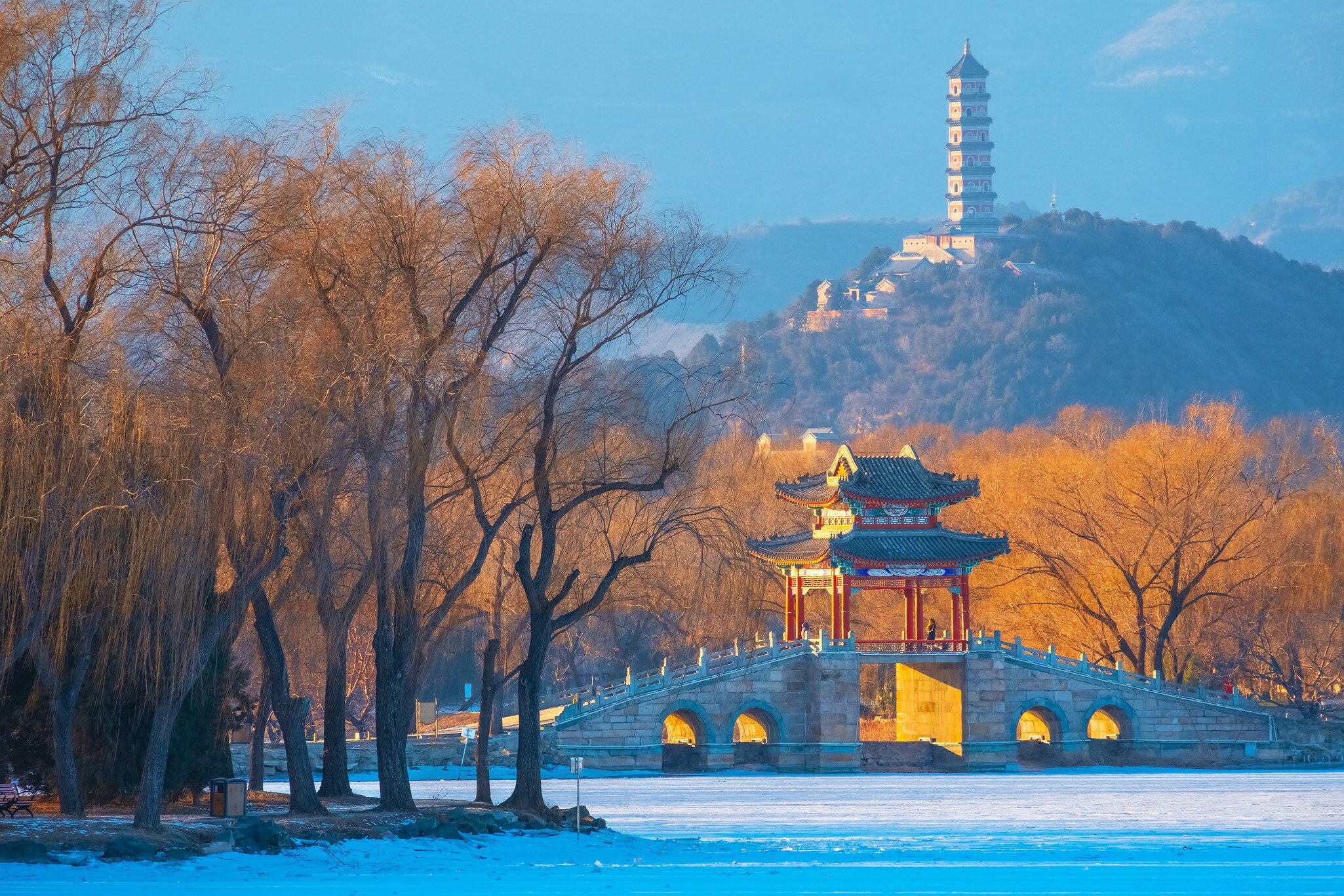
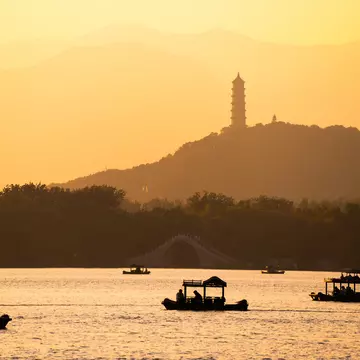
Summer Palace
Virtually as mandatory a Běijīng sight as the Great Wall or the Forbidden City, the gargantuan Summer Palace easily merits an entire day's exploration, although a (high-paced) morning or afternoon may suffice.
Once a playground for the imperial court fleeing the suffocating summer torpor of the Forbidden City, the palace grounds, temples, gardens, pavilions, lakes, bridges, gate-towers and corridors of the Summer Palace are a marvel of landscaping. Unlike the overpowering flatland of the Forbidden City or the considered harmonies of the Temple of Heaven, the Summer Palace – with its huge lake, hilltop views and energising walks – offers a pastoral escape into the landsca…
reviewed
-
J
Hong Kong Disneyland
One of America’s most famous cultural exports, Hong Kong Disneyland is divided into four main areas – Main Street USA, Fantasyland, Adventureland and Tomorrowland – but don’t expect too much. This is a very small-scale Disney franchise (although there are plans to expand it) with a solitary real adrenaline-inducing roller coaster ride (Space Mountain), while the rest of the park is made up of tamer attractions and of course is rammed with outlets selling Disney merchandise and fast food. There’s plenty for younger children to enjoy, including the full complement of Disney characters patrolling the park and the odd show re-creating great Disney moments from films such as …
reviewed
-
K
Wángfǔjǐng Snack Street
Don't be put off by the starfish (Y20), cicada, seahorse and scorpion kebabs (Y20), this bustling corner of restaurants is a great place to feast elbow-to-elbow with other diners on Xīnjiāng or Muslim Uighur staples such as lamb kebabs (Y5) and flat bread, steaming bowls of málà tàng (麻辣烫; spicy noodle soup), zhájiàngmiàn (炸酱面; noodles in fried bean sauce; Y12), Lánzhōu lāmiàn (兰州拉面; Lánzhōu noodles) and oodles of spicy chuāncài (川菜; Sìchuān food). Round it all off with fried ice cream (Y10). Prices are touristy as it's just west off Wangfujing Dajie.
reviewed
-
Mùtiányù
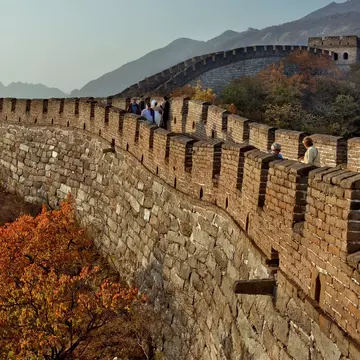
Famed for its Ming-era guard towers and excellent views, the 3km-long section of wall at Mùtiányù, northeast of Běijīng in Huairou County, is largely a recently restored Ming dynasty structure that was built upon an earlier Northern Qi dynasty edifice. US President Bill Clinton came here (Reagan went to Bādálǐng), if that’s anything to go by. With 26 watchtowers, the wall is impressive and manageable, with most hawking reserved to the lower levels (hawkers go down to around Y15 for cotton ‘I climbed the Great Wall’ T-shirts) : the further you get away from Mùtiányù central the better. It’s actually possible to hike from Mùtiányù all the way west to H…
reviewed
-
L
Lord Stow’s Café
Though the celebrated English baker Andrew Stow passed away, his cafe and Lord Stow’s Bakery (1 Rua da Tassara) keep his memory well alive by serving his renowned pastéis de nata, a warm egg-custard tart (MOP$6) and cheesecake (MOP$14) in unusual flavours, including black sesame and green tea. The Lord Stow’s Garden Café (105 Rua da Cordoaria) near the Coloane bus stop has a very relaxed atmosphere on its patio.
reviewed
-
M
Dishuidong
Named after a cave at Mao Zedong's birthplace, this Hunan eatery's low-key rustic charms are matched by an invigorating menu. Xiāngcài (Hunan cuisine) is all about searing spice, but don't reach for the dry ice yet, dishes are quite tame. The spicy bean curd (麻辣豆腐; around Y18) hits the mark; flesh out the meal with the Stewed Pork in Sauce of Chairman Mao's Style (毛公红烧肉; Y28).
reviewed
-
N
Stanley Market
No big bargains or big stings, just reasonably priced casual clothes (plenty of large sizes), bric-a-brac, toys and formulaic art, all in a nicely confusing maze of alleys running down to Stanley Bay. It’s best to go during the week; on the weekend the market is bursting at the seams with tourists and locals alike.
reviewed
-
O
Dōnghuámén Night Market
A sight in itself, the bustling night market near Wangfujing Dajie is a veritable food zoo: you can choose from lamb kebabs, beef and chicken skewers, corn on the cob, chòu dòufu (臭豆腐; smelly tofu), cicadas, grasshoppers, kidneys, quails' eggs, squid, fruit, porridge, fried pancakes, strawberry kebabs, bananas, Inner Mongolian cheese, stuffed aubergines, chicken hearts, pita bread stuffed with meat, shrimps and more. For tourists, expect inflated prices.
reviewed
-
P
Liqun Roast Duck Restaurant
The duck here is so prized that you have to call a day ahead to reserve both a bird and a table (otherwise, turn up at off-peak times and be prepared to wait an hour). Buried down a crumbling hutong, the restaurant itself has seen better days, but the duck is delicious and comes with all the trimmings.
reviewed
-
Blue Frog
There are seven Frogs around Shànghǎi, and their mix of burgers, sports TV and four-hour happy hours (4-8pm) mean they’re perennially popular. On Tuesday nights drinks are Y25, but if you can down all 100 of the shots they list, then you’ll get a free one every day for life and your name on their wall of fame.
reviewed
Advertisement
-
Q
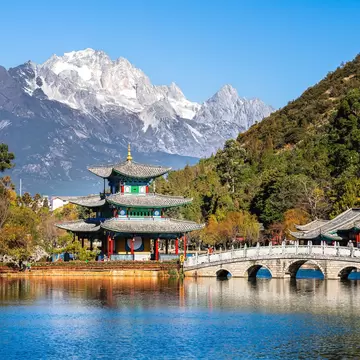
Old Market Sq
Old Market Sq is the focual point of Old Town. Once the haunt of Naxi traders, they've long since made way for tacky souvenir stalls. However, the view up the hill and the surrounding lanes are still extraordinary, just be prepared to share the experience with hundreds if not thousands of other people.
reviewed
-
R
Tiānqiáo Acrobatics Theatre
West of the Temple of Heaven, this is one of Běijīng's most popular venues. The entrance is down the eastern side of the building.
reviewed
-
S
Tiān'ānmén Square
Flanked by stern 1950s Soviet-style buildings and ringed by white perimeter fences, the world's largest public square (440,000 sq metres) is an immense flatland of paving stones at the heart of Běijīng.
Height restrictions have kept surrounding buildings low, allowing largely uninterrupted views of the dome of the sky. Kites flit through the air, children stamp around on the paving slabs and Chinese out-of-towners huddle together for the obligatory photo opportunity with the great helmsman's portrait. On National Day (1 October), Tiān'ānmén Sq heaves with visitors.
In the square, one stands in the symbolic centre of the Chinese universe. The rectangular arrangement, fl…
reviewed
-
T
Ruins of the Church of St Paul
The most treasured icon in Macau, the facade and stairway are all that remain of this early-17th-century Jesuit church, called Tai Sam Ba in Cantonese. With its statues, portals and engravings that effectively make up a ‘sermon in stone’ and a Biblia pauperum (Bible of the poor), the church was one of the greatest monuments to Christianity in Asia, intended to help the illiterate understand the Passion of Christ and the lives of the saints. The church was designed by an Italian Jesuit and completed by early Japanese Christian exiles and Chinese craftsmen in 1602. It was abandoned after the expulsion of the Jesuits in 1762 and a military battalion was stationed here. I…
reviewed
-
U
Chi Lin Nunnery
One of the most beautiful and arrestingly built environments in Hong Kong, this large Buddhist complex, originally dating from the 1930s, was rebuilt completely of wood (and not a single nail) in the style of the Tang dynasty in 1998. It is a serene place, with lotus ponds, immaculate bonsai tea plants and bougainvillea, and silent nuns delivering offerings of fruit and rice to Buddha and arhats (Buddhist disciples freed from the cycle of birth and death) or chanting behind intricately carved screens. The design (involving intricately interlocking sections of wood joined without a single nail) is intended to demonstrate the harmony of humans with nature. It’s pretty convi…
reviewed