Aug 25, 202611 min read
13 Best Places to Visit in ChinaMay 23, 2026
7 MIN READ
Writer
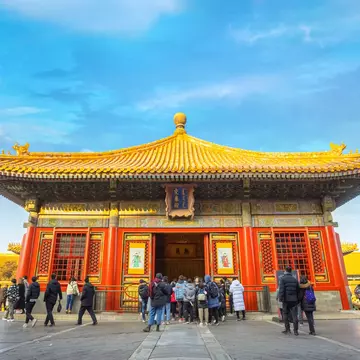
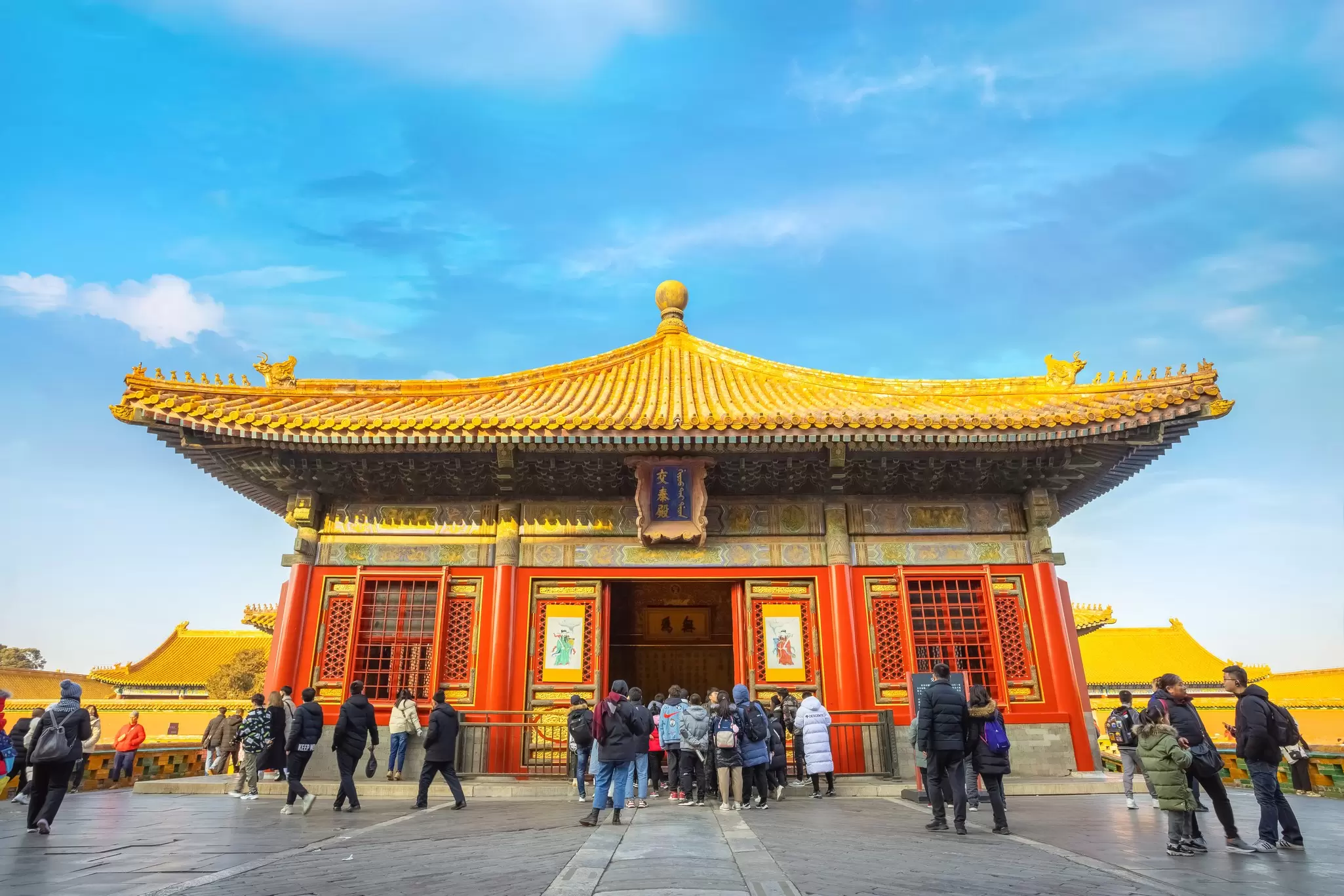
Jiaotaidian (Hall of Union) in the Forbidden City inner Court, Beijing. cowardlion/Shutterstock
Writer
Highlights
Writer Bibek Bhandari picks eight essential things to do across China.
Beijing offers imperial palaces; Shanghai pairs colonial history with a thriving art scene.
Head inland for Xi'an's Terracotta Warriors, Gansu's Silk Road scenery and Sichuan's giant pandas.
Hike Zhangjiajie's spires in Hunan, see Fujian's tǔlóu and brave Harbin's winter ice sculptures.
Lonely Planet may earn a commission from affiliate links on our site. All recommendations and reviews reflect our own independent opinions.
For millennia, China has mesmerized visitors with its art and architecture, commerce and culture. And in the 21st century, the country’s stunning landscapes, historical landmarks and soaring skylines continue to captivate. China offers a unique mix of ancient heritage and modern endeavors.
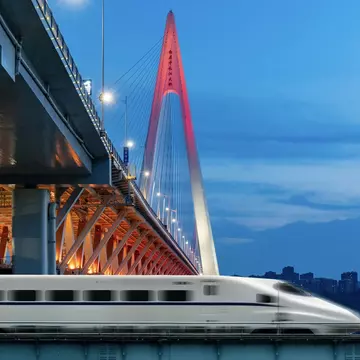
The world’s largest network of high-speed trains connects bustling cities throughout China, making it easier than ever for visitors to get exposure to the country’s diverse geography, ethnic groups and cuisines. What’s more, China now offers a visa-free transit policy for citizens of more than 50 countries, allowing entry through designated airports and ports for up to 10 days. And though you’ll likely encounter a language barrier, locals' warmth and friendliness will shine through.
If you’re ready to head to China, here are eight top experiences you shouldn’t miss.
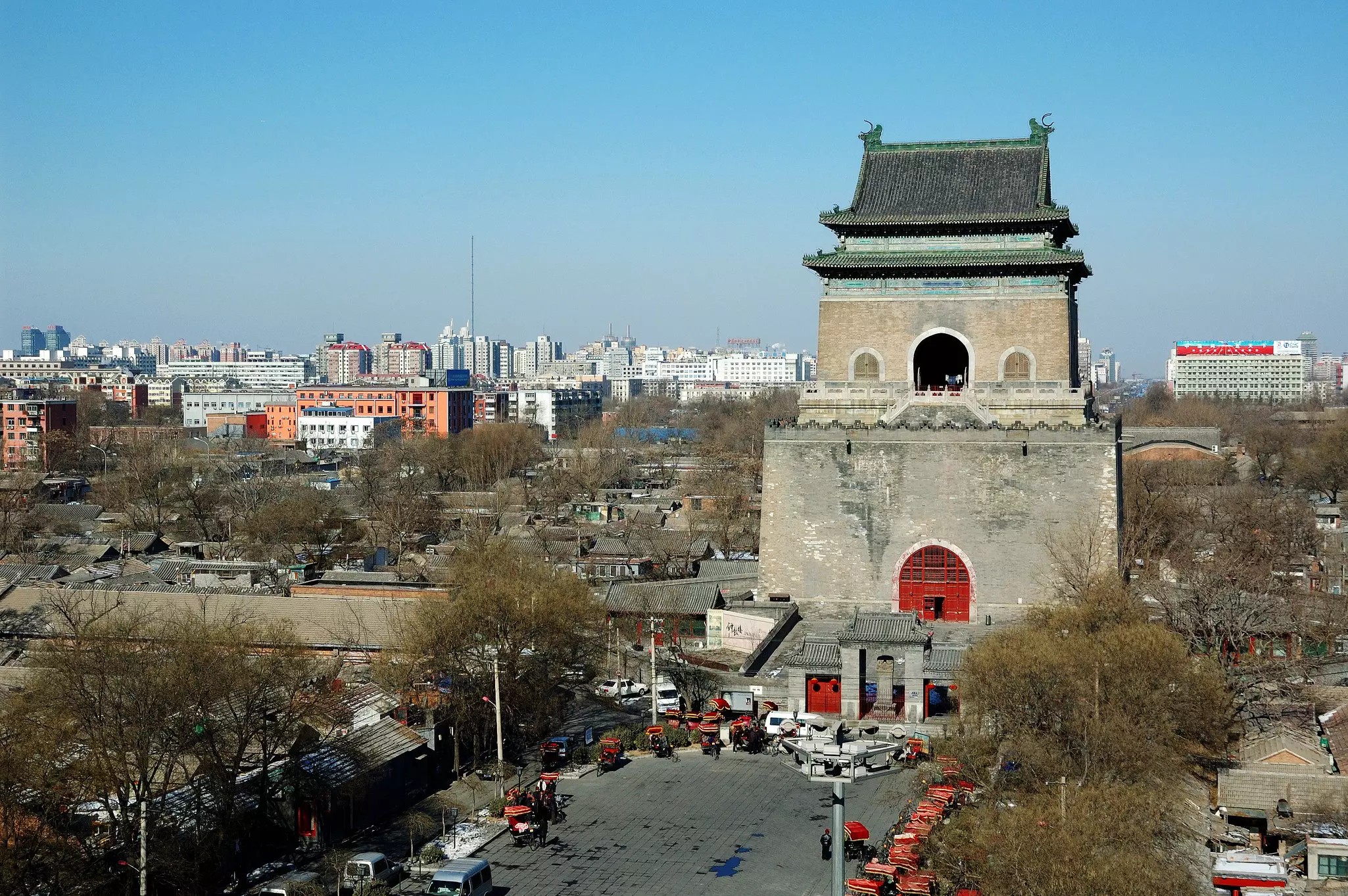
China’s world-class capital serves up a slew of sights that no savvy traveler should miss. The crown jewel of China’s imperial palaces, the Forbidden City served as the seat of Ming- and Qing-dynasty emperors for more than 500 years. Jingshan Park and the Drum and Bell Towers offer a panoramic view of the city’s palaces and old quarters.
The Temple of Heaven, where emperors prayed for a good harvest, is another architectural gem. With its lakes, pavilions, palaces and bridges, the Summer Palace is a masterpiece of Chinese landscape design. Wandering through the former Legation Quarter and hútòngs (alleyways with courtyards and residences) offers a window into the past – even if many have given way to modern developments.
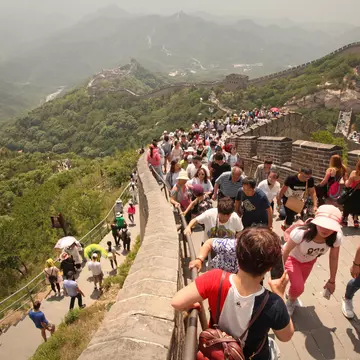
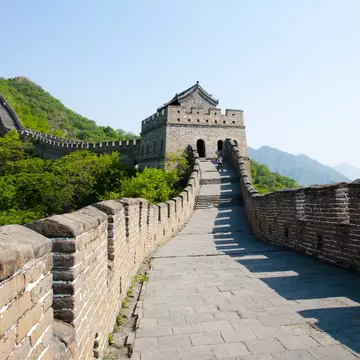
Detour: No visit to Beijing would be complete without a walk along the Great Wall. While Badaling is the most famous section, Mutianyu sees fewer tourists and is accessible by foot and cable car. The site even has a toboggan track you can whisk down.
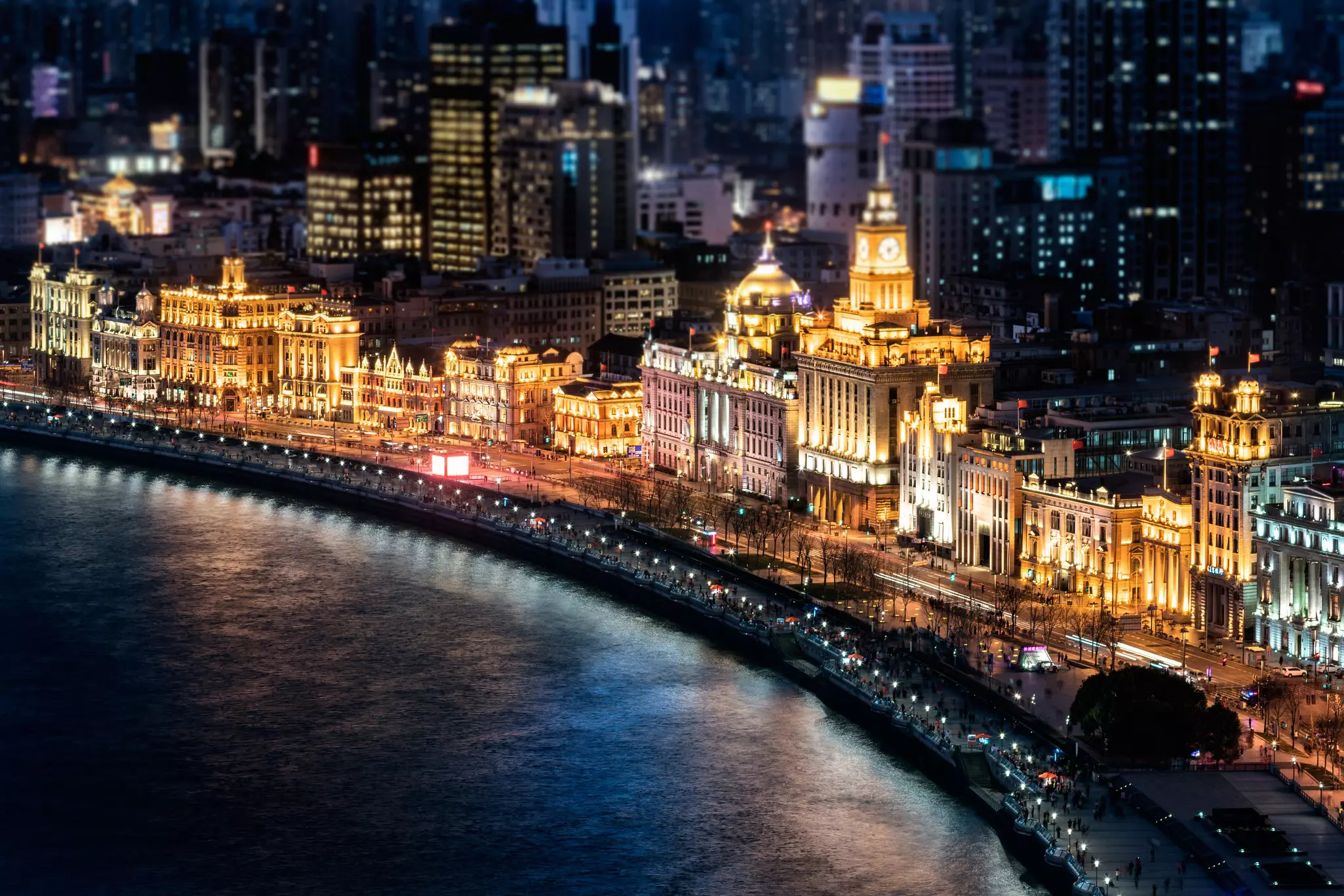
The Bund showcases the contrast between Shanghai’s historic colonial architecture and its iconic modern skyline, just across the Huangpu River. The tree-lined streets of the former French Concession, a foreign enclave from 1849 until 1943, are dotted with European- and old Shanghainese-style shíkùmén buildings – which today host trendy cafés and boutiques frequented by a fashionable crowd.
Shanghai has emerged as a world-class city for the arts, with the Yuz Museum, the Long Museum, Tank Shanghai and Centre Pompidou at the West Bund Museum exhibiting the work of local and international artists. The city is also the site of the museum commemorating the first meeting of the Chinese Communist Party, which marked its birth in 1921. Meanwhile, Jing’an Temple, Yuyuan Gardens and Zhujiajiao Ancient Town provide a glimpse of Shanghai’s traditional beauty.
Detour: The historic former capital of Nanjing; the canals and gardens of Suzhou; and Hangzhou, with its lake and tea gardens, are less than an hour train ride from Shanghai and make for easy day trips.
Sichuan province in the southwest is home to more than 1300 wild giant pandas, with the Chengdu Research Base of Giant Panda Breeding the best place to catch a glimpse of the bears. Conservation efforts have helped downgrade the animal’s status from endangered to vulnerable in recent years.
The provincial capital of Chengdu is known as China’s unofficial LGBTIQ+ hub, and even despite recent crackdowns on sexual minorities you’ll find a vibrant scene. The city even hosted the country’s first (if only symbolic) same-sex marriage in 2010.
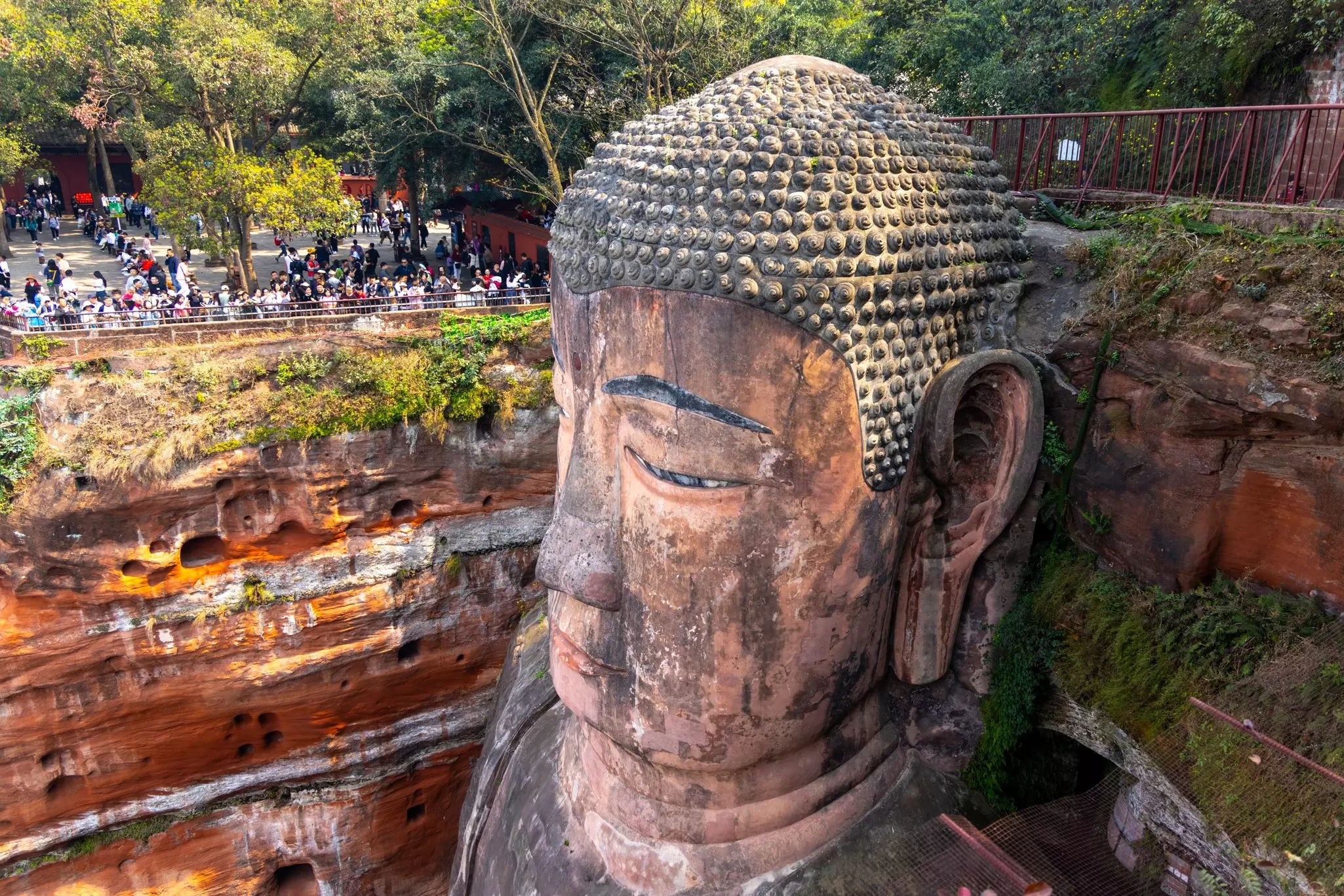
Some 45 minutes from Chengdu in Le Shan, a 233ft-tall (71m-tall) Giant Buddha carved out of a cliff overlooks the confluence of the Min, Dadu and Qingyi Rivers. To the north, Jiuzhaigou National Park offers unbeatable natural views of turquoise lakes, snow-capped mountains and waterfalls.
Detour: Chongqing, a separate city-state just over an hour from Chengdu, resembles a cyberpunk city that rises against a backdrop of rolling hills.
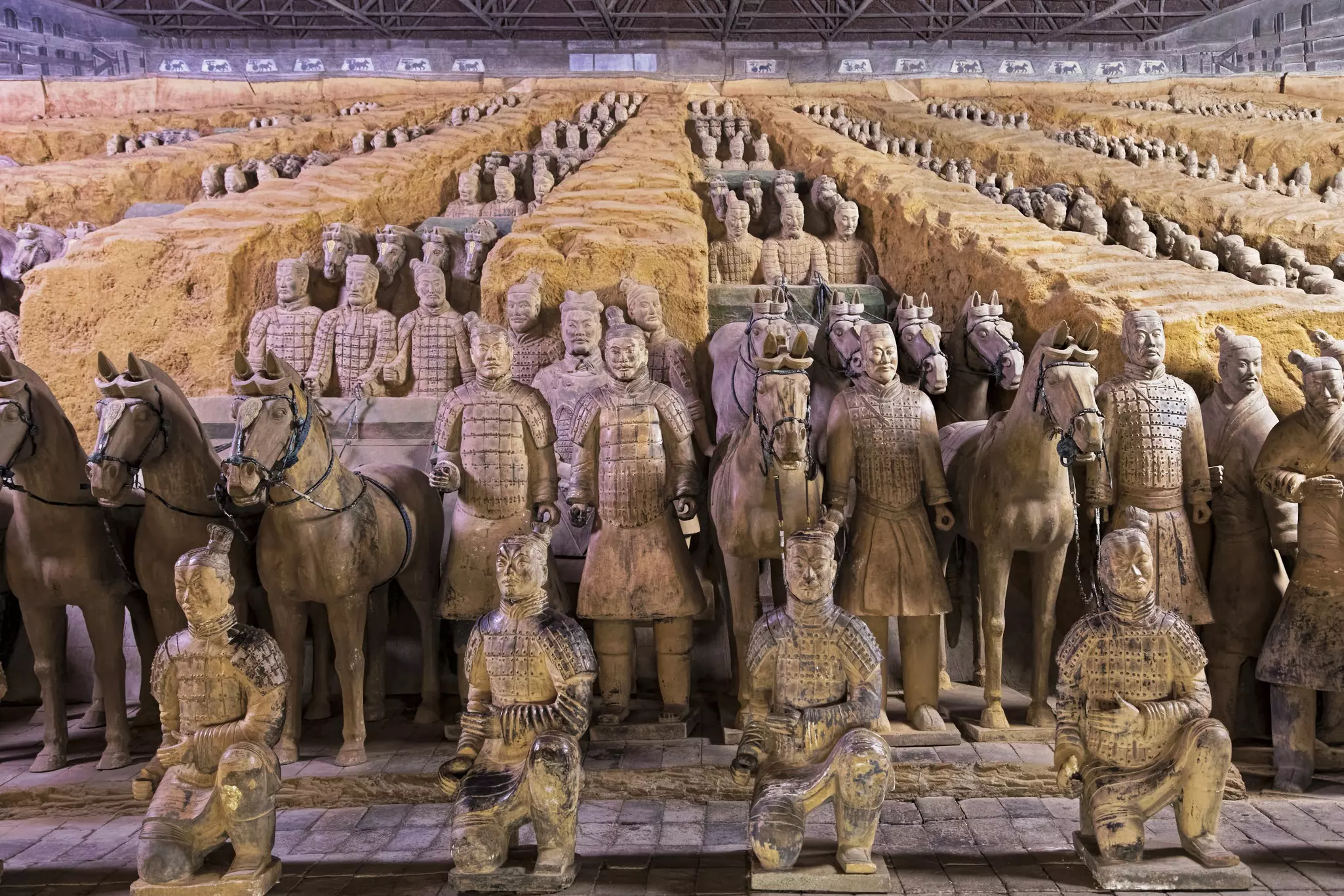
The eastern terminus of the storied Silk Road, Xi’an is home to one of the world’s most spectacular archeological marvels: the Army of Terracotta Warriors. China’s first emperor, Qin Shi Huang, commissioned this collection of life-size ceramic soldiers, chariots and horses to protect him in the afterlife.
The nearly 9-mile-long (14km-long) ancient city walls, the seven-story Big Goose Pagoda, and the Bell and Drum Towers rank among Xi’an’s other extraordinary historic landmarks. The Muslim Quarter is known for its vibrant street food and traditional market showcasing Islamic culture; Shuyuanmen St delights with its traditional paper-cut art.
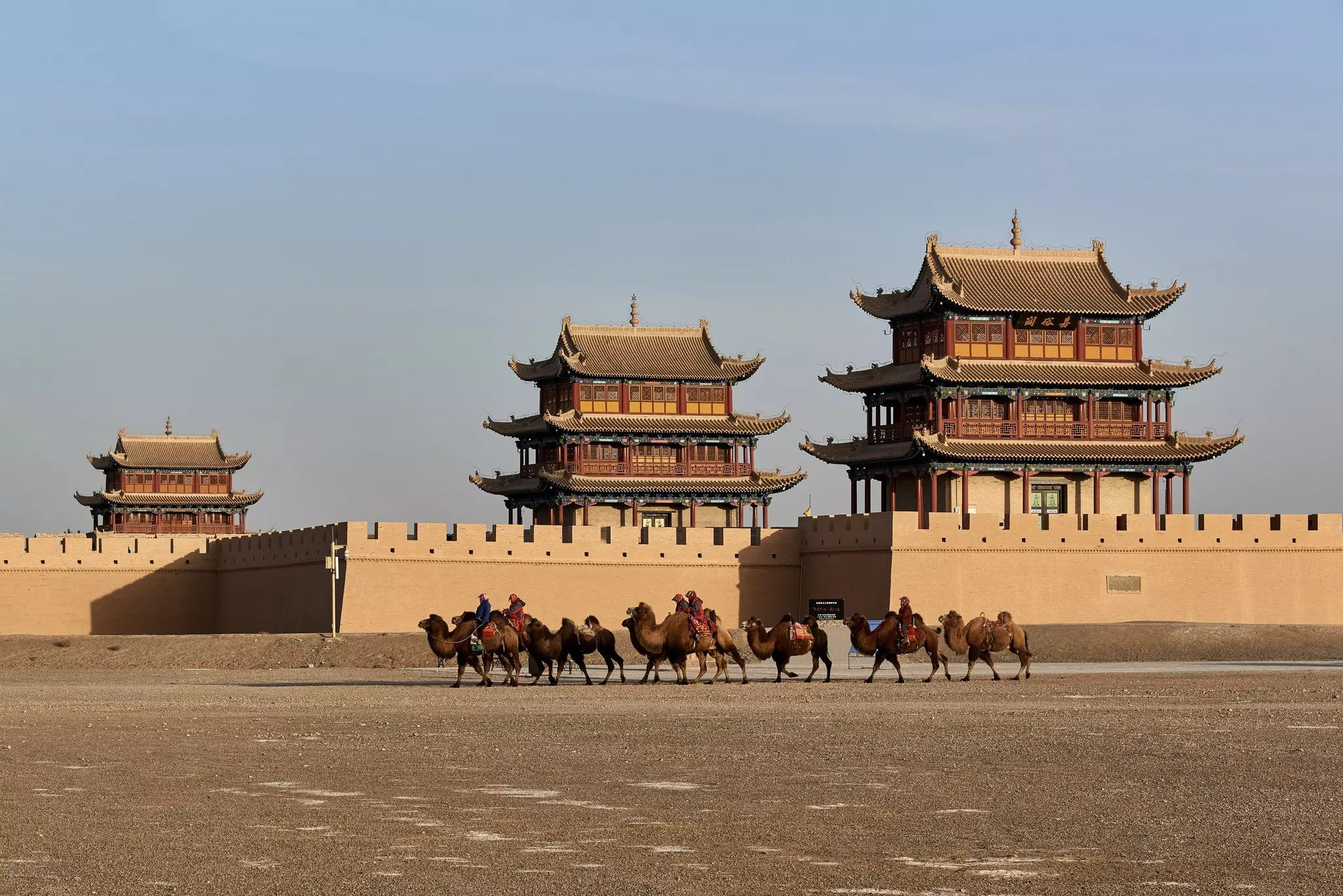
Along the ancient trade route that connected China with the West you’ll find numerous diverse ethnic minority groups such as the Muslim Hui, Uyghurs and Kazakhs. And traces of Buddhist influence once imported by traders are still visible today.
The Mogao Grottoes in Gansu province’s Dunhuang contain thousands of murals and painted sculptures – a high point of Buddhist art from the 4th to 14th centuries. In Zhangye Danxia National Geopark, stripes of red, yellow and blue adorn the majestic Rainbow Mountains. You can see the westernmost fort of the Great Wall in Jiayuguan, with the peaks of Qilian and Hei rising in the background.
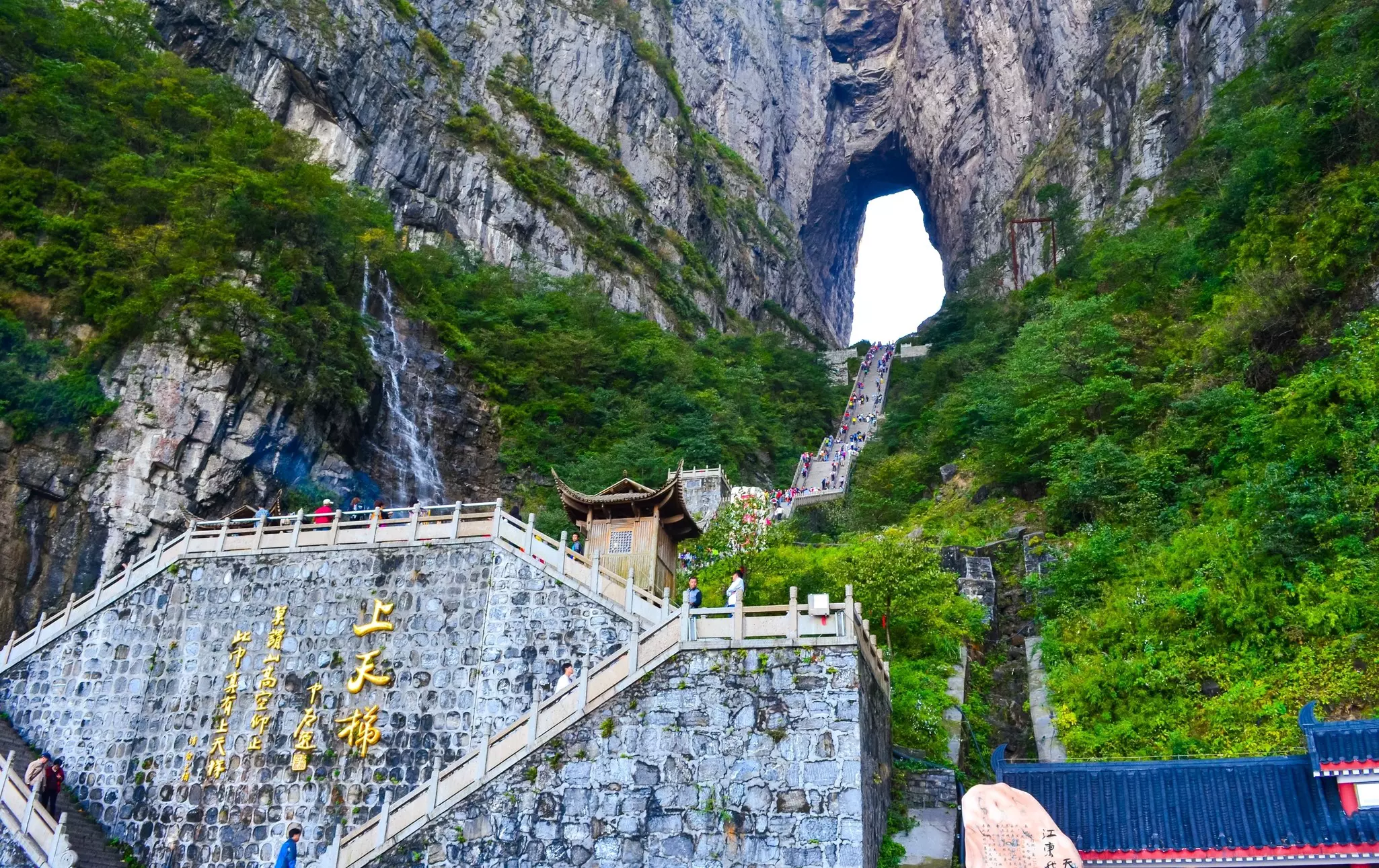
Zhangjiajie National Park in central Hunan province offers breathtaking hikes amid the sandstone spires that inspired the Hollywood sci-fi epic Avatar. Climb the 999 steps to Heaven’s Gate, a natural rock arch at Tianmen Mountain, or take a 30-minute cable-car ride – one of the world’s longest – to marvel at the majestic peaks and deep valleys.
In southwestern Yunnan province, a trek along Tiger Leaping Gorge, one of the deepest in the world, rewards with stunning views of the cliffs and roaring Jinsha River. Start the trek in culturally rich Lijiang and end at altitude of 10,825ft (3300m) in the city of Shangri-la, where Tibetan spirituality meets natural serenity.
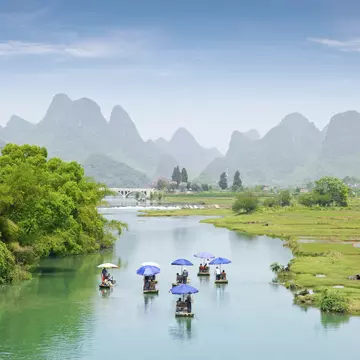
Once a sleepy settlement, Yangshuo in southern Guangxi has a pleasant, laid-back vibe. The town, along with nearby Guilin, is perhaps best known for the karst landscapes along the scenic Li River – a view featured on the 20 yuán banknote.
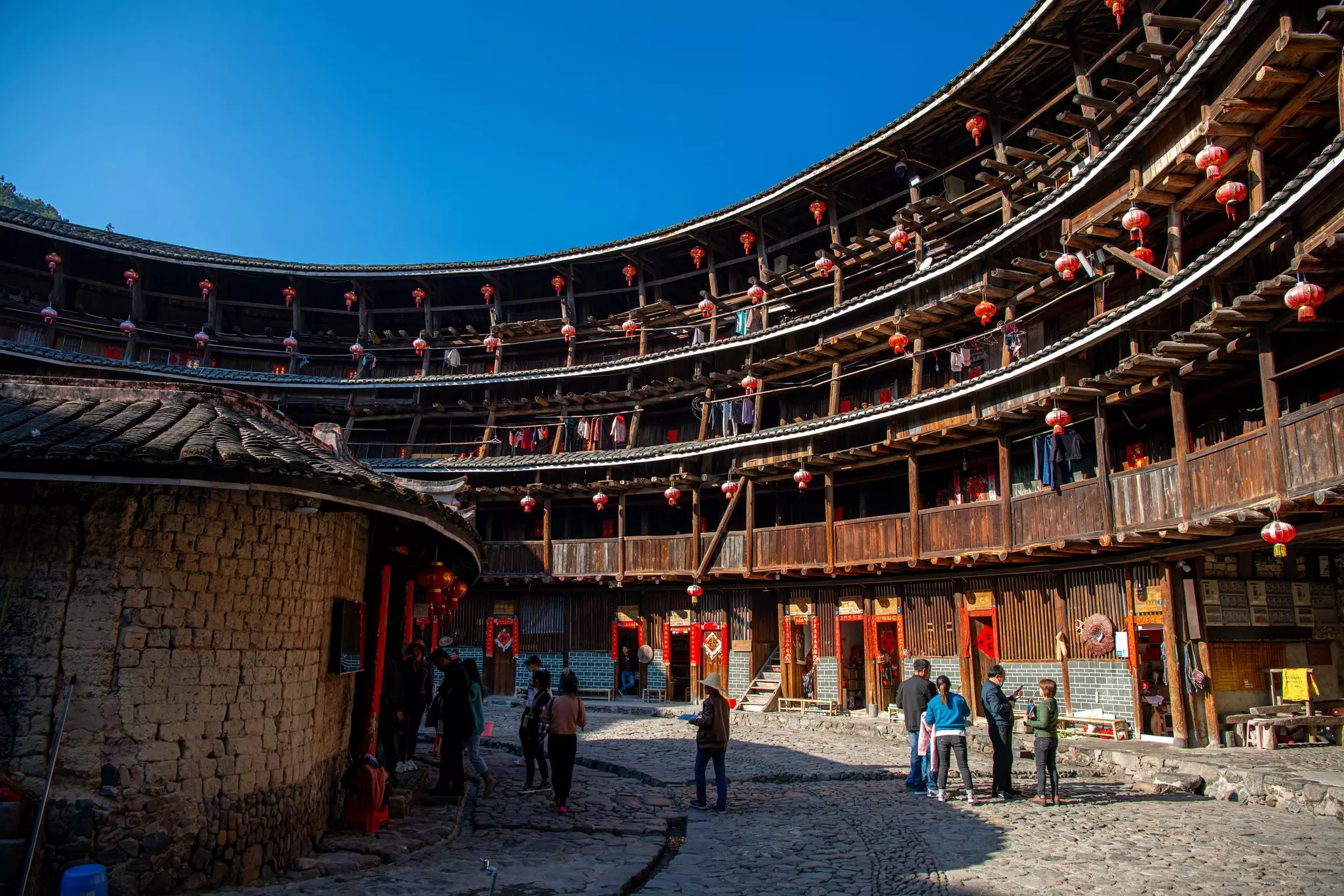
An architectural highlight of Fujian province, the UNESCO-listed tǔlóu are circular earthen houses originally built for defense during warfare and communal living. The 300-year-old “king tǔlóu” in Gaobei Village is the most iconic of them all.
The coastal city of Xiamen boasts traditional Buddhist temples, fortresses and a collection of Amoy Deco architecture, which blends European art deco with elements of Fujian and Southeast Asian design. They’re best seen along bustling Zhongshan Rd and idyllic Gulangyu Island.
A short hop from Xiamen, Quanzhou is considered the starting point of the so-called Maritime Silk Road, and accordingly features Buddhist, Taoist, Christian and Islamic influences in the port city’s architecture and places of worship.
China’s northernmost province, Heilongjiang is famous for its frigid winters and distinct culture. The seasonal Harbin Ice and Snow World features gigantic ice sculptures and castles, ice slides and a Ferris wheel, a display that draws millions of visitors between December and February.
Elsewhere in Harbin, you can sense the (relative) proximity of Russia at the Church of St Sophia, an Orthodox church built in 1907. The Unit 31 Museum provides a sober look into a shocking historical episode: the human experiments conducted by the imperial Japanese army during World War II.
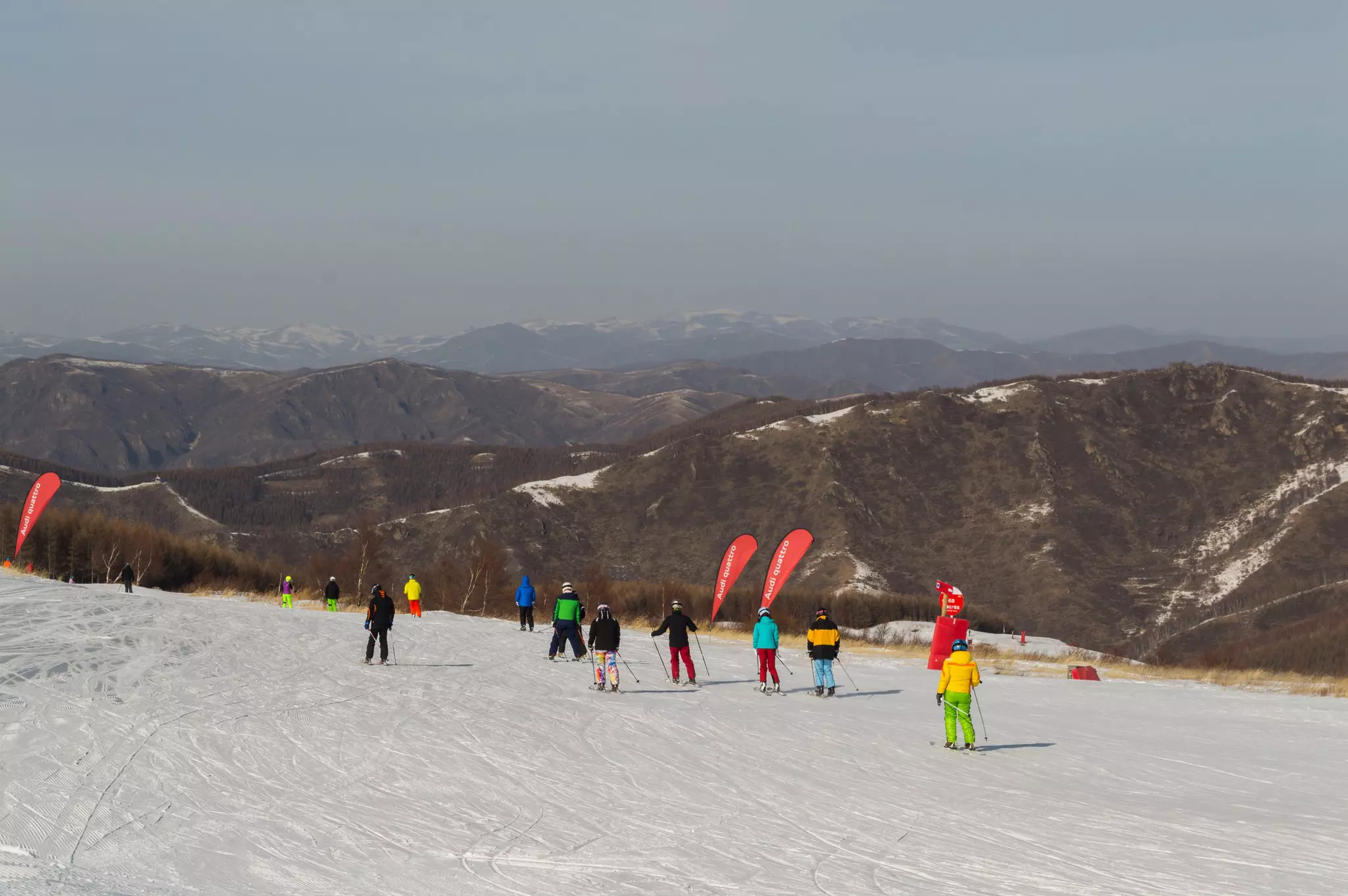
The 2022 Beijing Winter Olympics made winter sports in China newly popular. The Yabuli Ski Resort in Harbin, Changbaishan in Jilin province, and Thaiwoo Ski Resort in Hebei province, which hosted the Olympic events, rank among the best slopes in the country.
Explore related stories