
Advertisement
Nadi, Suva & Viti Levu
Everyone passes through Viti Levu, Fiji's largest island, on their trip to the country, but too often it's looked at as just home to an international airport, an unavoidable transit stop for those en route to a palm-fringed resort. But those who skip the island too quickly are missing out, as there are plenty of attractions to make you linger longer.

Getty Images/Lonely Planet Images

Top places to visit in Nadi, Suva & Viti Levu
Discover the best attractions in Nadi, Suva & Viti Levu from must-see sights to unexpected hidden gems.
-
-
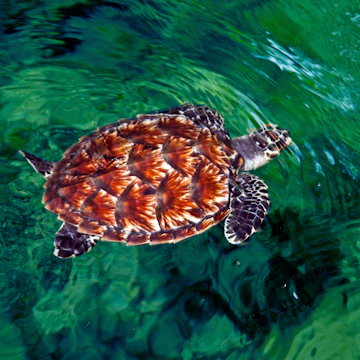 Attraction in Coral CoastKula Eco Park
 -
 Attraction in Nadi, Suva & Viti LevuEmperor Gold Mine
 -
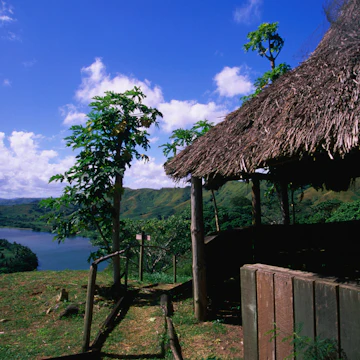 Attraction in Coral CoastTavuni Hill Fort
 - Attraction in Nadi, Suva & Viti LevuUdreudre’s Tomb
- Attraction in SuvaFiji Museum
- Attraction in Coral CoastSigatoka Sand Dunes
- Attraction in Nadi, Suva & Viti LevuLikuri Landing
Advertisement
Advertisement
Get a book. Get inspired. Get exploring.
Nadi, Suva & Viti Levu and beyond
-
 destinationCoral Coast
 -
 destinationSuva
 -
 destinationNadi
 -
 destinationDenarau Island
 -
 destinationNatadola Beach
Advertisement