Jun 10, 202612 min read
The 7 best road trips in SpainNov 20, 2024
16 MIN READ

Writer
Highlights
Writer Isabella Noble picks 20 Canary Islands activities, from peaks to powdery beaches.
Summit El Teide in Tenerife, or stargaze in La Palma's Starlight Reserve after dark.
Beach lovers should head to Fuerteventura, while whale-watchers book trips from western Tenerife.
Visit Lanzarote's Manrique museums and La Laguna's UNESCO World Heritage old town in Tenerife.
Lonely Planet may earn a commission from affiliate links on our site. All recommendations and reviews reflect our own independent opinions.
Swims in tidal pools, hikes through dormant volcanoes, visits to historic towns and more: here’s what you’ll want to do on the enchanting Canary Islands. Shutterstock
Writer
Highlights
Writer Isabella Noble picks 20 Canary Islands activities, from peaks to powdery beaches.
Summit El Teide in Tenerife, or stargaze in La Palma's Starlight Reserve after dark.
Beach lovers should head to Fuerteventura, while whale-watchers book trips from western Tenerife.
Visit Lanzarote's Manrique museums and La Laguna's UNESCO World Heritage old town in Tenerife.
Isabella is one of the writers on the new Canary Islands guidebook . After spending weeks of research on the road, she shares the top experiences for your next trip.
Anyone who loves the Canaries can attest that the most challenging (and exciting) part of visiting these bewitching volcanic islands is where to start.
Indeed, it’s this astounding variety – of landscapes, cultures, activities – that makes the beloved Atlantic archipelago such a thrill to discover. Beach lovers will of course be particularly drawn to the Canaries – yet many of the islands are also great bases for adventurous types, perhaps a surprise for first-time visitors. Of Spain’s 16 national parks, four are in the Canary Islands, while a network of other nature reserves protects everything from coastal cliffs to age-old laurisilva (laurel forests).
Keep in mind that each island lends itself to distinct experiences. The three smaller western Canaries, for example, are top spots for hiking, while the three easternmost islands have the loveliest sandy beaches. Tenerife, the largest of the Canaries, genuinely brings a bit of everything.
Here’s our roundup of the many top experiences you can look forward to on the Canary Islands.
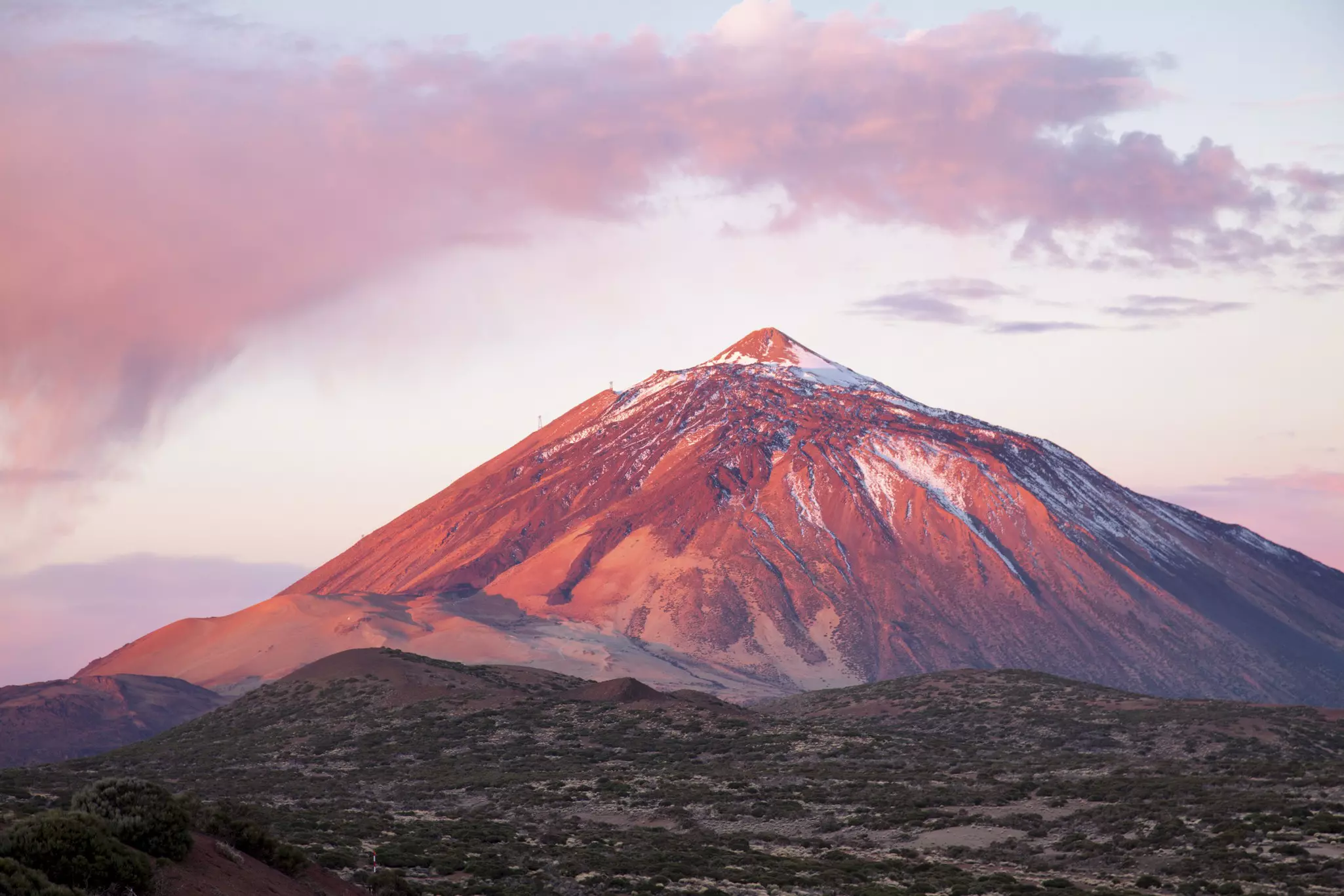
Visible from all over Tenerife and often even from other islands, El Teide – Spain’s tallest peak – has an undeniable magnetic pull. Known as Echeyde by the indigenous Guanches, the mountain towers 3718m (12,198ft) high, surrounded by the extraordinary stark expanses of the 190-sq-km (73-sq-mile) Parque Nacional del Teide. Whether glimpsed when dusted with snow in winter or surrounded by spring blooms, El Teide is an unmissable Canarian experience, and hiking to its sky-high summit is a temptation few walkers can resist.
The UNESCO-listed national park is understandably popular (almost 4.6 million people visited in 2023) – and it’s also strictly protected. A cable car zips up El Teide’s southern flank to viewing platforms at 3555m (11,663ft), but since there are tight regulations for hiking onwards to the peak, you need to book a (free) pass well ahead. Visit first thing or in the late afternoon to sidestep some of the national park’s crowds. Time permitting, we recommend taking advantage of the many other trails weaving across the lunar landscape.
Detour: Tenerife has plenty of other spectacular hiking paths, especially around the Parque Rural de Anaga and the Parque Rural de Teno.
A quick glimpse up at the inky night sky in La Palma instantly reveals why this lushly green island has been designated the world’s first Starlight Reserve. And you don’t need any prior experience to dive into contemplating the constellations (though you will want to layer up, as nights can be cool at higher altitudes). A crop of local operators, such as AstroLaPalma (which chooses locations each day depending on conditions), will set you up on an expert-guided stargazing experience with professional telescopes. They also organize tours of the renowned Observatorio Roque de Los Muchachos, perched 2396m (7861ft) at the top of the island.
Planning tip: The Parque Nacional del Teide in Tenerife is another great spot for enriching stargazing experiences.
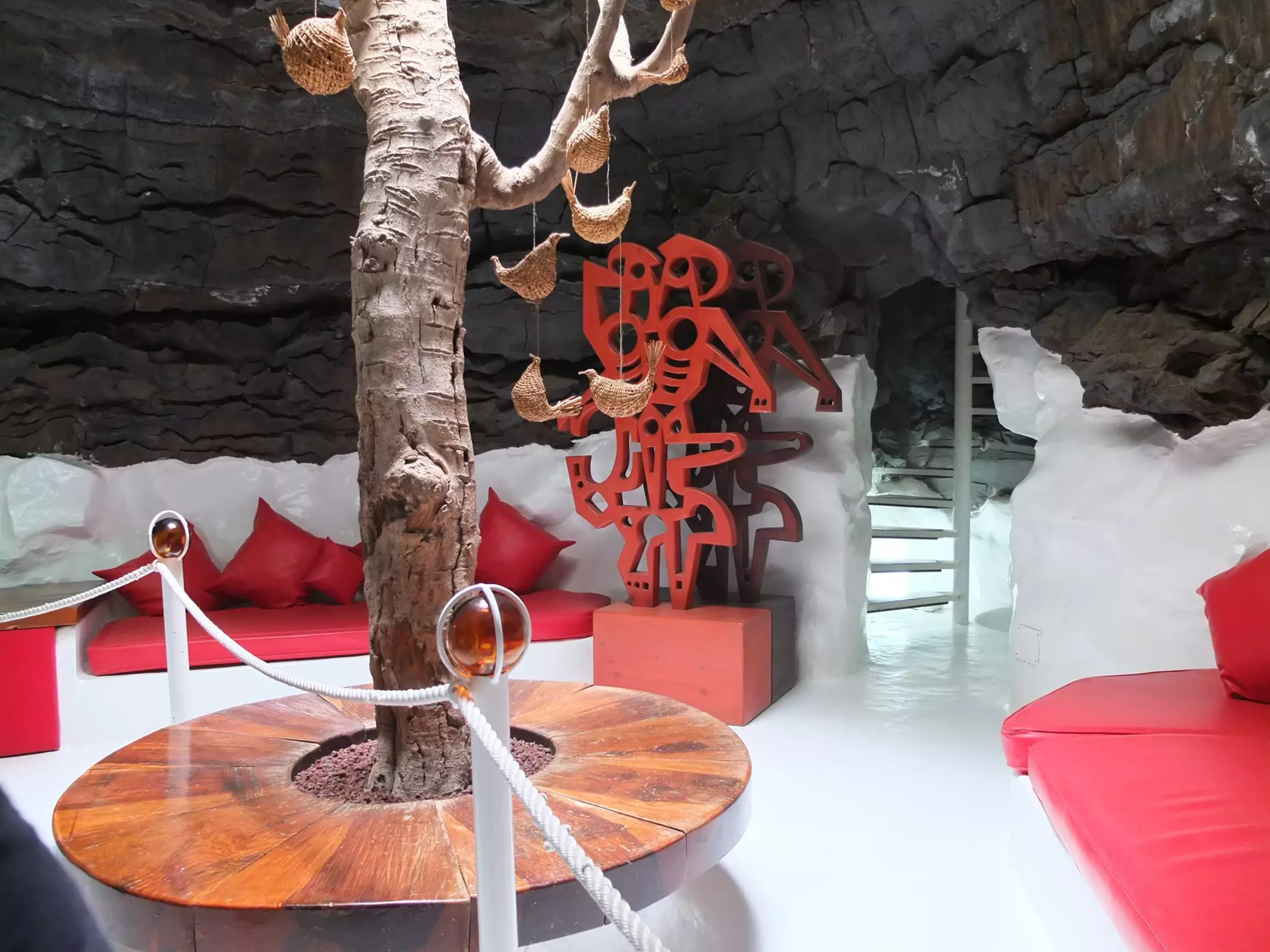
The world of Canarian art is intimately linked to the 20th-century Lanzarote-born artist César Manrique, who campaigned against overdevelopment decades ago when the local tourism industry was just beginning to blossom. Manrique is best known for his abstract paintings – often inspired by the landscapes of Lanzarote – as well as his ingenious “interventions, ” which reimagined natural spaces into dazzling works of architecture and art.
If you only visit one Manrique creation, make it Lanzarote’s wonderful Fundación César Manrique – the artist’s former home turned museum, built into lava flows in the center of the island. But you’ll probably also be tempted to add on the Casa-Museo César Manrique, in the palm-filled Haría valley, where Manrique lived in his final years.
Planning tip: If the master’s residences pique your interest in his work, Manrique left works all over the Canaries, including the soaring Mirador de la Peña in El Hierro and the Parque Marítimo César Manrique pool complex in Santa Cruz de Tenerife.
The deep-blue Atlantic waters between western Tenerife and neighboring La Gomera make up one of the best places in Europe to spot whales in the wild. Now a protected Whale Heritage Area, this 2000-sq-km (772-sq-mile) expanse is especially known for its populations of resident pilot whales and bottlenose dolphins. On a whale-watching excursion with a local expert, you might also see orcas, sperm whales and many other species of dolphins. Do your homework before you set off to find a responsible, low-impact operator, such as Tenerife-based Biosean, which was founded by a marine biologist.
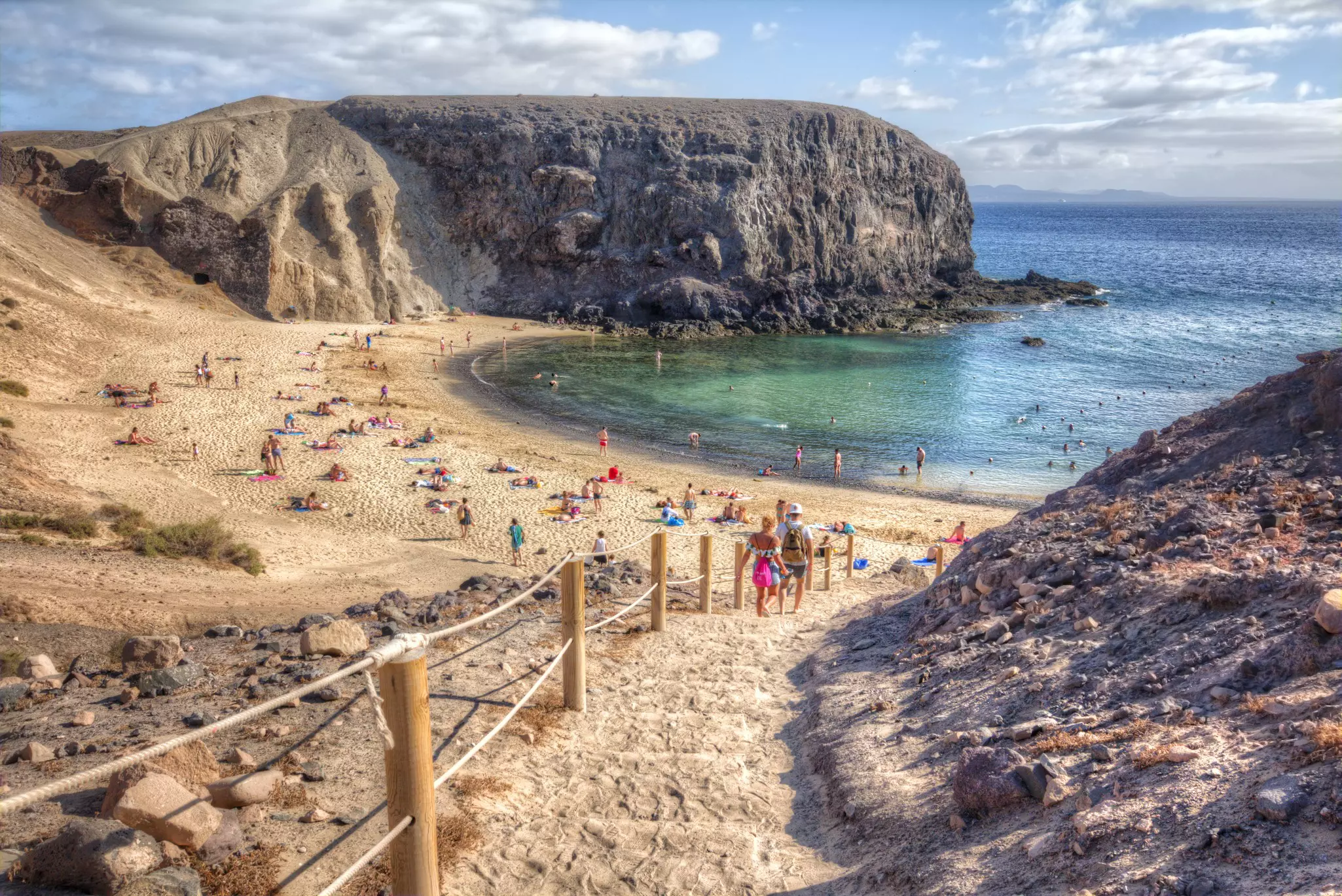
Relaxing on the powdery beaches is one of the Canaries’ biggest draws. Fuerteventura has grown into the beach star of the archipelago, with a swirl of gorgeous gold-sand strands, including the protected Corralejo dunes in the north and secluded, miles-long Cofete in the south. Neighboring Lanzarote is a close second: its fabulous beaches range from the sheltered coves dotted around the Punta del Papagayo promontory to wild, surf-loving Famara.
Southern Gran Canaria is another beach hotspot, especially Maspalomas, whose rolling dunes make up a protected 400-hectare (162-acre) nature reserve opening onto a 3km-long (2-mile-long) swath of honey-colored, family-friendly sand. Follow marked paths through the dunes to discover palm-studded oases, and spot herons, ospreys and other birds at La Charca lagoon.
The Canaries’ top contemporary-art gallery looms just south of the historic center in Tenerife’s Carnaval-loving capital of Santa Cruz. Designed by prize-winning Swiss architects Jacques Herzog and Pierre de Meuron alongside Canarian architect Virgilio Gutiérrez, Tenerife Espacio de las Artes (TEA) is marked by its bold fusion of angular architecture and cutting-edge exhibitions. Check online for current shows; the space itself – with its light-flooded library – is worth visiting at any time.
Santa Cruz also has the archipelago’s liveliest street-art scene, with particularly vibrant works adorning the Puente Serrador near the TEA and old-town streets like Calle Castillo and Calle Pi y Margall.
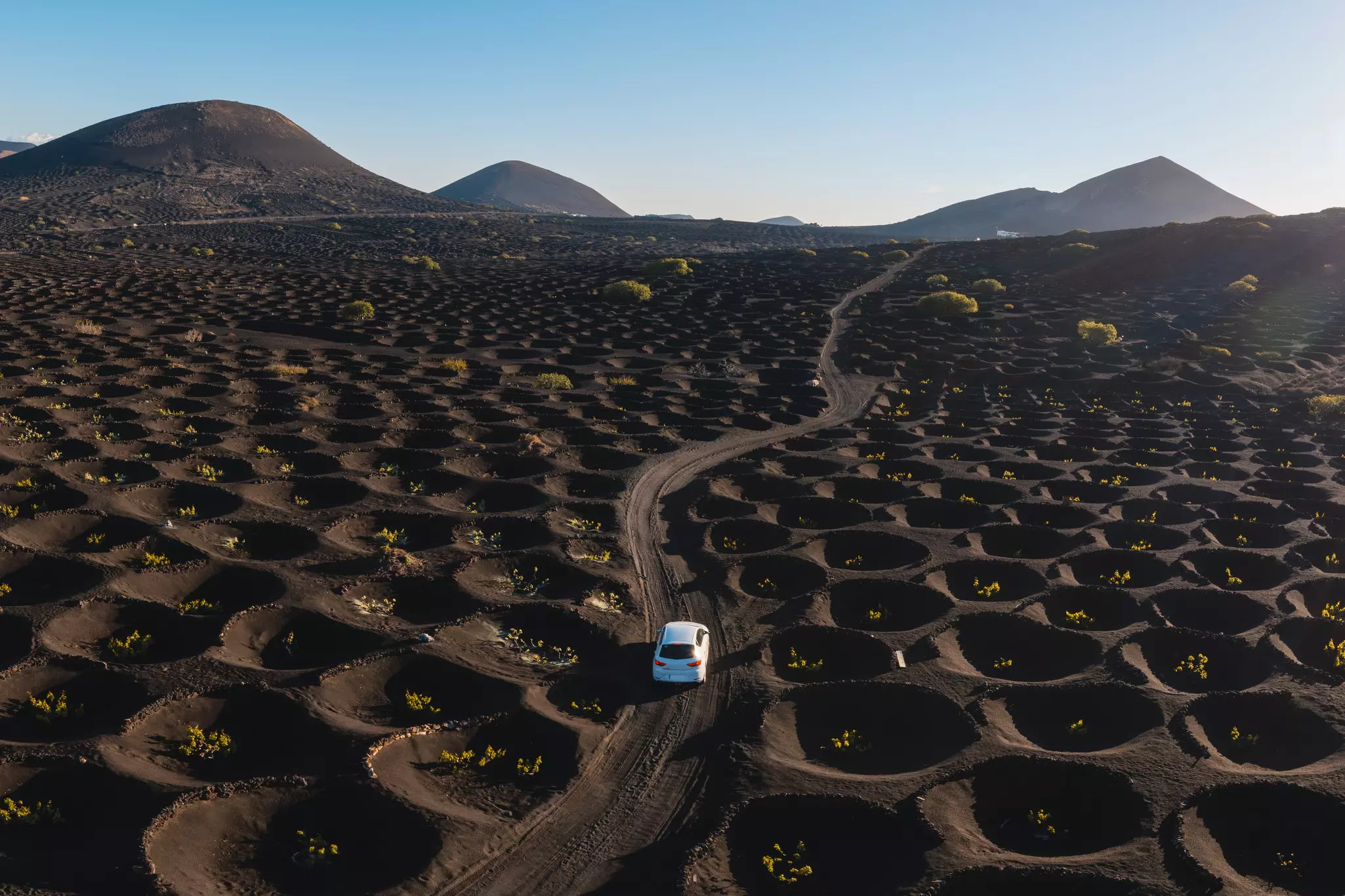
The Canary Islands escaped the 19th-century phylloxera that swept through other European vineyards, which means the powerful, Atlantic-influenced wines here are largely produced from grape varieties that are both local and ancient. Vines were first planted in Tenerife back in the 15th century – and today the island rivals Lanzarote as the archipelago’s top wine-making island. In recent years, El Hierro has started making a name for itself on Spain’s wine map, too.
Many local vineyards now offer tours, tastings and a raft of other experiences, during which you’ll learn all about the unique growing techniques adapted to the extreme landscapes. These include the cordón trenzado (plaited cord) in mountainous northern Tenerife, and Lanzarote’s famous circular vines planted in volcanic-ash pits.
Planning tip: While many large-scale wineries have drop-in tours and tasting sessions, it’s always best to book ahead for smaller vineyards. Wine Tours Lanzarote and Tenerife Wine Experience run superb bodega-hopping tours.
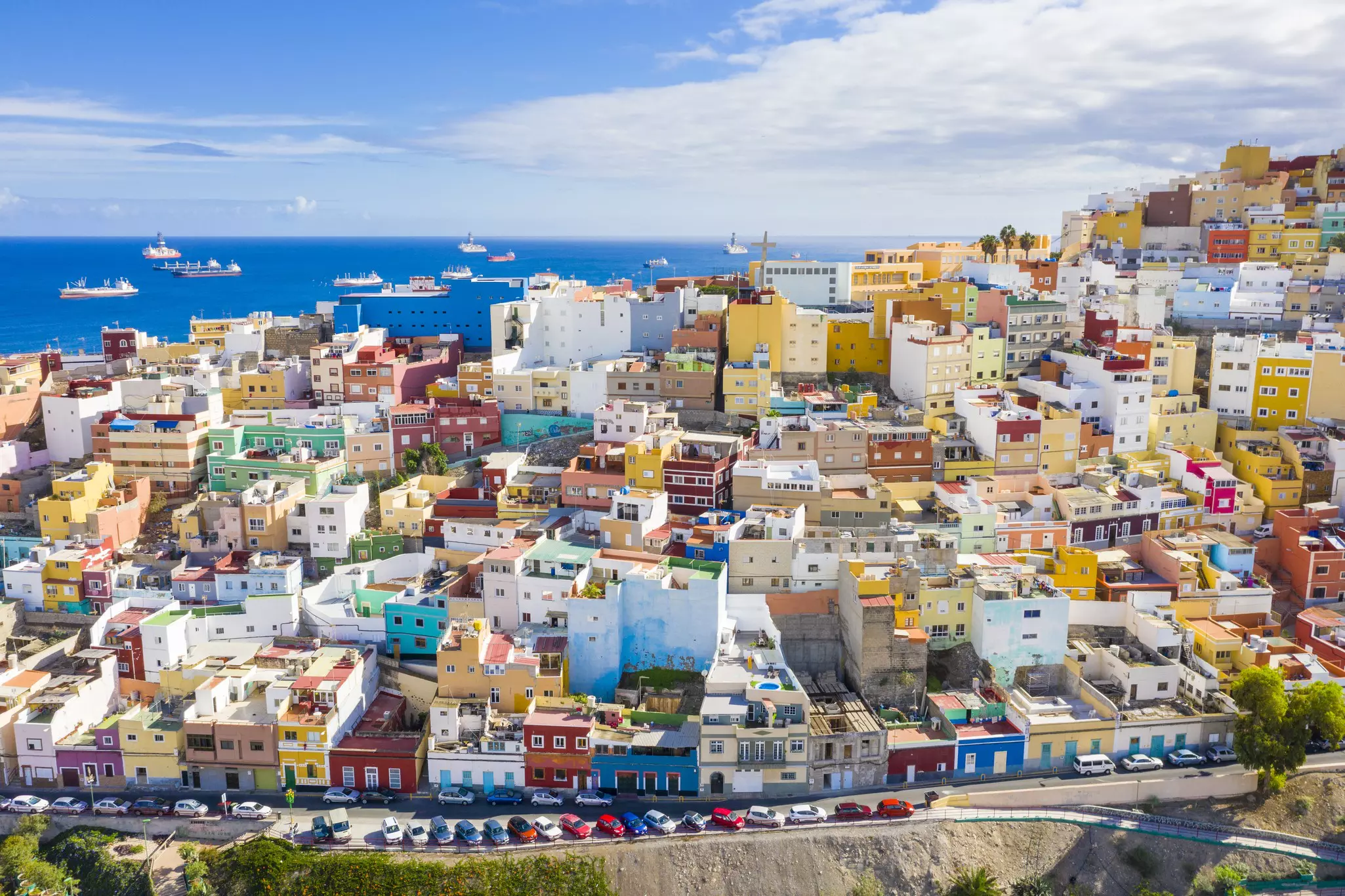
Spain’s lively ninth-largest city is a destination in its own right, especially during February when it hosts one of the country’s most raucous carnivals. Any visit to Gran Canaria’s capital of Las Palmas should start with a stroll around Vegueta, the oldest part of the city, centered on the monumental volcanic-stone Catedral de Santa Ana, begun back in the 1490s. (Climb the towers for knockout views.)
Then there’s the blossoming food scene, packed with innovative flavors and local produce, anywhere from plaza-view tapas bars to Michelin Green Star kitchen Muxgo. Playa de las Canteras, meanwhile, is up there with Spain’s loveliest urban beaches, with 3km (2 miles) of golden sand, lagoon-like waters and a buzzy promenade.
If you only have time for one thing in low-key La Gomera, head straight to the ethereal national park that crowns the island. The 40-sq-km (15.5-sq-mile), UNESCO-listed Parque Nacional de Garajonay protects around half of the Canaries’s ancient laurisilva, and is often cloaked in mist. Hiking is the thing to do here, whether you choose to tackle a short but wonderfully scenic walk to the Alto de Garajonay (the island’s highest point at 1484m / 4869ft) or descend through verdant canyons to colorful villages like Hermigua.
Just outside the national park’s southern boundary, Casa Efigenia is one of the best places in the Canary Islands to sample traditional cuisine.
Planning tip: While it’s perfectly possible to visit La Gomera on a day trip from Los Cristianos in Tenerife (the ferry across takes 50 minutes), this charmingly slow-going island rewards longer stays.
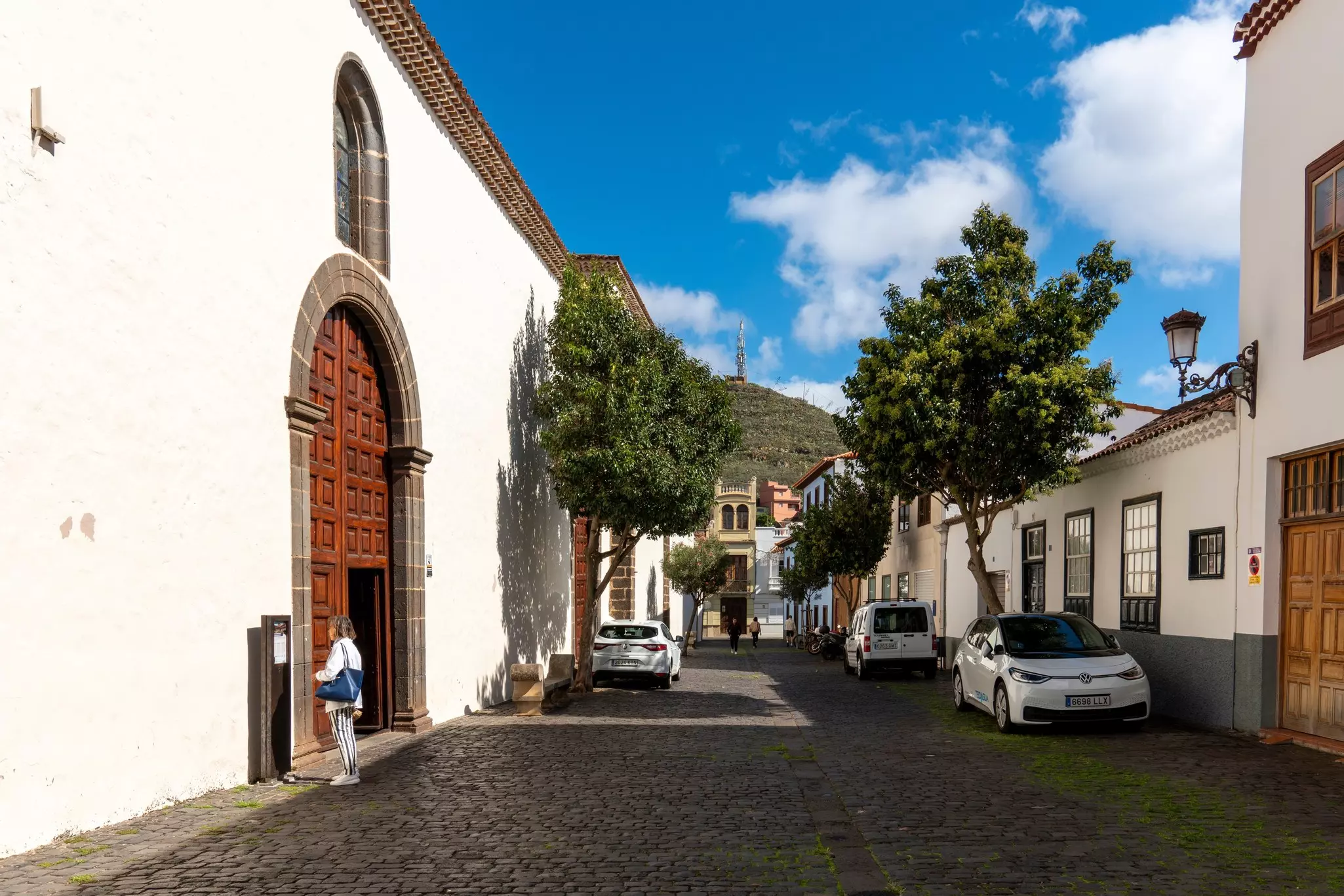
Tenerife’s former capital La Laguna wows with its collection of more than 600 protected historical buildings. Wander through the pedestrian-friendly old town (a UNESCO World Heritage Site), which retains much of its original 16th-century layout, admiring the ornate mansions and palaces dating mostly from the 16th to 18th centuries as you go. Grand Calle San Agustín is the place to start, but to see inside most of these splendid buildings – many of them are privately owned – it’s best to join a guided tour with La Laguna’s tourist office.
Detour: Further west, Santa Cruz de la Palma (La Palma’s laid-back capital) also counts among the Canaries’ most beautiful and architecture-rich cities, bursting with flower-filled wooden balconies and cobbled squares.
The smallest, westernmost and least-visited of the seven main Canary Islands combines rural charm, an offbeat bohemian energy and an entrancing lava-shaped landscape. All of which makes El Hierro one of the most rewarding places for quiet hikes anywhere in the Canaries. Even better: most of its trails can be walked within a day.
The best way to soak it all up is by tackling the 27km-long (17-mile-long) Camino de la Virgen (or at least part of it): the trail tracks across the entire island, from the windswept La Dehesa region to the capital Valverde via eerie cloud forests, juniper woodlands and agricultural fields. The trail (allow eight hours) follows the route of El Hierro’s most-loved fiesta, the Bajada de la Virgen pilgrimage, which has been held every five years since the mid 18th century.
Planning tip: The best months for hiking in El Hierro are October to December and March to May.
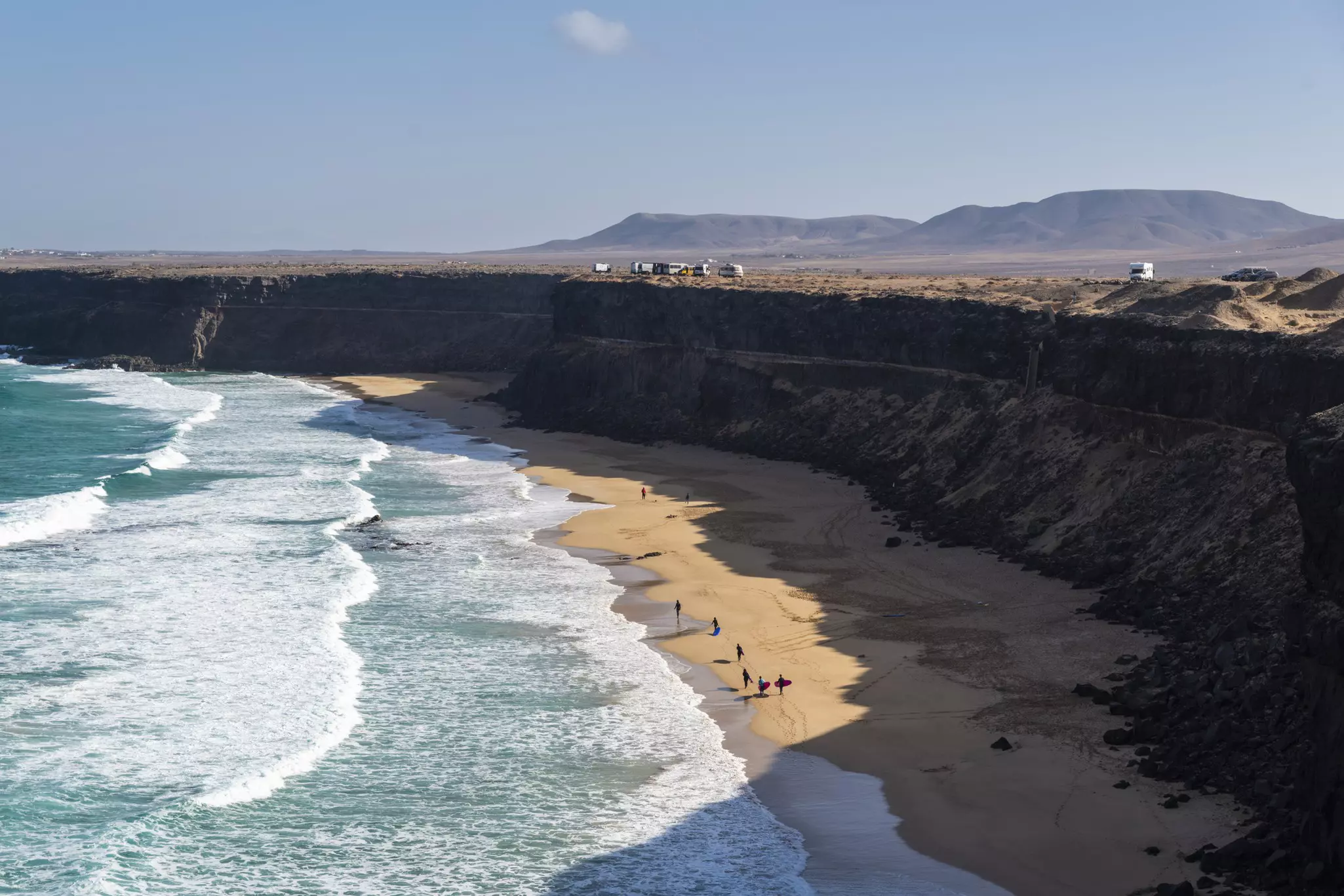
Sometimes called the “Hawaii of Europe, ” the Canary Islands rank among the continent’s top spots for surfing. Easily the most-loved surf destinations are El Cotillo and Corralejo in northern Fuerteventura, Famara in northern Lanzarote and Playa de las Américas in southern Tenerife, all of which have a fun year-round scene. Kitesurfing and windsurfing are big on all three islands, too, and even La Palma is becoming popular for water sports.
Many of the famous surf hubs in the Canaries are best suited to those with some experience, but there are also plenty of beginner-friendly courses and camps (often with accommodation included). Local surfers recommend winter (November to March) as the best season to ride the waves.
Planning tip: If you don’t fancy surfing, try kayaking and paddle boarding along the craggy coast on any island.
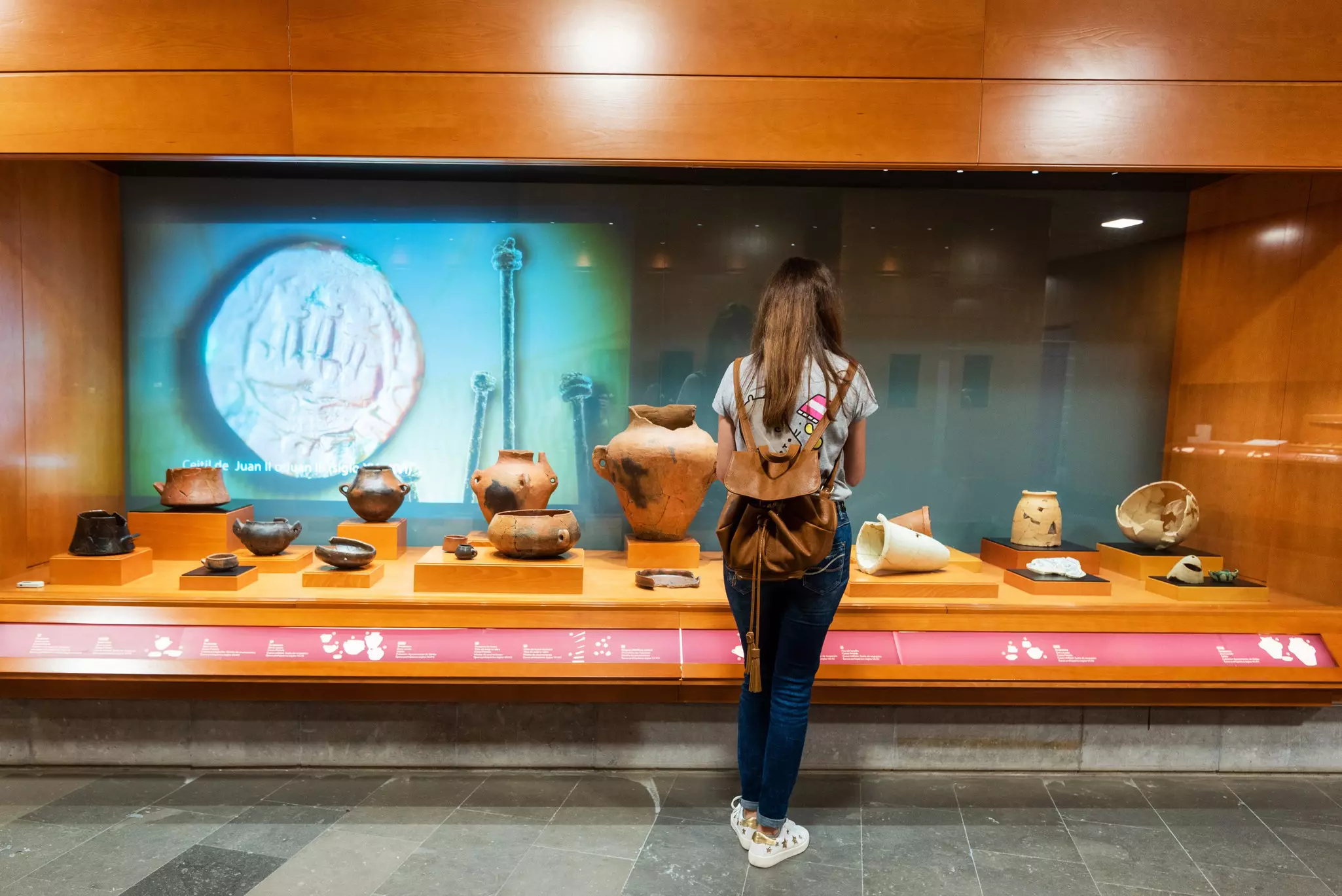
A series of important archaeological sites scattered across the islands sheds light on the cultures of their Indigenous pre-conquest communities. For many experts, Gran Canaria’s Cueva Pintada, in Gáldar, is the main event. Join a guided tour to see the original, colorful geometric paintings that decorate the cave’s walls. It is believed that these complex shapes crafted from natural dyes could possibly be connected to lunar and solar calendars of some kind.
Much more off the beaten track are the superbly preserved petroglyphs etched into lava flows by the Bimbaches at remote El Julan, on El Hierro’s south-facing coast, which can only be reached by pre-booked guided hike or 4WD tour.
Since the islands’ remote location made self-sufficiency essential, all the Canaries have a long, rich heritage of local crafts. Today, a wave of modern-day artisans are sharing their skills with anyone keen to learn the secrets behind the archipelago’s most curious traditions, from pottery-making to embroidery to basketry.
In Lanzarote, you can pick up original Canaries-inspired ceramics and meet their makers in the tiny northern village of Teseguite, or join a ceramics-making class at Tinajo-based Timijota Studio, which also has a second outpost in Tenerife. Over in La Gomera, discover how Canarian palm-leaf baskets are crafted with Gomera Corazón Verde.
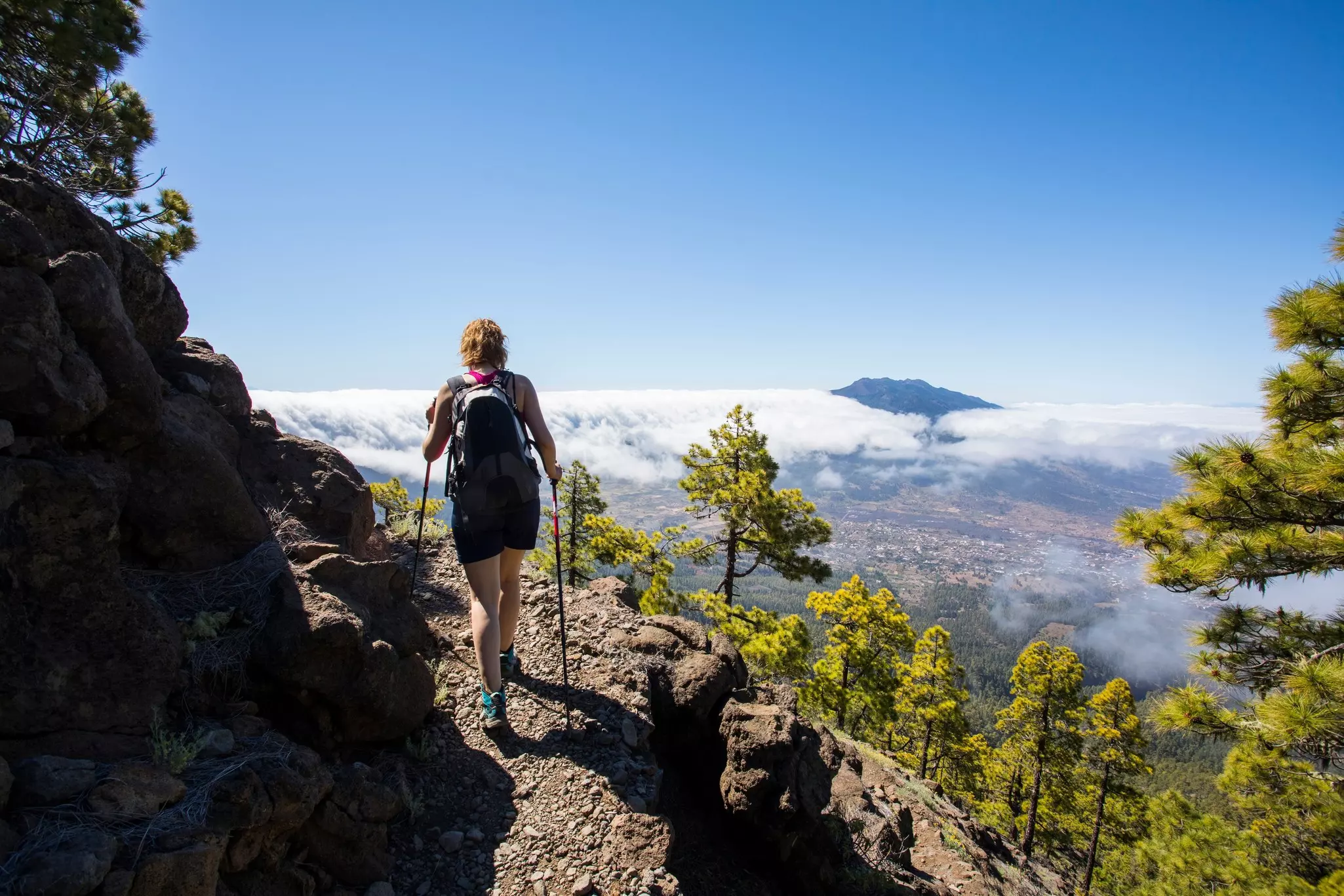
The magical national park at the heart of “La Isla Bonita” is a gorgeously green and raw haven of Canarian-pine forests, jagged peaks, rushing waterfalls and plunging ravines. Best of all, weaving through its 50-sq-km (19-sq-mile) expanse, the Parque Nacional de la Caldera de Taburiente has some of the most spectacular hiking paths in all of the Canaries. The whole place revolves around a miles-wide caldera you can ogle at both from lofty lookout points and out on the trails.
Routes around the park range from short scenic loops to strenuous full-day hikes taking in the Roque de los Muchachos. Our favorite time to hit the hiking trails is spring, when wildflowers burst into bloom.
Flung off the northern tip of Lanzarote, the tiniest of the Canaries only became the official eighth island in 2018. So it is no surprise that secluded Isla Graciosa is still one of the archipelago’s most magical places for refreshingly go-slow beach escapes. The entire island is part of the Chinijo Archipelago and sits within a wider nature reserve. Simply catching the half-hour ferry across from Órzola in Lanzarote (the only way to get here) is a thrill, with views of Lanzarote’s cascading 600m-high (1969ft-high) Famara cliffs dazzling as the journey trundles on.
A day trip to Isla Graciosa is best enjoyed by hiking or cycling out from the sandy-floored “capital” of Caleta de Sebo to untouched golden beaches backed by stark volcanic cones. We love peaceful Playa de La Francesa (with great snorkeling) and wild Playas de Las Conchas (where swimming isn’t advised).
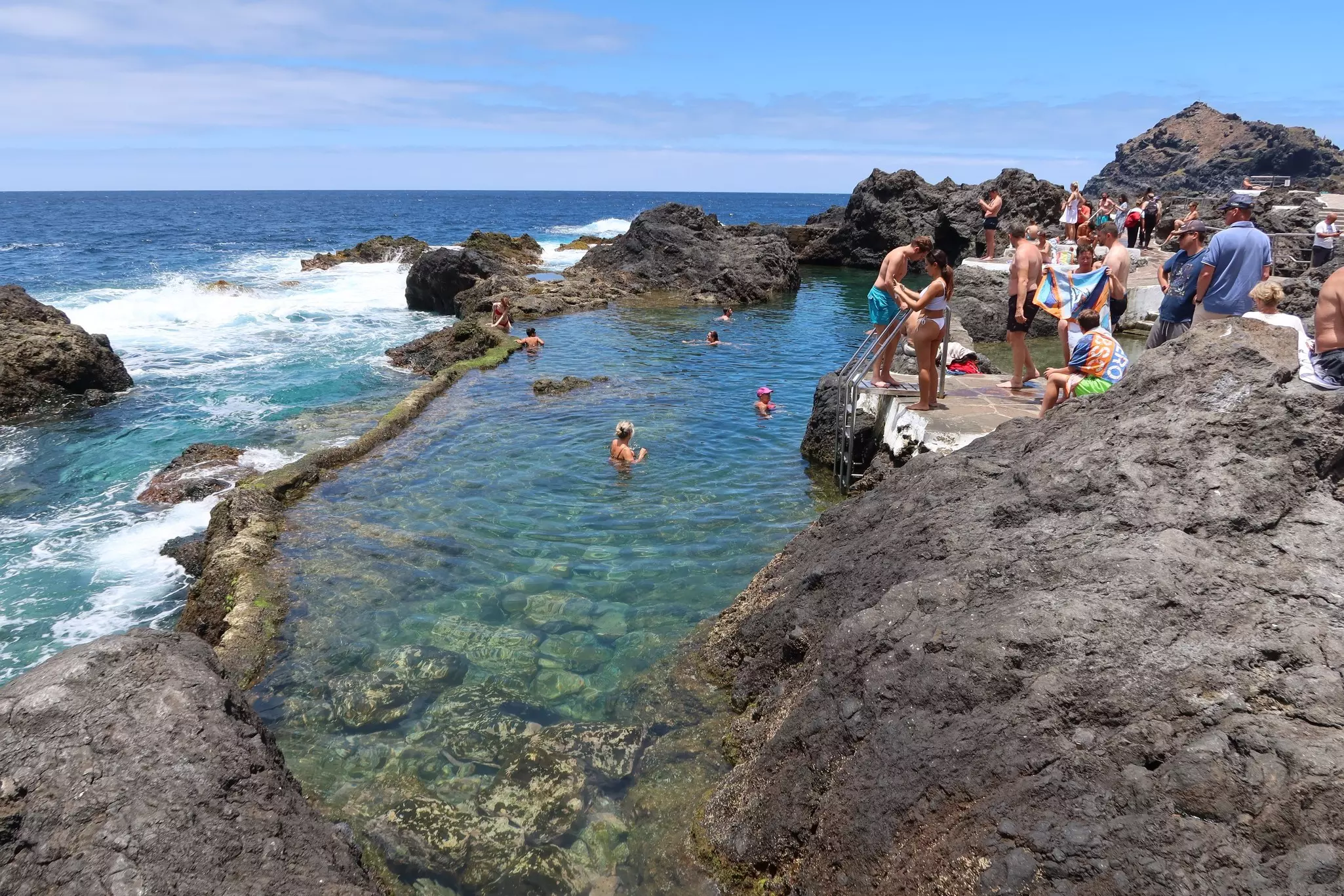
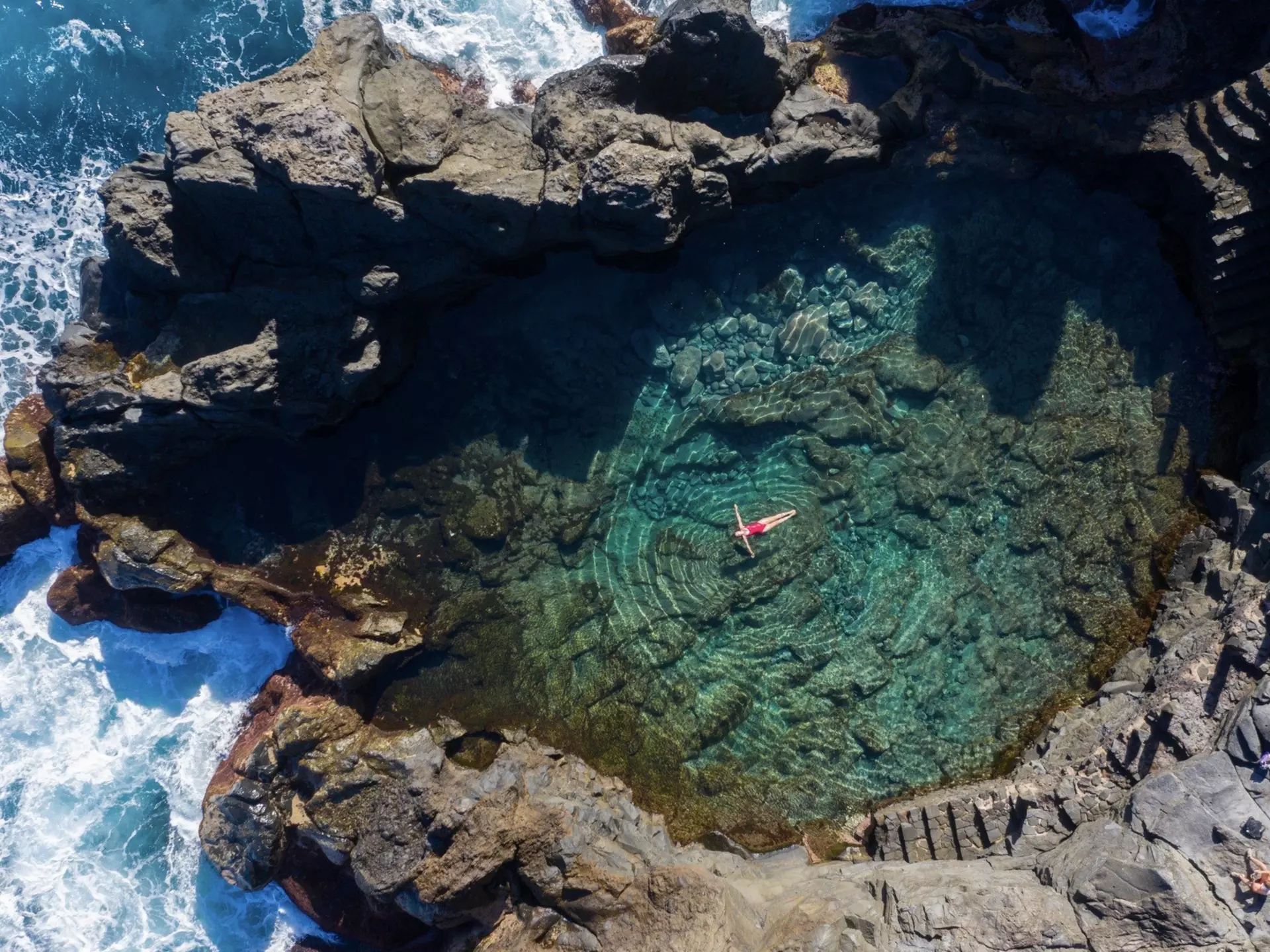
Sure, the Canary Islands burst with fabulous beaches. Yet some of the region’s most memorable attractions are its glittery natural pools. Scattered along the coastlines, these rocky visions of turquoise and cobalt were created largely by past eruptions, and now fill up with water from the swirling Atlantic Ocean according to the tides. Some feel almost like calm little lagoons; others have been lightly developed as sprawling swimming pools, where you’ll often be joining a local crowd doing laps.
Punta Mujeres in Lanzarote, La Maceta in El Hierro, Bajamar in Tenerife, and anywhere along Gran Canaria’s north coast are all blissful places to jump in.
Planning tip: Always check the tides before heading to a natural pool, as it can be dangerous to swim at high tide.
Most Canarian towns have a weekly fresh-produce market, which is as much a lively local event as a place to stock up on ingredients. Stalls are typically crammed with goodies sourced from the immediate region, often from small-scale producers on the island itself. Drop in to soak up the atmosphere and pick up beloved Canarian ingredients like palm honey, goat’s cheese, almogrote and locally grown bananas.
In the bigger cities, you’ll find fun permanent markets open most days. Don’t miss Santa Cruz de Tenerife’s wonderful, 1940s Mercado de Nuestra Señora de África, a sensation of sounds, colors and scents, with whimsical Moorish-inspired architecture.
Planning tip: They say the Canary Islands consume more cheese per person each year than anywhere else in Spain. You can meet cheese-makers on visits to queserías like Montesdeoca in Tenerife and La Casa del Queso Cabrera Pérez in Fuerteventura.
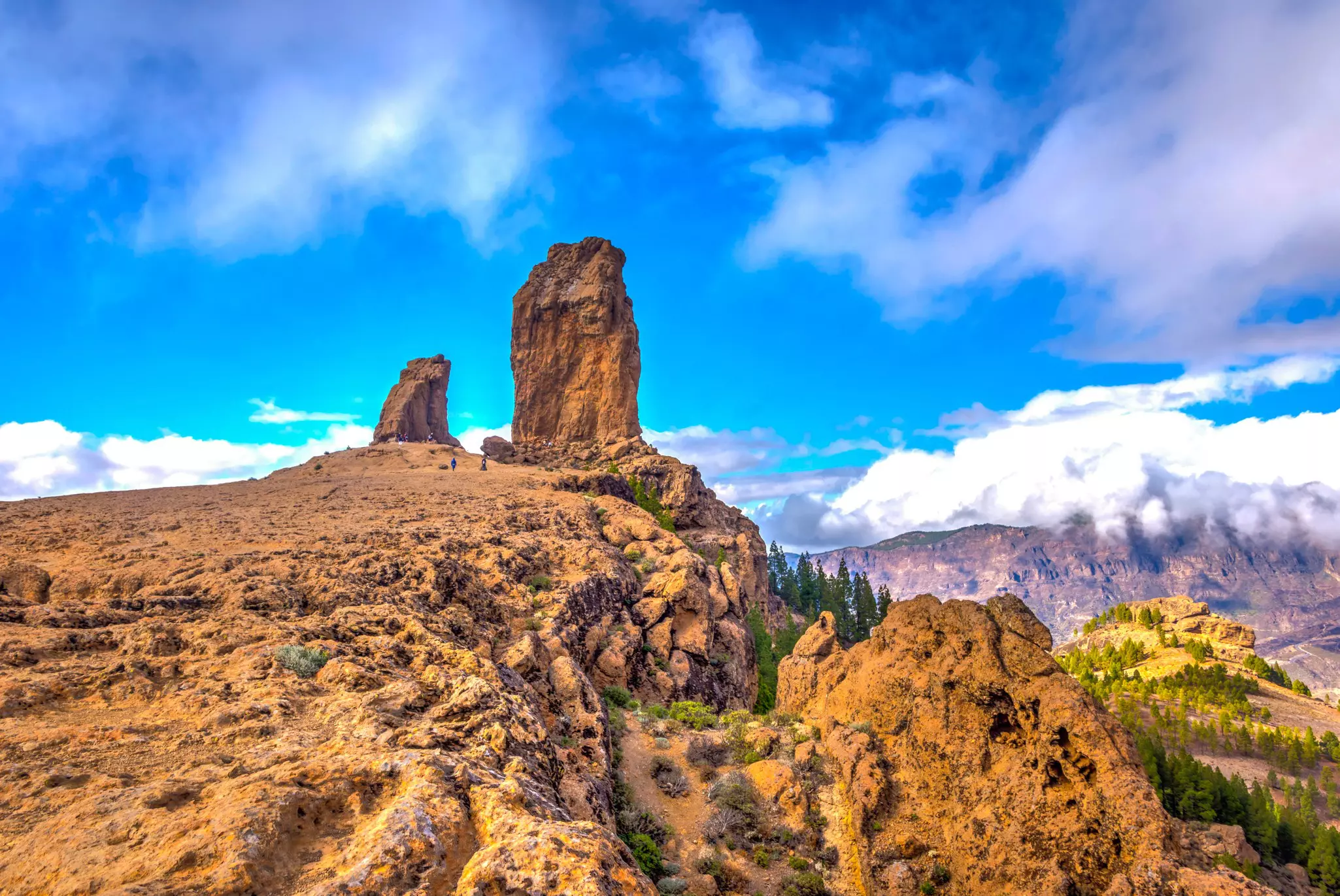
As you twist and turn into the elevated, peak-studded center of the island around the Caldera de Tejeda, you’ll discover the immense beauty of Gran Canaria’s green interior. Expect to pass some of the Canaries’ most scenic villages, including whitewashed Tejada, perched 1000m (3281ft) above sea level, and pretty Artenara, known for its cave buildings. But the real stars up here among the astonishing inland volcano-scapes are two much-photographed sky-reaching monoliths, Roque Nublo and Roque Bentayga.
The Canaries’ volcanic coasts burst with dimly lit caves, otherworldly rock formations and a wealth of curious marine life, which makes exploring beneath the waves here an unforgettable experience. Rays, turtles and over 300 species of fish roam off the shores in Atlantic waters, where you might also spot wrecks offshore. Most of the islands have a wide range of diving courses and excursions, as well as snorkeling trips. Widely considered the leader of the Canary Islands’ dive scene, El Hierro dazzles with its sun-washed Mar de las Calmas marine reserve, soon slated to become Spain’s 17th national park.
Planning tip: Most experts rank October as the best month for diving in the Canary Islands.
Explore related stories