
Vancouver
Explorable neighborhoods, drink-and-dine delights and memorable cultural and outdoor activities framed by striking natural vistas – there's a superfluity of reasons to fall for this ocean-fringed metropolis.
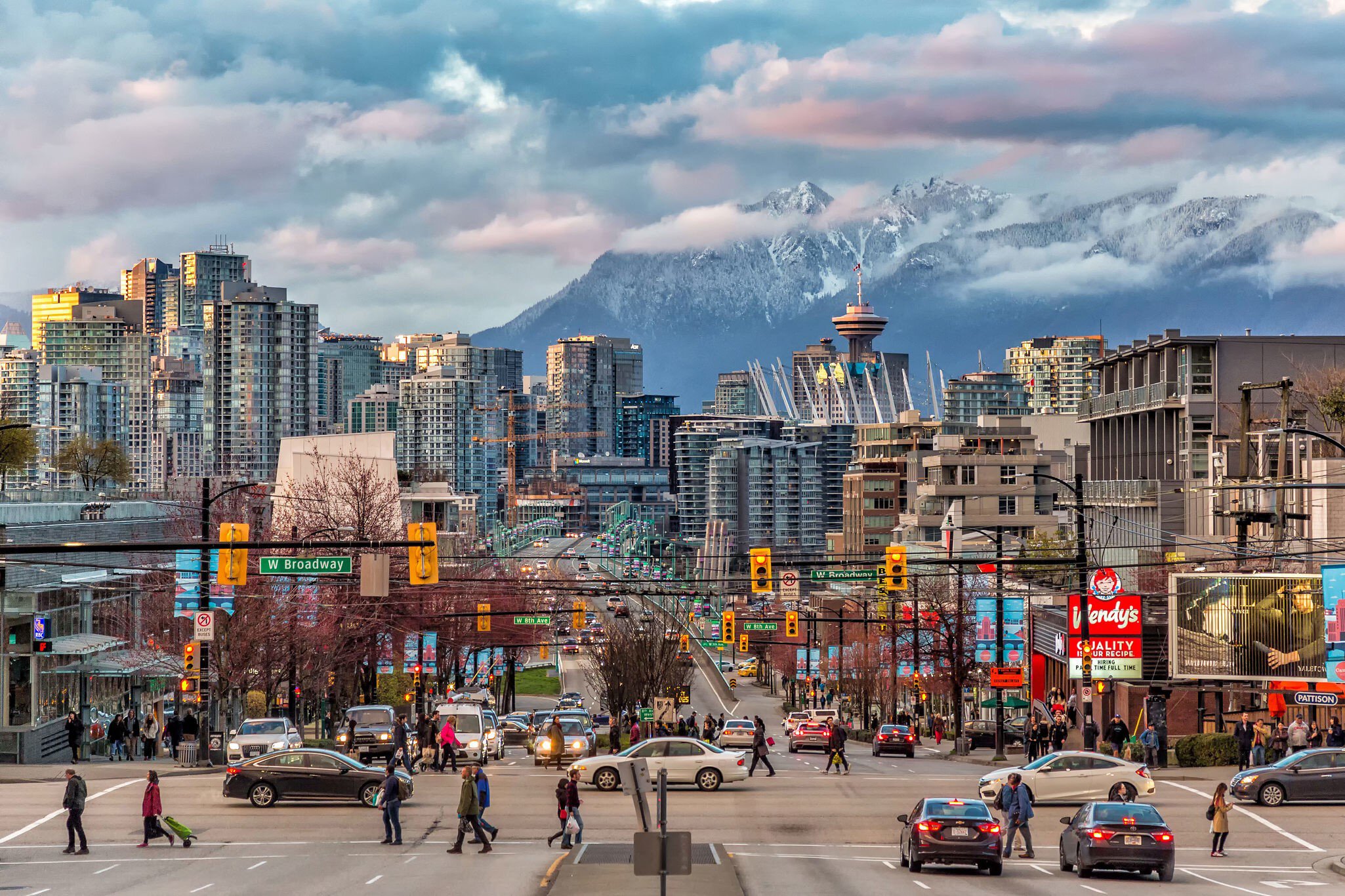
Aolin Chen/Getty Images
Latest Stories
- Bianca Bujan | Aug 28, 2026Best Things to Eat and Drink in Vancouver
- Lonely Planet Editors | Aug 12, 2026The Best Time to Visit Vancouver
- John Lee | Nov 26, 2025The Best Day Trips from Vancouver
- Bianca Bujan | Sep 22, 2025The 6 Best Neighborhoods in Vancouver for Brews, Beaches and Boutiques
Book
Trip 
14 days / 13 nights
Best of West Canada: Rocky Mountains to Vancouver Island in 2 Weeks

Trusted Partner
Dreaming of Vancouver? Protect your trip
Travel with confidence. Protect your trip and your wallet.
We don’t represent World Nomads, we receive a fee from quotes using this link. This is not a recommendation to buy travel insurance.
Book your Canada trip with Lonely Planet Journeys
See Canada how it's meant to be seen
Planned by local experts and tailored to you, Lonely Planet Journeys handles the logistics so you can just enjoy the trip. Tell us what you want and we'll build your Canada itinerary from scratch, or browse our bookable trips to get inspired.

Top places to visit in Vancouver
Discover the best attractions in Vancouver from must-see sights to unexpected hidden gems.
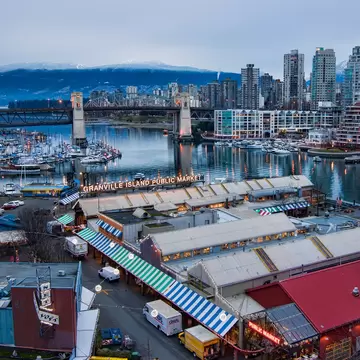
- Attraction in VancouverGranville Island Public Market
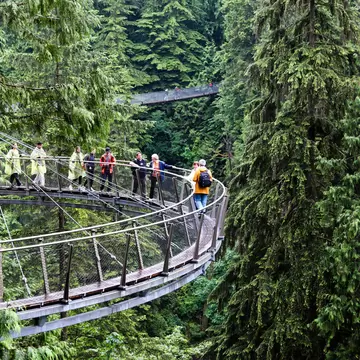
- Attraction in VancouverCapilano Suspension Bridge Park
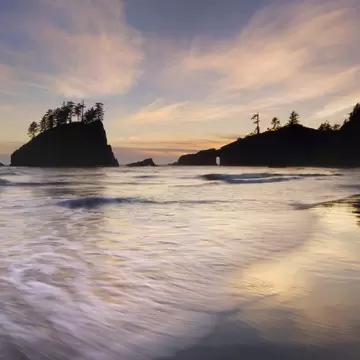
- Attraction in VancouverSecond Beach & Third Beach
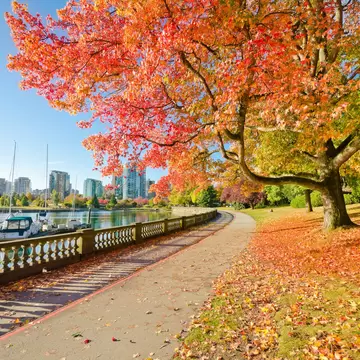
- Attraction in VancouverStanley Park
-
 Attraction in VancouverLost Lagoon
 - Attraction in VancouverStanley Park Nature House
- Attraction in VancouverStanley Park Seawall
- Attraction in VancouverVancouver Aquarium
Travel Guides
Vancouver travel tips from Lonely Planet experts
Find practical guidance from our team of contributors around the world who bring their decades of first-hand travel experience to your next trip.
Best Things to Do
Here's how to experience the best of Vancouver, from the local food scene, history and culture to adventure sports and wildlife.
Read full article
Best Time to Visit
These seasonal tips on weather, attractions and events will help you decide the best time for your visit to Vancouver.
Read full article
Things to Know
Here are Vancouver tips on what to know and do, from a local.
Read full article
Transportation
Car, bus, train, ferry, taxi, bike – there are many ways to get around the accessible city of Vancouver. Here's our guide to finding your way.
Read full article
Free Things to Do
Vancouver is often named one of Canada’s most expensive cities. But for budget-conscious travelers, there are plenty of ways to enjoy the city for free.
Read full article
Best Neighborhoods
Make the most of your visit to Vancouver with this guide to the city's best neighborhoods.
Read full article
Day Trips
Ski in Whistler, gaze out on forested mountains in Squamish, eat at the famous Richmond Night Market and more. These are 10 top day trips from Vancouver.
Read full article
Traveling with Kids
The sea-to-sky city of Vancouver makes it easy to keep the kids entertained. These top tips can help you make the most of your family visit.
Read full article
Get a book. Get inspired. Get exploring.

in partnership with getyourguide
Book popular activities in Vancouver
Lonely Planet may earn a commission from affiliate links on our site. All recommendations and reviews reflect our own independent opinions.