
Advertisement
Cambodia
There's a magic about this charming yet confounding kingdom that casts a spell on visitors. An adventure to Cambodia will inspire travelers to contemplate what happens when ancient and modern worlds collide.

Getty Images/iStockphoto
Latest Stories
- Lonely Planet Editors|May 21, 2026The 10 best beaches in Cambodia to escape to after Angkor Wat
- Nick Ray|Jan 8, 2026A guide to Angkor Wat
- James Pham|Oct 22, 2025How to plan a cruise along the Mekong Delta
- Nick Ray|Oct 22, 2025The 10 best places to visit in Cambodia
Book


Trusted Partner
Dreaming of Cambodia? Protect your trip
Travel with confidence. Protect your trip and your wallet.
We don’t represent World Nomads, we receive a fee from quotes using this link. This is not a recommendation to buy travel insurance.
Top places to visit in Cambodia
Discover the best attractions in Cambodia from must-see sights to unexpected hidden gems.
-
 Attraction in Temples of AngkorAngkor Wat
 -
 Attraction in Temples of AngkorAngkor Thom South Gate
 -
-
-
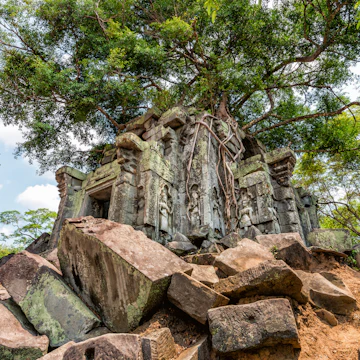 Attraction in Temples of AngkorBeng Mealea
 -
 Attraction in Angkor WatChurning of the Ocean of Milk
 -
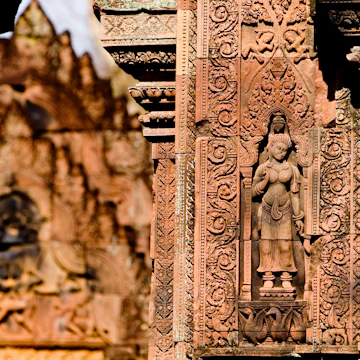 Attraction in CambodiaBanteay Srei
 -
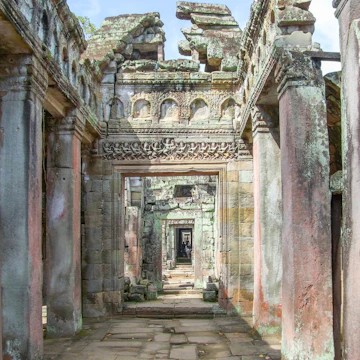 Attraction in Temples of AngkorPreah Khan

Advertisement
Travel Guides
Cambodia travel tips from Lonely Planet experts
Find practical guidance from our team of contributors around the world who bring their decades of first-hand travel experience to your next trip.
Best Things to Do
Cambodia's adventures include exploring Angkor Wat and cooking lessons in Phnom Penh, plus much more. Here, the 10 best experiences for Cambodia travel.
Read full article
Best Time to Visit
Cambodia's seasons go from hot to hotter to hottest. Find out which months are better for your trip with this guide to rainfall, temperatures and events.
Read full article
Things to Know
Prepare to visit Cambodia with top travel tips on what to pack, local customs and health and safety.
Read full article
Transportation
Compact Cambodia is surprisingly easy to get around – if you pick the best method for the route you are traveling.
Read full article
Visa Requirements
Do you need a visa to visit to Cambodia? Can you extend your visa? Where do you enter the country? We have answers to all your questions.
Read full article
Best Road Trips
The best way to take in the magic of Cambodia might be on two wheels. Here is our guide to the top motorcycle itineraries in this Southeast Asian country.
Read full article
Money and Costs
Cambodia is incredibly cheap when compared with destinations in Europe or North America. These top tips can make your budget stretch even further.
Read full article
Best Places to Visit
Visit these 10 places to tap into the richly diverse and beautiful nation of Cambodia.
Read full article
Get Connected
Want to use your phone in Cambodia? Use this guide to get connected.
Read full article
Advertisement
Get a book. Get inspired. Get exploring.
Cambodia and beyond
-
 destinationSouth Coast
 -
 destinationSiem Reap
 -
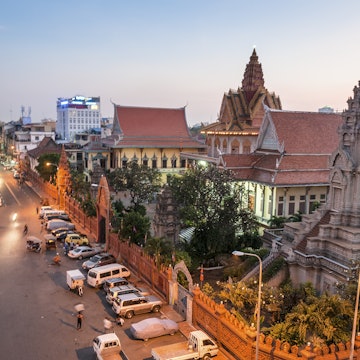 destinationPhnom Penh
 -
 destinationTemples of Angkor
 -
 destinationSihanoukville
 -
 destinationBattambang
 -
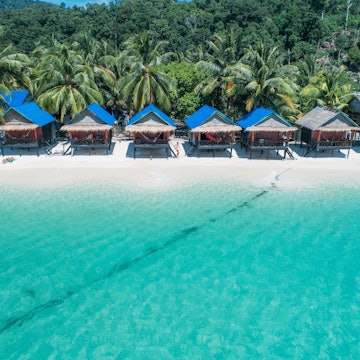 destinationThe Southern Islands
 -
 destinationKampot
Advertisement