
Advertisement
Bulgaria

Exterior of the Orthodox Rila Monastery in the Rila Nature Park. 1160109394 ancient, architecture, attraction, autumn, beautiful, blue, building, bulgaria, church, city, clouds, courtyard, culture, destination, europe, exterior, facade, fall, famous, heritage, historic, history, journey, landmark, medieval, monastery, monument, mountains, national, national park, october, old, orthodox, park, religion, religious, rila, rila monastery, rila nature park, sky, structure, tourism, tourist, town, travel, unesco, vacation, vibrant, visit
Overview
Soul-stirring mountains rival golden beaches, while cities hum with nightlife and art. Within Bulgaria’s beguiling blend of nature and history, unforgettable adventures are guaranteed.
Must-see attractions
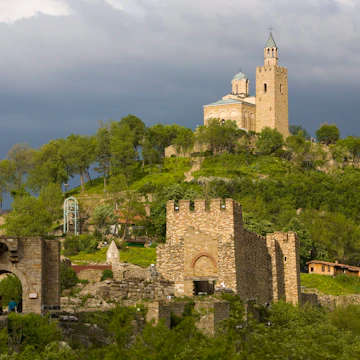 Attraction in Veliko TârnovoTsarevets Fortress
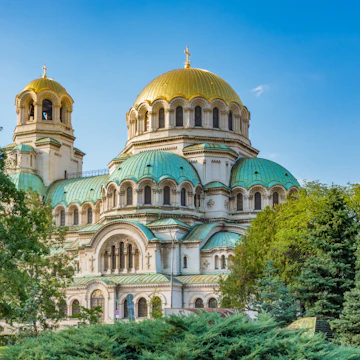 Attraction in SofiaAleksander Nevski Cathedral
 Attraction in BulgariaThracian Tomb of Sveshtari
 Attraction in BulgariaEtâr Ethnographic Open-Air Museum
- Attraction in BulgariaDryanovo Monastery
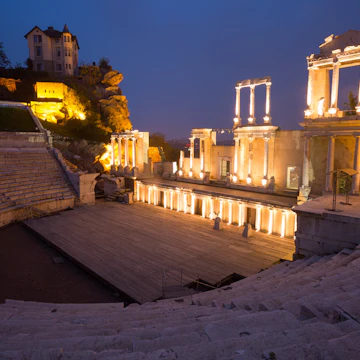 Attraction in PlovdivRoman Amphitheatre
- Attraction in Black Sea CoastSummer Palace of Queen Marie & Botanical Gardens
- Attraction in BulgariaFounders of the Bulgarian State Monument
Advertisement
Planning Tools
Expert guidance to help you plan your trip
Best Things to Do
There’s much more to this charming mountain town than skiing and snowboarding. Here’s what you can enjoy in all seasons.
Read full article
Best Time to Visit
Heading to Bulgaria? Get ready for plenty of outdoor action! Here are the best times to come for the beaches, hiking, skiing and colorful festivals.
Read full article
Things to Know
This 460-mile ride along the Danube through Bulgaria is one of Europe’s least known long-distance routes. Here’s how to tackle it.
Read full article
Best Road Trips
Explore the Balkan Peninsula and the turquoise waters of the Adriatic with these scenic drives in southeastern Europe – a perfect road trip experience.
Read full article
Money and Costs
A vibrant arts scene, heartwarming food, fascinating history and a chilled-out vibe - here's Lonely Planet's guide to the best things to do in Sofia.
Read full article
Traveling with Kids
Explore the Balkan Peninsula and the turquoise waters of the Adriatic with these scenic drives in southeastern Europe – a perfect road trip experience.
Read full article
Advertisement
Get a book. Get inspired. Get exploring.
Bulgaria and beyond
 destinationBlack Sea Coast
 destinationSofia
 destinationPlovdiv
 destinationVarna
 destinationVeliko Târnovo
 destinationBurgas
 destinationRuse
Advertisement