
Advertisement
Brazil
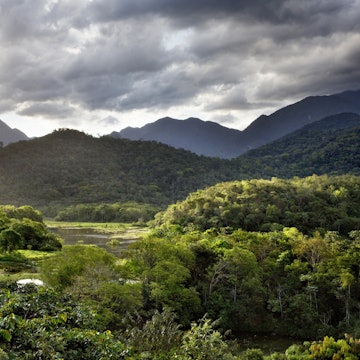
Much like its national cocktail, the caipirinha, Brazil is an intoxicating blend of tropical flavors that packs a punch of unforgettable experiences. From powdery white-sand beaches and wildlife-filled rainforests to thundering waterfalls, pumping surf, and frozen-in-time colonial towns, Brazil travel offers an endless mix of adventure and beauty. Add in thundering waterfalls, pumping surf and frozen-in-time colonial towns, and Brazil's allure becomes undeniable. Not sure where to start planning your Brazil trip? Get inspired with expert tips on top attractions, the best beaches, and the ideal time to visit.

©Nat Photos/Getty Images
Latest Stories
- Rosie Bell|May 6, 2026The top 10 beaches to visit in Brazil
- Jamie Ditaranto|Mar 31, 2026The best time to visit Brazil
- Catherine Balston|Jan 28, 202615 of the best things to do in Brazil
- Catherine Balston|Nov 18, 2025The most incredible places to visit in Brazil
Book

Trusted Partner
Dreaming of Brazil? Protect your trip
Travel with confidence. Protect your trip and your wallet.
We don’t represent World Nomads, we receive a fee from quotes using this link. This is not a recommendation to buy travel insurance.
Top places to visit in Brazil
Discover the best attractions in Brazil from must-see sights to unexpected hidden gems.
-
 Attraction in Fernando de NoronhaBaía do Sancho
 -
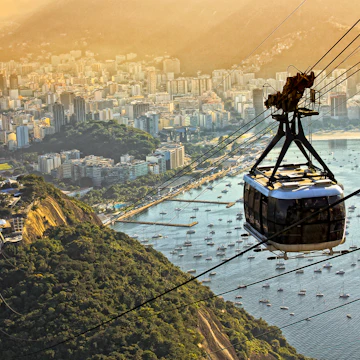 Attraction in Rio de JaneiroPão de Açúcar
 - Attraction in São PauloMercado Municipal
- Attraction in Belo HorizonteInstituto de Arte Contemporânea Inhotim
- Attraction in São PauloEdifício Copan
- Attraction in Fernando de NoronhaParque Nacional Marinho de Fernando de Noronha
- Attraction in LençóisParque Nacional da Chapada Diamantina
-
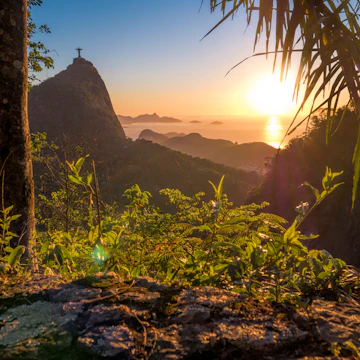 Attraction in Rio de JaneiroParque Nacional da Tijuca
Advertisement
Travel Guides
Brazil travel tips from Lonely Planet experts
Find practical guidance from our team of contributors around the world who bring their decades of first-hand travel experience to your next trip.
Best Things to Do
Nature and wildlife, carnaval and street parties, and incredible food – here's what not to miss in Brazil.
Read full article
Best Time to Visit
Brazil offers a wide range of activities, from beaches to rainforest to festivals. Plan your adventure with this handy seasonal guide.
Read full article
Things to Know
There are endless ways to experience Brazil, but these are the top things to know if you want to plan a trip that goes above and beyond.
Read full article
Transportation
Find your way around in Brazil with this guide to the country's transportation.
Read full article
Visa Requirements
Brazil is one of South America's big hitters, and getting a visa is easy for most nationalities. Here’s everything you need to know.
Read full article
Best Road Trips
From coastal drives to winding mountain roads, getting behind the wheel in Brazil opens up a world of natural wonders. Here are Brazil's best road trips.
Read full article
Traveling with Kids
With top tips on safety and places to go, find the perfect activities for all age groups on your family trip to Brazil.
Read full article
Best Places to Visit
Don't get overwhelmed by the scale of Brazil – get organized! Here are our top 10 favorite places to visit in this South American sensation.
Read full article
Get Connected
Stay connected on your travels in Brazil with this guide to cell phone networks, wi-fi and mobile internet.
Read full article
Advertisement
Get a book. Get inspired. Get exploring.


in partnership with getyourguide
Book popular activities in Brazil
Brazil and beyond
-
 destinationRio de Janeiro
 -
 destinationRio de Janeiro State
 -
 destinationThe Amazon
 -
 destinationSão Paulo State
 -
 destinationSão Paulo
 -
 destinationBahia
 -
 destinationMinas Gerais
 -
 destinationSanta Catarina
Advertisement