Jan 29, 20266 min read
The best time to visit Rio de JaneiroFeb 16, 2025
5 MIN READ

Writer
Writer
A city that famously embraces joyous pleasure, Rio de Janeiro is always a dynamic place to visit, no matter how you like to spend your time.
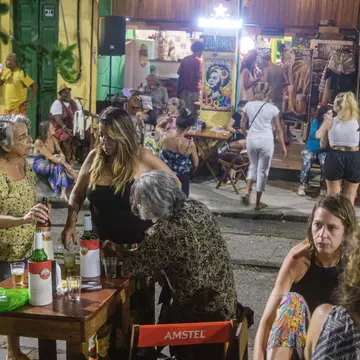
While large-scale festivities such as Carnaval have made Rio world-famous, occasions for revelry happen every day: Saturday sun sessions at Ipanema Beach; festas (parties) in Lapa; soccer matches at Maracanã; and impromptu rodas de samba (samba circles) on the sidewalks of Leblon, Copacabana or just about any other corner of the city.
Planted between lush, forest-covered mountains and fabulous beaches, Rio is surely one of the world’s most beautiful cities.
Verdant peaks and golden sands fronting a deep blue sea offer a range of adventures: surfing great breaks, hiking through Floresta da Tijuca’s rainforest and rock climbing up the face of Pão de Açúcar (Sugarloaf Mountain).
Now that we have your attention, here are a few more top things to do in Rio de Janeiro.
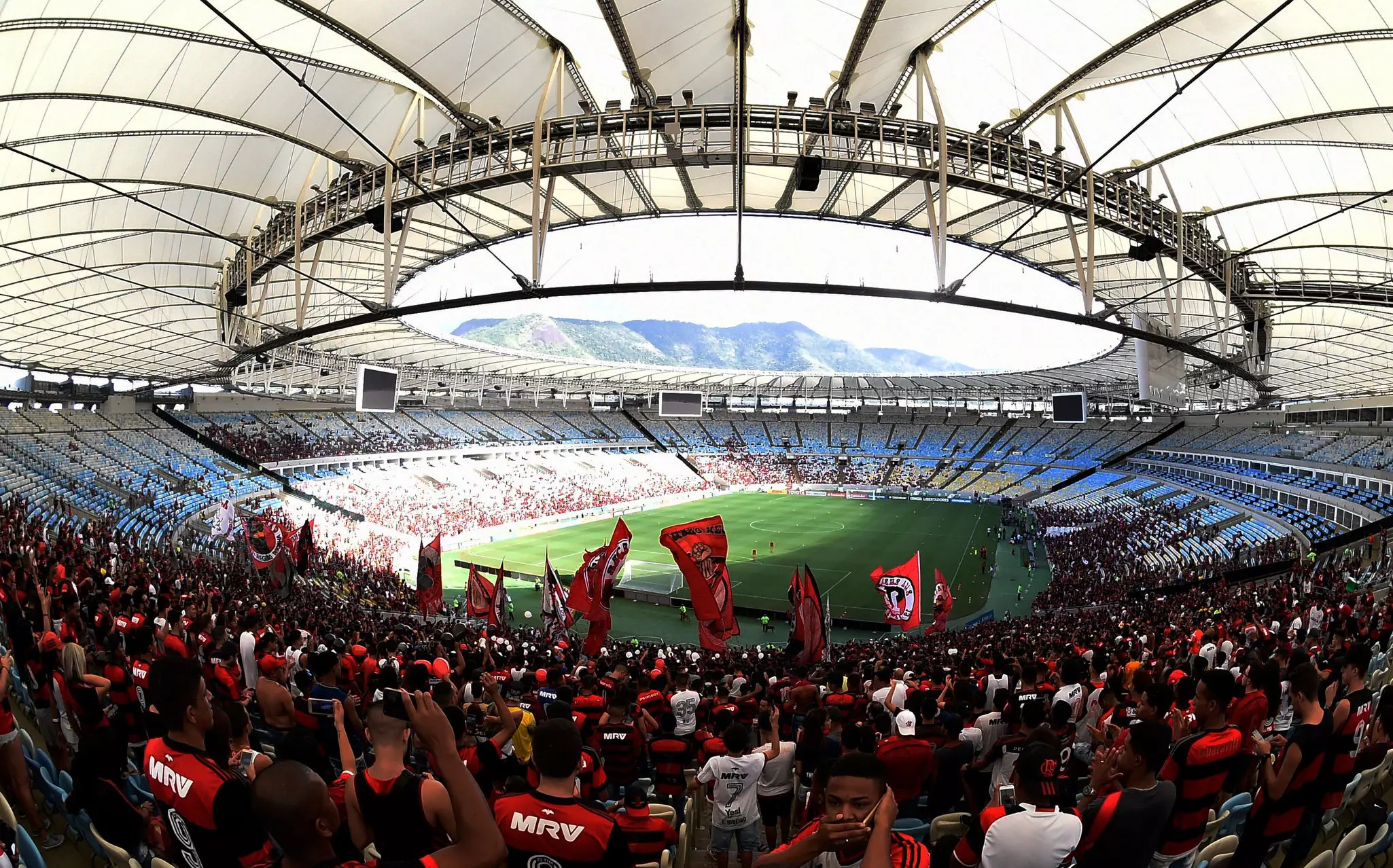
Rio’s Maracanã Stadium is hallowed ground for soccer lovers. The massive arena has been the site of legendary victories and crushing defeats for the national team – and played a starring role in the 2014 World Cup.
The stadium also staged the opening and closing ceremonies of the 2016 Summer Olympics. No matter who takes the field, the 78,800-seater comes to life in spectacular fashion on game days.
Planning tip: When local teams are playing, expect a full-throttle crowd. Immerse yourself in surging emotions with a seat in the North or South areas; head to the West for a calmer spectating experience.
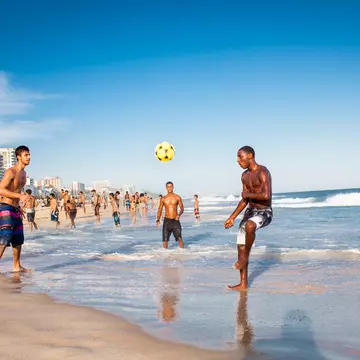
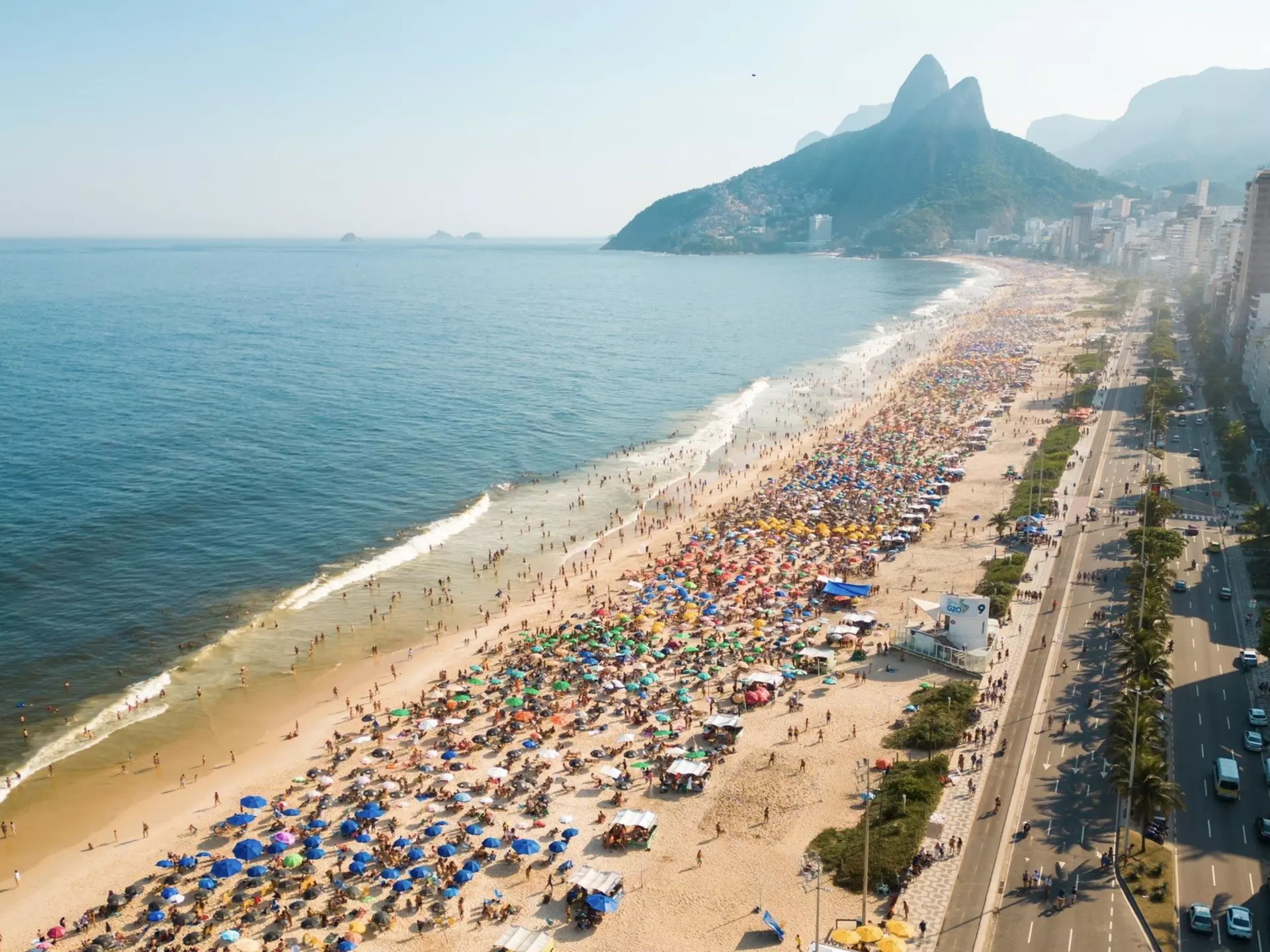
A magnificent confluence of land and sea, the long, scalloped beach of Copacabana extends for some 4km (2½ miles), with a flurry of activity along its entire length. Over-amped soccer players sing their team’s anthem.
Cariocas (Rio residents) and tourists line up for caipirinhas (cocktails made from limes, sugar, ice and high-proof sugarcane alcohol) at kiosks. Kids show off their soccer skills. And beach vendors shout out their wares among the thousands of tanned beach bodies.
Local tip: The sea here is usually fine for a plunge, though it’s best to check the water quality via the INEA website (in Portuguese) before you visit – especially following heavy rainfall, when the water sometimes gets contaminated with sewage. Scan the page for Copacabana (or whichever local beach you’re visiting), and if it’s green, go for it. If it’s red, count on kicking back on the sand and sipping your caipirinha.

Seen from the peak of Pão de Açúcar (Sugarloaf Mountain), Rio is one Cidade Maravilhosa (Marvelous City) indeed. There are many good times to make the ascent – though we think sunset on a clear day is the most rewarding.
Two cable cars connect to the summit, 395m (1296ft) above Rio. At the top, the city unfolds beneath you, with Corcovado mountain and Cristo Redentor off to the west and Copacabana Beach to the south.
Planning tip: Sugarloaf’s views draw big crowds. If want to avoid them, skip the sunset slot and ascent just after 8am.

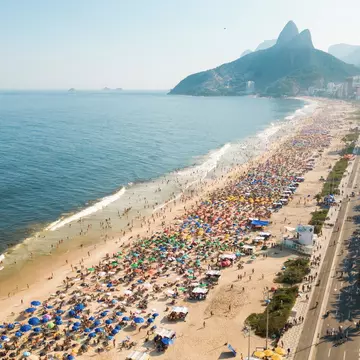
One long stretch of sun-drenched sand, Ipanema Beach is demarcated by postos (posts), which mark off subcultures as diverse as the city itself.
Posto 9, by Rua Vinícius de Moraes, is where Rio’s lithest and most bronzed bodies congregate. The area is also known as Cemetério dos Elefantes because of the handful of old leftists, hippies and artists who sometimes hang out there.
In front of Rua Farme de Amoedo is Praia Farme, the stomping ground for Rio’s gay society.
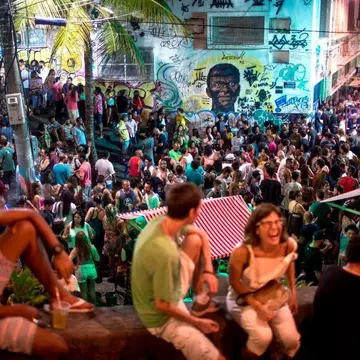
This former red-light district is the center of a Rio’s stupendous nightlife scene, with dozens of music clubs, bars and old-fashioned restaurants scattered along its avenues.
It’s great fun, it’s true – but it’s also true that you should keep your wits about you and eyes peeled for pickpockets and muggers. It’s wise to go in a group and stay where the crowds are.
A popular female-owned hangout is Cozinha da Lapa. For a brief switch from Brazilian food, the Peruvian restaurants Sabor Peruano and Panka are both reliably delicious and reasonably priced.
Local tip: For a lively yet low-key evening among a largely homegrown crowd, catch one of the music nights at the organic produce shop and cafe run by the Landless Workers Movement (MST), Armazém Do Campo.
Standing tall atop Corcovado (which means “hunchback”) at 38m (125ft), the open-armed Cristo Redentor gazes out over Rio, a placid expression on his well-crafted face. The mountain rises straight up from the city to 710m (2329ft) – and at night the brightly lit statue at its summit is visible from nearly every part of the city.
Corcovado lies within the lush Parque Nacional da Tijuca. The most popular way to reach the statue is to take the red narrow-gauge train, which departs every 30 minutes and takes approximately 20 minutes to reach the top.
Local tip: Same-day tickets are not available from the cog-train station; buy tickets online ahead of time.
With cobbled streets and aging mansions hugging a hill overlooking the city, Santa Teresa retains the charm of days past and is hands-down Rio’s most atmospheric neighborhood.
Currently the residence of a new generation of artists and bohemians, this village-like neighborhood has colorful restaurants and bars and a lively weekend scene centered around Largo do Guimarães and Largo das Neves. Catch the bonde (cable car) up the hill to soak it all in.

One of the city’s most picturesque spots, Lagoa Rodrigo de Freitas is encircled by a 7¼km (4½-mile) walking and cycling path. Bikes are available for hire from stands along the east side of the lake, as are paddleboats.
For those who prefer caipirinhas to plastic swan vessels, the kiosks on either side of the lake offer alfresco food and drinks, sometimes accompanied by live music on warm nights.
Explore related stories