Feb 9, 20268 min read
The 11 Best Things to Do in ViennaFeb 9, 2026
8 MIN READ

Writer
Stadtpalais Liechtenstein in Vienna in autumn. AustriaMistervlad/Shutterstock

Writer
Highlights
Writer Becki Enright rounds up 11 Vienna experiences, from palaces to vineyards.
Climb Stephansdom's South Tower for panoramic views, then tour the Hofburg's imperial apartments.
Linger at Landtmann or Café Central for Vienna's UNESCO-listed coffeehouse culture.
Tour Schönbrunn's Rococo rooms, then head to Schloss Belvedere for Klimt's The Kiss.
Lonely Planet may earn a commission from affiliate links on our site. All recommendations and reviews reflect our own independent opinions.
Marvelous, elegant and lively, Vienna boasts ruins and relics, masterpiece-stuffed museums and grand palaces. It’s also a modern metropolis that’s consistently rated one of the world’s most liveable cities – and you can see why as you explore its gracious Bezirke (districts), cutting-edge cultural attractions and countless parks and plazas that are ideal for unwinding in after a day of sightseeing.
It's also easy to get around in Vienna. The historic center can be explored by foot, and there are riverside bike paths, plus excellent public transport (with trams, trains and buses) to get you from A to B.
Vienna is one of those European cities that has something to draw you in across every season, which means there is no bad time of the year to visit.
To help guide your trip to Vienna we've picked out the best things to do, but this is really just a beginning.
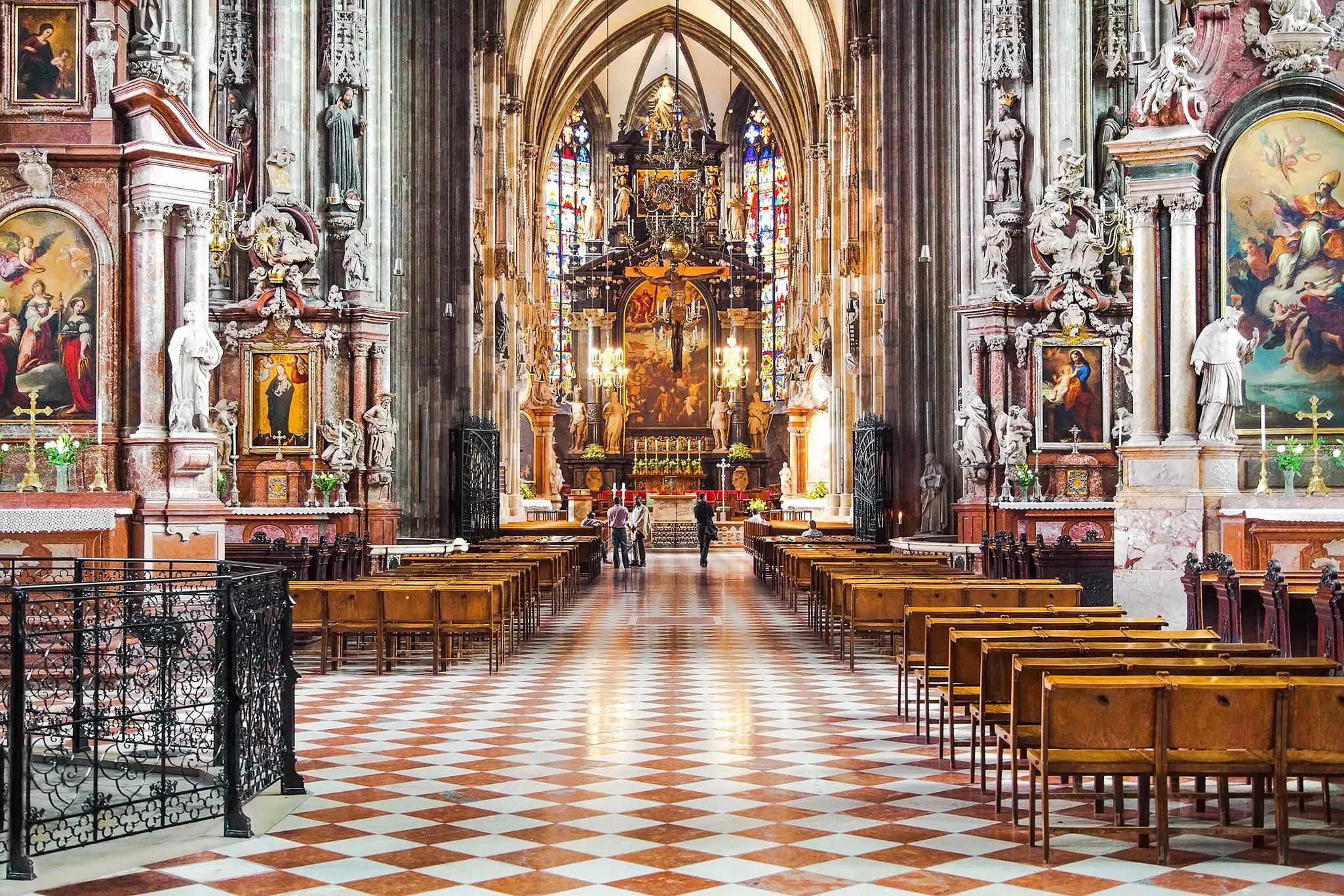
Gothic and glorious, iconic Stephansdom and its 446ft-high (136m-high) South Tower loom over the central Innere Stadt. The church is free to enter, though you’ll have to pay to get a close-up look at the Gothic masterworks in the cathedral museum. An elevator whisks you up to the 21-ton Pummerin bell in the North Tower. You can also tackle the 343 steps up to the South Tower steps for views of the colorful mosaic roof tiles and sprawling city views. You’ll have a more somber experience in the subterranean Catacombs, an ossuary for those who perished during the Plague.
A show of imperial power through architecture, this 2,583,338-sq-ft (240,000-sq-m) castle complex is where the Habsburgs stacked up their endless collections of art and artifacts. The visit begins in the Sisi Museum and Imperial Apartments, then leads through a resplendent enfilade of 17 regal rooms, finishing in the frescoed, columned Prunksaal (State Hall of the Austrian National Library). Cabinets displaying the Austrian crown jewels dazzle in the Kaiserliche Schatzkammer, while the Weltmuseum teems with 250,000 anthropological objects amassed by curious royals. The castle’s most famous current residents are the majestic Lipizzaner stallions that regularly demonstrate breathtaking feats of equestrianism at the Spanish Riding School’s baroque winter arena. Feeling blinged out? Take a cultural breather in the rose-laden Volksgarten or lounge on the Burggarten’s lawns.
Planning tip: The Hofburg sits on the Ringstrasse, a grand boulevard built after the city’s fortification walls were razed in 1850. A leisurely walk or a tram ride (lines 1 or 2) will reveal some of the city’s architectural highlights, including the neo-Renaissance Staatsoper, the Greek temple–like Austrian Parliament, the neo-Gothic Rathaus (City Hall) and the Renaissance-style University of Vienna.
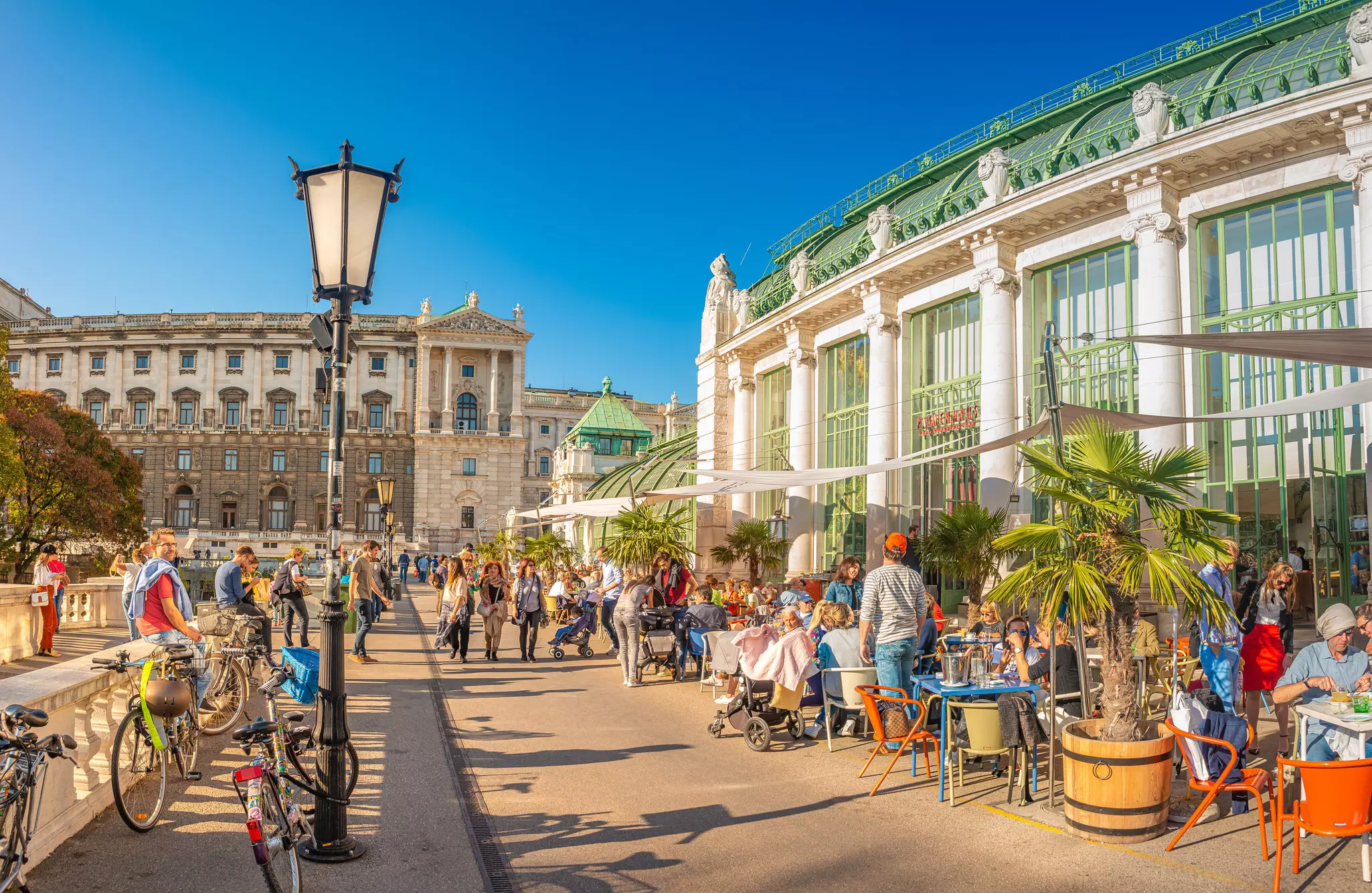
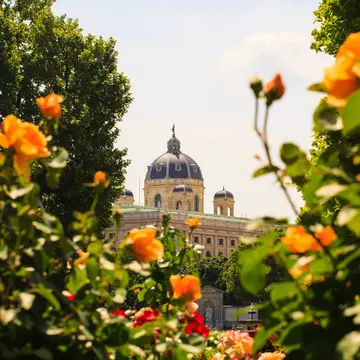
Two institutional treasures sit across the Ringstrasse from the Hofburg, on Maria-Theresien-Platz: a symmetrical pair of grandly domed buildings that house the Naturhistorisches Museum Vienna and the Kunsthistorisches Museum. In these museums’ endless galleries, the collections span seven millennia. Browse meteorites and minerals; antiquities from ancient Egypt, Greece and Rome; precious and peculiar art finds in the Kunstkammer (cabinet of curiosities); and world-famous old-master paintings.
Just opposite, the MuseumsQuartier is a remarkable cultural district of some 11 exhibition spaces that occupy what was once the imperial stables. Two heavyweights bookend the courtyard: the Leopold Museum, with its 8300 works of Austrian modernism, and MUMOK, filled with expressive, experimental and avant-garde pieces.
Lonely planet’s trusted travel insurance provider
Travel with confidence. Protect your trip and your wallet.
We don’t represent World Nomads, we receive a fee from quotes using this link. This is not a recommendation to buy travel insurance.
Detour: The city’s more than 100 museums contain weird, wacky and wondrous displays. Think spots like the Funeral Museum at the Central Cemetery, museums celebrating everything from clowns to contraception, and even tours of the sewer system and the Spittelau waste-incineration plant.
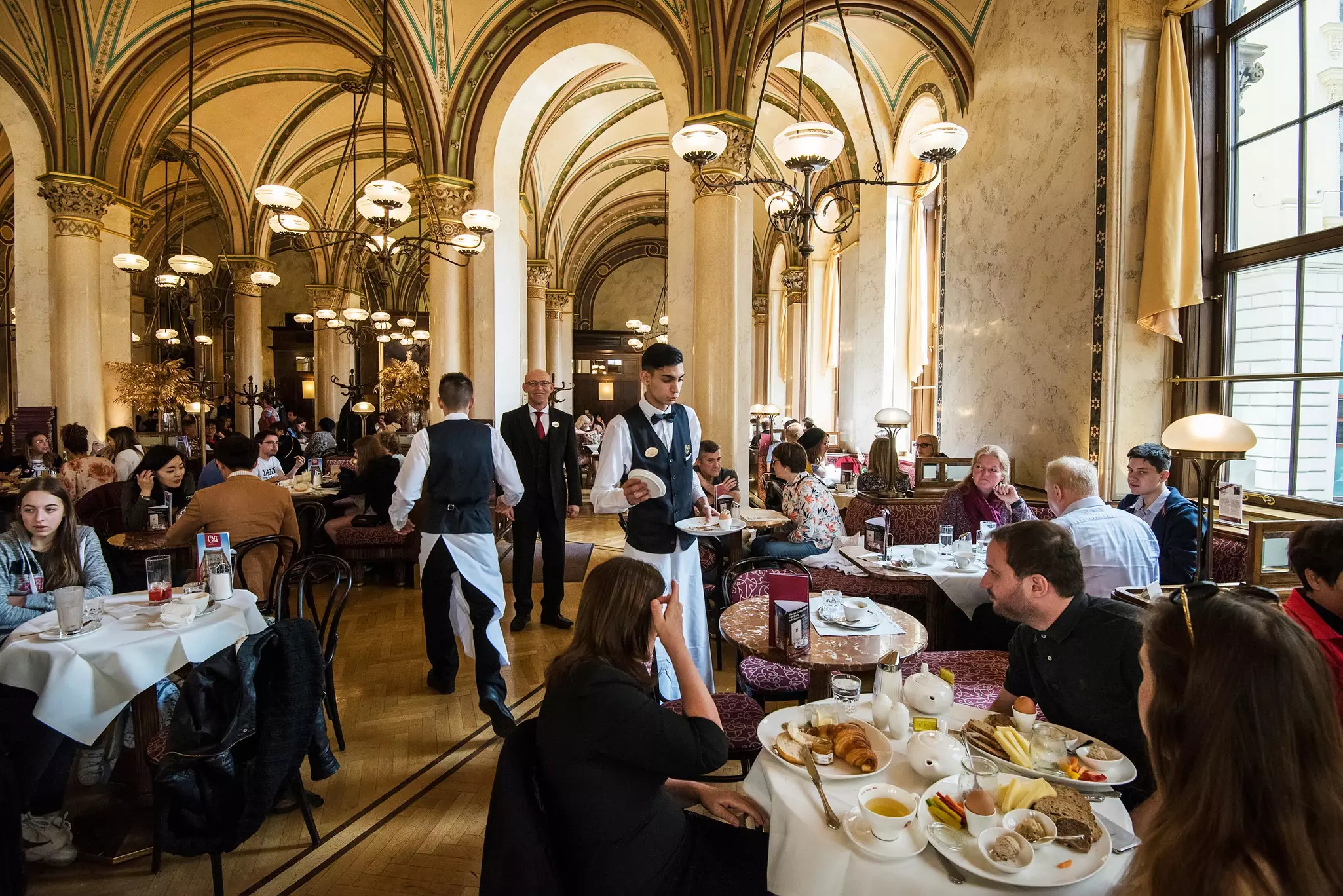
Vienna’s bentwood-chair-filled, wood-paneled and chandelier-lit living rooms, the famous cafes here really do have suited waiters and live music. They’re places you linger over a coffee, newspaper in hand, and people-watch for hours. Vienna’s coffeehouse culture has been brewing since the late 1600s – but where’s the best spot to find a cup of this UNESCO intangible cultural heritage? You can’t go wrong at art deco Prückel, marbled Schwarzenberg and the cosmopolitan classic Landtmann, all Ringstrasse originals. Or sample the style spectrum, from gilded and luminous Café Central to dusky and edgy Kaffee Alt Wien.
Local tip: Third-wave, new-generation coffee shops and specialty roasters are as much a fixture of the Vienna coffee scene as their traditional forebears. Top picks in the central districts include Balthasar Kaffee Bar, Kaffeemik, CoffeePirates, The Good Coffee Society, GOTA Coffee Experts and Kaffeefabrik.
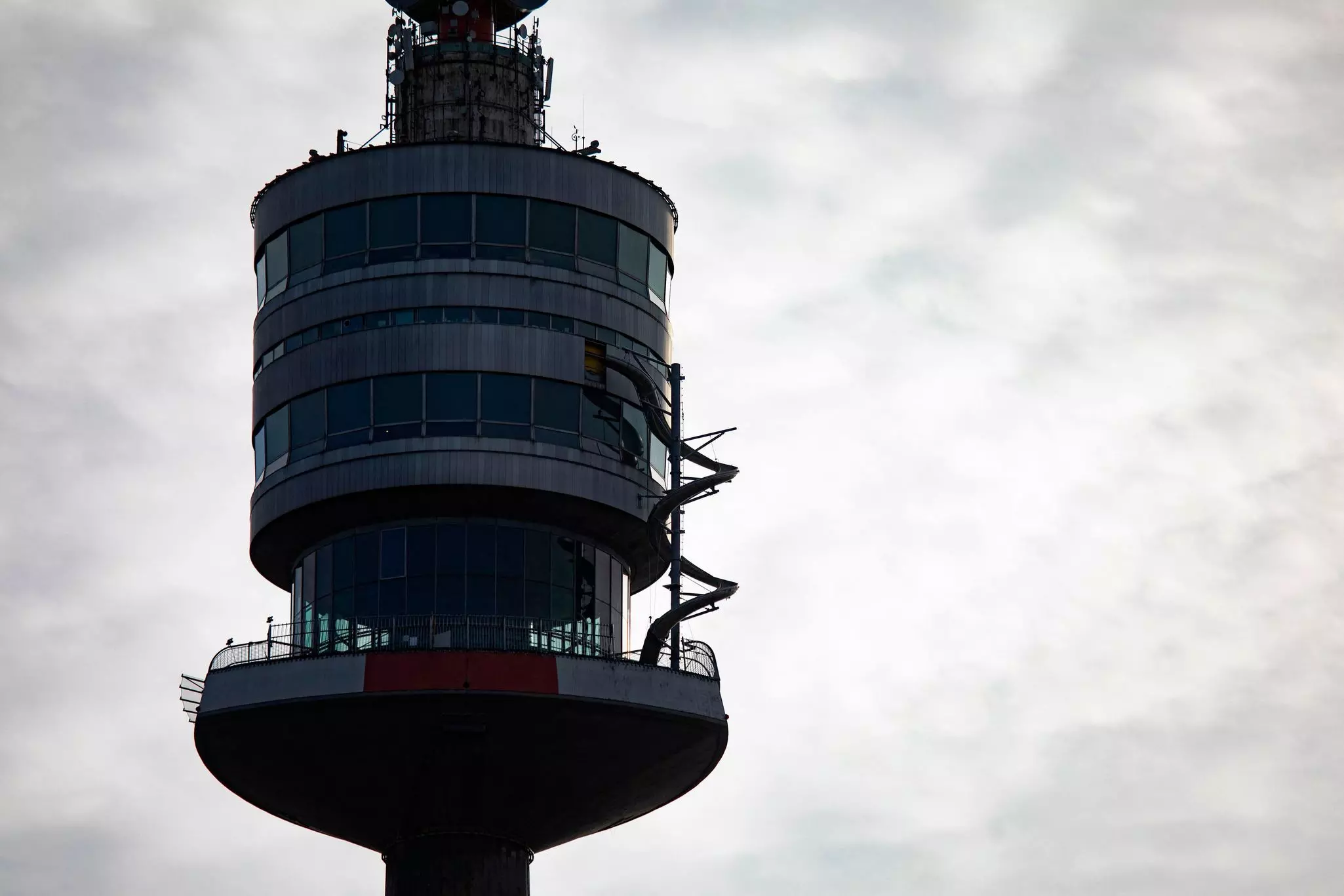
Austria’s tallest structure, the 827ft-high (252m-high) Danube Tower (Donauturm) has been a staple of the Vienna skyline for 60 years. In addition to the panoramic viewing platform and restaurant, the tower now has a high-altitude thrill: you can now whoosh down to the viewing deck from a starting point of 541ft (165m) on Europe’s highest slide, created by the artist Carsten Höller.
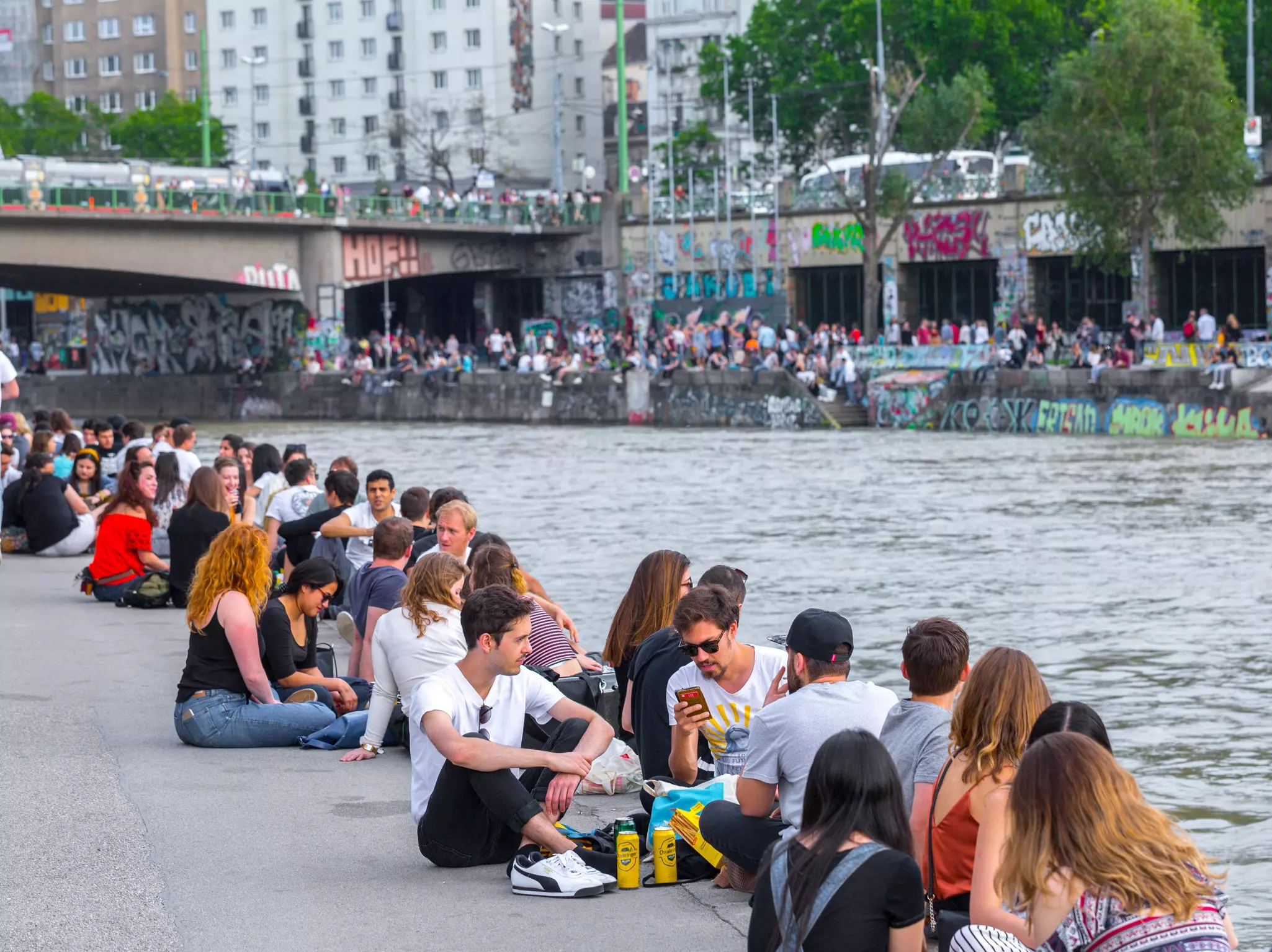
When not at spectacular Alpine lakes, Viennese in the summer months can be spotted at riverside joints and sandbank hangouts along the beautiful Danube – which, thanks to centuries of engineering, has several local incarnations. Picnic on the promenade or kick back in a bar on the street-art-covered Danube Canal (Donaukanal). Snag a spot on the banks of the Old Danube (Alte Donau), a prime swimming locale – or head to the New Danube (Neue Donau) to grab a deck chair and cocktails at pop-up bar Copa Beach, and to get down to DJ-directed beats at Vienna City Beach Club.
Local tip: Along the Danube Canal, the anchored boat Motto am Fluss and the urban beach bar and silent-disco spot Strandbar Herrman are both top choices.
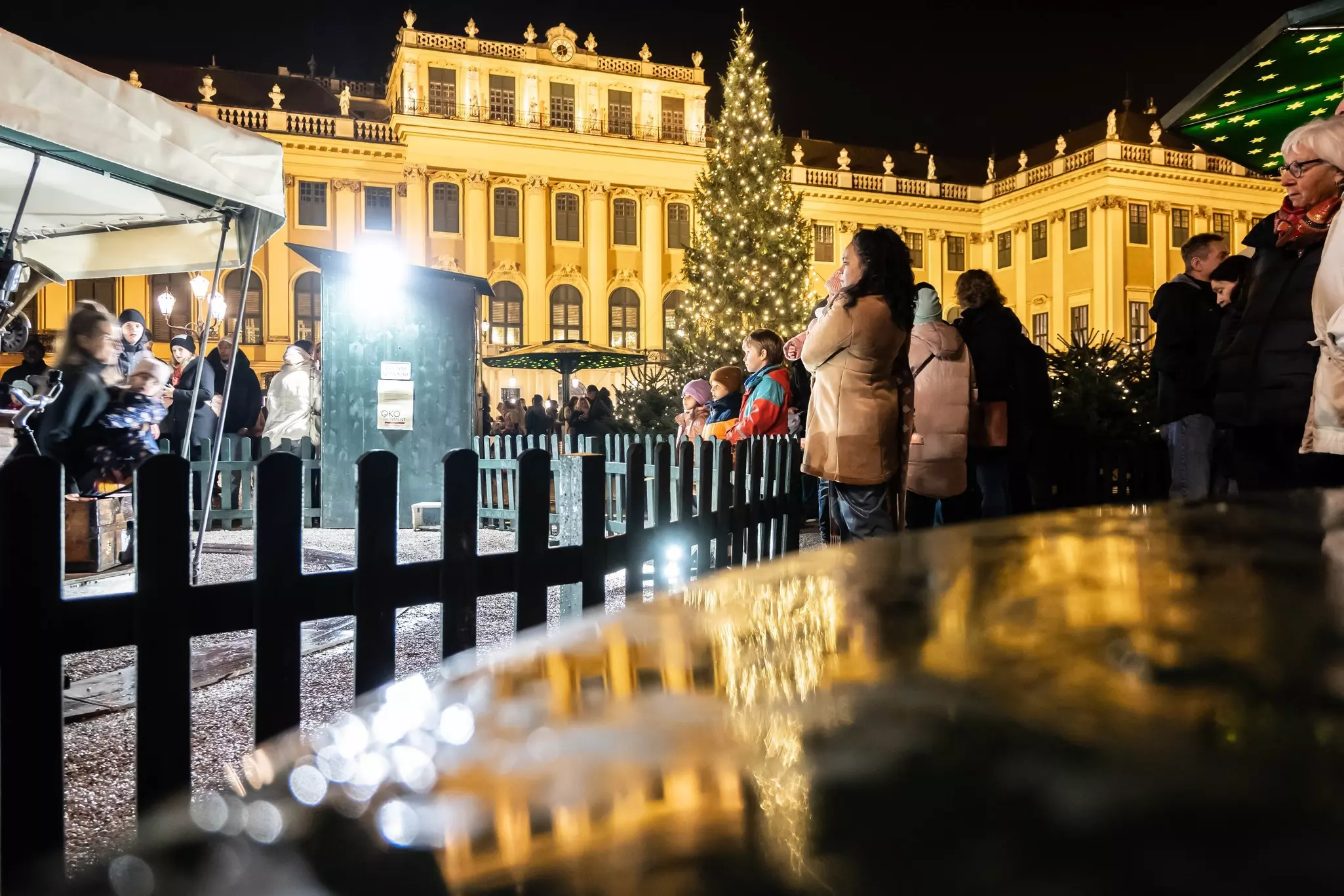
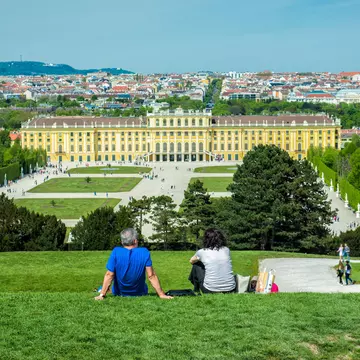
Since stately Schloss Schönbrunn is Vienna’s most visited attraction, it pays to get on one of the first tours of the 45 opulent Rococo state rooms, dazzling ceremonial halls and sumptuous private apartments of the summer Habsburg residence and final home of Empress Elisabeth and Emperor Franz Joseph. You’ll emerge onto the grounds of the Schlosspark, still adorned with the palatial fountains, obelisks and hilltop triumphal arch Gloriette, which was commissioned by Maria Theresa. Founded in 1752 by her husband, Emperor Franz I Stephan von Lothringen, Schönbrunn’s Tiergarten is the oldest zoo in the world.
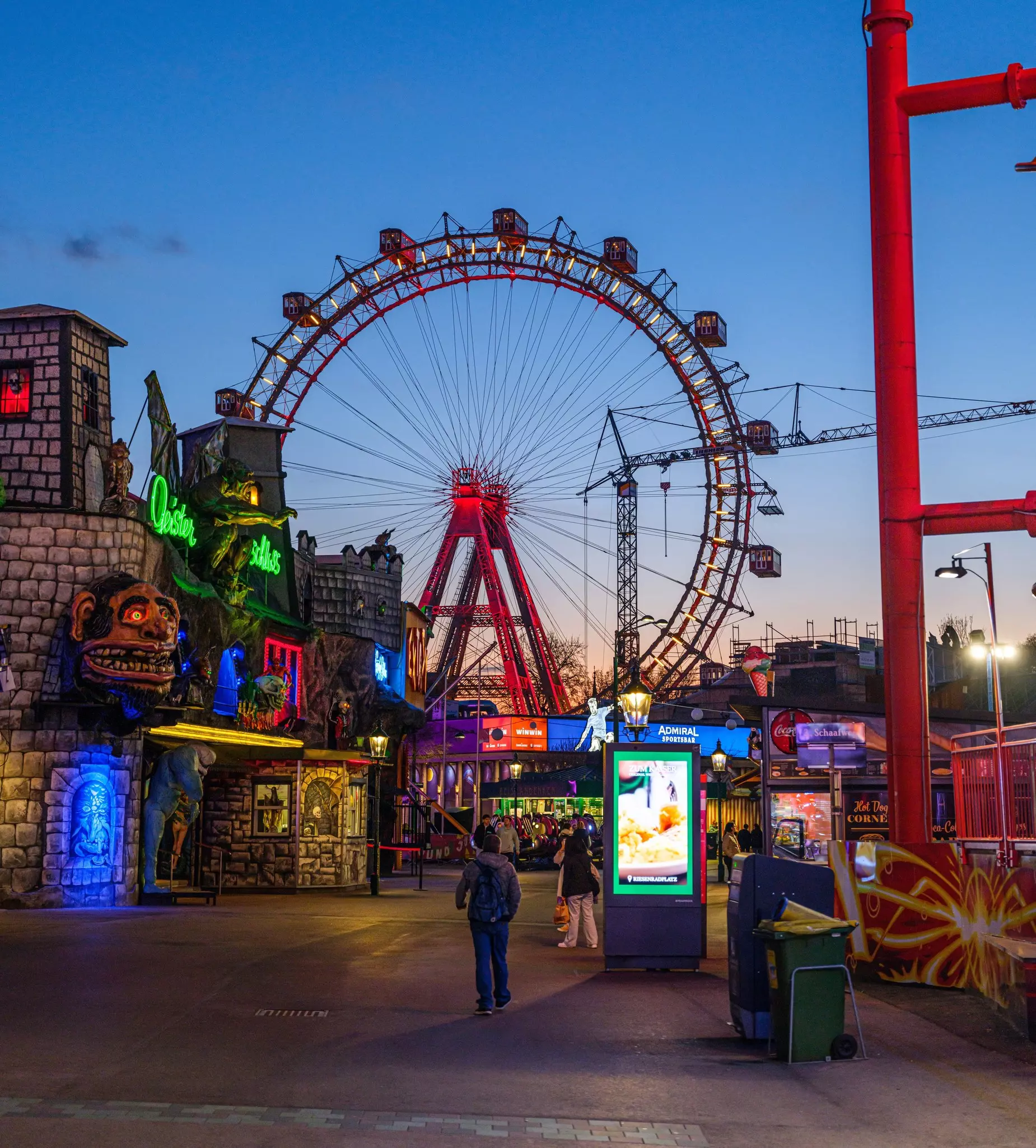
A former imperial hunting ground turned quintessential Vienna recreational space, the Prater is perhaps most popular for the giant Würstelprater amusement park. The 200 attractions here cover family-friendly rides, swinging adrenaline highs and the famed red Riesenrad (Ferris wheel). A new Prater museum displays historical objects related to the fairground dating back to its 1766 inception, while the Panorama Vienna exhibition revives the grandeur of the Vienna World Fair, held here in 1873.
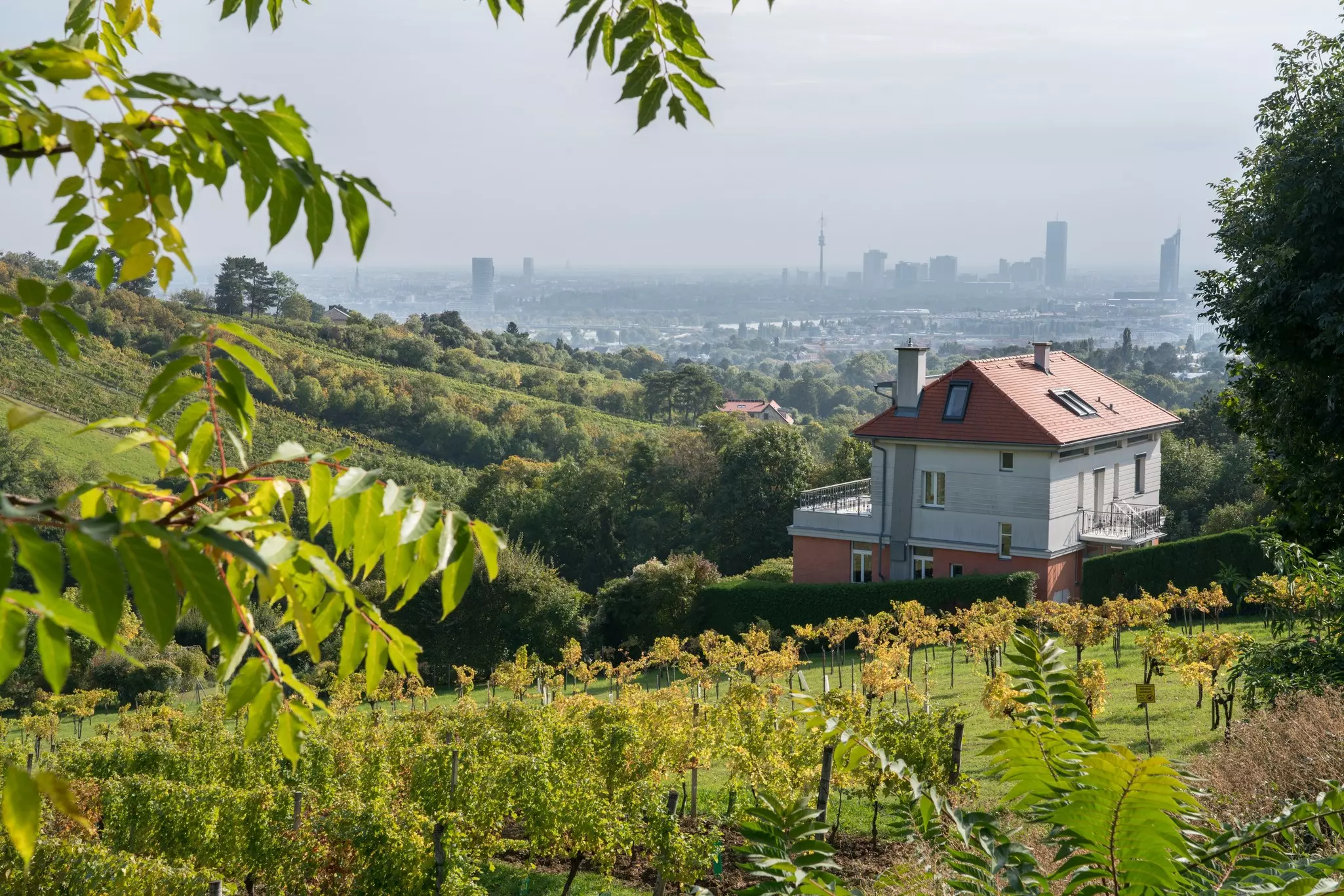
Encircled by 1730 acres (700 hectares) of vineyards, Vienna is the only European capital where wine is grown within the city limits. In the picture-perfect hillside villages of the 19th Bezirk (Döbling), especially Grinzing, you can get a taste of both the white grape Grüner Veltliner, as well as Heuriger (wine tavern) culture. Can’t make it to the vineyard-covered fringes? In town, 10er Marie is the oldest Heuriger in Vienna, dating back to 1740. Ponder its history over a glass or two in its charming garden.
Local tip: On the last weekend of September, you can join locals for Wiener Weinwandertag (Vienna Wine Hiking Day), a ramble across the city’s vintners and vineyards.
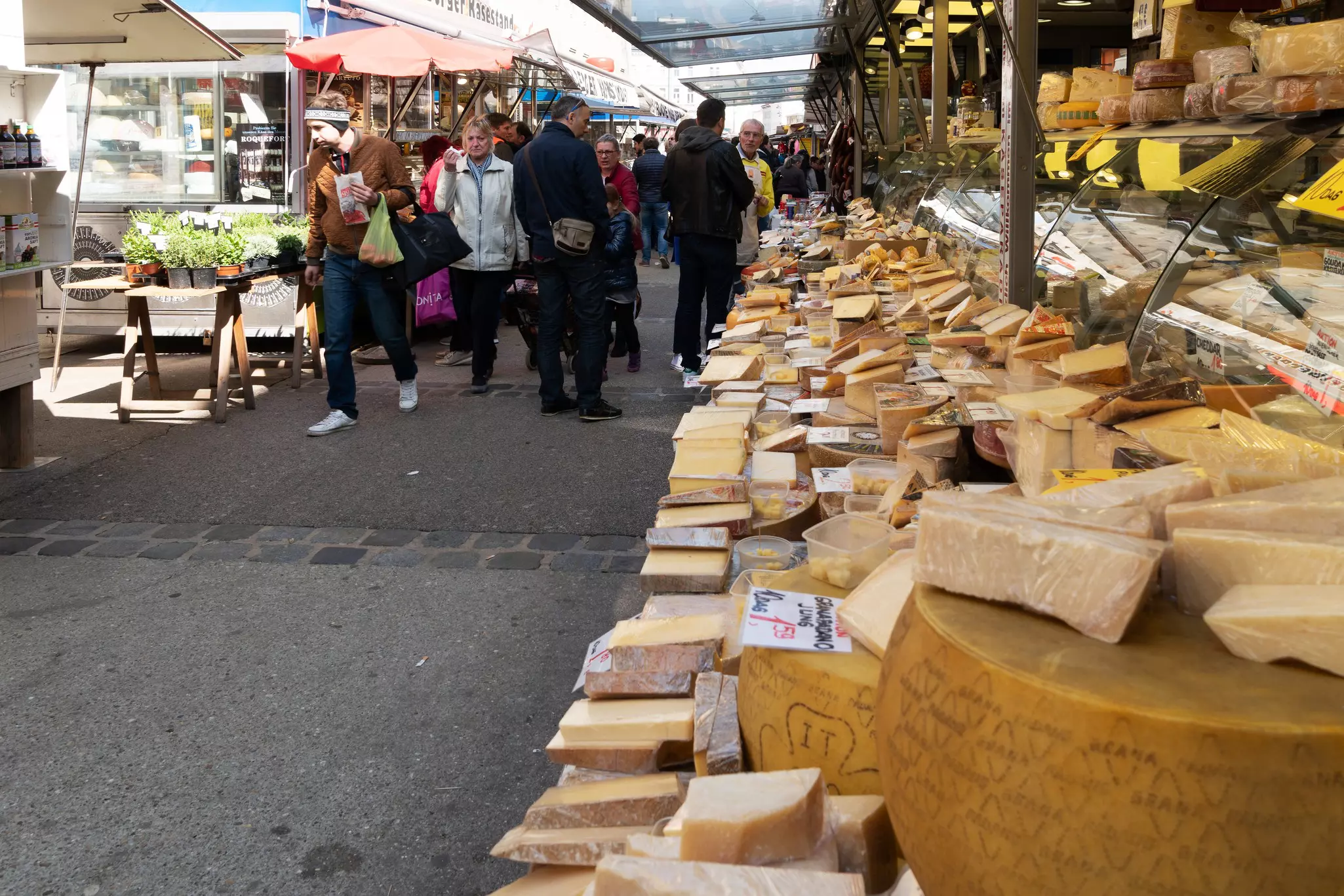
You’ll find it hard to find a district or neighborhood without a market and lineup of tasty pavilions at its heart. These gatherings are feasts for the senses, with samples to taste, smells to savor and the sounds of haggling lingering in the air. The city’s most popular bazaars are the 6th district’s Naschmarkt, which has 120 food stalls and a spirited Saturday flea market; the 170+ stalls representing cultures from around the world at Brunnenmarkt in the 16th; and culinary cornerstone Karmelitermarkt in the 2nd.
Local tip: Lesser-known local markets are delightful, too. Vorgartenmarkt in the 2nd is a laid-back counterpart to the jostle of Karmelitermarkt, while Kutschkermarkt in the 18th is a regional farmers market with an array of chic vendors.
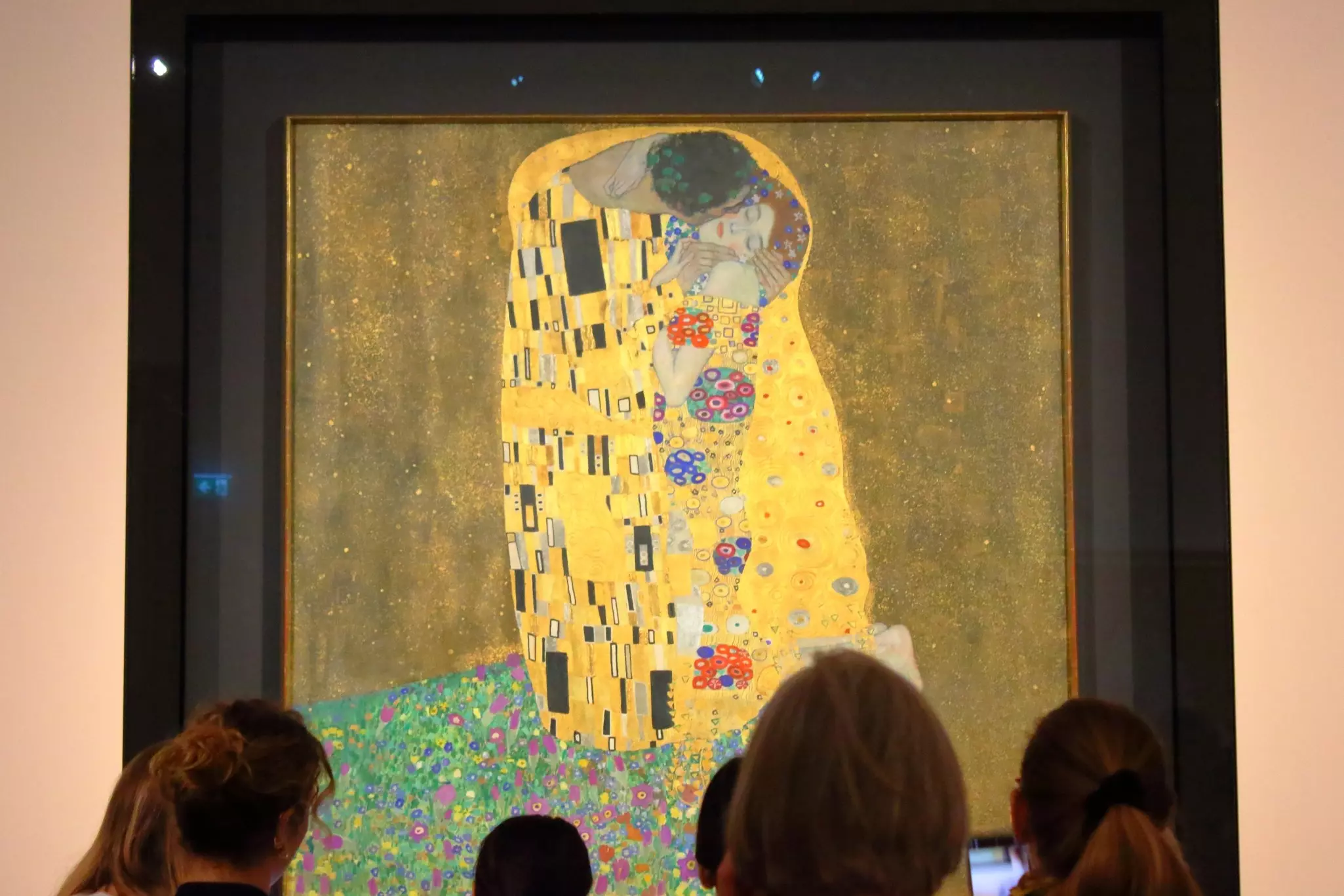
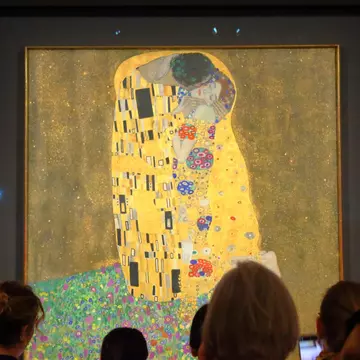
After he commissioned a new palace in 1723, connoisseur of the arts Prince Eugene of Savoy filled it to the brim with masterpieces. Some 50 years later, Empress Maria Theresa turned it into Vienna’s first public museum, the Imperial Picture Gallery. Three centuries on, Schloss Belvedere remains a baroque work of art in itself – and displays a collection of top-notch Austrian art from the Middle Ages to the present day. It’s also the home of Gustav Klimt’s world-famous The Kiss – just one highlight of the largest holdings of his work anywhere in the world.
At Lower Belvedere, you can tour the home of the military-general prince – all marbled galleries, frescoed ceilings and gold-decked rooms. Belvedere’s free-to-enter parterre and baroque gardens are said to have been inspired by those of the Château de Versailles.
Explore related stories