May 7, 20268 min read
12 of the best beaches in SydneyJul 22, 2025
14 MIN READ
Writer
Writer
Sydney is one of those cities that grabs your attention long before you get to experience it.
Bodyboarding at Bondi Beach, zipping under the Sydney Harbour Bridge on a ferry or catching a show at the incredible Sydney Opera House are just a few of the incredible Sydney experiences you’ll want to tick off on your big trip Down Under.
And once you’ve tackled those, it’s time to explore what else the city has to offer. Here are the best things to do in Sydney, whether you’re visiting for the first time or the tenth.
Sydney's dining scene has never been more inventive and exciting. Restaurants serving food from across the globe, often with a uniquely Australian twist, can be found in every pocket of the city. OK, it may be a little faddish and perhaps a bit too obsessed with big-name chefs, but it wouldn't be Sydney if names weren't being dropped. Thankfully the food scene manages to balance style with substance.
Fine dining restaurants such as Bennelong, Quay and Oncore by Clare Smyth stand out as world-class on every front – from the views and service to the exquisite menus on offer. Other Sydney hotspots – no less incredible in terms of quality dishes and top-notch hospitality – include NOMAD, Mr Wong, Cafe Paci, Long Chim and seafood pioneers Saint Peter.
However, a takeaway Sri Lankan or a cheap noodles night with BYO wine could just as easily be your Sydney dining highlight.
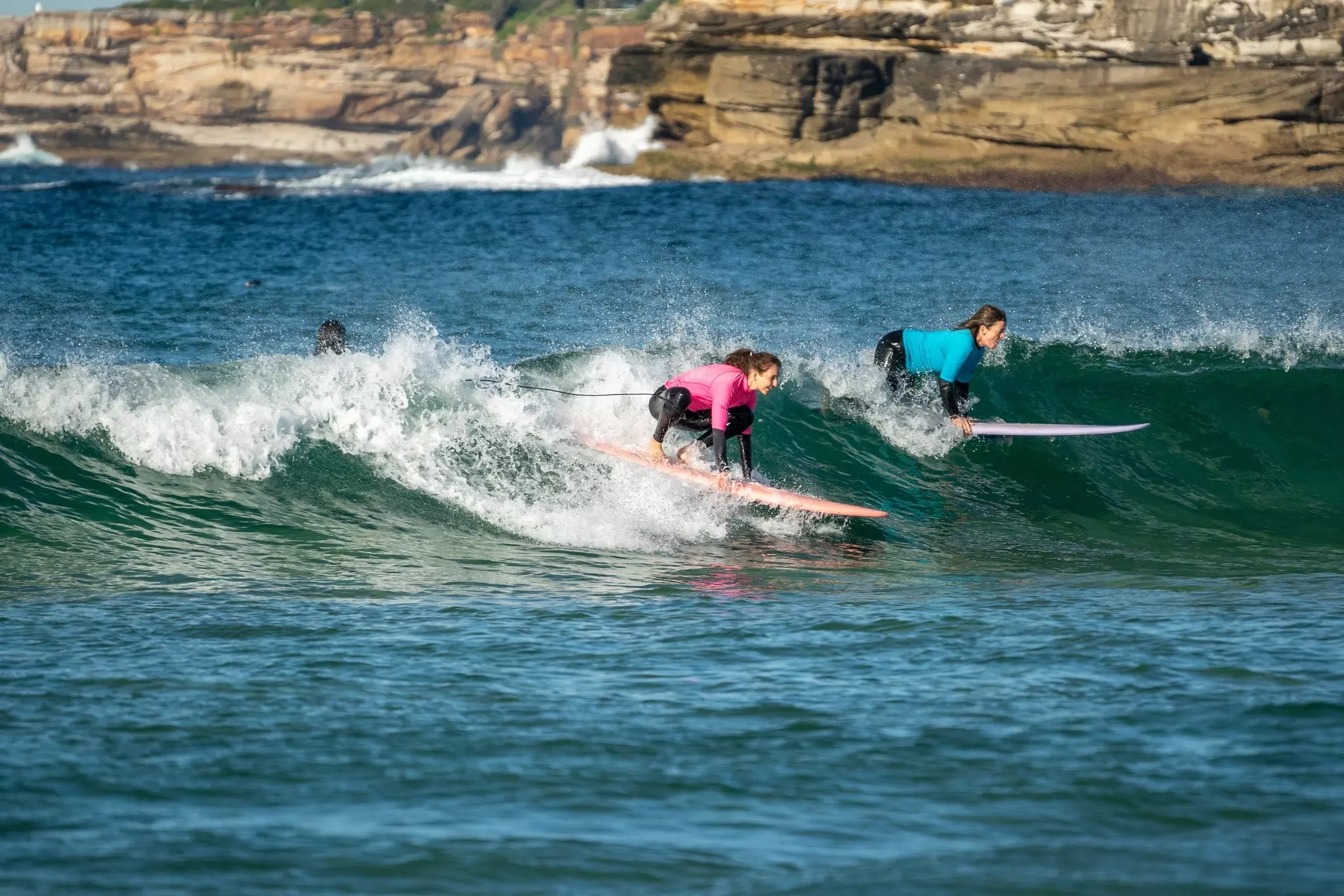
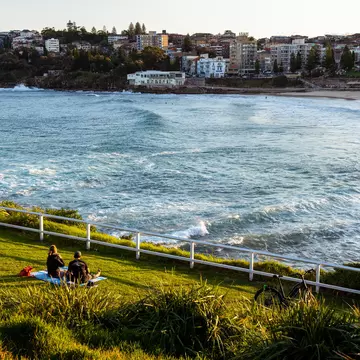
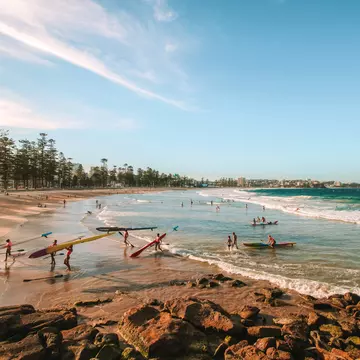
Bondi is one of the world’s most famous beaches, with consistently good waves and warm sea temperatures. It’s also a great place to learn to surf – Let's Go Surfing is a well-established surf school based in North Bondi, offering lessons that cater to practically everyone. There are classes for young surfers (nicknamed locally as grommets) aged 7 to 15, as well as adults. Women-only classes are also available.
Alternatively, you can book a private tutor to share between a couple of people – prices are lower outside the summer peak. Whatever you do, be respectful of other surfers and swimmers: Australians are pretty forgiving but not on the water, so pay attention to the etiquette of local surfers.
Planning tip: In cooler months, you can forgo the water and dine with epic views at Icebergs while watching winter swimmers take the plunge.
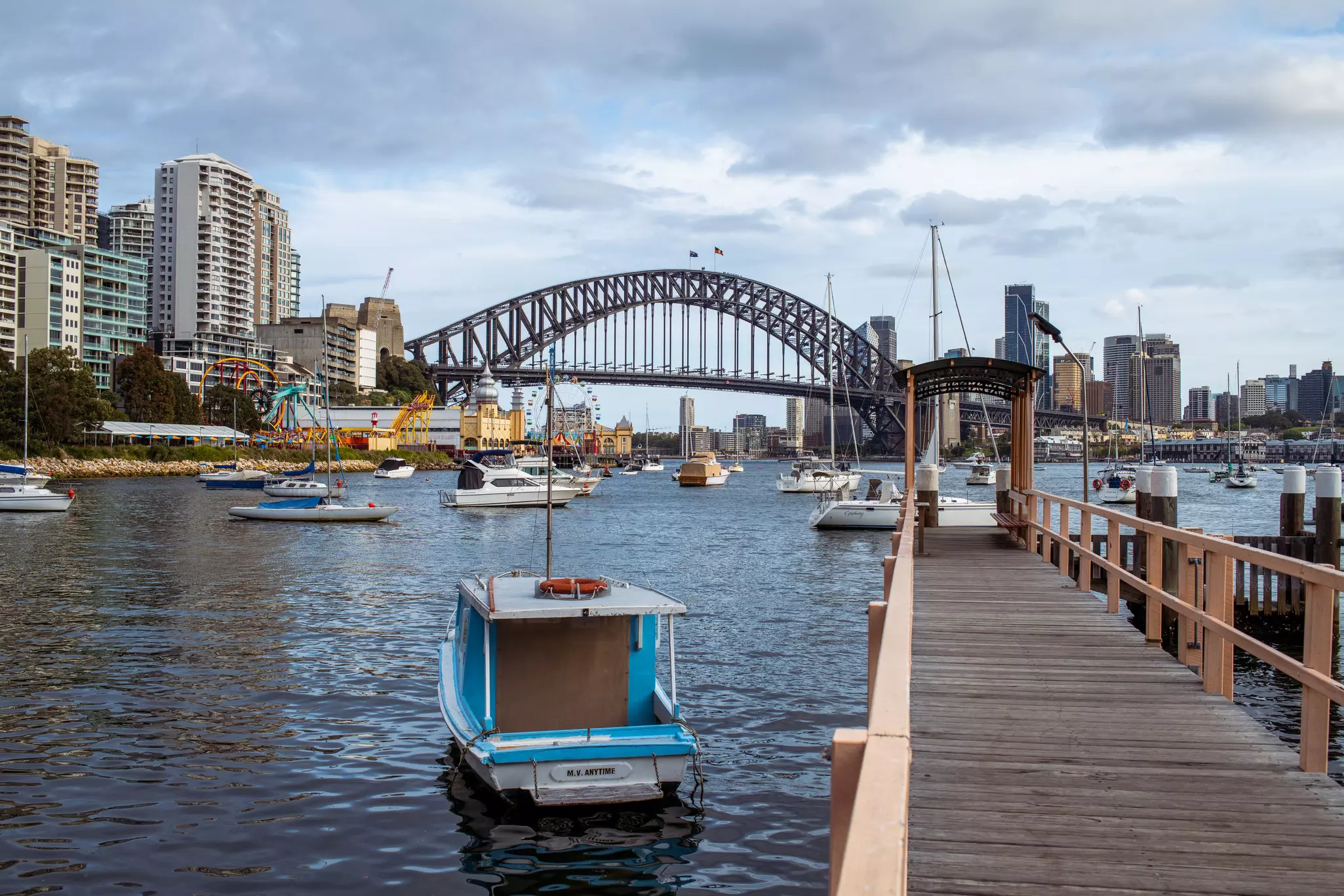
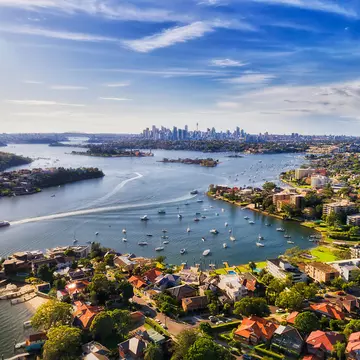
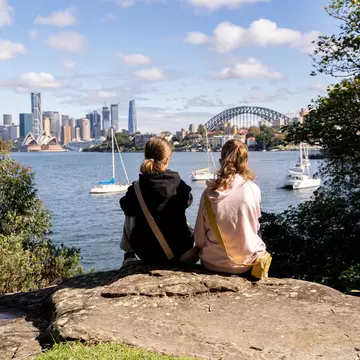
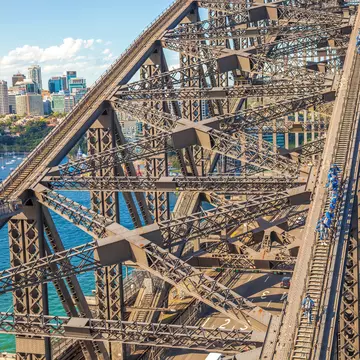
Sydneysiders love their giant coathanger (locals' loving nickname for the Sydney Harbour Bridge), which opened in 1932. The best way to experience this majestic structure is on foot; stairs and elevators climb up the bridge from both shores, leading to a sidewalk on the eastern side (the western side is a bike path). Get the train to Milson's Point Station and walk back toward the city to enjoy the most spectacular viewpoint. Climb the southeastern pylon to the Pylon Lookout or ascend the arc on the popular BridgeClimb experience.
Planning tip: You can now book a trip with a First Nations storyteller who'll share their perspective on the city and country while you look over Sydney’s magnificent harbor from on high.
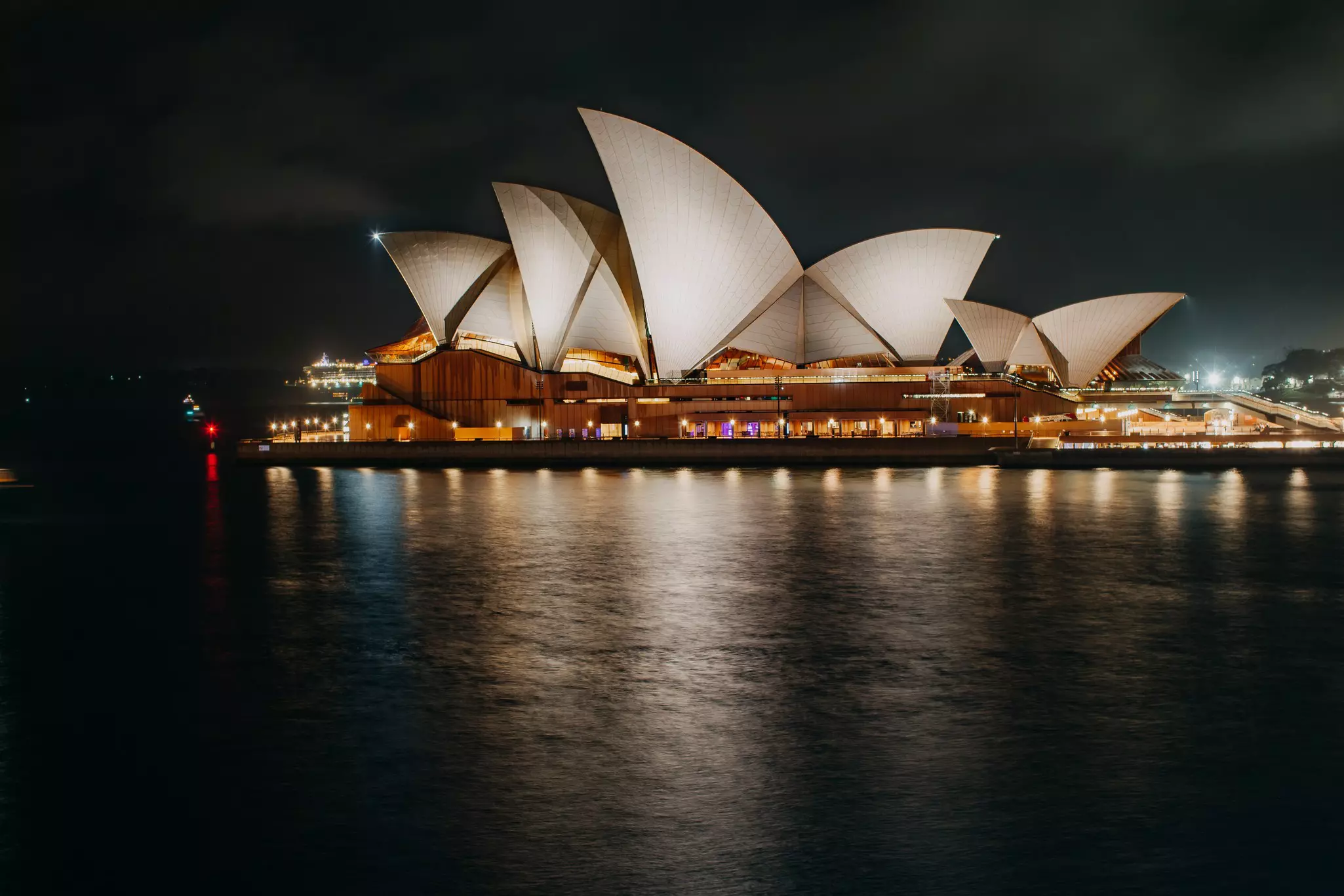
Designed by Danish architect Jørn Utzon, this eye-catching building is one of Australia's most iconic landmarks. Visually referencing a yacht's sails, it's a soaring, commanding presence that comprises five performance spaces for dance, concerts, opera and theater.
You can wander around the outside to your heart's content, but the best way to experience the interior is to attend a performance. Taking a guided tour is also highly recommended (and available in several languages). There are a variety on offer, including backstage tours, a food-focused tour and one that zones in on the architectural talent that created the building.
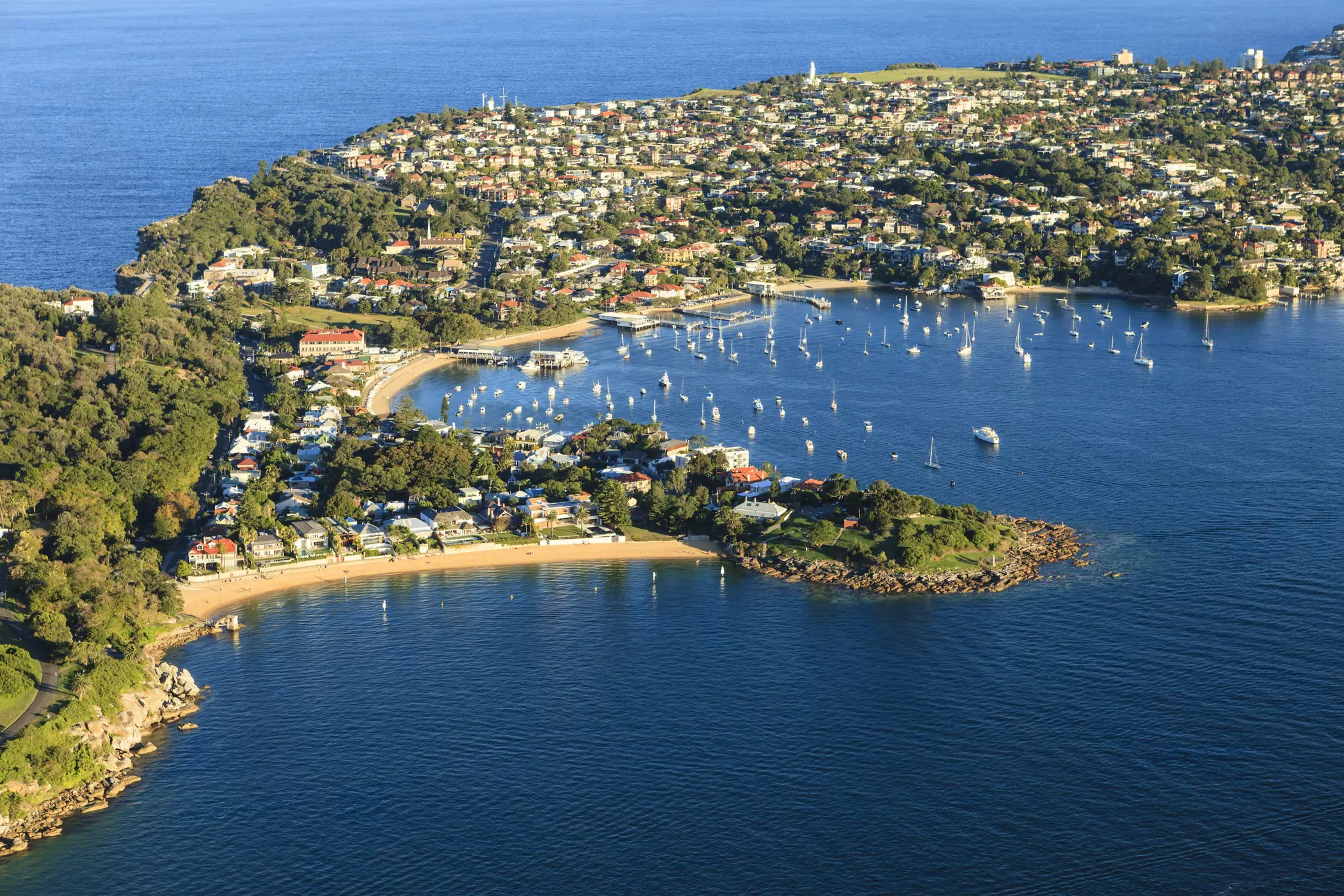
Located east of the city center and north of Bondi, Watsons Bay was once a small fishing village. Heritage cottages are still scattered among the suburb’s narrow streets but they now command a much steeper price. It's a lovely day trip by ferry from Circular Quay, and you can explore South Head and have a leisurely lunch at Doyles on the Beach or sunset beers in Watsons Bay Beach Club beer garden.
On the ocean side, The Gap is a dramatic clifftop lookout. On the harbor side, closer to Watsons Bay ferry, you'll find the sheltered Camp Cove beach to take a dip.
Detour: If you’ve forgotten to pack your swimsuit, Lady Bay Beach is a clothing-optional nudist beach on the west side of the bluff just before you arrive at Hornby Lighthouse.
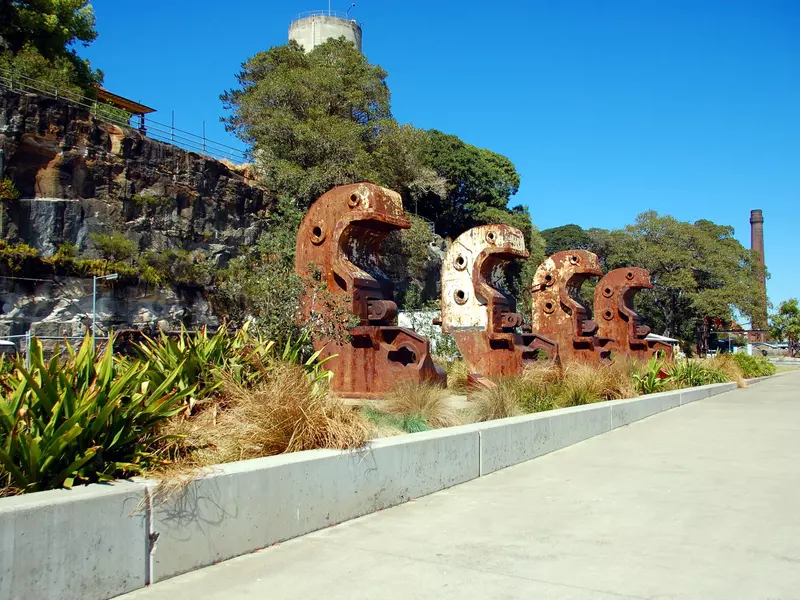
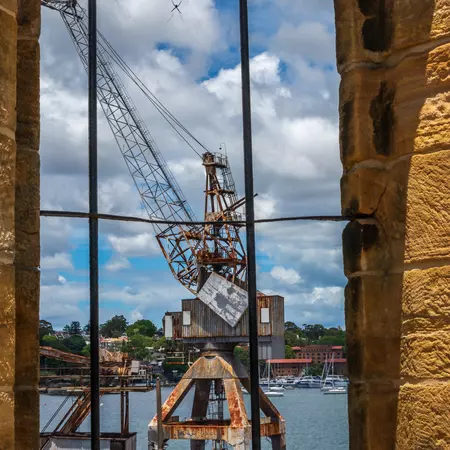
Studded with photogenic industrial relics, convict architecture and art installations, fascinating UNESCO-listed Cockatoo Island/Wareamah opened to the public in 2007 and has regular ferry services, a campground, rental accommodation and two cafés. Information boards and audio guides explain the island's time as a brutal convict prison, shipyard and naval base.
A spooky tunnel passes clear through the middle of the island, and you can explore the remains of the old prison. During WWII, most of the original sandstone buildings were stripped of their roofs and converted into bomb shelters. Solitary confinement cells were unearthed here in 2009 after being filled in and forgotten in the 1890s.
Planning tip: A range of tours can be booked at the visitor center, from straight-up heritage tours to ghost tours and convict prison tours.
There are a number of tours exploring Newtown’s street art and murals, or you can do it yourself with Google Maps and an app like Street Art Cities. However, Local Sauce has developed a self-guided tour that goes the extra mile and puts the spotlight on female artists who are often overlooked, starting from Redfern station.
As well as covering the artists behind the works, guides provide recommendations for cafés where you can re-caffeinate along the way. The street art and food tours also take you to some top Newtown eateries.
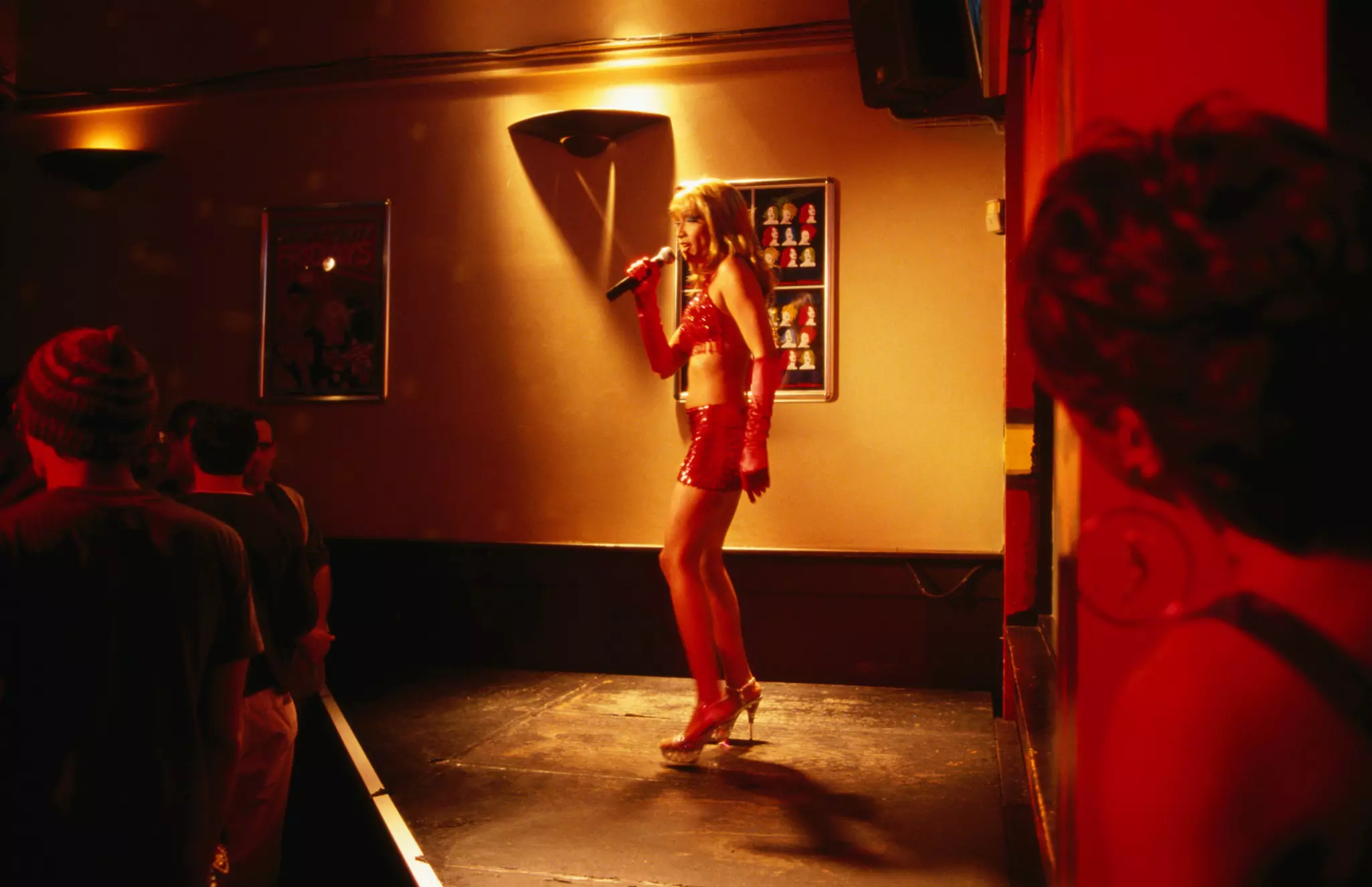
Sydney is Australia’s self-professed LGBTIQ+ capital, so don't miss the chance to take in a drag show. Since RuPaul popularized the art of drag on the hit show Drag Race, a more mainstream audience has discovered the subverting performances of drag queens and kings. Now, popular queens can command queues around the block.
In Sydney, you can dine out while enjoying a show or head to a bingo, trivia or competition night with a drag theme. The city's Inner West and Eastern suburbs are where you’ll find most of Sydney’s LGBTIQ+ venues, including the Universal nightclub on Oxford Street.
It may come as a surprise to stumble across an ancient art form in such a modern city, but Sydney is built on top of a giant gallery of Aboriginal art. Until recently, not much attention was paid to it and many works were covered over or destroyed.
Today, with dot paintings from distant deserts being celebrated, Sydneysiders have started to wake up to the treasure trove in their own backyard. Look for rock art by the original custodians of this place on the headlands around the harbor, on the coast and in nearby national parks such as Ku-ring-gai Chase National Park.
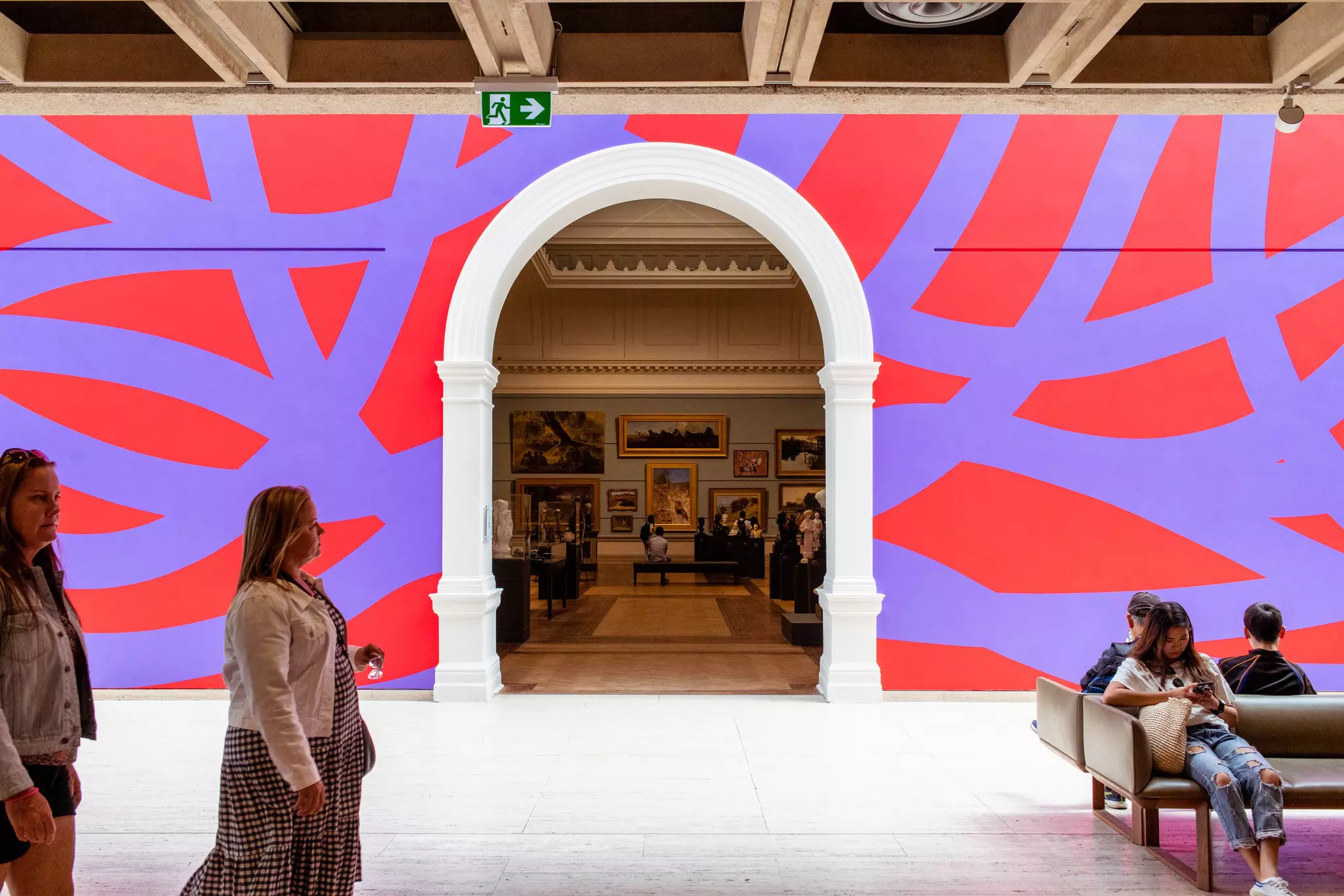
With its neoclassical Greek frontage and a 2022 modern expansion that doubled the gallery’s original size, this much-loved institution plays a prominent and sociable role in Sydney society. Blockbuster international touring exhibitions arrive regularly, along with special events. While the permanent collection has a substantial amount of 19th- and 20th-century European and Australian art, the highlights are the newer north building’s extensive contemporary Indigenous gallery and a special exhibitions gallery inside an underground WWII fuel tank.
Considered by many to be Sydney's best contemporary art gallery, White Rabbit is tucked away behind the Central Park development in Chippendale. It's the project of billionaire philanthropist Judith Neilson, who has amassed one of the world's largest collections of cutting-edge, contemporary Chinese art (works produced since 2000).
The gallery has so many pieces that only a fraction can be displayed at one time. You'll find art here that is edgy, funny, sexy and idiosyncratic. An on-site café does specialty teas and dumplings.
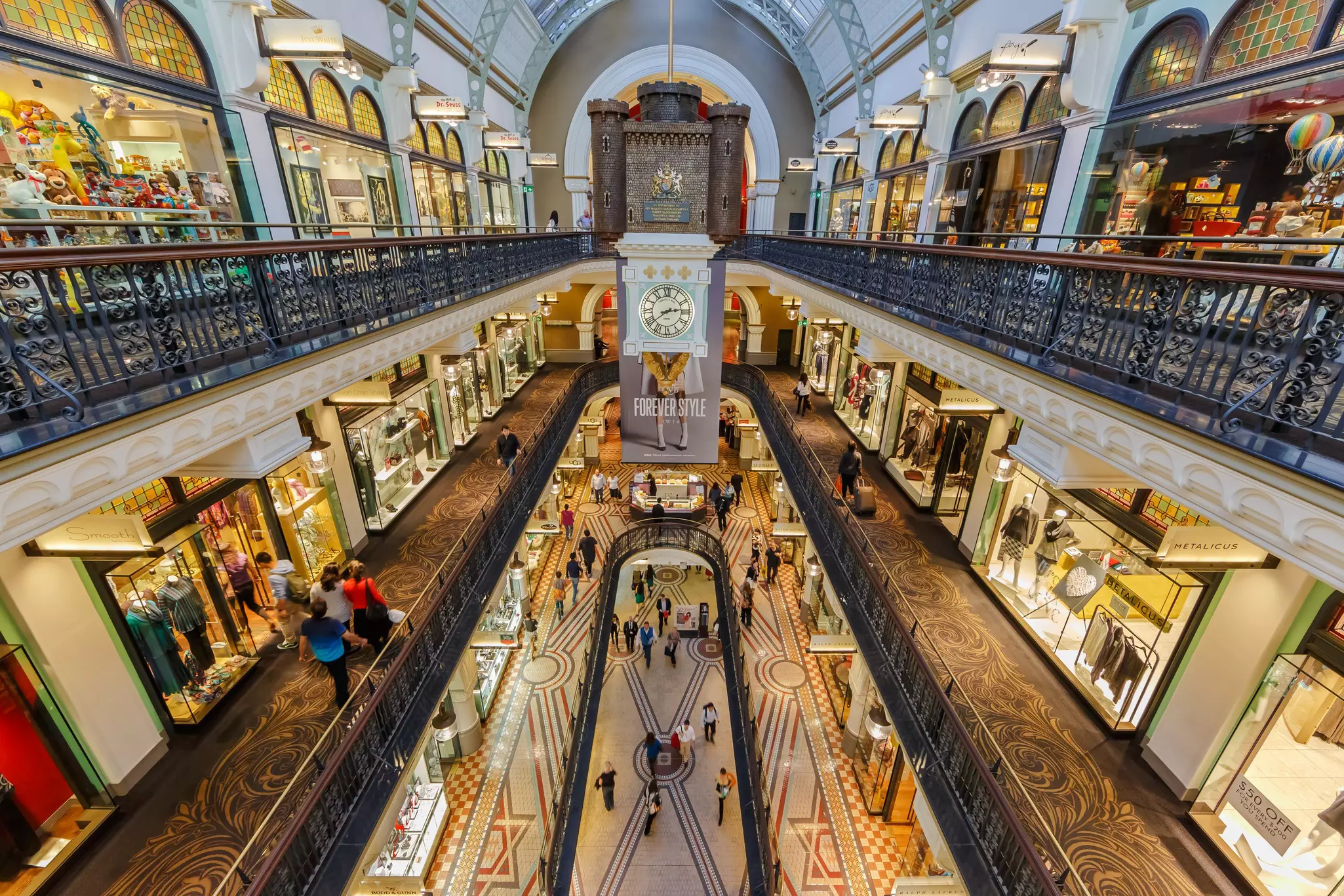
Sydney’s city shopping is concentrated around George Street and Pitt Street, spilling into arcades and side streets from there. Among the many glimmering places to indulge in some intense retail therapy, there are several ornate Victorian-era arcades to admire while you browse.
The magnificent Queen Victoria Building (QVB for short) takes up a whole city block and boasts nearly 200 shops, including well-known international brands across its five levels. The building itself is a High Victorian neo-Gothic masterpiece – undoubtedly Sydney’s most beautiful shopping center.
Check out the wrought iron balconies, Byzantine copper domes, stained glass shopfronts, mosaic floors, replica crown jewels, ballroom, tinkling baby grand piano (available to play) and hyper-kitsch animated Royal Clock, featuring the Battle of Hastings and an hourly beheading of Charles I. Nearby, the Strand Arcade is home to a host of Aussie designers as well as an old-school branch of JB Hi-Fi in the basement selling electronics, DVDs and vinyl.
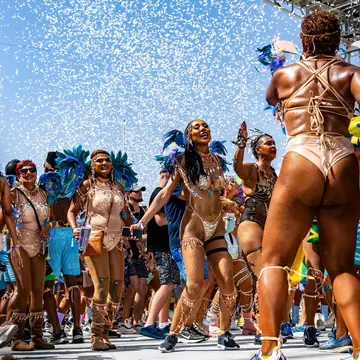
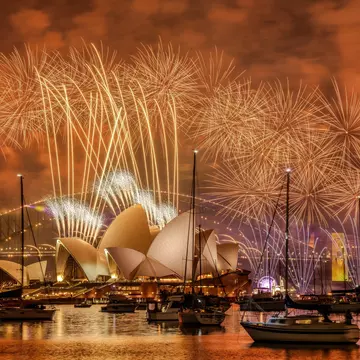
Sydney's nocturnal calendar kicks off with a spectacular New Year's Eve fireworks display over the harbor and doesn't calm down for months. As soon as the Sydney Festival' s myriad openings and events finish, the lights come up on the biggest party of them all – the Sydney Gay & Lesbian Mardi Gras from late February to early March.
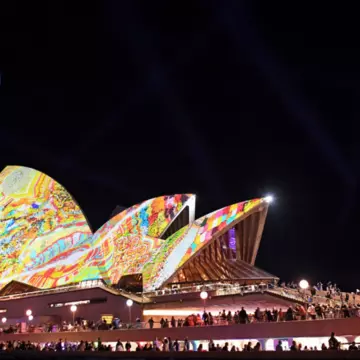
Winter brings fashion, literature and film festivals to Sydney, with opening nights, cocktail parties and literary soirées, plus the spectacular Vivid Sydney from late May to mid-June lighting up the town with projections and lights. Spring is football finals time – whether it's rugby or Aussie Rules, try to get to a night game for the friendly atmosphere and epic crowds.
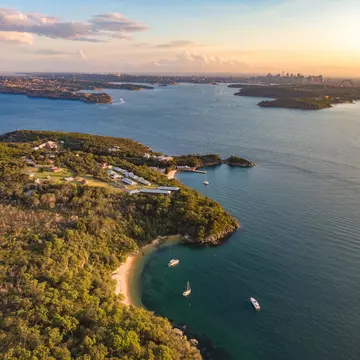
A hidden jewel not far from Manly, magical Store Beach can only be reached by water. Hire a boat or kayak from Manly Kayak Centre, then cruise around (it’ll take approximately 30 to 45 minutes) to the sheltered 200m (656ft) cove beach fringed by trees. The views of the bushy North Harbour give the impression you’ve left the city entirely.
As this is a breeding ground for little blue penguins, access is prohibited beginning at dusk, when the birds waddle in to settle down for the night. Visitors are also implored to leave the beach in the same condition they found it (or better). Bring snacks, sunscreen and plenty of water.
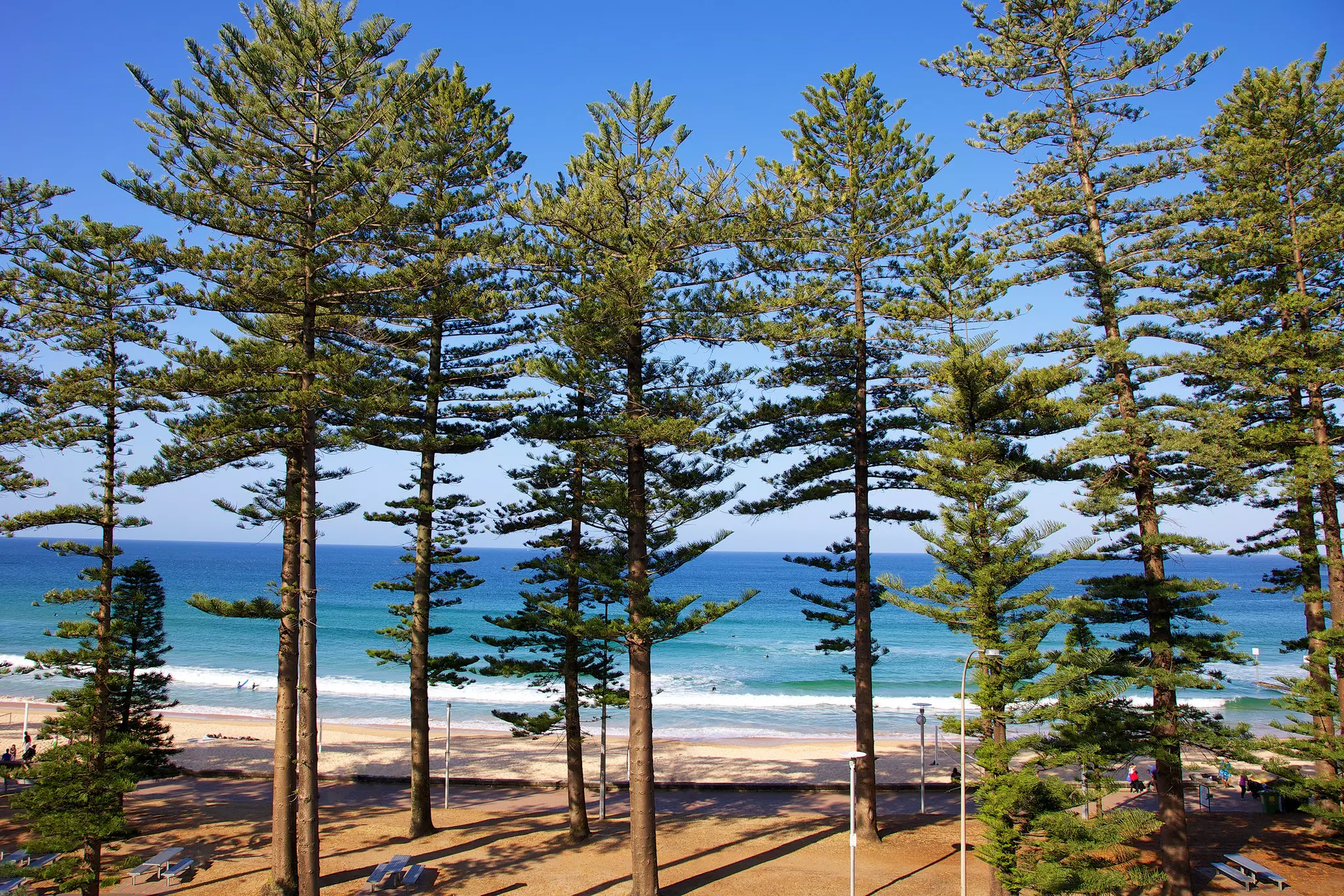
This marvelous coastal walk has two major components: a 10km (6.2-mile) western stretch between Manly and Spit Bridge, and a 9.5km (5.9-mile) eastern loop around North Head. The western section traces the complex harbor coastline through upmarket suburbs and then a spectacular section of unspoiled Sydney Harbour National Park. It emerges in Clontarf and winds its way to the Spit Bridge.
The eastern loop is known as the North Head Circuit Track, and the walk takes 2½ to 3½ hours. Make your way through the bush to the spectacular Fairfax Lookout on North Head. From the lookout, walk the Fairfax Loop and then head back via Australia's Memorial Walk and WWII gun emplacements to the Bluefish Track, which descends spectacularly to Shelly Beach. From here, you can return to Manly Beach via picturesque Fairy Bower Beach. Either download a map or pick one up from the information center near the wharf.
Southeast of the Opera House, this garden was established in 1816 and features plant life from around the world. Within the gardens are hothouses with palms and ferns, as well as The Calyx, a striking exhibition space featuring a curving glasshouse gallery with a wall of greenery and temporary plant-themed exhibitions. Grab a park map at any of the main entrances to the gardens.
The garden includes the site of the colony's first paltry European vegetable patch, but its history goes back much further than that. Long before the convicts arrived, this was an initiation ground for the Gadigal people; book ahead for a tour with a First Nations guide sharing their knowledge of Indigenous bush foods.
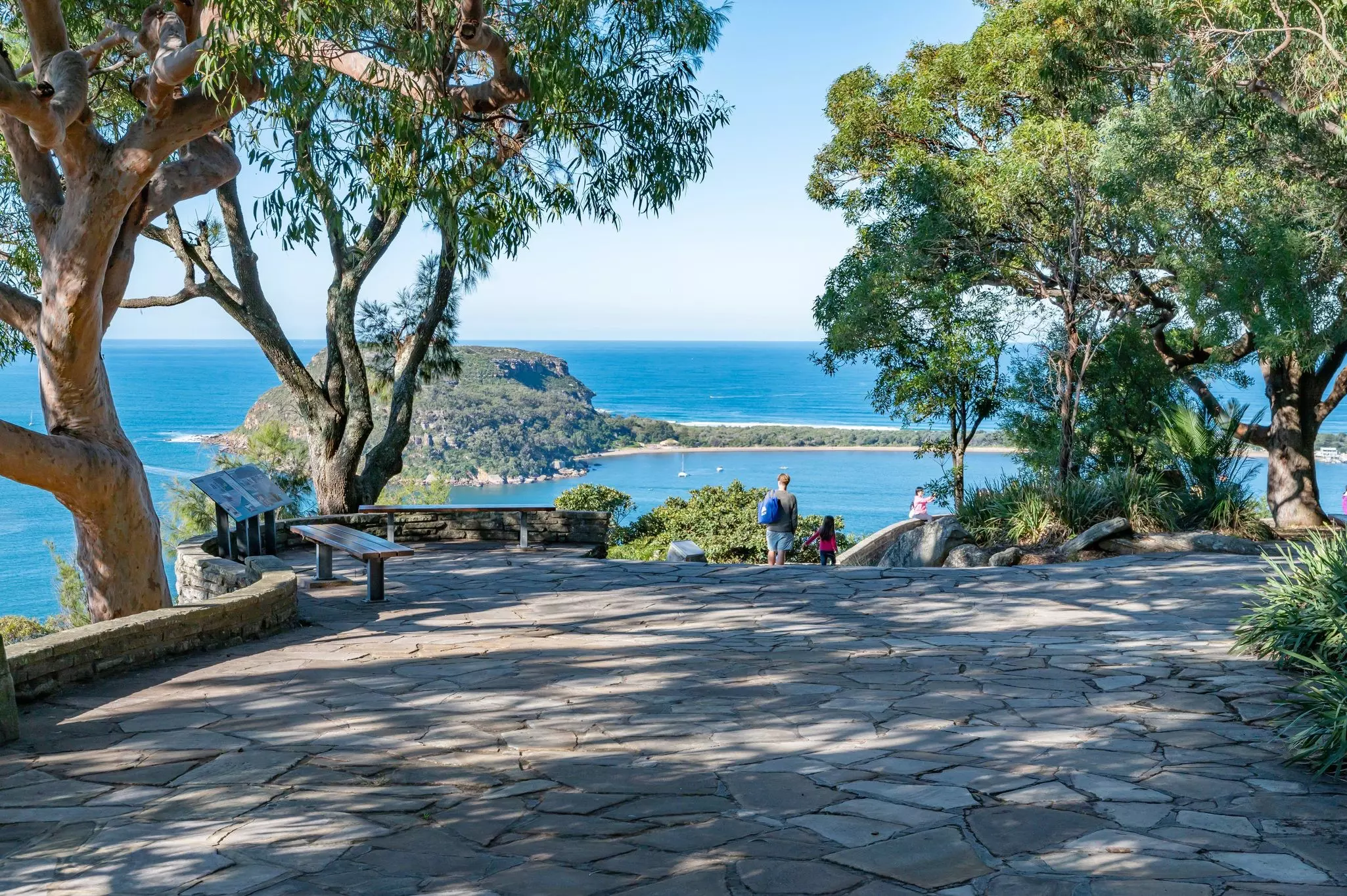
Long, lovely Palm Beach is a crescent of bliss that's famous as the setting for the cheesy TV soap Home and Away. The 1881 Barrenjoey Lighthouse punctuates the northern tip of the headland in an annex of Ku-ring-gai Chase National Park. The suburb of Palm Beach has two sides – the magnificent ocean beach and a pleasant strip on Pittwater, where the calmer strands are suitable for young kids.
From here, you can get ferries to other picturesque Pittwater destinations, including other park sections. To get to the lighthouse, you've got two options on foot for the steep hike to the top – shorter stairs or a winding track – but majestic views across Pittwater and down the peninsula are worth the effort. It’s also a perfect spot for whale watching in winter.
Scratched out of the sand in 1888 in grand Victorian style, Sydney’s biggest park is a rambling 189-hectare (467-acre) expanse with wide formal avenues, ponds, statues and a labyrinth. The park is busy in the warmer months with joggers, cyclists, rollerbladers and horse riders.
You’ll also find an equestrian center offering trail rides for kids and adults. Prior riding experience is not required, but bookings are essential. If a pony ride isn't their thing, children will also love the adventures to be had at the Ian Potter Children’s WILD PLAY Garden.
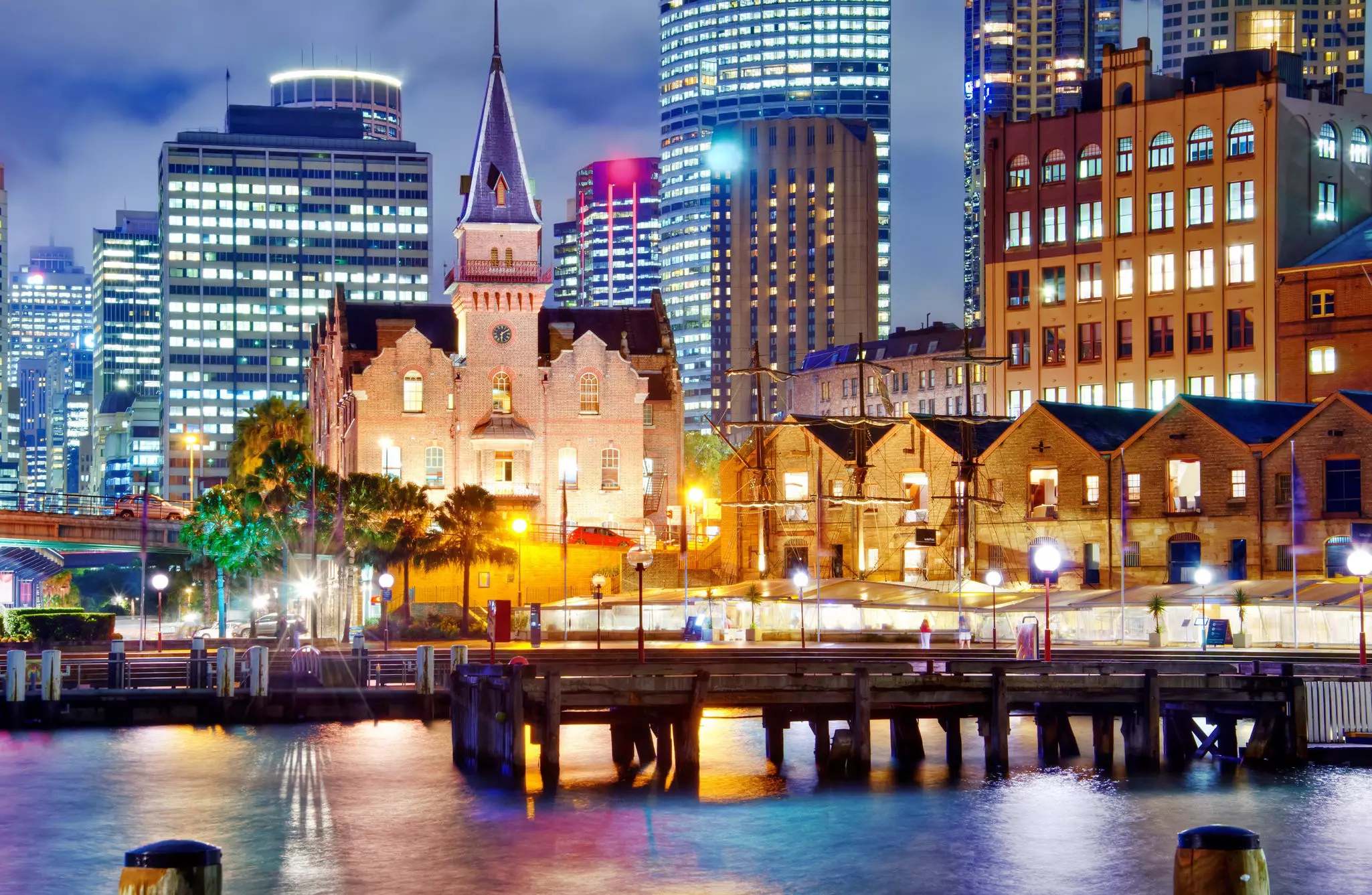
Australia's convict history began in the district known as The Rocks, with a squalid canvas shanty town on a rocky shore. Its raucous reputation lives on in atmospheric lanes lined with historic buildings, with more than a few still operating as pubs.
Sure, the place is overrun with tacky, overpriced koala soft-toy stores and tourists, but there's a great museum and art gallery here as well. A popular old Rocks pub with rooftop views of central Sydney, The Glenmore is a top stop for a meal or drink. When it all gets too much, head through the Argyle Cut to the revitalized port area of Walsh Bay.
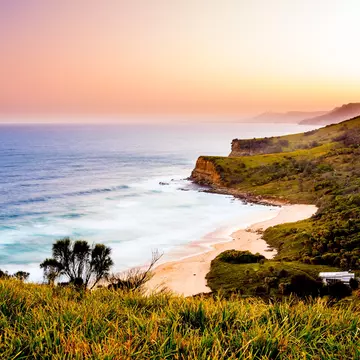
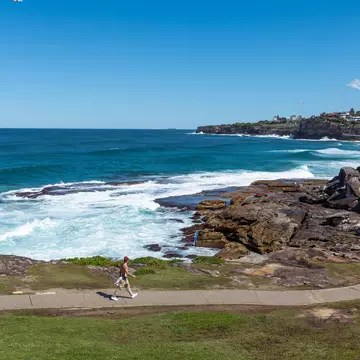
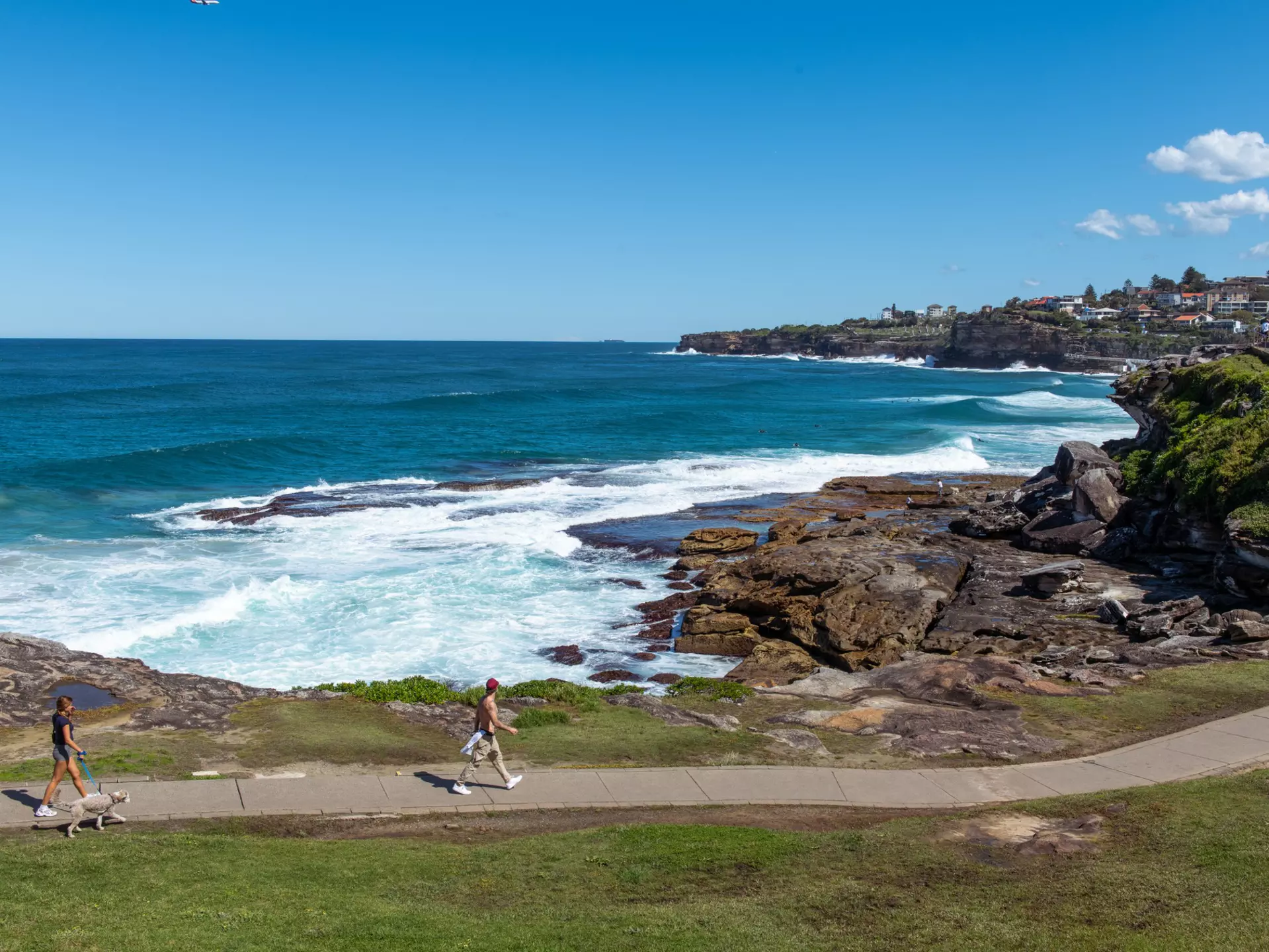
The simply sensational 6km (3.7-mile) Bondi to Coogee walk leads south from Bondi Beach along the clifftops past the inlets at Tamarama, Bronte and Clovelly, interweaving panoramic views, patrolled beaches, sea-fed baths, waterside parks and plaques recounting Aboriginal history and stories.
The trail begins at the end of Notts Ave and spits you out at the north end of Coogee Beach, where you have a choice of three ocean pools to swim in if the waves at the beach are ferocious. Pack a picnic, plenty of water and your swimsuit.
A 2.5km (1.6-mile) walk from Sydney’s central business district, in the well-heeled enclave of Rushcutters Bay, Sydney’s historic Cruising Yacht Club of Australia is the home of the annual Sydney Hobart Yacht Race. If you want to experience some local Sydney life, the members-only sundeck café here serves enormous portions of fish and chips with a glass of Riesling – all while gazing upon multimillion dollar yachts. Visitors can sign in for the day.
Explore related stories