The 16 best things to do in Armenia
Feb 13, 2025
13 MIN READ

Writer
Writer
Armenia might not yet be a mainstream travel destination, but that’s exactly what makes it so alluring. Located in the South Caucasus, this destination is best known for its stunning mountain scenery and some of the world’s oldest churches, thanks to its deep-rooted Christian history.
Here, ancient monasteries sit perched atop dramatic cliffs, vast valleys are scattered with 6,000-year-old artifacts, and the world’s oldest wine regions still produce some of the finest vintages. Add to a landscape that ranges from snow-capped mountains to tranquil lakes, and you have the perfect recipe for an unforgettable adventure.
Whether you have three days or a week for your trip, you can take advantage of the country’s off-the-beaten-path allure with this list of best things to do in Armenia.
1. Visit the UNESCO-protected monasteries in Alaverdi
Cut into the canyon wall above Alaverdi and another atop a gorge 10km (6 miles) away are two World Heritage-listed medieval monasteries that might just be the most visited in Armenia – Haghpat and Sanahin.
The Sanahin Monastery Complex is packed with ancient khachkars, darkened chapels and medieval study halls. Be sure to check out the cross-shaped Surp Astvatsatsin, the oldest part of the site, and don’t forget to explore the tiny church dedicated to Saint Gregory the Illuminator in the southeastern corner. The 11th-century Academy of Gregory Magistros sits between the two main churches, offering a glimpse into the monastery’s intellectual past. To the southeast, the cemetery holds a peaceful 12th-century mausoleum, the final resting place of the Zakarian princes.
Occupying a commanding position overlooking the gorge, the Haghpat Monastery complex has some of the most spectacular views of any of Armenia’s monasteries. Explore the impressive exterior fortifications before moving to the center of the complex to see the domed Surp Nishan (Church of the Holy Cross). Wander through the peaceful grounds to discover the frescoes, gavit, bell tower and library.
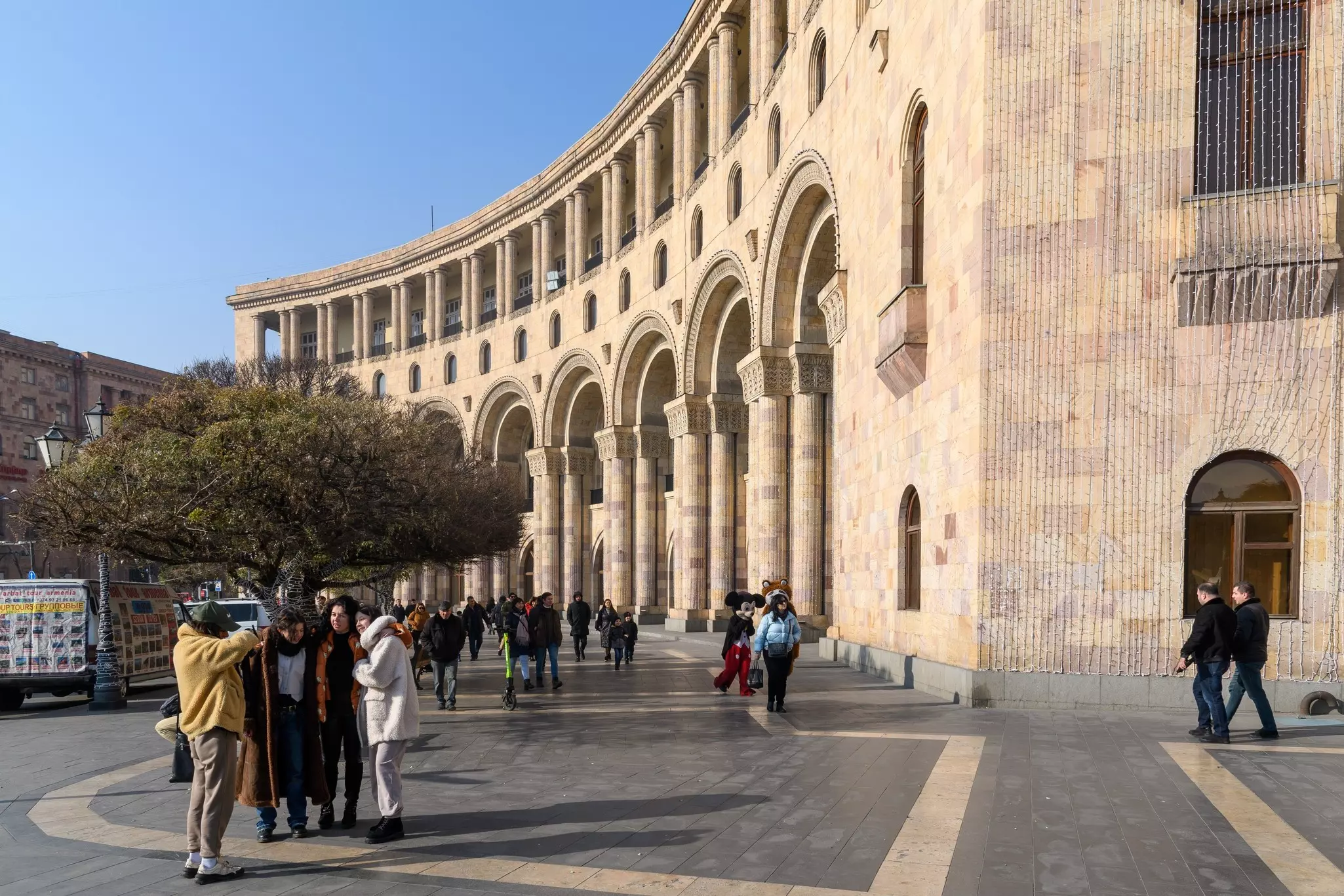
2. People watch in Republic Square: Yerevan’s beating heart
From dawn till late, Yerevan’s Republic Square (it’s more of a circle) attracts thousands of busy commuters and visitors crowding around its famous musical fountains, which spout to Armenian, classical and rock music every night from 8: 30pm to 11pm.
Start with a sip from a pulpulak (a drinking fountain) and explore the square to discover why Yerevan is known as the “pink city.” The square is enclosed by marvelous neoclassical pink tuff stone buildings that house current and former government offices, the Armenia Marriott Hotel, and the History Museum, and National Gallery.
Detour: Ground Zero, Lumen Coffee 1936 and Gemini are the three best places for coffee around Republic Square.
3. Take a self-guided tour at the History Museum of Armenia
Step inside the History Museum of Armenia for a self-guided tour, or attend a guided tour held a few times a day. The museum’s highlight is its extraordinary collection of Bronze Age artifacts on the 3rd floor. Other exhibits of note include Stone Age tools (dated from 1.8 million years ago), the 5500-year-old leather shoe discovered in the Areni-1 Cave, carpets and embroidered amices (liturgical vestments).
Planning tip: On the building’s 2nd floor is the worthwhile National Gallery of Armenia, which has its own ticket fee.
4. Climb the 572 stone steps of the iconic Cascade complex
The Cafesjian Center for the Arts, aka the Cascade, is undoubtedly Yerevan’s most iconic postcard. The stone steps are one of the best places to catch a sunset while (discreetly) swigging a bottle of wine. Out front is a sculpture garden featuring contemporary artists and inside is a free gallery (on weekends only) with five exhibition halls and one of Yerevan’s finest souvenir shops.
Detour: Visit Yerevan’s Swan Lake, a freshwater lake that provides a welcome respite from the summer heat.
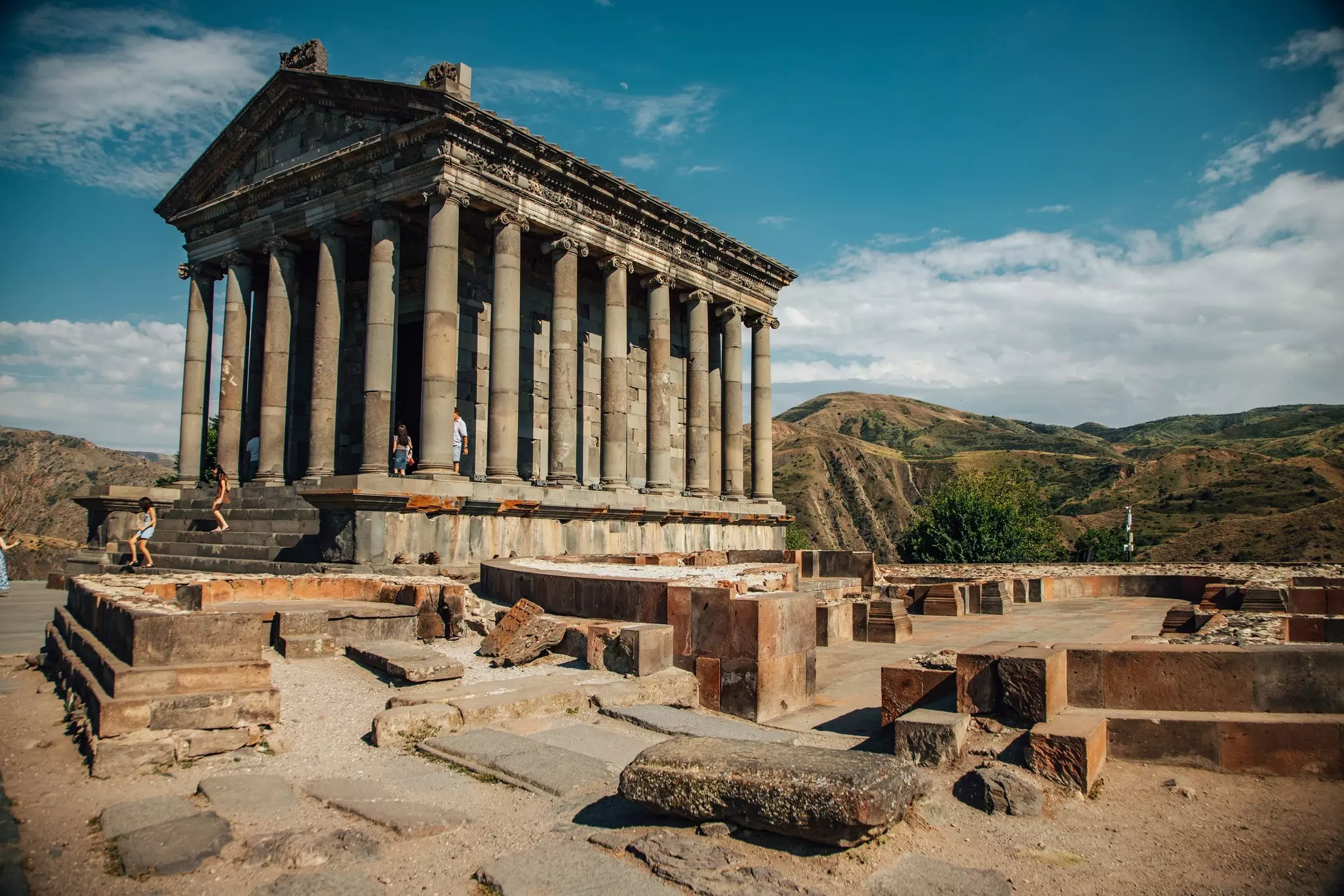
5. Explore the 2000-year-old Garni Temple
The Garni Temple Complex is a stunning, 2000-year-old Roman-style pagan temple, renowned for its impressive Ionic columns, monumental staircase and intricately decorated frieze. In the surrounding area are the ruins of a Roman-era bathhouse (currently closed to the public) and a 7th-century ancient church, adding to the site's rich historical appeal.
In the Garni Gorge below are rock faces made up of basalt columns that look like tubes of an organ, hence the name Symphony of Stones. Walk the new cobblestone walkway near the Azat Bridge for the best close-ups.
Planning tip: Get there with a car tour (driver only) from Republic Square, or with your own vehicle.
6. See early Christianity at the Geghard Monastery
A short drive from Garni Temple is the World Heritage-listed Geghard Monastery, founded in the earliest days of Christianity in Armenia. The main stone church, Surp Astvatsatsin, was built in 1215 and houses a chapel with holy spring water that locals line up to touch. Steps to the left of the entrance lead to a passageway with Armenian memorial stone khachkars and a 13th-century burial vault carved directly out of the raw rock.
The hills outside the monastery are filled with caves built by monks, and the road leading up is crammed with vendors selling sweet sujukh (walnuts dipped in grape syrup) and gata (sweet pastries)
7. Experience Armenia’s Vatican at Khor Virap Monastery
Armenia is proud to call itself the world’s first Christian nation. As the story goes, Christian apostles and missionaries Bartholomew and Thaddeus arrived in the kingdom of Armenia as early as 40 CE. Their Christian teachings went on to convince Surp Grigor Lusavorich (Gregory the Illuminator), who worked for King Tiridates III before resisting his boss’ order to make a sacrifice to the pagan goddess Anahit. Grigor was imprisoned for over a decade and tortured in a snake-infested pit under what’s now the Khor Virap Monastery. Amazed by Gregory’s ability to survive, and for curing the king, Tiridates III converted his kingdom to Christianity in 301.
Experience the history first-hand with a visit to Khor Virap Monastery, where you can climb into the torture pit (now snake-free) and see the beautiful hilltop monastery with views of Mt Ararat.
8. Hike Armenia’s tallest peak
Mt Aragats above the town of Byurakan is Armenia’s tallest peak and a popular destination for climbers (though by no means busy). You can hike (9.4km/6 miles) to the southernmost of the extinct volcano’s four peaks in about half a day. It’s easy enough for inexperienced climbers, though the trail down is the hardest bit with loose rocks and some crawling. The northern peak (15.4km/9 miles) is for experienced hikers only and usually requires crossing a snowfield.
The hikes start from high-altitude Kari Lake where there’s a sub-par khorovats restaurant and a coffee vending machine. Some companies in Armenia’s capital city offer tours, which can save you the grief of getting up to the lake.
Planning tip: Climbing is best in summer (July to September) and in the early morning to avoid the clouds that gather at the crater around 10am (hikers commonly start mountain ascents at 5am).
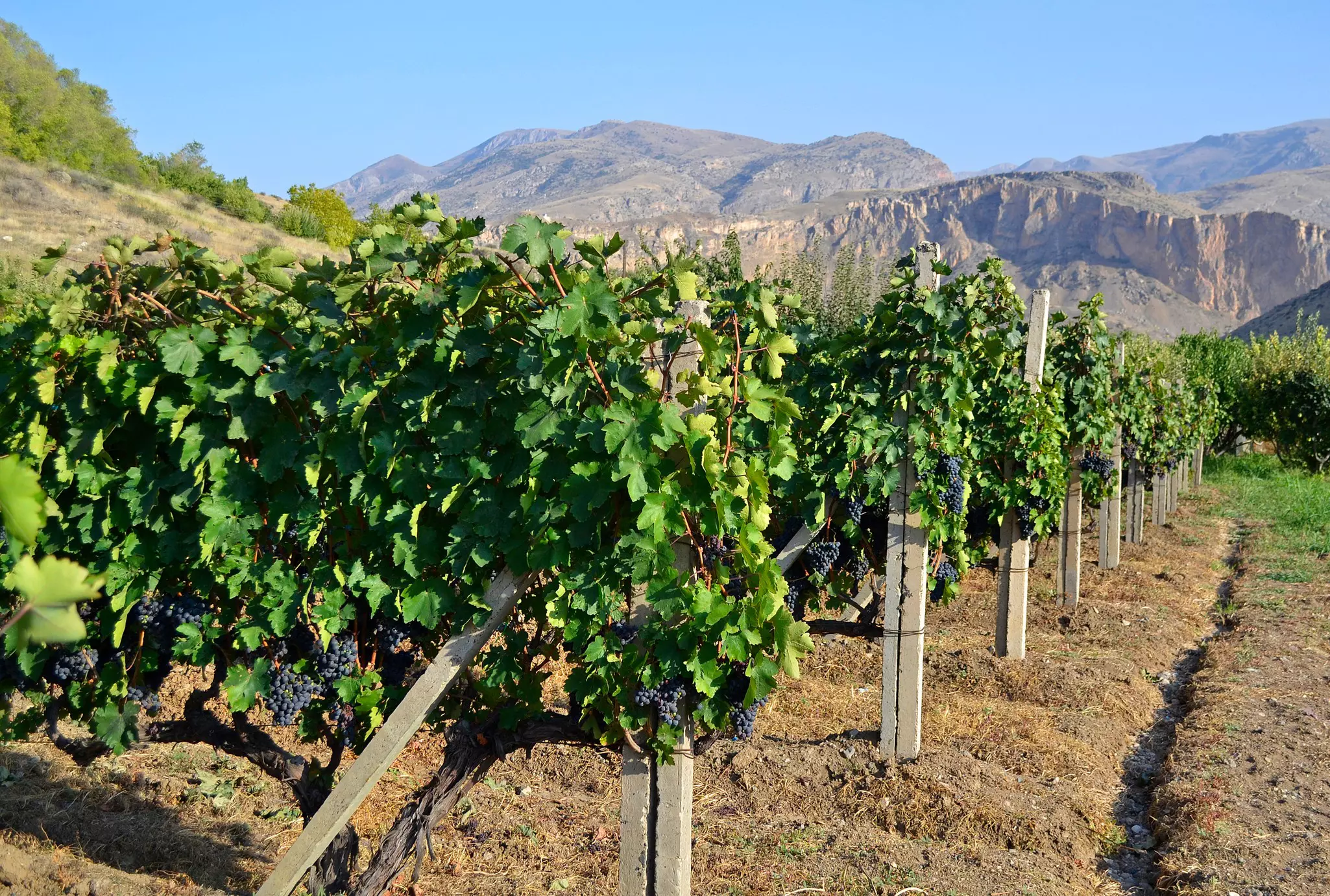
9. Taste Armenian wines in Areni
Areni is vineyard country. Stop by Momik WineCube, run by friendly Nver and Narine Ghazaryan, for tastings of three wines made from Armenian grapes Areni (dark red and rosé) and Voskehat.
East on the highway, Trinity Canyon Winery is a much larger operation, producing 55,000 bottles per year and opening its facilities to produce other upstart Armenian wine brands. Close to Yeghegnadzor, Old Bridge Winery offers another nice tasting experience in its pretty tasting room just off the highway.
Planning tip: While locals call this the Areni region, the town itself doesn’t have much in the way of good hotels and restaurants. There are more amenities 16km (10 miles) away in the town of Yeghegnadzor, which is an excellent base for exploring the south.
10. Trek the Transcaucasian Trail near Dilijan
Billed as the “Switzerland of Armenia” (which might be a stretch), alpine Dilijan has undeniably attractive scenery and an extremely pleasant climate. The red-and-white marked Transcaucasian Trail (TCT), which stretches up to Georgia and down to Meghri, makes for the perfect hiking territory, even in the height of summer.
Dilijan to Parz Lake features the Transcausasian Trail’s most beautiful landscapes. The hike takes you from the center of Dilijan up to Parz Lake or vice versa (starting from Parz Lake will save you the trouble of finding a taxi to get back to Dilijan). The non-urban portion of the trail is mostly uphill and along a 4WD road, which zigzags to a narrow path until you end up in a wooded area with phenomenal views over Dilijan. Be sure to look for the red-and-white trail markings of the TCT so as not to get lost on the trail. Along the way are beautiful vistas, dense forests offering respite from the sun, and meadows that fill with millions of wildflowers in spring.
Planning tip: Parz Lake is popular during high season and has a restaurant, boats for hire, rope park and zipline, and on-site cottages.
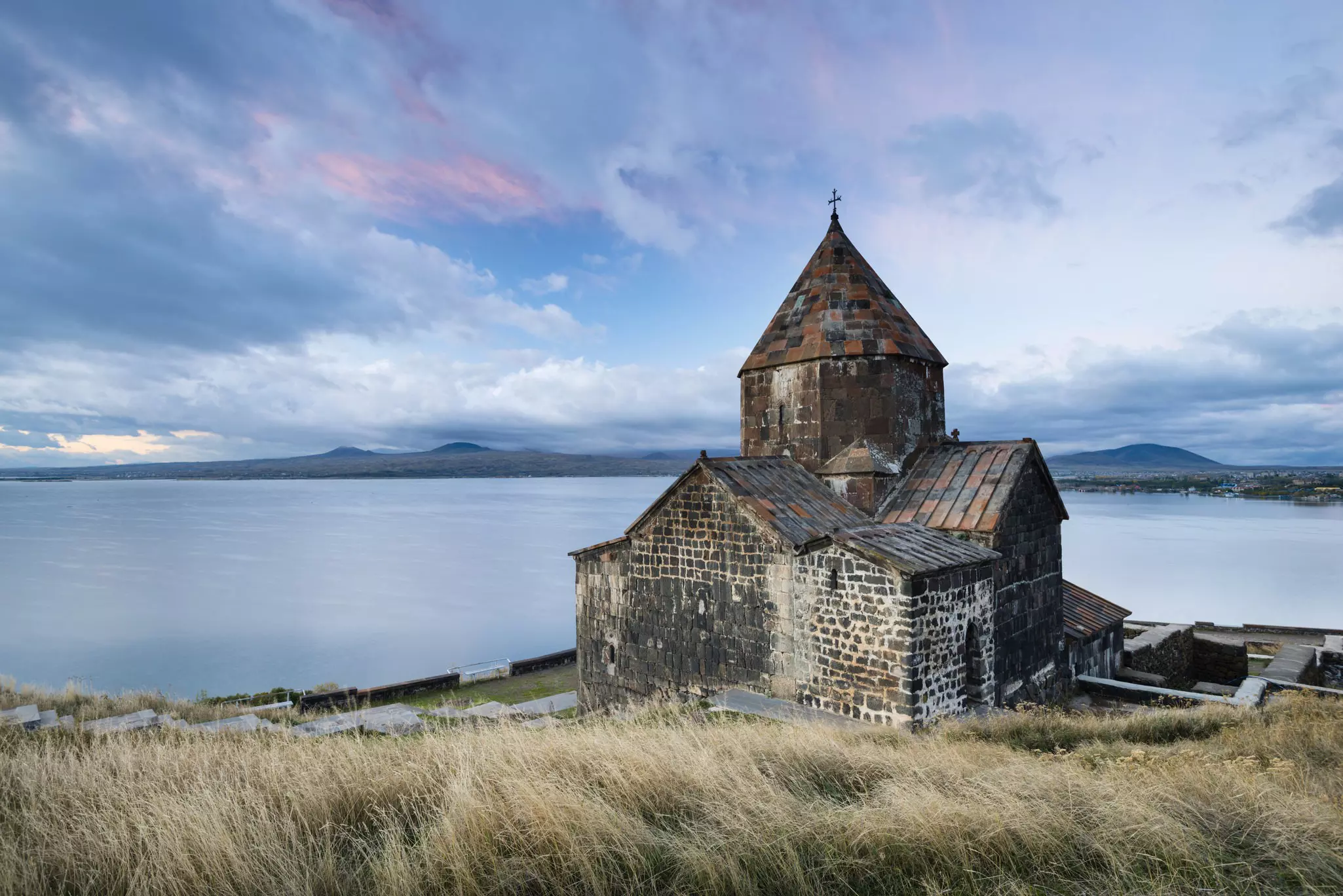
11. Take a scenic drive to Lake Sevan
Set 1900m (6230ft) above sea level and covering 1240 sq km (480 sq miles), Lake Sevan is the largest lake in the South Caucasus and one of the largest freshwater high-altitude lakes in the world.
Highway M10 linking Yeghegnadzor to Lake Sevan is one of the most scenic drives in Armenia, with stark beige cliffs and footpaths used as far back as the 1st century.
Skip the charmless town of Sevan in favor of the Sevan Peninsula, which, while busy, has arresting views from the hilltop monastery. And don’t miss Armenia’s most cherished khachkar cemetery and the scrumptious cheese-tasting farm nearby. If you have a vehicle, the windswept east side has a diving resort and calmer beaches.
Detour: Visit the unique Mikayelyan Family Farm to learn about the cheese-making process and taste local cheeses that go well beyond the salty, white slabs found elsewhere in Armenia.
12. Wander among medieval cave dwellings in Goris
Overlooking Goris are spooky cone-shaped peaks dotted with caves, which, according to local legend, residents lived in from the 5th century all the way to the 18th. Today, the Medieval Goris Cave Dwellings are shelters for cows as well as religious symbols and fun places to explore on a hike.
Several trails start from the cemetery in the southeast corner of Goris and lead up over a saddle with epic views over the city. It’s worth exploring the cave rooms, some of which are linked together and feature arched “shelf” walls (just don’t disturb the resident cows). Every June, the village of Khot near Goris hosts a Sheep Shearing Festival. Local shepherds show off their wool and hold contests to see who is the best shearer in the region. There’s also a fashion show of traditional Armenian clothing and live bands
Detour: Take the short walk to visit the cave dwellings in Old Khndzoresk, where you'll need to cross a thrilling suspension bridge that sways high above the gorge, offering breathtaking views and an unforgettable adventure.
13. Hop aboard Wings of Tatev Aerial Tramway, the longest nonstop reversible cable car in the world
The tiny rural village of Tatev is perched on a 1600m (5250ft) plateau overlooking the Vorotan River and has jaw-dropping views over its canyon. Get across in style via the Wings of Tatev Aerial Tramway, the longest nonstop reversible cable car in the world.
The cable car leaves every 30 minutes, traveling 5752m (18.870ft) in under 15 minutes. The trip across the gorge is breathtaking, and a recorded narrator explains a bit about what you’re seeing. Once across, follow the crowds to Tatev Monastery, originally founded in the 4th century.
Planning tip: Booking ahead is a good idea or else you might have to wait, and you’ll need to provide a return time (two hours is plenty). If not, or if you miss your timeslot, you’ll have to pay extra on top of the already pricey ticket.
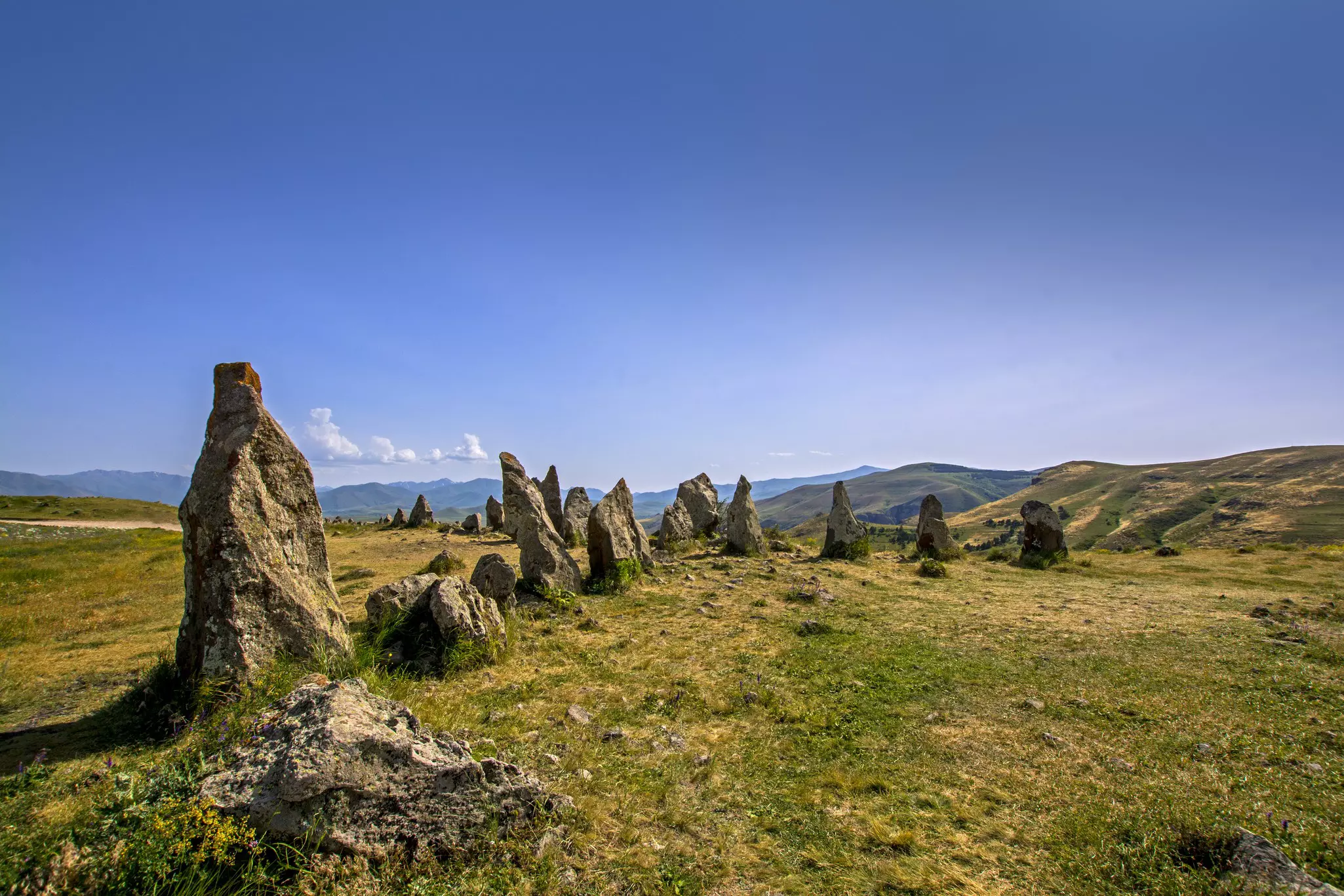
14. Marvel at Armenia’s Stonehenge: Zorats Karer
Between Areni and Goris, 3km (1.8 miles) from the town of Sisian, are 220 upright basalt stones up to 3m (10ft) high. The stones are mysteriously set in an egg-shaped area along sweeping lines and loops stretching as long as 170m (557ft). Together, the stones make up the ancient site often referred to as Armenia’s Stonehenge – Zorats Karer (or Karahunj; not to be confused with the town of Karahunj).
The site is situated on a rise above the river plains ringed by mountains and dotted with dozens of tombs dated to before 2000 BCE. About 70 stones are pierced with fist-sized holes, which indicate the builders’ deep knowledge of astronomy, including the zodiac and the lunar phases, combined perhaps with worship for stars such as Sirius.
Planning tip: The astronomical design of Zorats Karer is most evident at the solstices and equinoxes.
15. Raft the Debed Canyon
The Debed Canyon is one of Armenia’s prettiest regions, and yet its small towns and wide open spaces weren’t prepared with activities for visitors up until recently. One of the igniters of that change was Rafting in Armenia, which was started by friendly couple Rose and Gevor in 2017 and their activity is now unquestionably the best way to experience the canyon.
The 12km (7 miles) voyage features four rapid clusters that don’t exceed Class III, and the way is lined with waterfalls and beaches (one they affably call “Miami Beach”). The real joy is the guides, many of whom are from India and Iran. Rafts can fit up to eight people.
Planning tip: Trips are offered most days from April to December. The rest of the year, the company can take their rafts up the mountain for snow-rafting. Bring a tent to spend the night afterward in a campsite area the owners call “Raftastan”.
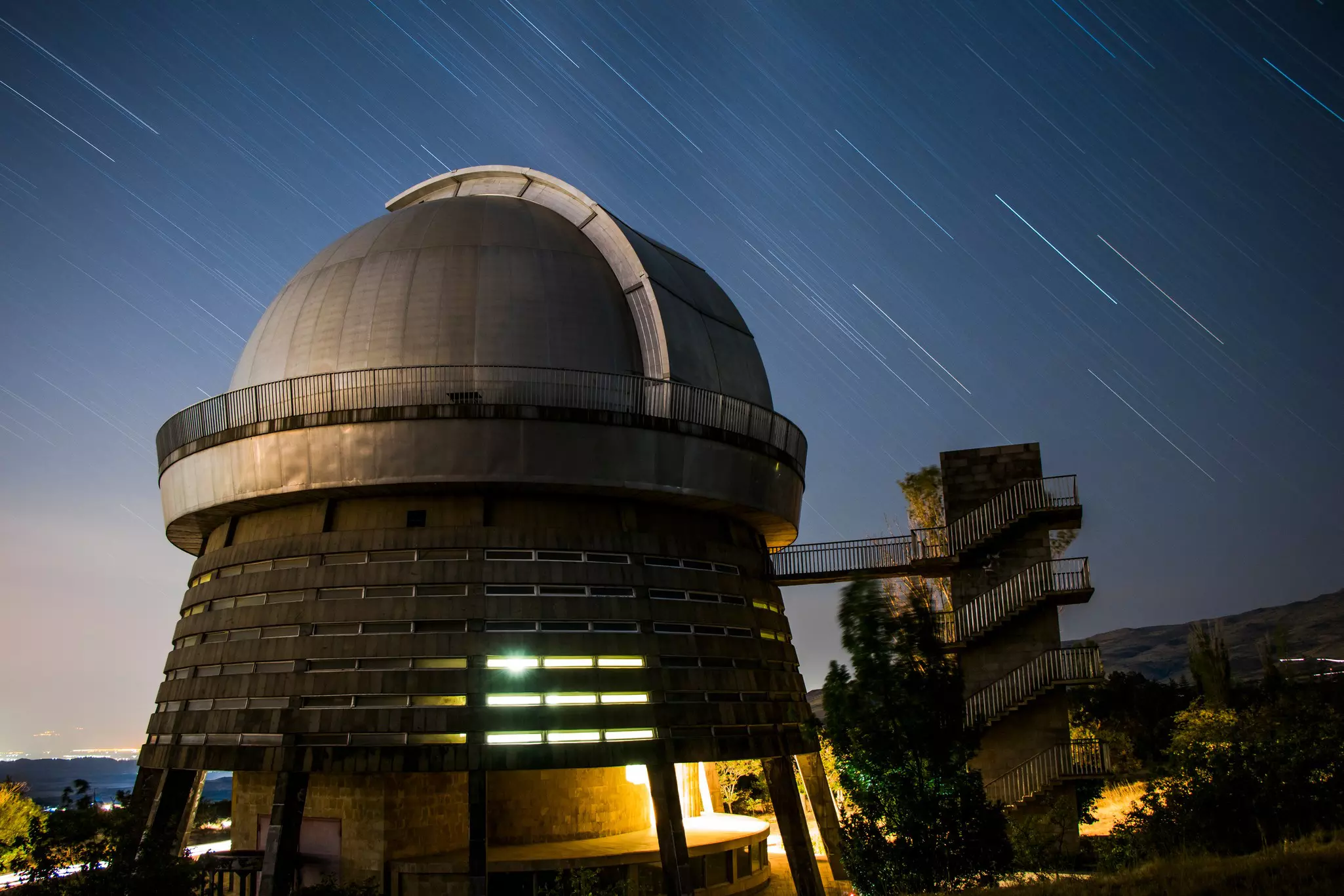
16. Learn about Armenia’s space exploration history at Byurakan
In 1946, the Armenian town of Byurakan was chosen as one of the USSR’s main astronomy centres due to its high elevation on the slopes of Mt Aragats and its distance from light pollution. The Byurakan Astrophysical Observatory (BAO) went on to operate some of the largest space telescopes of its time. In 2010 UNESCO listed the facility’s large-scale First Byurakan Survey (1965–80) as a Memory of the World for being one of the most important achievements of 20th-century astrophysics.
While the observatory hasn’t been updated since the fall of the USSR, it’s still operational and hosts tours if you book in advance. The most comprehensive tour package involves visiting the BAO grounds, its museum dedicated to Armenian astrophysicist Viktor Ambartsumian, a daytime visit to see the telescopes and an hour-long night observation (depending on weather). Alternatively, you can just pick one or two options.
Detour: ZipWine is a tourist resort in the village of Byurakan with Armenian wine blends plus a tennis court, pool and ziplines over the Amberd Canyon.
This article was adapted from Lonely Planet's Georgia, Armenia & Azerbaijan guide.