Apr 2, 20268 min read
18 Tourist Tips to Help You Plan Your Trip to the Cook IslandsApr 2, 2026
8 MIN READ
Writer
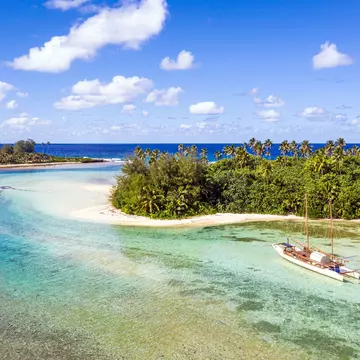
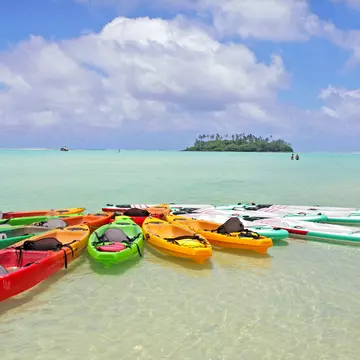
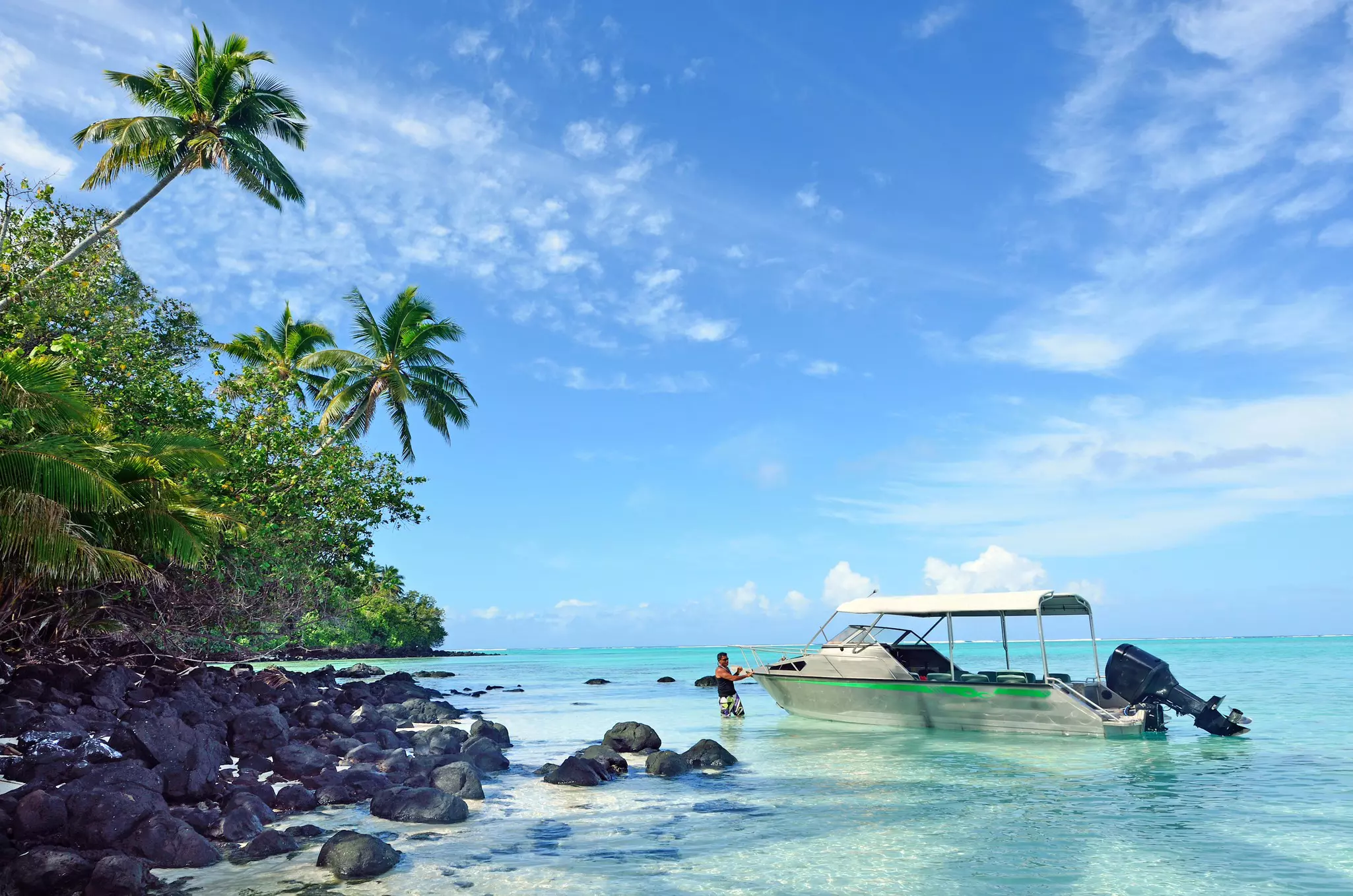
Muri Lagoon in Rarotonga, the Cook Islands. chameleonseye/Getty Images

Writer
Highlights
Writer Brett Atkinson shares 18 Cook Islands tips on timing, packing, health and safety.
May to October offers drier weather; Australian and Kiwi school holidays push prices up.
For Sunday church, dress formally – and always say kia orana when meeting a local.
Pack reef shoes for the lagoon, insect repellent and ear drops after swimming.
Lonely Planet may earn a commission from affiliate links on our site. All recommendations and reviews reflect our own independent opinions.
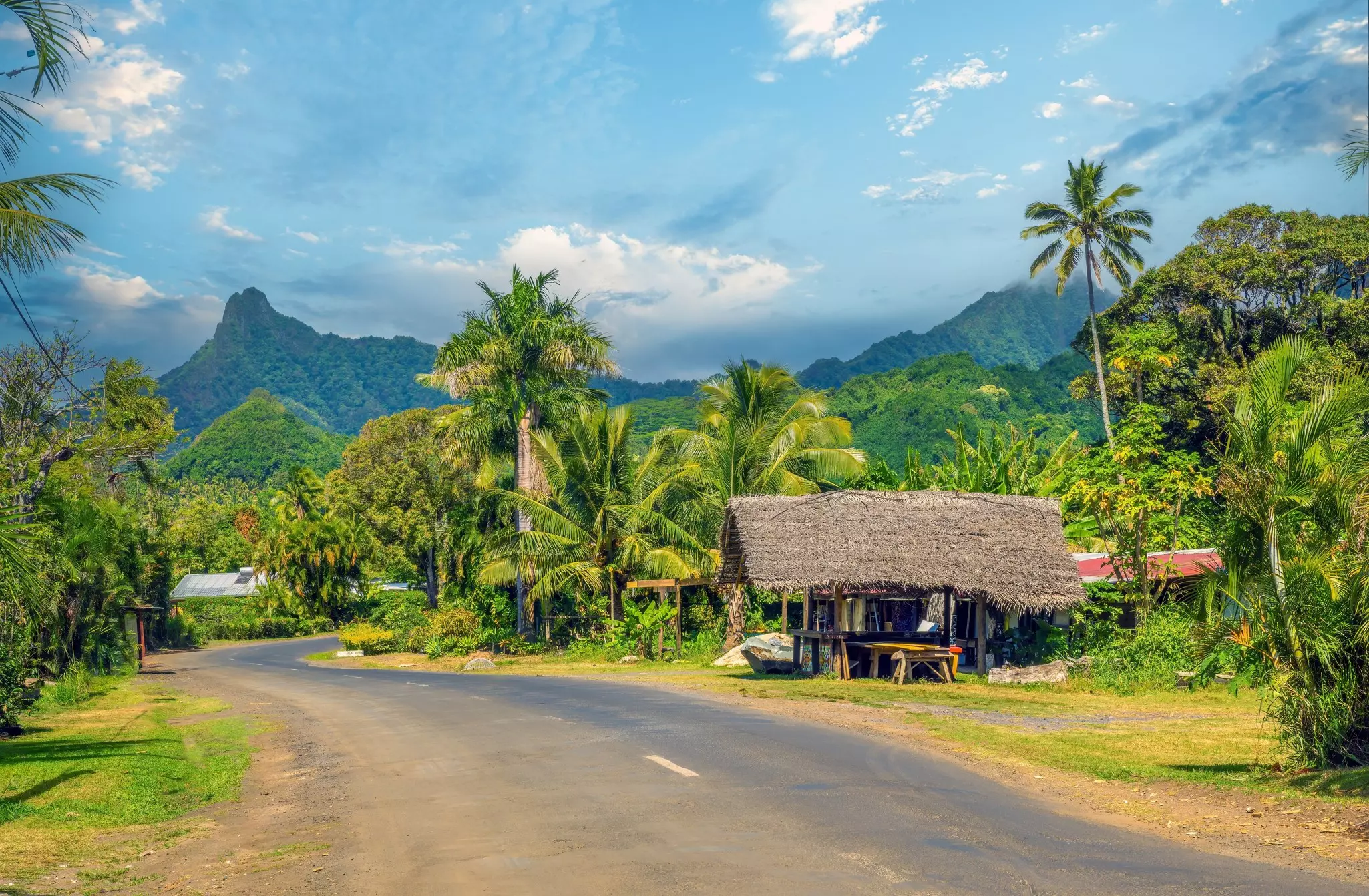
Scattered in the vast South Pacific, the Cook Islands, including Rarotonga, are a taste of tropical perfection. At 3234km from the nearest major landmass, this is as far-flung destination as most travelers will ever get to. Yet once you make the journey here, you’ll discover that this is a straightforward place to visit. Cook Islanders are famously welcoming and friendly, English is widely spoken, and you’ll find an easygoing mix of 21st-century sophistication and traditional Polynesian values.
Framed by the wild blue expanse of the planet’s biggest ocean, these isolated isles are one of the world’s great getaways. Yet given the effort it takes to get here, the secret to a successful trip to the archipelago is to do some prep ahead of time. Here are some pre-departure tips to help you plan your time in this fascinating island nation.
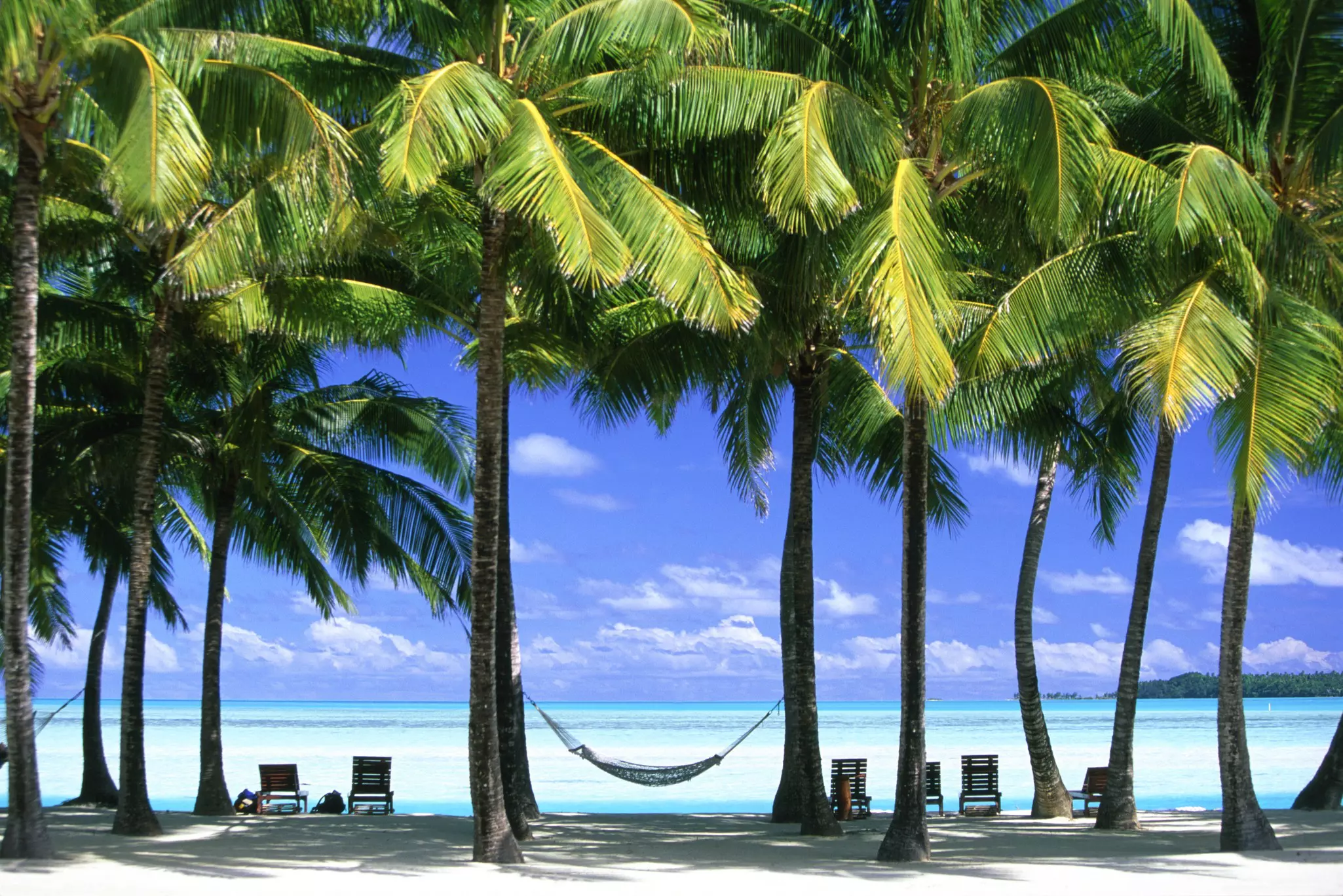
The Cook Islands are warm year-round, but some seasons are better for travel than others. With drier weather and lower humidity, May to October is a great window for a visit. From November to April, the weather is warmer but also wetter – still, rain showers are often short and sharp, with blue skies quickly reappearing after sudden downpours. December to January is the cyclone season. Though storms can bring heavy rain and strong winds, the islands are not severely impacted every year.
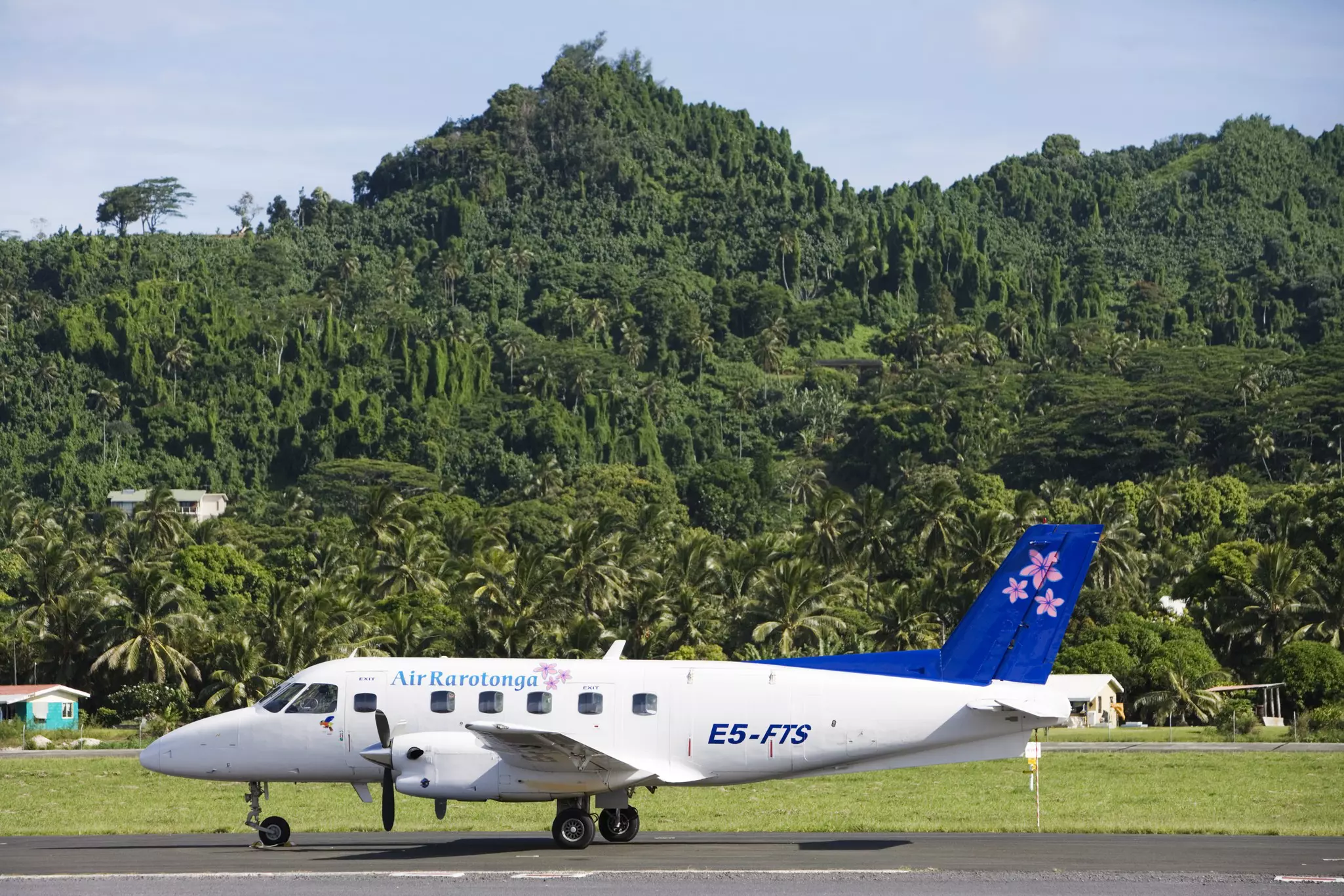
Rarotonga is linked by direct flights to Auckland, Sydney, Honolulu and Tahiti, with Air New Zealand’s service from Auckland to Rarotonga being the only daily international service. Once you reach Rarotonga, things get easier: Air Rarotonga, the Cooks’ national airline, has regular flights from Rarotonga to the country's Pa Enua (Outer Islands), including the popular islands of Aitutaki and ‘Atiu.
Traveling to Rarotonga from New Zealand, flights cross the international date line – which means you’ll arrive in the Cook Islands the day before you depart. Accordingly, double-check your accommodation dates to preclude any unpleasant surprises. Similarly, traveling back from Rarotonga to New Zealand, travelers lose a day, and arrive in Auckland the day after they depart.
The Cook Islands, especially Rarotonga, get very busy with vacationing families during New Zealand’s and Australia’s school breaks, putting pressure on prices and availability for accommodations and flights during these periods. These usually fall in the 2 weeks following Easter, the first 2 weeks in July, and the first few weeks in October. The dates move slightly each year, so check the timings on New Zealand’s Ministry of Education website and the education department websites for Australia’s different states.
Cook Islanders living in New Zealand often visit family in the islands for Christmas and New Year, and also for the annual celebrations leading up to the islands’ Constitution Day on August 4. Prices for accommodations and airfares usually increase around this time, too.
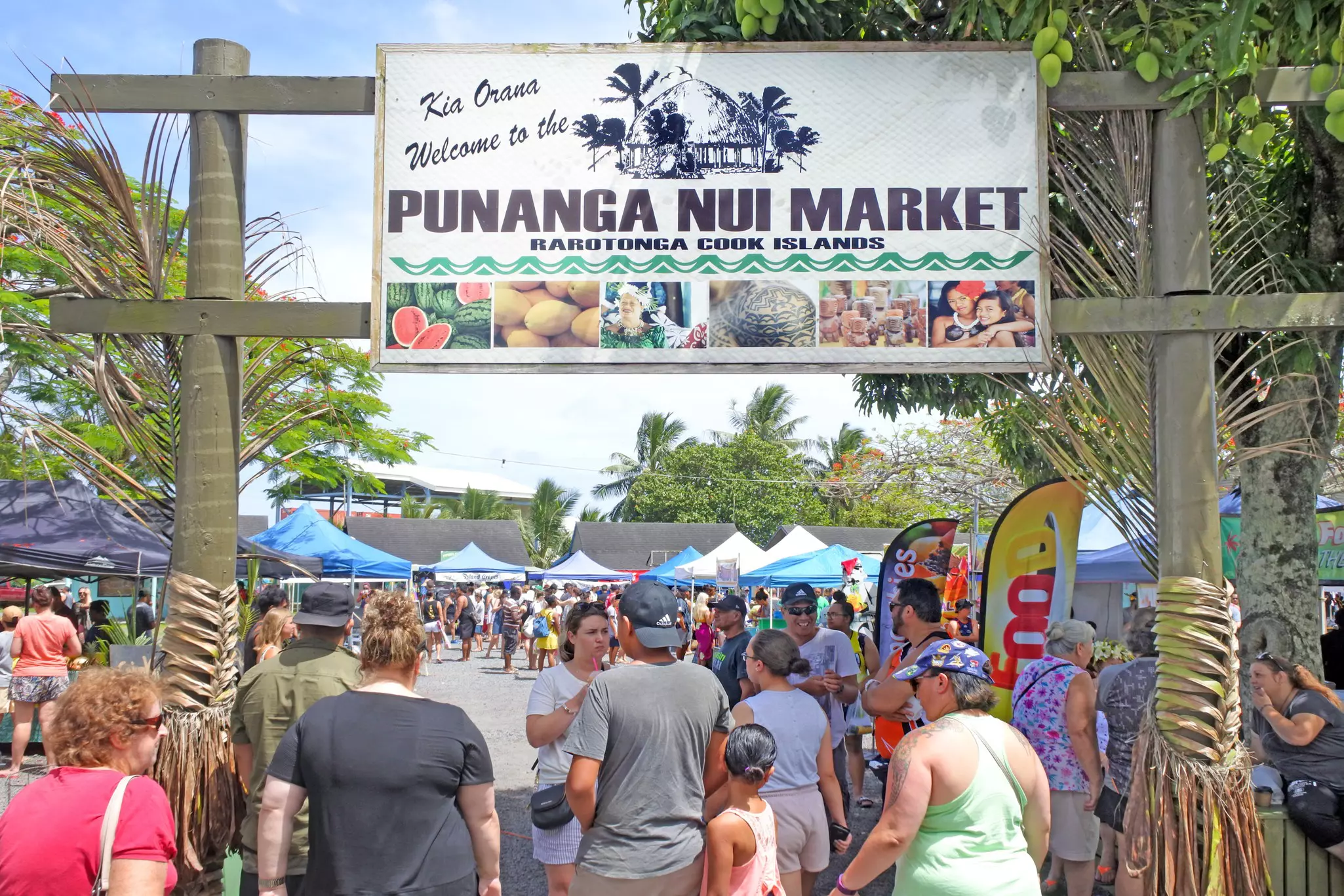
While Rarotonga and Aitutaki both offer all-inclusive resort accommodations, consider renting a self-contained holiday house or beachside bungalow during your stay in the Cook Islands. Having your own fully equipped kitchen and barbecue facilities increases the options for self-catering (thus lowering your trip budget), and it’s easy to buy local fish and pick up fresh vegetables and fruit from Rarotonga’s Saturday-morning Punanga Nui market. There are also well-stocked supermarkets on Rarotonga, even if goods imported from New Zealand and other far-flung places can be expensive. Camping is not possible on any of the Cook Islands, but there are a couple of hostels in Rarotonga for budget travelers.
Free internet access is hard to find on the Cook Islands, but Vodafone Cook Islands offers wi-fi hot spots around Rarotonga and Aitutaki that can be accessed for a reasonable cost via prepaid vouchers. Vodafone also sells an eSIM package incorporating 10GB of data, 30 minutes of international calling and 300 text messages. Vouchers and Travel SIMs are both available from Vodafone’s booth at Rarotonga airport.
New Zealand dollars are the primary currency in the Cook Islands, and you can withdraw bills from ATMs on Rarotonga and Aitutaki. Most accommodations, rental car companies and tour operators accept credit cards, but cash is essential for smaller shops and at the Punanga Nui market and Muri night markets, so carry some dollars for day-to-day use.
Change is usually given in the Cook Islands’ own coins, including the quirky triangular $2 coin. These coins can’t be used as legal tender back in New Zealand, but they do make excellent souvenirs of your visit. Neither tipping nor bargaining are part of Cook Islands’ culture, and prices are fixed everywhere.
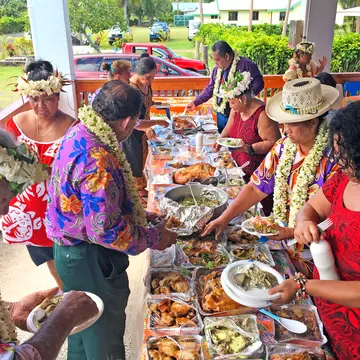
In the Cook Islands, Sunday is a quiet day, most often spent attending church and visiting with family. Many shops and businesses close for some, or all, of the day. If you fancy attending a Cook Islands church service, expect a warm welcome – and an invitation to join the local congregation for refreshments at the conclusion of the service.
There’s no need to pack your finest threads, for the dress code in the Cook Islands is casual, and shorts, a t-shirt, and sandals or flip flops will be fine for most occasions. If you're attending church on Sunday, a collared shirt with long trousers or a skirt are the right attire for this more formal occasion. Bring a long-sleeved linen shirt and trousers to guard against insect bites in the evenings.
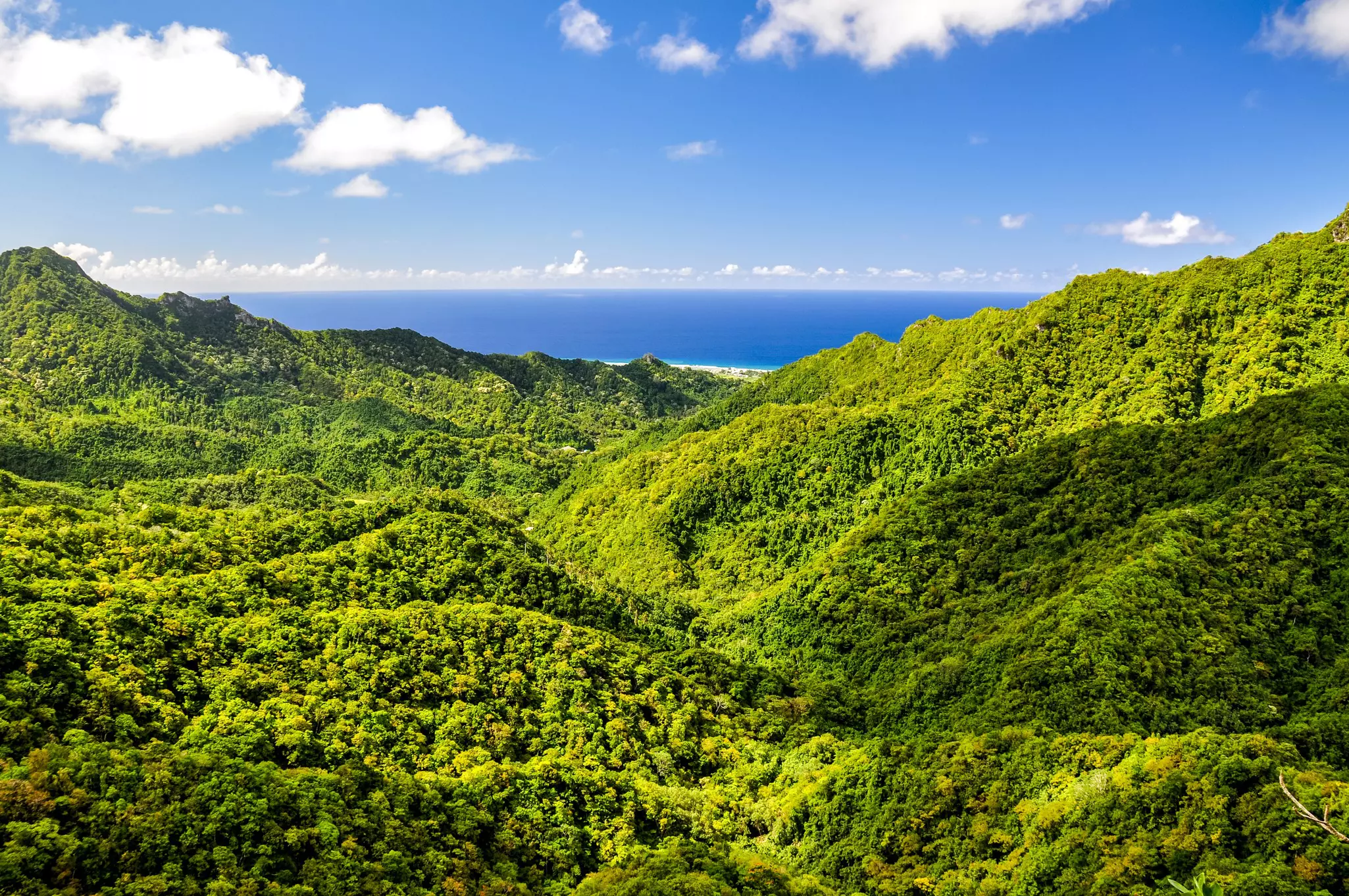
Lightweight hiking shoes are recommended for tackling Rarotonga’s Cross-Island Track, while essentials for exploring the lagoons and beaches include reef shoes – to protect from coral cuts and the occasional stonefish – and a rash vest for fighting the tropical sun. Hats and sunglasses are also strongly recommended.
The Cook Islanders are a famously friendly bunch, but despite the laid-back mood, the islands are quite socially conservative, and it’s not appropriate to wear beachwear away from the resort pool or lagoon. To avoid causing offense, a sarong is a handy addition to a packing list to wear after swimming.
All Cook Islanders speak excellent English. Still, when meeting a local, the most common greeting is kia orana, which means “may you live a long and fulfilling life” in Cook Islands Māori. Saying meitaki (thank you) is also always appreciated.
The Cook Islands definitely operate on island time. If you’re meeting someone for coffee or a meal, it’s not unknown for people to drift in a little after the appointed time. If your guests have still to arrive after 15 minutes, that’s no cause for concern; just relax and enjoy Rarotonga’s easygoing vibe. An exception is if you’re being picked up by a tour operator, or have booked an island activity at a specific time and place: you’ll be expected to be on time for these appointments.
Renting a scooter is a popular way to get around – though it’s worth checking your travel insurance to confirm you're covered for any accidents. Wearing a helmet is compulsory, vehicles drive on the left and you’ll need to complete a practical riding test – basically a series of tight-ish turns in a police station parking lot – to secure a Cook Islands’ scooter license allowing you to rent a vehicle.
Driver’s licenses from most countries can be used to rent a car without this extra requirement. Note that island roads are not well lit, and driving after dark is not recommended due to the antics of wandering chickens and the occasional overexcited dog. If you prefer not to drive, there is a bus service on Rarotonga.
In general, the Cook Islands are very safe, but opportunistic thefts of rental cars parked at beaches or other tourist spots is not unknown. Don’t leave valuable items such as cameras, tablets and smartphones in the car when swimming or hiking.
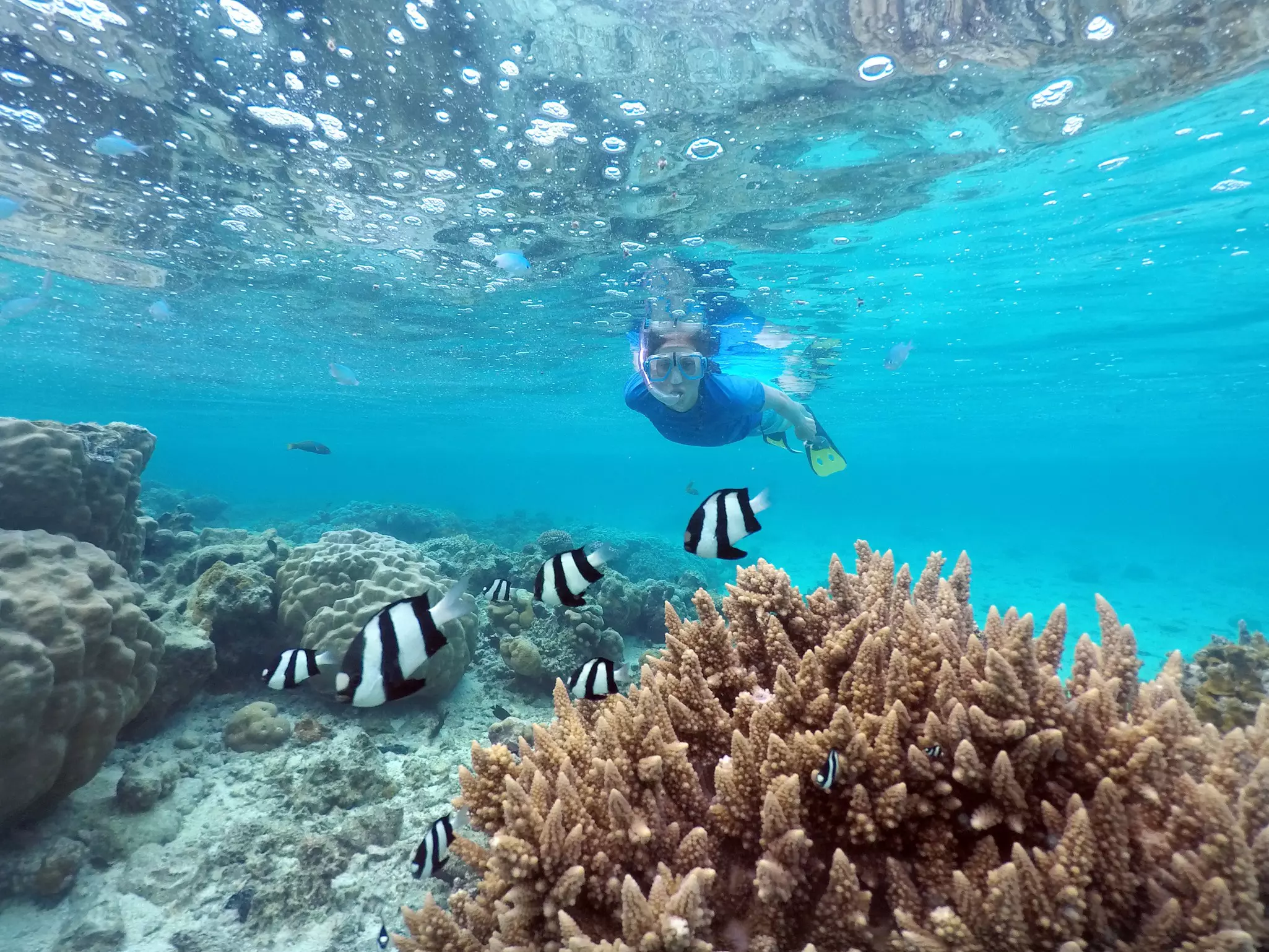
Always ask a local if the water is safe before you go swimming, as some parts of Rarotonga’s lagoon have strong currents, particularly near the Rutaki, Papua and Avaavaroa passages. Rarotonga is also susceptible to tsunamis following volcanic and seismic activity elsewhere in the South Pacific; if warning sirens sound, follow everyone else and evacuate to higher ground. Evacuation routes are indicated by signs all around the island.
While there is no malaria on the islands, dengue fever is also transferred by mosquitoes and is present on Rarotonga, with an outbreak in May 2025. Check the Ministry of Health for the latest. There’s no vaccine or prophylaxis for the virus, so take care to apply insect repellent, wear long sleeves and trousers in the evenings, and keep your accommodations insect-proof using door and window screens. If you are unlucky enough to catch dengue, seek medical attention, as the hemorrhagic form of the illness can be serious indeed.
The combination of frequent swimming and a humid tropical climate can give rise to “swimmer’s ear” and other infections of the outer ear canal. Always dry your ears carefully after swimming, and pack ear drops in a compact first-aid kit.
Explore related stories