Aug 25, 202611 min read
13 Best Places to Visit in ChinaJul 9, 2026
15 MIN READ
Contributors
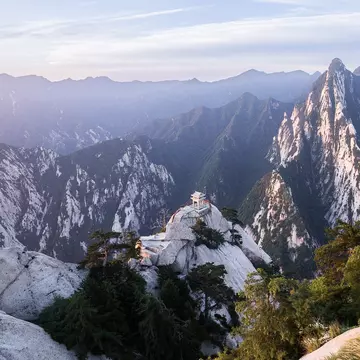
Sunrise over Hua Shan, Anhui. Germhess/Shutterstock

Contributors


Lonely Planet Editors, Piera Chen
Highlights
Writer Piera Chen maps out 12 top Chinese parks from the Tibetan Plateau to tropical Hainan.
Hike snow-leopard country in Sanjiangyuan or meet giant pandas across Sichuan.
Jiuzhaigou's gem-like lakes astound, while Zhangjiajie's sandstone peaks inspired Avatar's Pandora.
Huangshan's fog-laced peaks have seduced poets and painters for centuries.
Lonely Planet may earn a commission from affiliate links on our site. All recommendations and reviews reflect our own independent opinions.
As large as a continent, China covers just about every type of landscape found on the planet, from dense rainforests and rolling grasslands to parched deserts and deep canyons – not to mention thousands of rivers and over 11,000 named mountains, or shān. It should come as no surprise to learn that many of the top things to see and do in China take place in and around these natural wonders.
For decades, China’s spectacular natural landscapes were protected via locally administered “national scenic areas” and “nature reserves” – often loosely defined and graded via a complicated tier system. It is only recently that the Chinese government decided to group these conservation zones together to form coherent national parks.
In 2021, the first five official national parks were launched, covering important natural landscapes and wildlife habitats across the country, with six others currently under development. Read on to learn more about these five pioneering Chinese national parks, alongside more of our favorite scenic areas all over China.
Best for trekking in snow-leopard country
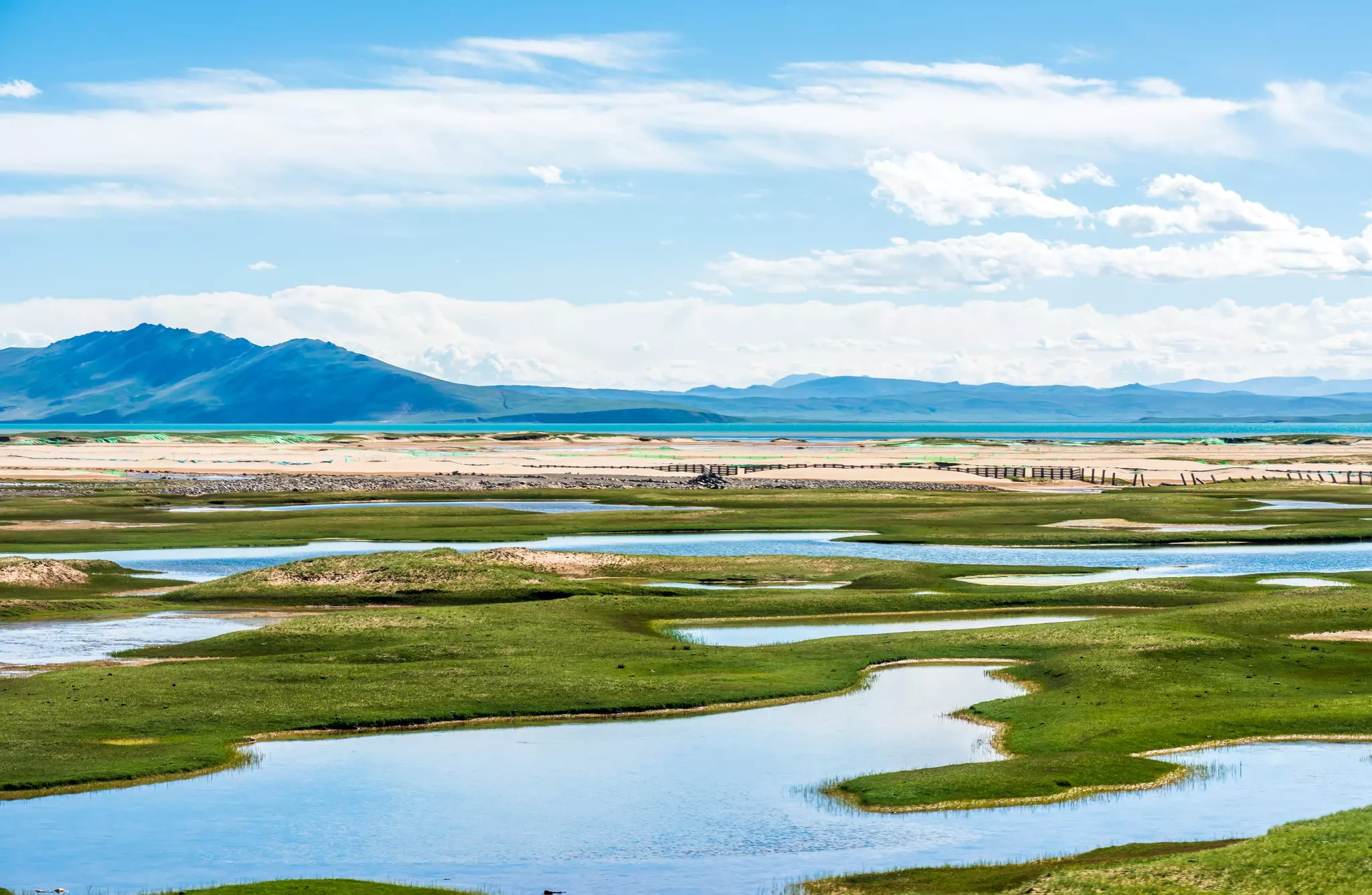
With much of its territory above 4700m, this vast, high-altitude park spanning areas of Qinghai and Tibet is 14 times the size of the USA’s Yellowstone National Park. It spreads across the sources of three great rivers: the Yangtze, the Yellow and the Lancang (the upper half of the Mekong), taking in silent wetlands, mirrored lakes, steppe-like grasslands and snowy mountains that climb to 6000m.
More than half of its 190,100 sq km sits on the Tibetan Plateau, one of the most sparsely inhabited areas on earth, where snow leopards, Tibetan antelopes and wild yak roam. While tourist facilities are limited, the authorities are taking steps to improve accessibility, with key areas demarcated for mandatory protection.
The best option for adventurers is to arrange a wildlife-spotting trip by 4WD, or a hike to the source of the Yellow River, following a trail that threads past grasslands, glaciers, alpine lakes and patches of desert. Arrange transport and a guide in Xining or the Buddhist enclave of Yushu.
Getting there: Accessible by air or overland, the cities of Xining and Yushu are the gateways to Sanjiangyuan National Park; arrange a guided tour by 4WD to reach the park via National Highway 214.
Planning tip: Visit Sanjiangyuan National Park during the milder summer from July to September, when temperatures are milder and roads are clear of snow. Take steps to acclimatize to the altitude; the park sits at an elevation where Acute Mountain Sickness (AMS) is a risk.
Best for encountering China’s signature species
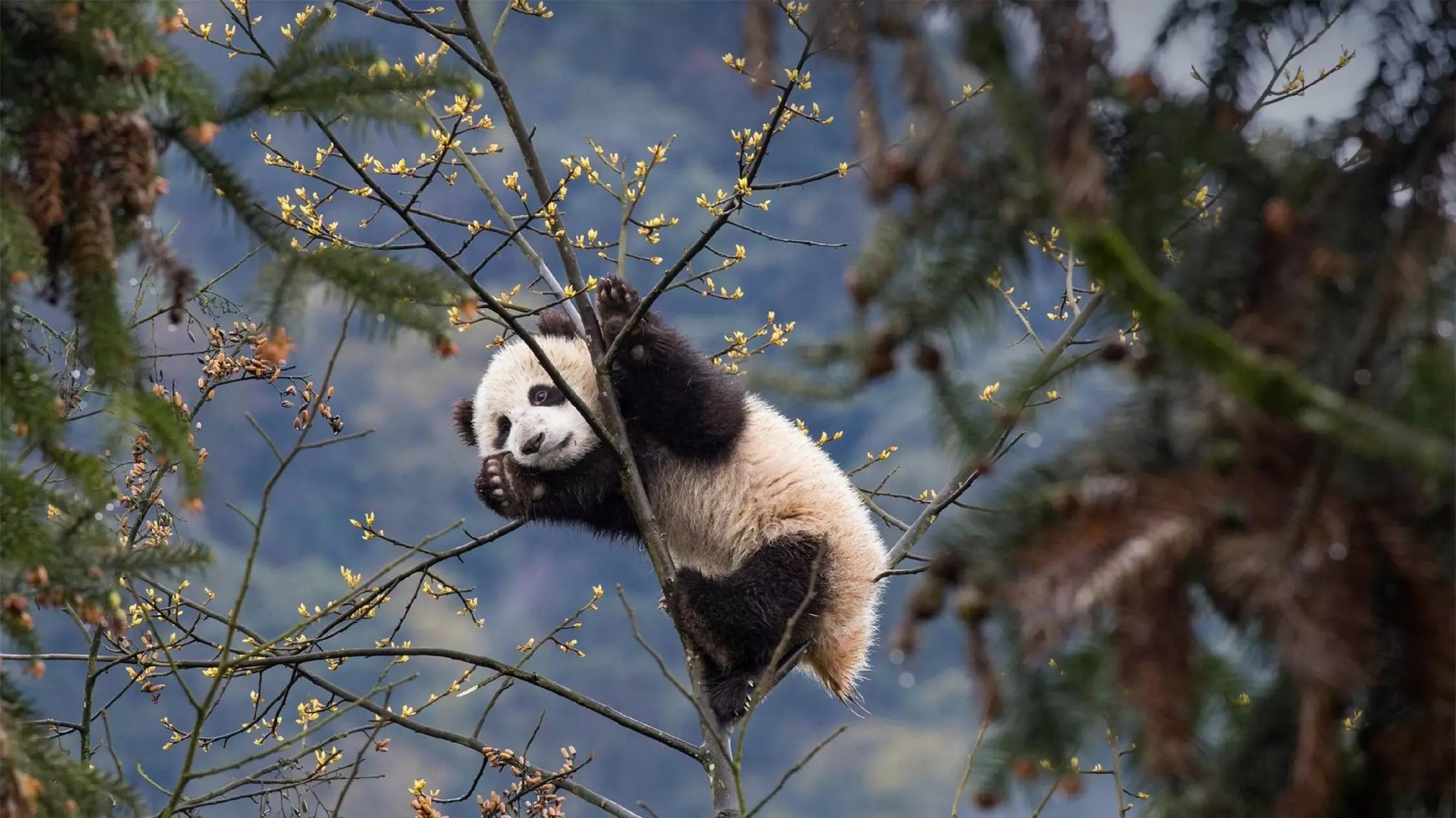
Endemic to China, the giant panda is the world’s rarest bear, with around 1900 individuals living in the bamboo-rich forests of Sichuan, Shaanxi and Gansu provinces. Though no longer officially endangered thanks to decades of conservation and breeding efforts, the bamboo-munching cuties remain vulnerable – and as popular as ever.
This Giant Panda National Park brings together 67 existing reserves that are home to over 1800 pandas. The aim of consolidating these areas into one national park is to enlarge habitats and maximize the chances of pandas breeding beyond their existing groups to ensure genetic diversity.
To see pandas in the wild, or at least in more natural conditions, your best chances are at the Wolong Giant Panda Nature Reserve and the Ya‘an Bifengxia Panda Base, both in Sichuan. A visit to either provides the opportunity to see and learn about China’s charismatic and often elusive mascot.
At Wolong, pandas reside in green enclosures as part of a successful breeding program, with guided walks possible in the surrounding reserve. There's a similar setup at Ya'an Bifengxia, where pandas can often be seen climbing the trees of their leafy living spaces.
Getting there: Reach Wolong Giant Panda Reserve from Chengdu by chartered car or bus; buses also run from Chengdu to Ya‘an Bifengxia Panda Base, or you can travel by train to Ya'an and take a taxi.
Planning tip: The best weather for seeing Sichuan's pandas is from March to April or September to October, avoiding the cold winter and hot and sticky summer.
Best for subtropical forests and bamboo raft rides
The smallest of the five first-wave national parks is centered on the Wuyi Shan mountains, a UNESCO World Heritage Site and Biosphere Reserve. Rising to 2158m at the summit of Mt Huanggang, the range lays claim to one of the world’s largest subtropical primordial forests, home to relict plants, rare insects and some 430 bird species.
On the banks of the serene Nine Twist River are towering cliffs bedecked with hanging coffins, evidence of an ancient funerary custom also seen in parts of Indonesia and the Philippines. Visitors can also see imperial ruins from the 1st century CE, and remnants of temples and academies from 1000 years ago, when Wuyi Shan was a cradle of Neo-Confucianism.
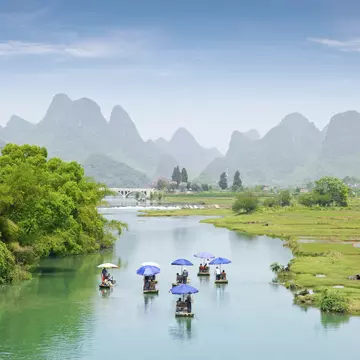
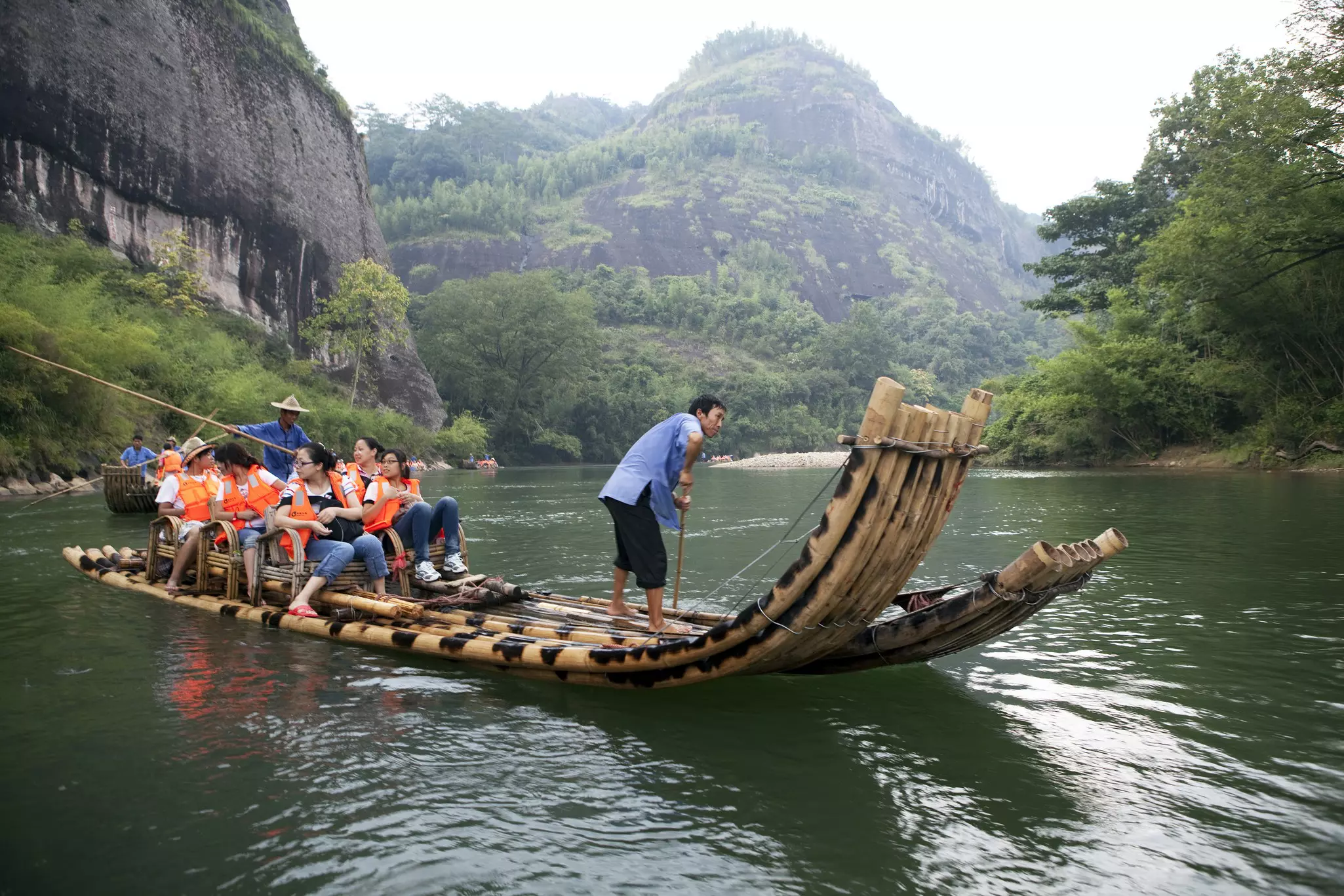
Following the Nine Twist River on traditional curved bamboo rafts is a popular way to see the park, with trips leaving from the western entrance at Xingcun Village and running for 2 hours or so to Wuyi Palace. Hikes to peaks such as Tianyou (Heavenly Tour Peak) and Yunü (Great King Peak) inside the Wuyi Shan Scenic Area are also popular, as are walks to tea gardens and caves near the park's southern entrance.
Getting there: Wuyi Shan North Train Station is just 19km from the reserve, and shuttle buses and taxis connect the two.
Planning tip: If rafting trips are canceled, as sometimes happens in the rainy season, you can walk along the 5km-long Streamside Trail, which follows the Nine Twist Stream from the Tianyou bus stop.
Best for hiking and chances of big cat sightings
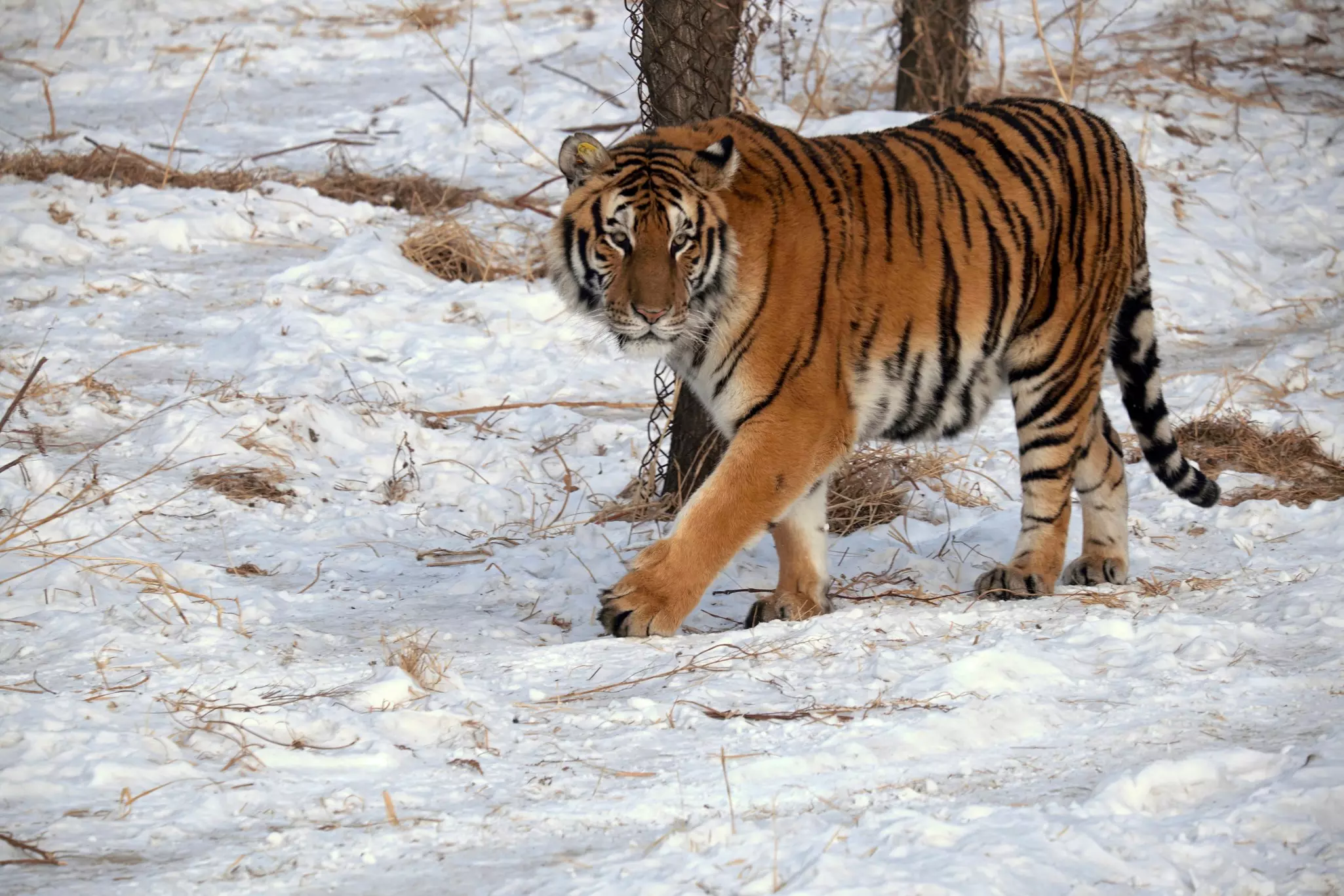
Located in the Changbai Mountains along the border with Russia in Heilongjiang, this park and the breeding center around which it was founded have been highly successful in repopulating the area's forests with critically endangered Amur tigers.
Endemic to China, eastern Russia and North Korea, this magnificent animal is the world’s largest feline. Changbai villagers used to worship these huge cats as “mountain gods,” before poaching, wars and development nearly rendered the species extinct. Today, the park is home to some 70 Amur tigers and 80 leopards, which feed on deer and wild boar.
Also prowling the park’s thick woodlands are Eurasian lynxes and golden eagles. Travelers can venture out on guided hikes in the park, but the chances of spotting an elusive tiger are remote. Further south, along the China–North Korea border in Jilin, Changbai Shan Nature Reserve and its gorgeous Heaven Lake are also worth visiting, with miles of forest trails leading to stark-blue crater lakes, and winter skiing opportunities.
Getting there: Most people who visit Northeast China Tiger & Leopard National Park come on a guided tour, flying into the airports at Wanji or Mudanjiang, and using the city of Hunchun as a base.
Planning tip: Changbai Shan Nature Reserve is best reached from the town of Erdao Baihe, the gateway to the park's North Slope.
Best for stargazing in a rainforest
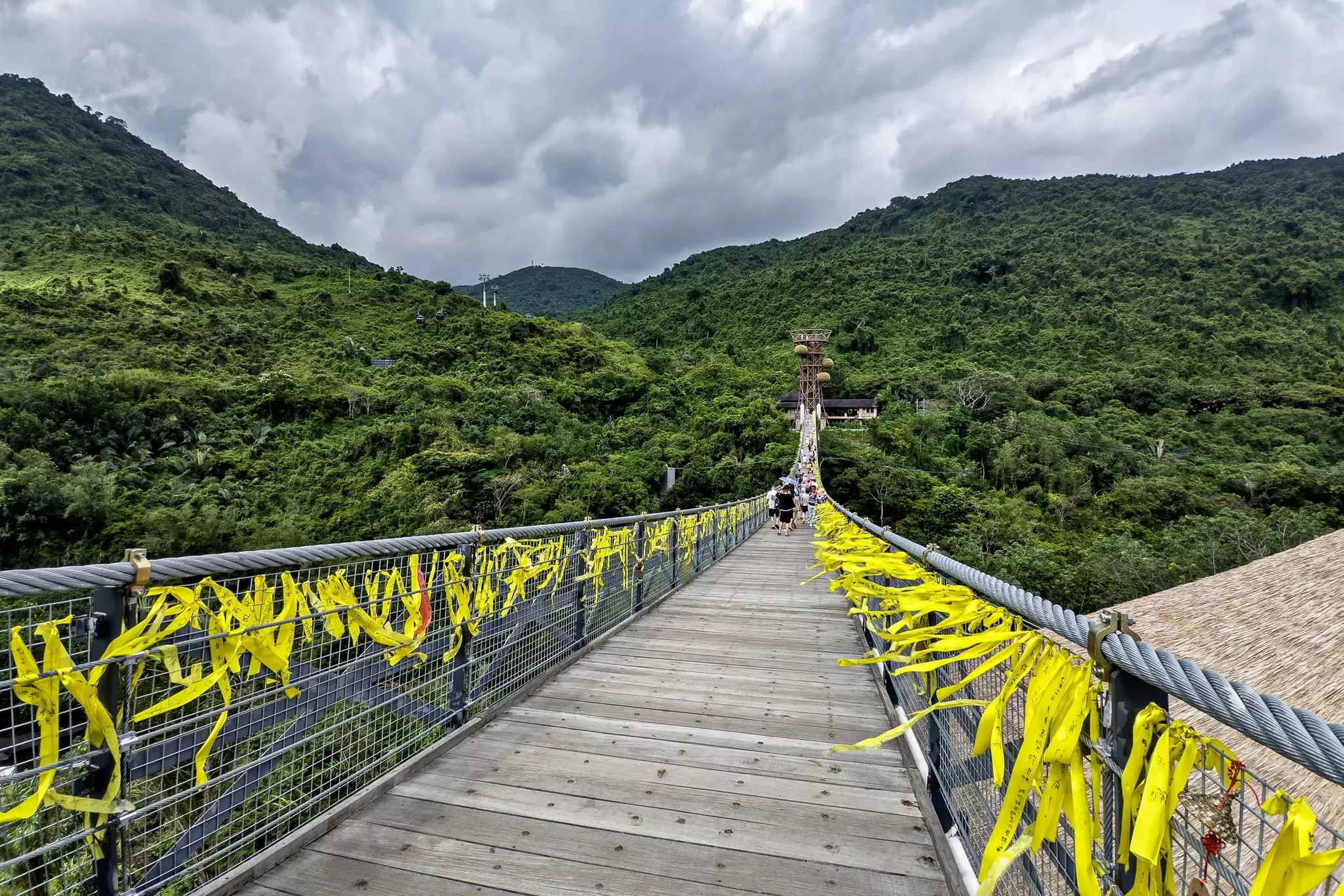
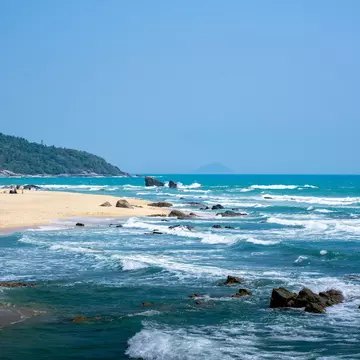
Incorporating several long-established scenic areas and nature reserves in the southern island province of Hainan, this luxuriant park is the home of the world’s rarest ape, the critically endangered Hainan gibbon – not to mention 39% of China’s bird species and thousands of wild plant species.
Although the island has been highly developed for tourism, Hainan’s tropical rainforests contain many one-of-a-kind ecosystems, and this 4269-sq-km park is the last remaining habitat for many endemic species of flora and fauna, including rare birds, mammals and amphibians.
The conservation area covers large parts of the interior of Hainan. Travelers visiting from the resorts on the coast can hike in mangrove forests, visit wildlife monitoring stations and gibbon-protection zones, and stargaze after night falls, far from light pollution.
Getting there: Tours and shuttle buses run from various Hainan hubs - head to Tongshi train station to access the Wuzhishan section of the park, or Jianfeng train station to access the Jianfeng Lingsection.
Planning tip: Hainan has a special visa arrangement for tourists – many nationalities can visit visa-free for up to 30 days, though you'll need a visa to continue to other parts of China.
Best for cave explorers
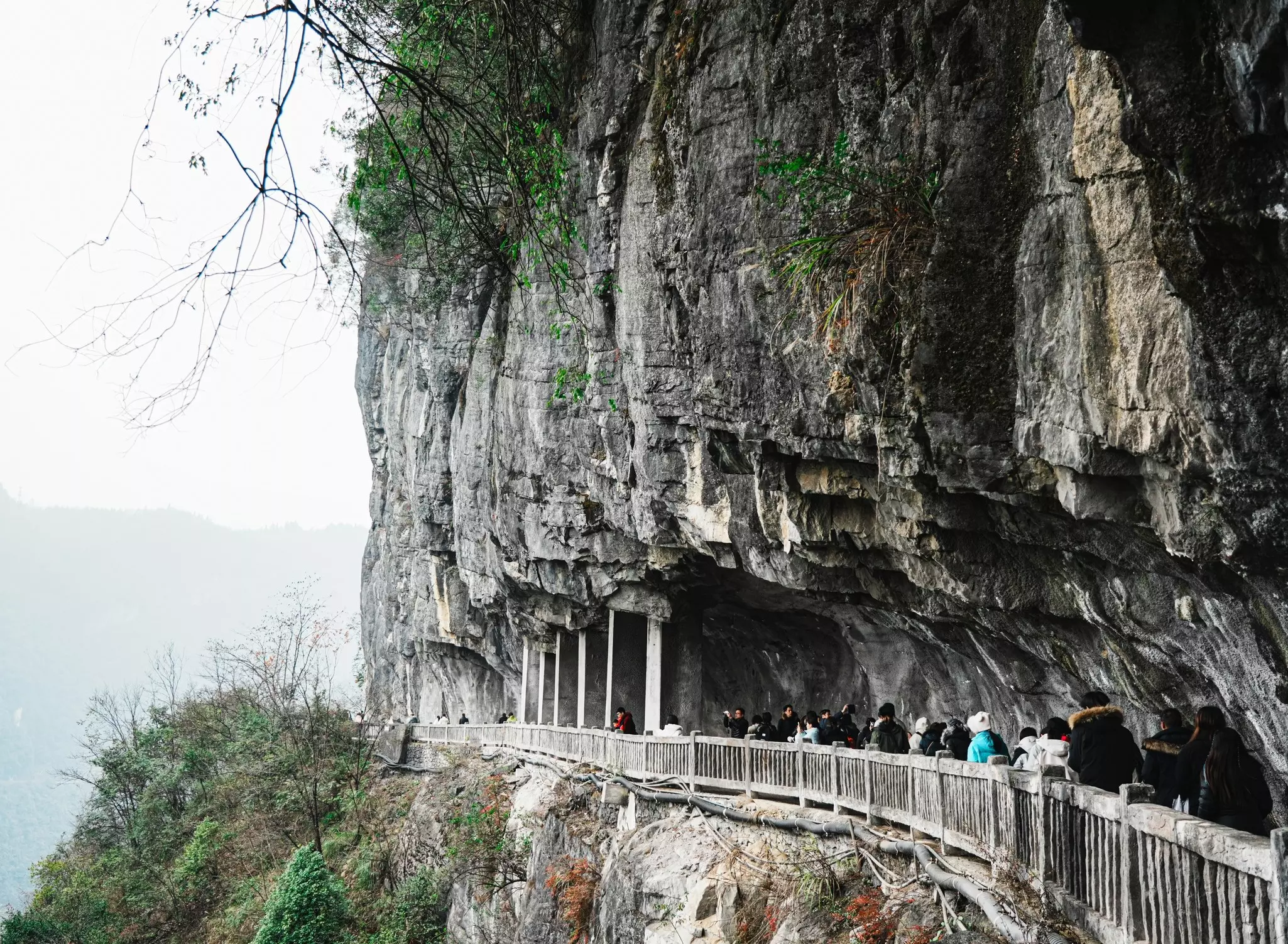
About a 2-hour drive from bustling Chongqing, this stupendous geopark is truly cinematic destination – indeed, Transformers: Age of Extinction was filmed here. Part of the UNESCO-listed South China Karst landscape, the park encompasses three main zones, dominated by unique, sometimes surreal rocky scenery.
Towering above a colossal sinkhole, the Three Natural Bridges are the world’s highest limestone arches, while Furong Cave is a vast karst cavern with dripping stalactites and underground waterfalls. For a different kind of view, a glass elevator lowers visitors down into Longshui Gorge, a plunging ravine cut by the flow of an ancient river.
Wulong is off the map for most foreign travellers – except for those in the spelunking community, who flock to this globally famous caving spot.
Getting there: Limited public transportation runs from the town of Wulong but it's easier to visit by chartered taxi or on a tour arranged through hotels in Wulong or Chongqing.
Planning tip: Each of the park zones has its own ticketing and admission; start with the Three Natural Bridges for the most impressive scenery.
Best for gem-like mountain lakes
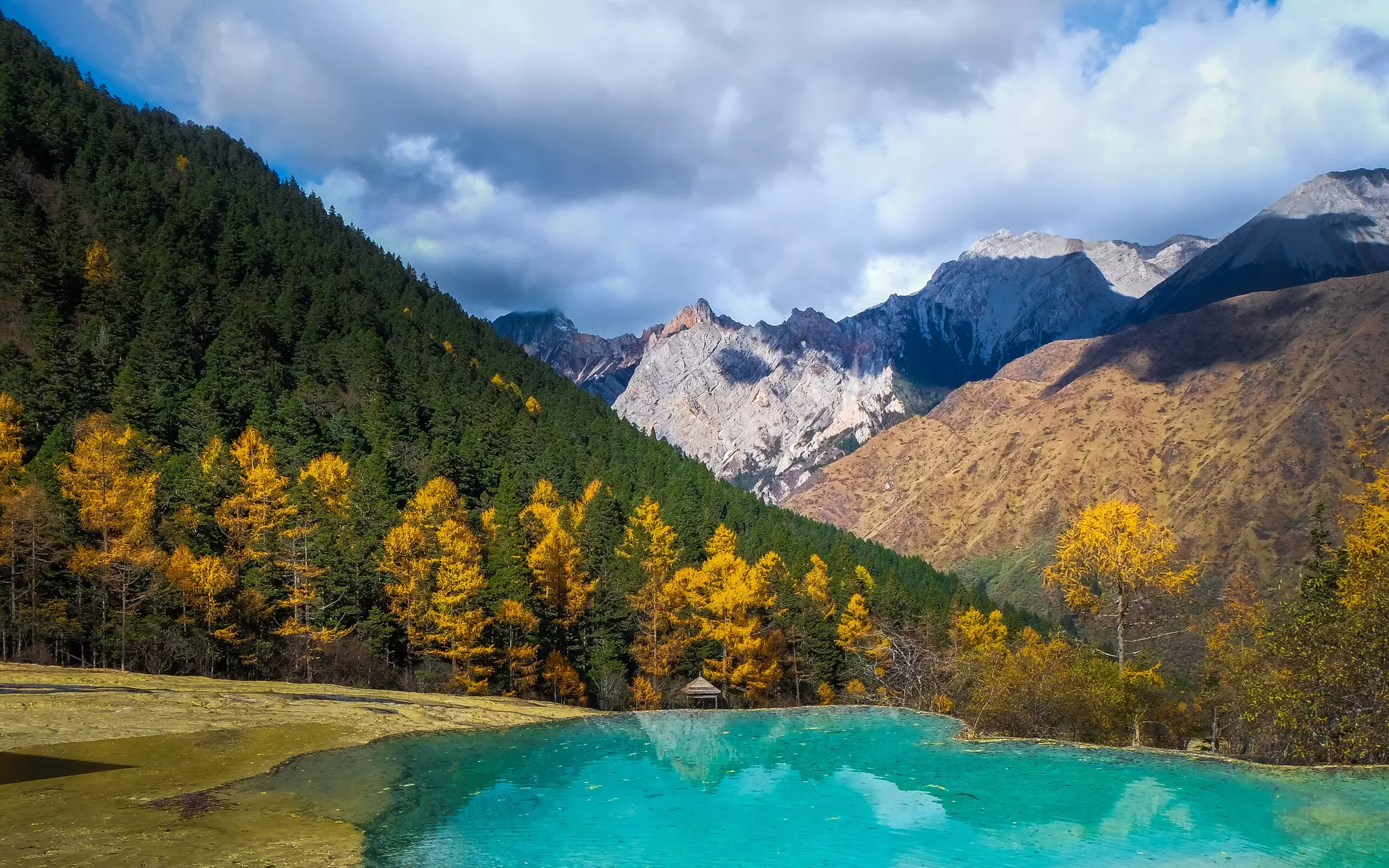
This UNESCO World Heritage Site and Biosphere Reserve is one of China’s top-billed sights for good reason. Put simply, the Jiuzhaigou Valley is otherworldly - a landscape of perfectly transparent lakes; staggered waterfalls in gem-like hues, and dark and intriguing woodlands – all set against craggy, snow-capped peaks.
It's little wonder that some five million people visit annually to hike the valley's many trails and gawp at its natural beauty. Jiuzhaigou means “nine-settlement valley,” referring to the nine Tibetan villages in the area, seven of which remain inhabited. While the reserve is often referred to as Jiuzhaigou National Park, it's more accurately a top-rated "scenic area."
Getting there: Trains run to Huanglong Jiuzhai Station, from where you can take shuttle buses to the sights. Songpan is an alternative base.
Planning tip: The best time to visit the Jiuzhaigou Valley is during the fall, from September to November, for dramatic, colorful foliage.
Best for daredevils
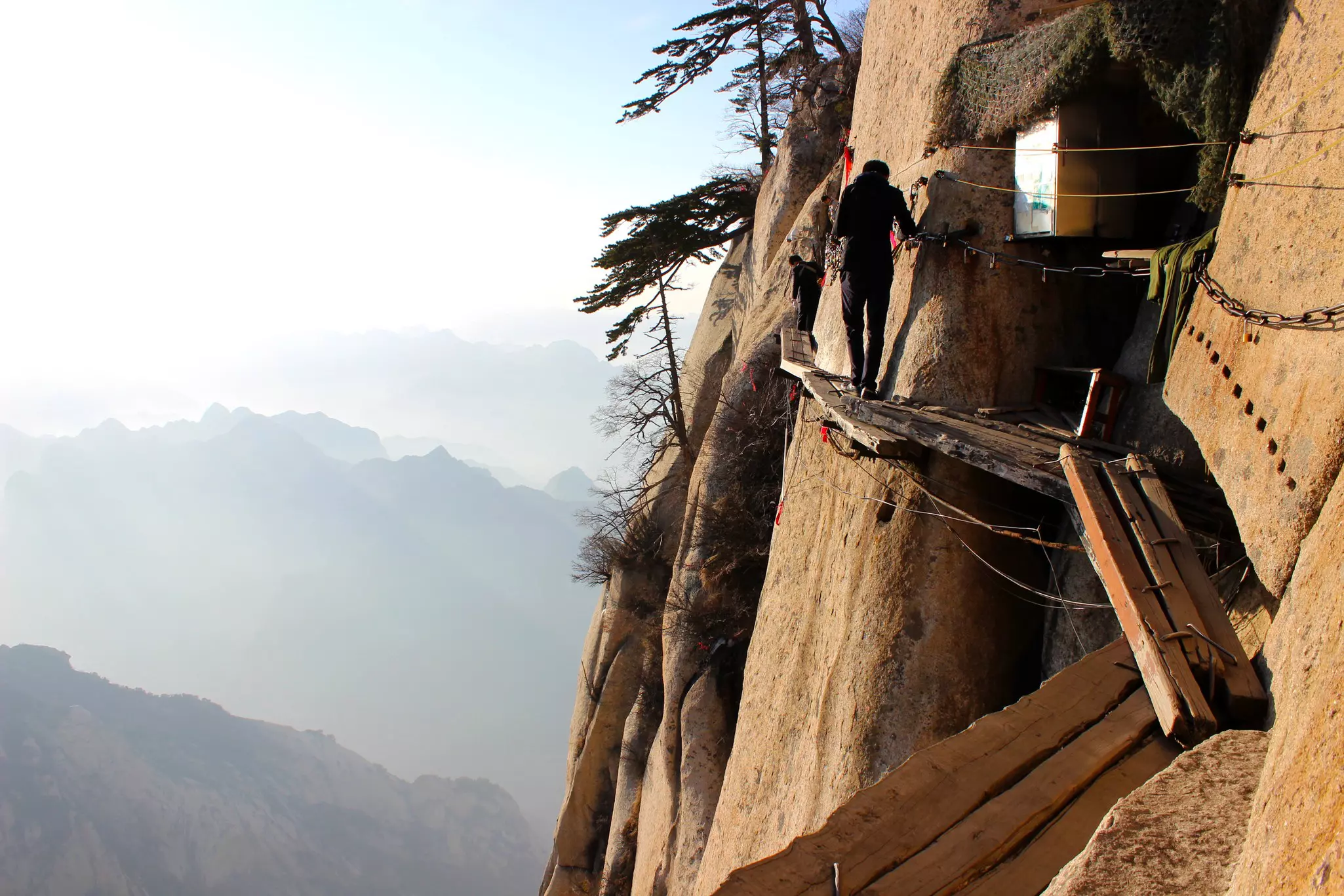
Close to Xi'an, Hua Shan (2154m) is one of the five sacred mountains of Taoism. It’s also one of the most nerve-wracking climbs in all of China. Even taking the cable car for the start of the journey, you'll need to navigate steep, narrow steps skirting precipitous drops, and true daredevils can strap on a harness and traverse wooden planks bolted to the bare face of a sheer granite cliff.
Hua Shan is steeped in Chinese folklore. Hermits and Taoist mystics once lived here, ancient physicians came to forage for medicinal herbs, and - according to many martial-arts stories, at least – swordsmen fought noble duels on Hua Shan’s five peaks.
The stark and ethereal scenery – not to mention the hint of danger – draw lots of visitors, including many domestic tourists, who make the ascent at night to catch sunrise from the summit. The views from the top are unmatched, but this isn't an adventure for vertigo sufferers.
Getting there: High-speed trains run from Xi'an to Hua Shan North station, taking around 40 minutes; shuttle buses can take you to the trailheads and cable car stations.
Planning tip: Hua Shan's biggest thrill is found below South Peak, where you can book onto the so-called Plank Walk, a 108m-long path that you navigate in a safety harness, perched over a 2000m drop.
Best for vividly colorful landscapes
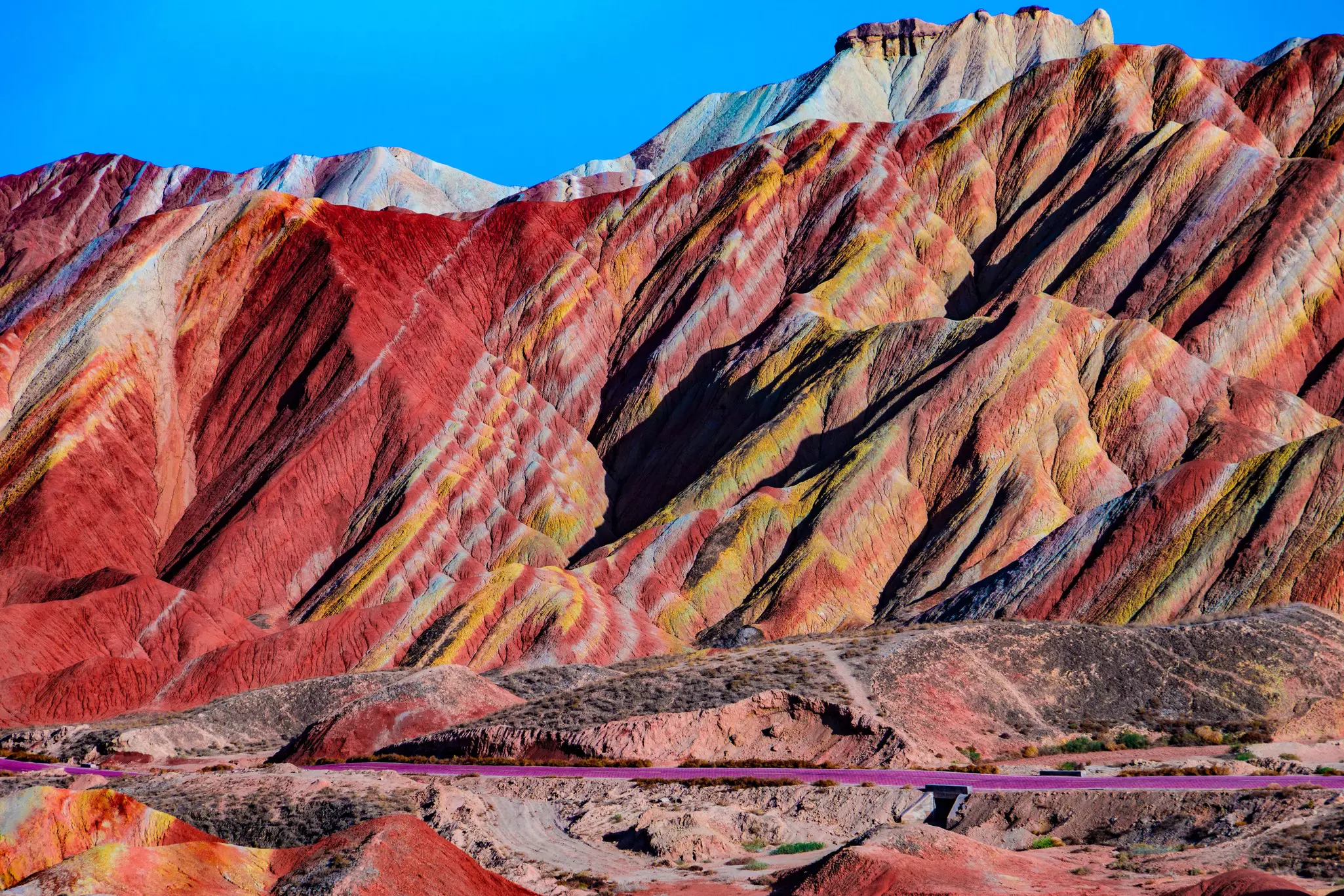
Known for its striking colored mountains, painted in stripes by mineral-rich white, yellow, orange and soft lilac Danxia deposits, this arid geopark lies at the foothills of Qilian Shan, whose eponymous national park is currently under development. It's a remarkable sight, and a popular stop on the main route through Gansu, accessible from the town of Zhangye.
When it is fully operational, the new Qilian Shan National Park will undo some of the damage caused by administrative malpractice here over the years, and restore stressed ecosystems to their natural state. For now, though, the Zhangye UNESCO Global Geopark is the main attraction.
Snow leopards freely roam these mountains, which play a pivotal role in the prevention of desertification as well as the conservation of glaciers and water in China’s western fringes. The preserve also encompasses a sliver of an oasis that once provided refuge to travelers along an ancient trade route known as the Hexi Corridor.
Getting there: Zhangye is accessible by high-speed train and plane; tours are the easiest way to access the Danxia viewing areas, which are linked by shuttle buses. You can also view the site from a hot-air balloon.
Planning tip: Choose a clear day for your visit and bring a camera with a long lens to best appreciate the Danxia formations from the viewing platforms.
Best for scroll–painting vibes
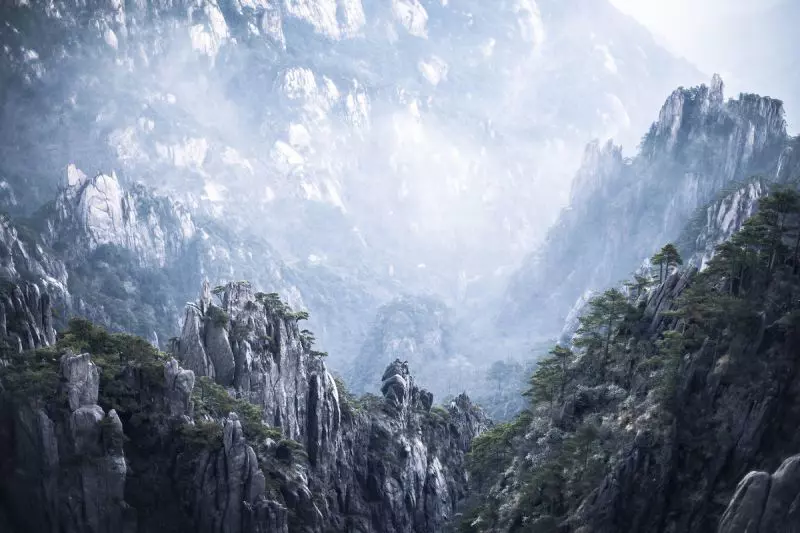
At the heart of Anhui province, Huangshan’s blend of jagged granite peaks, Buddhist and Taoist shrines and gnarly pines peeking through the fog has seduced poets, painters and photographers for centuries. In fact, this UNESCO-listed place is a cradle of the shan shui (literally, “mountain water”) school of Chinese landscape painting.
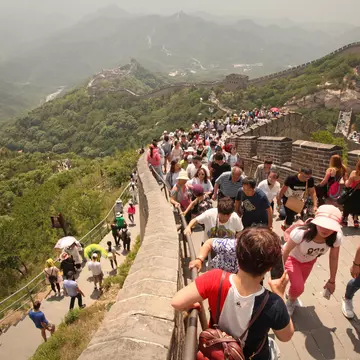
Huangshan is one of the most visited natural sights in China, drawing some 3 million visitors each year. Maze-like walking trails – some quite strenuous – lead up and around the mountainsides, and hotels at the 1864m summit make spending a night in the park an appealing option. Some even have natural hot springs to soothe travelers’ tired feet.
Getting there: The city of Huangshan is the base for visits to these oft-depicted mountains. Buses to the various sights and trails leave from the unimaginatively named Tourist Distribution Center in Huangshan's Tunxi district.
Planning tip: Huangshan gets busy, which can mar the sense of being in a living scroll-painting. Visits in spring and fall are quieter, and in November, you may see the "sea of clouds" phenomenon, where the peaks poke up through swirls of mist.
Best for cinematic landscapes
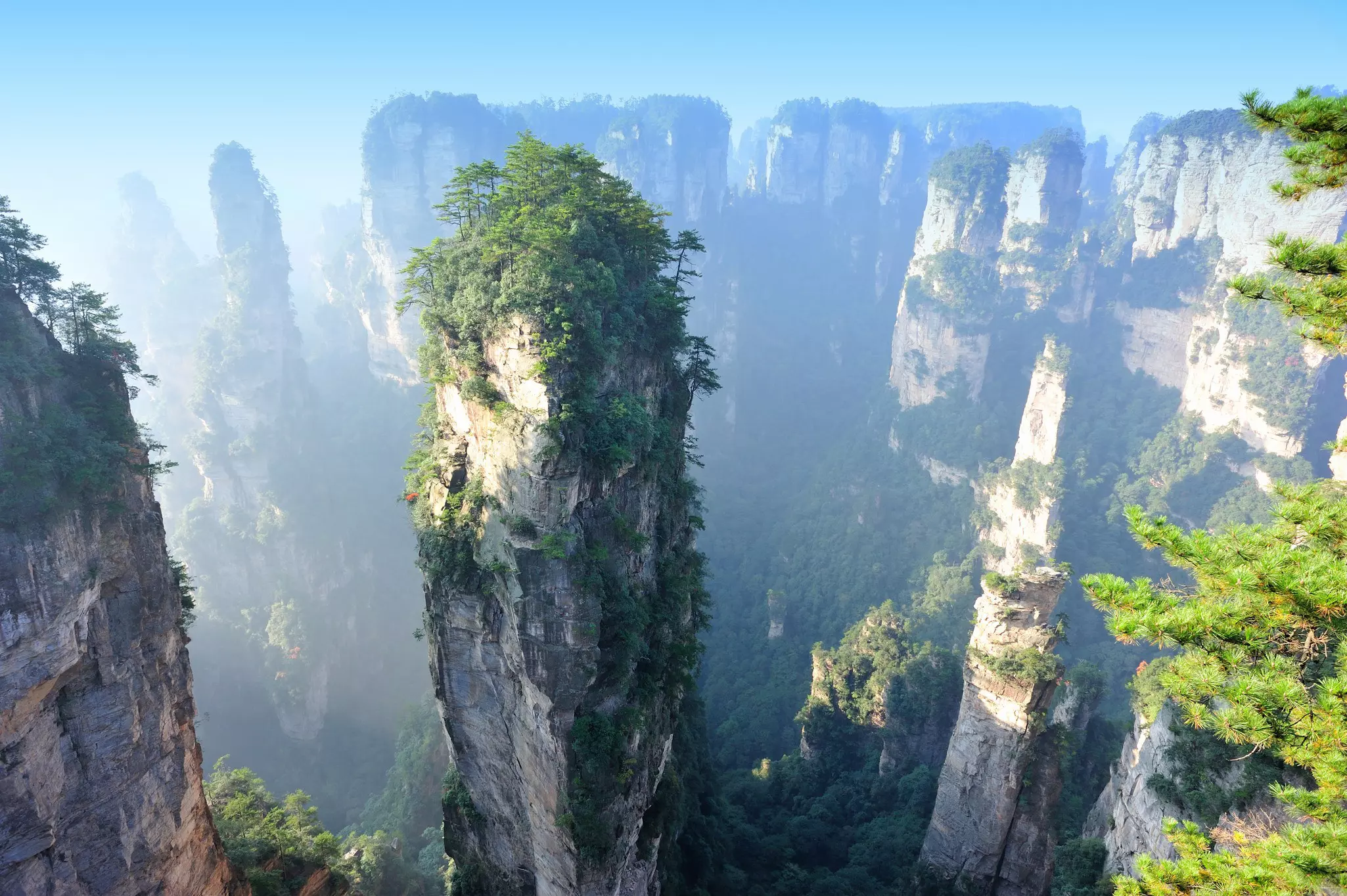
It’s not hard to see why Zhangjiajie inspired the luscious landscapes of the moon Pandora in the film Avatar – especially when the mist rolls in. This UNESCO Global Geopark is punctuated by 240 pillar-like quartz-sandstone peaks and over 3000 freestanding rocky spires that have long been the stuff of legend. If you picture a Chinese landscape from times past in your mind's eye, there's a good chance that it might be this one.
For millennia, this was a remote territory known only to a few minority tribes and the hundreds of animal species that resided here, including the now critically endangered Chinese giant salamander, the world’s largest amphibian. These days, it's all about the views, the most astonishing of which can be enjoyed from atop Yuanjiajie or Hallelujah Mountain, accessible via a glass elevator.
Getting there: The park's main access point is Wulingyuan, 27km by shuttle bus from Zhangjiajie
West. An extra charge applies to use the park's cable cars and the elevator that climbs Yuanjiajie.
Planning tip: Park tickets are valid for 4 days, so there's no need to rush the experience. Arrive early in the day to appreciate the landscapes before the trails and viewpoints get too crowded.
Best for ancient Silk Road sculptures
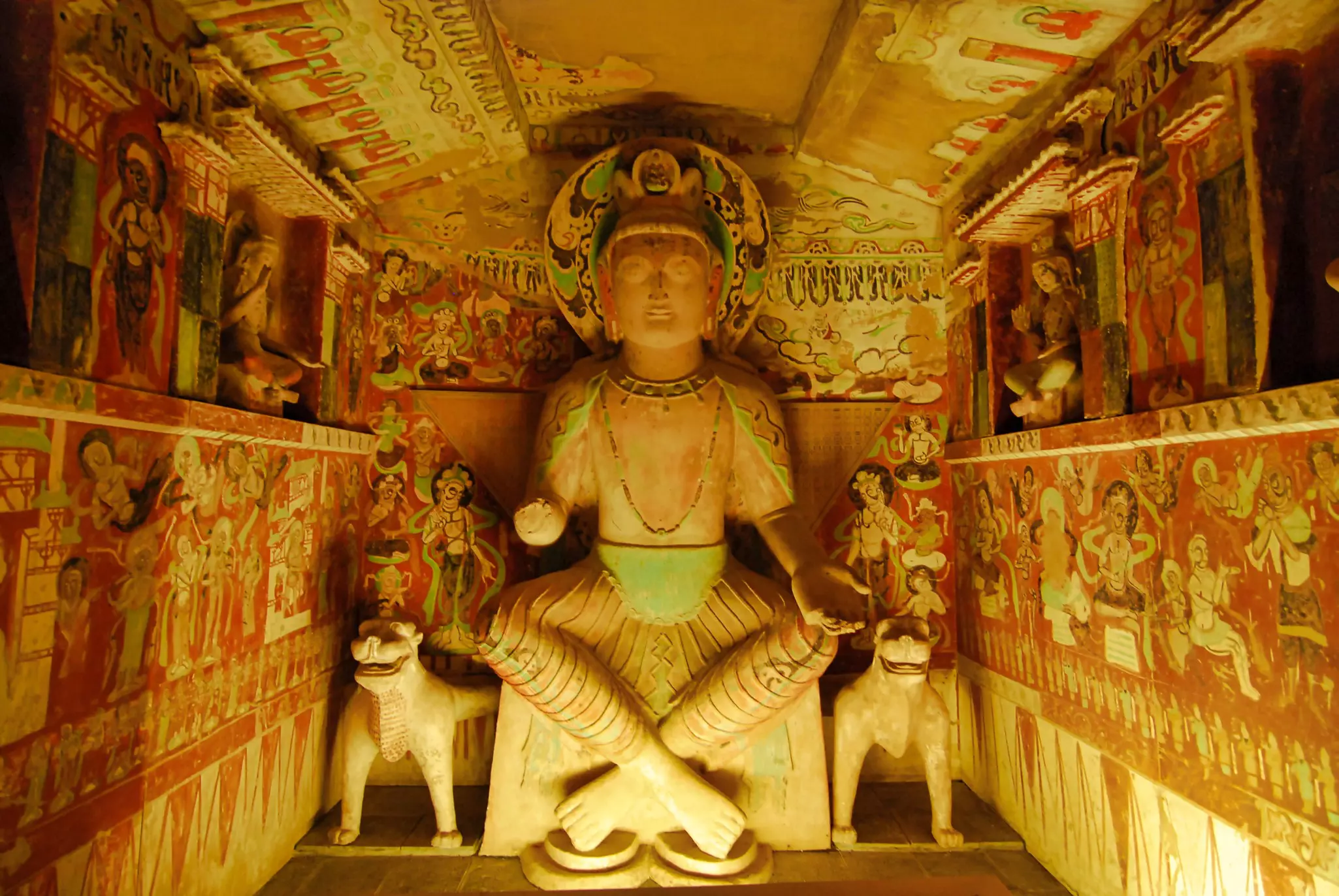
The crown jewels of this desert park in Gansu are the World Heritage-listed Mogao Grottoes, and the bizarre yadan (or yardang) landforms in the Gobi Desert. The Mogao caves contain one of the world’s most important collections of Buddhist art – hauntingly beautiful statues and murals that were created during a millennium of habitation, beginning in 366 CE. There are 735 caves in total, and 20 are open to visitors on a rotational basis (it’s obligatory to join a tour).
Some 200km to the northwest, in the Gobi Desert, the wind has sculpted a landscape of surreal and elegant rock formations that you might recognize from Zhang Yimou’s 2002 movie, Hero. This area was once dubbed the “Town of Demons,” as trading caravans were often led astray by the weird outcrops. China has the world’s largest concentration of yadan formations, and the majority can be found at Dunhuang.
Getting there: The best way to explore Dunhuang is by joining a minibus tour, which can be arranged by most accommodations. Dunhuang city is served by trains and flights from other key cities in northwest China.
Planning tip: For a cheaper Buddhist cave experience, head 180km south of Dunhuang to the Yulin Grottoes; Dunhuang tour operators offer day trips.
Explore related stories