Apr 6, 202614 min read
11 Best Day Drips from Philadelphia, PennsylvaniaJun 20, 2025
12 MIN READ
Writer
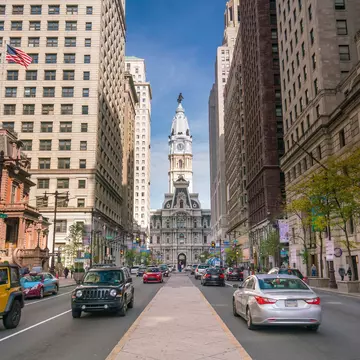
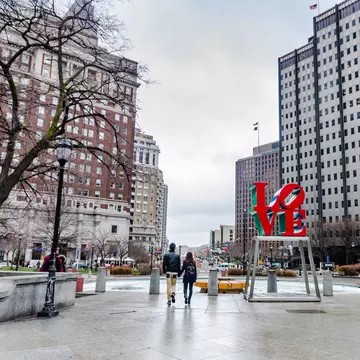
City Hall a the end of a busy street in Philadelphia. f11photo/Shutterstock

Writer
Lonely Planet may earn a commission from affiliate links on our site. All recommendations and reviews reflect our own independent opinions.
Affectionately known as the City of Brotherly Love and Sisterly Affection, Philadelphia has a wealth of attractions for sports fans, culture vultures and everyone in between.
The large, bustling city is known for its historical significance in cementing the country's democracy as much as it’s known for being the land of Philly cheesesteaks (and yes, you must try one). Catering to all the senses, Philly does not disappoint with its smorgasbord of top-notch dining and cocktail spots, open-air cafes, public art, shopping, culture and nightlife.
To experience the city at its finest, the best time to visit is during the mild and pleasant months of spring or fall, when outdoor attractions and walking tours are most enjoyable. If you're stopping by in the chilly winter months or at the peak of the summer heat, the SEPTA transit system makes it easy to get around the city through its buses, subways and trolleys. You can also hop on a bike from one of the many rental stations throughout the city and make the most of the city’s bike paths.
Whether you're here for a quick trip or an extended stay, these are the best things to do in Philadelphia.
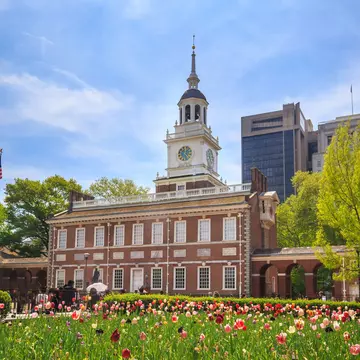
Whether or not you're a history buff, you have to check out the red-brick, Georgian-style structure of Independence Hall. As the birthplace of the Declaration of Independence (hence the name) and the US Constitution, there’s no denying the importance of this landmark.
Take a guided tour or watch live reenactments of the signing of the Declaration. If you’re visiting in summer, look for one of the storytelling benches just outside, where Historic Philadelphia’s storytellers give you a quick history lesson as part of the Once Upon A Nation program. Independence Hall sits on a 45-acre National Historic Park, which is also home to the Liberty Bell and the Benjamin Franklin Museum.
You can also take a stroll down Elfreth’s Alley, the oldest continuously inhabited residential street in the country. Just a 10-minute walk from Independence Hall and dating to 1703, the cobblestone street is lined with 18th-century houses and features a small museum in one of the former homes.
Planning tip: Independence Hall is free to visit, but you still need to secure a ticket ahead of time, which has a $1 handling fee. Tours are also limited, so book tickets in advance.
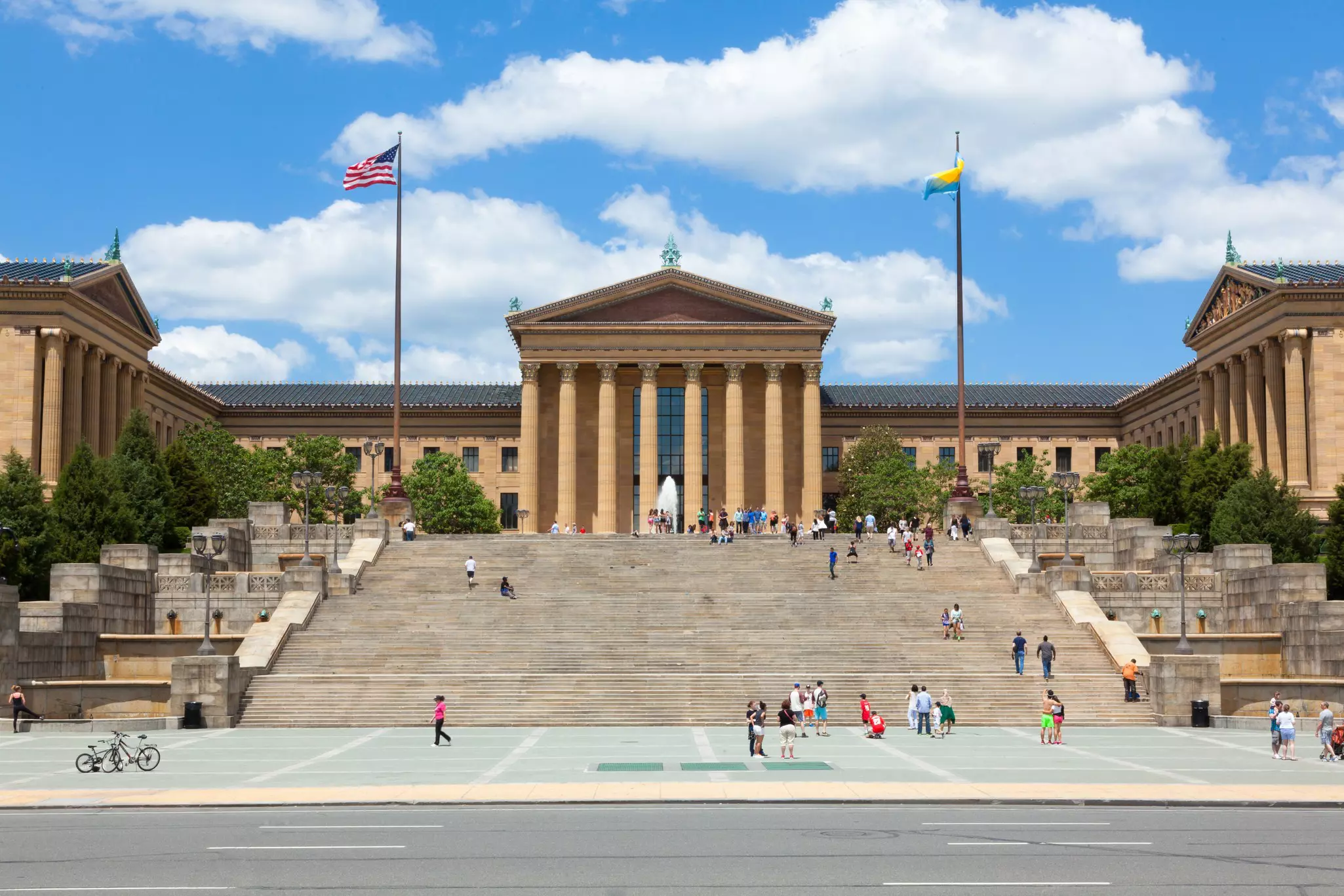
The Philadelphia Museum of Art is the city’s biggest cultural draw, home to more than 240,000 works of art from countries and cultures around the world. This impressive museum is made up of the main building, the Rodin Museum, the Ruth and Raymond G. Perelman Building, and Mount Pleasant and Cedar Grove Park Houses, which cover more than 1 million sq ft. The hours will fly by as you try to explore it all, from East Asian art and European sculpture to contemporary art and photography.
The museum’s 72 “Rocky Steps” were made famous by actor Sylvester Stallone in the movie Rocky. Tap into your inner boxer and race to the top – don’t worry, you won’t be the only one doing it.
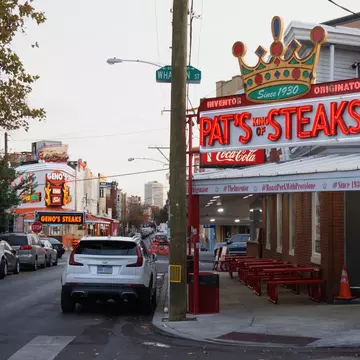
Philly’s a sports lover’s paradise, given the city’s pro football, baseball, basketball and hockey teams, so find a good spot to catch the games with local fans while you're in town. Xfinity Live!, an arena-like sports bar, has five bars and three homegrown restaurants: Chickie’s and Pete’s (known for its Philly-famous crab fries), Geno’s Steaks (one of the two types of cheesesteaks you’ll need to try while in town) and Lorenzo and Sons Pizza (large thin-crust pizza slices).
The complex is conveniently located between Citizens Bank Park, home to the Philadelphia Phillies MLB baseball team; Lincoln Financial Field, home to the Philadelphia Eagles NFL football team; and the Wells Fargo Center, home to the Philadelphia 76ers NBA basketball team and Philadelphia Flyers NHL hockey teams. Join in with fans as they cheer for their favorite teams. If you’re feeling adventurous, try riding the bull at PBR Philly. How long do you think you can hold on before being tossed off?
Detour: Head over to Live! Casino & Hotel, a short walk from Xfinity Live!, to try your luck at the tables or catch a comedy show.
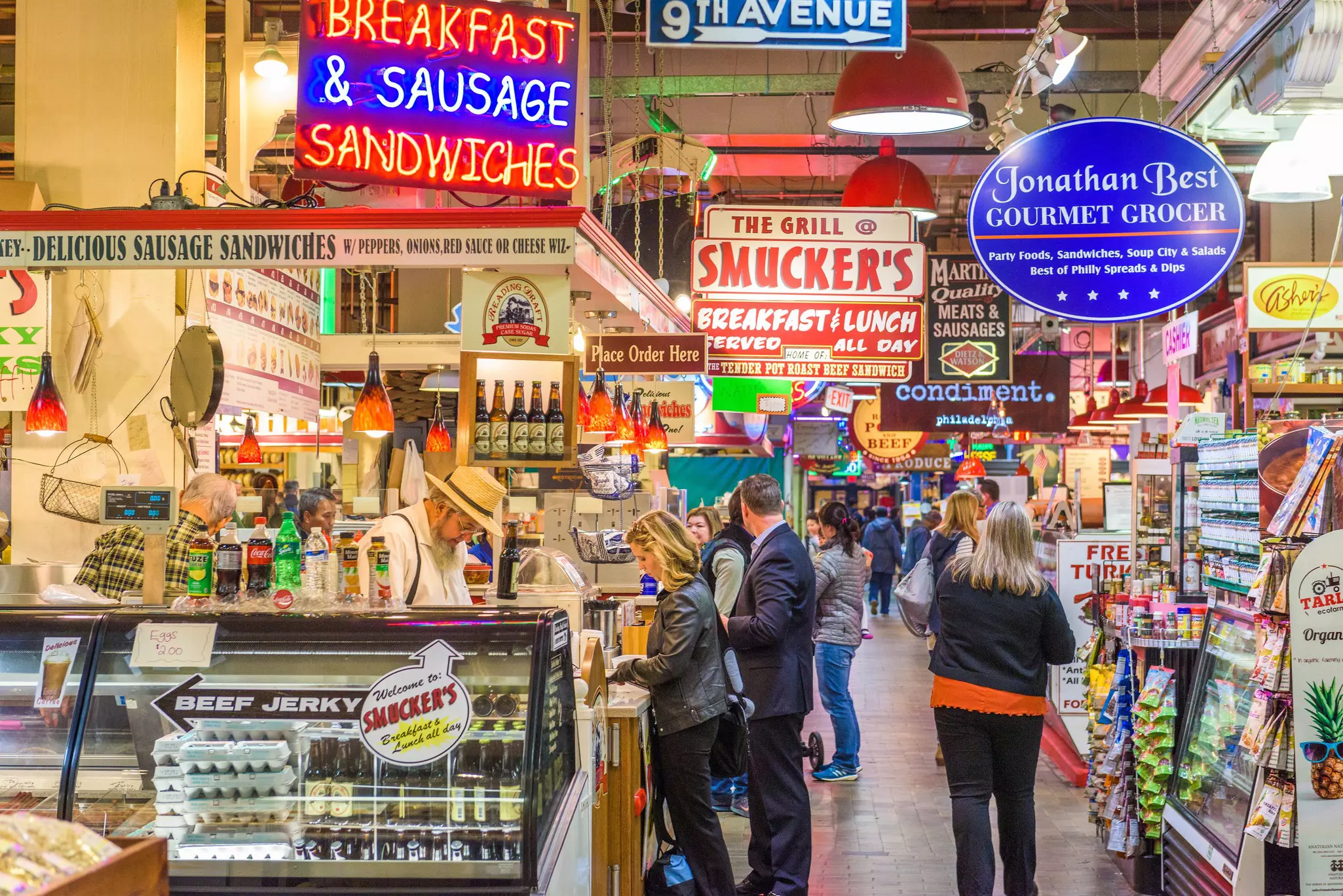
Smell freshly baked cakes and breads from Beiler's Bakery, munch on Creole flavors from Beck's Cajun Cafe and sip locally roasted coffee at Old City Coffee – it’s all possible while wandering Reading Terminal Market, which offers an extensive variety of cuisines from more than 80 merchants.
Reading was originally made up of two markets, the Farmers Market and the Franklin Market. Today, more than 100,000 people visit this food emporium weekly. In 2018, the market celebrated its 125th anniversary, making it one of the largest and oldest public markets in the country.
Detour: Just over a mile from Reading Terminal Market is the Italian Market along South 9th Street. Operating for over 120 years, it’s one of the largest open-air markets in the United States and showcases Philly’s strong Italian immigrant roots. Don’t miss iconic spots like Di Bruno Bros. for cheese and Isgro Pastries for delicious cannoli. And don’t forget to bring cash, as some merchants are cash-only at both Reading Terminal and the Italian Market.
If updating your wardrobe sounds like your dream vacation activity, the 1.1-million-sq-ft Fashion District will bring you pure shopping bliss. You’ll find national favorites, such as Sephora, Pandora, Columbia and Torrid.
Even if shopping isn’t for you, the renovated mall also includes a movie theater, bowling alley and amusement center complete with billiards, karaoke and 250 arcade games.
Detour: When you're finished melting your credit card, head to City Winery, located inside the Fashion District, to enjoy live music or comedy paired with great food and wine.
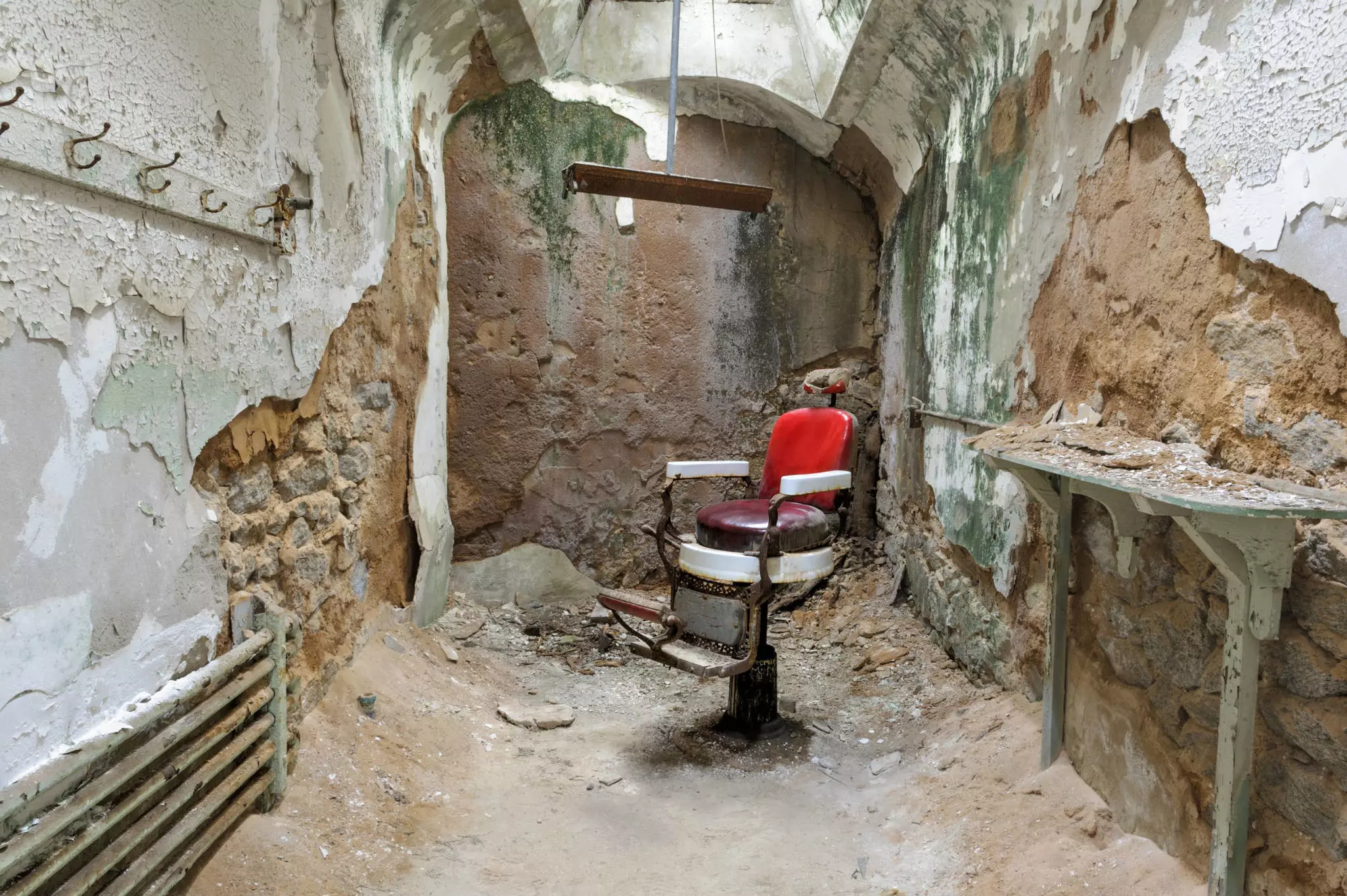
The infamous Eastern State Penitentiary is known for having housed mobsters like Al Capone, William “Slick Willie” Sutton and Morris “The Rabbi” Bolber, but roughly 85,000 other people were also kept in solitary confinement.
It’s a little easier to get in these days – and nowhere near as terrifying, unless you visit during the fall when it becomes a haunted house attraction. You have several options to view the historic prison: book a walk-through during the day or, if you’re brave enough, a night tour. Eastern State Penitentiary is considered to be one of the most haunted sites in the country.
Planning tip: A number of artists have installations on view at the penitentiary, so check them out on your visit.
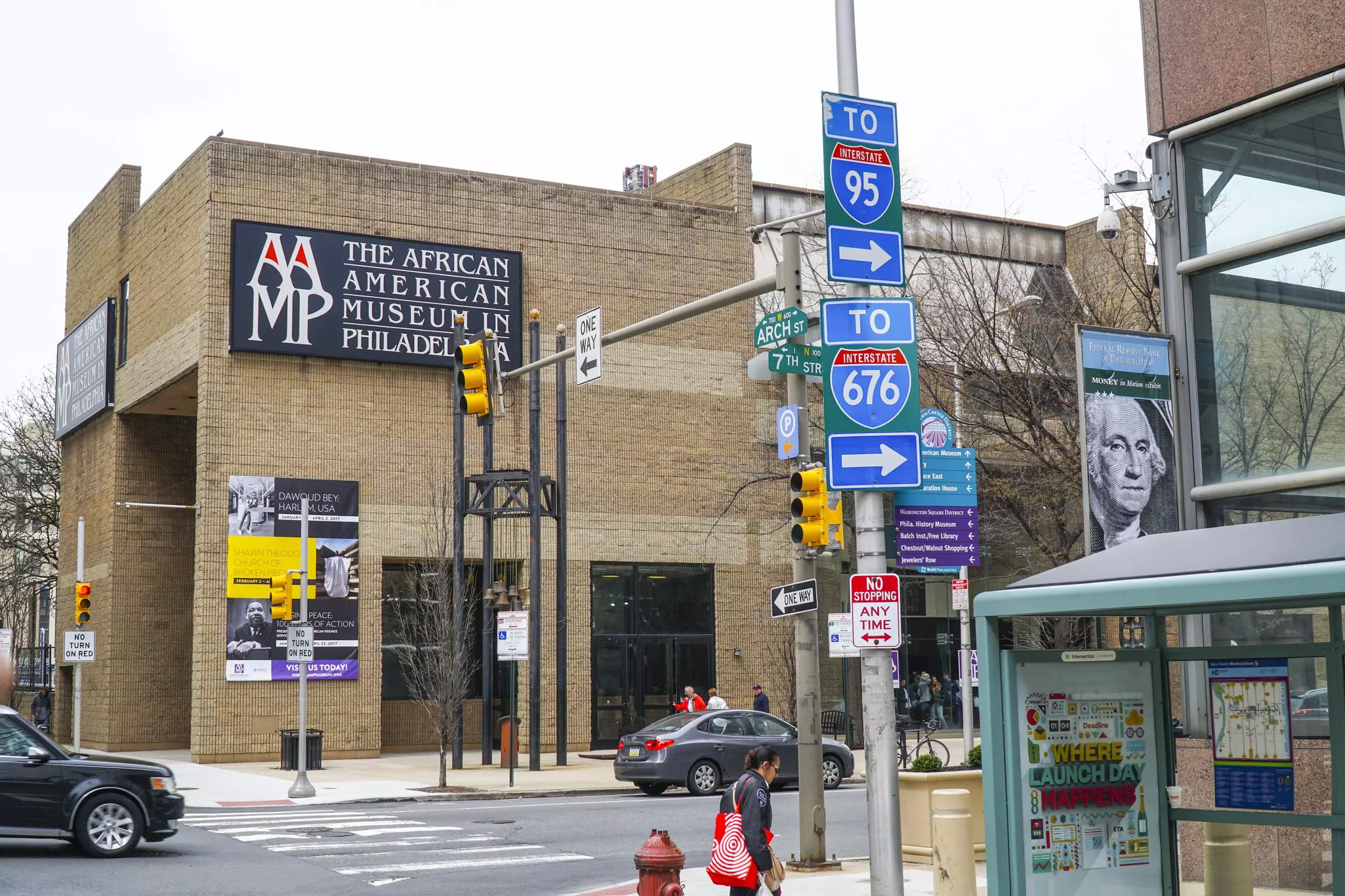
Four levels of interactive exhibits and objects commemorating the history of Black Americans and their ancestors make up the African American Museum in Philadelphia. In 1976, the Smithsonian created the museum for the bicentennial celebration, making it the first institution created for the purpose of preserving and showcasing African-American history and culture. It’s conveniently located two blocks from Independence Hall.
Check out Audacious Freedom: African Americans in Philadelphia 1776–1876, a permanent exhibit that focuses on the contributions made by Philadelphians of African descent. You can view images, historical records and much more.
Planning tip: You'll need to purchase your tickets online before you arrive. The museum is open Thursday through Sunday from 10am to 5pm, with the last admission offered at 4pm. Check the calendar to see what other events, such as lectures, film screenings and workshops, are happening to decide the best day and time to visit.
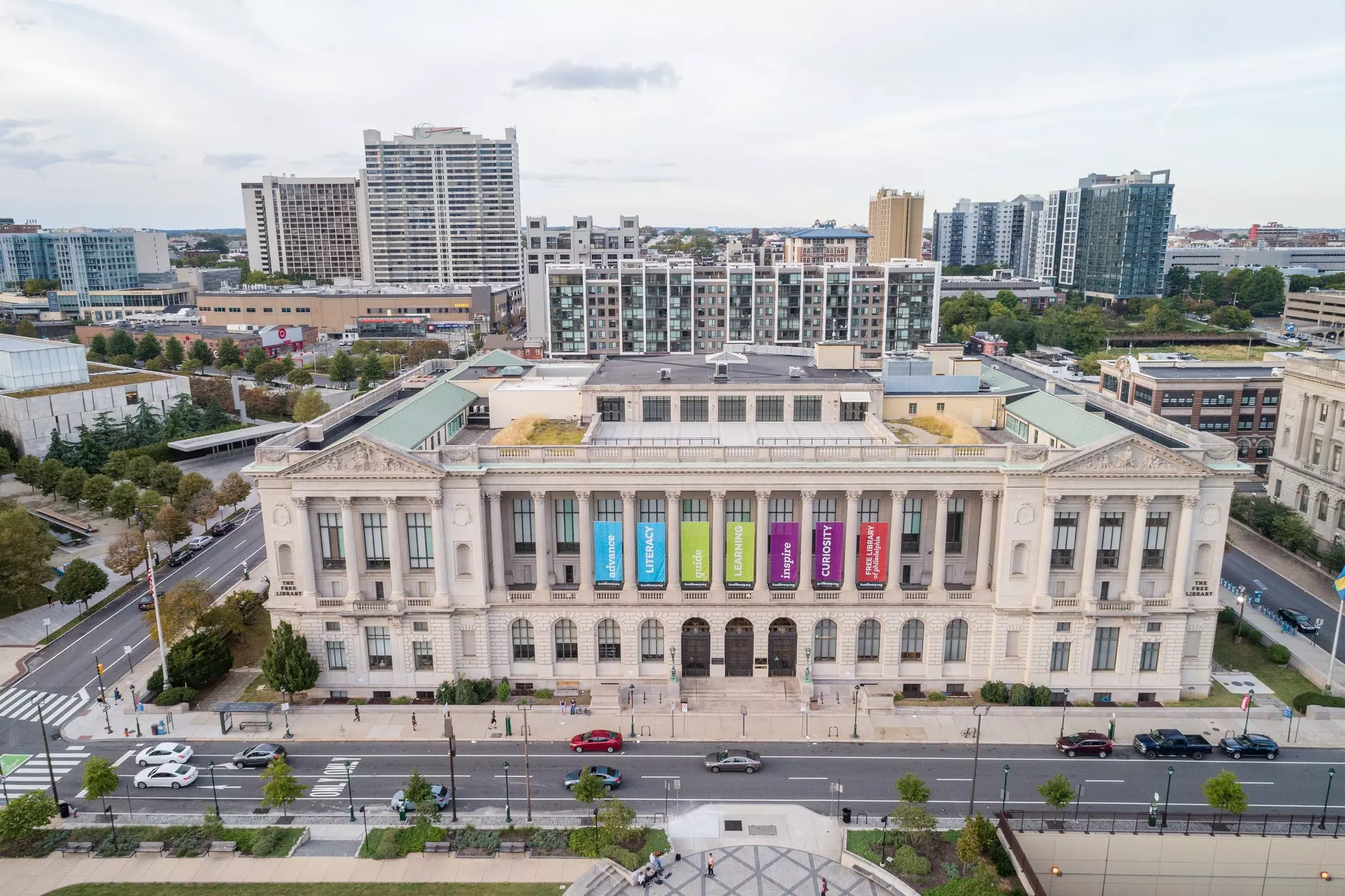
Named after one of Philadelphia’s most famous residents, Benjamin Franklin, the Franklin Institute is a tribute to his curiosity and innovation. From technology to space and physics, the museum’s hands-on displays encourage exploration and discovery, just as Franklin did in his experiments.
One of the museum’s highlights is Your Brain, an enormous model you can literally step inside to learn how our brains work. Other must-sees include the Benjamin Franklin National Memorial, which features a towering statue of Franklin in the museum’s rotunda and is surrounded by details of his many contributions to science. Don’t miss the Franklin Air Show exhibit, which highlights the science of flight.
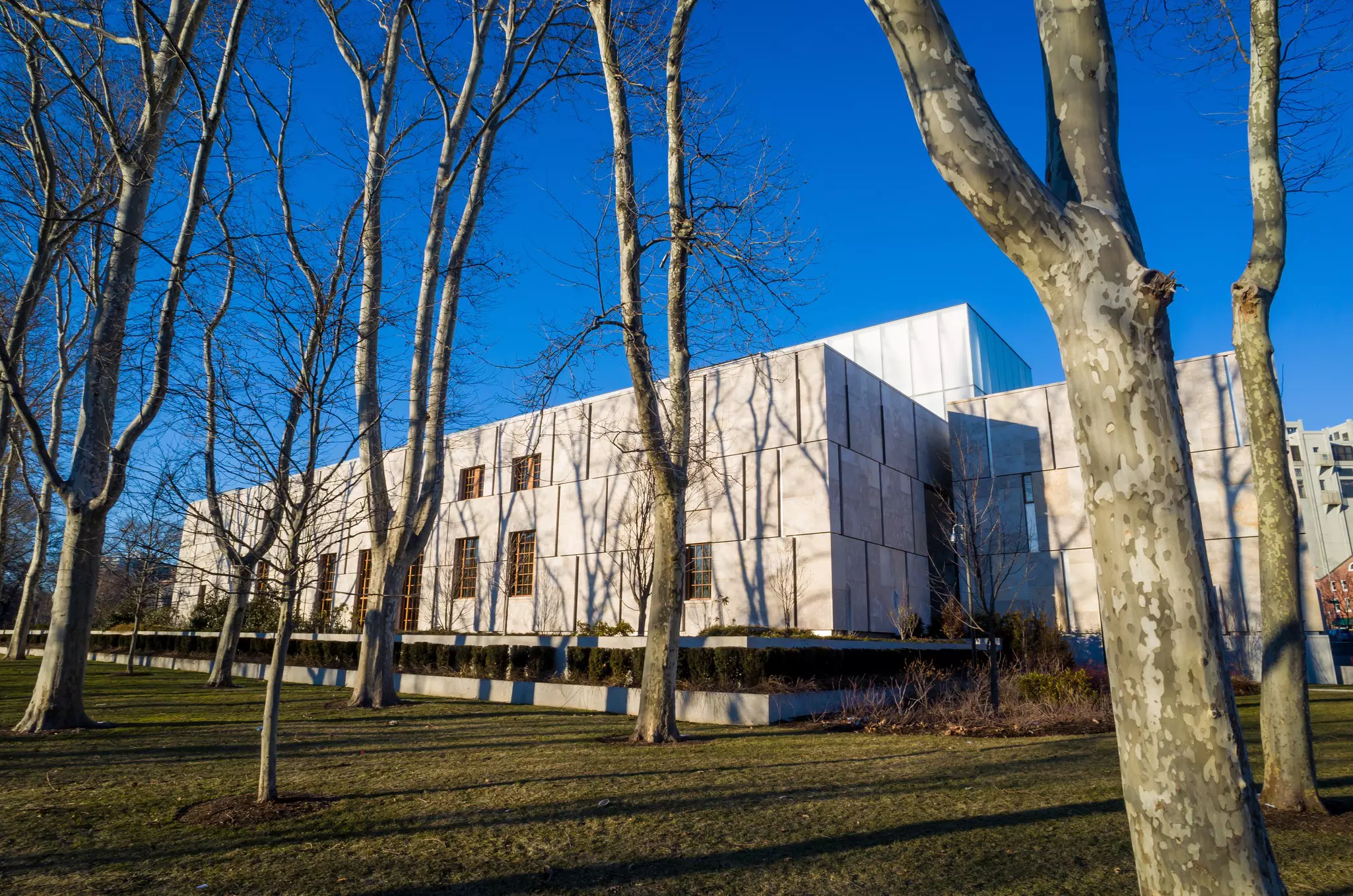
Immerse yourself in one of the finest small museums in the country. What it lacks in size, it makes up for in an unparalleled collection of impressionist and modern art, featuring works from masters like Renoir, Cezanne and Picasso.
Originally housed in the personal residence of Dr. Albert C. Barnes in Merion, Pennsylvania, the Barnes Foundation museum now resides in a striking modern building near the Philadelphia Museum of Art. What sets “The Barnes” apart from other museums is that it is meticulously designed to reflect Dr. Barnes’ vision. Rather than arranging art by time period or artist, the collection is displayed according to his “ensembles,” which was Barnes’ way of grouping by aesthetic relationships, encouraging visitors to engage with the art in a new way.
Planning tip: Admission is free on the first Sunday of the month – ideal if you're visiting Philly on a budget.
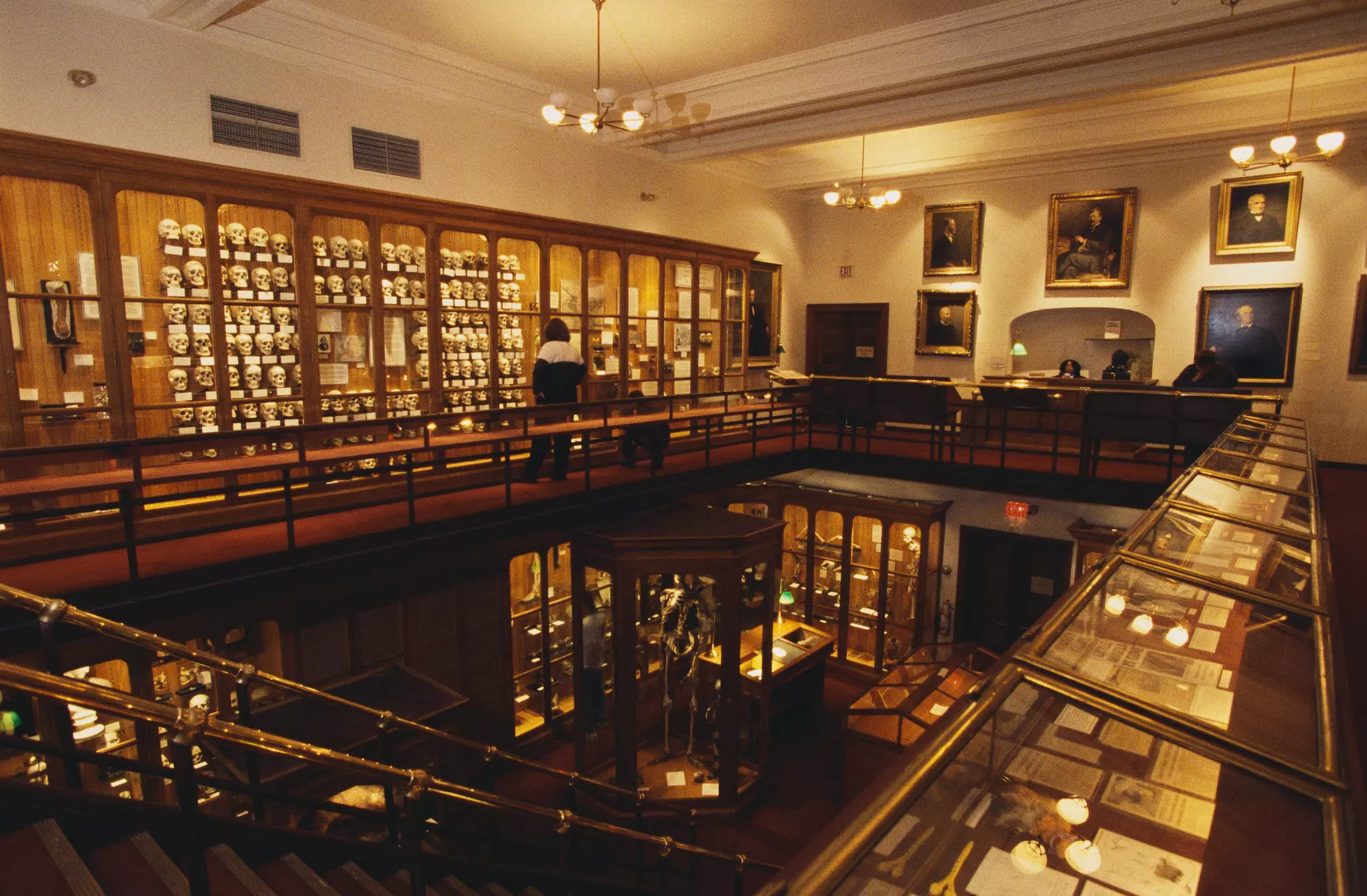
Step into the fascinating world of medical history at the Mütter Museum, where the bizarre meets the brilliant. You’ll see oddities like the Soap Lady, a preserved human corpse from the 19th century, hair and clothing still intact. With an array of medical specimens and antique tools, this museum gives an eye-opening look at the evolution of medicine and the mysteries of the human body.
Planning tip: Due to many exhibits featuring human remains that may be disturbing to kids, the museum advises that only children aged 10 and above should visit.
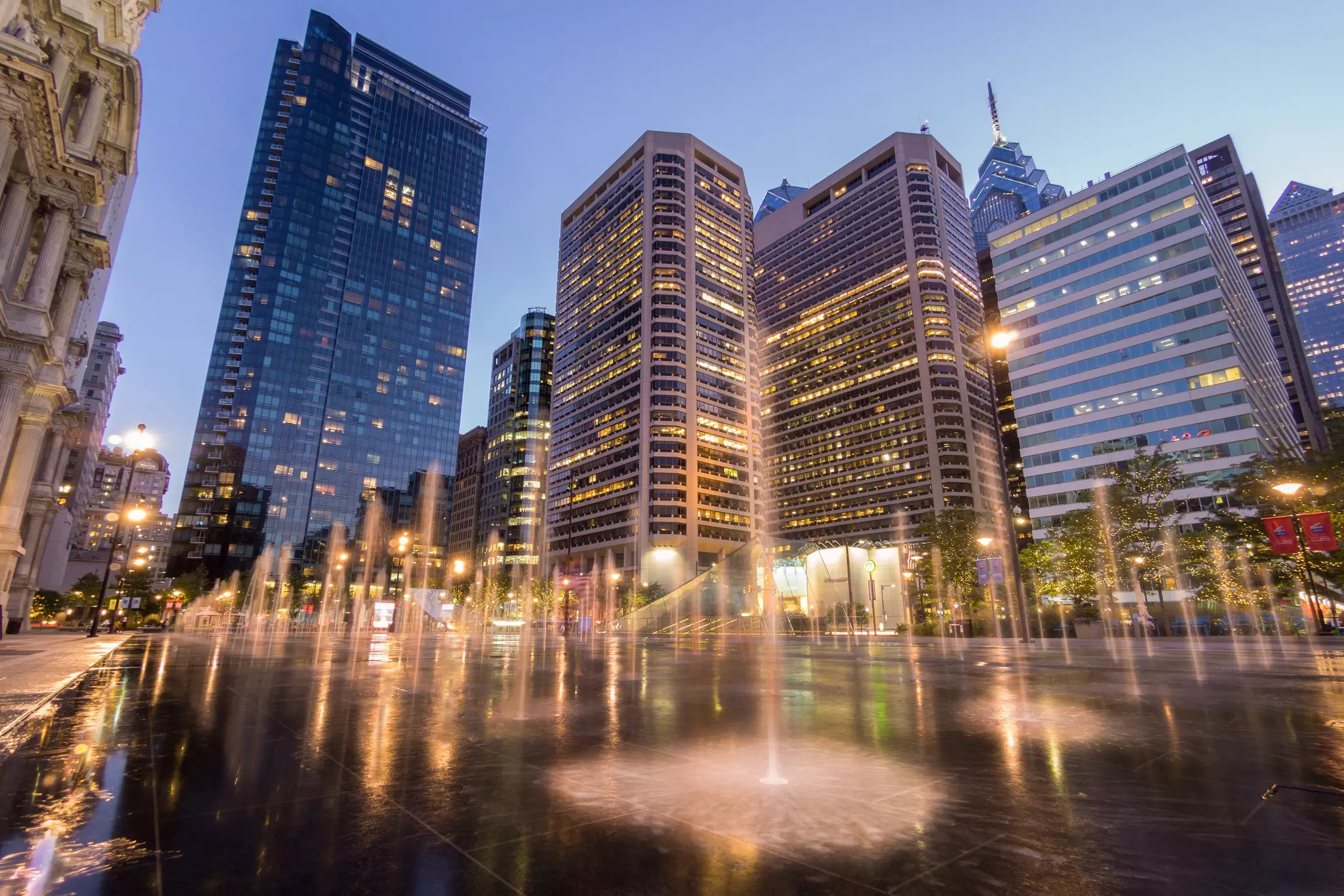
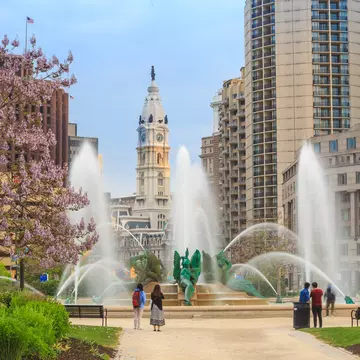
Dilworth Park is the perfect place to people-watch and plan your next Philly adventure (or simply give your feet a well-deserved rest). With renovated lush green lawns, a fountain, a cafe and an outdoor roller skating rink in the spring and summer months that morphs into an ice skating rink in the fall and winter, there’s always something (and someone) to observe.
Located on the doorstep of City Hall, Philly’s iconic National Historic Landmark featuring a statue of William Penn at its peak (not Benjamin Franklin), Dilworth hosts a variety of events, from yoga and outdoor musical concerts to dance performances and outdoor movie screenings. The park also offers free wi-fi to visitors.
Detour: Looking for a bird’s-eye view of the city or a fun spot for a selfie? Book a City Hall Tower Tour, which takes you 538ft up in the air to Philly’s highest open-air observation deck.
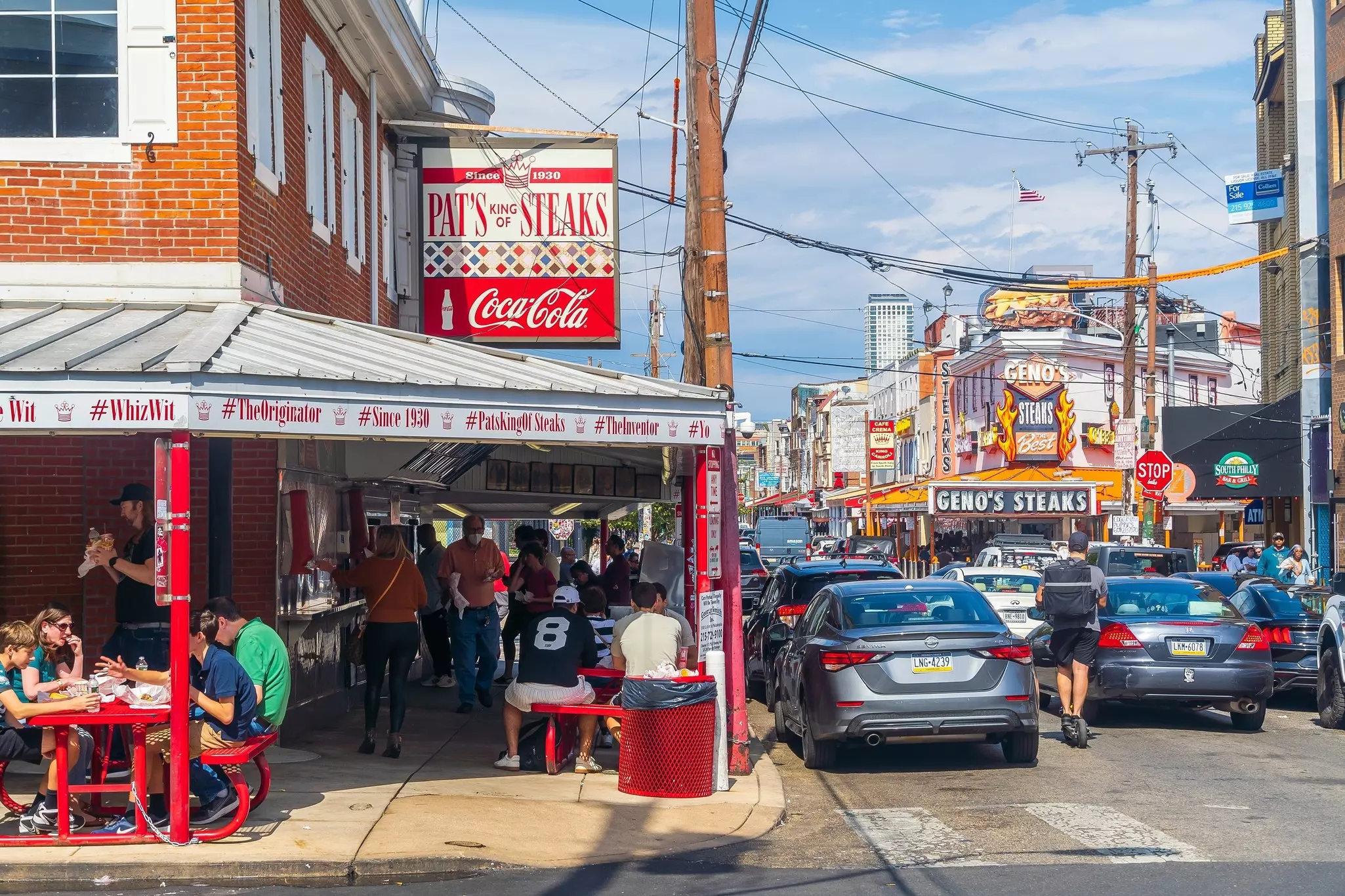
Known for its bustling and lively atmosphere, South Street is a 14-block stretch of clothing boutiques, bars, restaurants, music venues, art galleries and other shops, and it has more opportunities to people watch, shop and experience local culture.
You can indulge in gyros, cheesesteaks, and Caribbean, Indian and Mexican cuisine. MilkBoy offers creative cocktails and live musical performances from local bands. Catch a show at the TLA (Theater of Living Arts), a favorite local venue for 40 years. It's mostly standing room with a tiny VIP section.
You can also lose yourself in the mosaics of Philadelphia’s Magic Gardens, an art installation by local artist Isaiah Zagar. The mix of mosaics made from mirrors, tiles and found objects is a colorful display of urban renewal. This is a ticketed attraction and it frequently sells out; we recommend booking in advance.
Planning tip: Take public transit or a ride-hailing service because parking can be a challenge in the area.
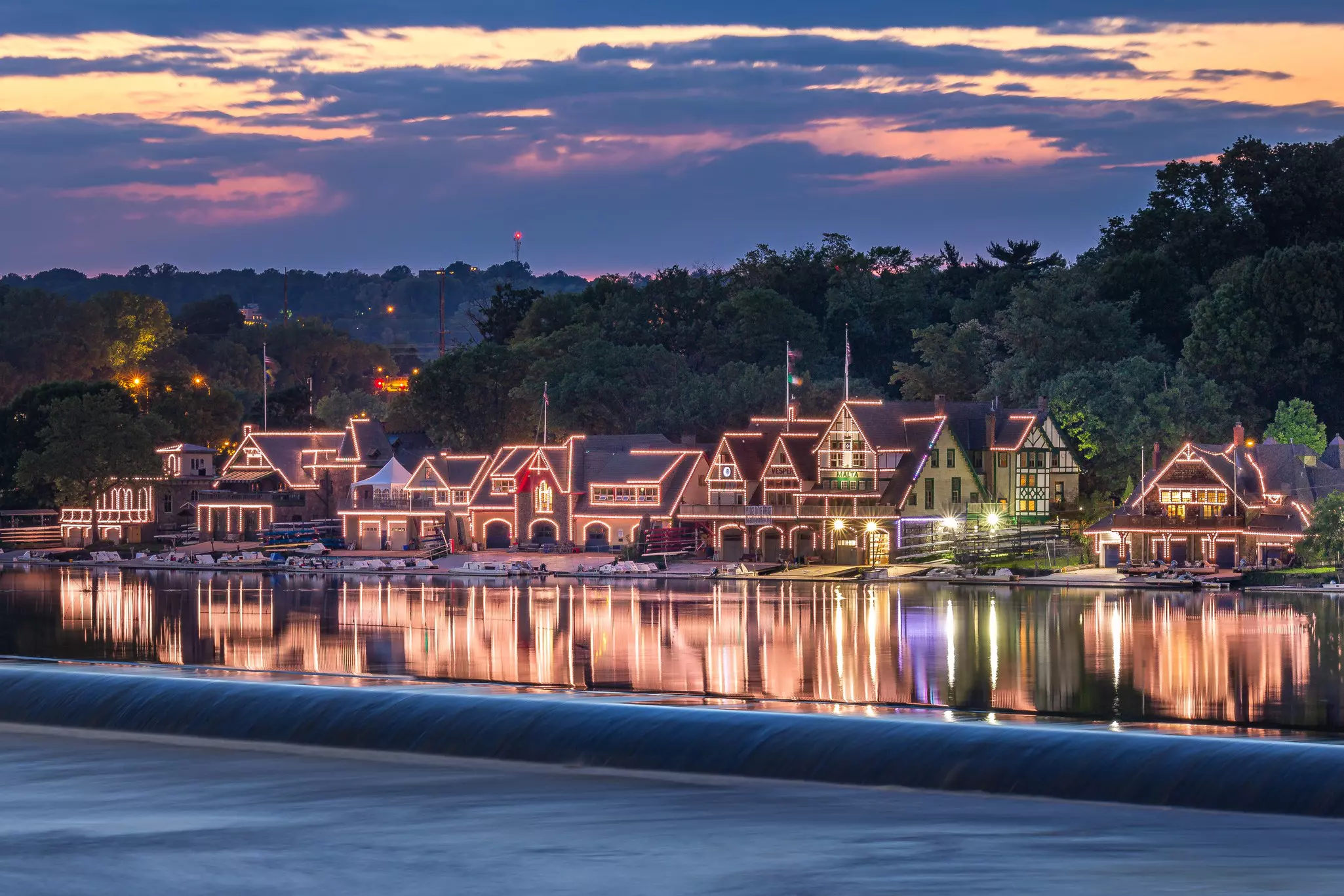
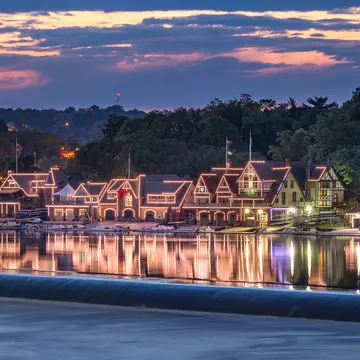
If you appreciate architectural delights, check out Boathouse Row, west of the Philadelphia Museum of Art. Fifteen houses make up the historic row of social and rowing clubs and even the Navy. Many of the area's collegiate teams practice rowing on the Schuylkill River.
You can take a walk, jog or rent a bike to take in the beauty of the 12-acre area of lush lawns and walking and bike trails. During the holiday season, the houses are decked out in colorful lights.
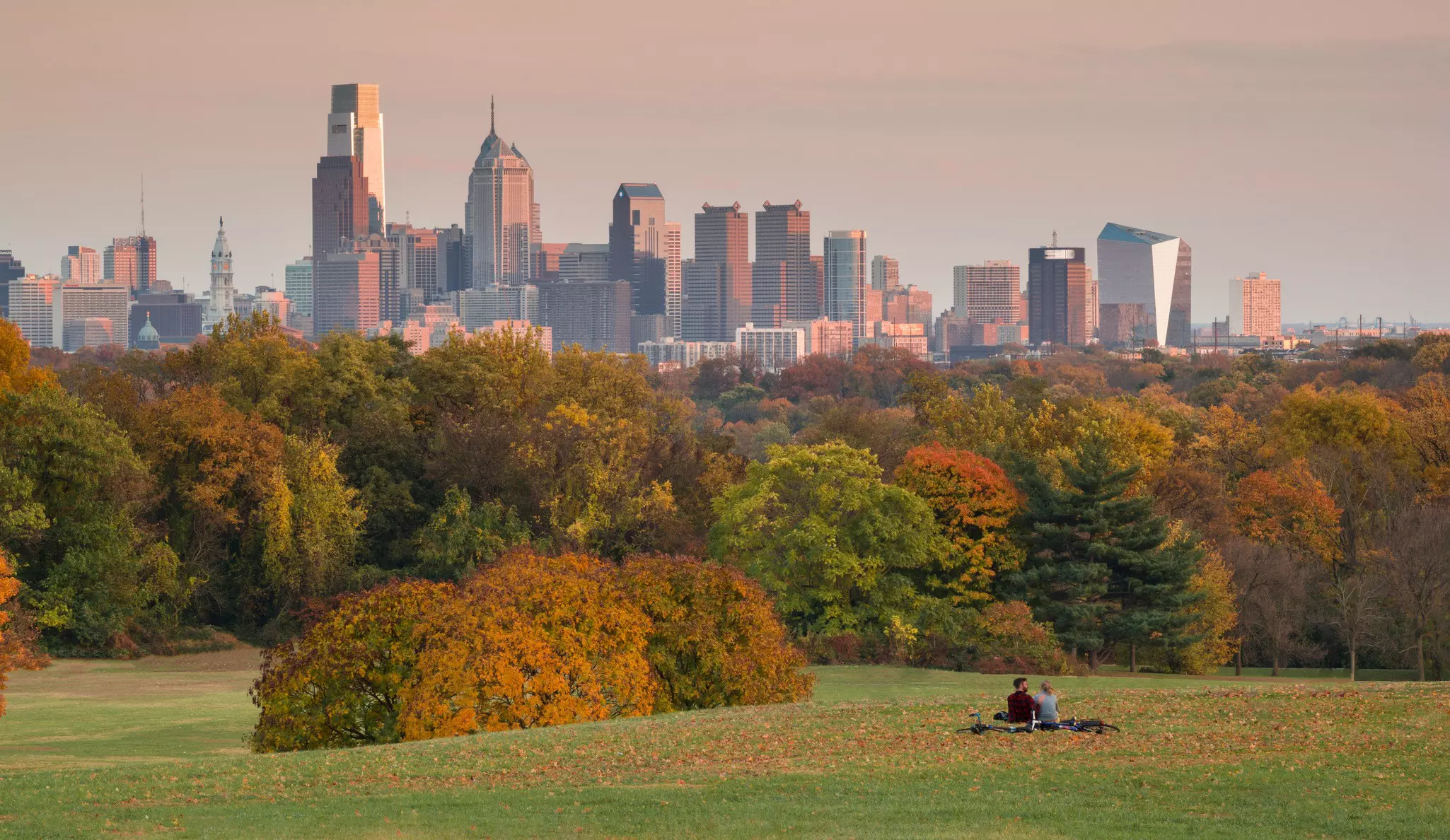
Designed by the renowned landscape architect Frederick Law Olmsted – the visionary behind Central Park – Fairmount Park is Philadelphia’s largest green space, with over 2000 acres on offer. This urban oasis allows you to unwind from the city buzz with scenic trails, historic landmarks and peaceful river views. The park is home to a number of seasonal festivals, including the Japanese Cherry Blossom Festival, held near the Shofuso Japanese House and Garden.
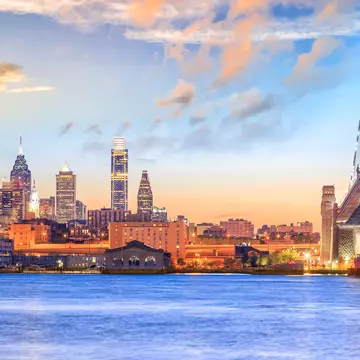
Once a bustling shipping pier, Cherry Street Pier has been transformed into a creative space where art and community collide. This reimagined pier on the Delaware River waterfront now houses artist studios, galleries and pop-up markets, making it a hub for local talent and cultural events. You can explore the work of resident artists, check out rotating exhibitions or shop at artisan markets featuring handmade goods. In addition, Cherry Street Pier has stunning views of the Ben Franklin Bridge.
Explore related stories