Jul 21, 20264 min read
Cannabis in Thailand: What Travelers Need to KnowJun 19, 2026
12 MIN READ
Contributors
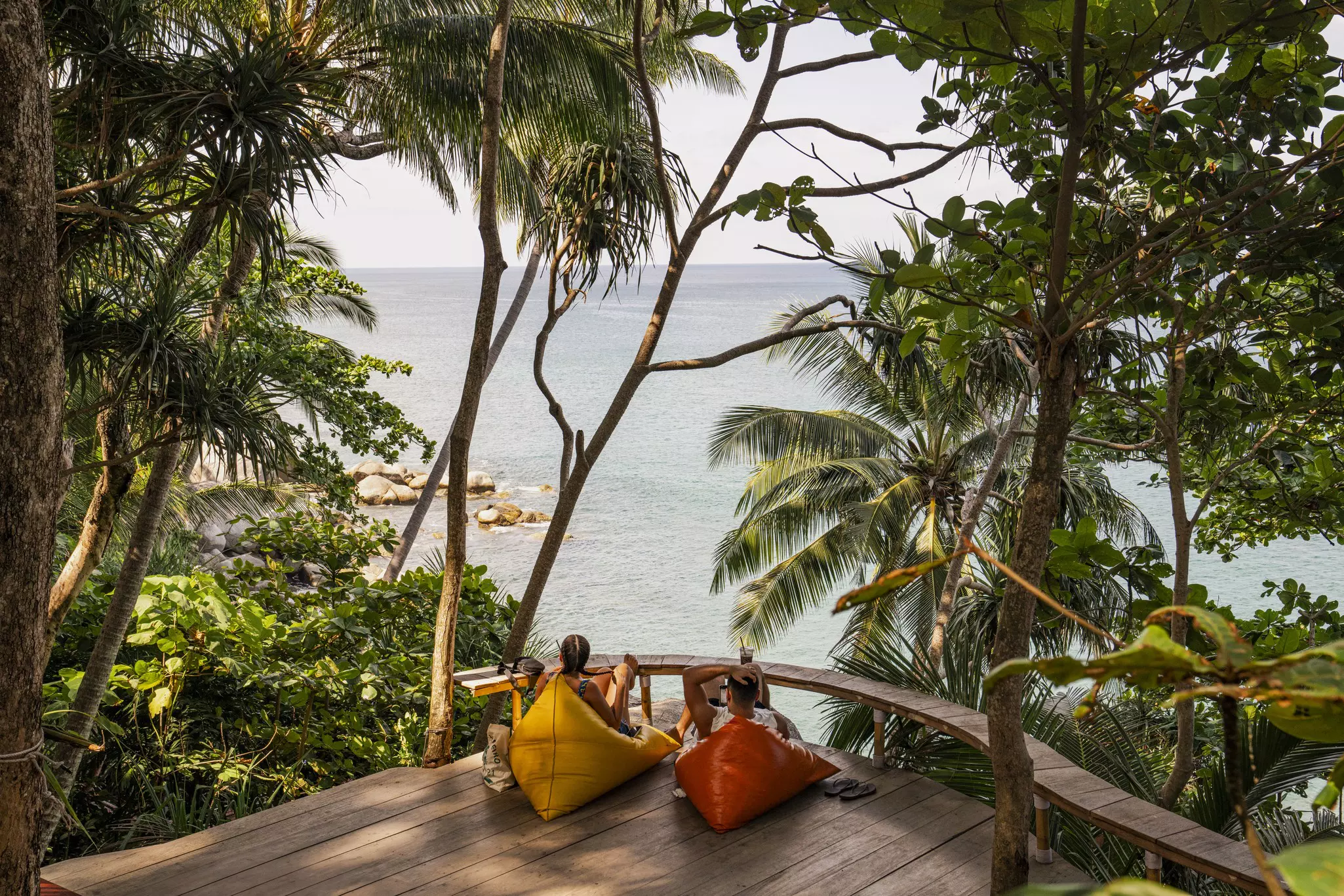
A Blanket and a Pillow cafe in Phuket. Lauryn Ishak for Lonely Planet
Contributors


Chawadee Nualkhair, Lonely Planet Editors
Highlights
Writer Chawadee Nualkhair picks 10 Thailand experiences, from temple-hopping to island diving.
Cycle the UNESCO ruins at Ayutthaya or Sukhothai, or head to Chiang Rai's White Temple.
Bangkok's Chinatown dazzles at night with street food; browse Or Tor Kor for top-quality produce.
From Phuket, island-hop around Phang Nga Bay, or dive Ko Tao and snorkel Ko Chang.
Lonely Planet may earn a commission from affiliate links on our site. All recommendations and reviews reflect our own independent opinions.
Thailand has ranked as one of Asia's best-loved destinations for decades, and Bangkok is not just the most visited city in Asia, but also the most visited city in the world. What is its magical appeal? Well, the best things to do in Thailand fulfill pretty much every travel dream – amazing temples, spectacular food, unspoiled nature, reef-edged beaches and so much more.
With such a bounty of things to see and do, and some of the best infrastructure for independent travelers in the world, your biggest concern will be working out where to begin. Coming to Thailand without visiting Bangkok would be a rookie error, and even bigger adventures await beyond the capital in the northern highlands and the southern islands.
You could be snorkeling in bright blue waters near a glorious beach on an island in the Gulf of Thailand or the Andaman Sea. You could be hiking to mountaintop temples crowned by gold-encrusted stupas, or roaming emerald-hued national parks in search of elephants, gibbons and hornbills.
You'll almost certainly be feasting on Thailand's world-leading street food and visiting its mesmerizing markets, and you might even find time to doze off next to the pool with a book on your chest. To kick start your Asian adventure, here are the 10 best things to do in Thailand.
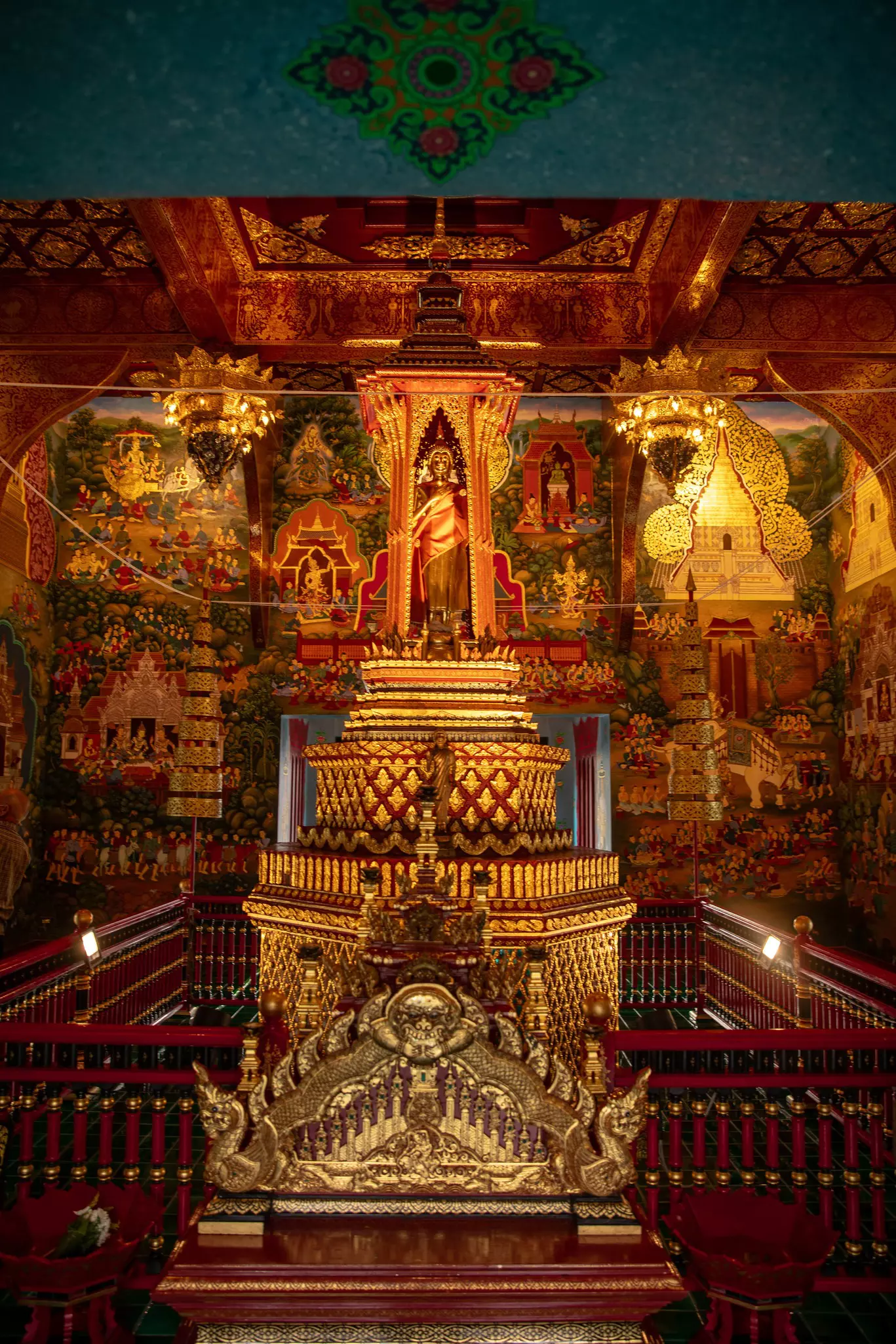
Thailand is home to more than 40,000 temples, so choosing the best ones to visit can be rather difficult. While most people agree that Bangkok’s Wat Phra Kaew, Wat Arun and Wat Pho are among the most spectacular temples in Asia, you may find that visits to smaller, quieter temples in the countryside reside permanently in your memories.
In the northern town of Chiang Rai, Wat Rong Khun – otherwise known as the White Temple – features a “bridge of rebirth” that takes visitors over a sea of outstretched hands representing human suffering. To the southwest, Chiang Mai features a remarkable collection of jewel-box wat (temples) in the northern Lanna style.
Some Thai temples are traditional; others are more eccentric. Near Pattaya, the Sanctuary of Truth stands as Thailand’s largest wooden building, painstakingly carved using traditional techniques, while Phetchabun's hilltop Wat Phra Thad Son Kaew displays a series of giant Buddha images sitting in each other’s laps like Russian nesting dolls, surrounded by Gaudí-esque mosaics.
Planning tip: If you visit Wat Pho in Bangkok, book an appointment at the monastery's famous massage school, said to have been the birthplace of Thai massage.
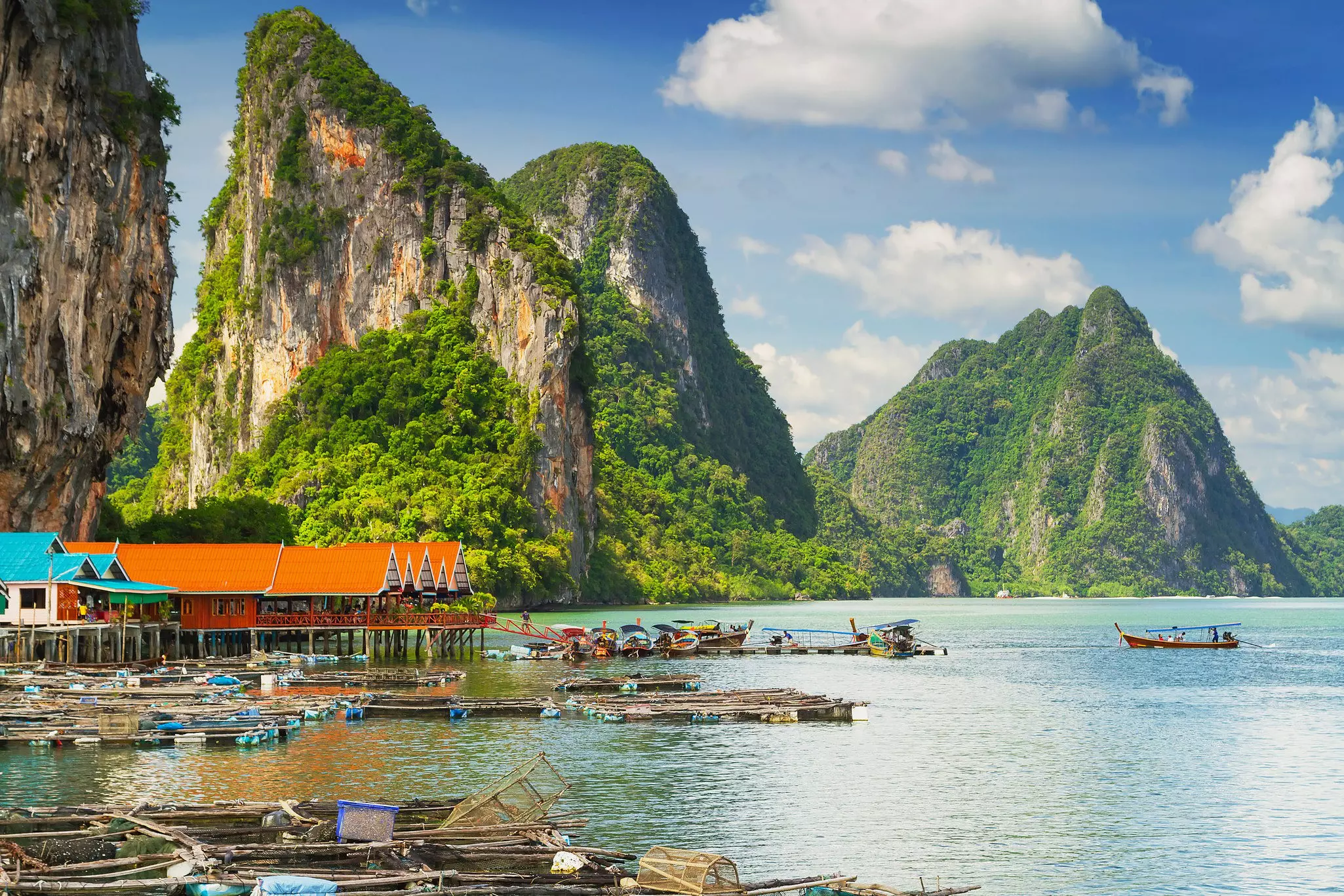
This is perhaps what the kingdom is best known for: dramatic karst islands bursting from celadon-colored waters. The best of these island escapes are found along the Andaman Sea coast, easily reached by long-tail boat or ferry from Krabi or Phuket, Thailand’s largest and most-visited island.
From Phuket's twin marinas, you can charter a boat or take a tour to survey the Andaman Sea and its sea-sculpted islands, including iconic Ko Khao Phing Kan, which featured in the movie The Man With a Golden Gun (1974) – one of many striking limestone karst isles in Phang Nga Bay.
Beyond Phang Nga, other karst islands are strung out along the west coast of the peninsula, from Ko Phi-Phi – home to the famed (and now carefully conserved) Maya Bay – to the reef-fringed islands around Krabi and Trang in the far south. For a more secluded island experience, charter a long-tail boat for a day on one of the hidden beaches tucked under the towering limestone cliffs.
Planning tip: If you visit Krabi, you can climb the karst outcrops on some of Asia's top sport climbing routes. The best climbs are actually on the mainland, just southwest of Krabi at Railay, where fang-like spires dripping with stalactites rise over golden beaches.
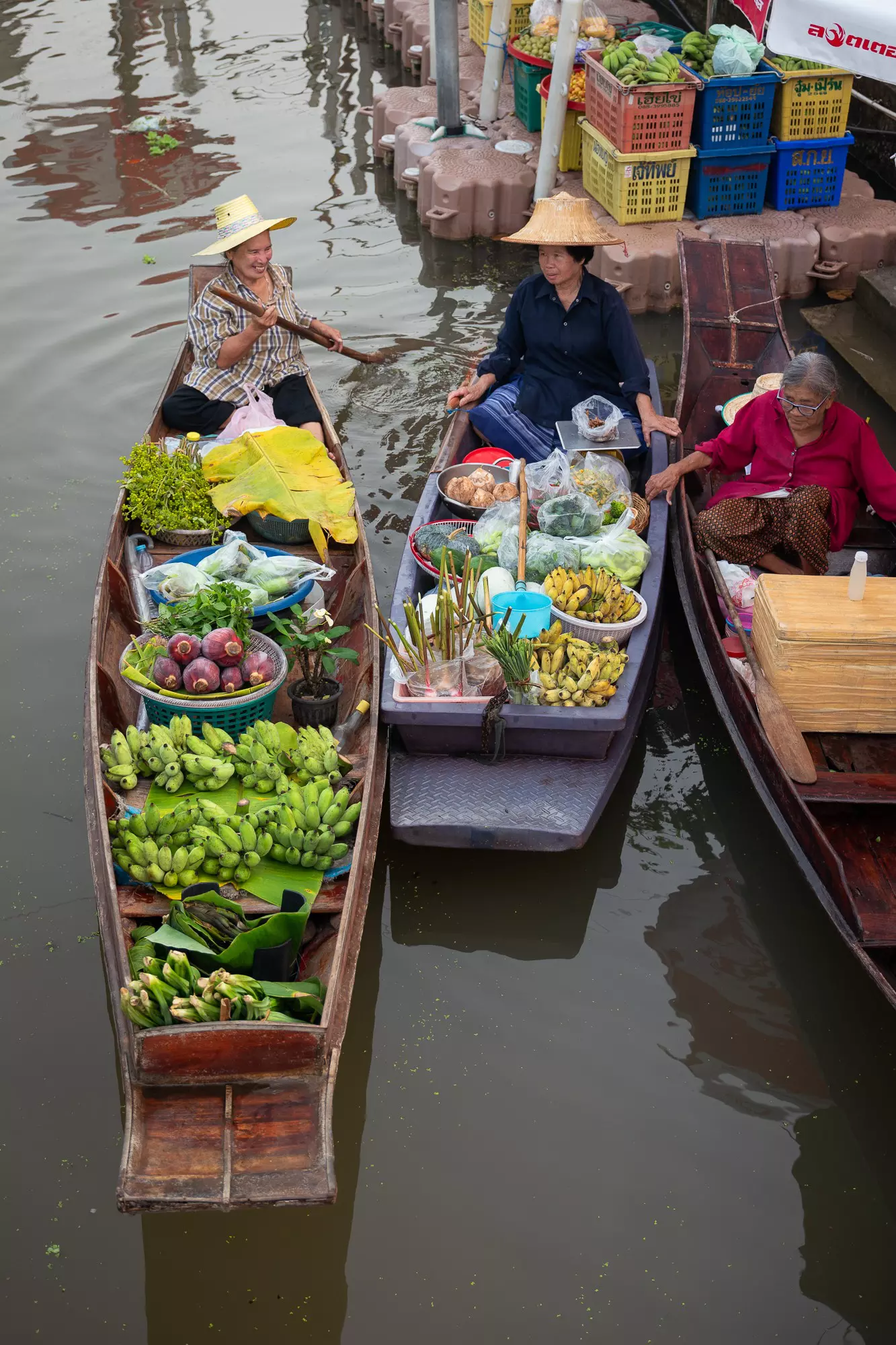
Thais love to shop, and open-air or covered markets are the favored spots to grab cooking ingredients, fresh fruit, baskets, clothing, artisan crafts, and pretty much everything else people need. Thailand is peppered with markets of all kinds, from early-morning food markets and weekend "walking streets" full of souvenir vendors, to raucous night markets packed with street food stalls and the vast shopping playground that is Bangkok's weekend-only Chatuchak Market.
Beyond Chatuchak, other Bangkok markets worth seeking out include Pak Khlong Talat flower Market, where rainbow blooms create gorgeous photo opportunities, and the Or Tor Kor Market, widely considered – even among persnickety Thai aunties – to be the best food market in the country (be sure to try the traditional sweets).
Lonely planet’s trusted travel insurance provider
Travel with confidence. Protect your trip and your wallet.
We don’t represent World Nomads, we receive a fee from quotes using this link. This is not a recommendation to buy travel insurance.
Up north, Chiang Mai’s Saturday Walking Street and Sunday Walking Street markets are a riot of craft, clothing and food stalls, with more on offer in the busy, covered Talat Warorot market, near the river. The walking street market in Chiang Khan, on the banks of the Mekong in Thailand's northeast, is just as extensive and much more picturesque, and other similar markets unfold in the south in towns such as Phuket and Hua Hin.
Planning tip: If the idea of a floating market floats your boat, the one along tree-lined Khlong Lat Mayom is only 1.5 hours from Bangkok and is far less touristy than famous Bangkok floating markets such as Damnoen Saduak.
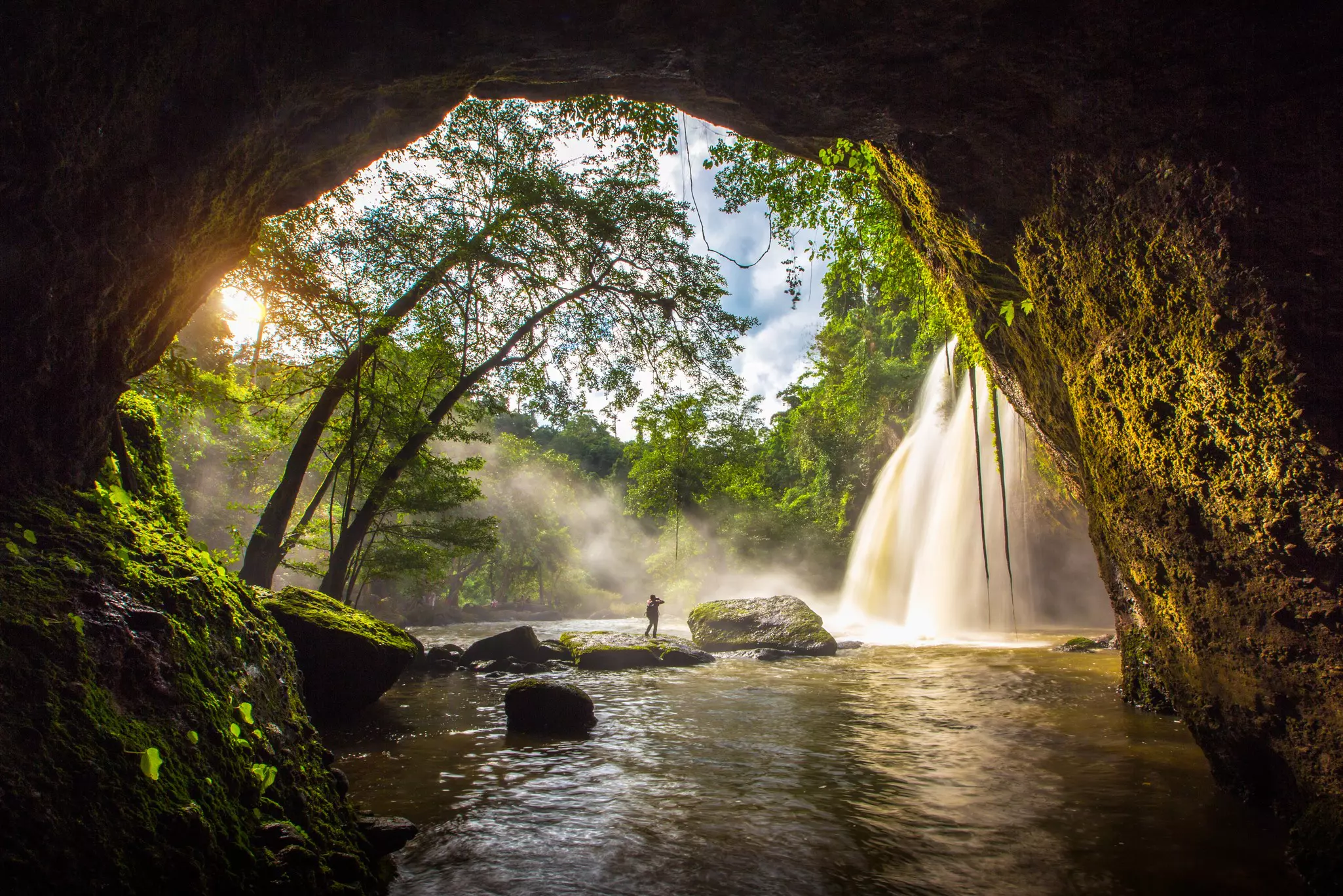
If you loved to splash around in fountains as a kid, then Thailand’s many, many waterfalls will surely delight your inner child – or even your actual children. There are surging cascades close to Bangkok in Khao Yai National Park, and falls hidden in rainforest groves from Kanchanaburi to Ubon Ratchathani, close to the border with Laos.
Thailand has a waterfall to suit any swimmer or nature lover, from paddling toddlers to experienced hikers who fancy cooling off with a refreshing dip. Made famous by the movie, The Beach (2000), Khao Yai’s Haew Suwat has an emerald-green pool that's perfect for midday dips, while dozens of falls dot the green mountains around Chiang Mai.
Located in Erawan National Park, northwest of Kanchanaburi, Erawan Falls is one of the most famous cascades in the country, thanks to its seven mighty tiers and the tiny fish that nibble at your toes at the bottom. Meanwhile, over in the far northeast lies isolated Soi Sawan waterfall, where wildflowers bloom in the cool season, and hiking trails lead to amazing viewpoints.
Planning tip: If you plan to beat the heat with a quick plunge, bring a towel and a swimsuit, but remember that changing rooms are few and far between. Extra care should be taken in the rainy season, when flash floods can make some waterfalls dangerous for swimming.
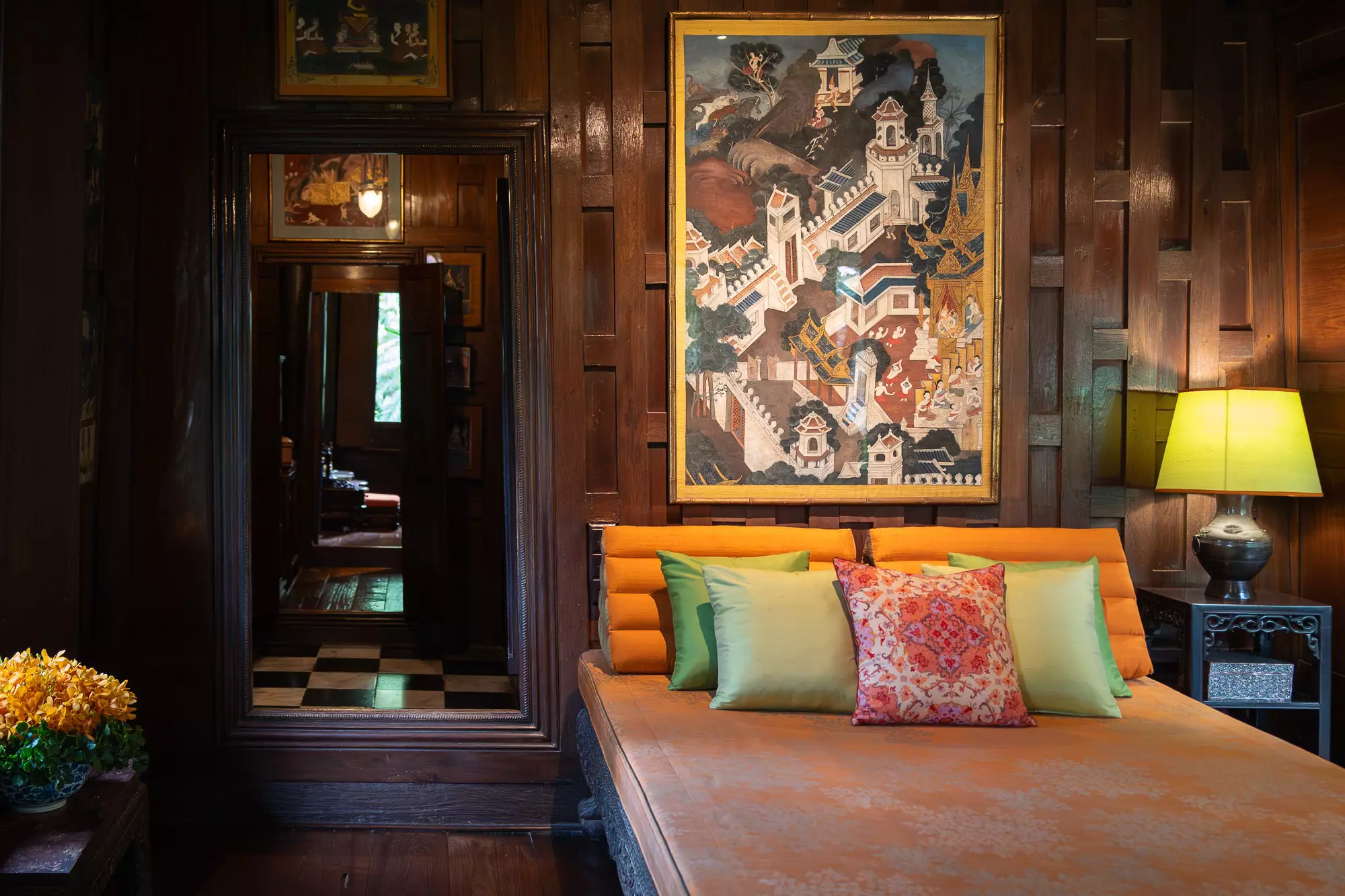
Thailand is chock-a-block with museums, but some are more enchanting and enlightening than others. Belying the image of a fusty old building harboring ancient relics, Museum Siam in Bangkok tells the story of how the “Land of Smiles” came to be, using creative, interactive exhibits geared towards children. Then there's Muang Boran, 40km southeast of Bangkok, a faithful reconstruction of Ayutthaya-era Siam, billed as the world’s largest open-air museum.
Also in Bangkok, the Jim Thompson House Museum keeps alive the spirit and the antique-stuffed wooden home of the American tycoon who popularized Thai silk (and disappeared mysteriously in 1967), while the Bangkokian Museum preserves vintage interiors from the early 20th century. On the west side of the Chao Phraya River, the Royal Barges National Museum offers an up-close look at the flamboyant boats used for royal river processions.
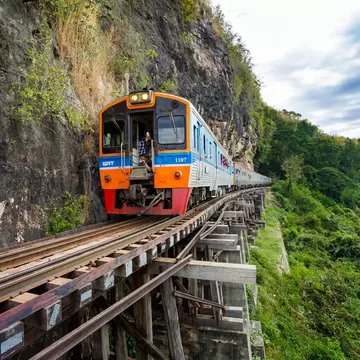
Detour: For a haunting introduction to Thailand's WWII history, the lengthily titled Hellfire Pass Interpretive Centre and Memorial Walking Trail near Kanchanaburi was created in memory of the POWs who helped build the Burma-Thailand Railway, or “Death Railway.” Combine a visit with a stroll over the steel railway bridge in Kanchanaburi, immortalized in the 1957 film Bridge Over the River Kwai.
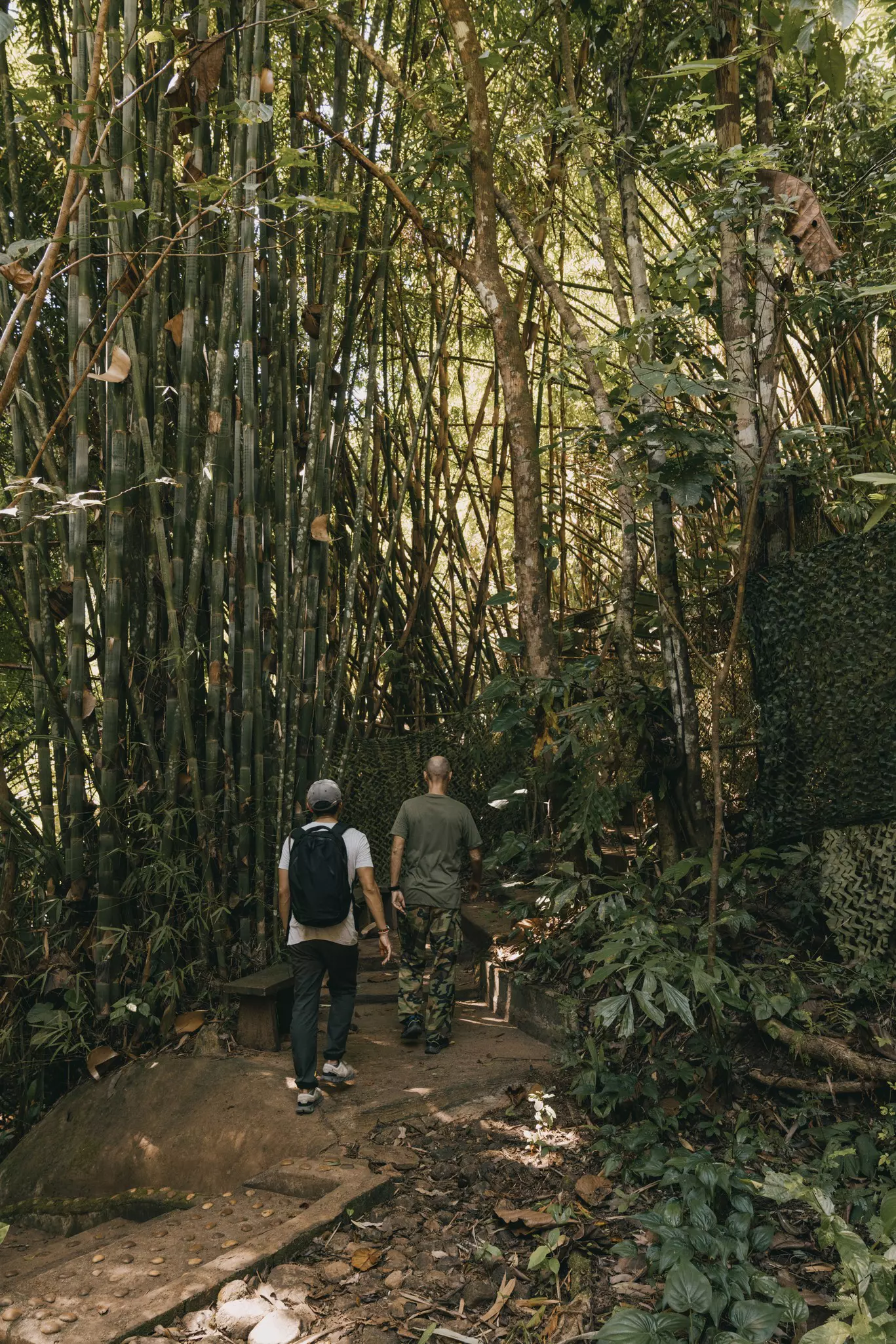
Despite its reputation as a classic fly-and-flop destination, Thailand is also a great place to get out into nature, with hiking trails suitable for all levels of experience. Up north, in mountainous Doi Suthep - Pui National Park near Chiang Mai, the 13km Buddha’s Footprint Trail is popular with birdwatchers for the diversity of wildlife on display (experience it with a local Hmong guide).
Alternatively, get a taste of the jungle on the trail from Chiang Mai University to Wat Phra That Doi Suthep, or take a trek through the cool highlands of Doi Inthanon National Park. Rewarding encounters with Indigenous culture await on walks to minority villages starting from Chiang Mai, Chiang Rai, Pai or Mae Hong Son.
Thrill seekers – and devout Buddhists – will love the hike to Wat Phu Thok, also known as the “Lonely Mountain,” near the northeastern town of Bueng Kan. The ascent of this 359m-high peak follows steep steps, carved cliffside paths and eventually rickety-looking wooden boardwalks. It's intended to mirror the seven levels people must pass through to reach nirvana – an exciting but strenuous (and occasionally daunting) undertaking.
Local tip: There are plenty of fun short walks in Thailand that are ideal for families. About 25km south of the resort town of Hua Hin, Pran Buri Forest Park features a 1km-long boardwalk through the mangroves, allowing even toddlers the chance to stretch their legs surrounded by greenery.
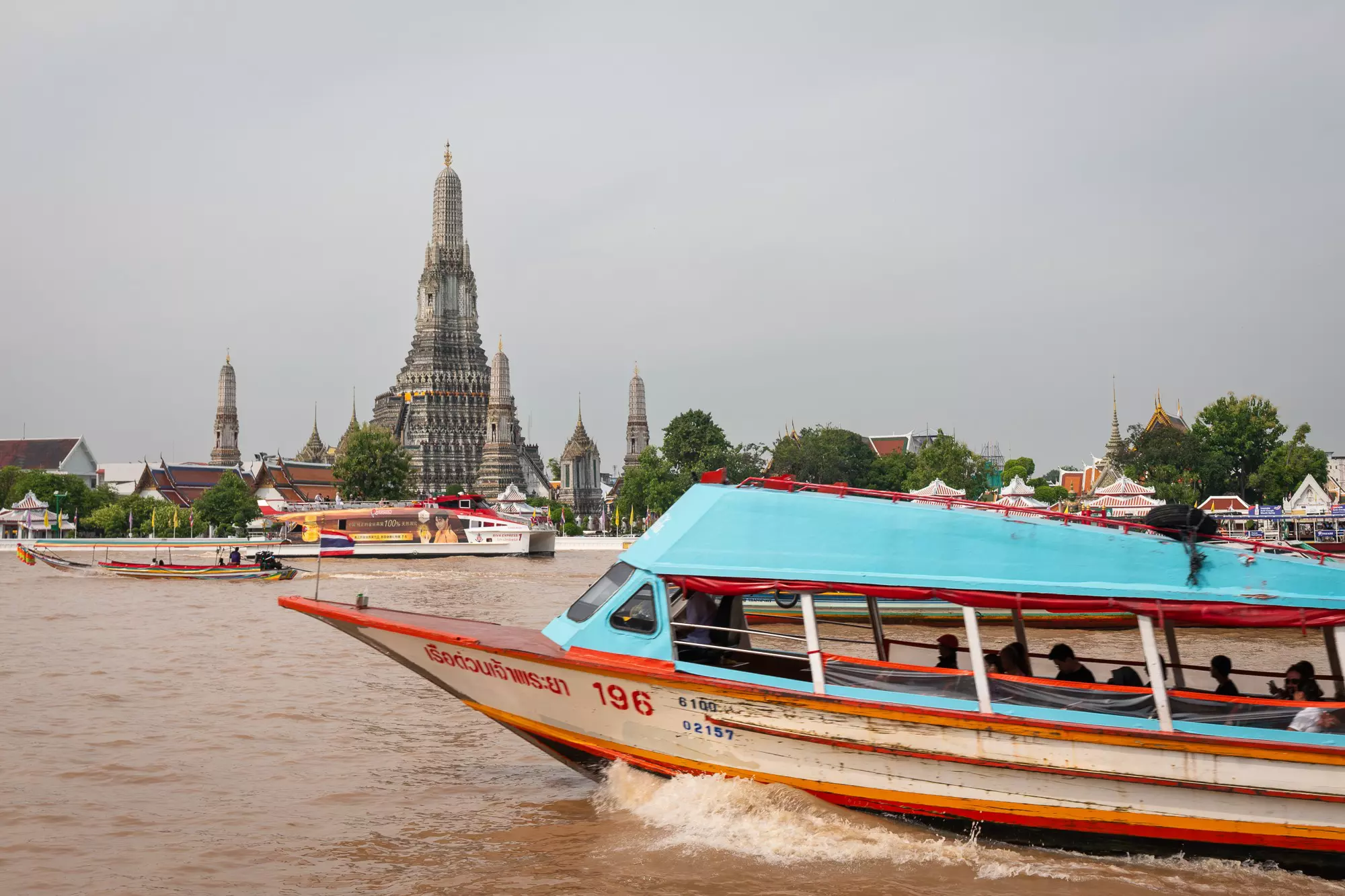
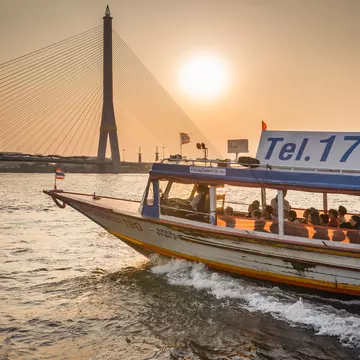
Before it became known for its traffic jams and rooftop bars, Bangkok was described as the “Venice of the East,” crisscrossed with canals branching off from the Chao Phraya River, which once served as the kingdom's main artery of commerce and diplomacy. Cruising along this vital waterway and the surviving canals is an evocative reminder of the city’s waterborne past.
All sorts of boats play the river and canals – from small long-tail water taxis and dinner-cruise boats to public ferries that zip along and across the Chao Phraya. A cruise is a great way to get a glimpse of Bangkok’s past, or simply avoid the traffic.
Perhaps the most fun experience is the Chao Phraya Express Boat, an inexpensive public ferry that zooms up and down the river between Tha Sathorn and the northern suburb of Nonthaburi. You'll only have seconds to board at each stop, but the route takes you past riverside temples such as Wat Arun, and you can disembark to explore the royal sights on Ko Ratanakosin island, Bangkok's energetic Chinatown, and Wat Arun.
Local tip: For a river adventure in the north, consider the 2-day riverboat ride along the Mekong River between Huay Xai and Luang Prabang in Laos.
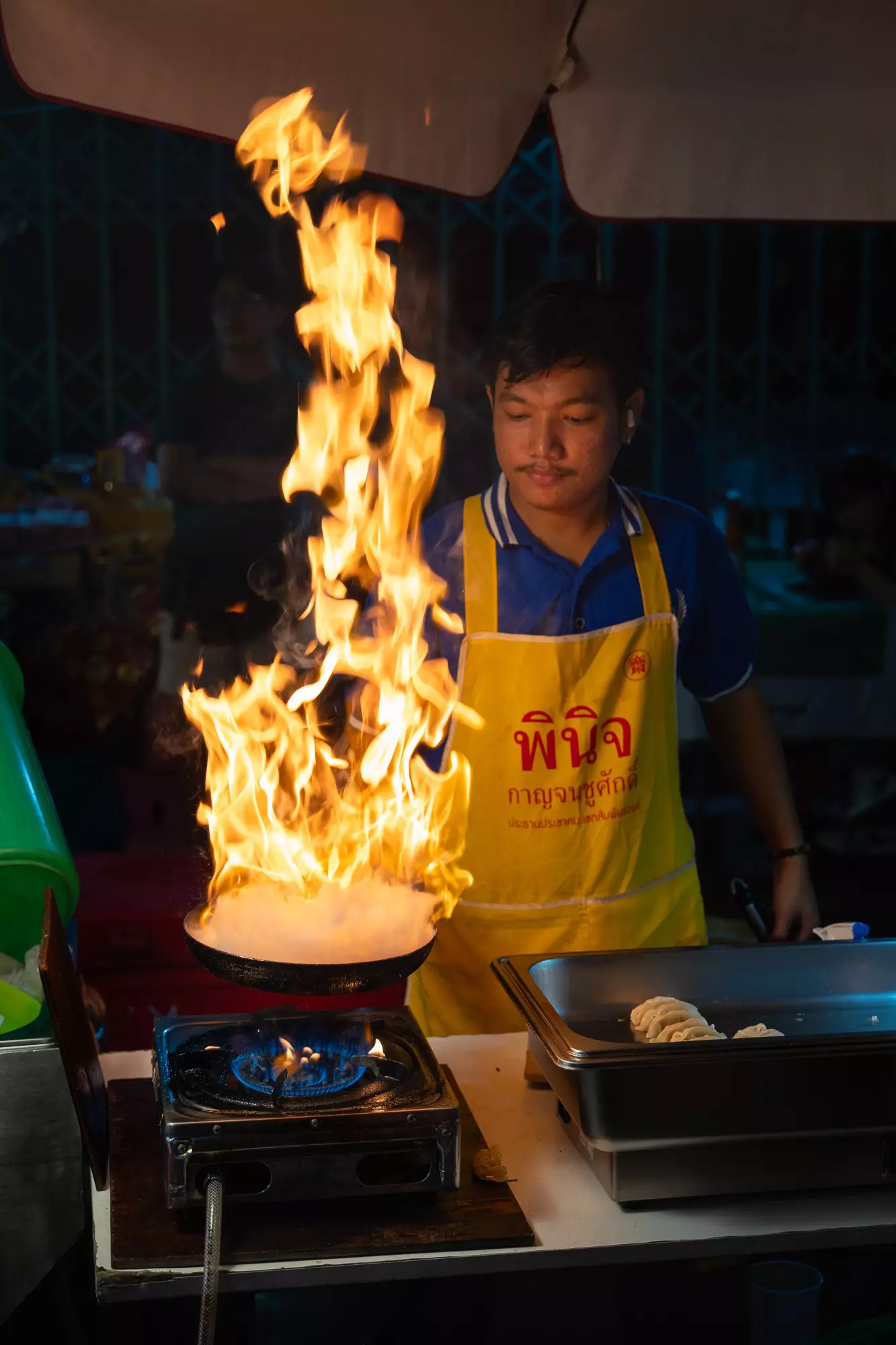
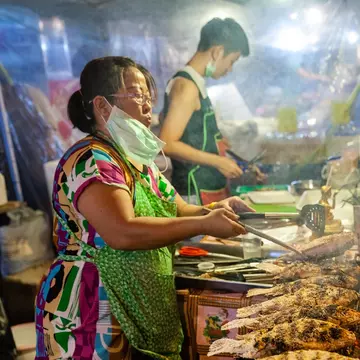
Rejuvenated after its post-pandemic slump, Bangkok’s street food scene is once again vibrant and full-flavored, especially in areas such as Banglamphu, along Charoen Krung Rd, on Bantadthong Rd, and by the Victory Monument. Once you've tried a few satay sticks or a bowl of streetside som tam (spicy green papaya salad), you won't want to stop!
However, the epicenter of Bangkok street food is Chinatown, centered on Th Yaowarat. Chinese-Thai dishes such as oyster omelets, soup noodles, rice porridge and black sesame-stuffed dumplings tempt passersby on every alleyway, and Th Yaowarat becomes a neon-lit roadside buffet at night. Just remember that many street food stalls (and some restaurants) are closed on Monday.
Planning tip: While in Chinatown, you can drop in on one of Bangkok’s hippest nightlife spots, Soi Nana (not to be confused with Nana Plaza in Sukhumvit). Here, famous watering holes like Tep Bar, Teens of Thailand and TAX rub shoulders with picturesque shophouses and inexpensive noodle joints.
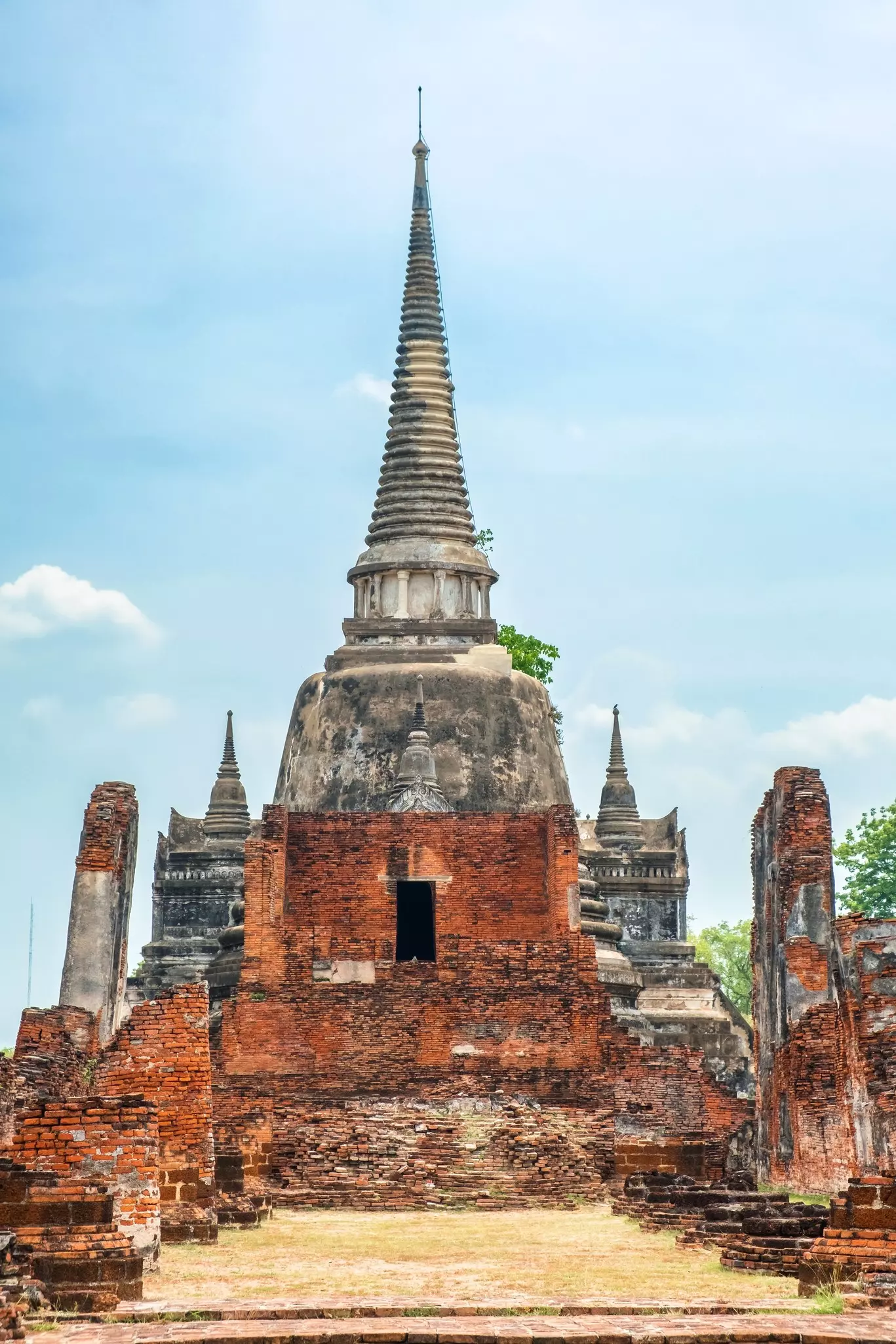
Before Bangkok was even a gleam in the eye of King Rama I, the country’s capitals were located further north along the Chao Phraya River and its tributaries, first in Sukhothai and then in Ayuthaya (Ayutthaya). Today, both are UNESCO World Heritage sites, and their magnificent ruins testify to the power and majesty of the kingdom formerly known as Siam.
Spilling over 70 sq km, the Sukhothai Historical Park has the 13th-century remains of Wat Mahathat at its center, with its lotus-shaped chedi (stupa) rising among 193 other ruined structures. Visitors can explore the grounds by rented bicycle before heading to the interesting Ramkhamhaeng National Museum.
At the larger Ayutthaya Historical Park, active from the 14th to 18th centuries, the 425 excavated archaeological ruins include Vihara Phra Mongkhon Bophit, home to one of Thailand’s largest bronze Buddha statues. Again, you can hire a bicycle to survey the park or head out on foot with a guide, and even rent traditional Thai costumes for a photo shoot.
Planning tip: Get to Sukhothai or Ayutthaya by train; both are easily reached via the Bangkok-Chiang Mai railway line (disembark at Phitsanulok for Sukhothai).
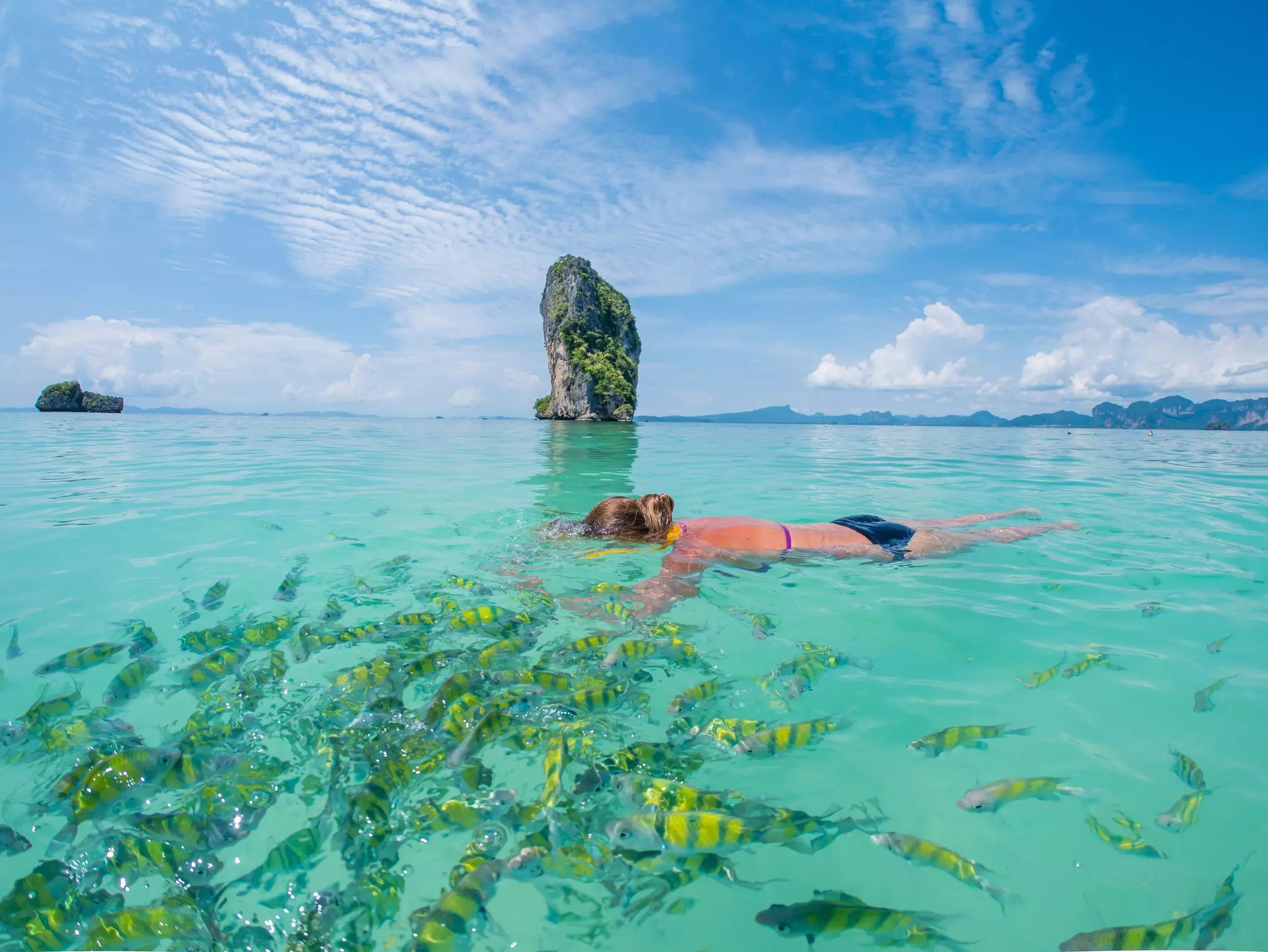
Underwater explorers of all abilities will see their dreams come true in the Andaman Sea or the Gulf of Thailand. With its warm waters, striking coral and plentiful reef fish, manta rays and whale sharks, Thailand is awash with top-tier diving sites, including around Ko Tao – one of the cheapest places to learn to scuba dive in Asia.
In hubs such as Ko Tao, Ko Lanta, Phuket, Ko Phi-Phi, Ko Samui and Ko Pha-Ngan, diving and snorkeling boat trips are easy to arrange. If it’s specifically snorkeling you’re after, the waters of Ko Chang near the Cambodian border and Ko Tarutao Marine National Park in the far south host bountiful marine life in perfectly clear blue waters.
Local tip: October to April is the prime diving season, but whale sharks are most commonly seen from March to May, particularly around the Similan Islands and Richelieu Rock in the Andaman Sea and Sail Rock in the Gulf of Thailand.
Book your Thailand trip with Lonely Planet Journeys
See Thailand how it's meant to be seen
Planned by local experts and tailored to you, Lonely Planet Journeys handles the logistics so you can just enjoy the trip. Tell us what you want and we'll build your Thailand itinerary from scratch, or browse our bookable trips to get inspired.

Explore related stories