The 12 best things to do in Chiang Mai
Jul 5, 2026
11 MIN READ

Writer
Highlights
Chiang Mai writer Aydan Stuart picks 12 highlights from temples to mountain villages.
Browse Kad Luang's herb-and-gold alleys, then climb Doi Suthep for sweeping city views.
Try ant-egg omelets at Bib Gourmand-recommended Han Thueng and khao soi across the city.
Climb the limestone Sticky Waterfall or escape to hillside village Mae Kampong.
Waterside night market in Chiang Mai, Thailand. PJjaruwan/Shutterstock

Writer
Highlights
Chiang Mai writer Aydan Stuart picks 12 highlights from temples to mountain villages.
Browse Kad Luang's herb-and-gold alleys, then climb Doi Suthep for sweeping city views.
Try ant-egg omelets at Bib Gourmand-recommended Han Thueng and khao soi across the city.
Climb the limestone Sticky Waterfall or escape to hillside village Mae Kampong.
Lonely Planet may earn a commission from affiliate links on our site. All recommendations and reviews reflect our own independent opinions.
Chiang Mai offers a refreshing contrast to Thailand’s bustling cities and tropical beaches. Nestled in the mountains of the north, this former capital of the Lanna Kingdom is famed for its misty views, rich traditions and a vibrant creative scene powered by artisans, chefs and coffee obsessives.
Beyond the walled old city, adventure seekers will find jungles, rivers, caves, mountains and waterfalls in every direction. Food and forest define Chiang Mai, a place that’s wonderfully relaxed and remarkably diverse. No matter how many times you visit, there’s always something new to discover.
Here are some of the best things to do in Chiang Mai.
1. Get lost in Kad Luang
Also known as Talat Warorot, Kad Luang is Chiang Mai’s main market district, sprawling from the banks of the Ping River to the eastern edge of the old city walls. The name means “central market, ” and it’s been a hub of trade since the city’s founding in 1296.
Inside the main market halls, you’ll find wet markets, flower stalls and rows of vendors selling various items. Outside, narrow alleys twist past shophouses stacked with gold jewelry, Indian fabrics, hill tribe products and Chinese herbs.
With so much to take in, give yourself a few hours to wander. Get lost in the tangle of intersecting lanes and stop for a snack or a coffee at one of the many stalls that keep locals and visitors happily fed.
2. Climb Doi Suthep and make merit in the clouds
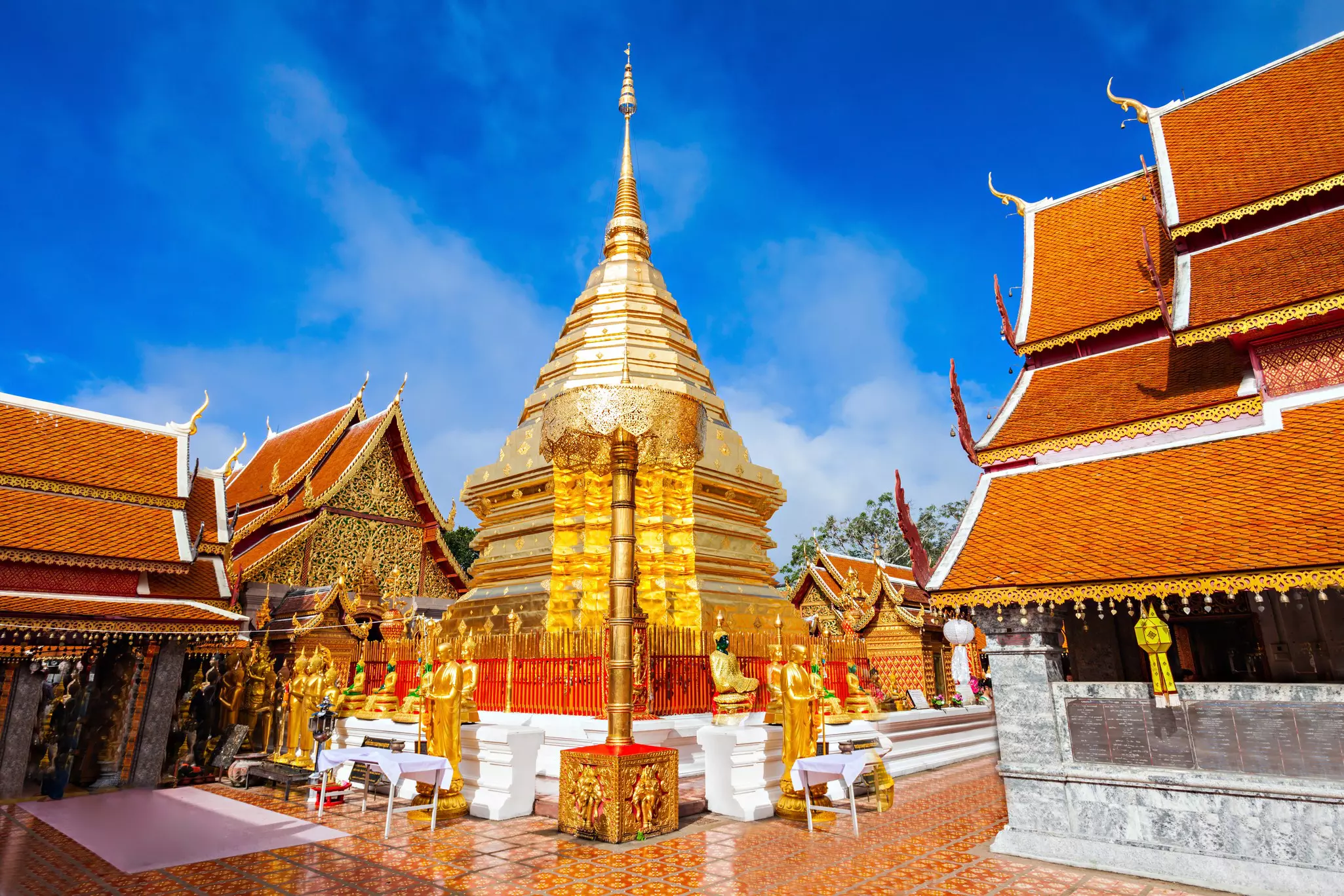
The most famous of the more than 300 temples in and around Chiang Mai is Wat Phra That Doi Suthep. The temple sits atop Doi Suthep – easy to see from the city, glistening in the afternoon sun – and is a popular pilgrimage site for locals.
For a small fee, you can tour the grounds, meet with monks, perform rituals and even join a meditation retreat. According to legend, the temple was built on the spot where a sacred white elephant trumpeted three times and died, prompting the king to declare it the most sacred place on the mountain. Ascend the staircase guarded by two seven-headed serpents and discover the golden pagoda at the top. Make merit in your own way and take in the sweeping views of the city below.
Detour: Along the road up the mountain, you’ll find a number of visit-worthy stops, including the shrine to the activist monk Kruba Srivichai, Huay Kaew Waterfall and Bhubing Palace, a home for visiting royals. However, to keep in the temple spirit of things, you can follow the monk's trail that leads from the edge of the city through the jungle to the hidden forest temple of Wat Pha Lat before taking a taxi or red truck or continuing your hike on foot up to Wat Phra That Doi Suthep.
3. Sample Thailand’s single-origin coffee
An abundance of locally cultivated coffee has led to a boom in cafes, slow bars and specialty roasters. From tiny street corner aunties trying their best at drip coffee to award-winning latte art champions, the variety makes coffee bar hopping all the more fun for visitors (and not just because of the caffeine rush).
Akha Ama is the pioneer of origin coffee in the city, operating as a social enterprise to ensure farmers earn a fair living wage and that profits go back to the villages that invested in coffee to begin with. Bigger brands you may notice include Doi Chaang and Café DoiTung, each competing on a more national level, while there are also countless indie coffee bars like Graph, Gateway, Yelloo and Ministry of Roasters, each with their own style and approach to serving coffee.
Local tip: If you’re in the Nimmanhaemin Road area, you’ll notice two very similarly named coffee shops: Ristr8to and Roas8ry Lab. They began as one brand, but the owners eventually split and became competitors. However, their recipes and styles are almost completely identical, and they've both become internationally famous for their latte art and creative concoctions.
4. Tour the old city’s oldest temples
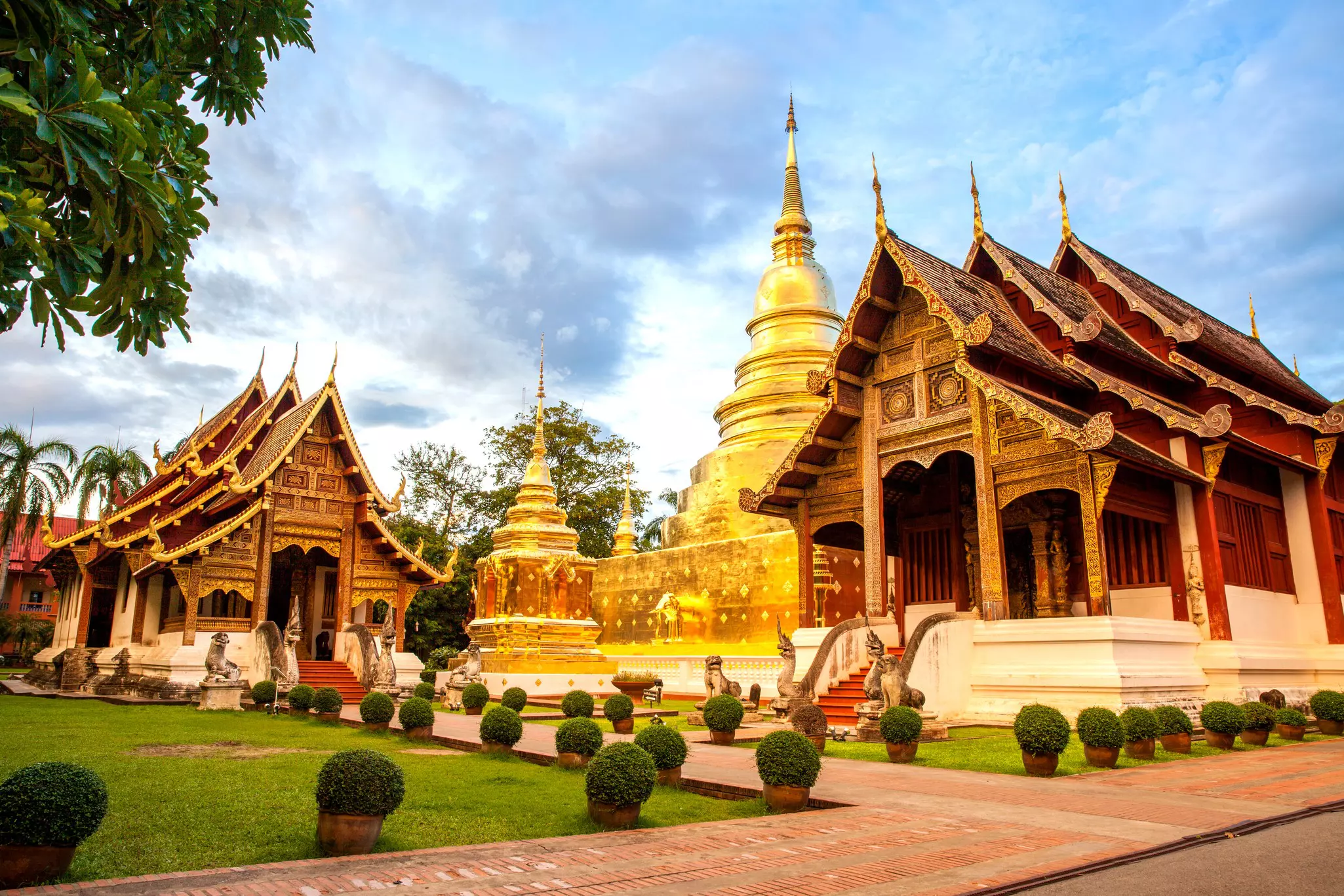
The two most famous temples in the old city are Wat Chedi Luang, a 13th-century marvel, and Wat Phra Singh, Chiang Mai’s most revered temple, home to ancient Buddhist scriptures, the city pillar, and several coffee shops and massage pavilions. The nearby Wat Phan Tao is a peaceful teakwood temple known for its dark interiors, graceful Buddha image and fluttering orange flags. Near the Chang Phuak Gate, Wat Lok Moli is a strikingly beautiful temple with terra-cotta sculptures.
The city’s oldest temple, Wat Chiang Man, was built in 1296 – the same year Chiang Mai was founded as the new capital of the Lanna Kingdom. Its main viharn (assembly hall) houses the oldest known Lanna Buddha image and the city's guardian figures. Look to the back, and you’ll spot a spectacular elephant chedi, circled by pilgrims holding incense and offerings.

Lonely planet’s trusted travel insurance provider
Travel with confidence. Protect your trip and your wallet.
We don’t represent World Nomads, we receive a fee from quotes using this link. This is not a recommendation to buy travel insurance.
5. Listen to local bands and original music
Thailand loves live music, with musicians singing covers in almost every bar and many restaurants. But if you look beyond the tribute acts, you’ll find a thriving and intriguing original music scene.
Chiang Mai Original brings local artists together and gives them a stage. Its flagship venue, Chiang Mai OriginaLive, hosts regular events featuring original music. Other standout spots include Thapae East, with its focus on creative arts and alternative sounds; the laid-back North Gate Jazz Co-op, where melodies often spill into the street; and The A Ter, a newer venue from the same crew behind North Gate.
For a true Thai feel, head to Sudsanan, an iconic venue known for its classic Northern Thai folk music and loyal crowd of local hippies and longtime residents.
6. Buy something beautiful at Chiang Mai’s many markets
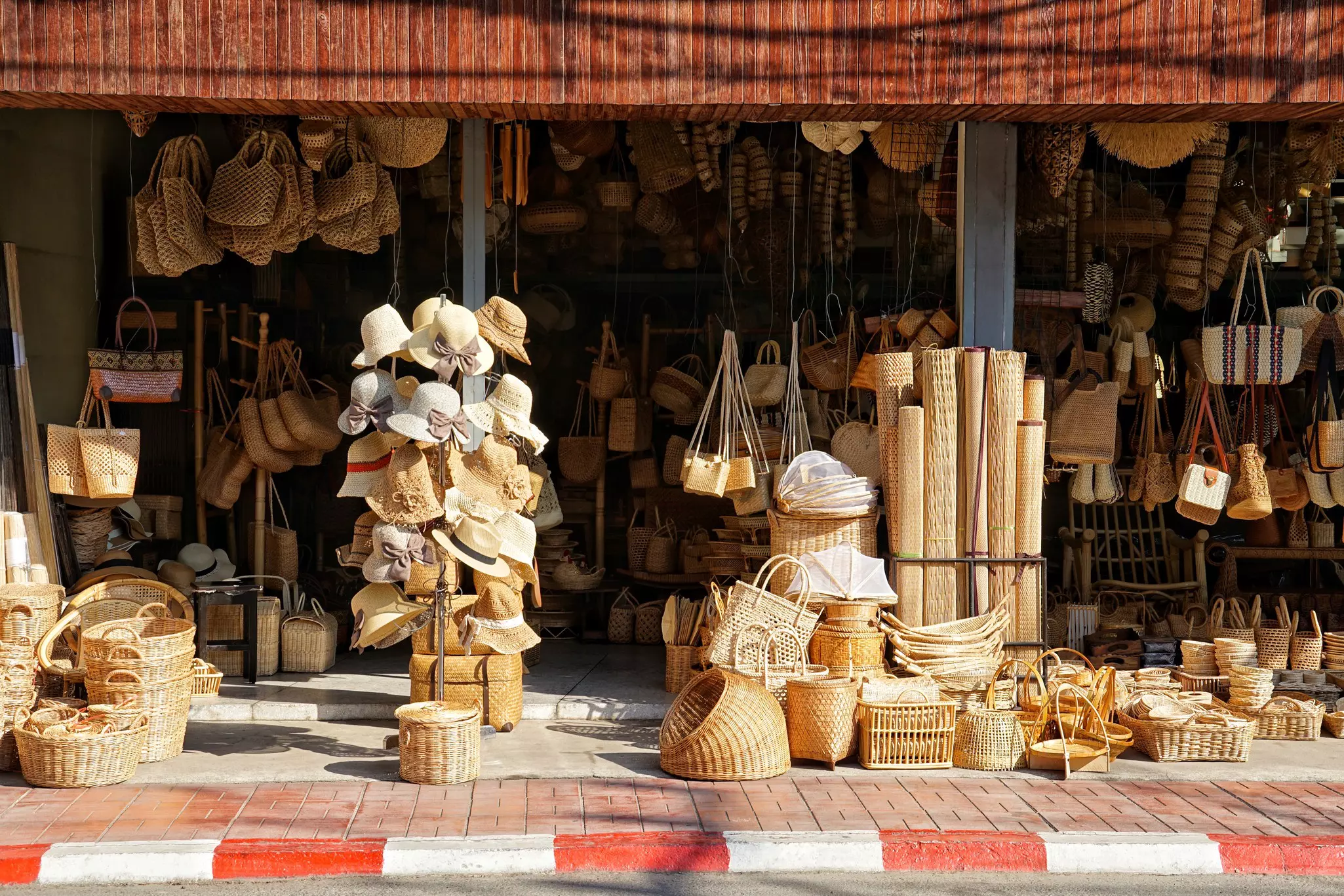
Sunday Walking Street is Chiang Mai’s biggest market, packed with creative food vendors and local artisans peddling their wares. Talented performers show off their skills in between stalls, and local Hmong, Karen, Lisu and Akha tribes also venture down to sell their creations. The market runs on Sundays, 4pm to midnight.
The other famous city market is Saturday's Wua Lai Walking Street, just south of the old city. Although similar to the Sunday Night Market, it has a greater focus on local handicrafts, including Thai silk, silver and woodwork.
Chiang Mai’s Night Bazaar sprawls across two blocks and is open every day, but expect to find typical tourist souvenirs and suit shop vibes here. What makes this place worth visiting are the many bars, restaurants, boxing rings and cabaret shows, making for a fun evening out, whether you buy anything or not. Open from 6pm to 10pm.
Other markets worth searching online for include Jing Jai Market, which hosts an amazing vintage market once a month; Kad Na Mor Market, where students flock for cheap clothes and accessories; and Chang Phuak Gate Night Market, a true hawker fest of freshly prepared Thai food sold by shouting vendors.
7. Climb the Sticky Waterfall
Nam Tok Bua Tong, better known as the Sticky Waterfall to tourists, is one of the most unusual waterfalls in Thailand. Unlike most slippery waterfall faces, these falls are caked in limestone deposits that have built up over millennia, creating a rough texture that prevents slippery stuff (like algae) from growing.
Ropes and wooden stairs help climbers ascend, with selfie spots along the way. There are three tiers of fast-flower water, but they're no challenge even for less agile people. Even less agile climbers – kids, aunties and clumsy tourists alike – can make their way up with ease.
Detour: Since the waterfall is about an hour out of town, combine your visit with a night in Srilanna National Park. You can take a longtail boat out to idyllically isolated floating cabins on the Mae Ngat Somboon Chon Dam Reservoir, a place where mobile signals disappear and nature dominates. Options range from basic backpacker to Mountain Float luxury.
8. Go wild in the Mae Sa Valley
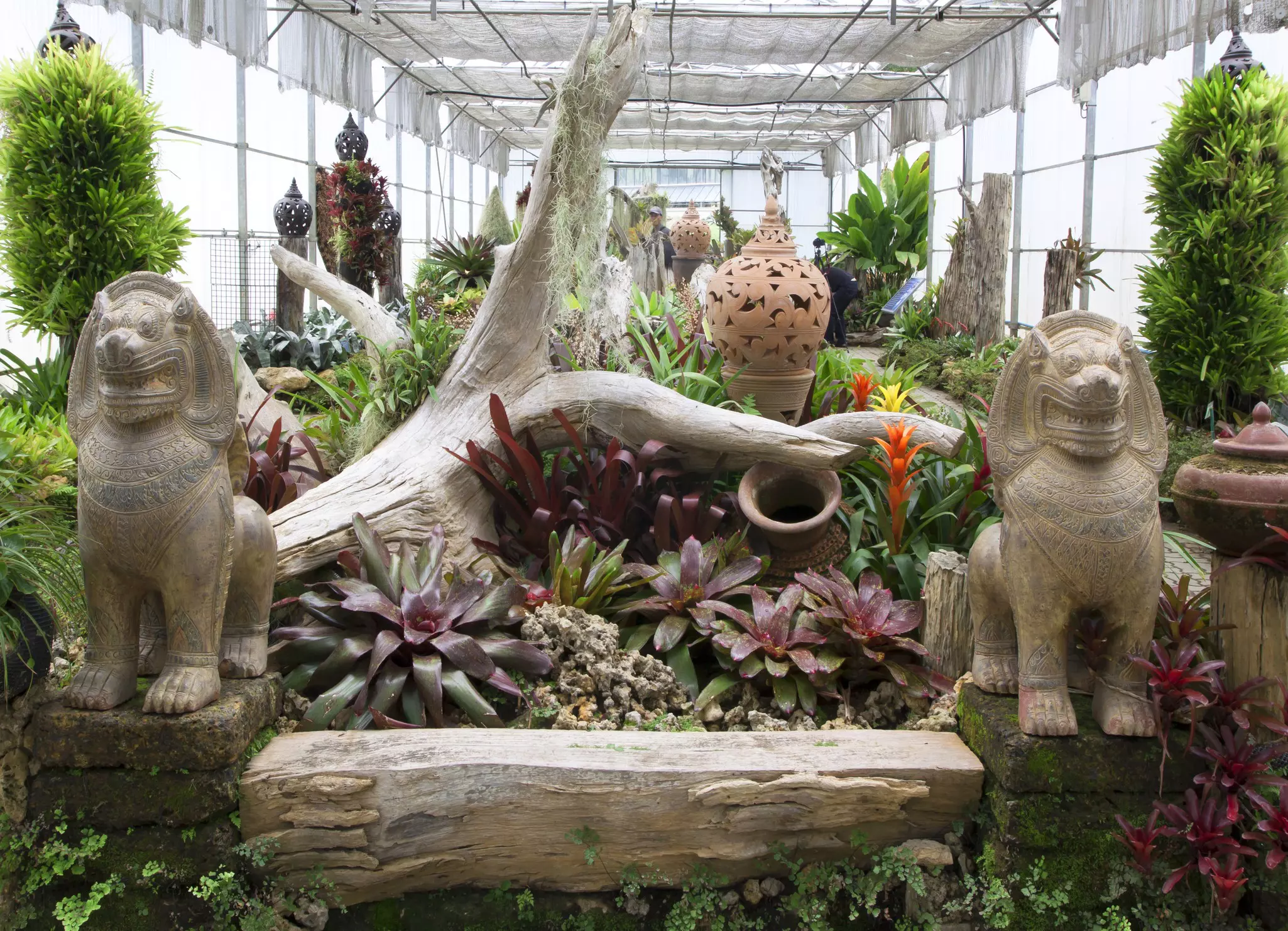
The Mae Sa Valley is one of Chiang Mai’s most picturesque locations, located just a short distance north of the city and a popular starting point for those heading to Pai. Densely populated with tourist attractions, it offers waterfalls, gardens, jungle coasters and quirky farm attractions.
For families, the Elephant Poopoopaper Park lets little ones get crafty, making paper by hand from elephant dung, while Siam Insect Zoo has lots of wiggly creatures to gawk at. Those more into the serious side of gardening can enjoy the incredible Queen Sirikit Botanic Gardens, home to a vast collection of plants and rare, indigenous Thai flora.
The Mae Sa Waterfall is the valley’s best natural attraction, along with the mountain peak Hmong village of Mon Cham that caters to day visitors and overnight holidaymakers. And for those looking for something a little more thrilling, Pongyang Jungle Coaster Zipline Camp & Resort is just around the corner.
9. Party like a local in the city’s best clubs
Despite its reputation as a sleepy town (which it certainly is), Chiang Mai also has its fair share of nightlife thanks to its large student cohort and party-loving locals. The neighborhood of Nimmahaemin is a good place to start, with a range of fancy cocktail bars, basic bottle shops and most of the city’s biggest nightclubs.
Warm Up Cafe is the city’s most famous club, now celebrating its 27th year. Live bands and EDM DJs make this the place where the cool people come to party. But if you’ve come to dance, expect to do it around a table with bottle service.
For something a little more cultural, try Tawandang Mahason, where electrifying cabaret-style country and folk song performances take place all night, every night – guaranteed to drop you right into the heart of rural clubbing culture.
On the flip side, the rooftop of MAYA Lifestyle Shopping Center has many fun but slightly fancier bars like Myst, which serves cocktail towers from a bar overlooking the city – perfect for dates and sundowners.
Local tip: There are very few venues in Chiang Mai that have dance floors, and those that do are often empty. If you like to dance, look out for live music concerts that bring crowds of loyal fans who are not as image-conscious as those looking to mingle in the clubs.
10. Taste the real Northern Thai cuisine
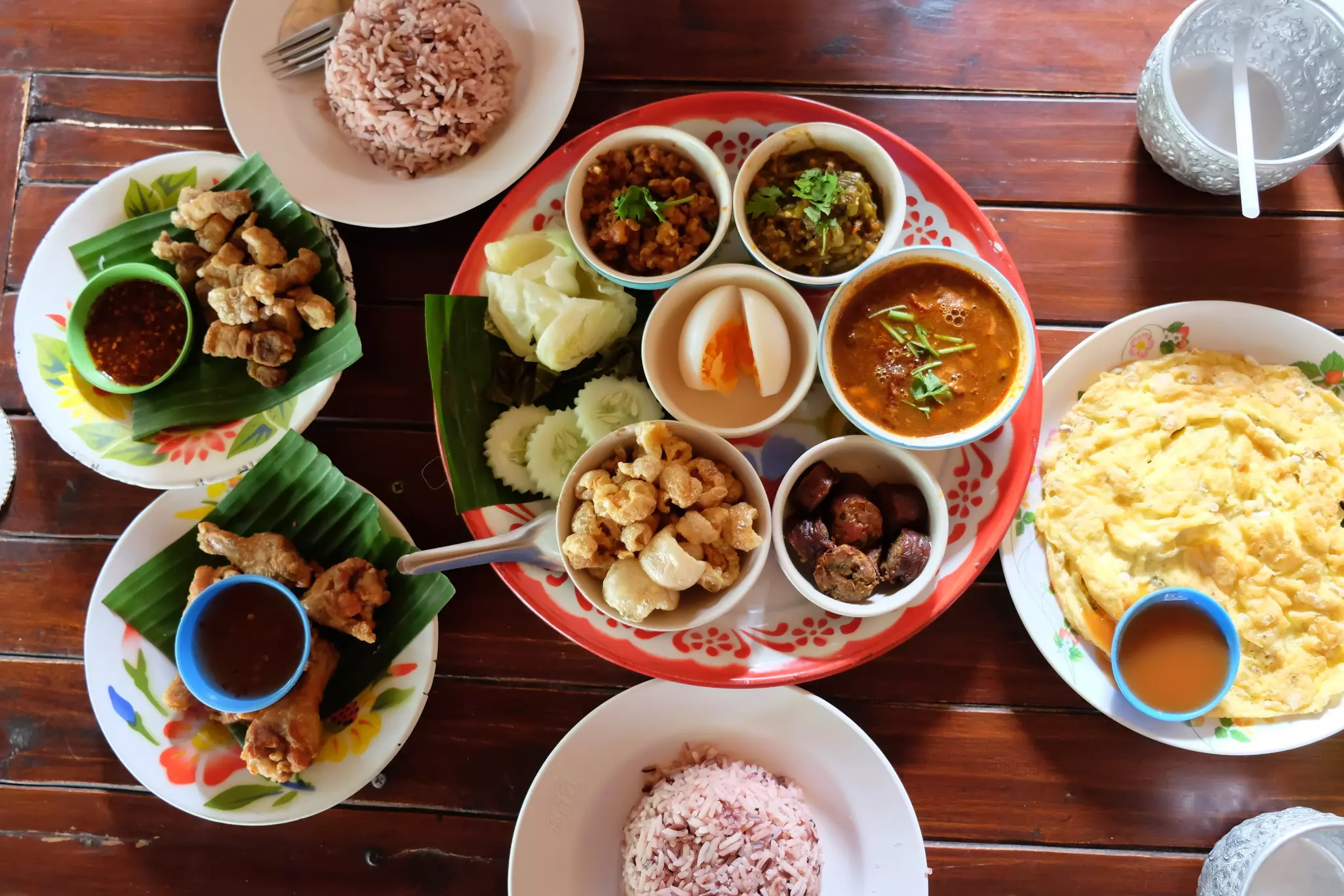
Northern Thai food tastes very different from traditional Thai food, substituting coconutty broths with more jungly alternatives. This unique cuisine is a must-try for any food-focused adventurer.
Han Thueng Chiang Mai is one of the city’s best places to try authentic Northern fare with a Michelin Bib Gourmand recommendation. The chef serves up a delicious combination of spicy, sweet and salty flavors, including local faves like ant-egg omelets and crispy pork skin with young chili dip.
Tong Tem Toh and Huan Soontaree are two other visitor favorites, attracting hungry souls with Thai-style hors d'oeuvre platters and local musical performances – ideal for those unfamiliar but eager to try the local cuisine.
You also can’t visit Chiang Mai without trying khao soi, a popular yellow curry coconut noodle soup that is served with chicken or pork and garnished with crunchy noodles, shallots, mustard greens and lime juice.
Local tip: Sign up for a cooking class and take your favorite Northern Thai dishes home with you. For classic homely Thai dishes, go to Grandma’s Home Cooking School. If you want to try your hand at local tribal cuisines, try Thai Akha Cooking School. Vegetarian or vegan? May Kaidee specializes in flavorful, plant-based Thai dishes you can recreate at home.
11. Learn about local Lanna heritage
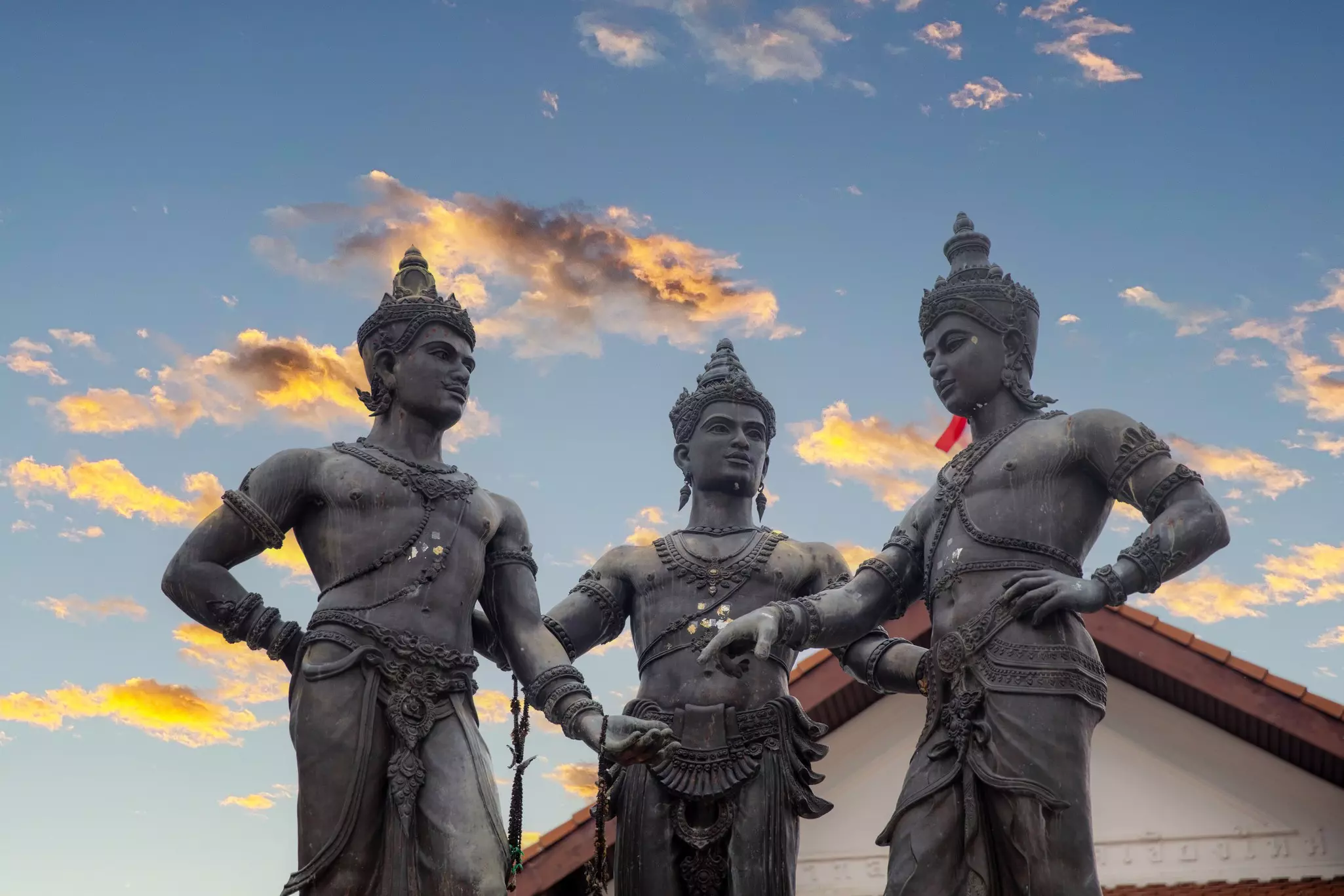
Head to the Three Kings Monument and you’ll find a wealth of history. The statue honors the three kings who joined forces to found the city in peace and is the center point around which you’ll find the Lanna Folklife Museum, Chiang Mai Historical Centre and Chiang Mai City Arts & Cultural Center.
Chiang Mai University also has several destinations that provide a more local perspective on culture and history, such as the Northern People’s History Hall (Suan Anya) and Lanna Traditional House Museum.
12. Escape to the sleepy mountain town of Mae Kampong
Mae Kampong has become the city’s go-to hillside village, just an hour out of town. Reminiscent of a quaint Japanese village, this small town sits high up in the hills along treacherous single-lane roads.
Visitors come to get away from the city, sample the famous sai oua (spicy Northern Thai sausage sold by Sai Oua Mae Nim) and enjoy real community tourism. With no hotel chains, 7-Elevens or branded coffee shops, the village is owned and run by the locals themselves. The village has ample accommodation, with homes and cabins opened up to visitors, but it's best to book ahead nonetheless.
Detour: On the way, stop by Doi Saket Hot Spring and simmer in the natural spring water pools, or take a left at the Teen Tok Royal Project Development Center and head further into the hills for some canopy action at Jungle Flight Chiang Mai or KingKong Smile Zipline.