
Advertisement
Tarragona
In this effervescent port city, Roman history collides with beaches, bars and a food scene that perfumes the air with freshly grilled seafood. The biggest lure is the wealth of ruins in Spain’s second-most important Roman site, including a mosaic-packed museum and a seaside amphitheatre. A roll-call of fantastic places to eat gives you good reason to linger in the knot of lanes in the attractive medieval centre, flanked by a towering cathedral with Romanesque and Gothic flourishes.

UIG via Getty Images
Latest Stories
- Lonely Planet Editors|Sep 29, 2025The 9 best things to do in Tarragona, Spain
- Paula Hotti|Aug 24, 2025A guide to Tarragona, Spain
Book


Trusted Partner
Stay connected in Tarragona
Holafly eSIM provides unlimited mobile data with no hidden fees, giving you peace of mind wherever you travel. Stay connected even after your plan ends with Always On. Use code LONELYPLANET for an exclusive discount.
Take your Spain trip with Lonely Planet Journeys
Time to book that trip to Spain
Lonely Planet Journeys takes you there with fully customizable trips to top destinations – all crafted by our local experts.


Top places to visit in Tarragona
Discover the best attractions in Tarragona from must-see sights to unexpected hidden gems.
-
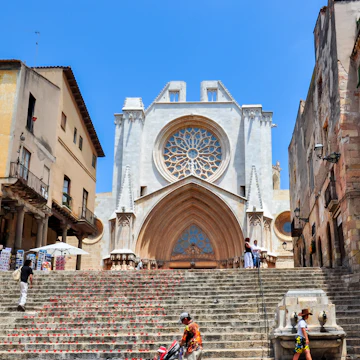 Attraction in TarragonaCatedral de Tarragona
 -
 Attraction in TarragonaMuseu d'Història de Tarragona
 -
 Attraction in TarragonaPasseig Arqueològic Muralles
 - Attraction in TarragonaPortAventura
- Attraction in TarragonaPretori i Circ Romà
-
 Attraction in TarragonaMuseu Nacional Arqueològic de Tarragona
 - Attraction in TarragonaTinglado 4
-
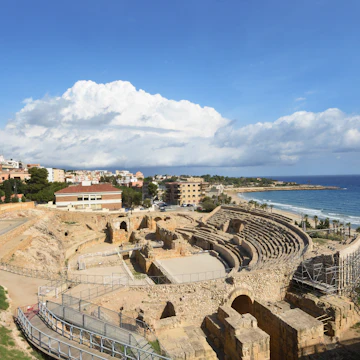 Attraction in TarragonaAmfiteatre Romà
Advertisement
Travel Guides
Tarragona travel tips from Lonely Planet experts
Find practical guidance from our team of contributors around the world who bring their decades of first-hand travel experience to your next trip.
Best Things to Do
This Catalonian port city has Roman ruins, access to golden beaches and plenty of architectural delights. Here’s what to do in Tarragona.
Read full article
Advertisement
Get a book. Get inspired. Get exploring.


in partnership with getyourguide
Book popular activities in Tarragona
Advertisement