Aug 25, 20269 min read
The 15 Best Things to Do in Porto, PortugalAug 25, 2026
9 MIN READ

Writer
Highlights
Writer Joana Taborda picks 15 experiences in Porto, from spotting tiles to strolling by the river.
Hunt for azulejos at São Bento, then tour Palácio da Bolsa's gold-leaf Salão Árabe.
For Porto's classic flavors, sip port in Vila Nova de Gaia or tackle a francesinha.
Catch Festa de São João on June 23, when lanterns light up the city's skies.
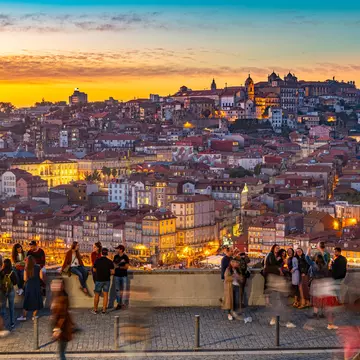
Sunset from Jardin do Morro in Porto, Portugal. Atlantide Phototravel/Getty Images

Writer
Highlights
Writer Joana Taborda picks 15 experiences in Porto, from spotting tiles to strolling by the river.
Hunt for azulejos at São Bento, then tour Palácio da Bolsa's gold-leaf Salão Árabe.
For Porto's classic flavors, sip port in Vila Nova de Gaia or tackle a francesinha.
Catch Festa de São João on June 23, when lanterns light up the city's skies.
Lonely Planet may earn a commission from affiliate links on our site. All recommendations and reviews reflect our own independent opinions.
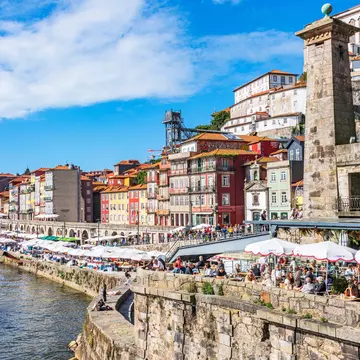
Certain things jump out when you visit Porto: the burst of blue and white from the endless azulejo facades, the Douro River shimmering at sunset and the sweet taste of port aged in century-old cellars on the opposite bank. It’s a city that draws in creativity: artists exhibiting their work in galleries and neighborhood markets, musicians jamming on the streets and photographers lured by the misty mornings and bright neon signs.
These top experiences capture Porto’s quintessential sights but also those cultural activities that will make you feel a part of the scene.
Looking for help planning your trip? Lonely Planet Journeys pairs you with a local expert who plans every detail - you just book the flights. Get started by messaging us here .
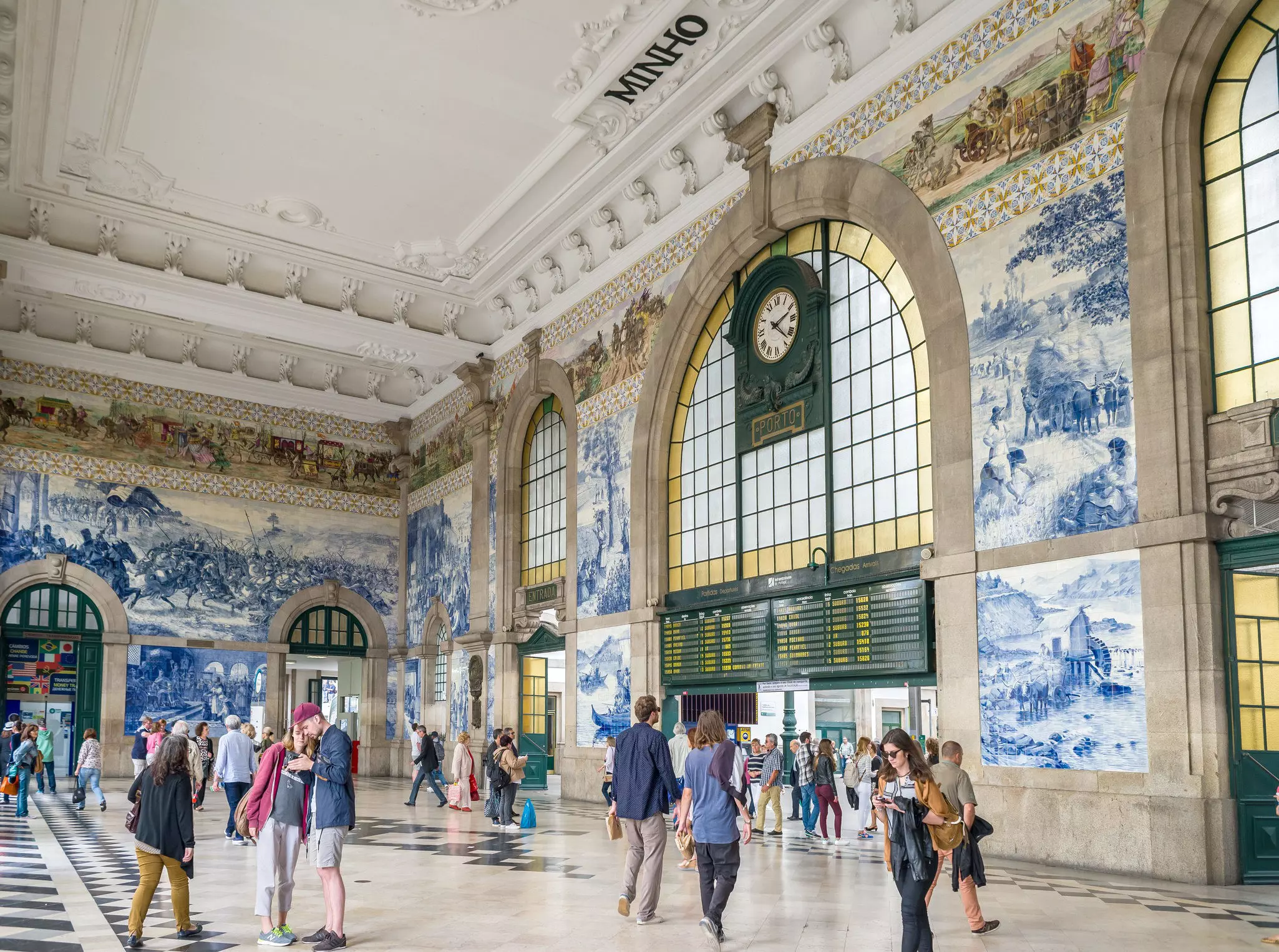
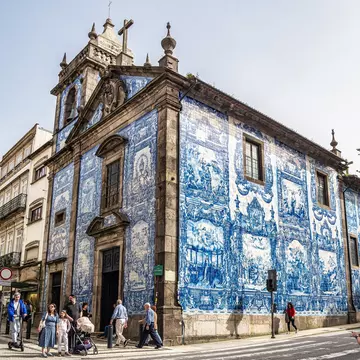
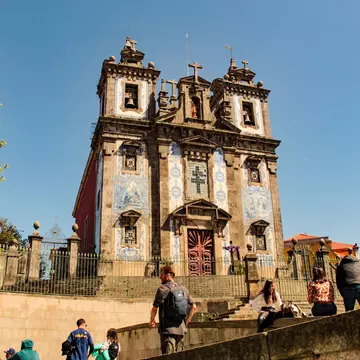
You could easily spend a whole day spotting Porto’s trademark azulejos. Start downtown at Capela das Almas, then follow Rua de Santa Catarina until you stumble upon Igreja de Santo Ildefonso. Its blue-and-white tile facade was designed by Portuguese artist Jorge Colaço, who is also behind the 20,000 tiles adorning the interior of the São Bento train station a few steps away.
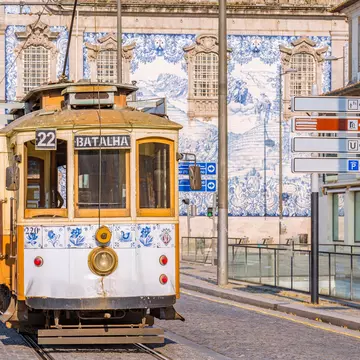
Other highlights include Igreja do Carmo and Banco de Materiais, a pioneering materials bank featuring samples of tiles ranging from Spanish-Arabic models to 20th-century designs.
Local tip: Join a tile-painting workshop at Gazete Azulejos to learn more about Porto’s tile heritage, or get your hands on some ready-made pieces at Fleurdelis.
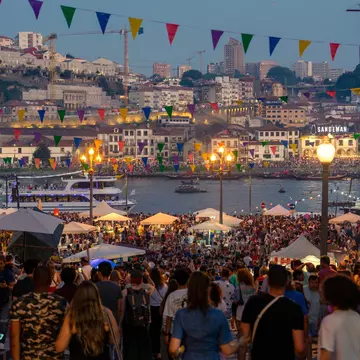
If there is one event that brings people together in Porto, it’s Festa de São João. Every year on the evening of June 23, folks hit the streets for a big outdoor shindig.
Music echoes all around you, as does the sound of the squeaky plastic hammers used to hit passersby (in a friendly way). But what really stops you in your tracks are the paper lanterns that light up the skies along the Douro River.
Local tip: Head to the Fontainhas district on the east side of town to witness the best bash.
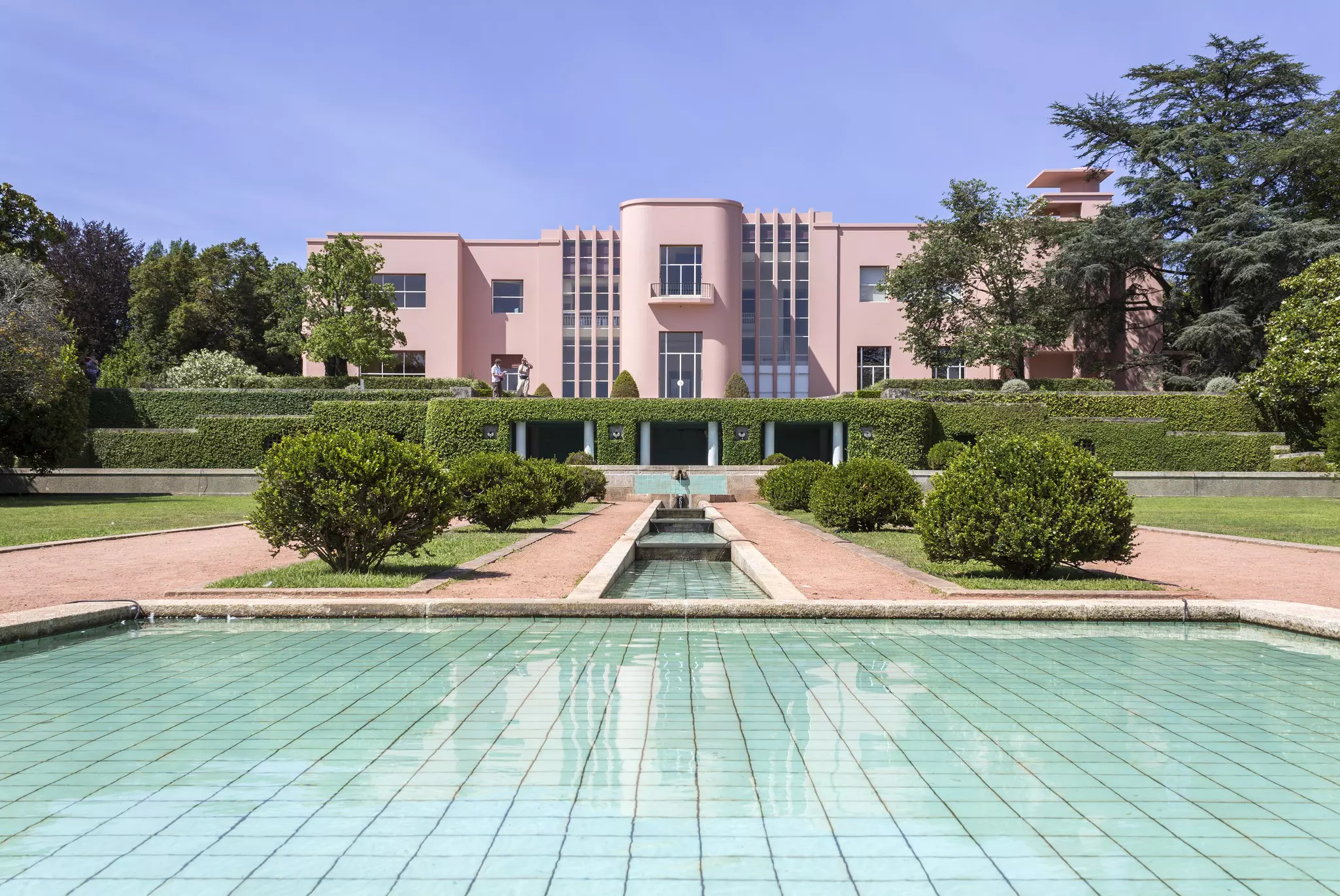
Porto’s architecture is surprisingly varied. Beyond the historic buildings, you’ll find contemporary structures envisioned by award-winning architects like Eduardo Souto de Moura and Álvaro Siza Vieira. Projects range from the city’s sleek metro network to art institutions such as Serralves and Casa da Música (by Dutch architect Rem Koolhaas) and Michelin-star restaurants like Casa de Chá da Boa Nova.
Planning tip: Casa da Arquitectura in Matosinhos hosts regular exhibits around architecture as well as walking tours and Open House Porto, a festival that welcomes you into some of Porto’s most striking buildings.
Many of Portugal’s rock stars came from Porto. Bands like Ornatos Violeta, Táxi and GNR are part of the city’s musical heritage. Record shops like Socorro double as alternative concert venues, of which there are plenty, including Radioclube Agramonte. DJs also spin records at Fiasco, one of my favorite hangouts in the Bonfim district.
Planning tip: If you want to catch bigger acts, come for the Primavera Sound festival in early June.

Stay connected abroad with an eSIM
Holafly eSIM provides unlimited mobile data with no hidden fees, giving you peace of mind wherever you travel. Stay connected even after your plan ends with Always On. Use code LONELYPLANET for an exclusive discount.
Lonely Planet may earn a commission from affiliate links on our site. All recommendations and reviews reflect our own independent opinions.
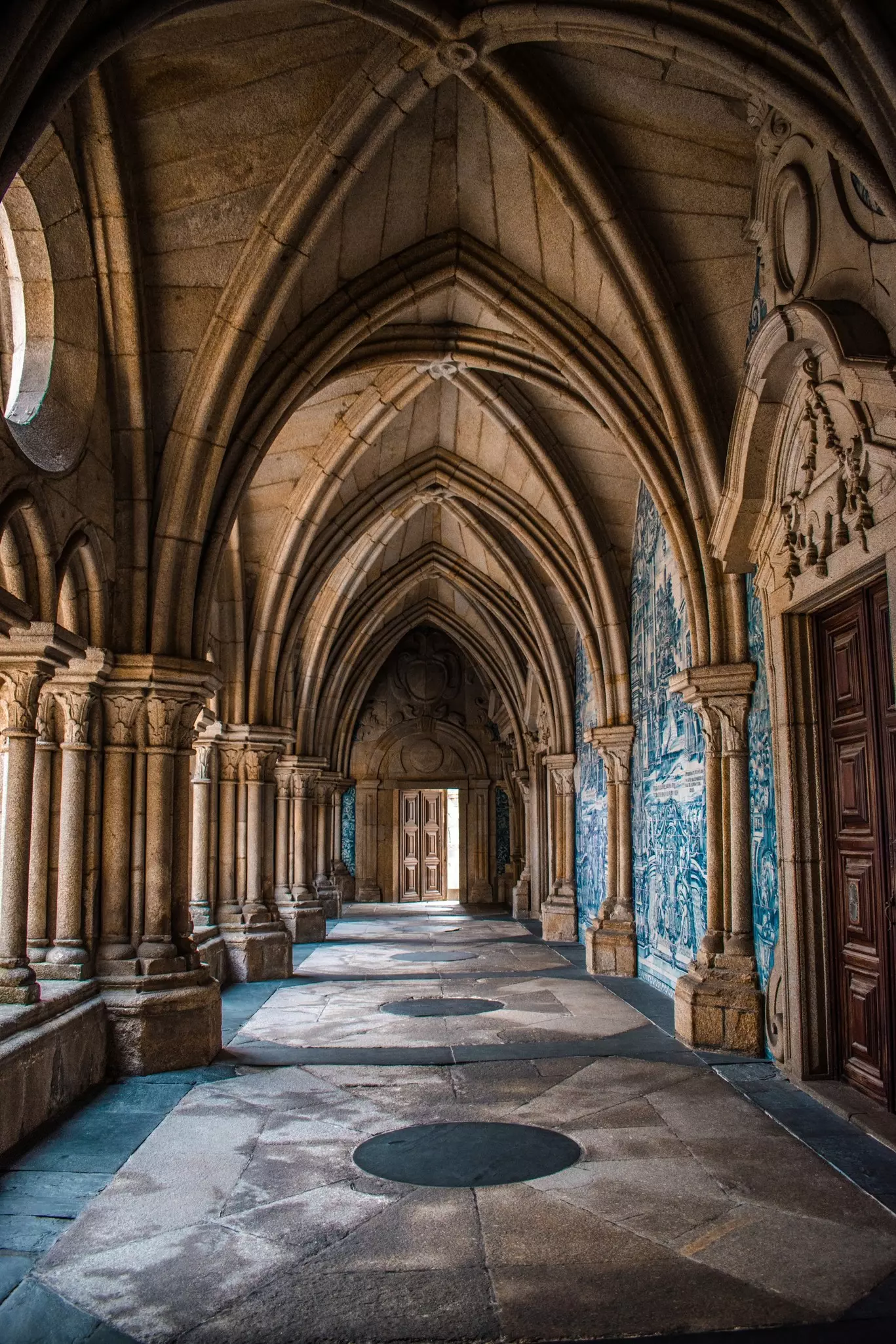
Among the city’s oldest buildings is the Sé do Porto. The 12th-century cathedral is split into a church and the cloisters, which had a tile makeover in the 18th century.
As Porto’s religious entities grew, so did its collection of churches. Some stand out for their tile facades; others beckon you inside, like Igreja dos Clérigos, with its grand paintings and sculptures; and Igreja de São Francisco and Igreja de Santa Clara, with their opulent gilded altarpieces.
Planning tip: Igreja dos Clérigos holds regular concerts and does an immersive multimedia show called Spiritus, which brings a splash of color to the church’s walls.
Sandwiches are one of Porto’s biggest obsessions. Beyond the francesinha (a multilayered meat and melted cheese sandwich with spicy sauce), which you’ll need to tackle with a knife and fork, many places specialize in meat on buns. Casa Guedes, Casa Expresso and Conga do variations of pork sandwiches; Venham Mais Cinco makes a juicy beef sandwich; Cervejaria Gazela serves Porto’s staple hot dogs; and O Xico Dos Presuntos is famous for its cured ham selection.
Local tip: You’ll find some of the best francesinhas at Café Santiago. For a vegan version, head to Kind Kitchen.
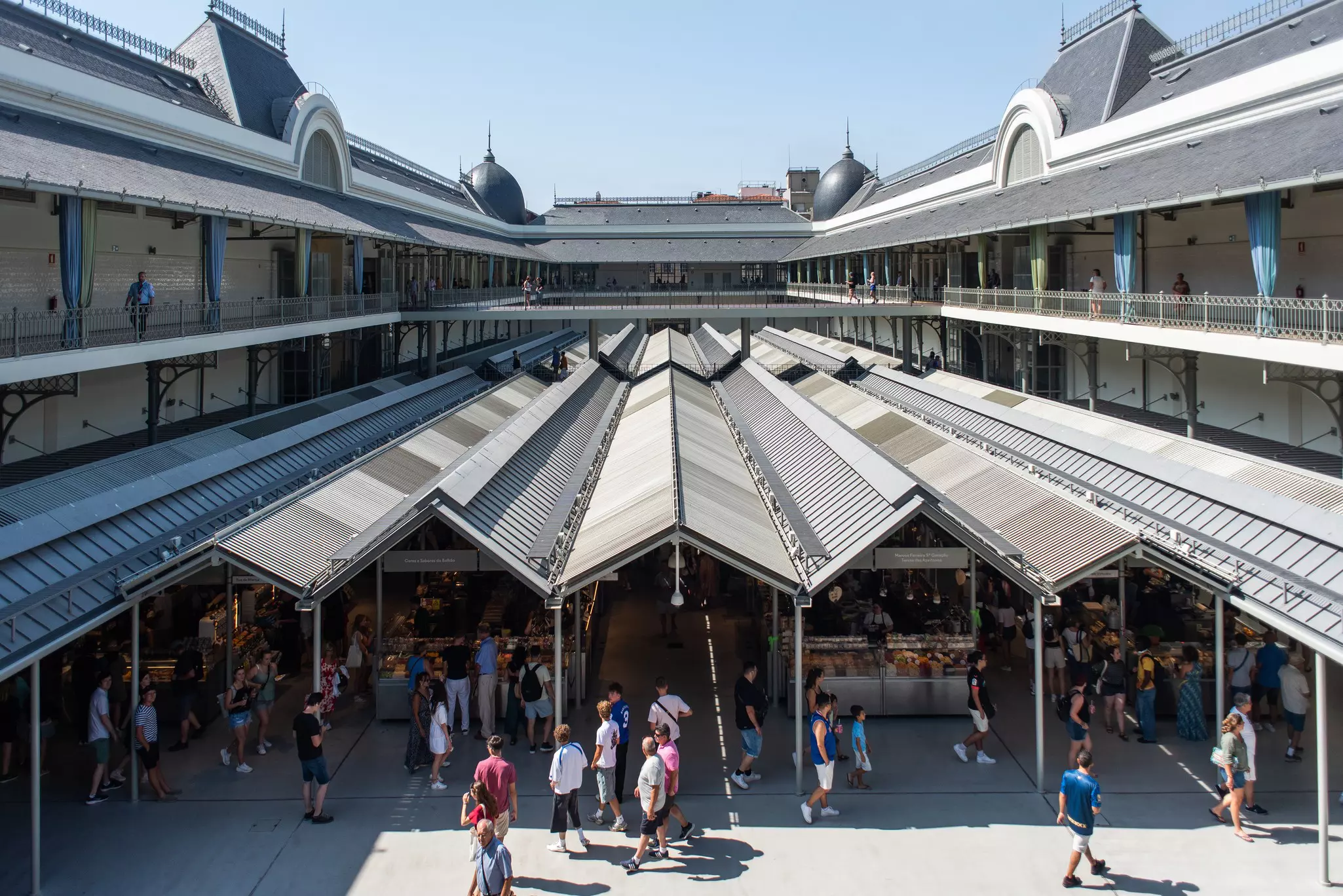
Mercado do Bolhão is a great example of how you can modernize a food market but still embrace the past. Here, long-standing fishmongers display their catch alongside new vendors selling sashimi and ready-to-eat oysters. Charcuterie stands slice sausages and cheeses right in front of you, and fruit sellers turn their produce into fresh fruit juices of your liking. The only downside? Not enough seats. If you want a proper sit-down meal, you’re best off heading upstairs to one of the restaurants serving anything from codfish to suckling pig and veggie-friendly treats.
Planning tip: Learn about the history of the market and its resident sellers by booking a guided tour.
Porto has a pretty active creative community. You’ll see it in the artists working away in ateliers across the Bonfim district and the numerous exhibits along the galleries of Rua de Miguel Bombarda.
Then there are the big hitters: Museu Nacional Soares dos Reis, Portugal’s first public art museum, with its collection of statues and naturalist paintings; and Serralves, including a contemporary art museum, an art deco mansion and gardens scattered with modern sculptures.
Planning tip: Plan your visit around late May to coincide with Serralves em Festa, one of Portugal’s biggest art festivals, and tour the Serralves park for free.
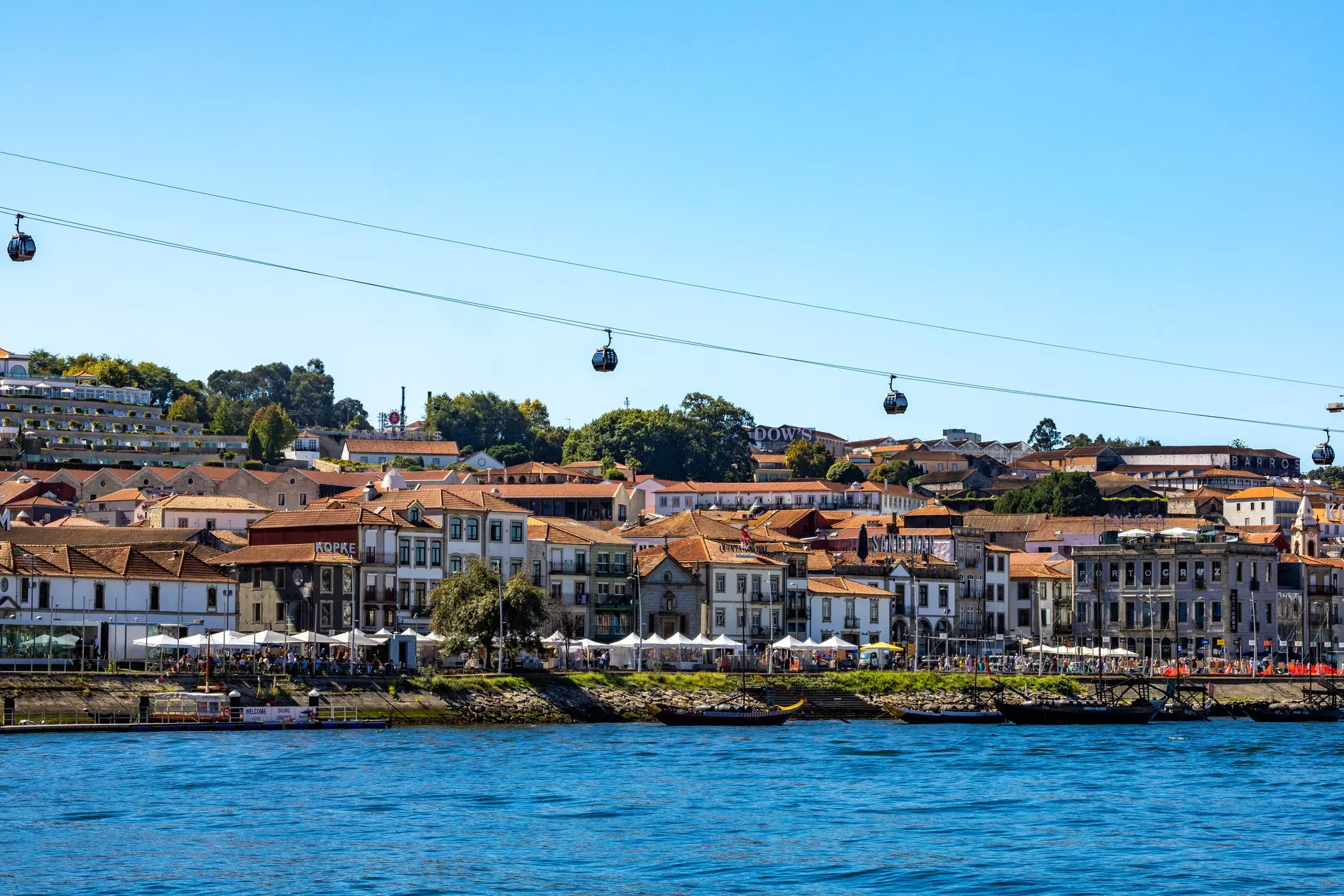
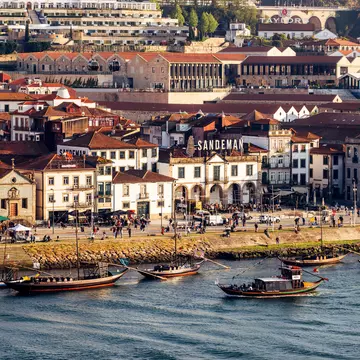
Cross over the river to Vila Nova de Gaia and you’ll soon find yourself surrounded by port wine houses. The city’s namesake wine has been aged here for centuries, and you can taste it straight from the cellars by booking a guided tour.
In a rush? Porto Augusto's tour gets you up to speed on port wine styles in just 20 minutes. Have time to linger? Try Niepoort (which also makes natural wines) or Cockburn’s, one of the few places that still has a cooper’s team (tanoeiros) in-house.
Local tip: If you fancy sampling Portuguese wine beyond port, Rafael de Lima hosts tastings for small groups at his bar in downtown Porto.
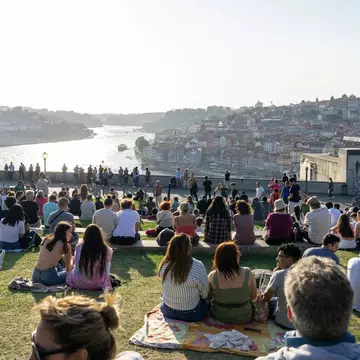
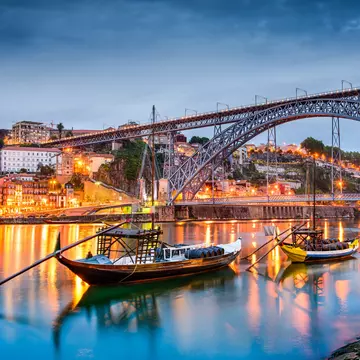
Porto’s eye-popping tiled facades are the perfect backdrop for a photo shoot. But there’s much more to capture if you know where to aim. Wake up early and you might catch a thin veil of mist wrapped around the double-decker Ponte de Dom Luís I. At sunset, seek out viewpoints like Jardim do Morro to witness the city glistening in the golden light. And as darkness falls, look for the neon signs from the likes of Cinema Batalha and the Coliseu theater.
Detour: Feast your eyes on the collection of vintage cameras at Centro Português de Fotografia, and catch the museum’s latest photo exhibit.
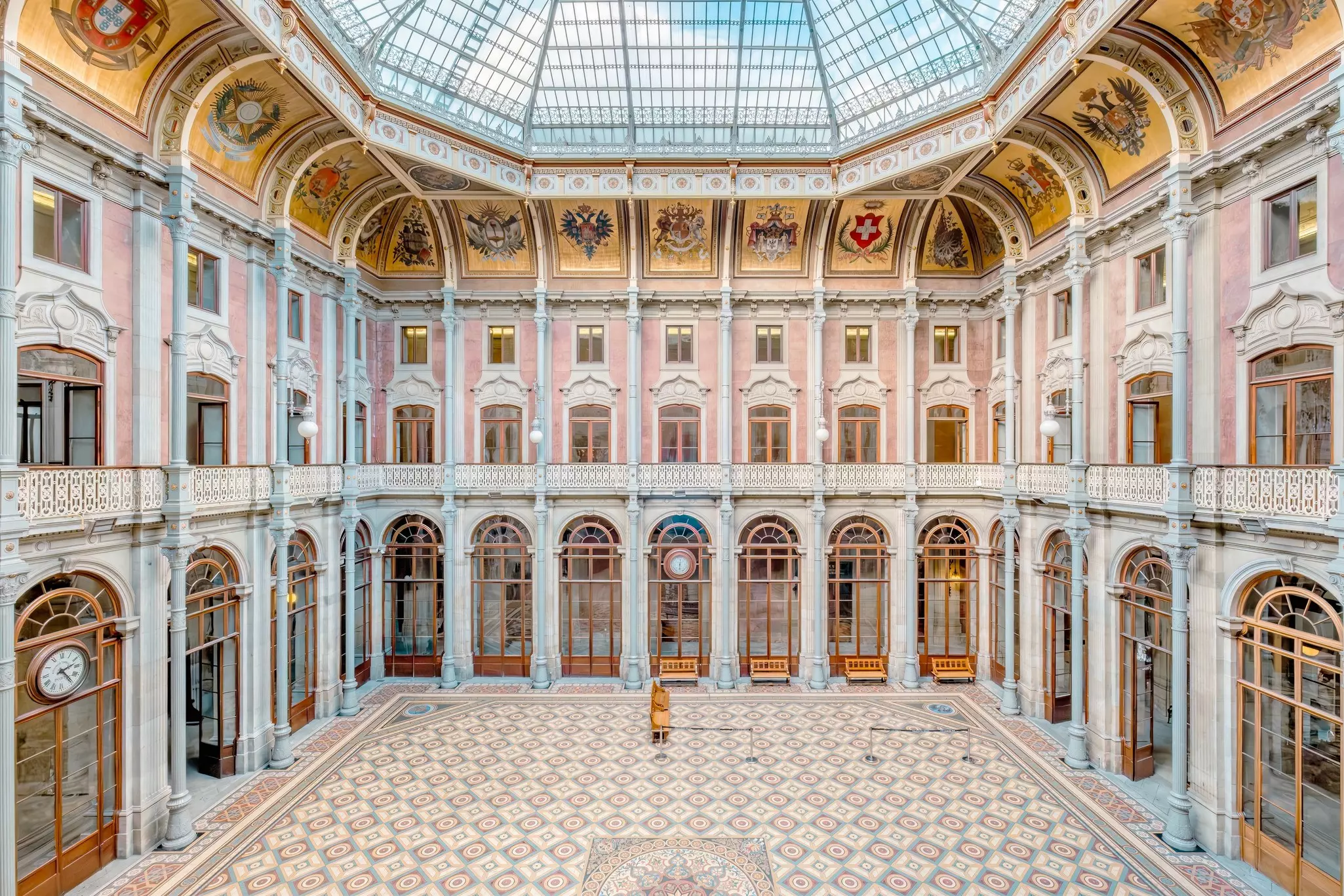
Built over the ashes of a former convent, the Palácio da Bolsa is Porto’s former stock exchange palace. Thinking of stock markets today, it’s hard to imagine trades were made under the impressive iron and glass dome of the Hall of Nations, adorned with 20 coats of arms of countries that Portugal had business with. And if that blows your mind, just wait until you see the Salão Árabe, where 18kg of gold leaf recreates a Moorish-style interior.
Planning tip: Guided tours last 30 minutes, and the language is chosen based on the order of arrival.
You can source unique souvenirs at the city’s historic shops. Buy fragrant soaps wrapped in vintage-styled packaging at Claus Porto and handmade brushes at Escovaria de Belomonte, and don't miss the bookshops with special editions, such as those at Livraria Lello.
Then there are the neighborhood markets, where designers and artisans come together to show off their crafts. Mercado Porto Belo, River Market and the Urban Market are all great spots to browse for jewelry, clothing and art prints.
Local tip: If you’re more into thrifting, look out for the Humana secondhand chain stores.
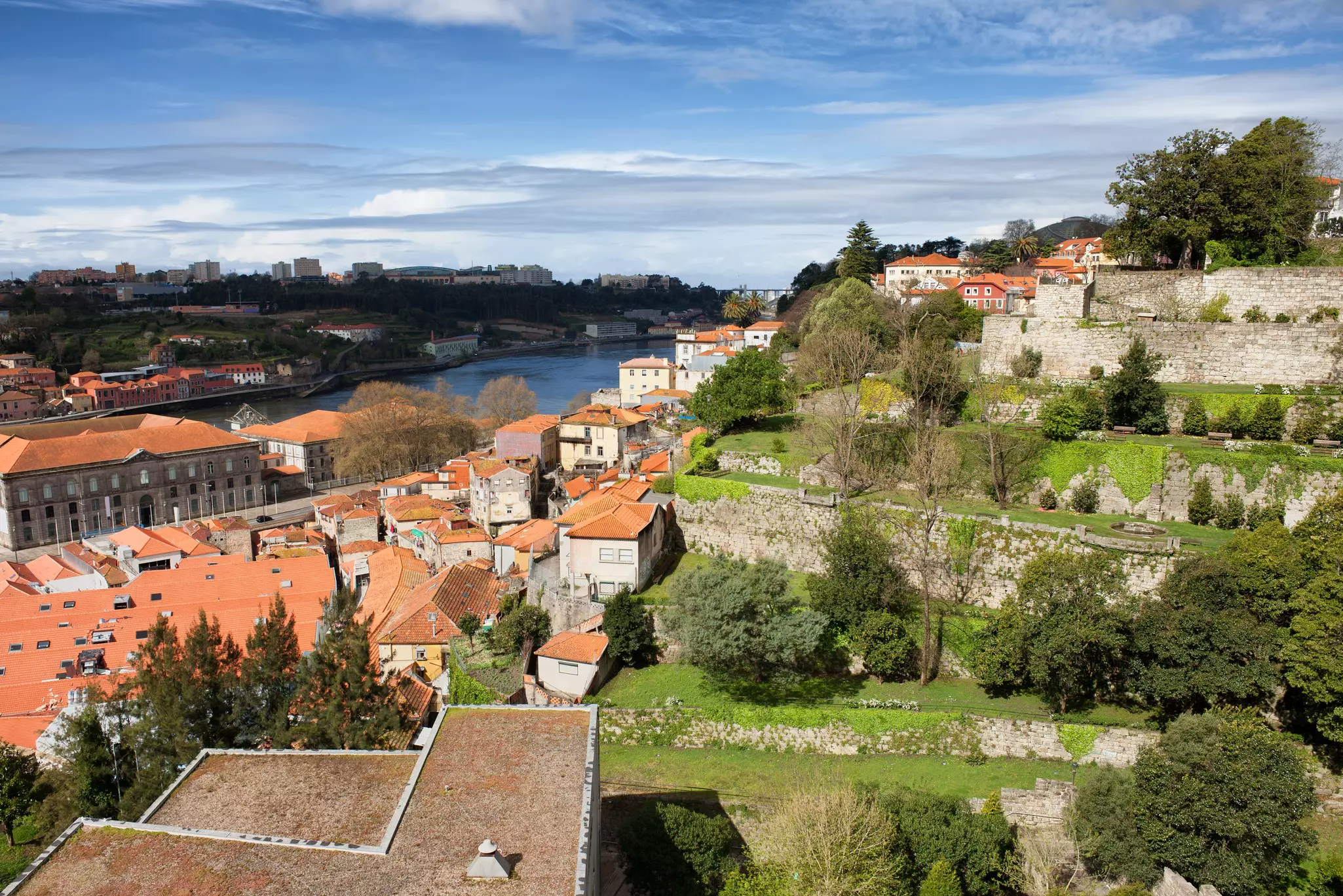
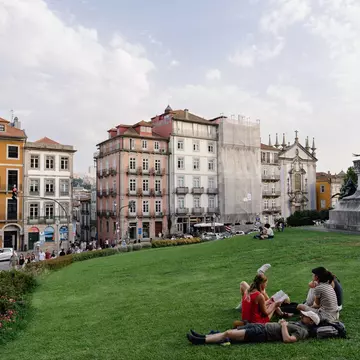
Porto’s parks and gardens are well maintained, so much so that three have a Green Flag Award: Jardim Botânico do Porto, Jardim do Passeio Alegre and Parque da Cidade, Portugal’s largest urban park, featuring cycling lanes, lakes and plenty of picnic spots.
But even those without the accolades are well worth a visit. Explore the maze in Parque de São Roque, the terraced slopes of Jardim das Virtudes and the hidden Parque das Águas overlooking the Douro River.
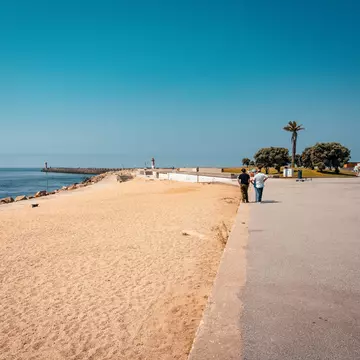
Detour: If you feel the call of the sea instead, the beaches of Foz do Douro are just a short walk from Jardim do Passeio Alegre.
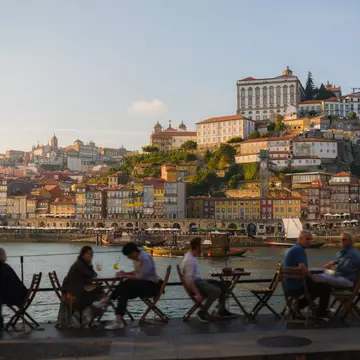
One of the city’s major landmarks is, without a doubt, the Douro River. Drink in the waterfront views with a glass in hand at Wine Quay. From here, you can walk toward the seaside in about 1 hour and 30 minutes, or rent a bike. If you’d rather sit back and take in the sights, a river cruise on a restored barco rabelo (the boats that used to carry wine up and down the stream) might be more your speed.
Planning tip: You can paddle along the Douro River in a Hawaiian canoe with Douro Vaʻa.
The seaside district of Matosinhos used to be the heart of Portugal’s fish canning industry. Today, only a few factories remain, like Conservas Pinhais. Book a tour to go behind the scenes of this 1920s factory, and finish off with a delicious sardine tasting.
Rather stick to fresh fish? Head to Rua Heróis de França to find various seafood restaurants, or stop by the Mercado Municipal to see the fishmongers in action.
Planning tip: Keep an eye out for Out of the Blue, a gastronomic event featuring guided tastings and classes with chefs.
Explore related stories